Gulf Islands National Seashore, MS, March 2026
You can tell it is a national park because the name is so long – Gulf Islands National Seashore: Davis Bayou Area. Also, it has national in the name. There area multiple areas of the Gulf Islands National Seashore, including Florida, near Pensacola, and barrier islands. There is not one in Alabama. The Davis Bayou Area is free because the original charter required it to be free before it became a national park. The other areas cost $15-$25 and possibly an expensive ferry ride.
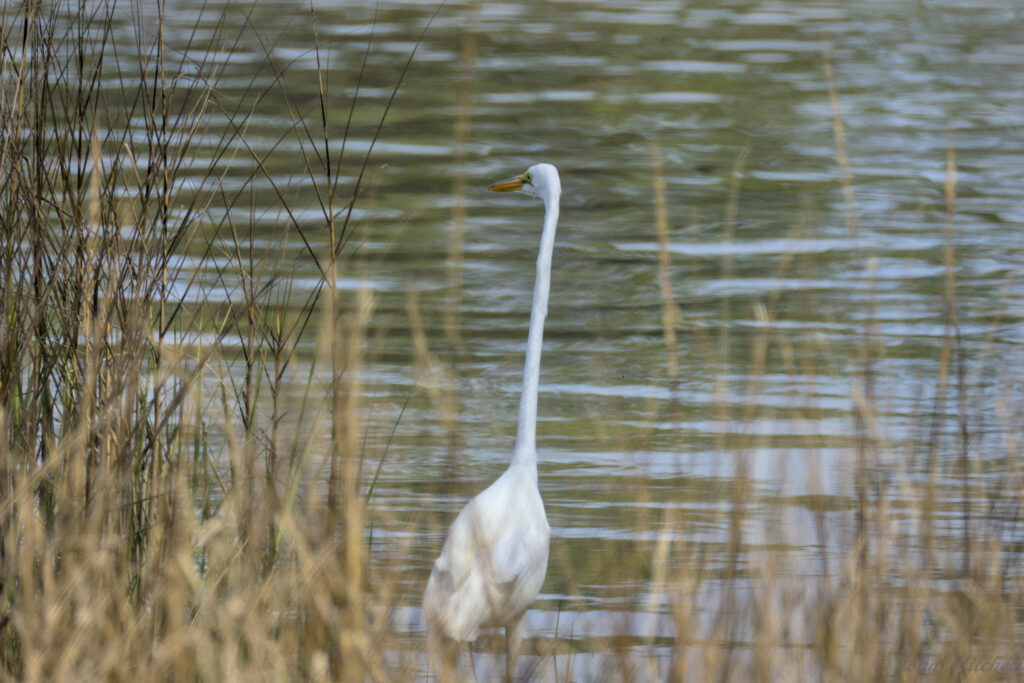
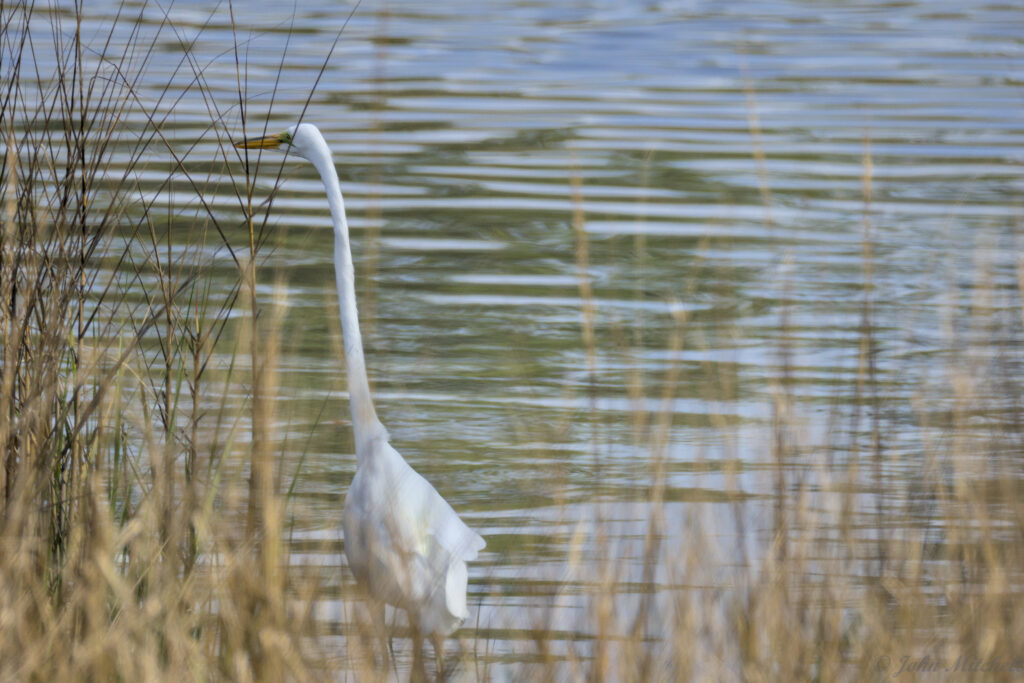
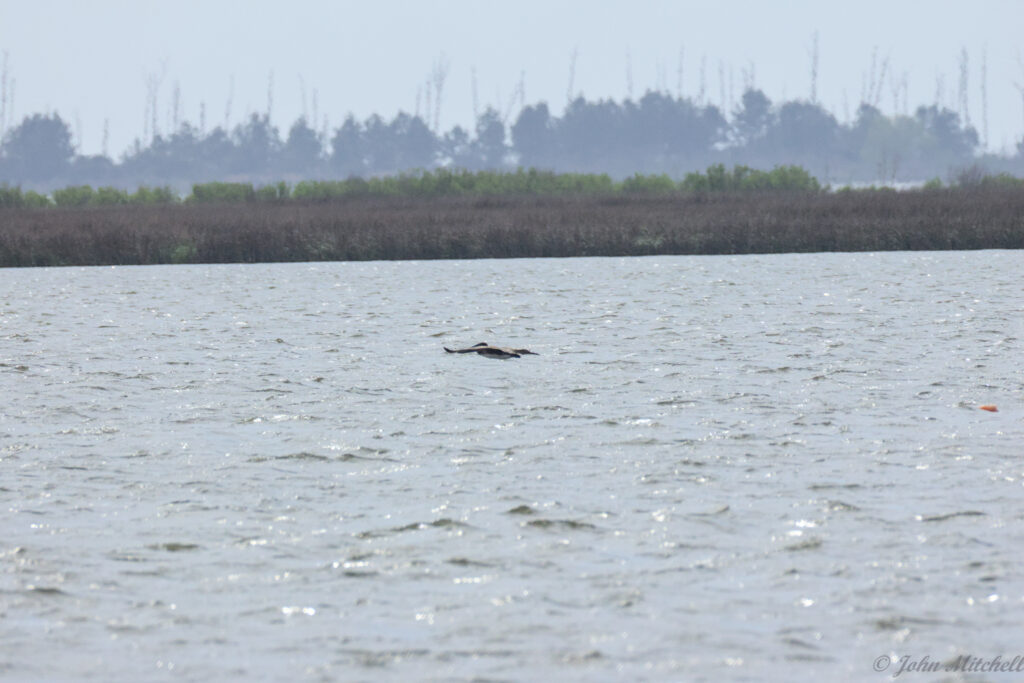
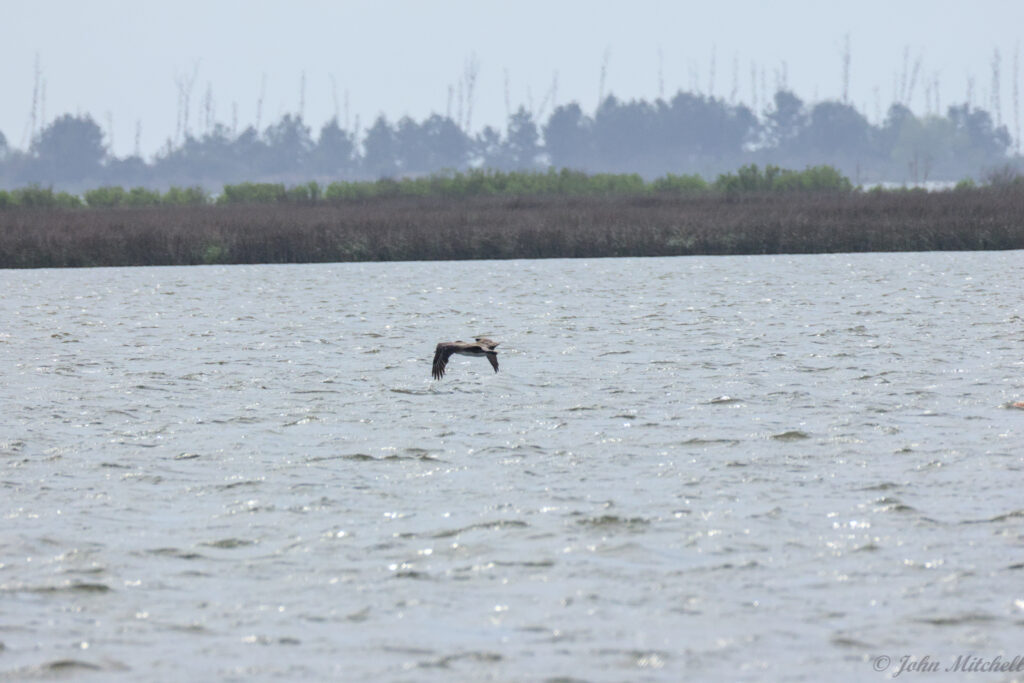
There are a few points of interest at the Davis Bayou Area – visitor center, fishing pier, bridge, boat ramp, and campground. Our first stop was the visitor center. Kate will put something up for that. The visitor center has various displays that we did not spend much time viewing on this visit. Kate ask where to find alligators, and we learned about the laughing Clapper Rail. We went out on the viewing deck in the back, and there was not a lot wildlife there. We heard the Clapper Rail, but we never saw it. We did see some Laughing Gulls, Great Egrets, and Brown Pelicans, but we were only able to get good pictures of the egret. The Laughing Gull and Brown Pelican are new birds for the bird catalog.
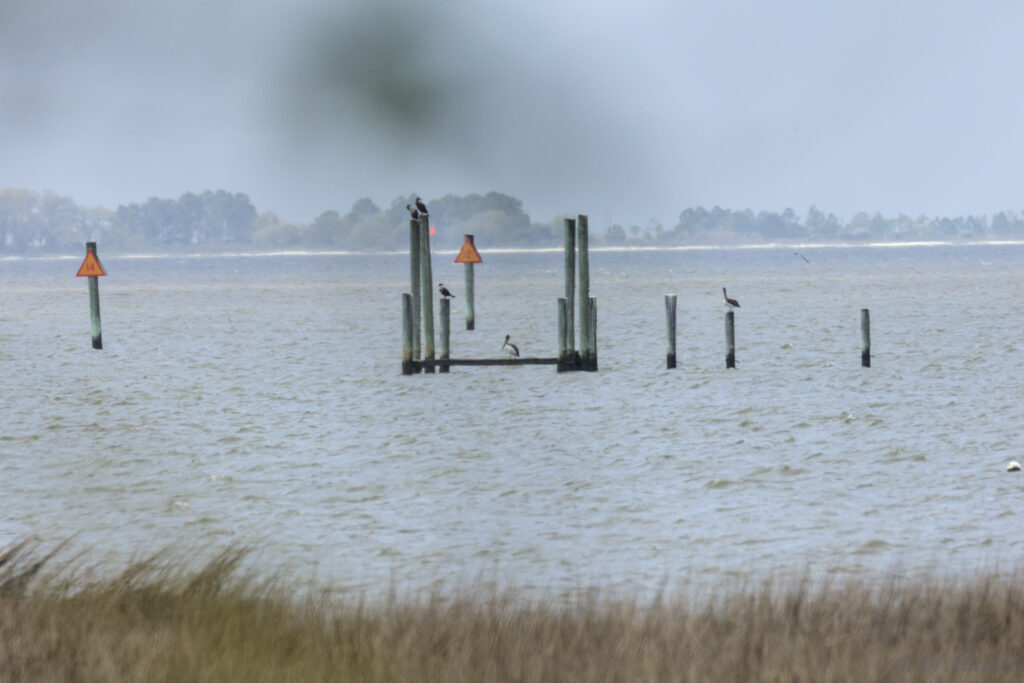
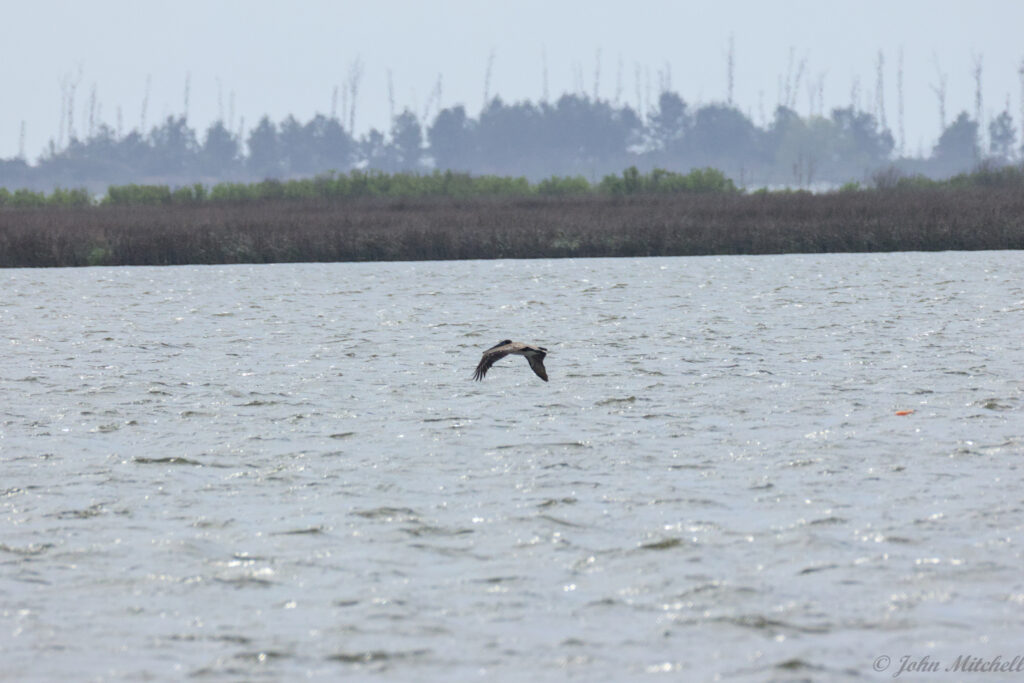
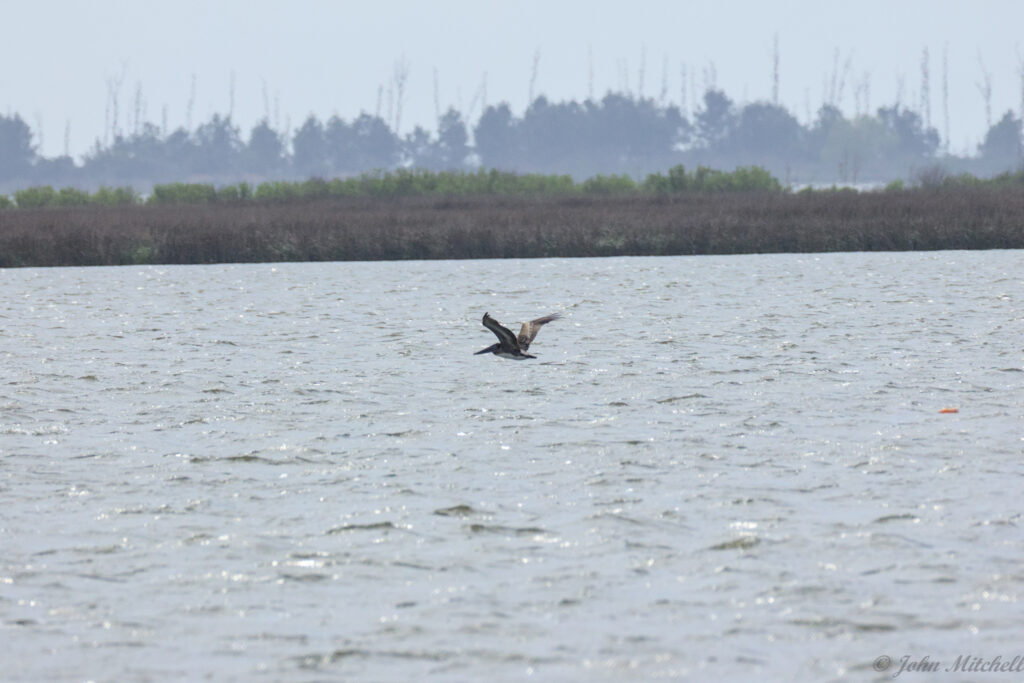
The Brown Pelicans were about half a mile away.
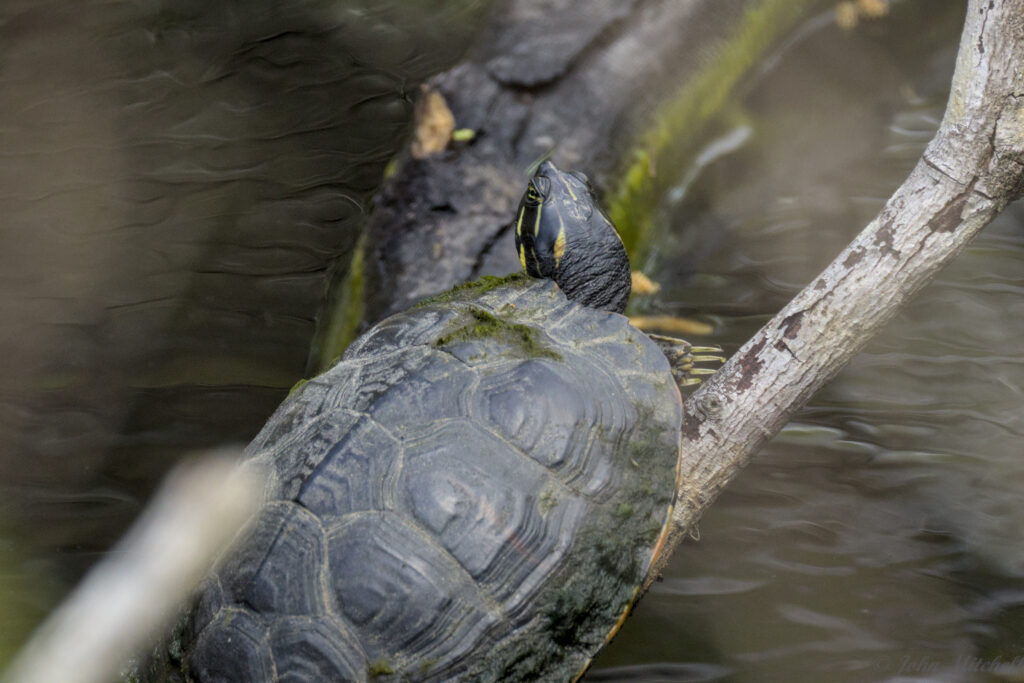
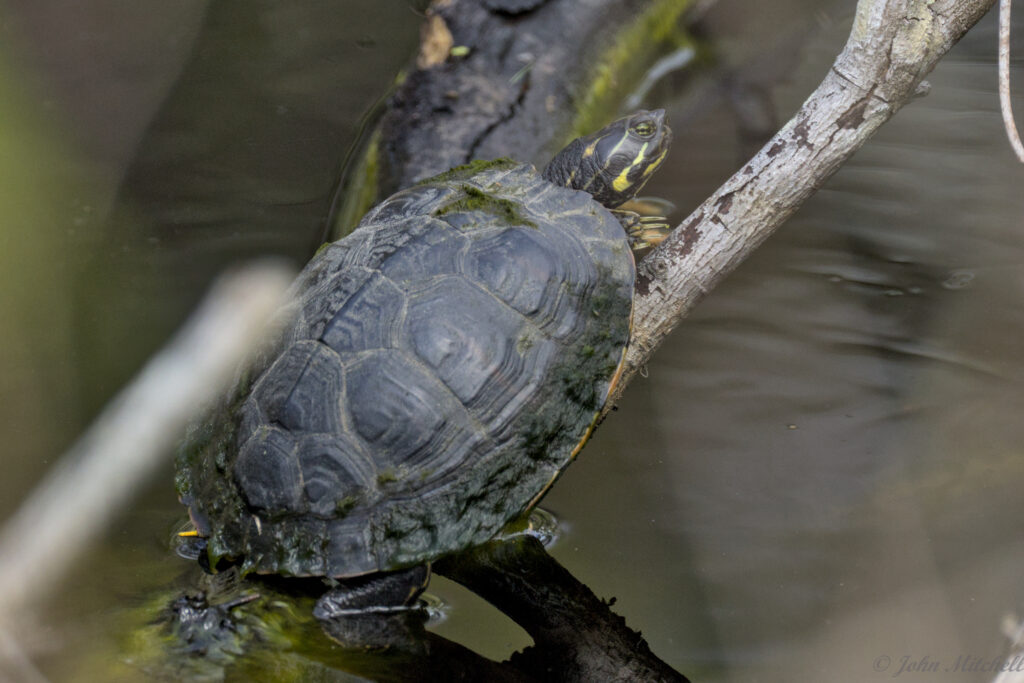
The next stop was the bridge in the park that connected the visitor center to the campground and boat ramp. This had quite a few animals in the marshes, ponds, and river. The pond at the start of the bridge had a Red-eared Slider closer than we have ever seen. It also not very slidey; it did not care about the people at all.
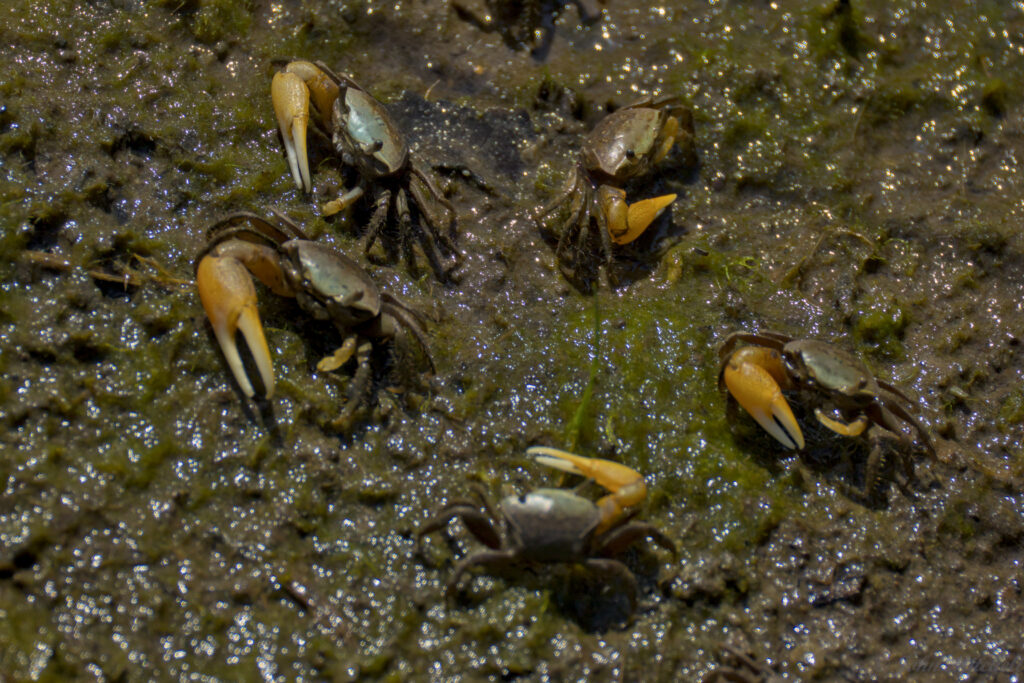
The bank of the marsh was covered with little Fiddler Crabs. They were maybe an inch or two lengthwise. Watch out for the videos, you can hear how strong the wind was blowing. Most of the videos shake a little from the wind and some have loud wind noise.
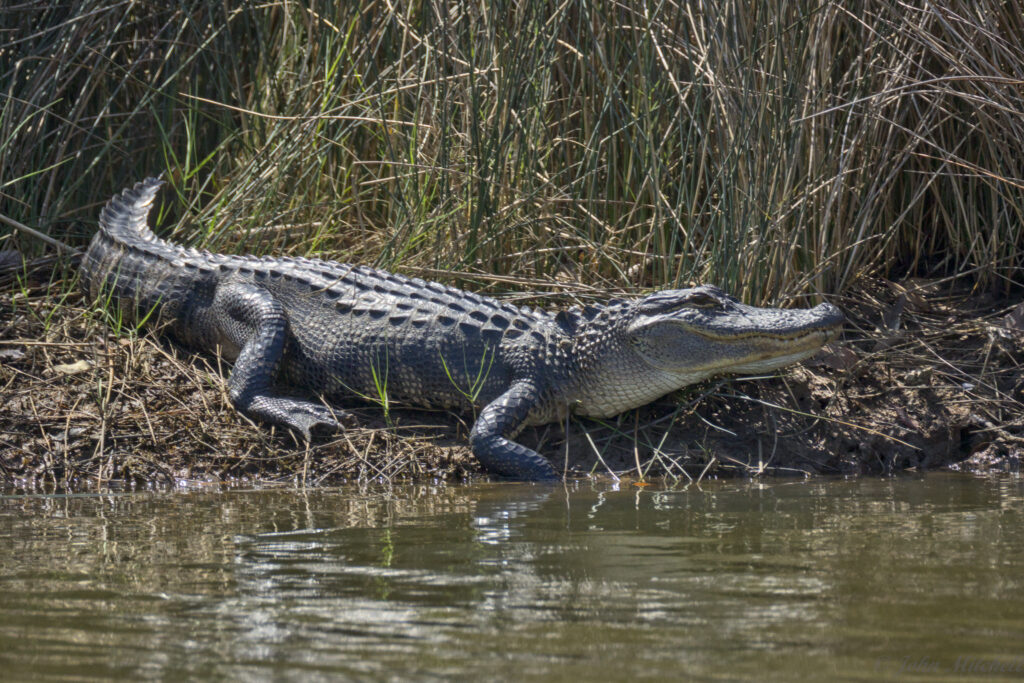
The alligator was out on the bank. People were not sure whether it was real because it moved so little. The park personnel said it was real, but that would have been a great prank.
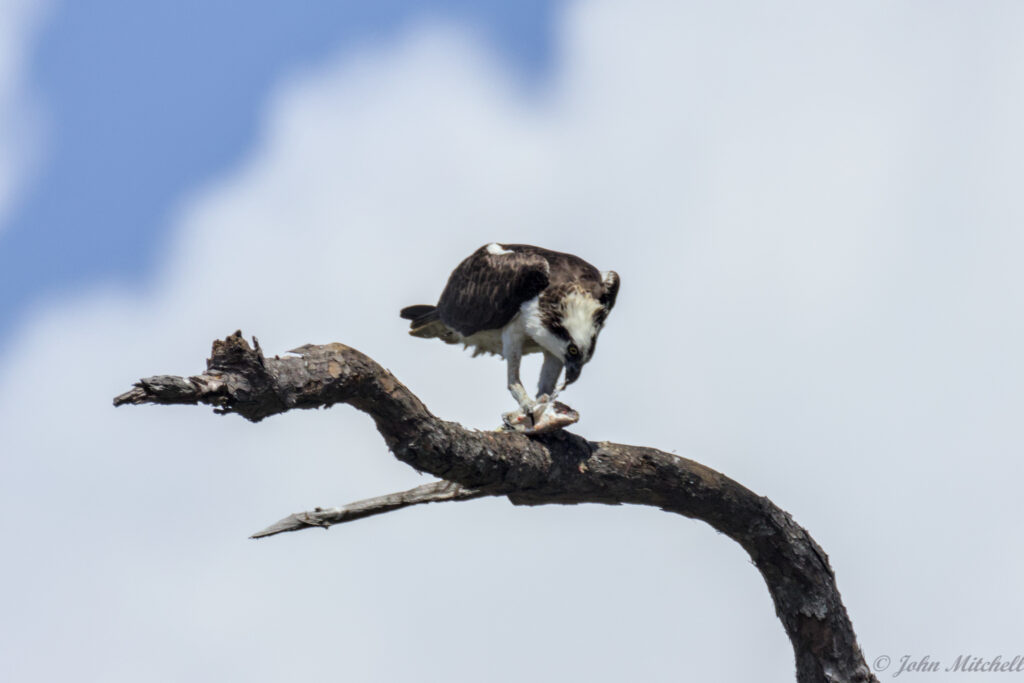
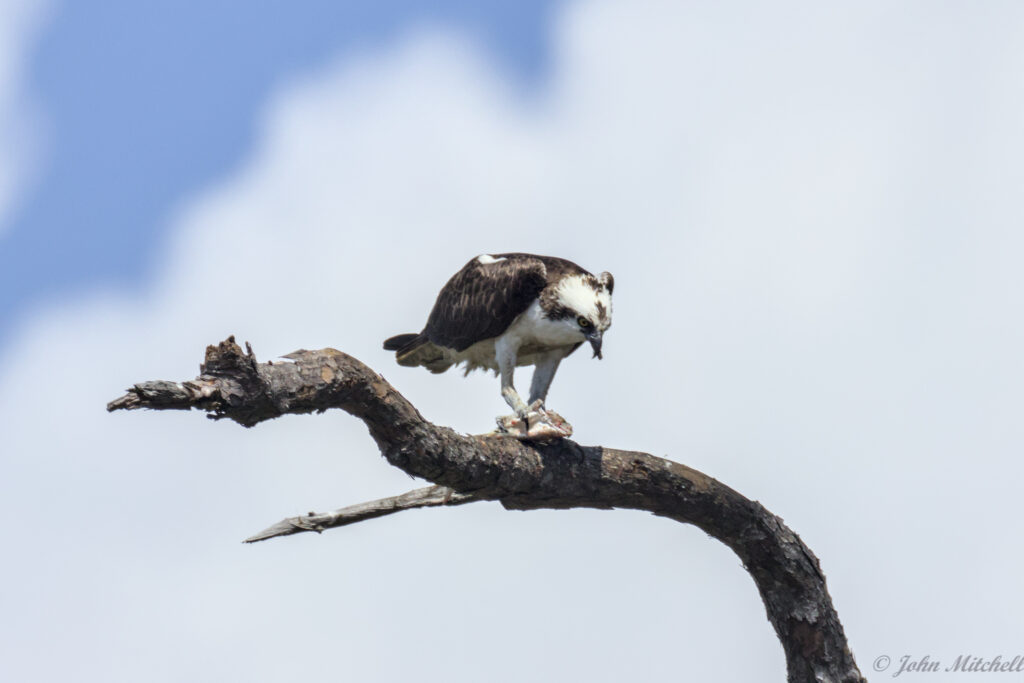
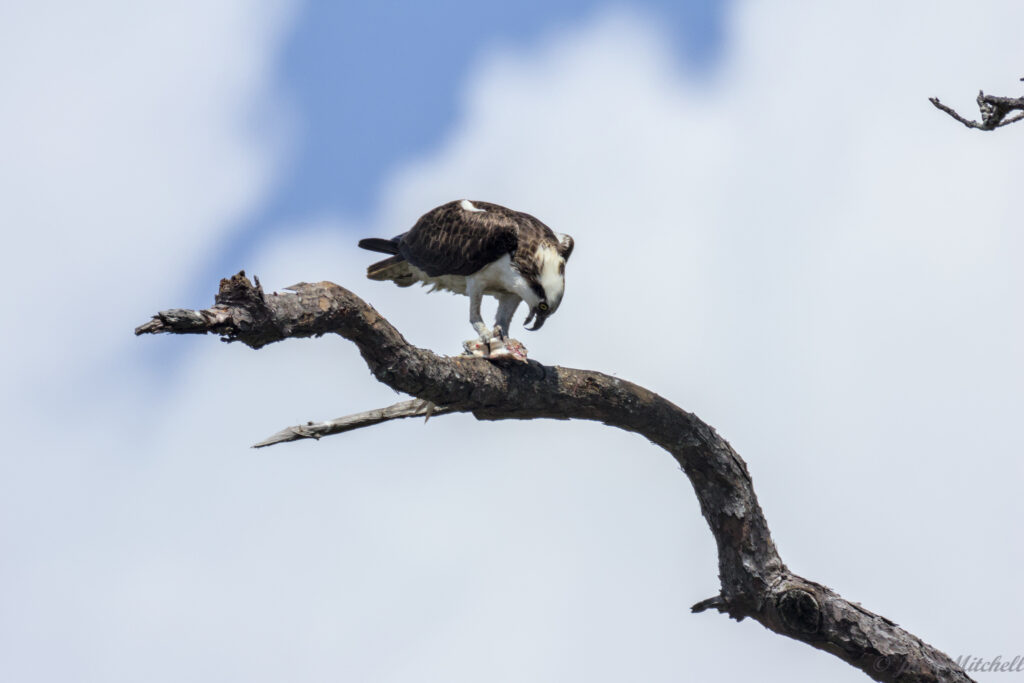
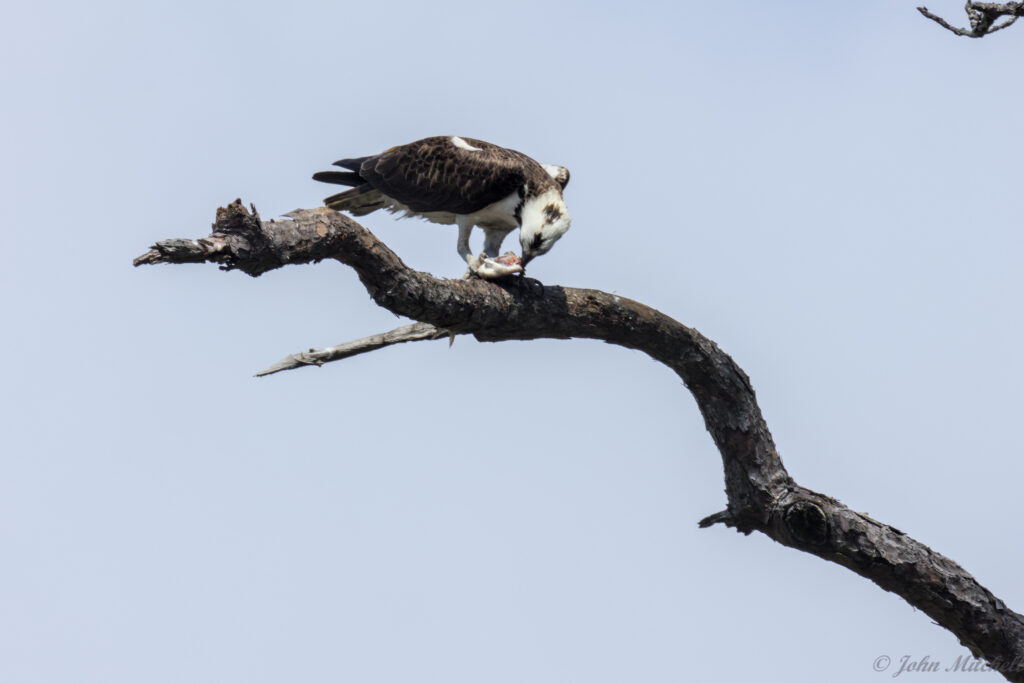
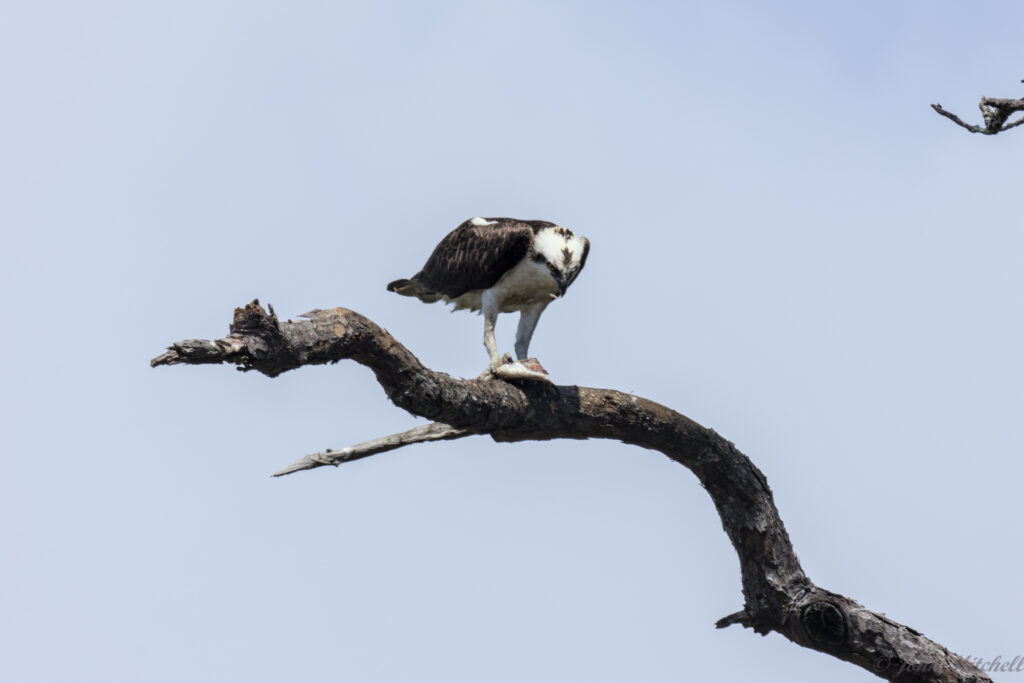
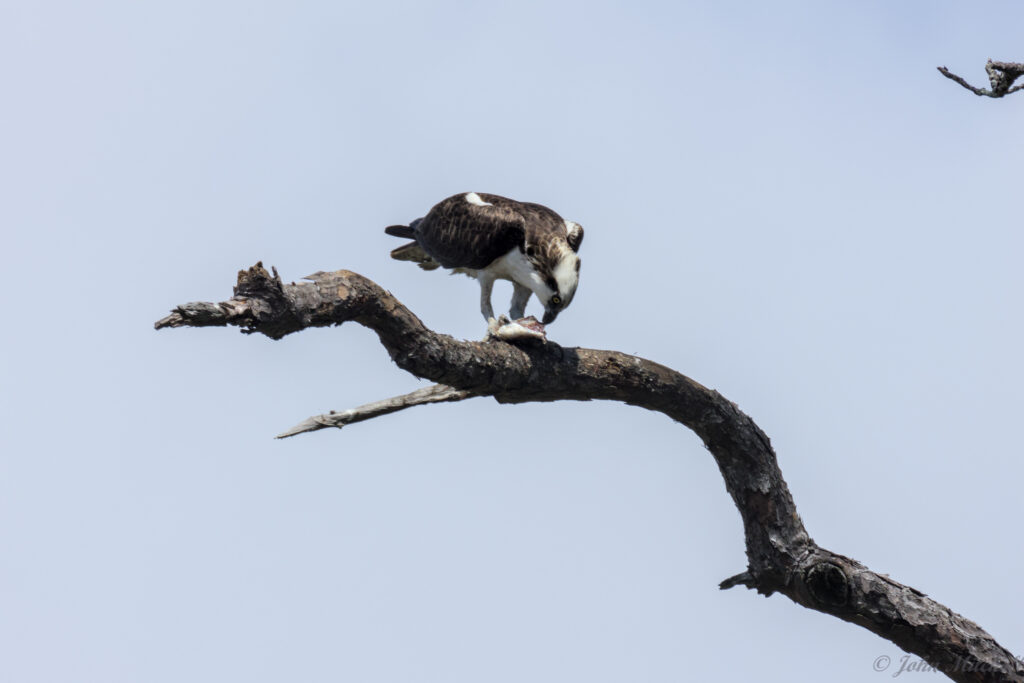
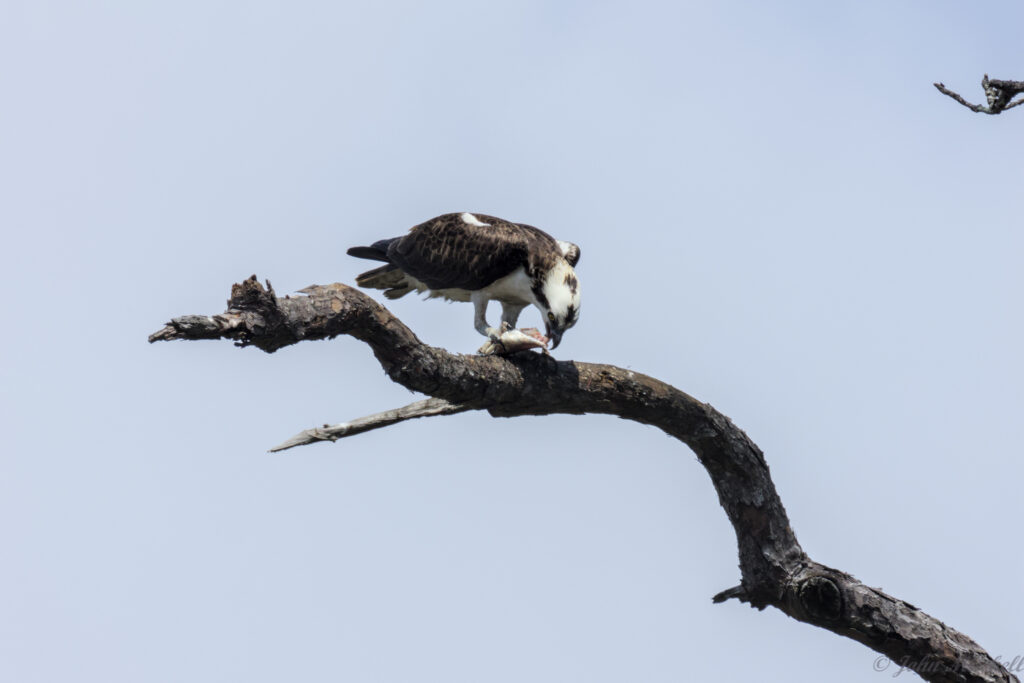
There was an Great Horned Owl nest at the end of the bridge, but we never saw the owls. The nest was originally an Osprey nest, but the owls took it over. The Osprey built a nest on the diagonally opposite their old nest across the bridge and river. One was on the nest.
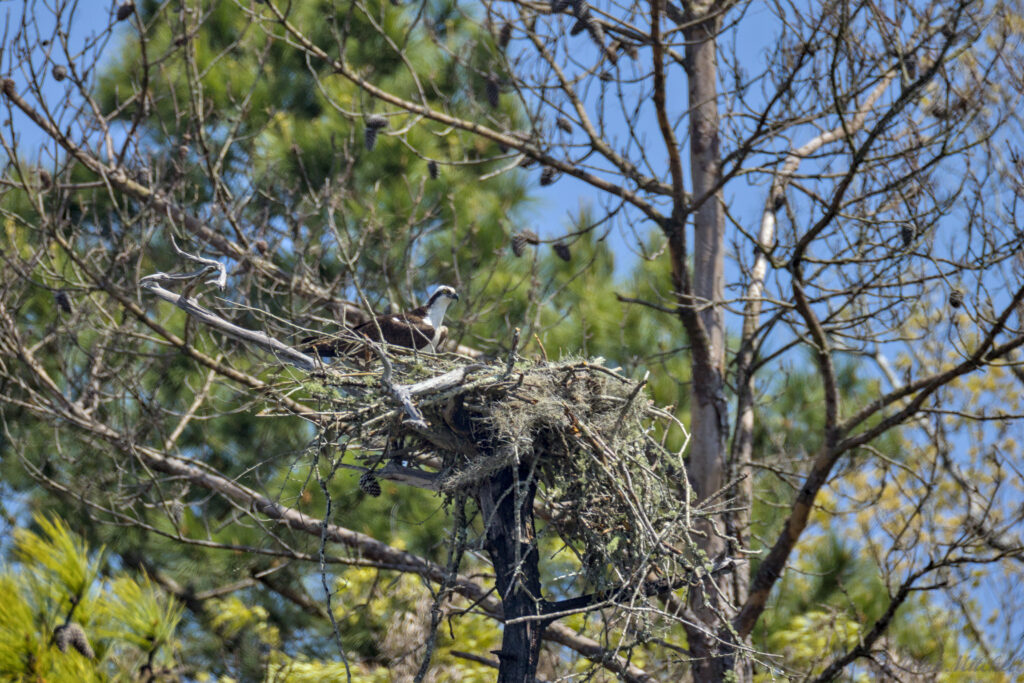
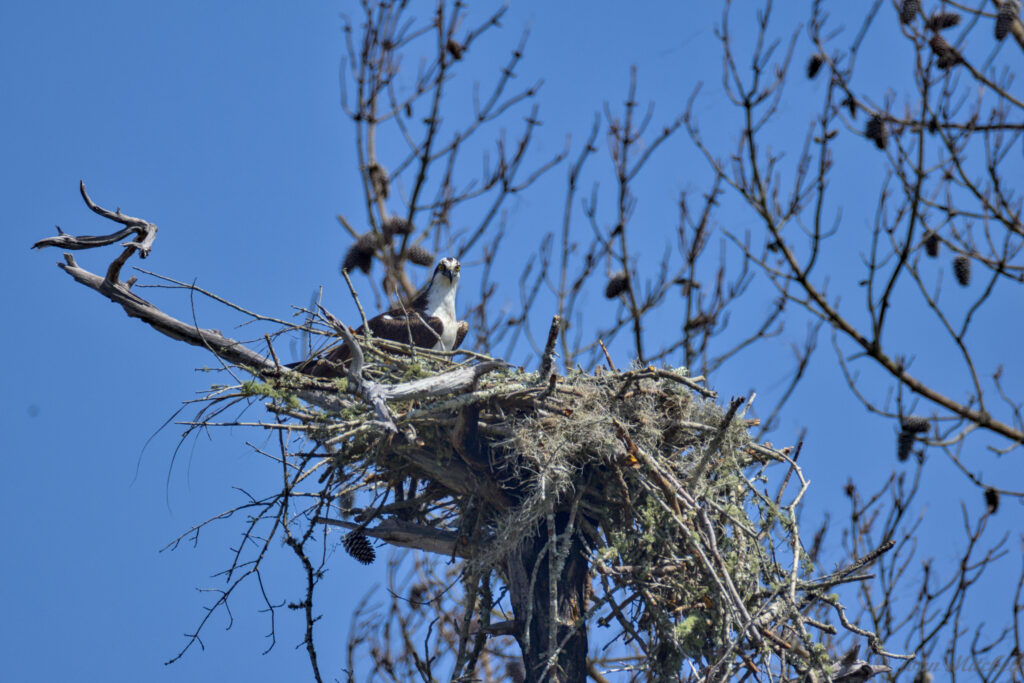
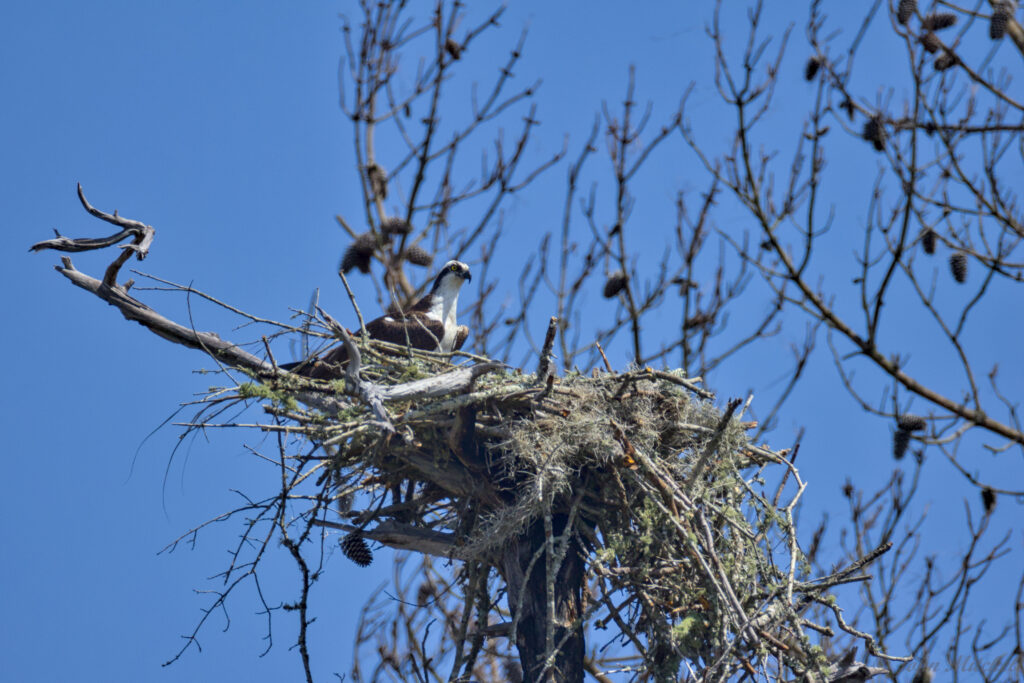
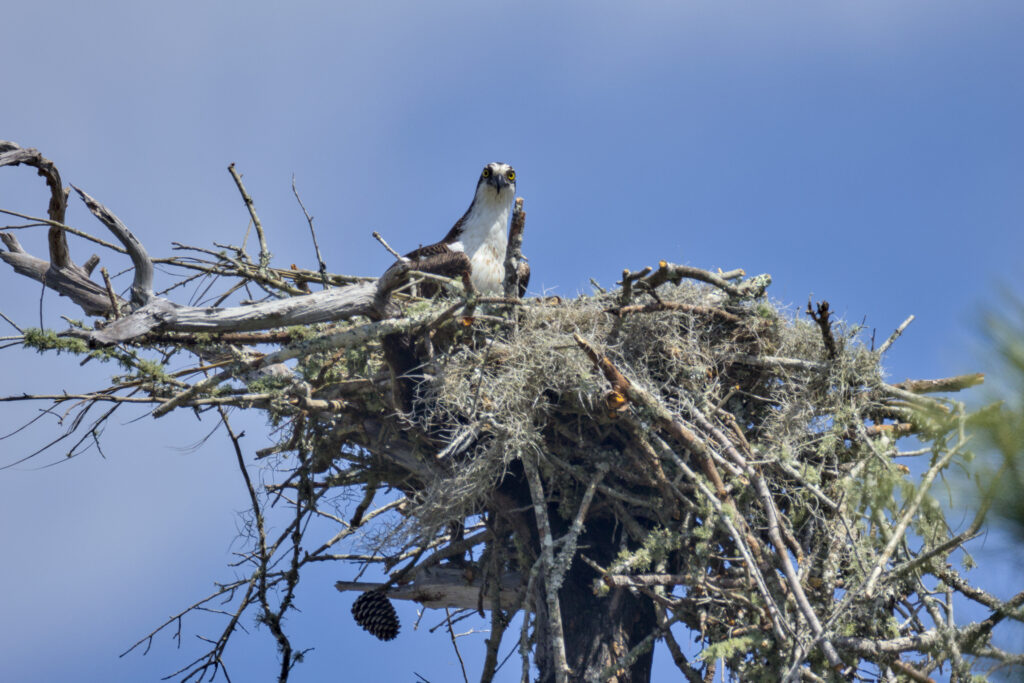
The other Osprey was on a nearby branch tearing a fish to pieces. (Note: This is nature in action. It is not for the faint of heart.)
Next, we drove through the campground looking at sites. The sites are very short. We will probably have to park a vehicle in the overflow parking, but we found a few sites that should fit the RV and car. Kate will post something about that.
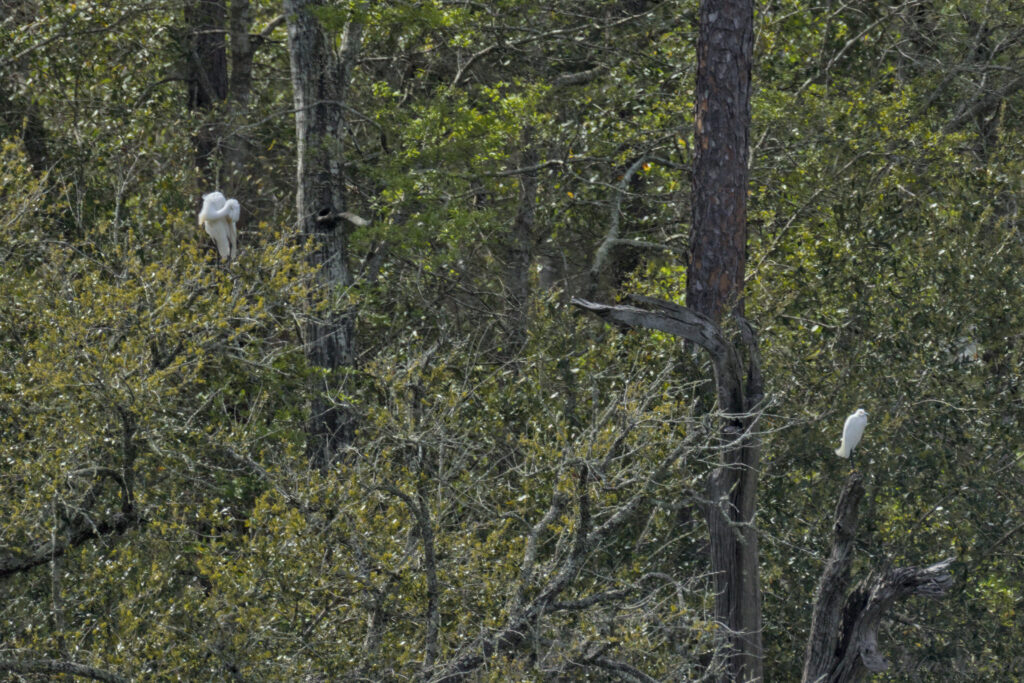
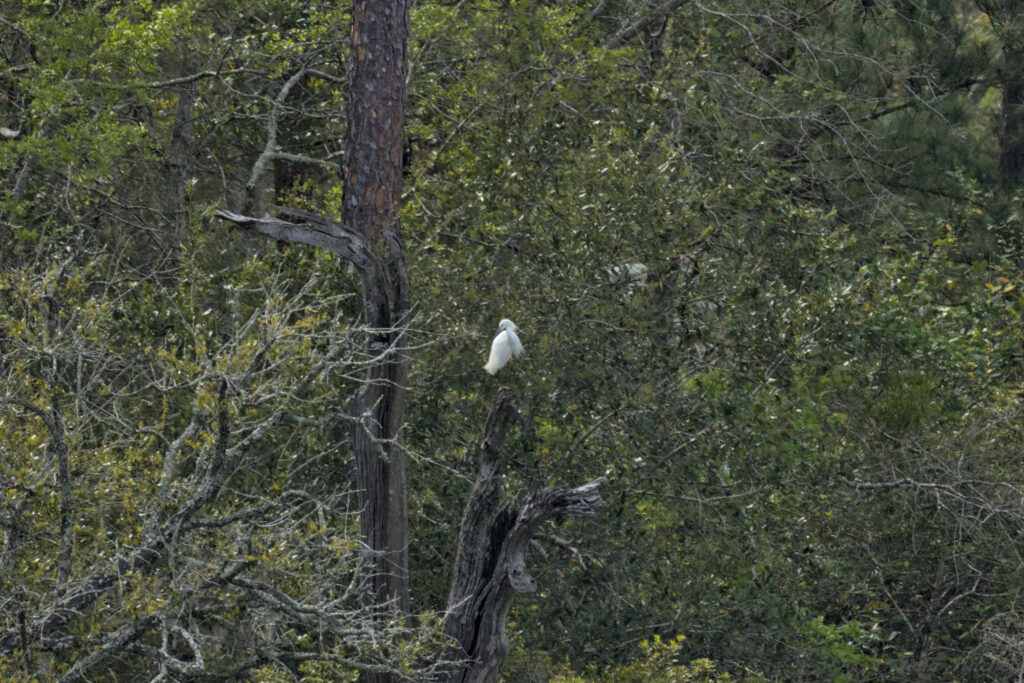
After the campground, we investigated the boat ramp. There were a few people on boats and fishing, but not so many that the birds avoided it. We saw what we thought were two Great Egrets in a tree and one in the marsh. It turns out that right bird in the tree is a Snowy Egret. You can tell it is a Snowy Egret because, if you zoom in a lot, the beak and legs are black, but the feet are yellow. It appears to have, at least partial, mating plumage.
We also saw what looked like a new duck, but it turned out to be a molting Common Loon. We hiked six miles in Yellowstone National Park to hear one, and we just stumbled across on here. Sadly, it is not decked out in mating plumage. You can see the white marks of mating plumage on the back, but the rest has not come in.
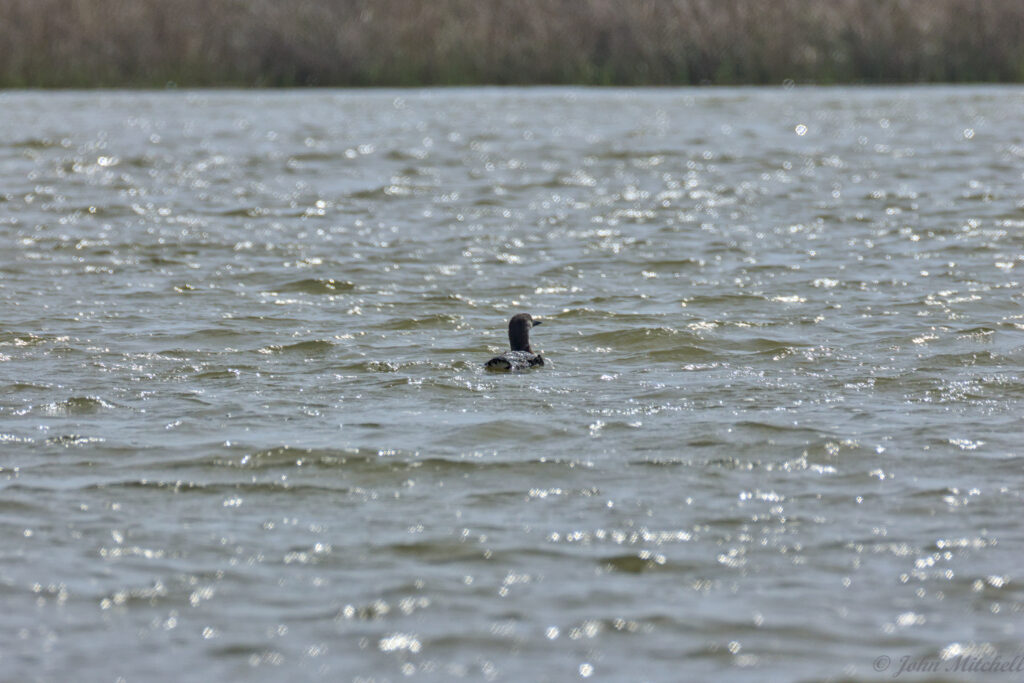
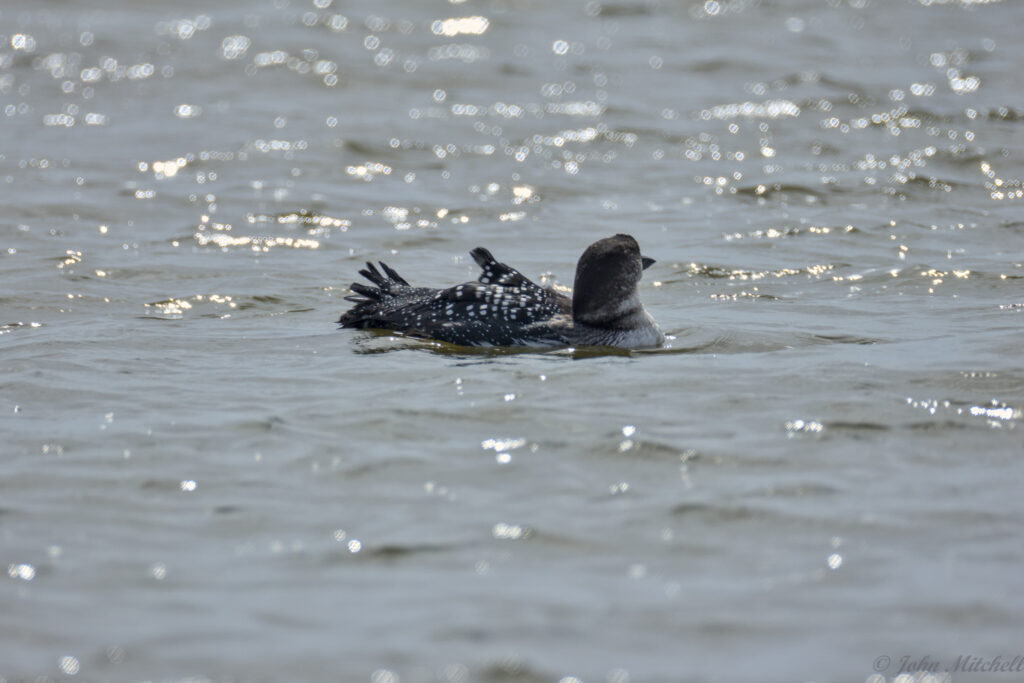
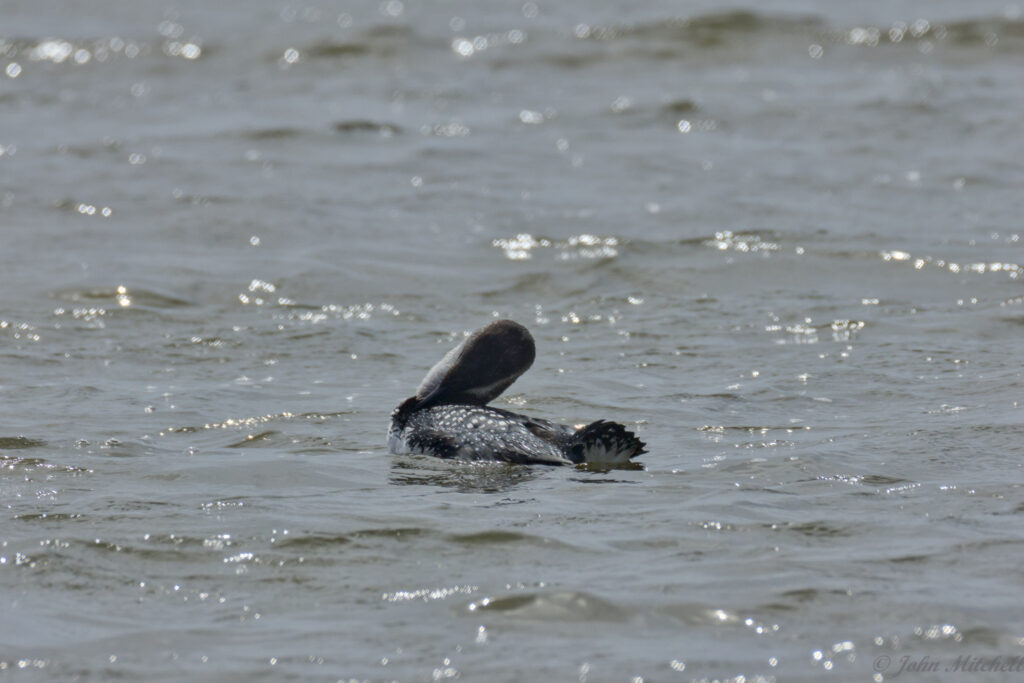
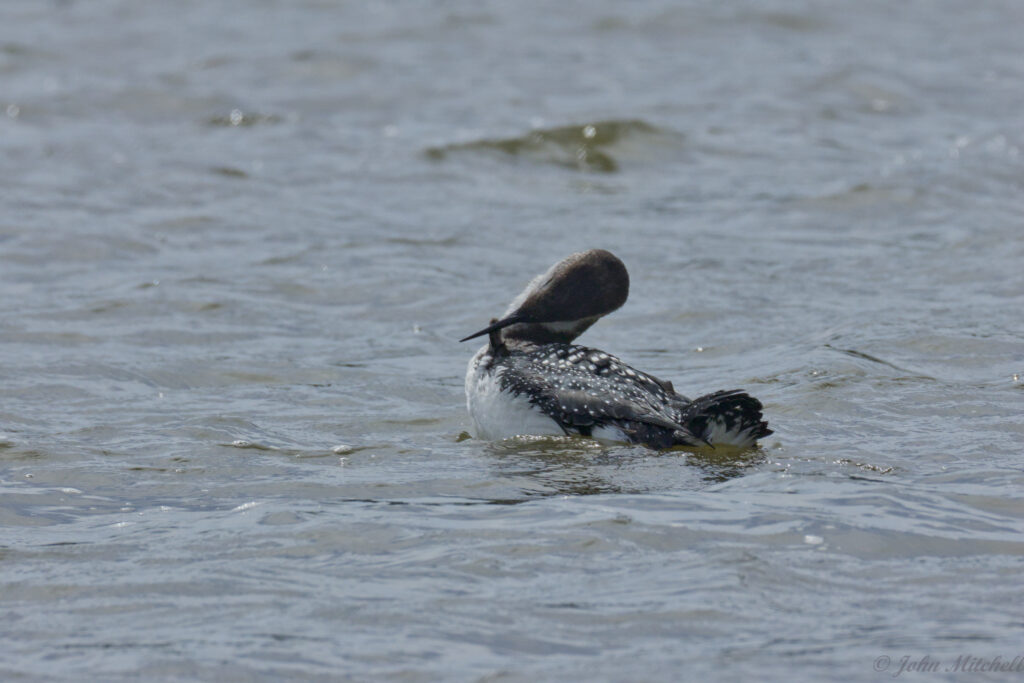
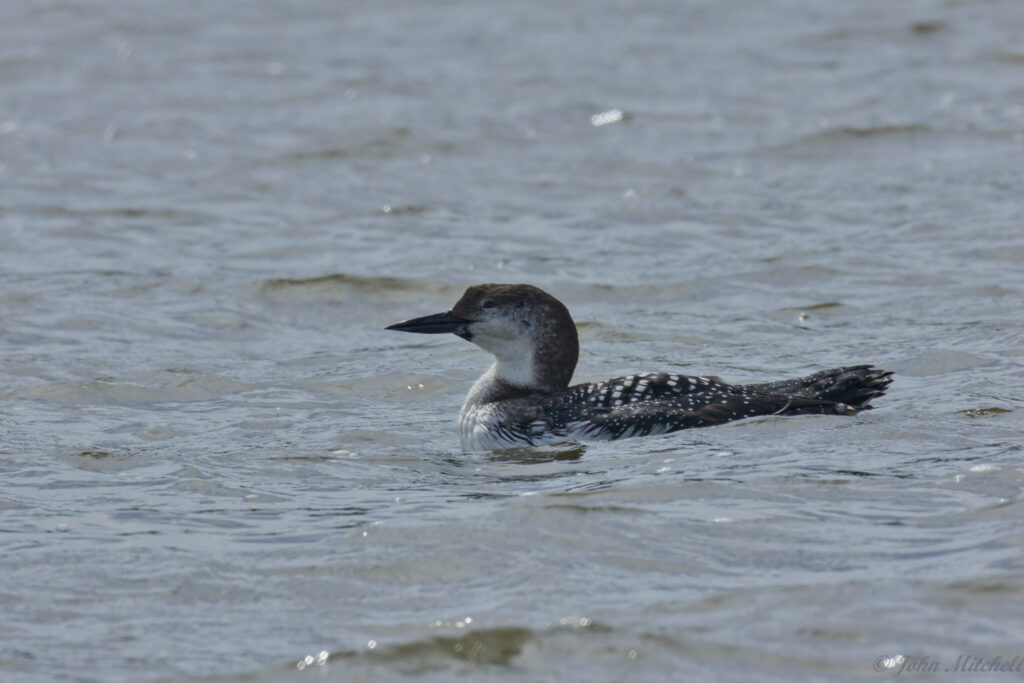
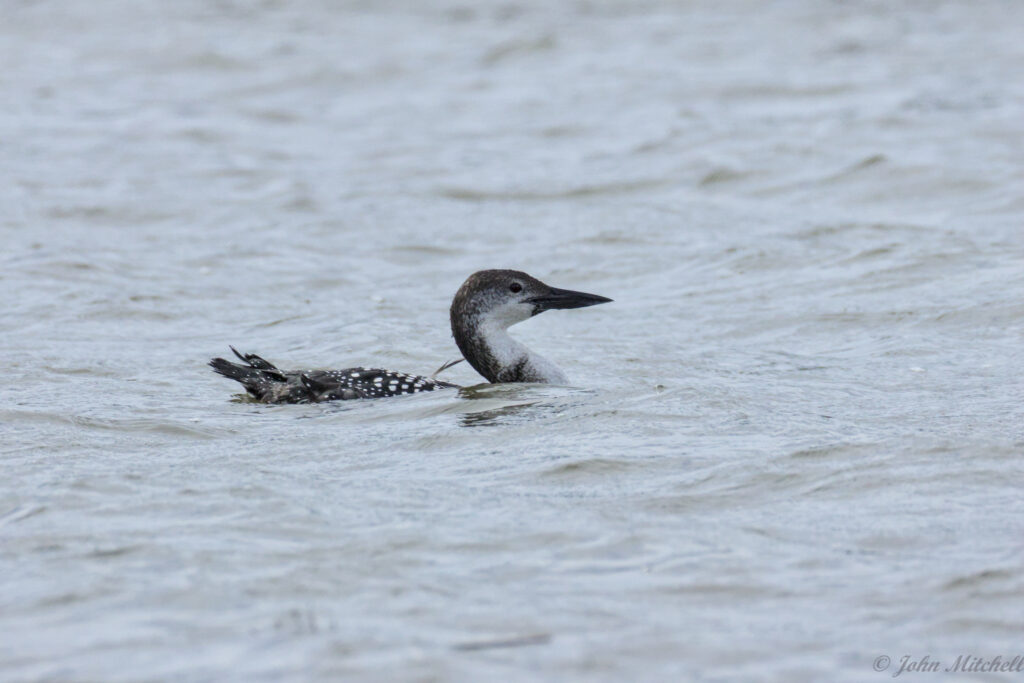
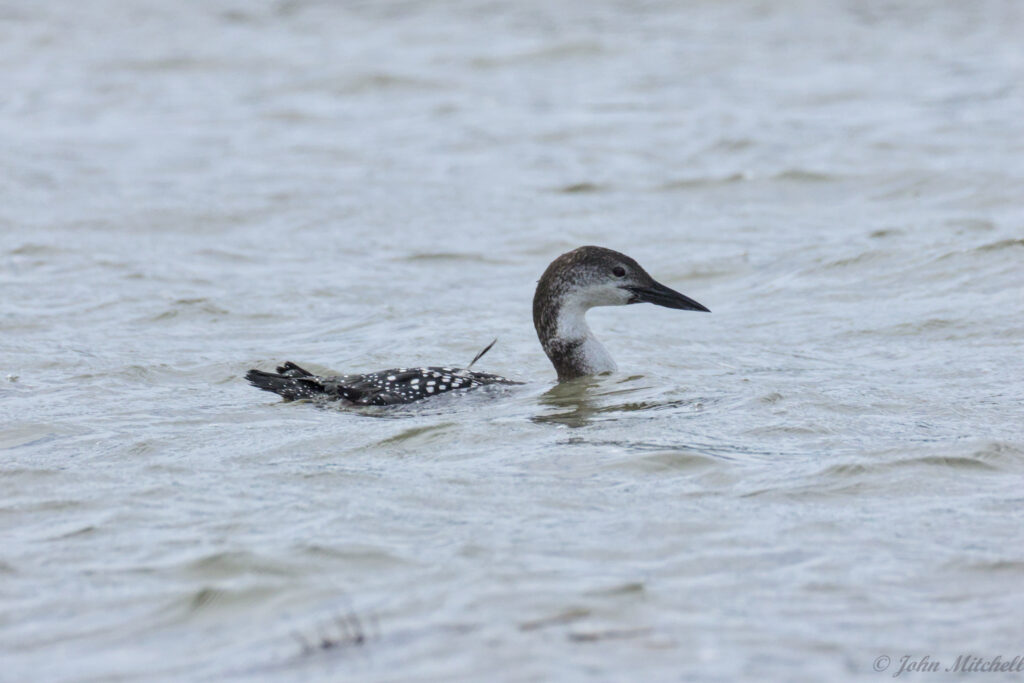
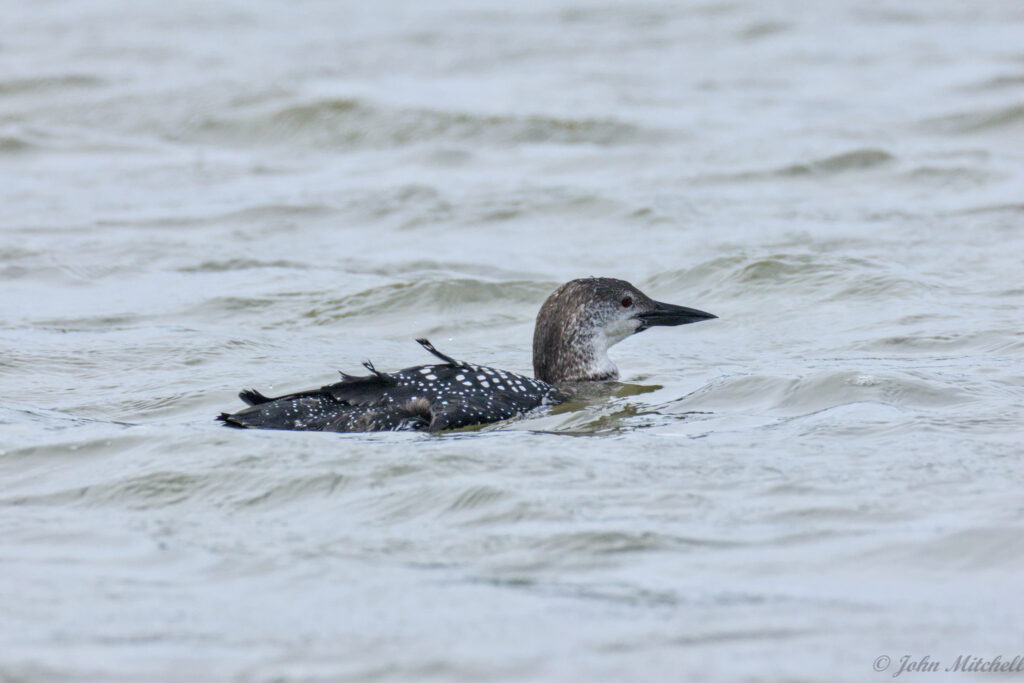
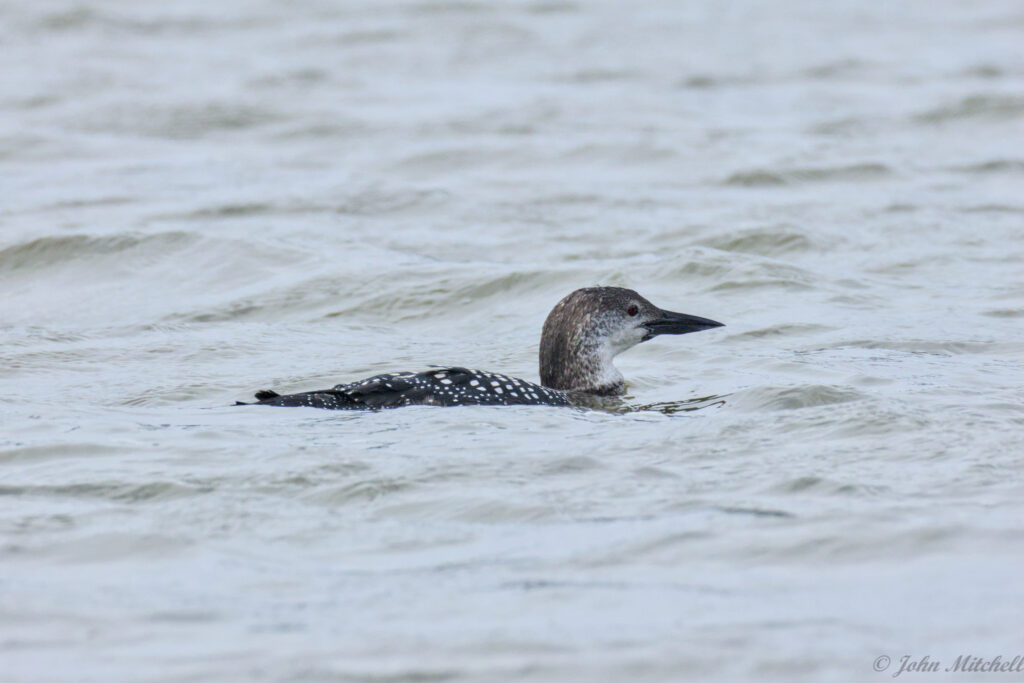
Nothing else came around, and the loon moved out of sight. With nothing to look at closer than half a mile away, we went back towards the visitor center to check out the fishing pier.
Except for all the fisher(wo)men and children riding bikes on the pier, it was fantastic. They really need to ban children from riding scooters on the pier. It is very very annoying. There was more Laughing Gulls than you can shake a stick at near the pier. Before John could get any pictures, a few Brown Pelicans flew by. Sadly, they were not very close.
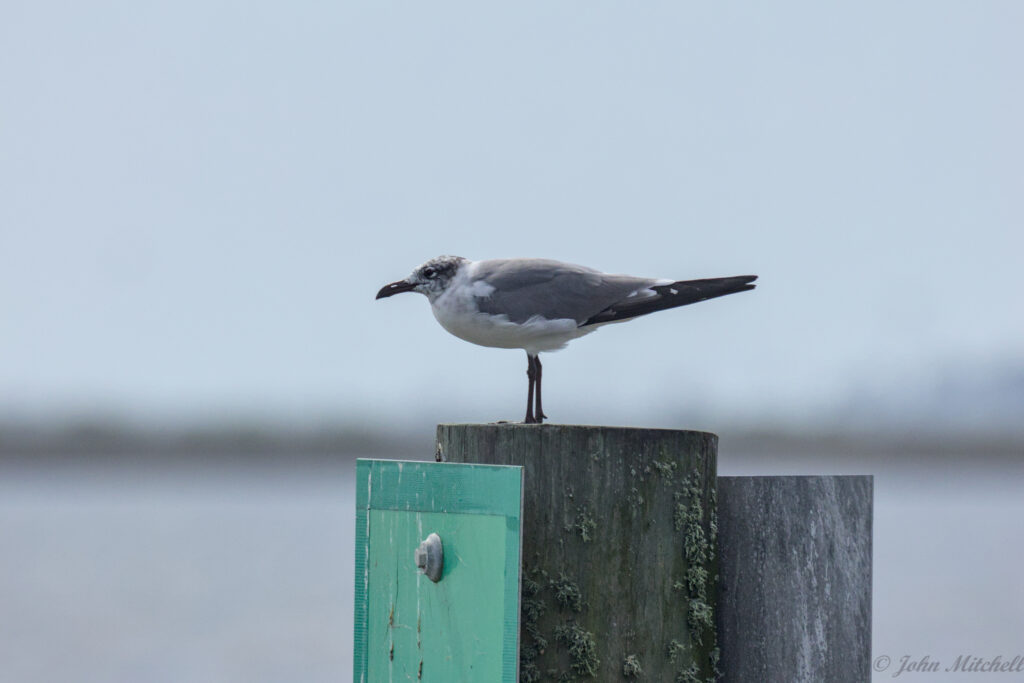
A, maybe second winter, Laughing Gull landed on a pylon nearby.
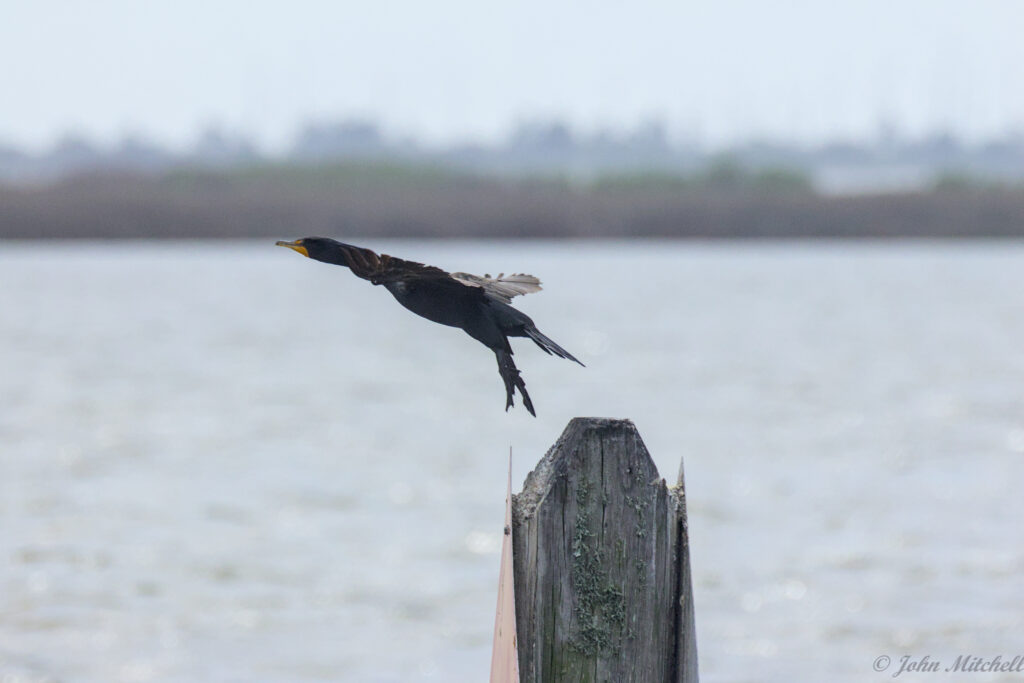
And then a Double-crested Cormorant landed on the seagull pylon, only to be scared off by a motor boat. It made for a good set of pictures, though.
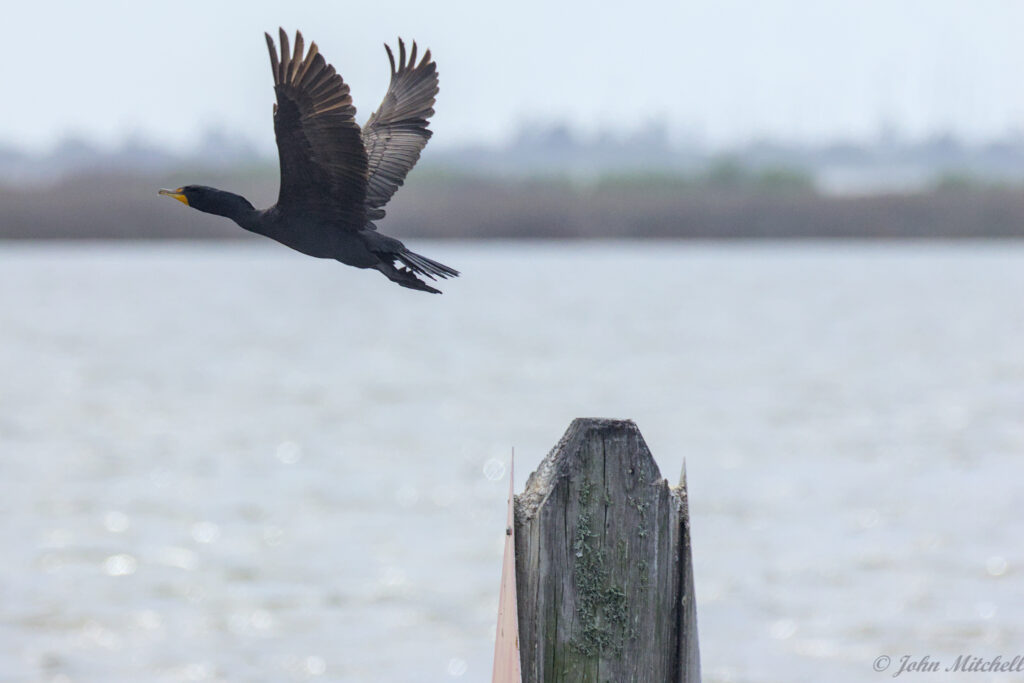
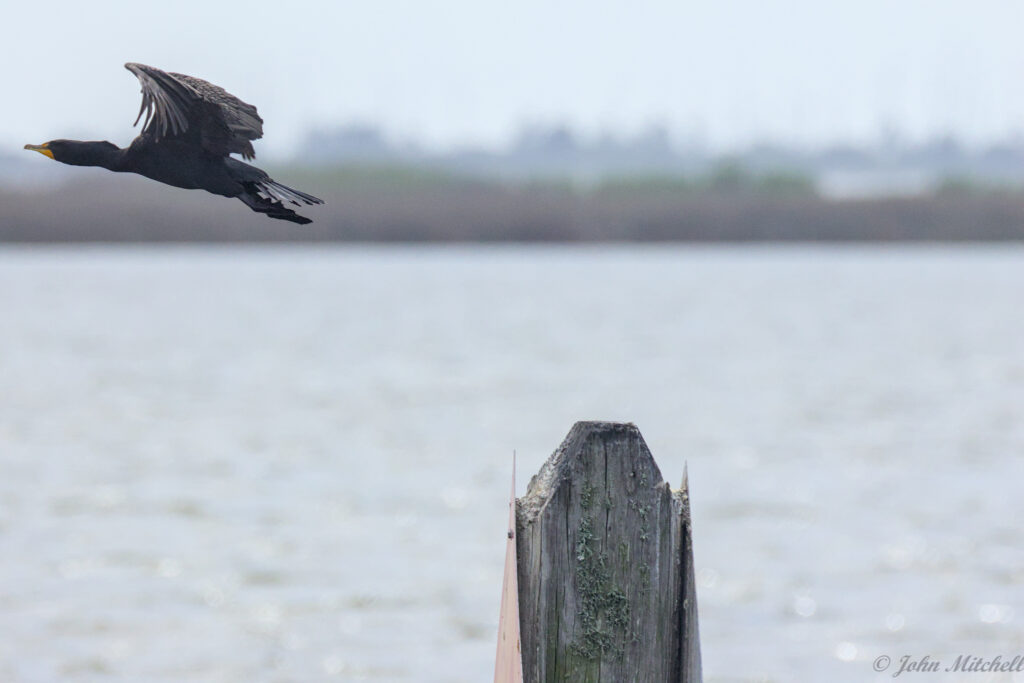
After the boat passed, the gulls came back and did a strange water dipping flight where they kept touching the water and rising back.
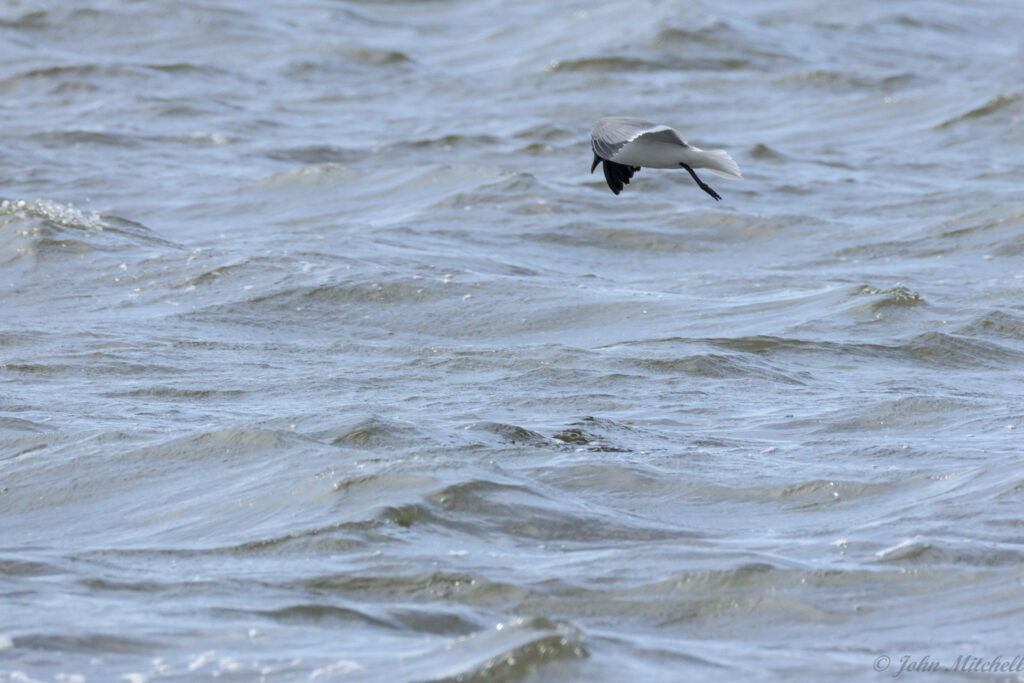
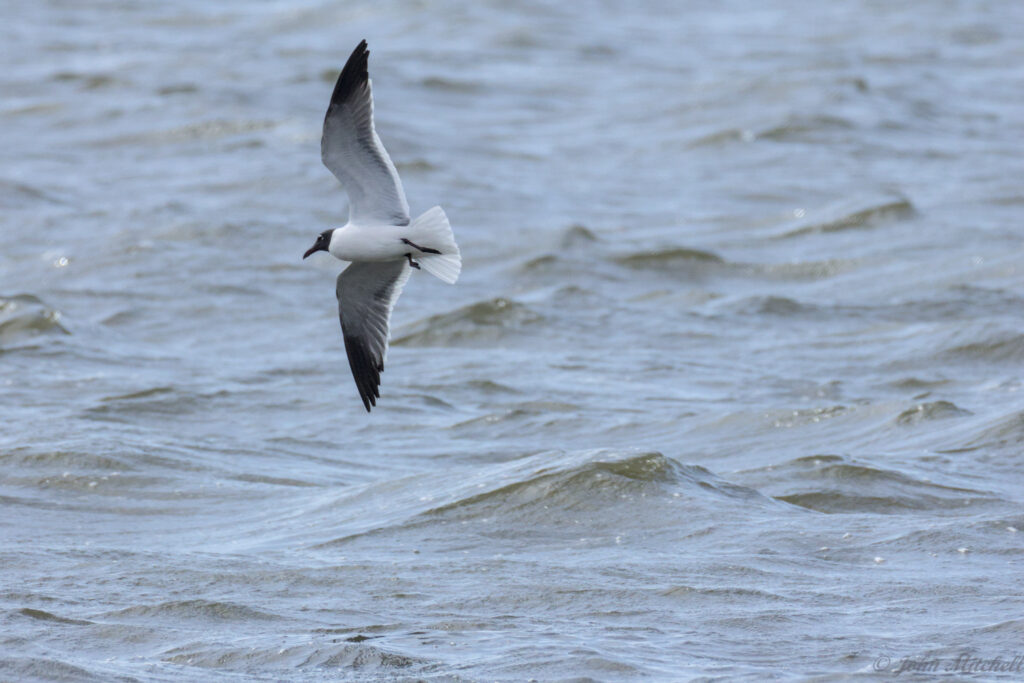
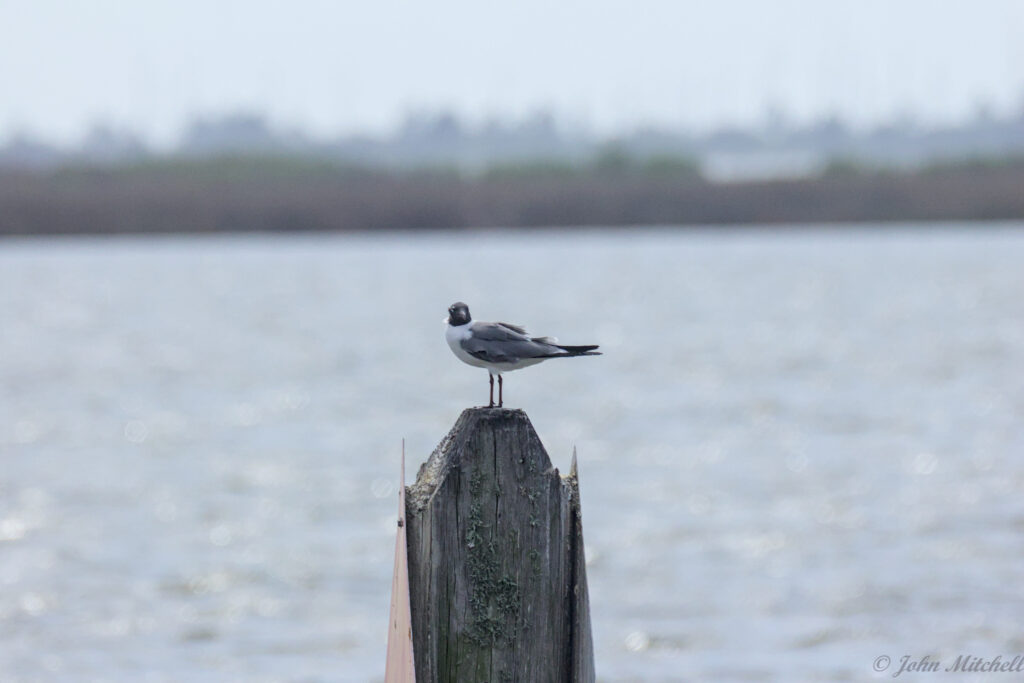
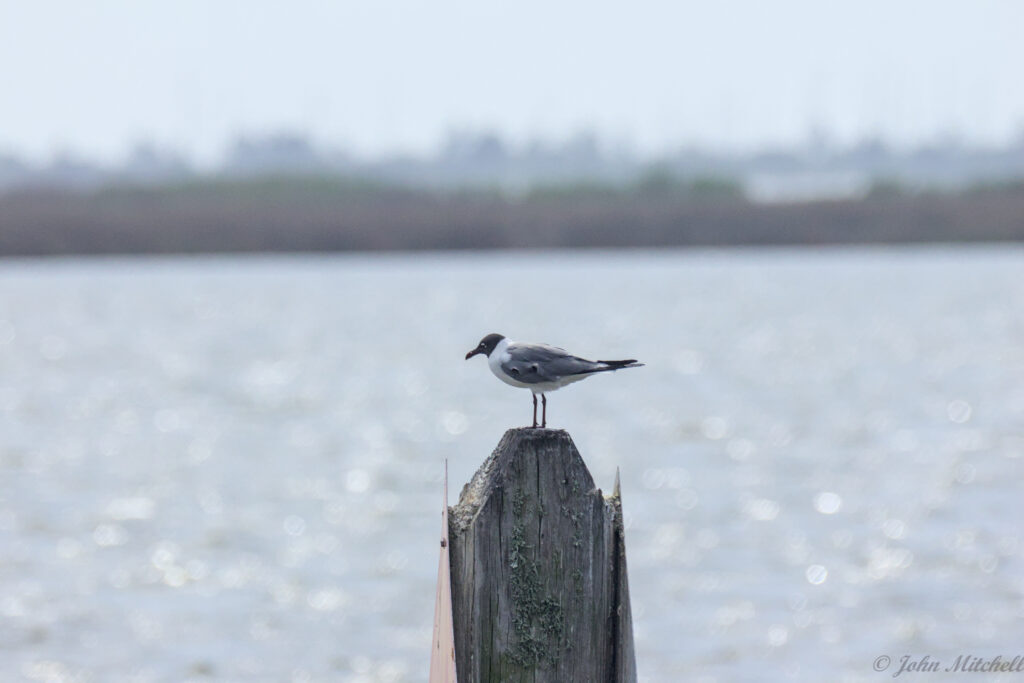
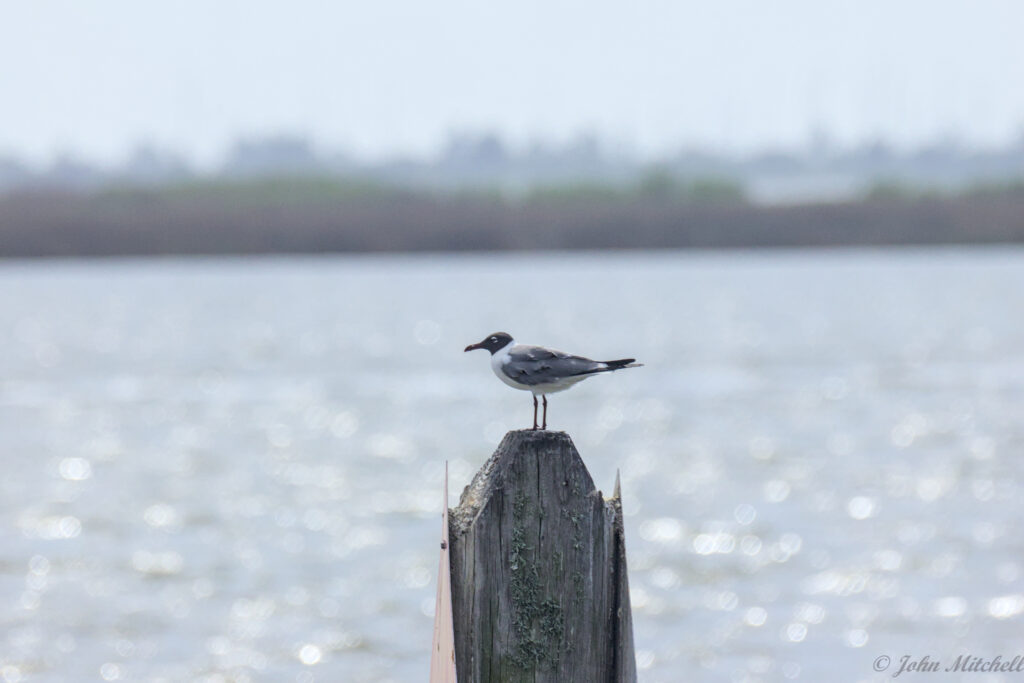
After that, we took a few more pictures of the adult gulls to make sure we could properly identify them. If you look closely, you can see that the beak and legs have a red tint to them. This might be the start of the mating colors or just the back lighting making the color darker.
If was starting to get later in the afternoon (and those kids were very very annoying), so we headed to to make sure we did not get home too late. The kids get hangry when you feed them late.