Chantilly, VA, May 2026
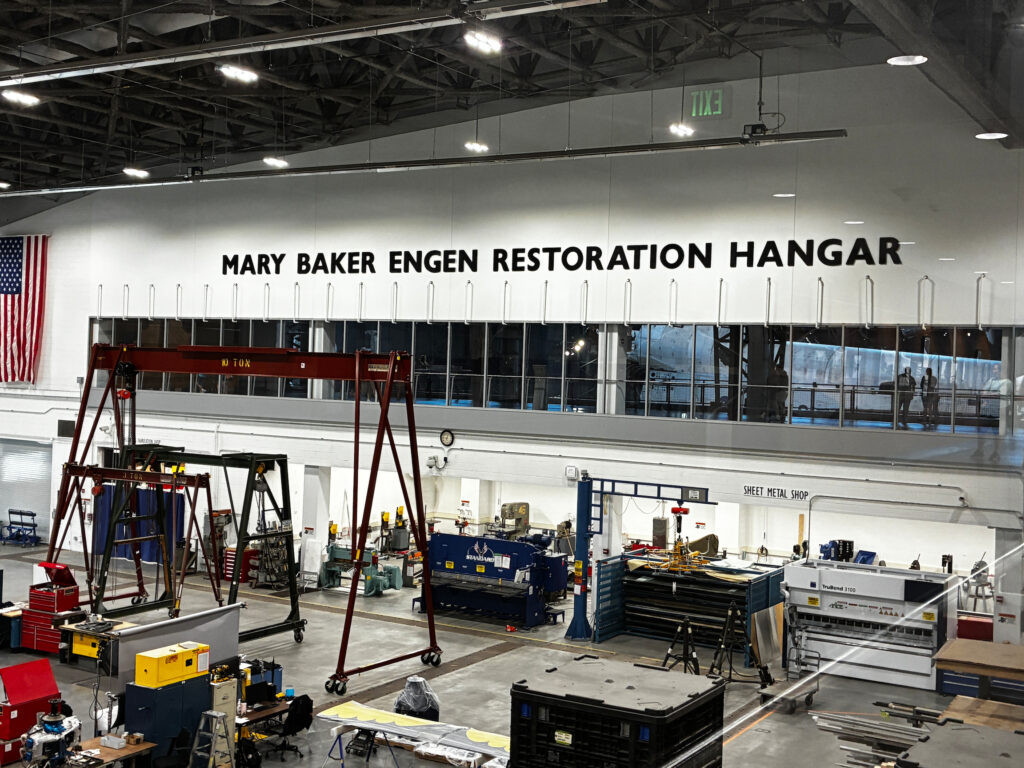
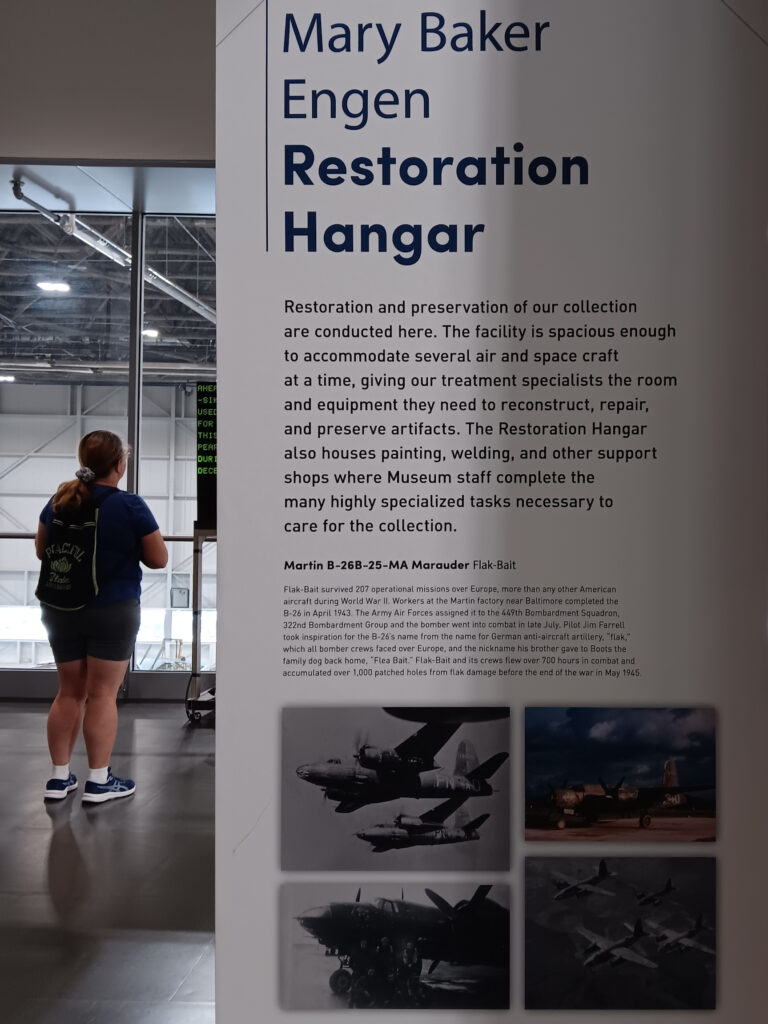
We do not believe that the restoration bays were open the last time we were there. They might have been present, except the windows closed. They may also not have been complete or in use at the time. There were quite a few projects going on at the same time. The sign below listed the current restoration projects.
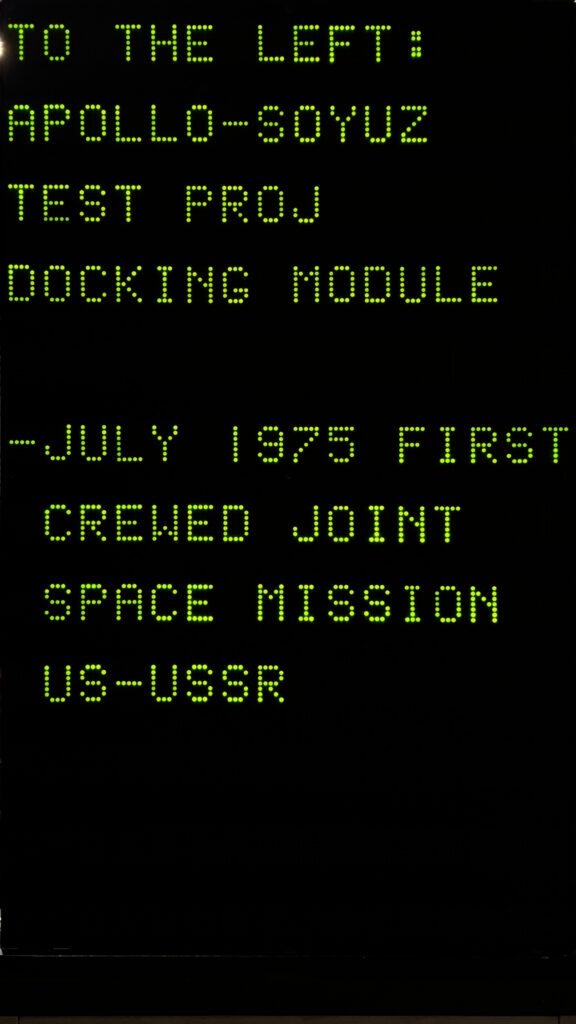
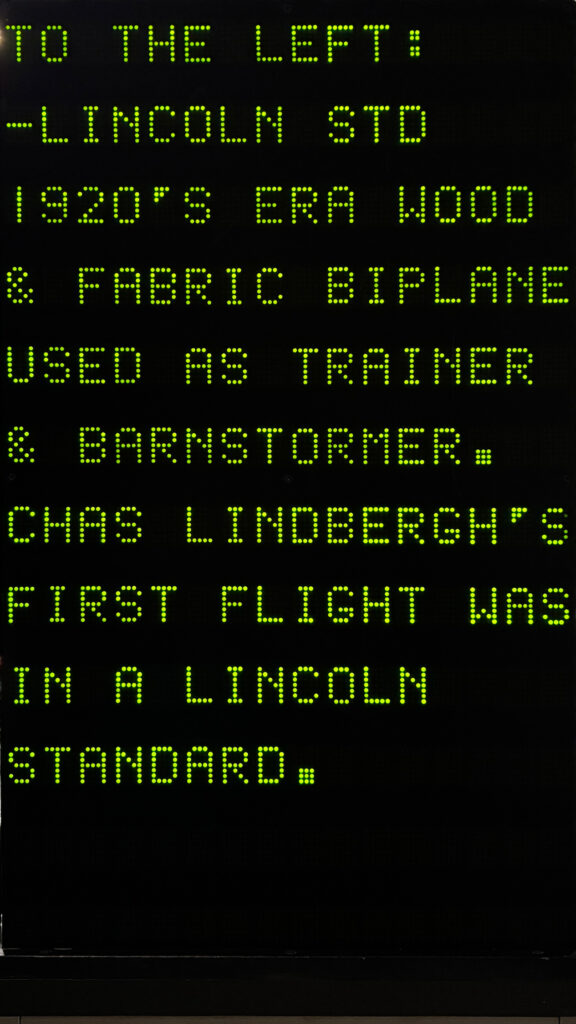
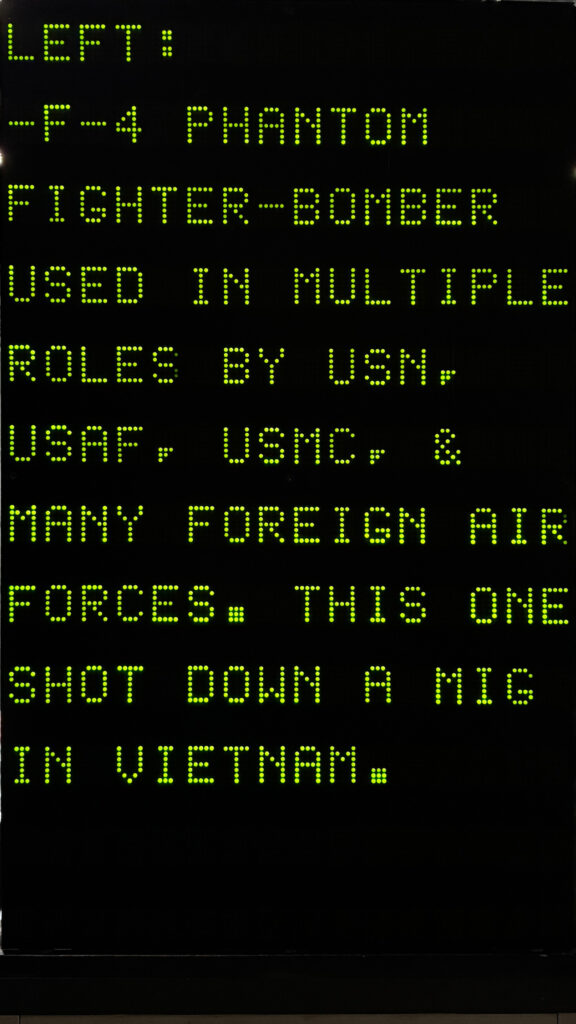
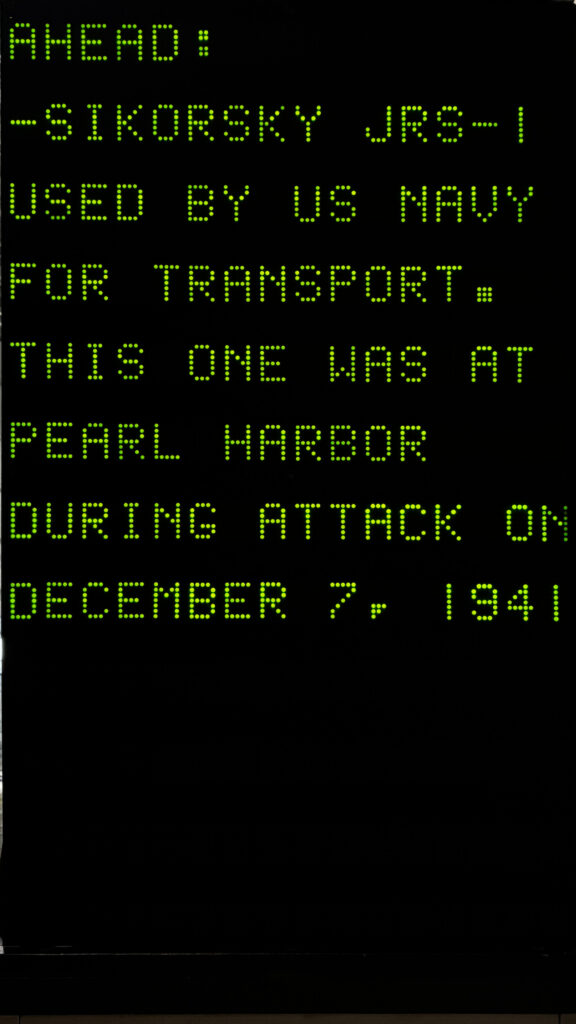
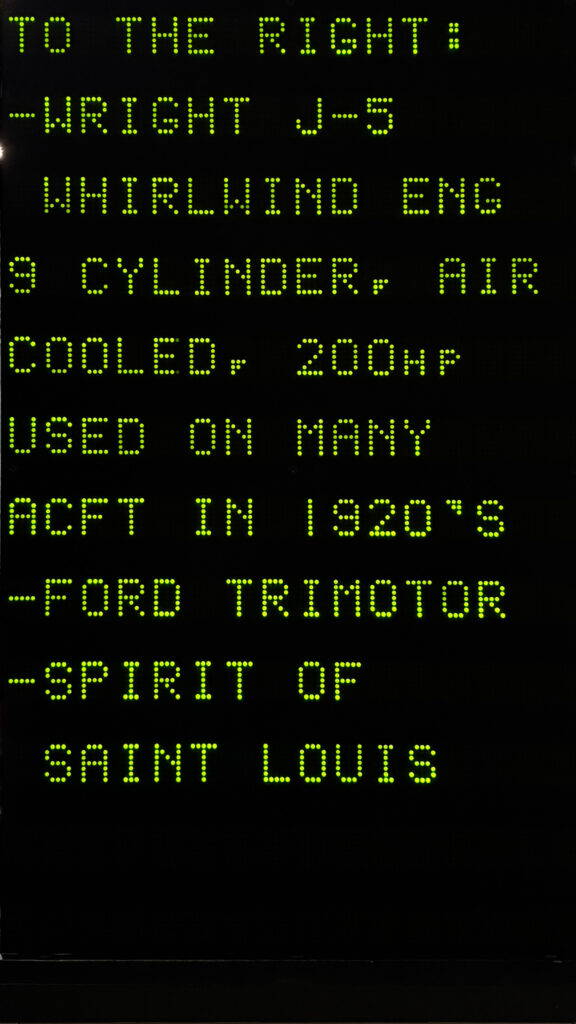
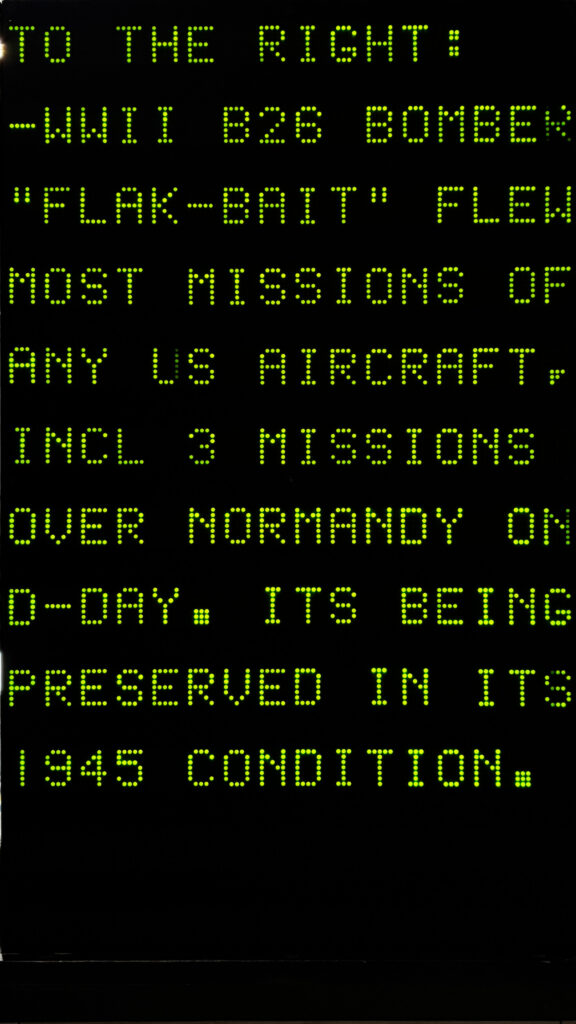
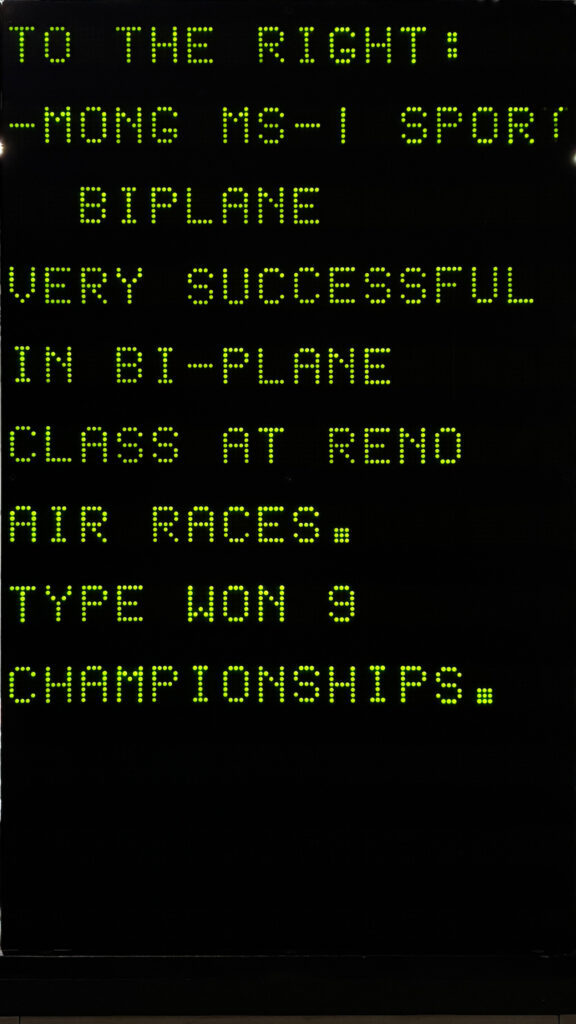
We think we took pictures of all of the projects, but we were not always sure what we were looking at.
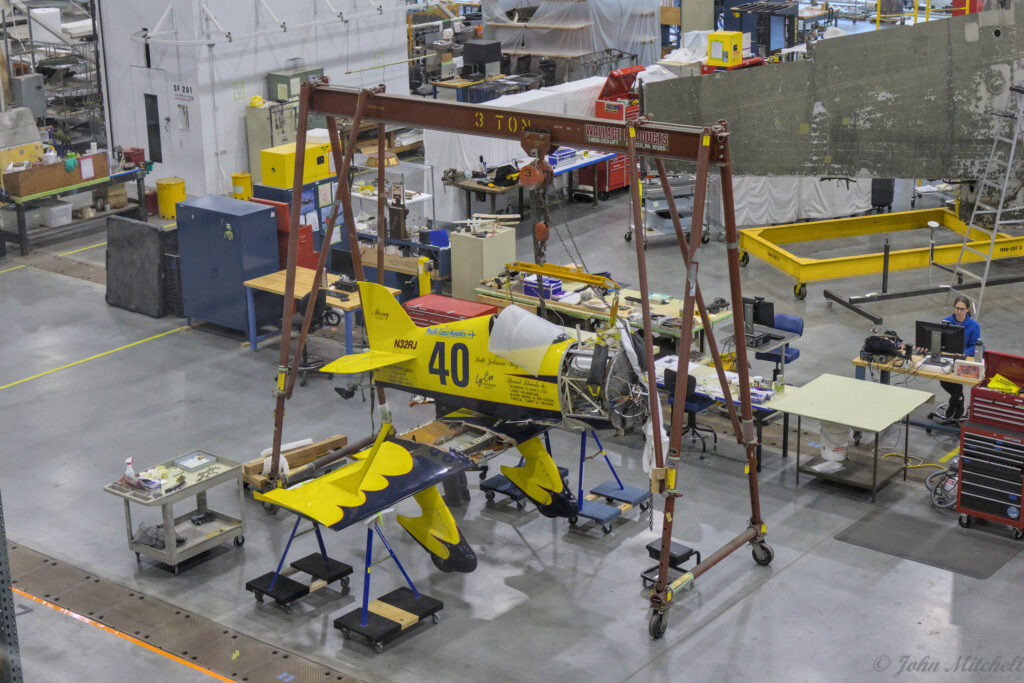
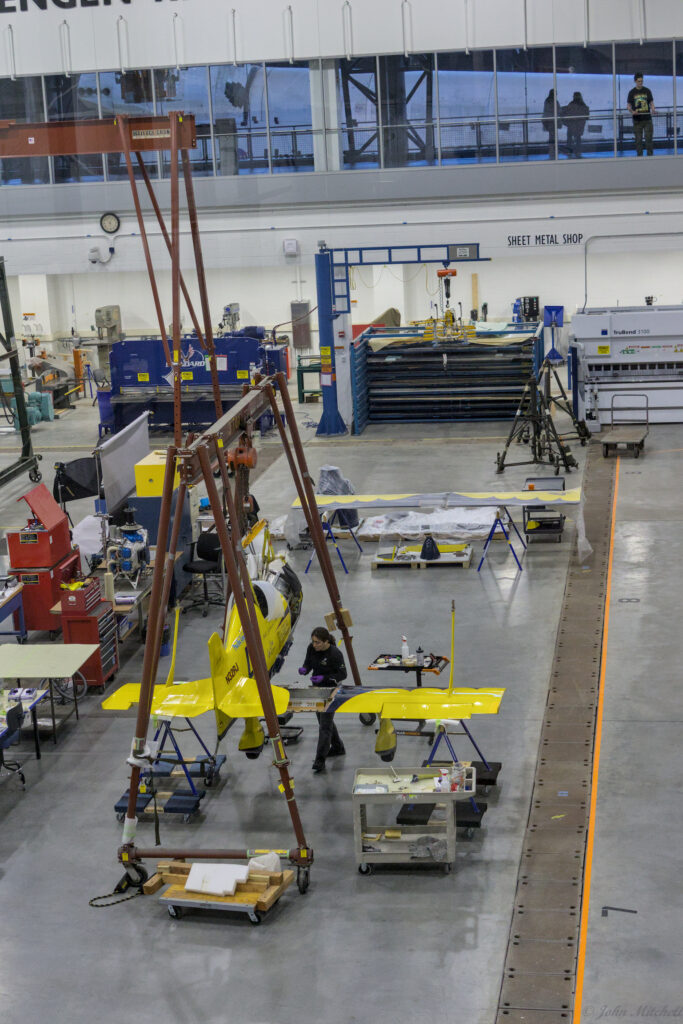
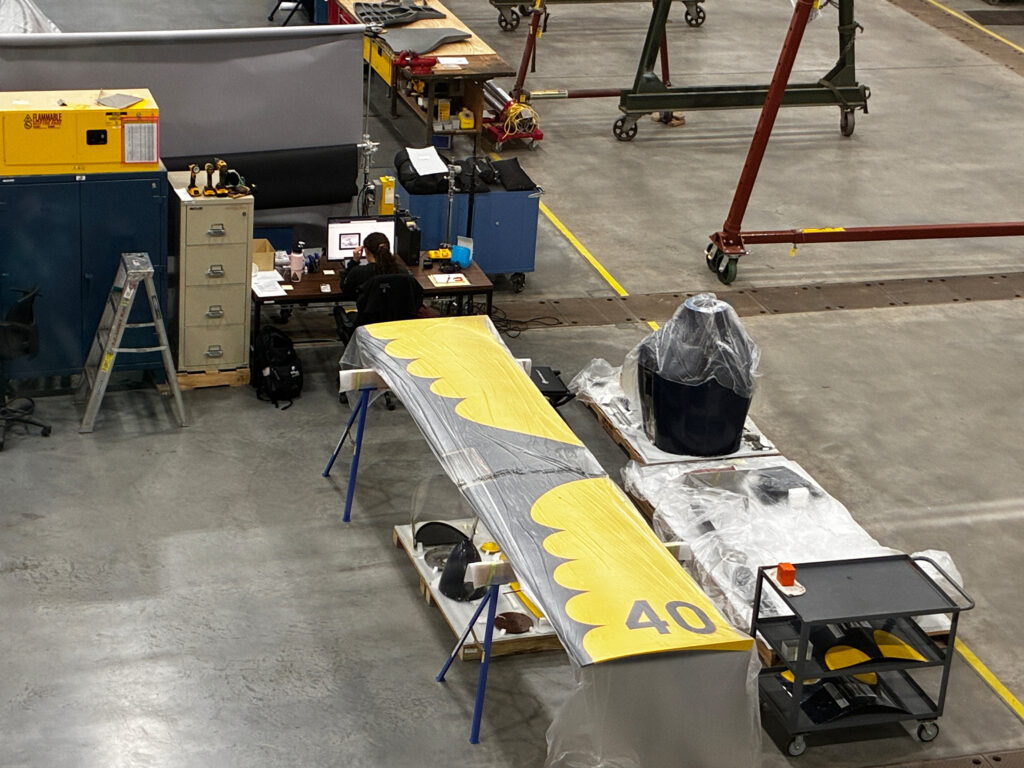
On the far right was the tiny Mong MS-1 Sport Biplane. You can read more about it here, on Wikipedia.
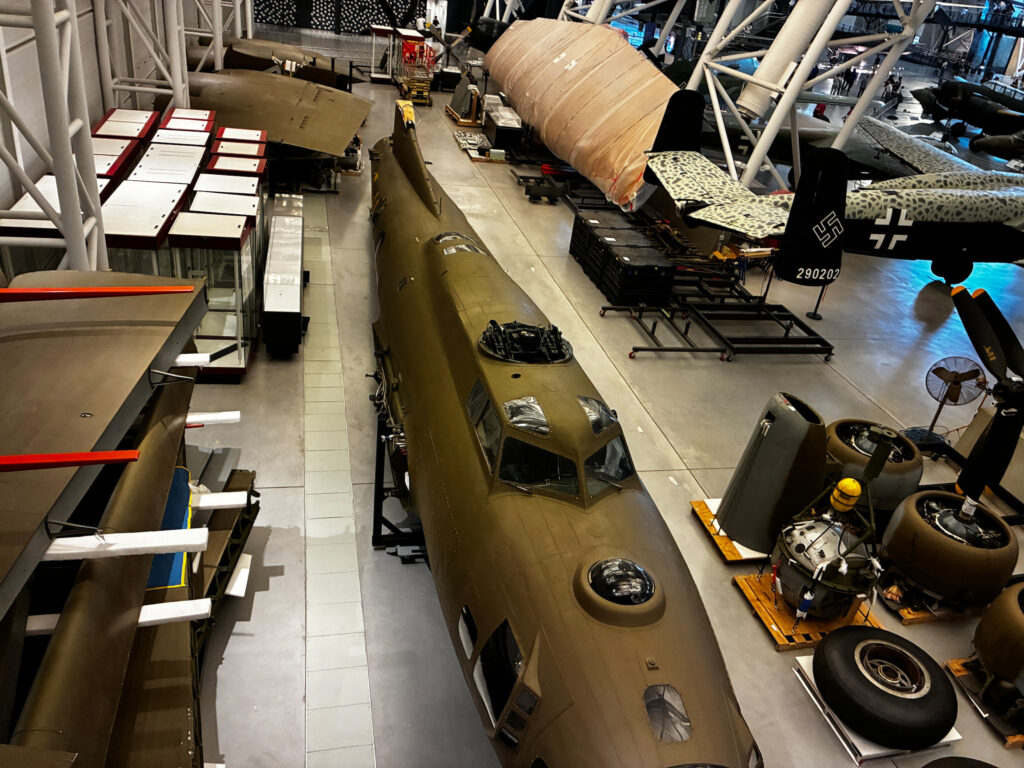
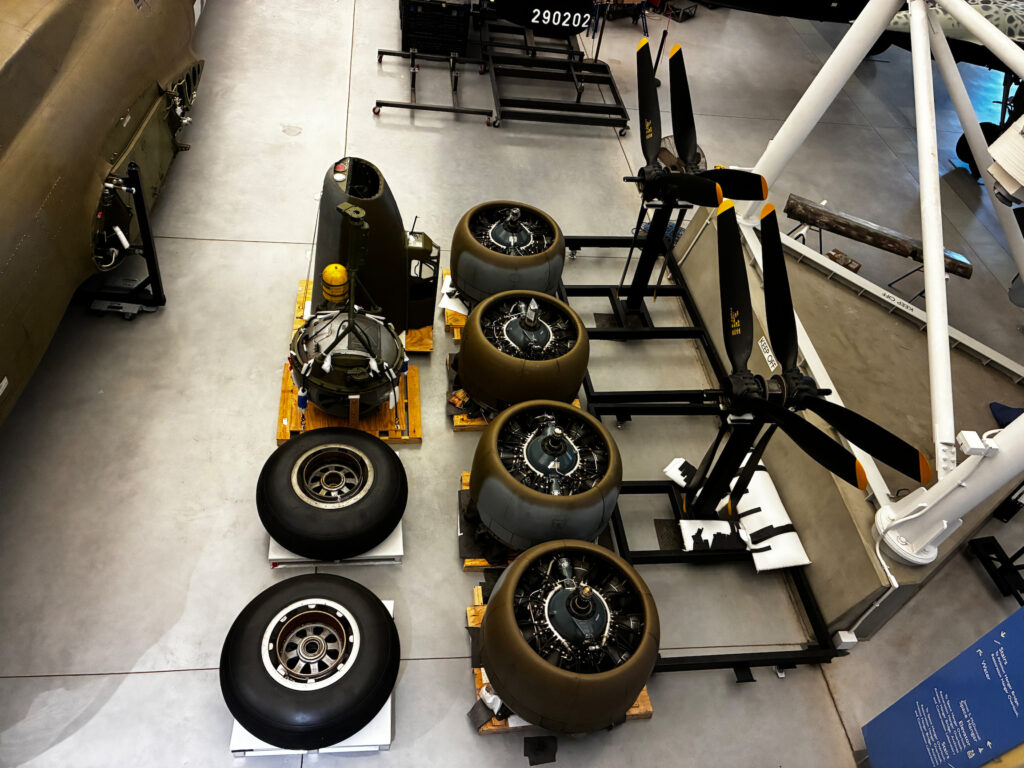
The most interesting restoration was “Flak-Bait”, the Martin B-26 Marauder Bomber. You can read more about it here, on the Smithsonian website. It was named after the family dog, which had the nickname “Flea-Bait”. It is one of the most damaged bombers to survive the war.
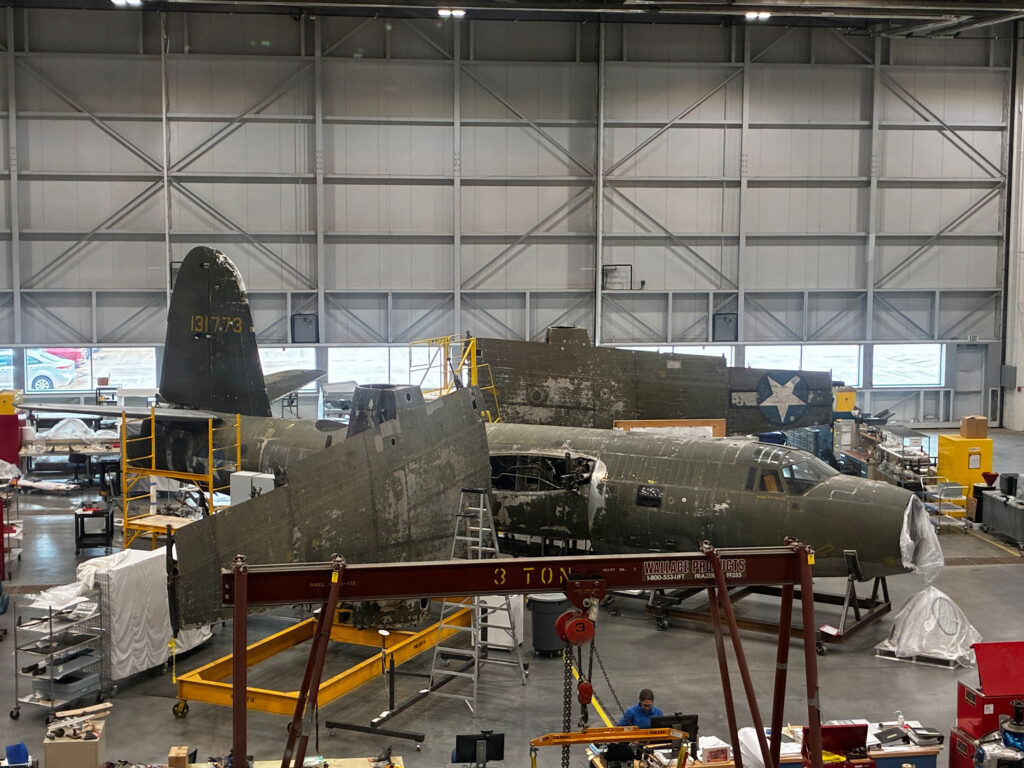
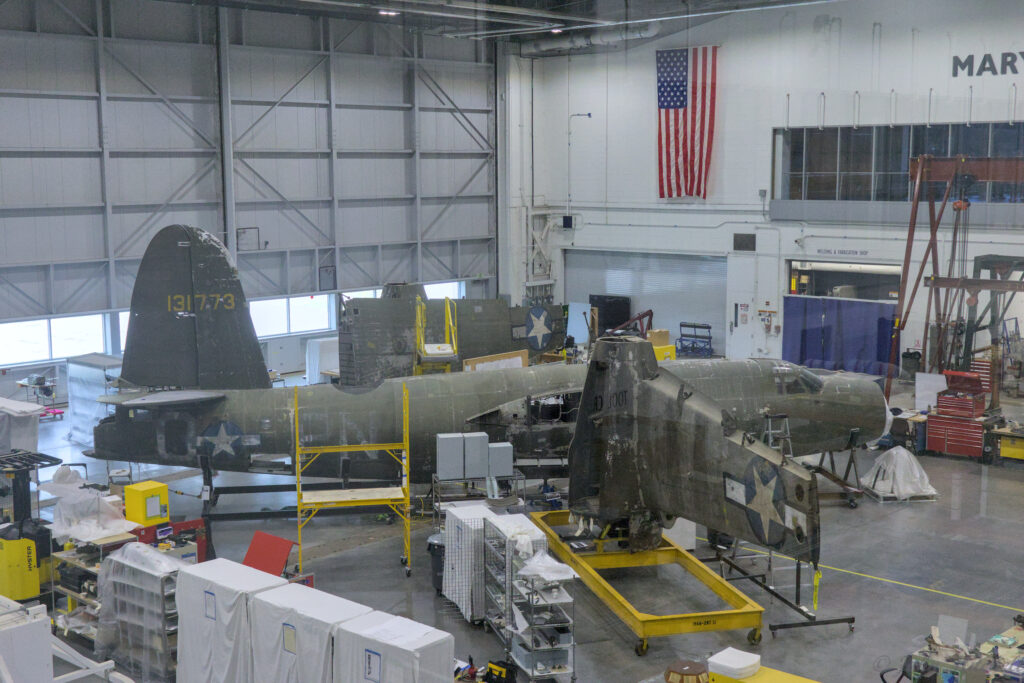
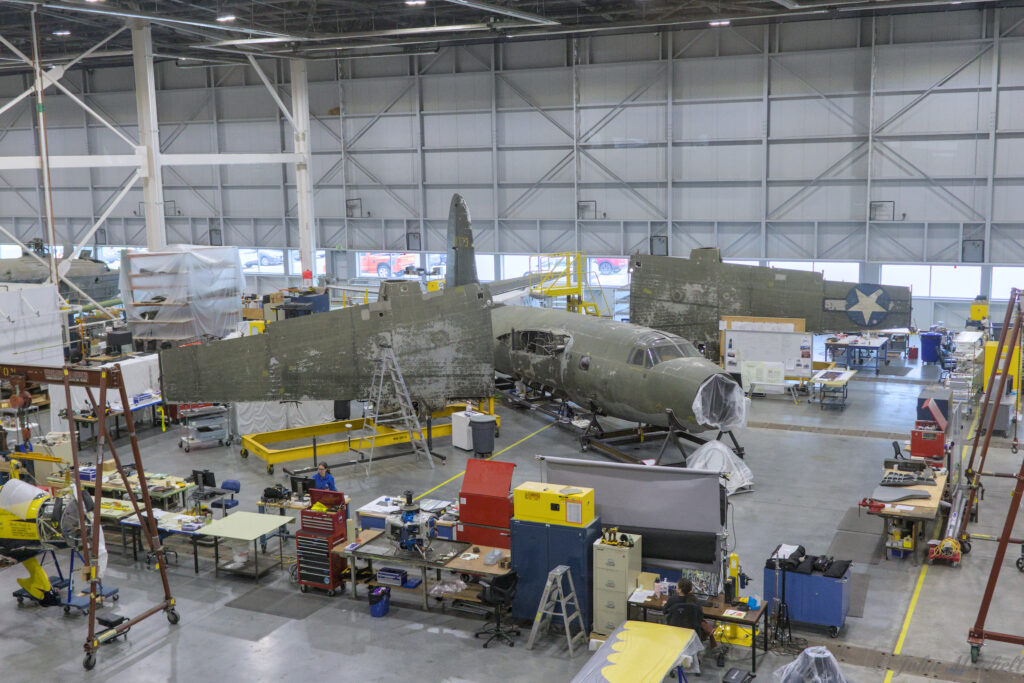
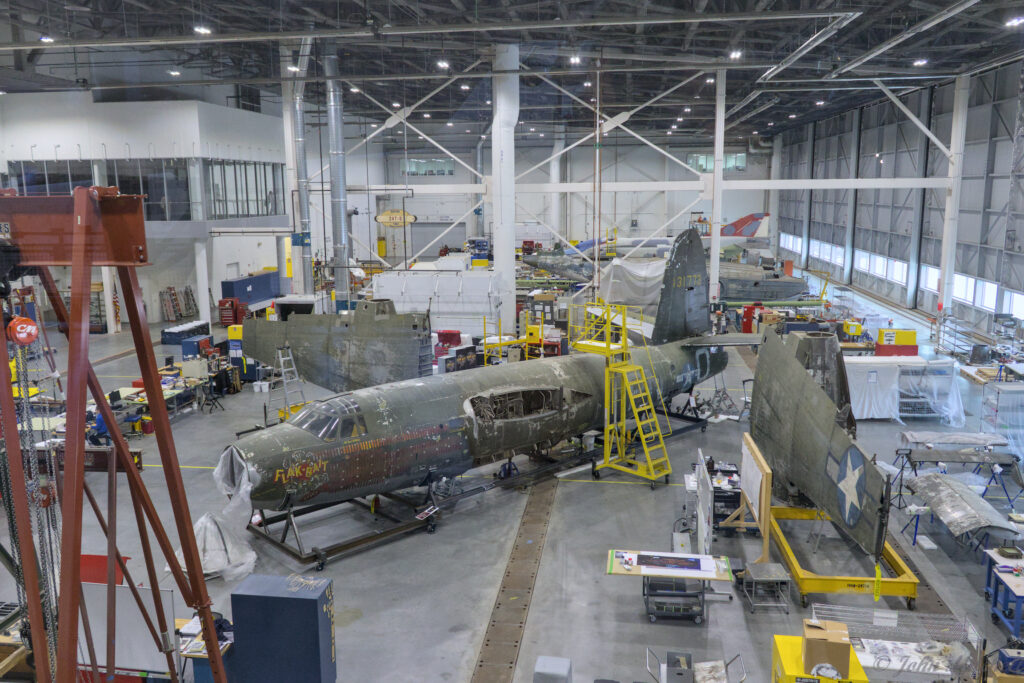
One of the neat things about “Flak-Bait” is the mission markings on the side.
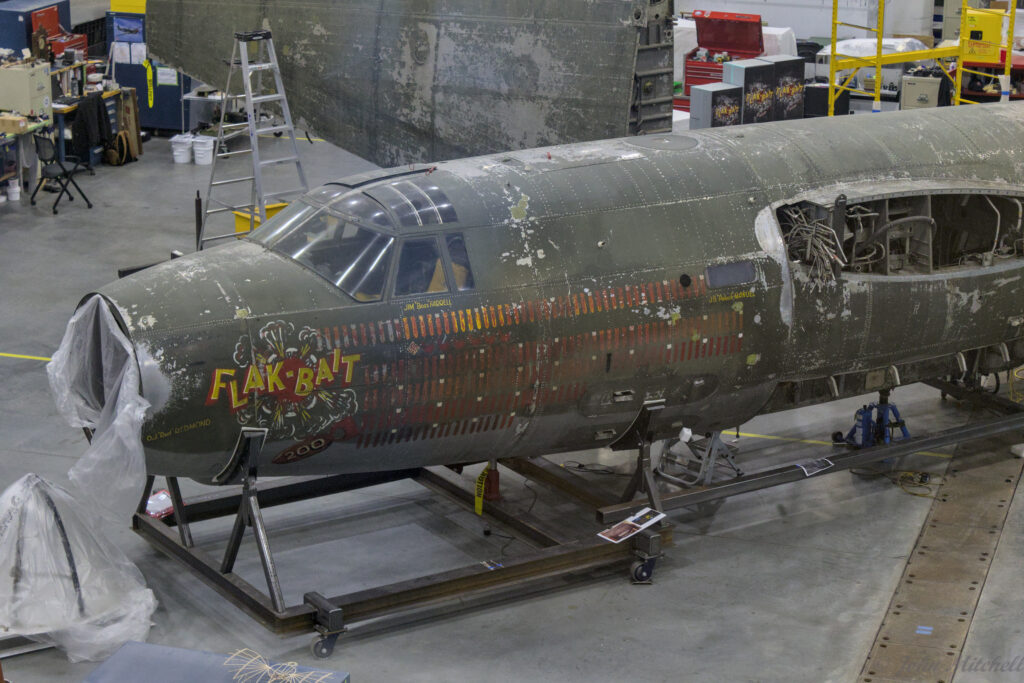
Each bomb on the side represents a mission. Every fifth mission, the tail of the bomb is white. The black bomb represents a night mission. The ducks under the first row represent decoy missions where they were not bombing; they were only drawing the Luftwaffe away from the real target. The swastika represents a Luftwaffe that they shot down. The 200 in the bomb under “Flak-Bait” represents the 200th bombing mission flown in April of 1945. They tracked the missions as a measure of how long before their rotation ended.
We looked around for the Wright J-5 Whirlwind Engine, but we were not able to distinctly identify from the other plane parts. It might be the blue and grey motor to the left of the plane lift near the red rolling tool boxes. It seems a bit small, but it is far away.
The Sikorsky JRS-1 was another large active restoration. You can read more about it here, on the Smithsonian website. The JRS-1 was a Navy variant of the Sikorsky S-43 “Baby Clipper” seaplane. It was in a lot of pieces. We thought it was a Chinook style two rotor helicopter, until we looked it up.
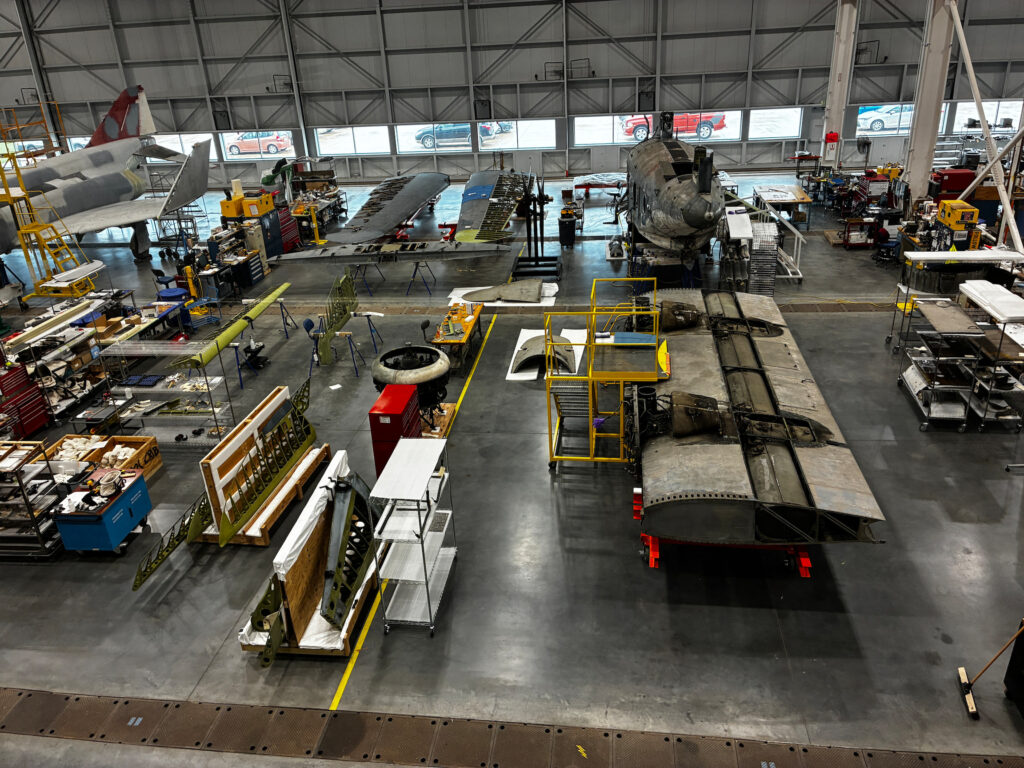
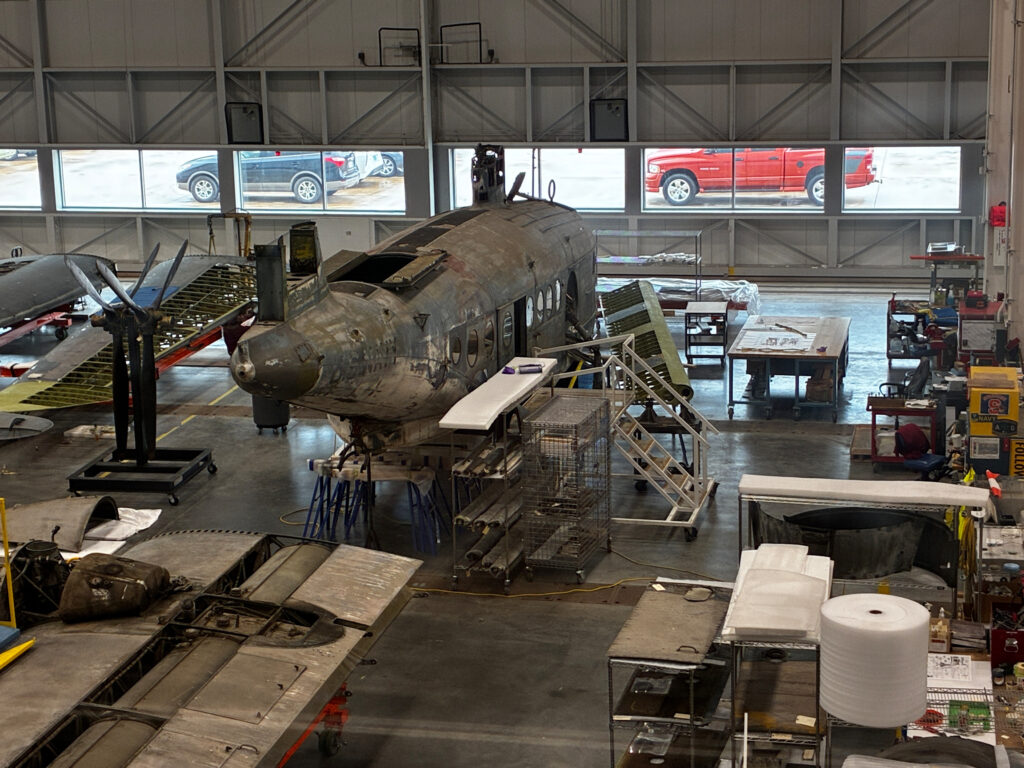
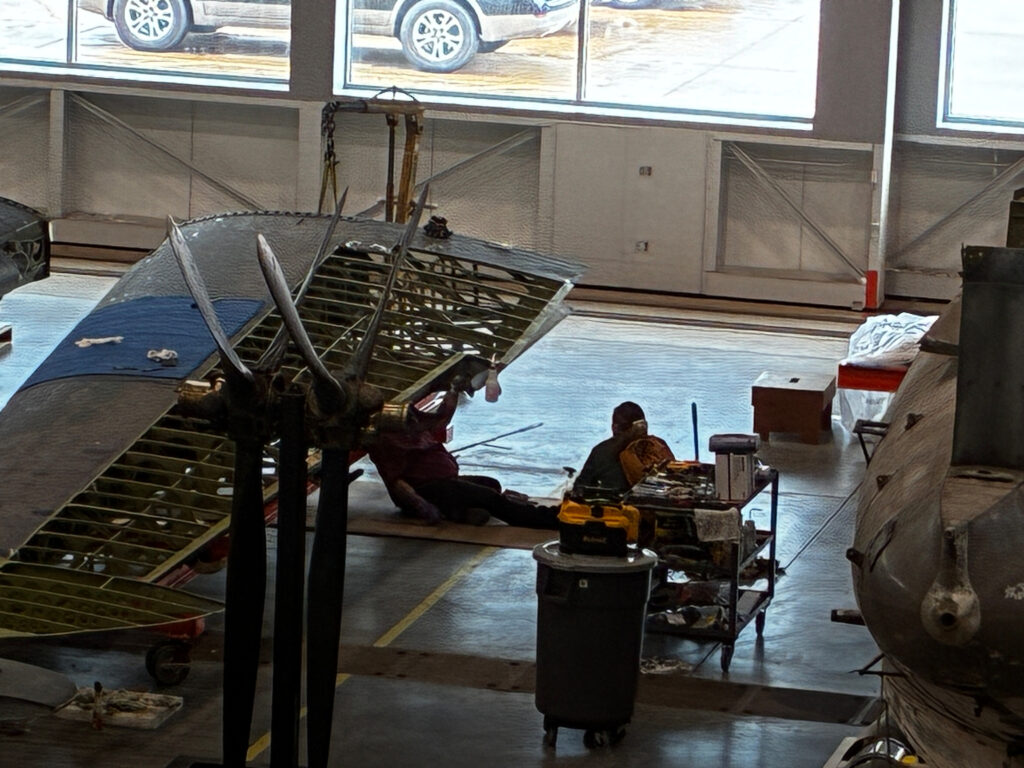


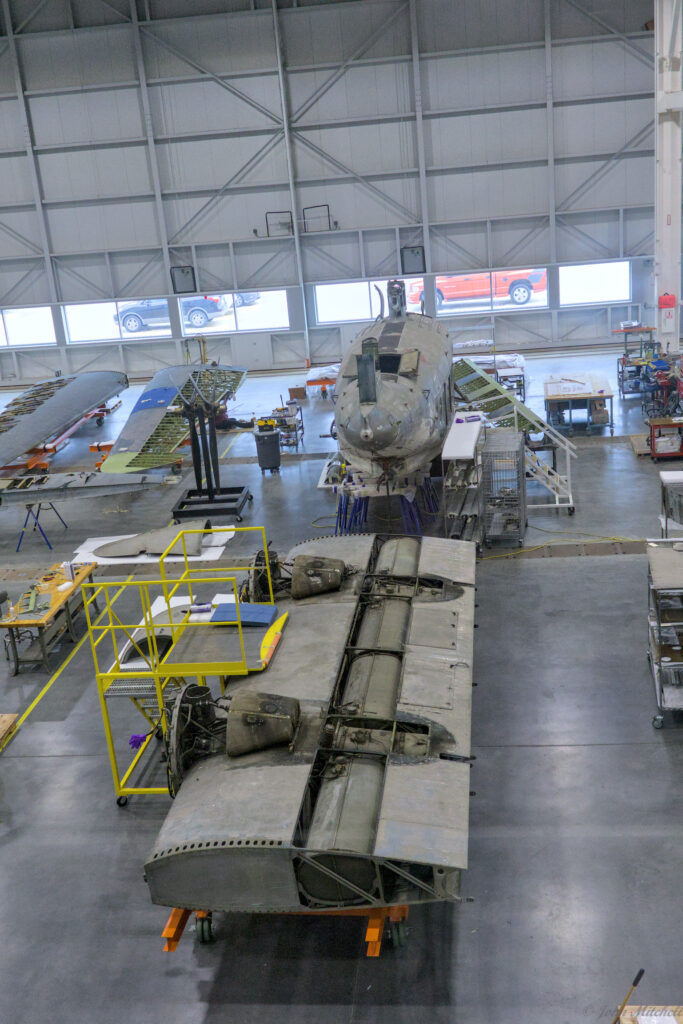
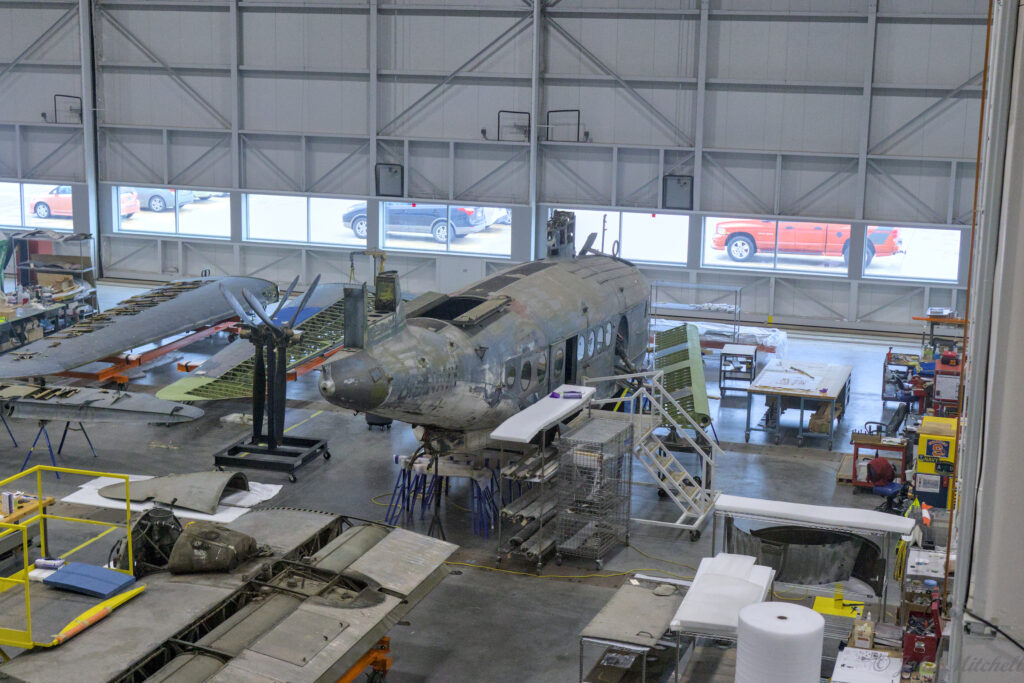
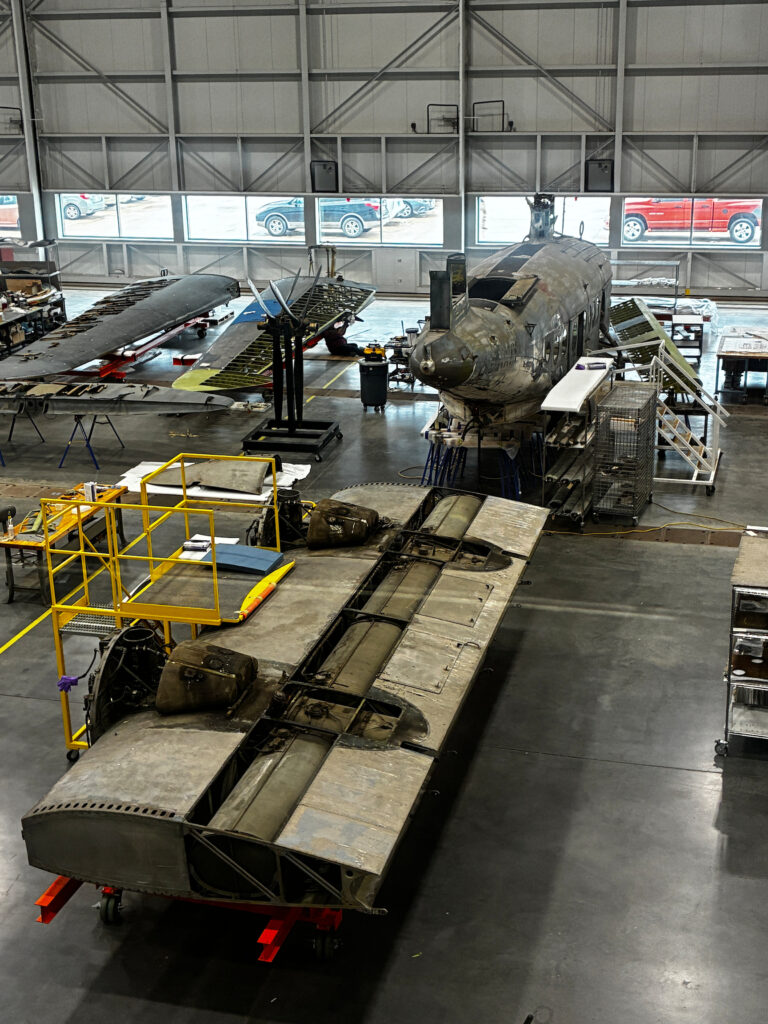
The F-4 Phantom Fighter-Bomber sat to the left of the Sikorsky JRS-1. It appears that work is nearly complete or just started. You can read more about the F-4 Phantom and how versatile it was here, on the Smithsonian Magazine website.

You can see some of the parts of the Lincoln STD 1920’s biplane here. It is much smaller than the F-4 Phantom, Sikorsky JRS-1, and the Martin B-26. The wings are on the far left of the photo below.

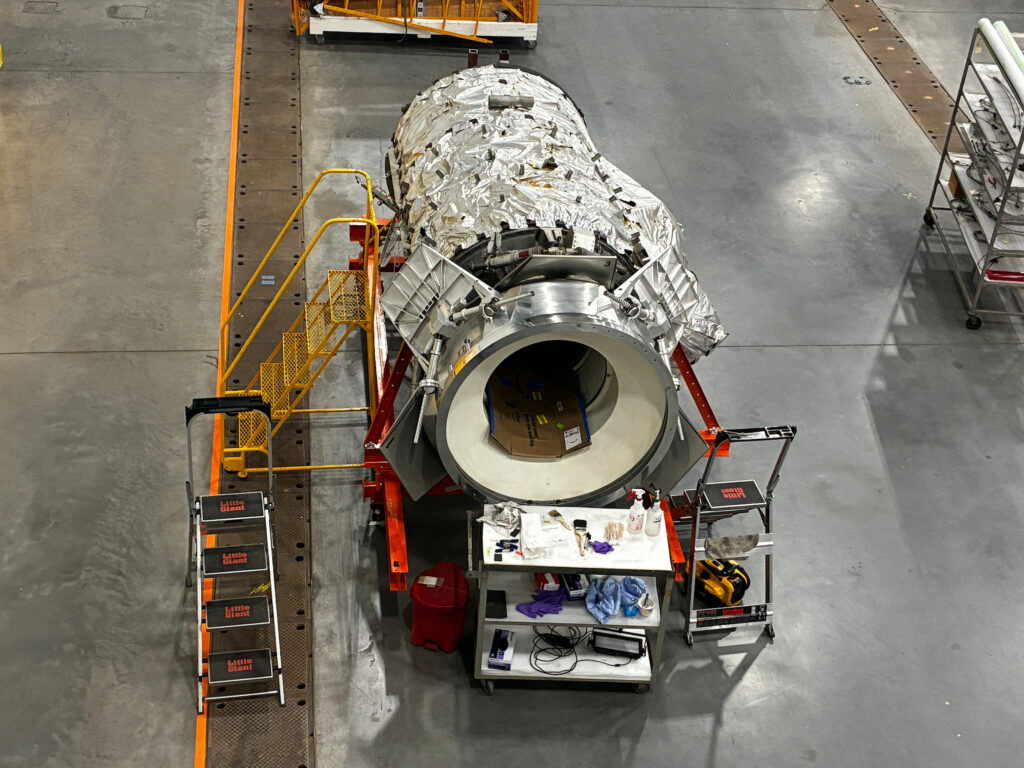
This was the only thing that looked like a space craft, so it is our best guess for the Apollo-Soyuz docking module.
On the display floor near the restoration area is a dismantled plane. We do not know if it is a display going up, coming down, or a recent restoration.