Smithsonian’s National Zoo, DC, June 2026
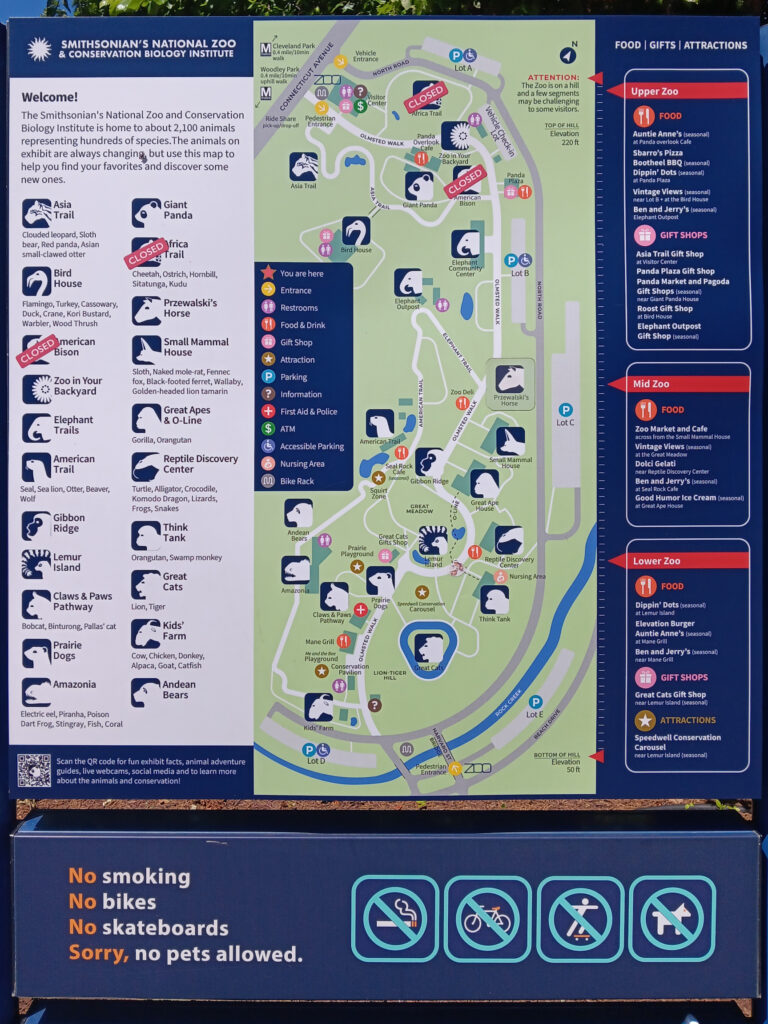
The last area to visit was the lower left portion of the map. This is the American Trail and Amazonia.
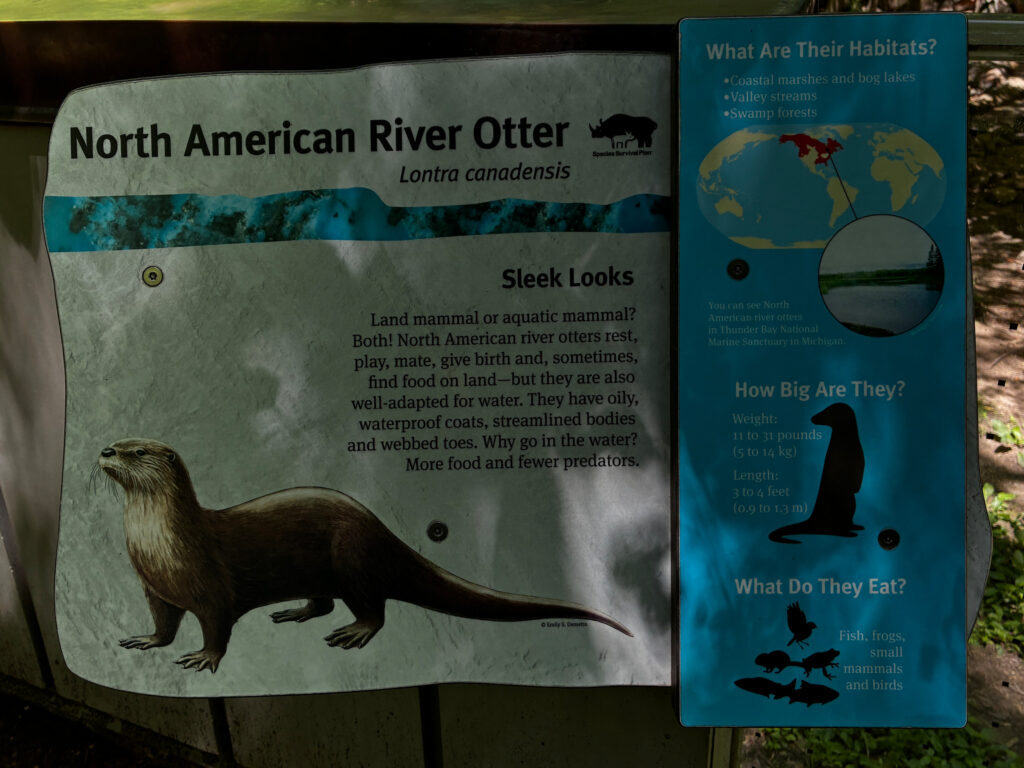
The first thing we saw were River Otters. These are the kind that we saw in Yellowstone. They are adorable. The otter got tired of picture time (or too hot) and crawled in the log to sleep.
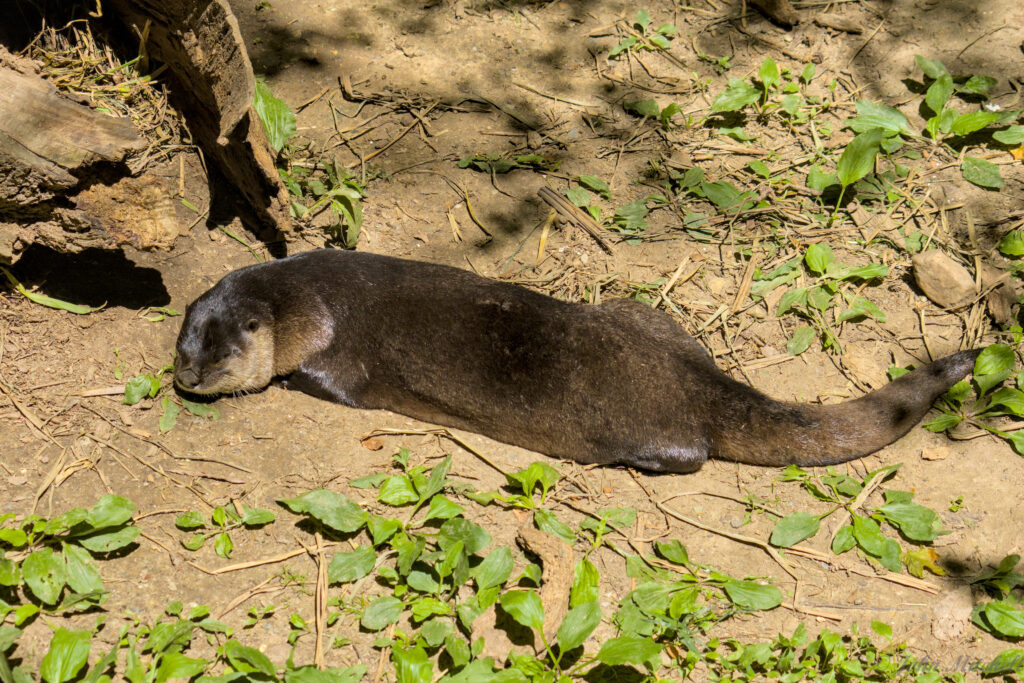
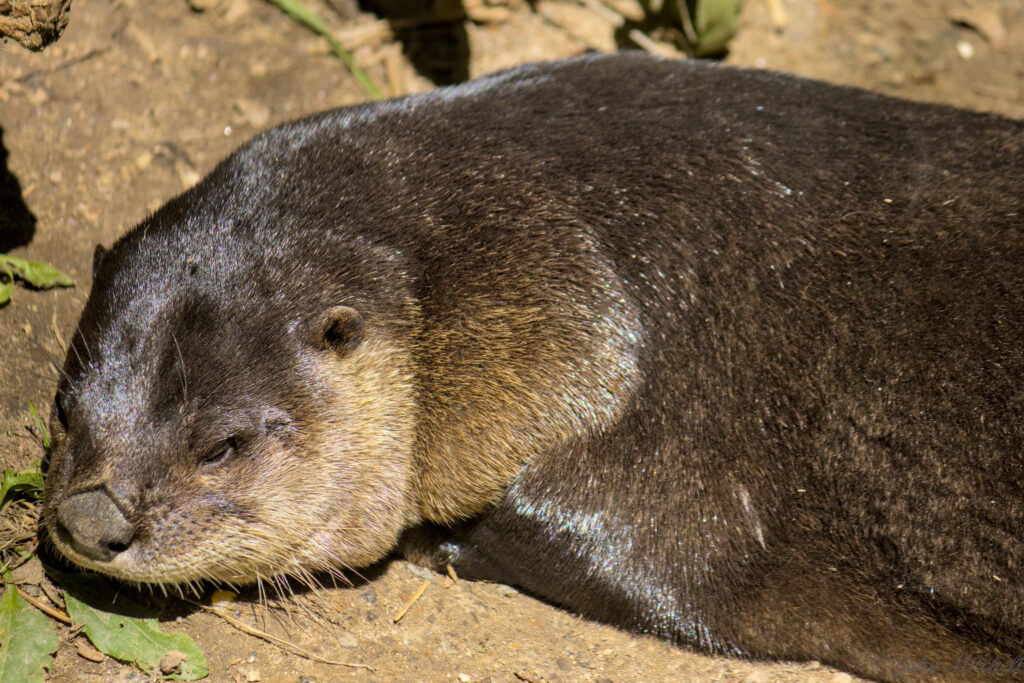
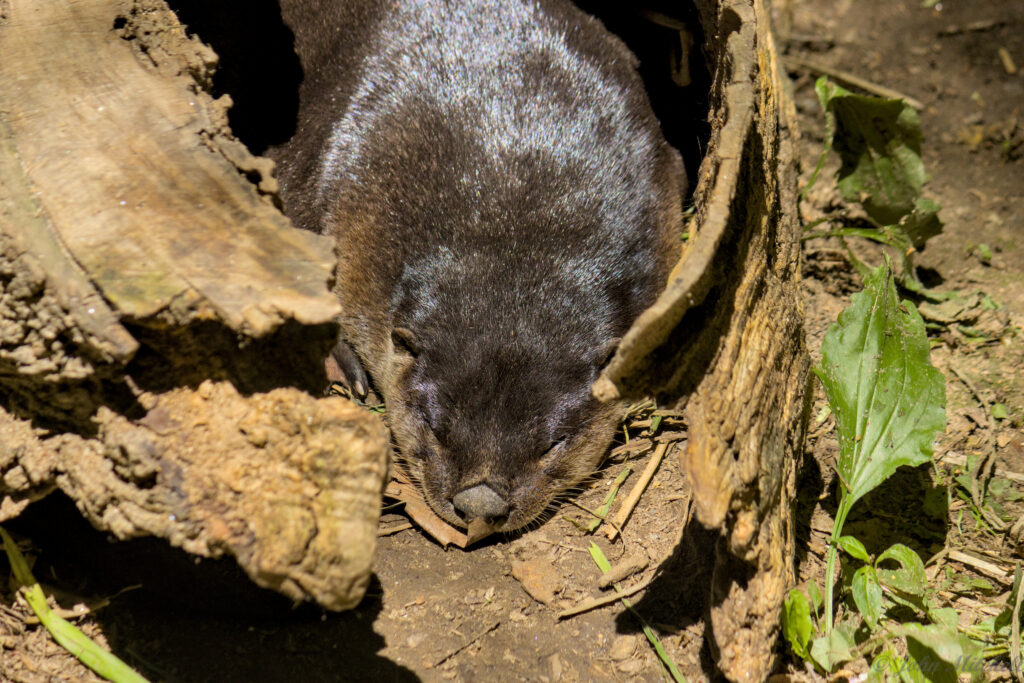
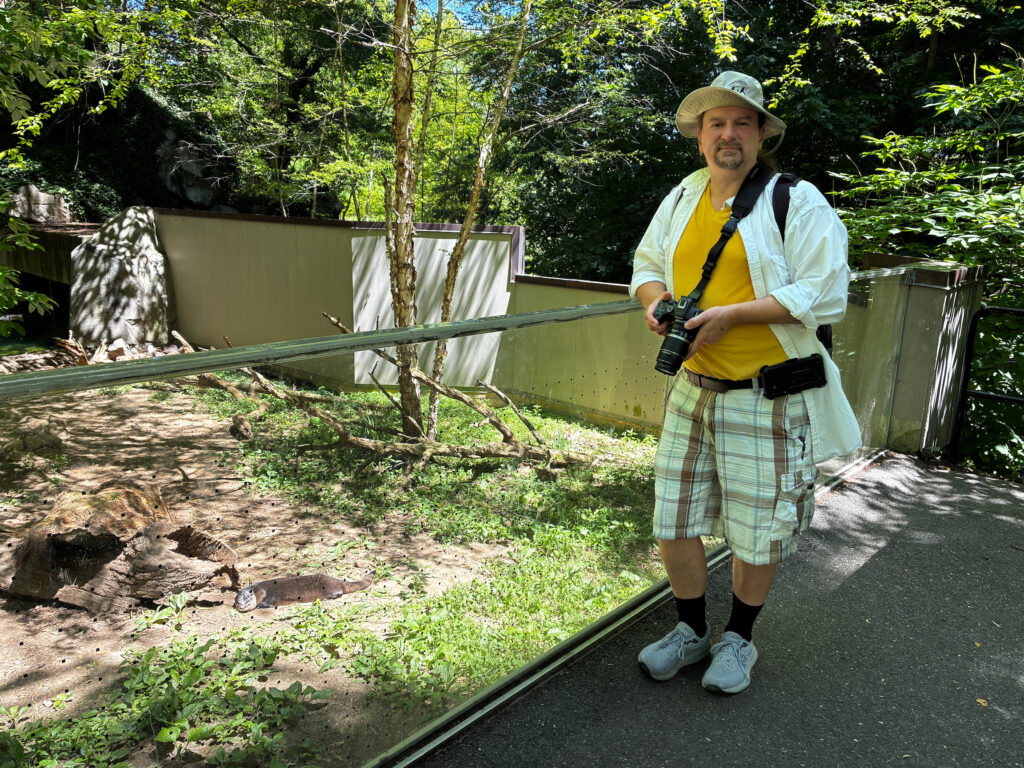
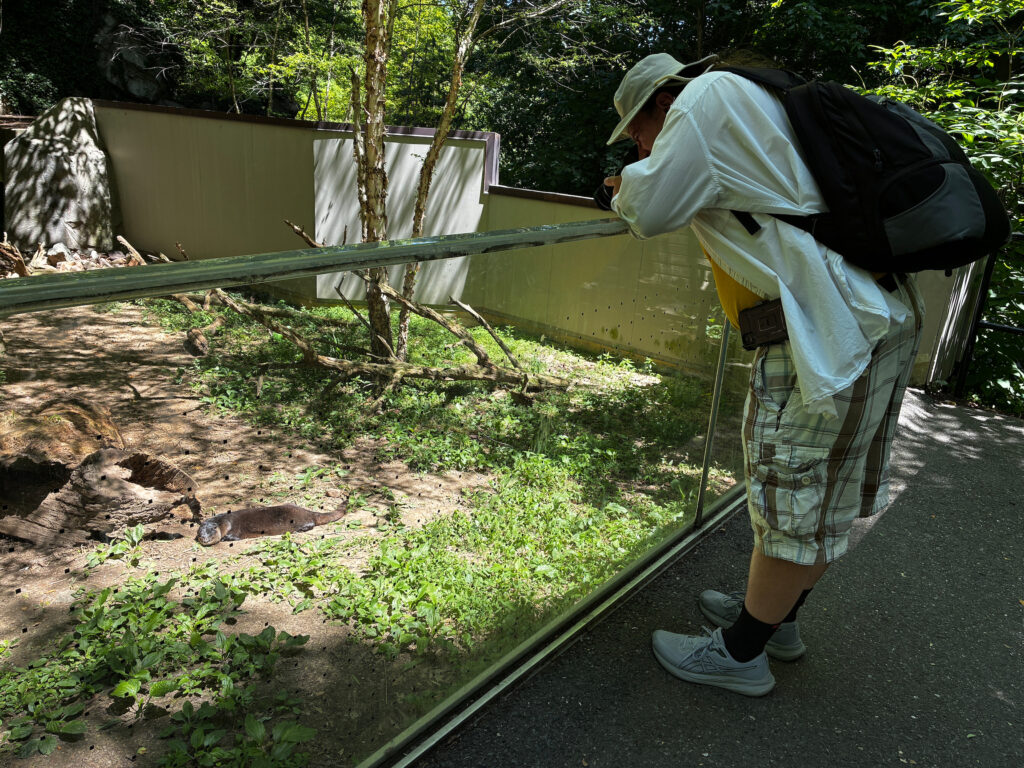
Sadly, it was nap time for otters.
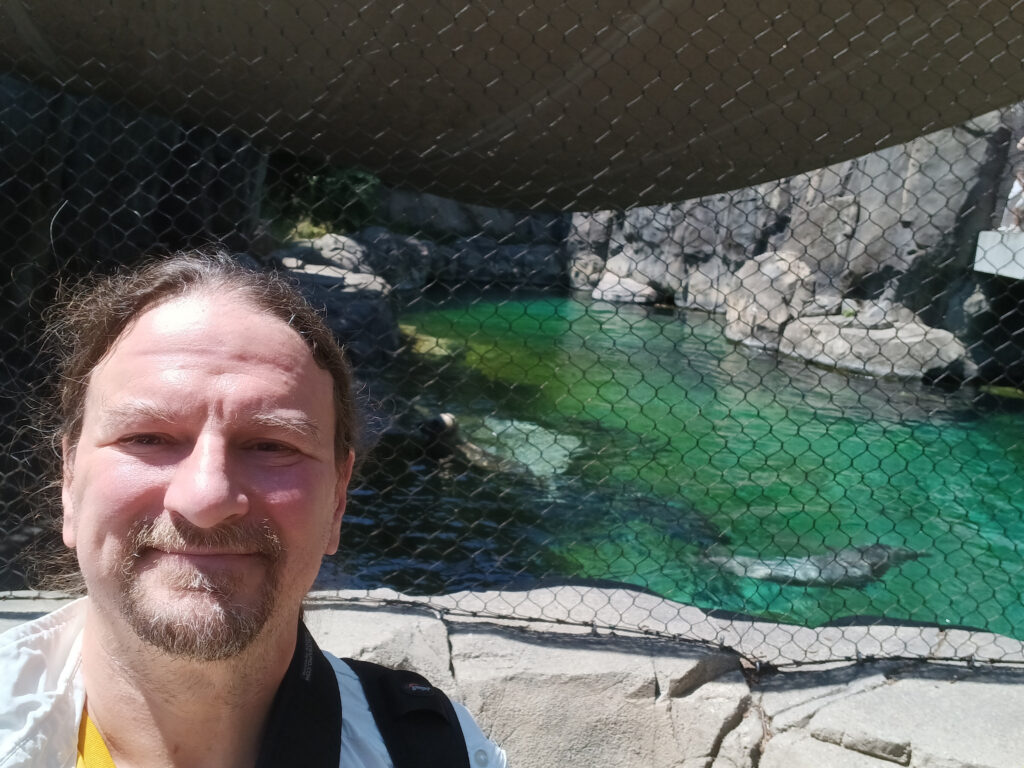
Next, there were seals. Most of them were swimming around under water, but an (older?) one was propped up at the edge of the water.
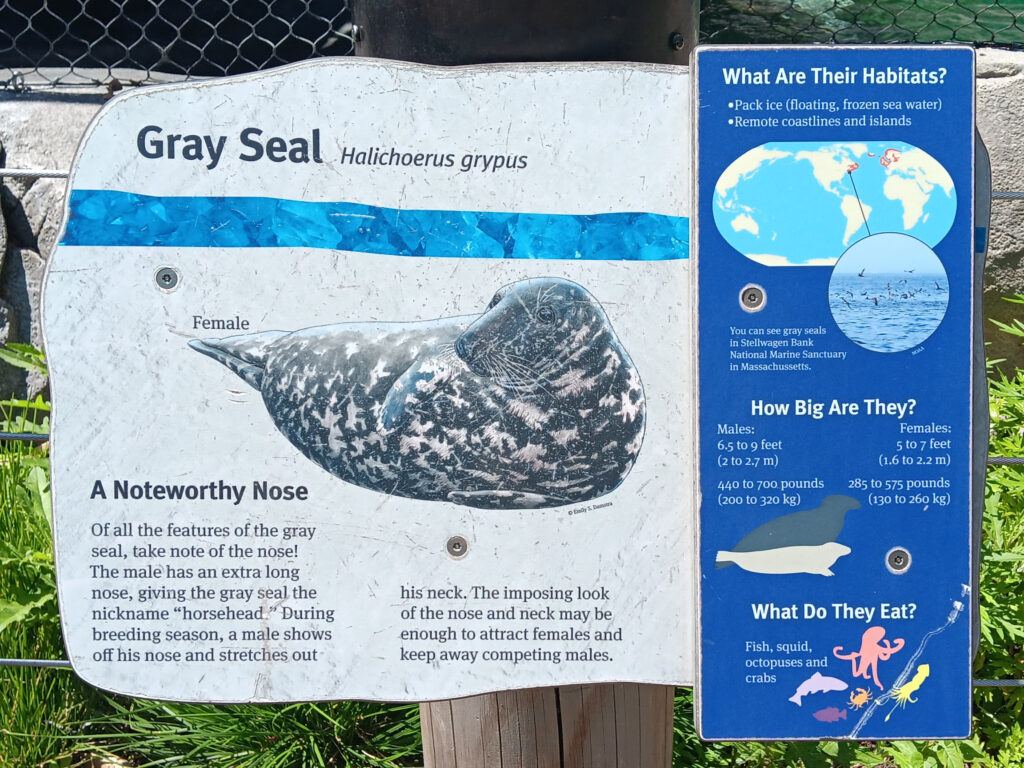
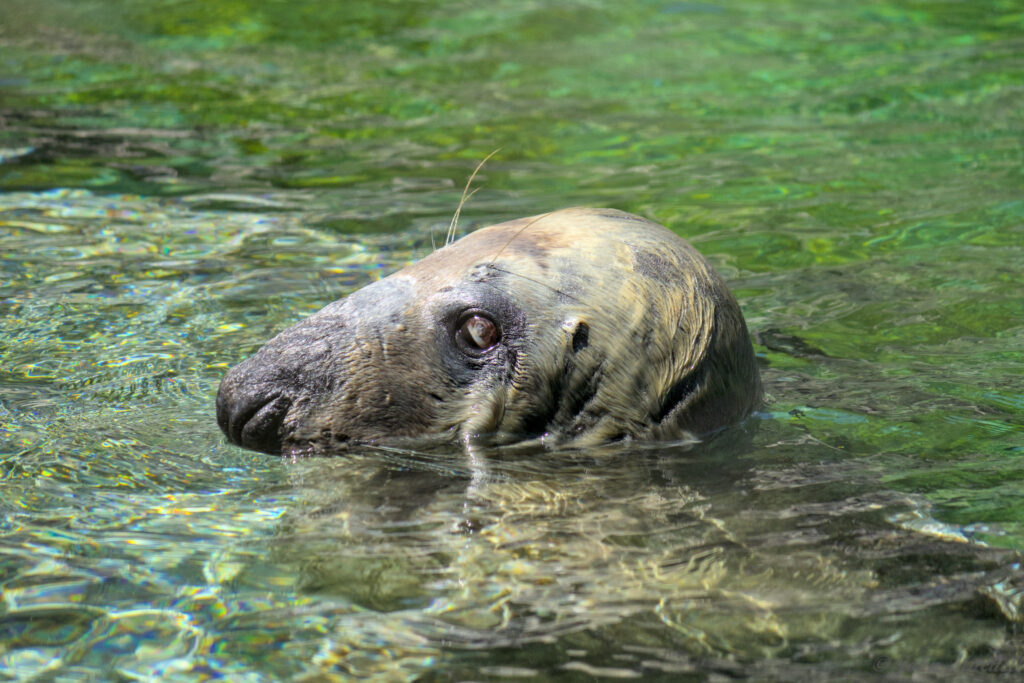
John tried to take a sealfie, but they were not very visible from this angle. You can see a seal swimming away underwater on the bottom right. The propped up seal is in the shadows.
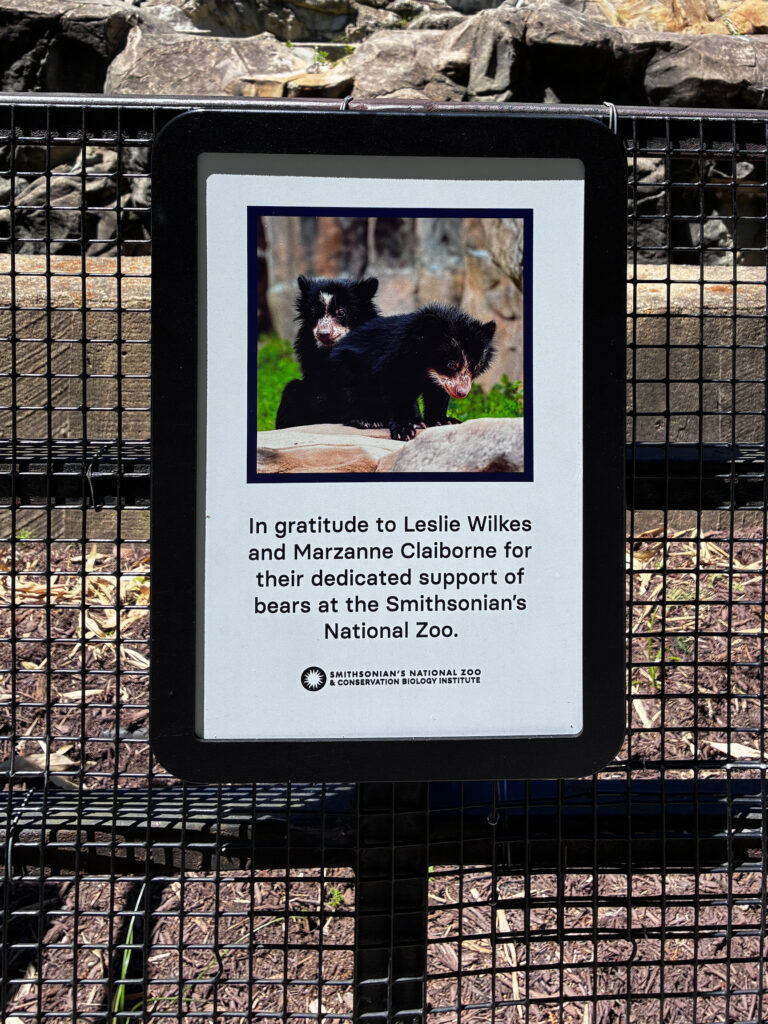
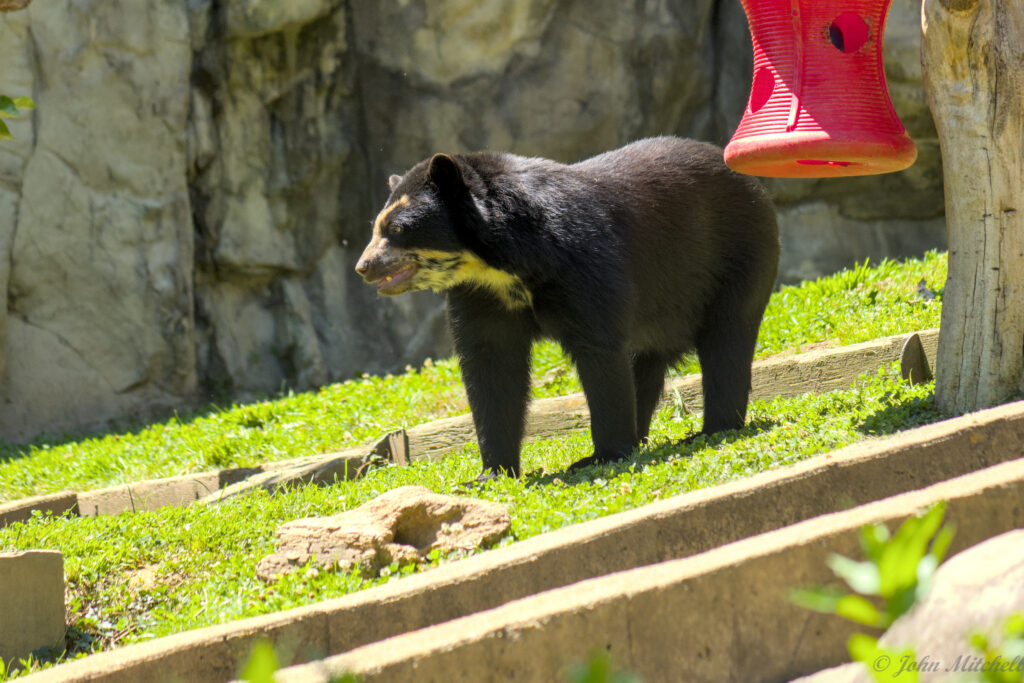
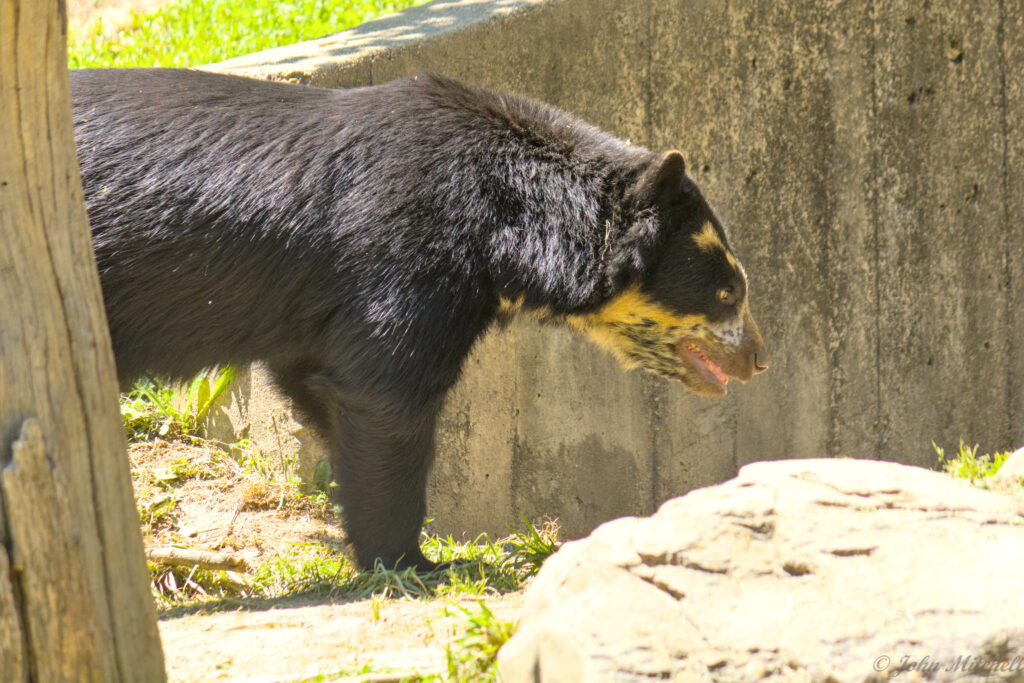
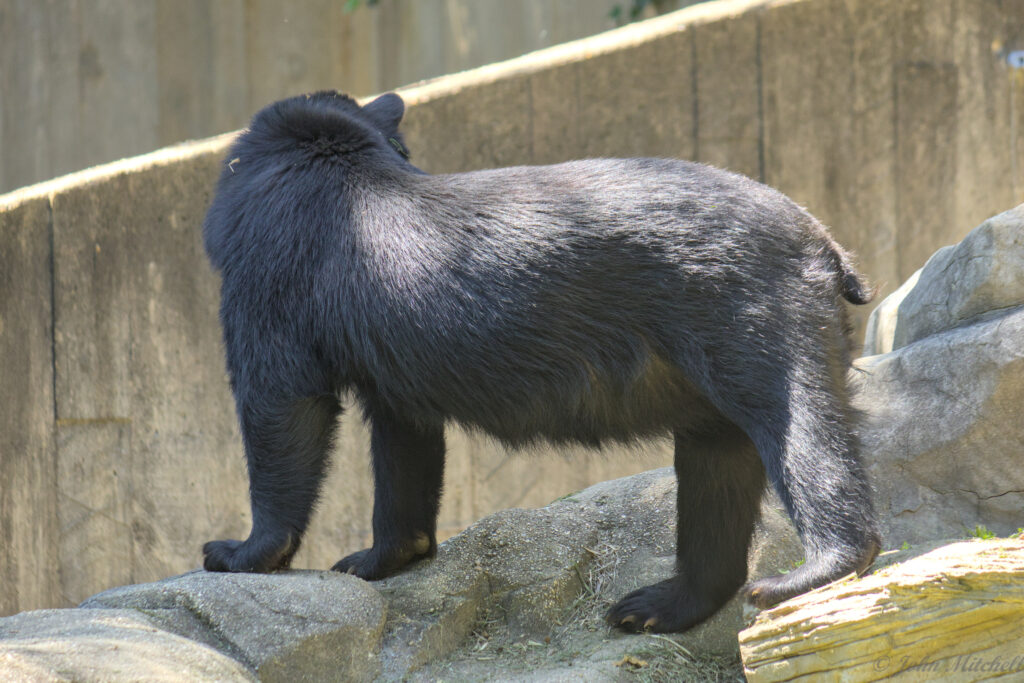
As we were walking past the Andean Bear Exhibit towards Amazonia, two guys were complaining that the bear was never out. Just then, the keepers booted the bear out into the yard.
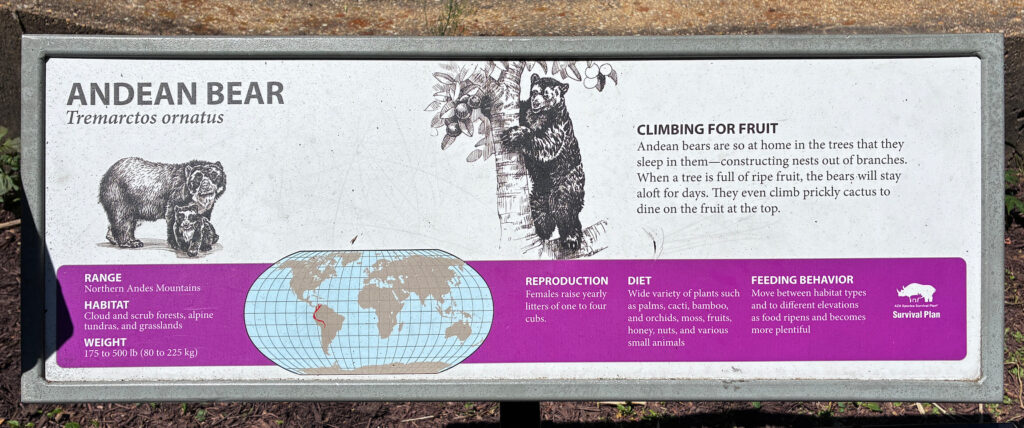
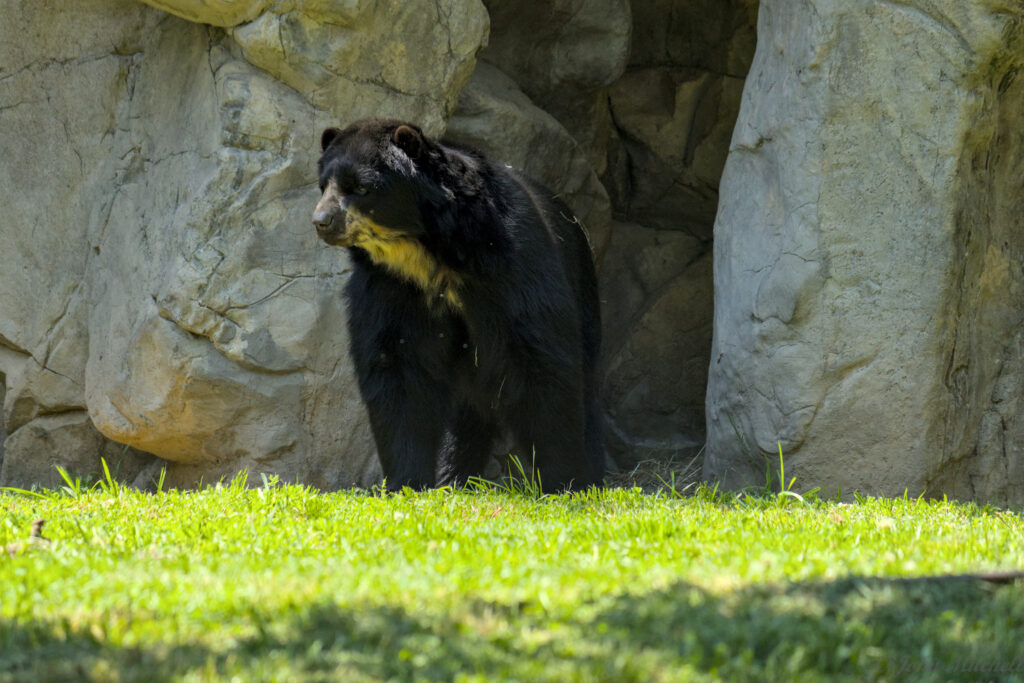
The bear was clearly distracted and tracking something off to the side of the enclosure. We think it might have been feeding time.
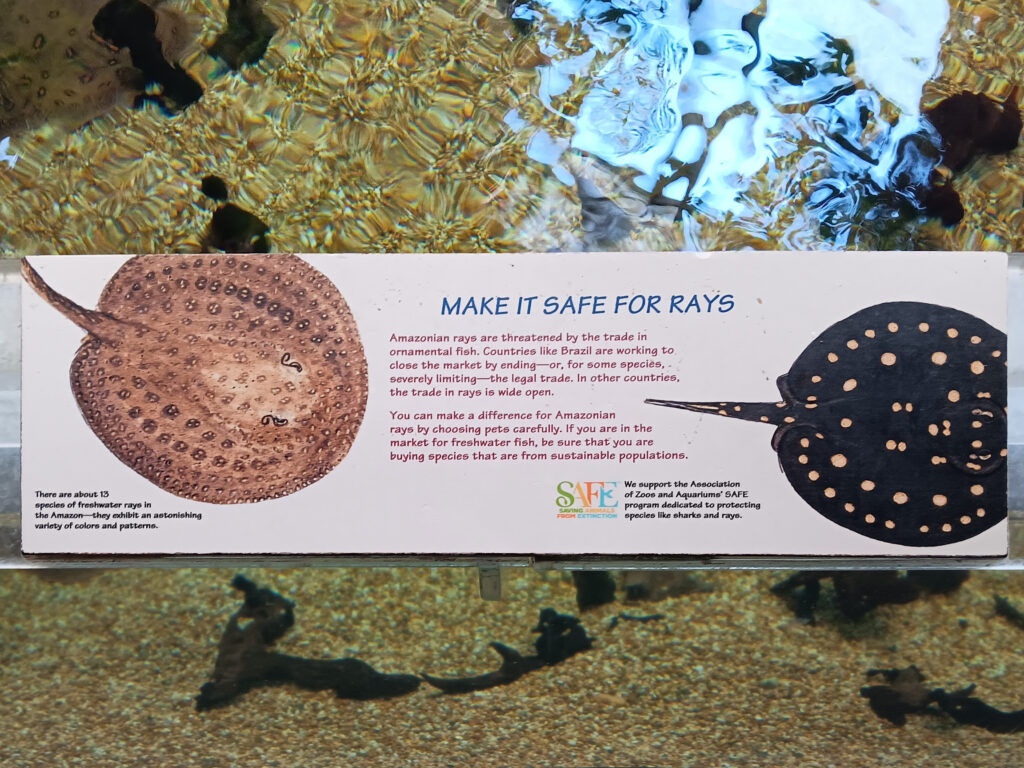
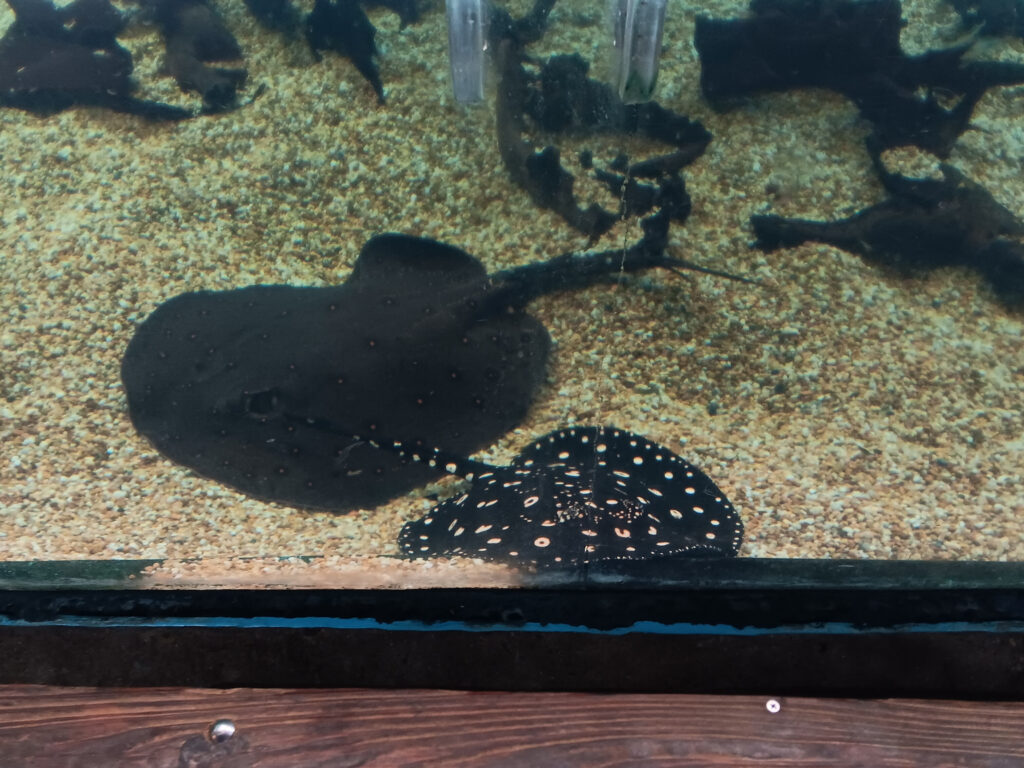
The last stop at the zoo was Amazonia. It is a jungle themed exhibit with various birds, fish, amphibians, and reptiles found in the jungle. At the entrance, they have a pool of stingrays.
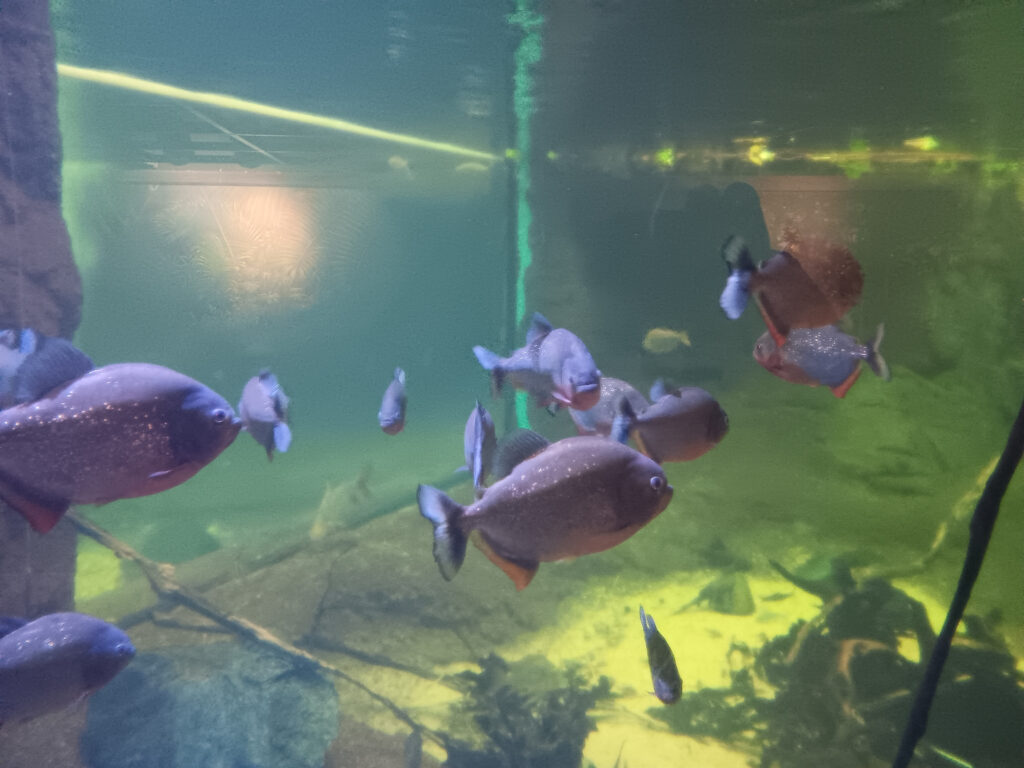
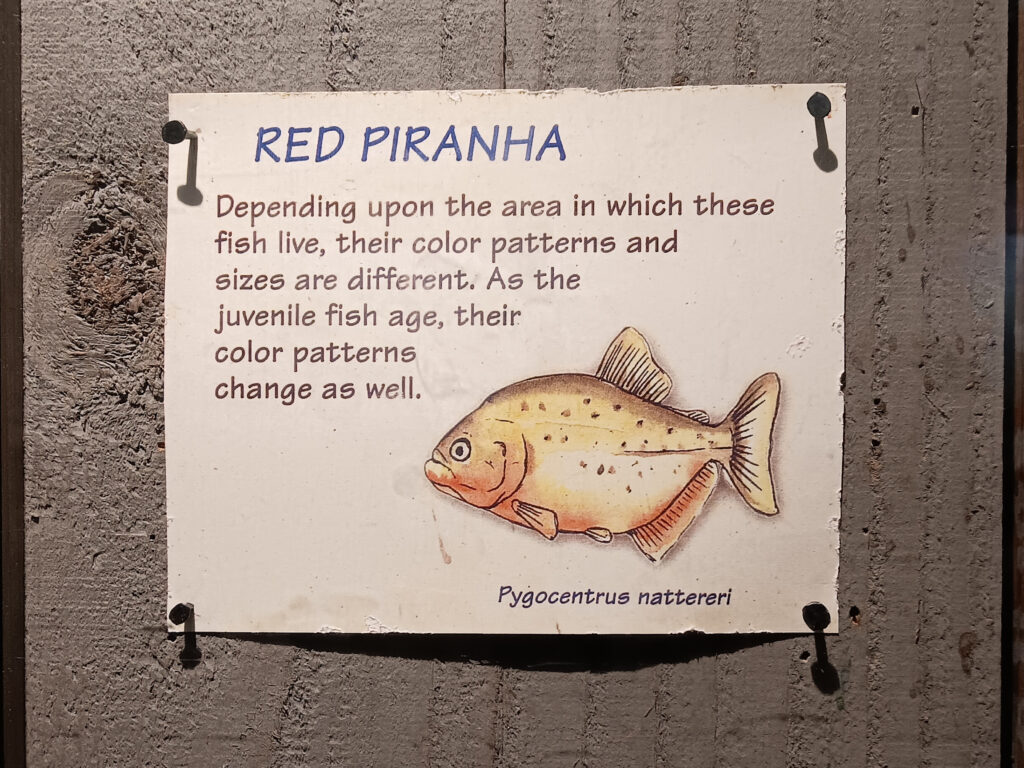
And just past the stingrays are the Red Piranha. The zoo should probably put up a “Don’t Feed The Piranha (Your Fingers)” sign.
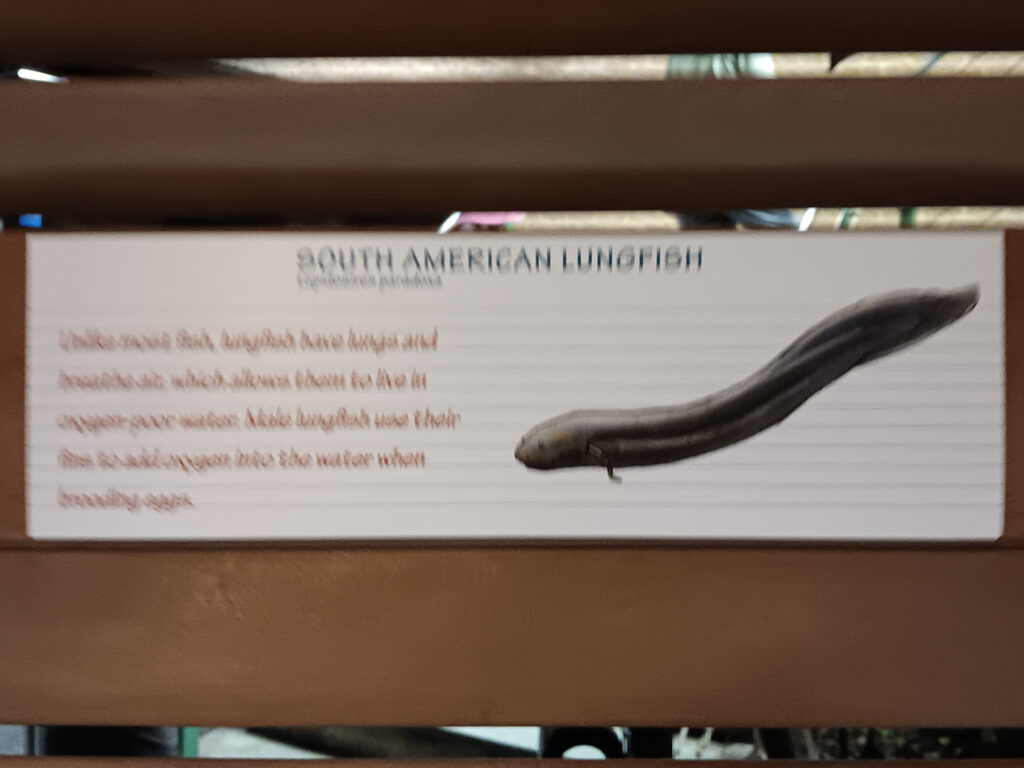
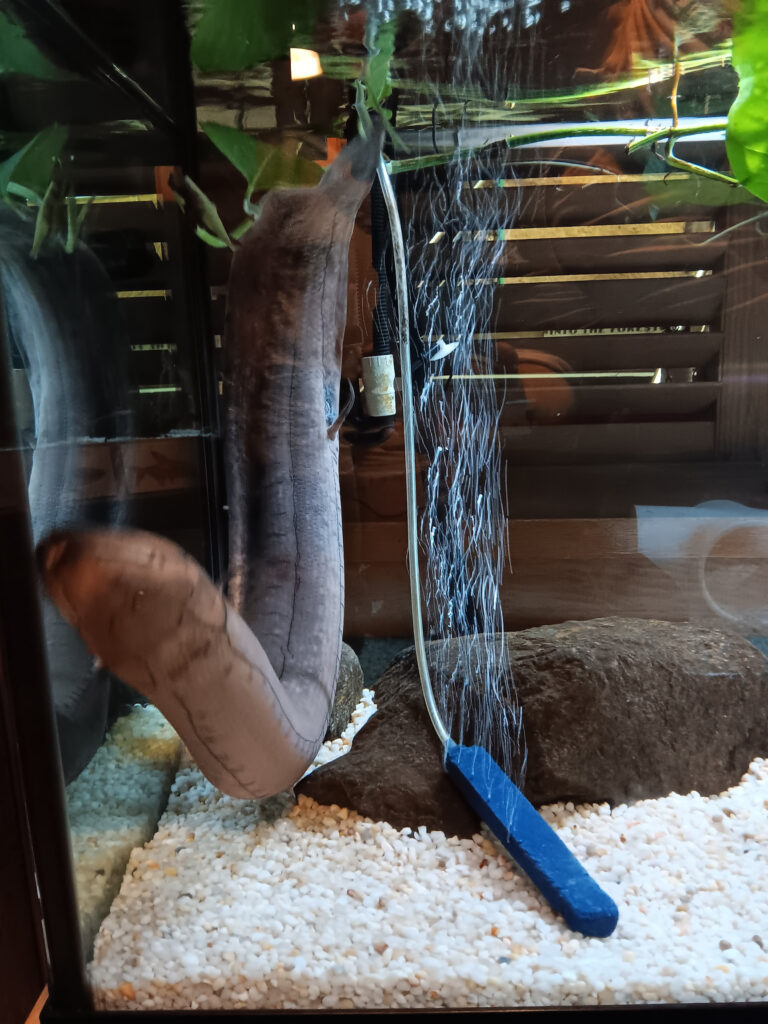
It was pretty dim in the Amazonia building, so some of the pictures are blurry. The lungfish has functioning lungs and gills. Can you image this thing slithering across your lawn?
We were pretty tired at this point, so we ended up wandering through a few rooms without taking many pictures.
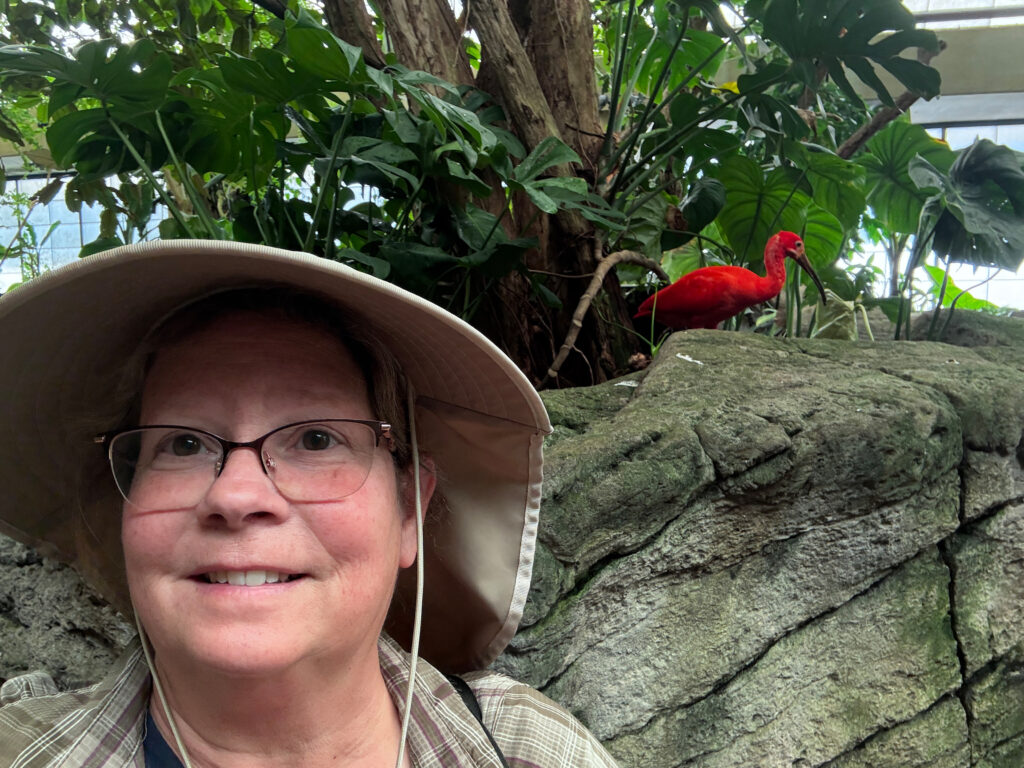
About a quarter of the way through the exhibits, you have to pass through the aviary on the second floor. They have the most beautiful vibrant red Scarlet Ibis … ibises? … ibii? … [insert plural ibis here] … in the aviary.
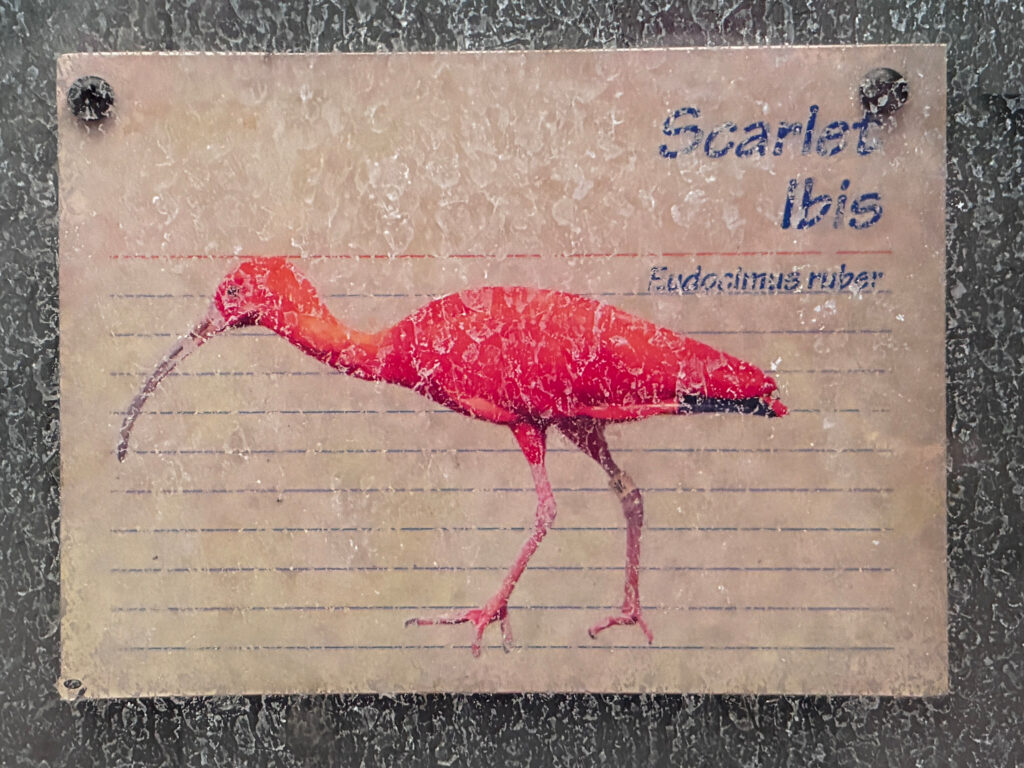
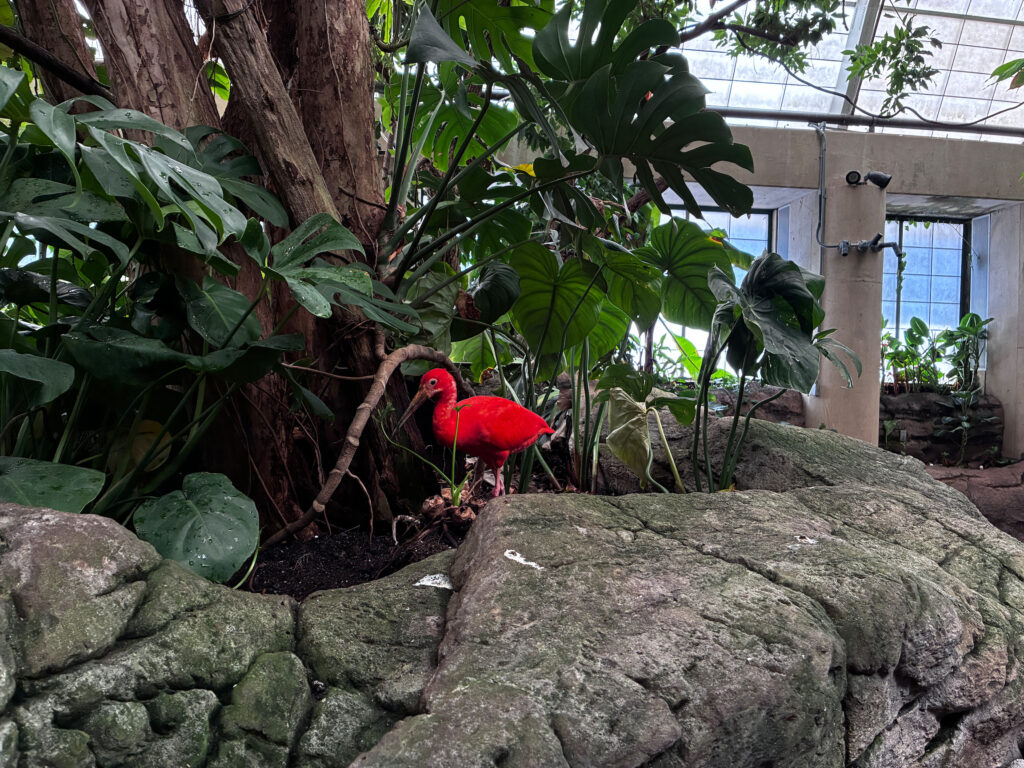
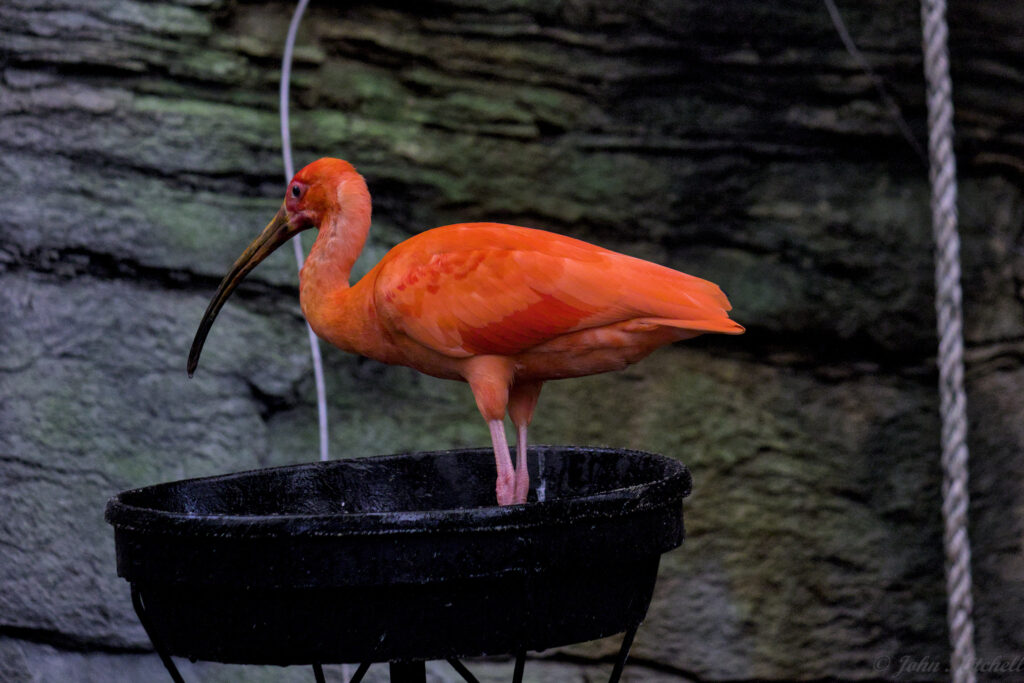
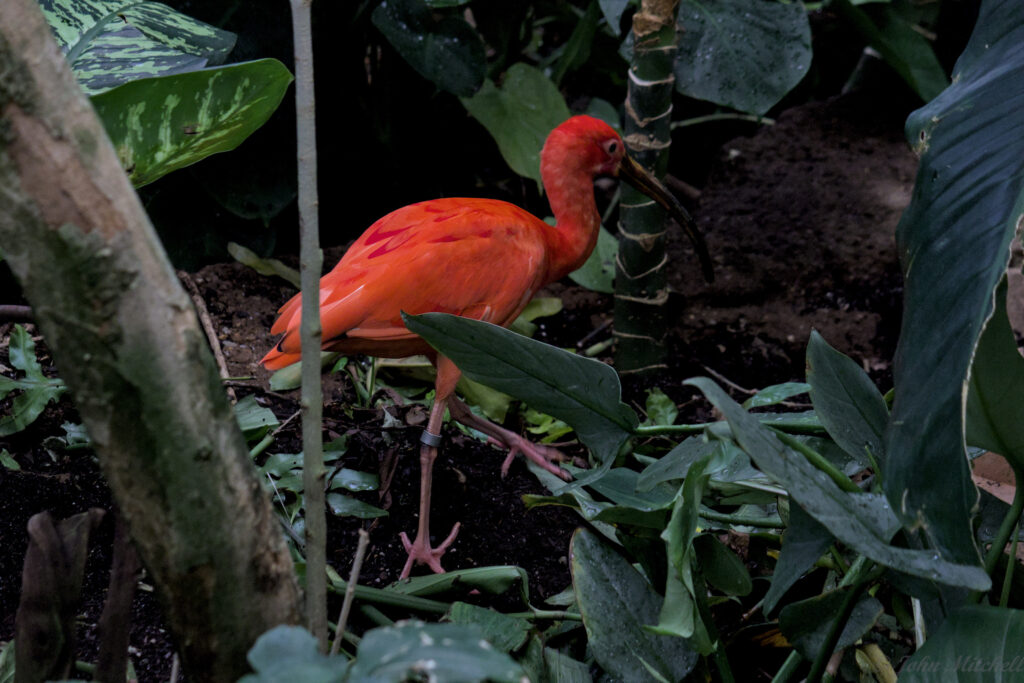
And, of course, Kate went there. A Scarlet Ibis selfie.
They also had Roseatte Spoonbills. We saw these in the Florida Everglades many years ago. John did not remember them as being bald, so it was a bit of a shock to see a Roseatte Spoonbill with male pattern baldness.
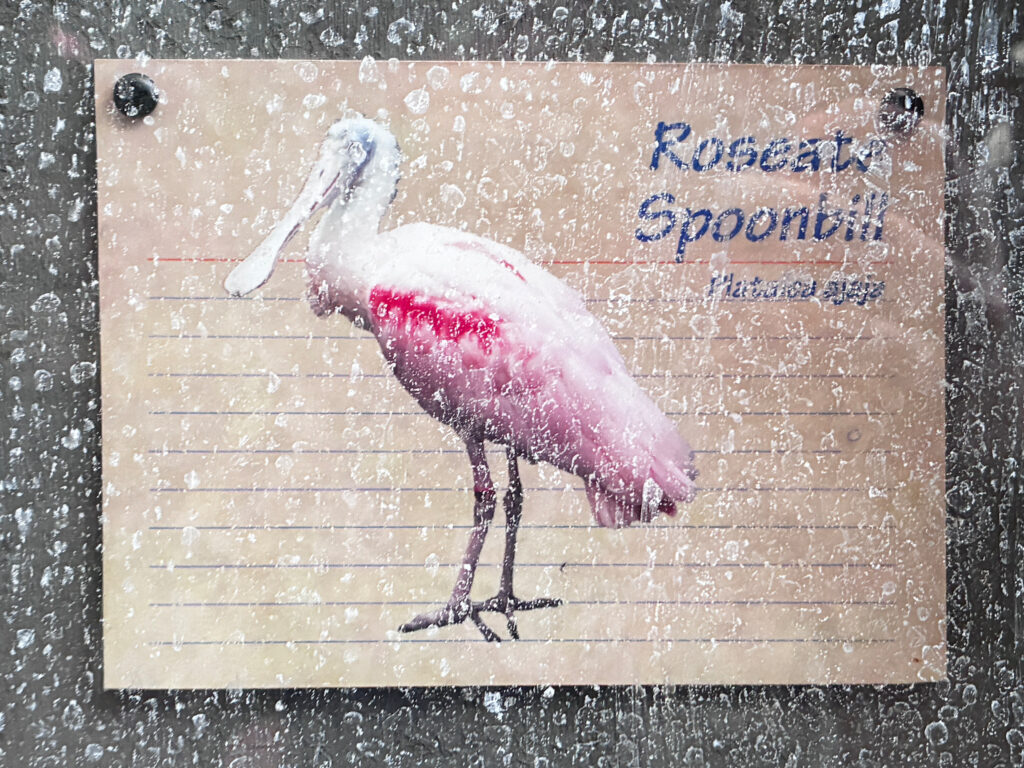
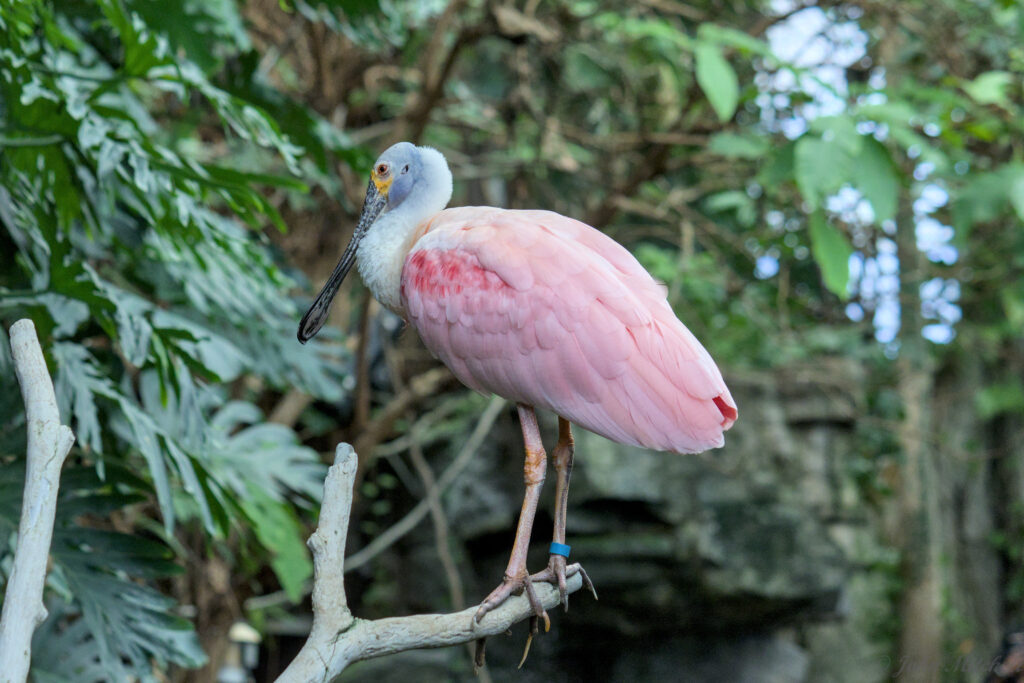
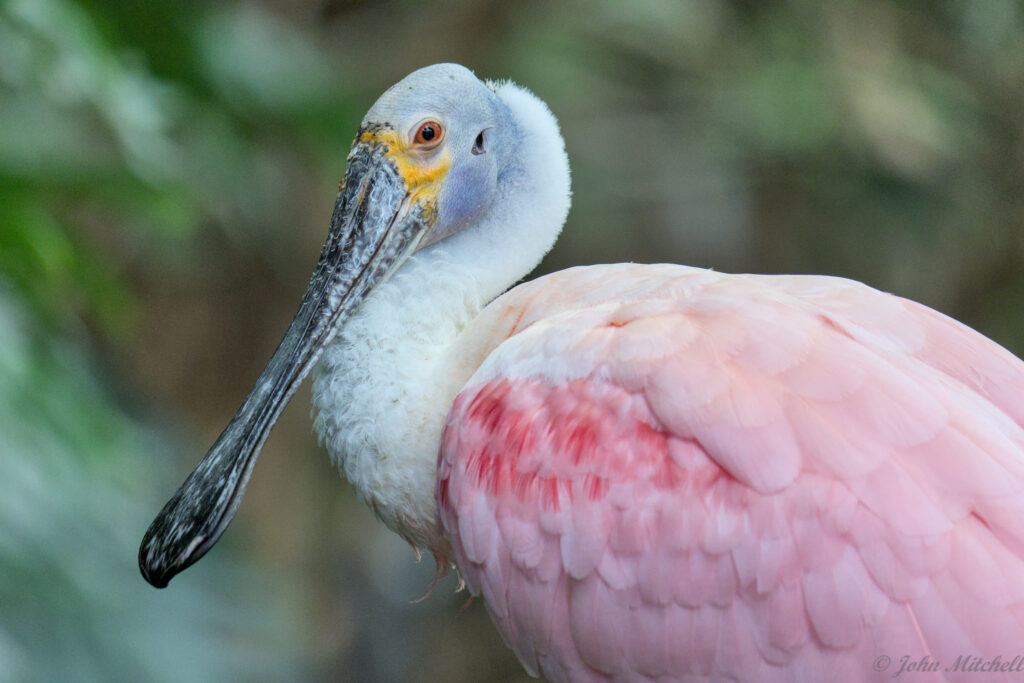
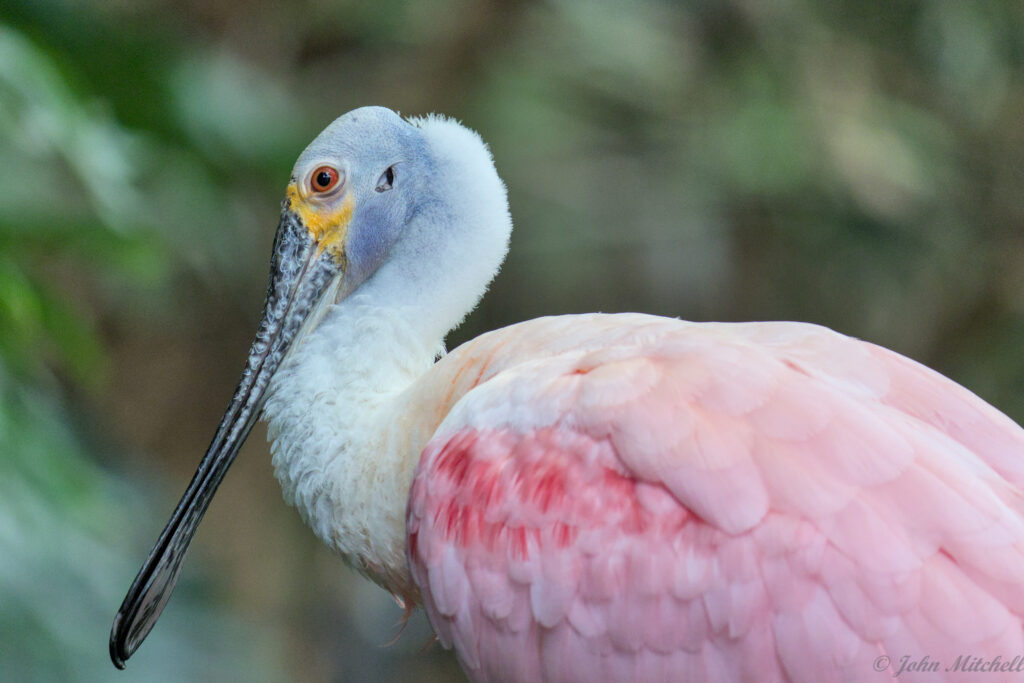
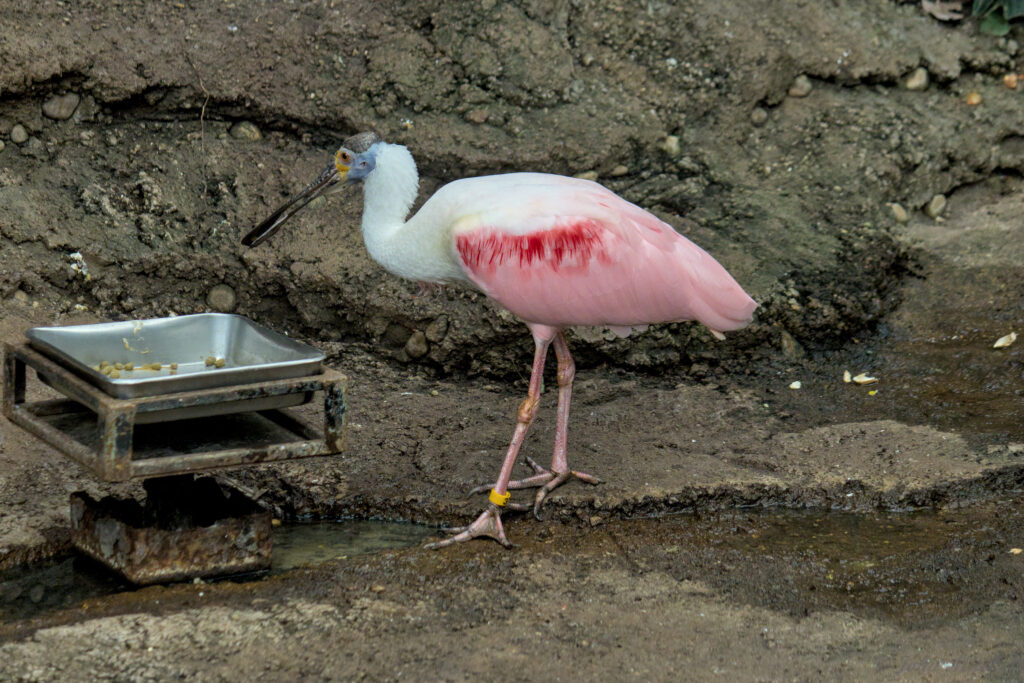
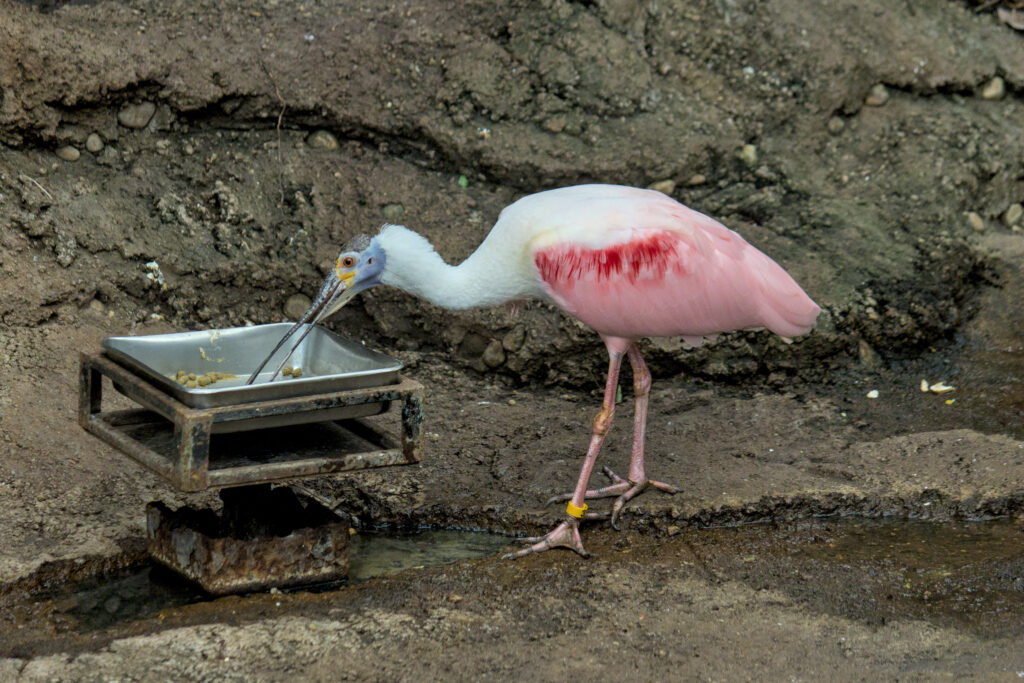
Oops!… She did it again. A Roseatte Spoonbill selfie.
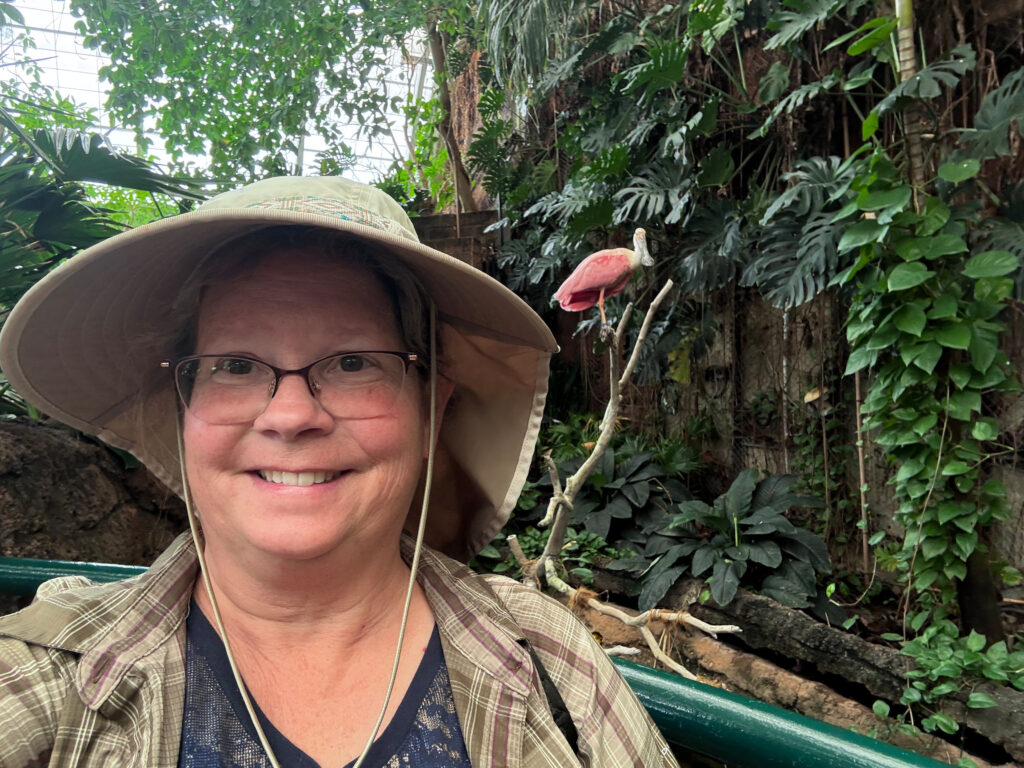
Well, if you cannot beat them, you might as well join them.
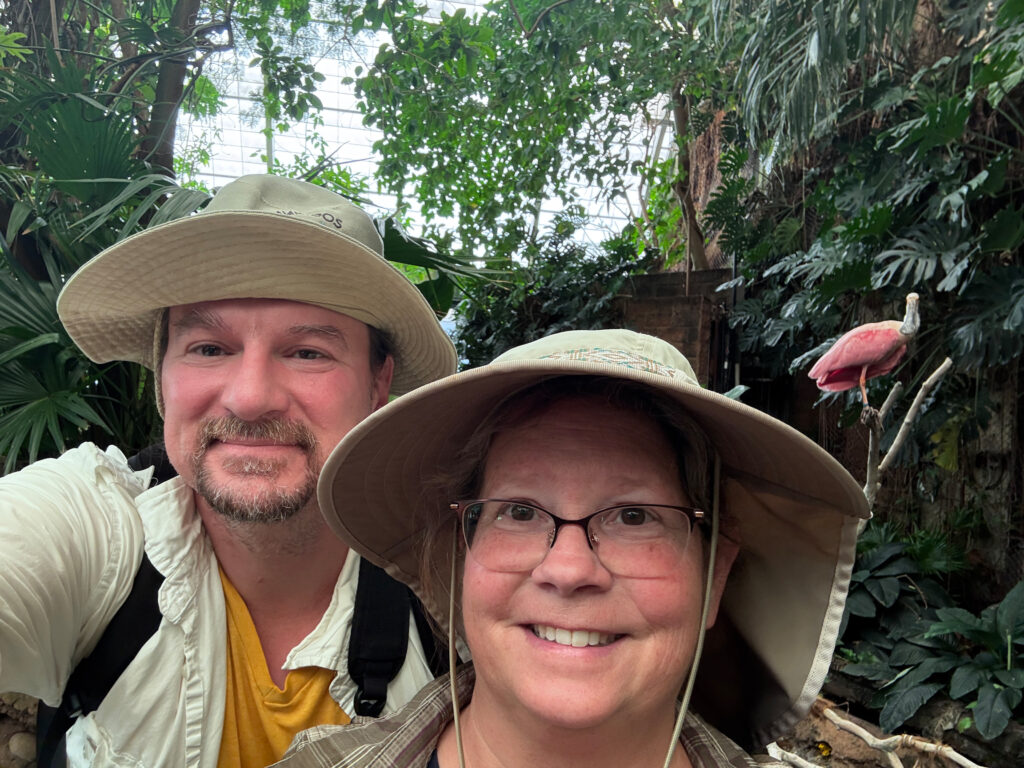
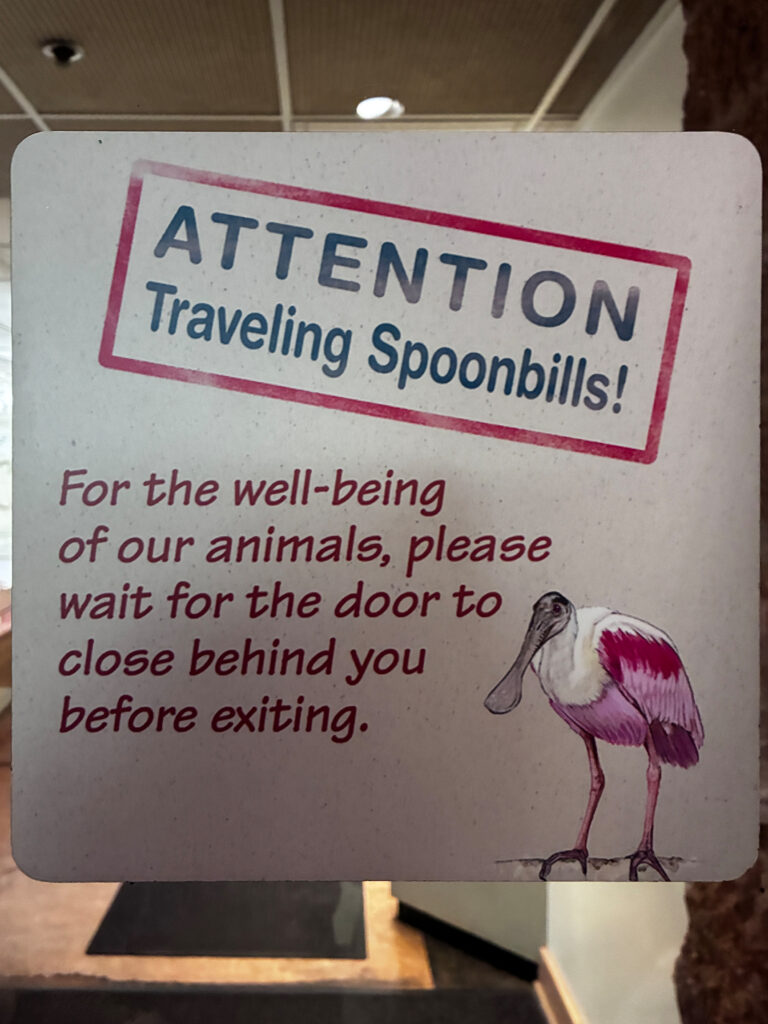
When you leave, you have to check your pants legs for hitch hiking Spoonbills.
After the aviary, you find a Guinea Pig village at the top of the stairs to the first level. When we passed through, one of the keepers was training the Guinea Pigs.
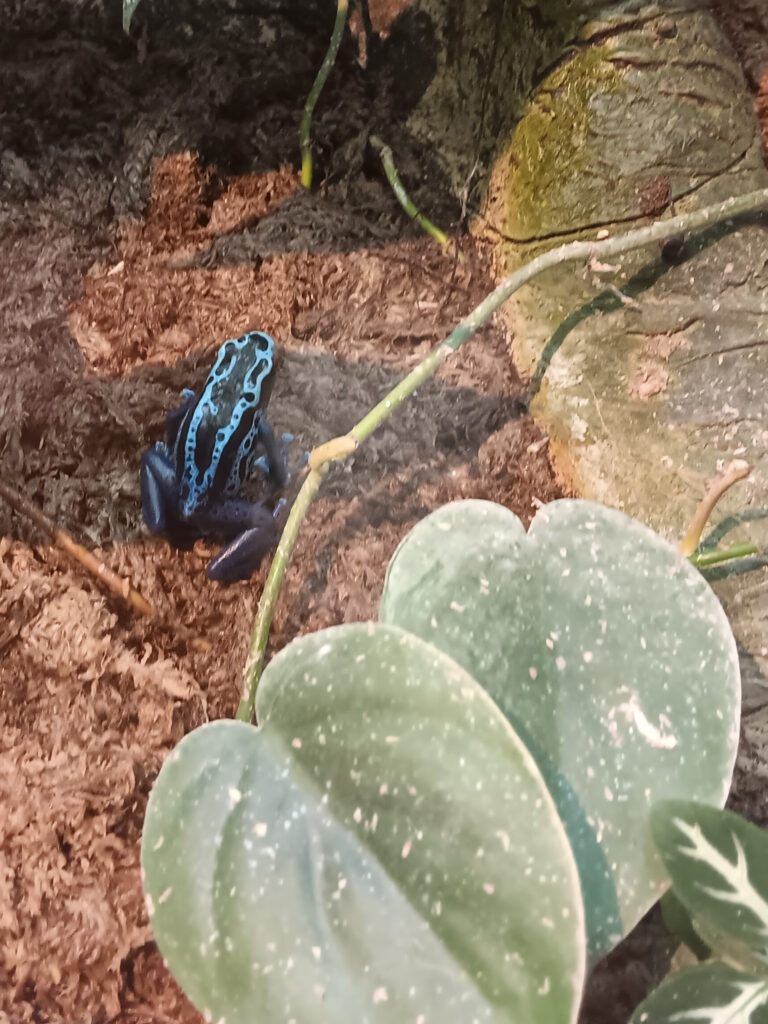
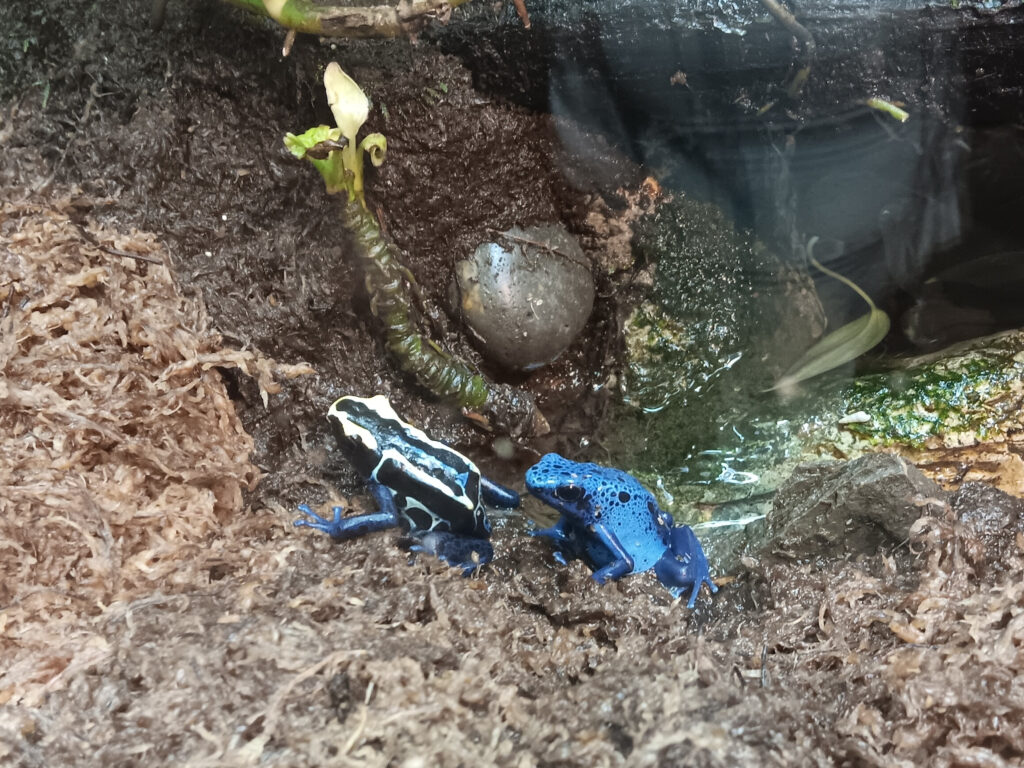
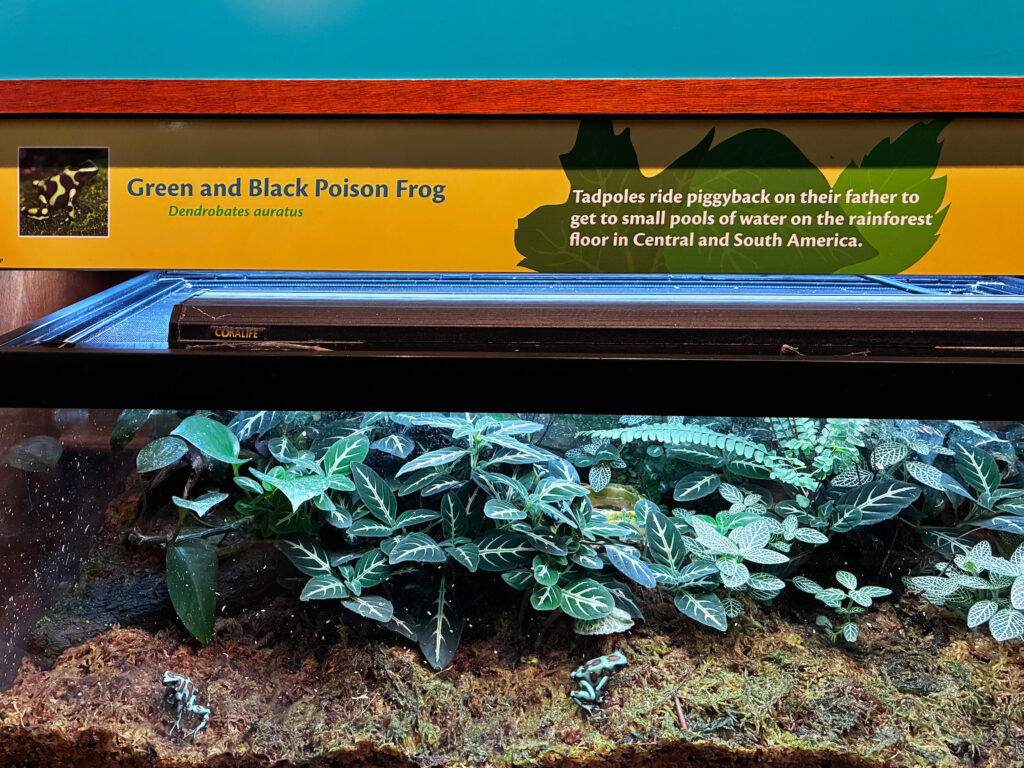
Back down on the first level is the amphibian exhibit.
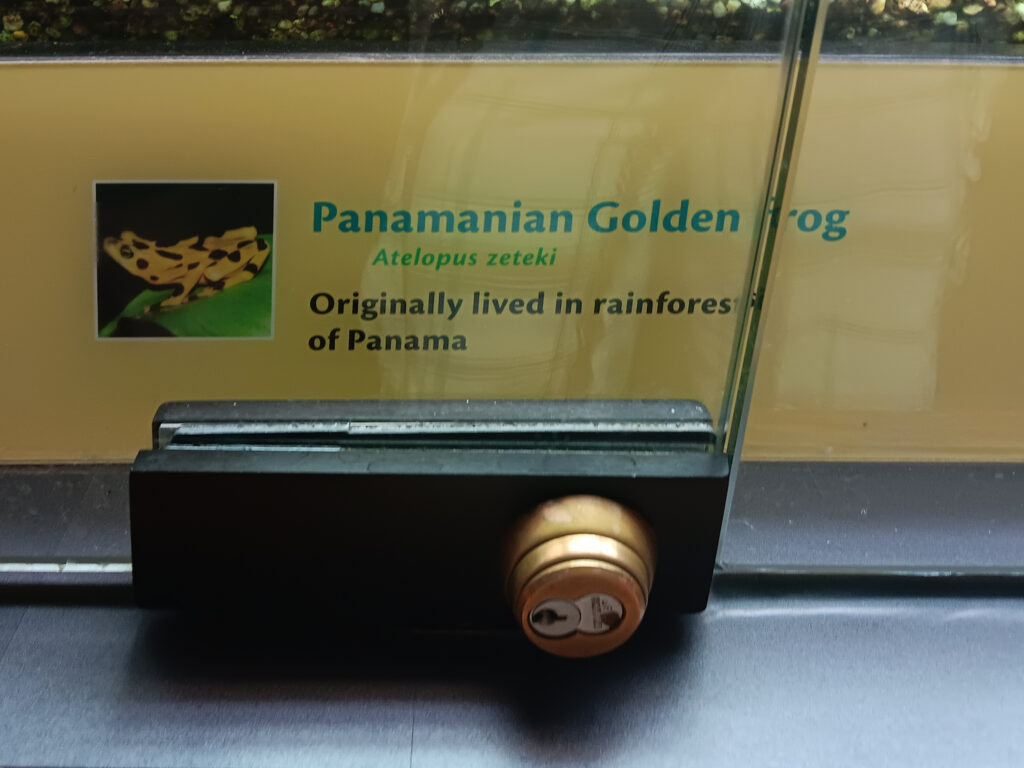
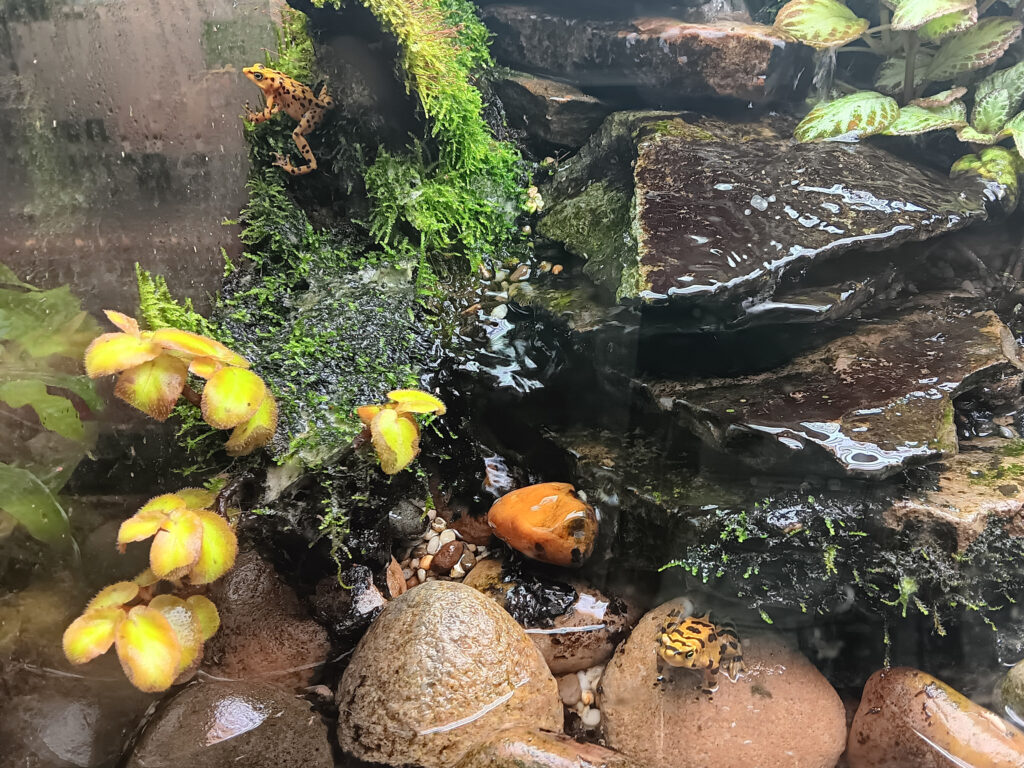
FYI, the Panamanian Golden Frog originally lived in the rainforest of Panama, and it wants to go back.
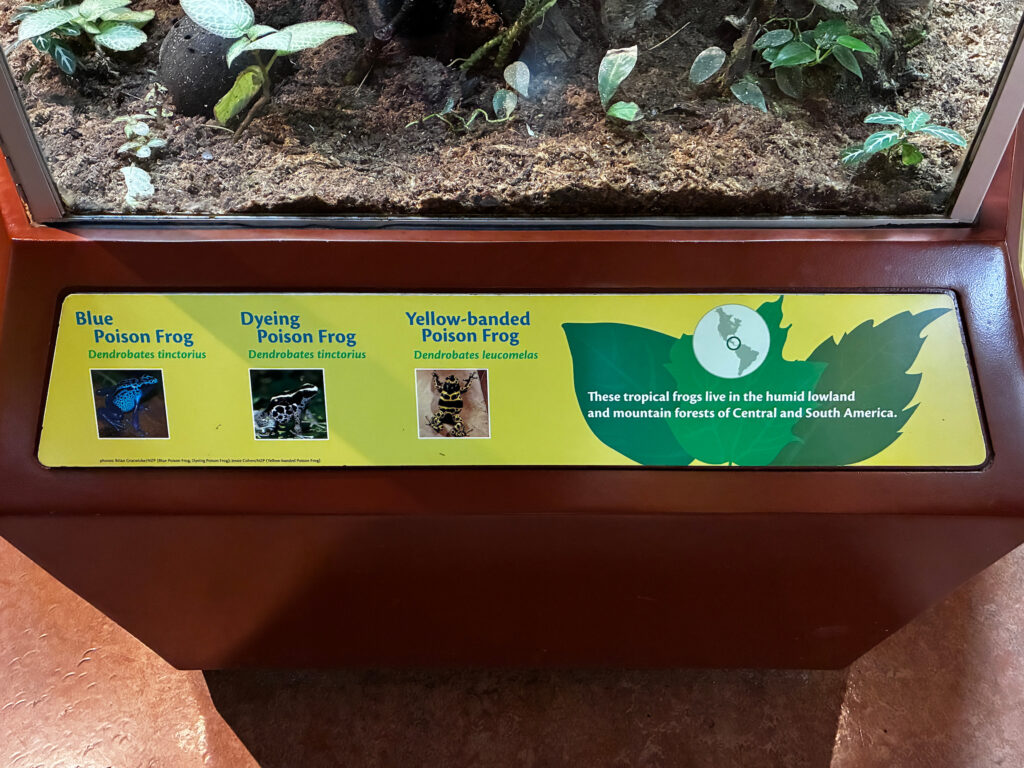
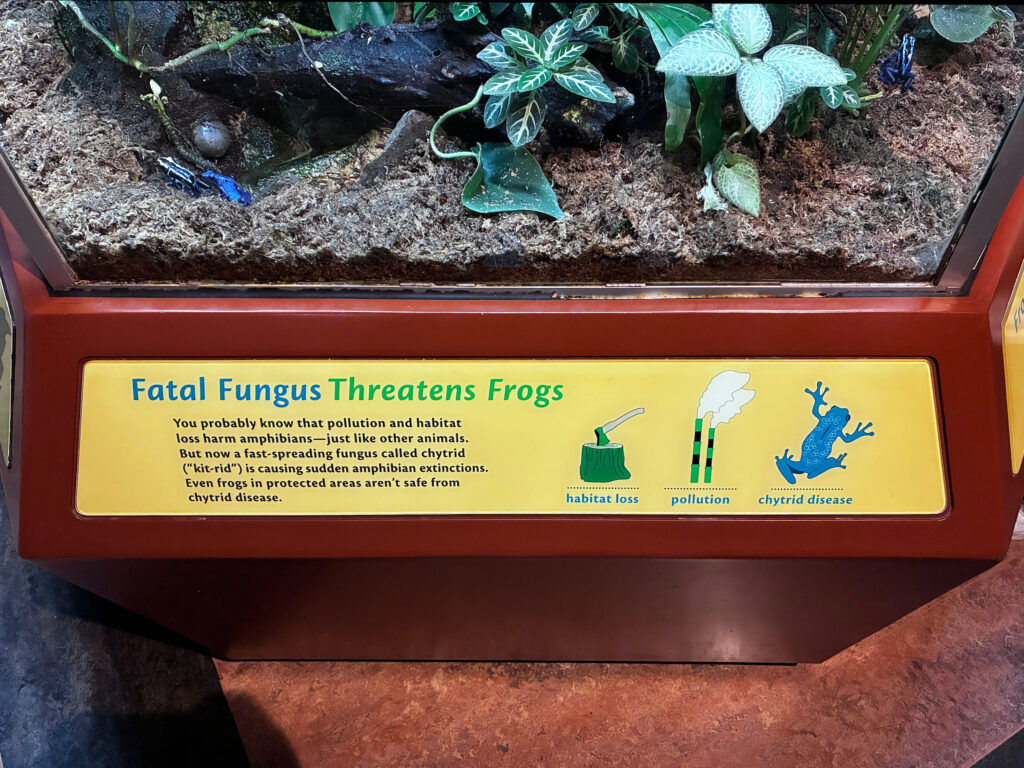
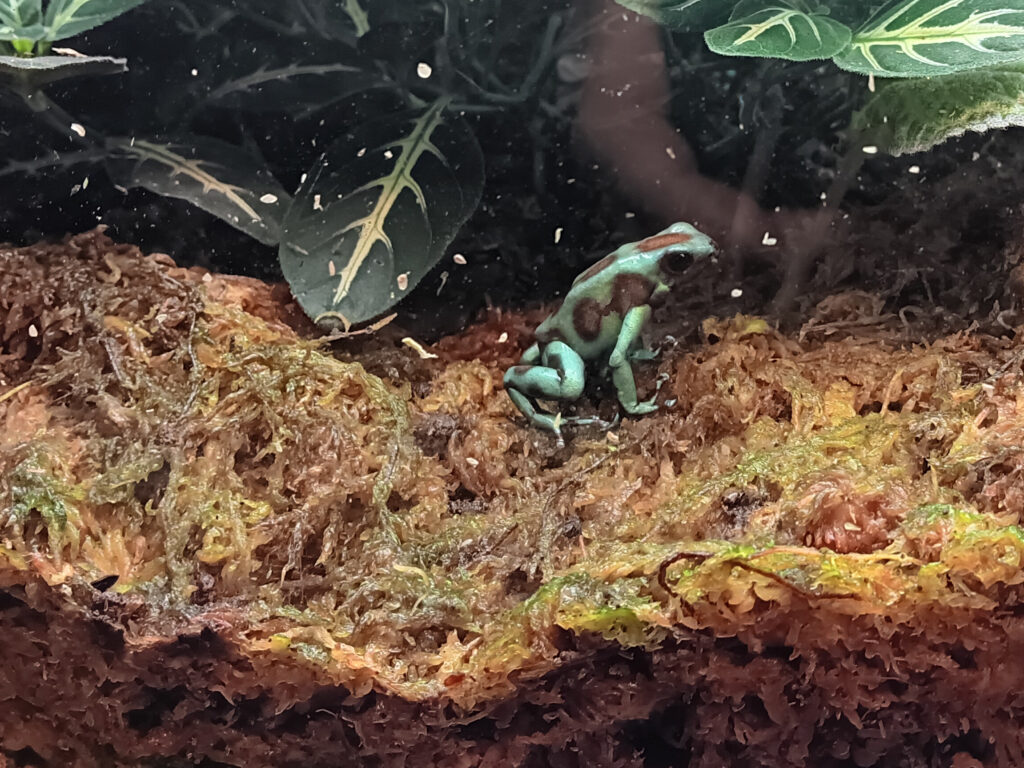
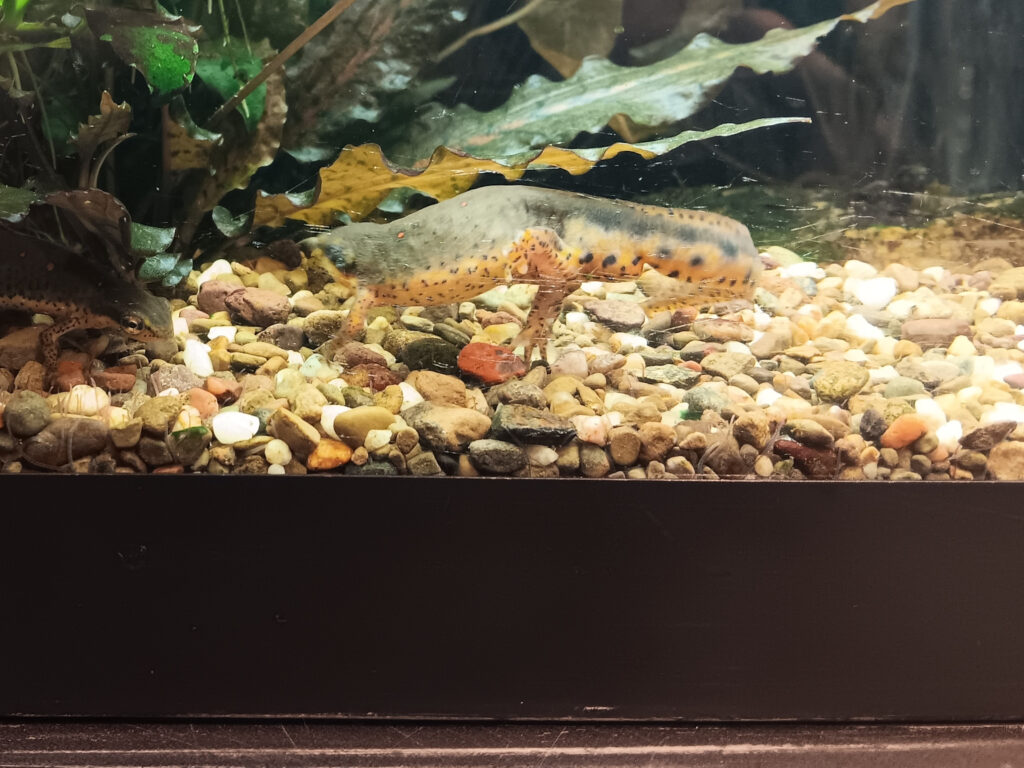
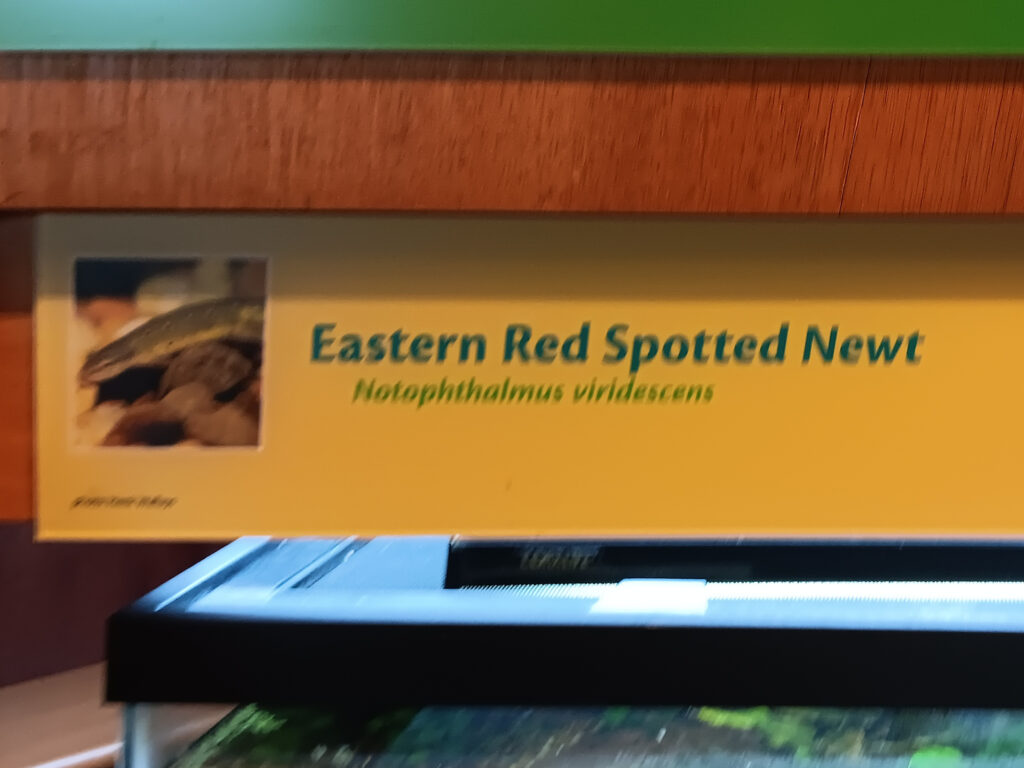
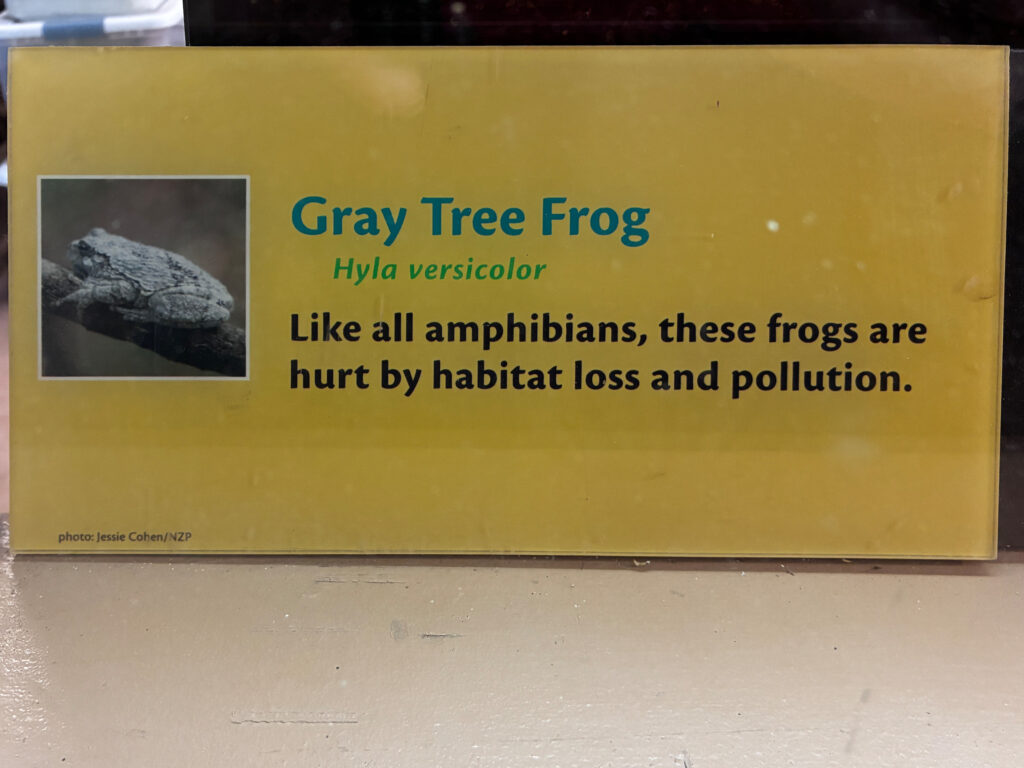
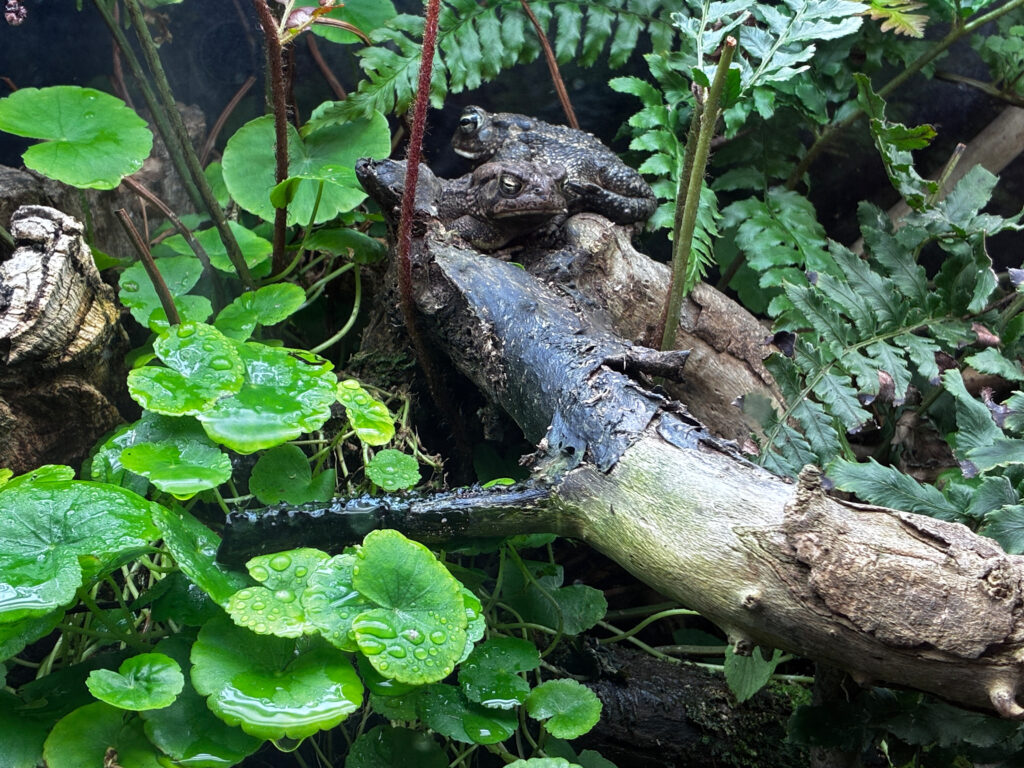
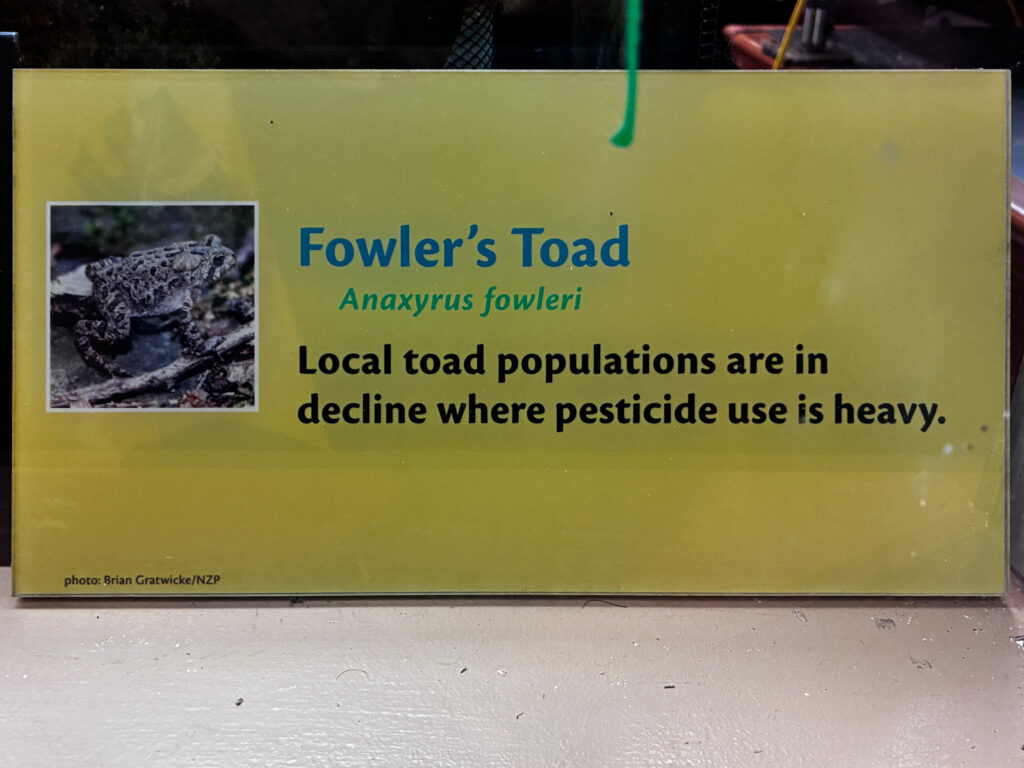
We saw this in Virginia, but clearly, we did not see it at the zoo.
Just before the exit, they had a small display of black light fluorescing coral. The pictures are shown as taken and white balance corrected for the blue-ish purple light.
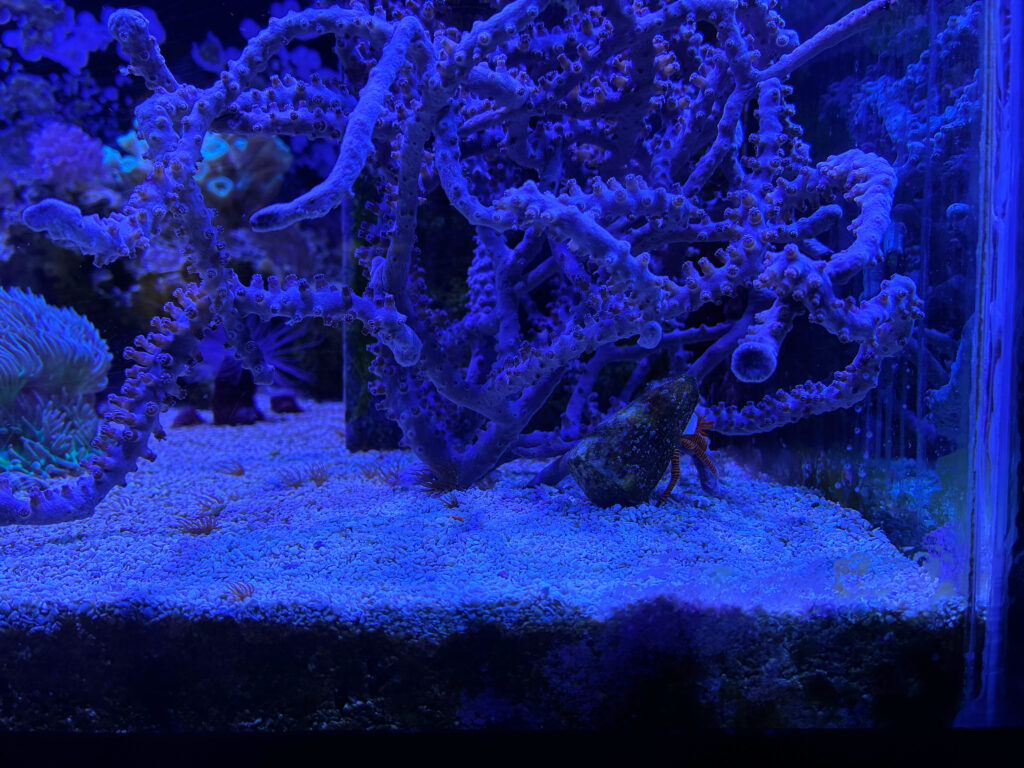
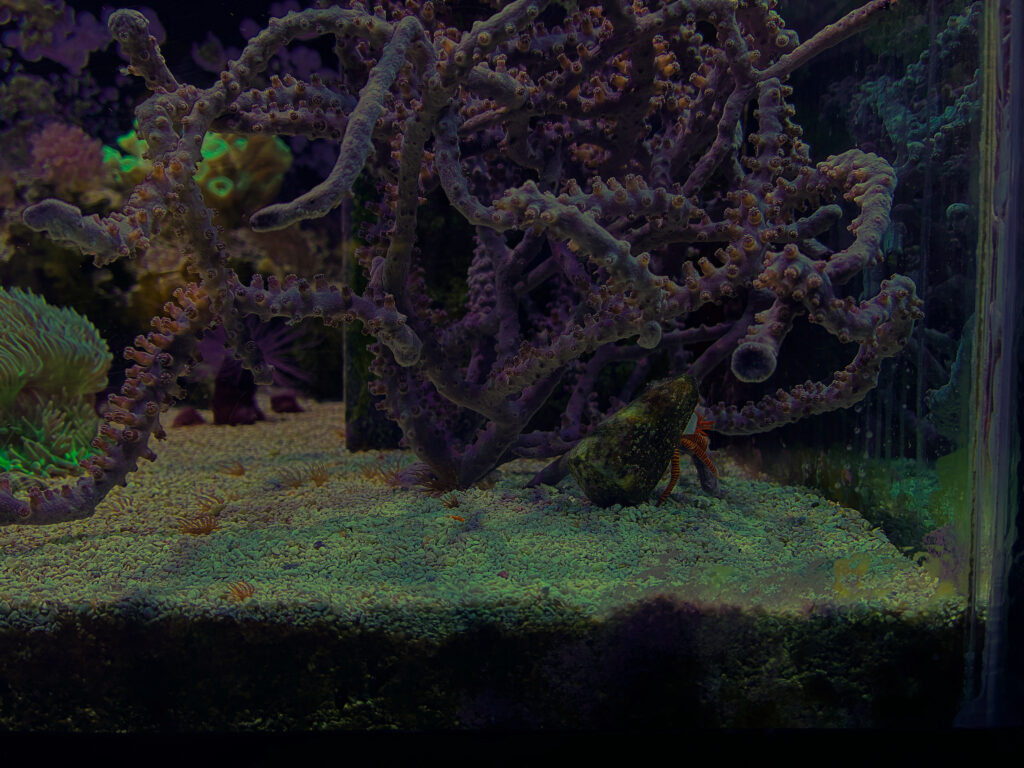
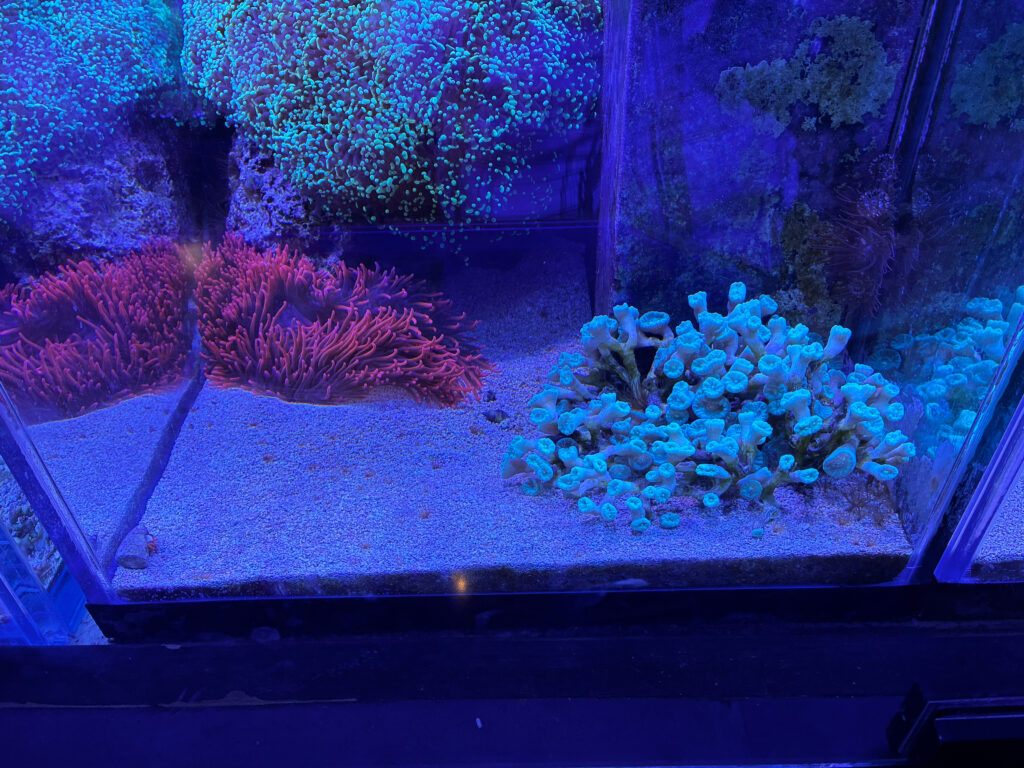
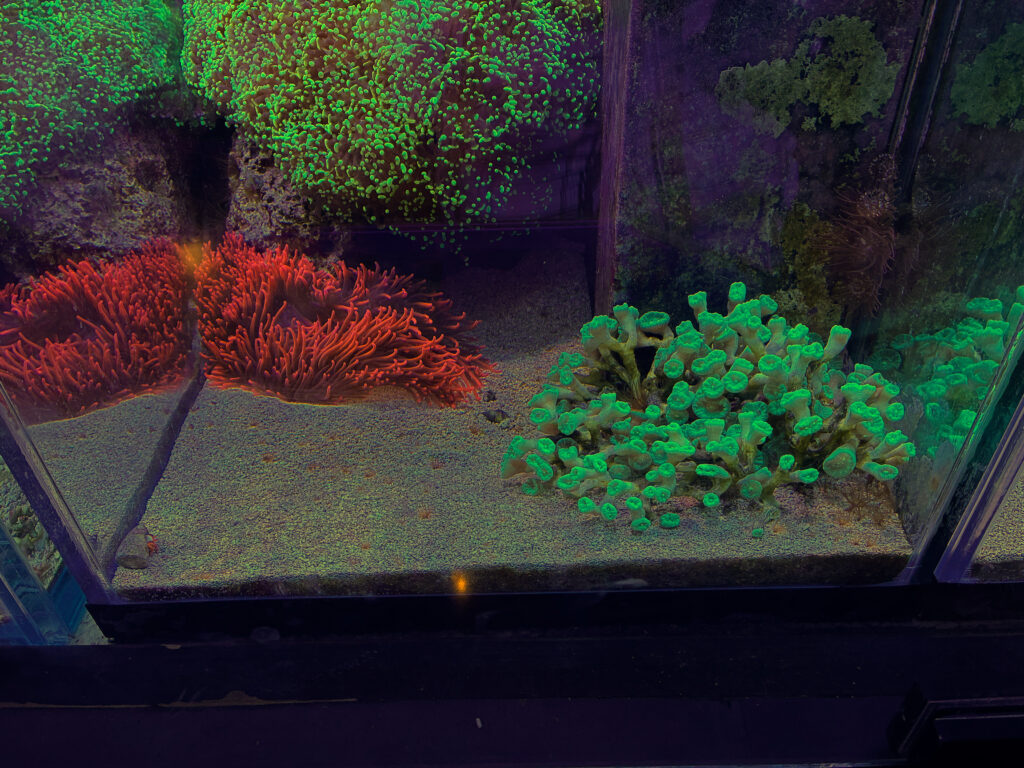
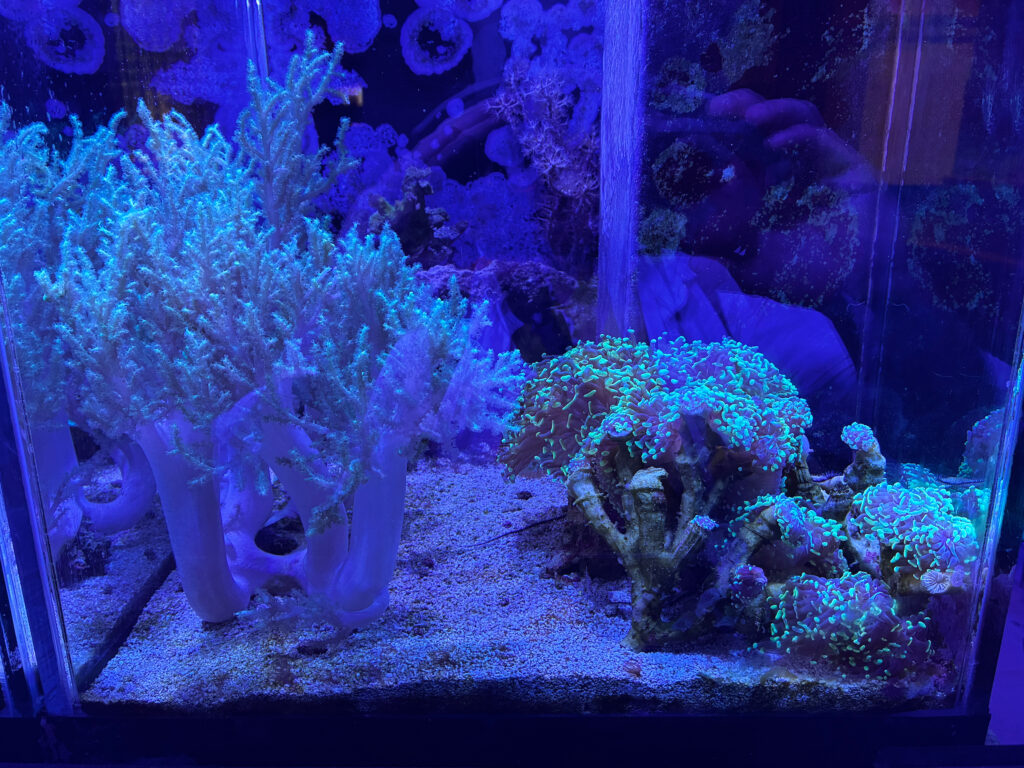
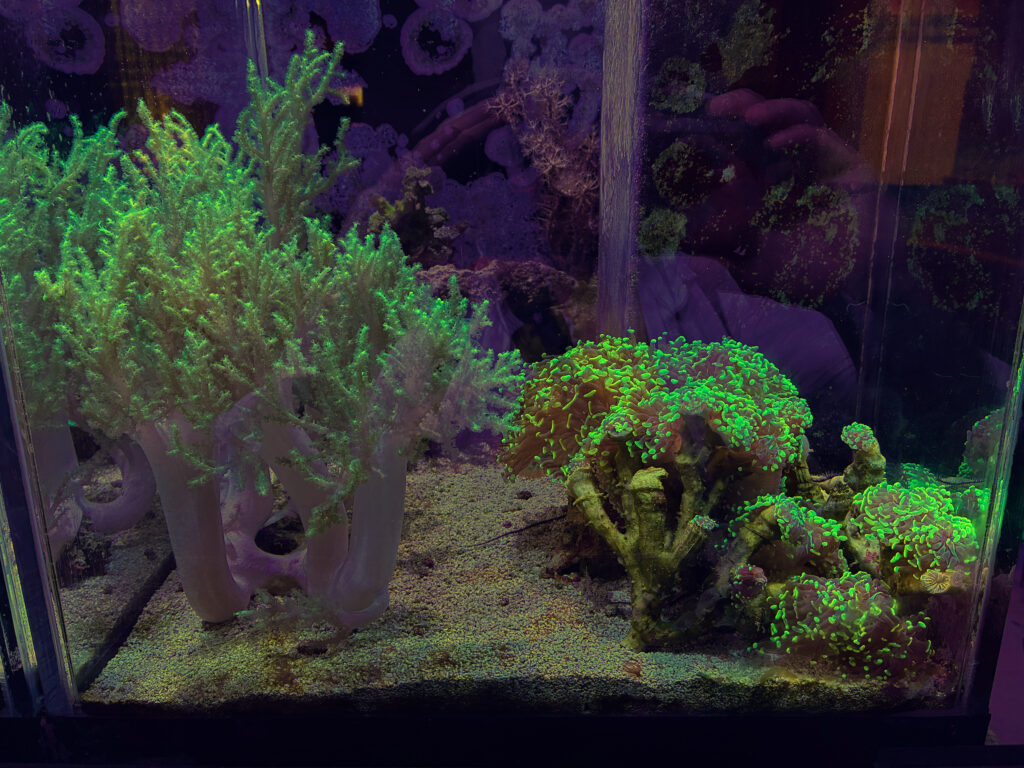
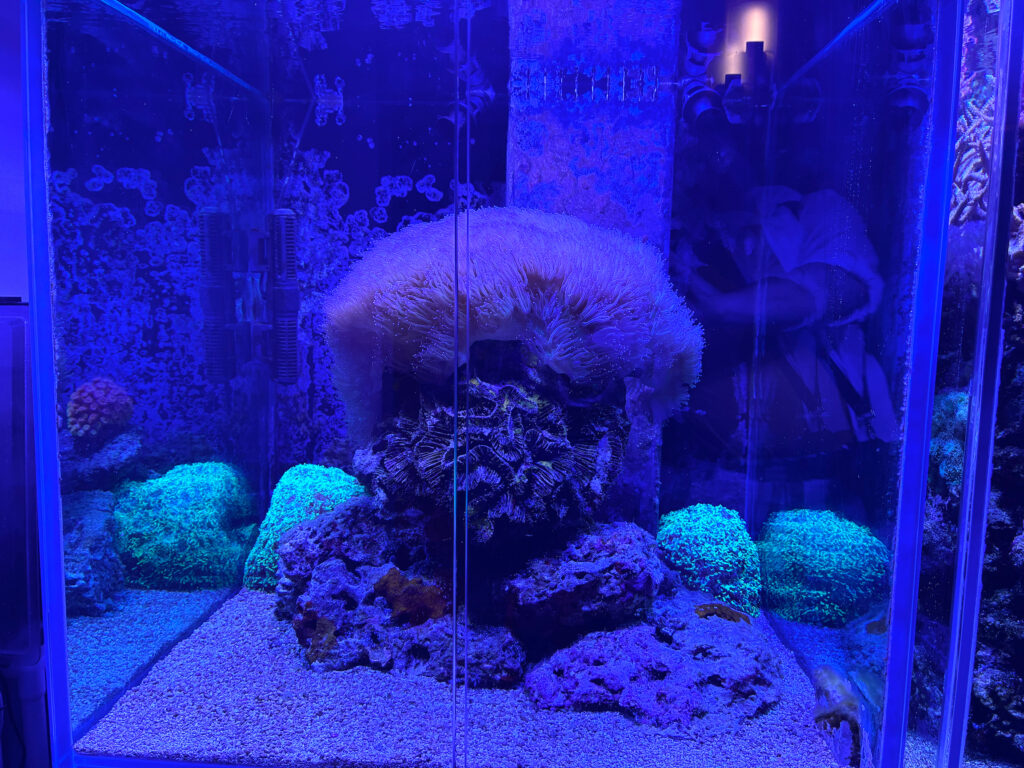
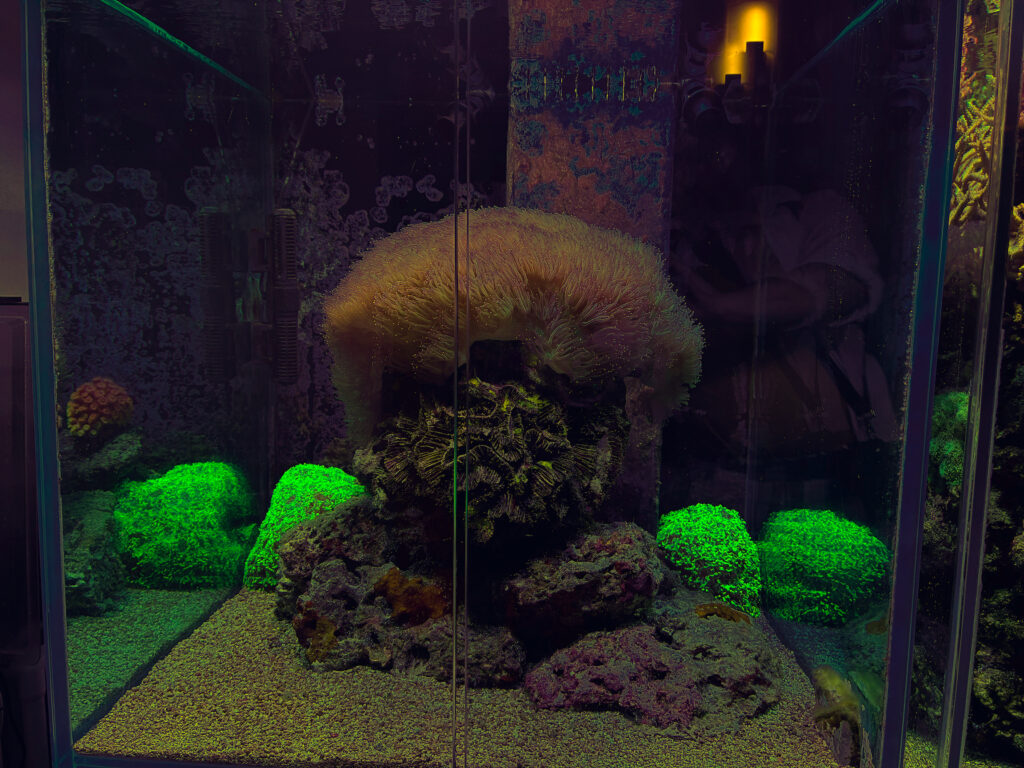
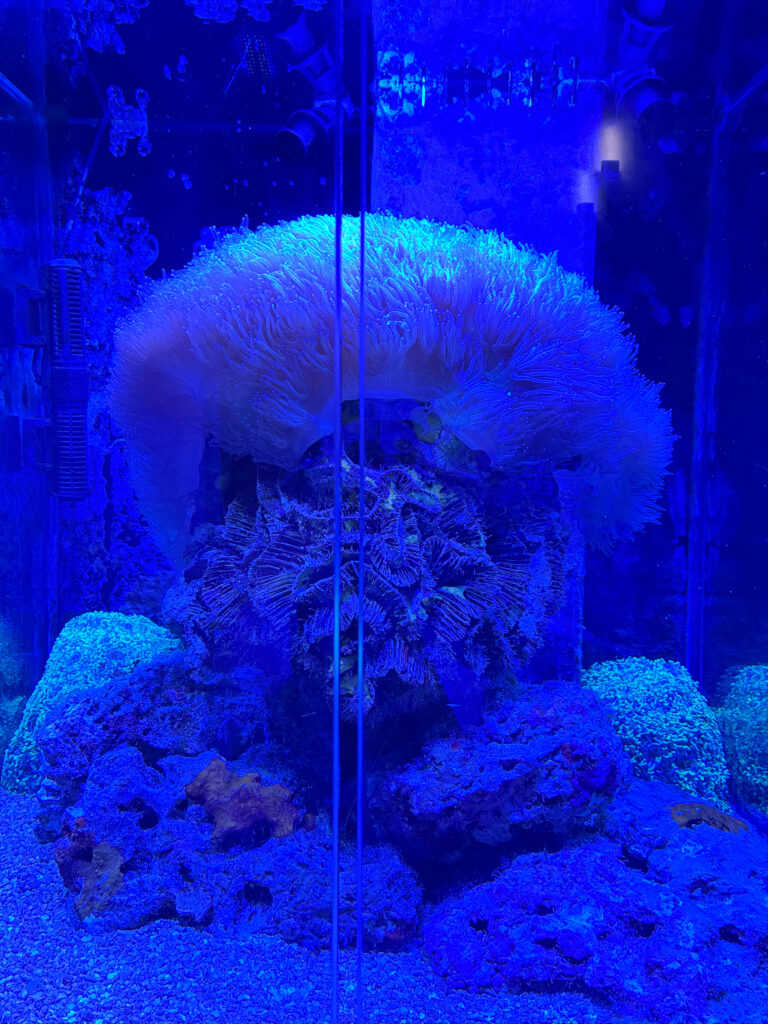
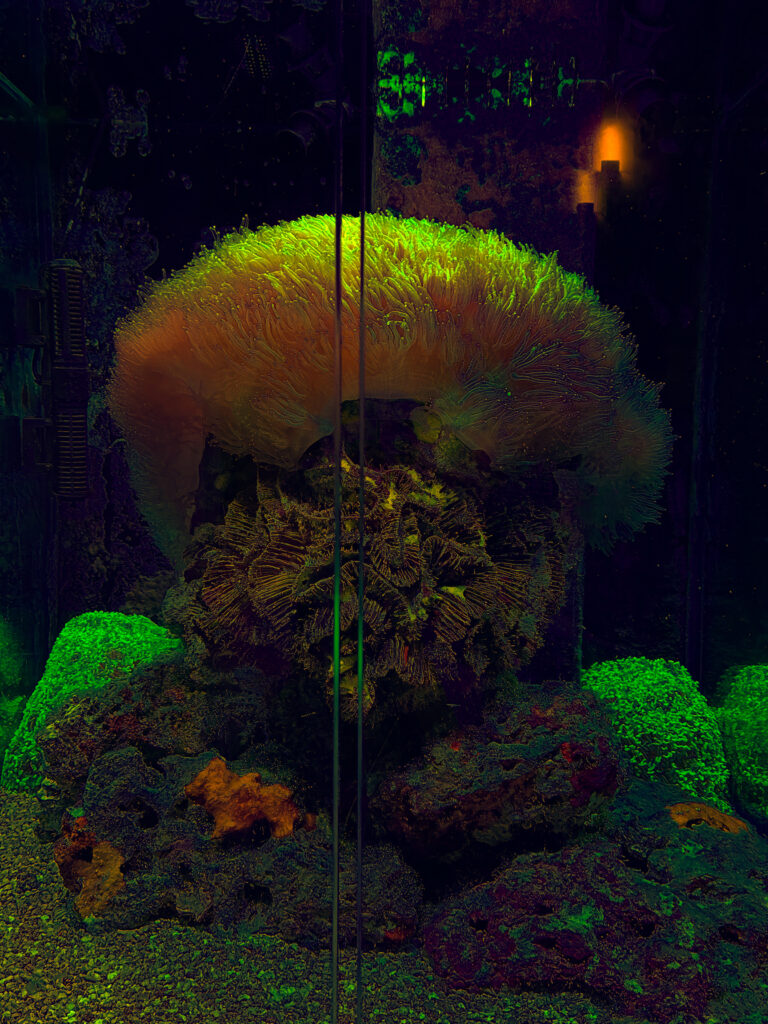
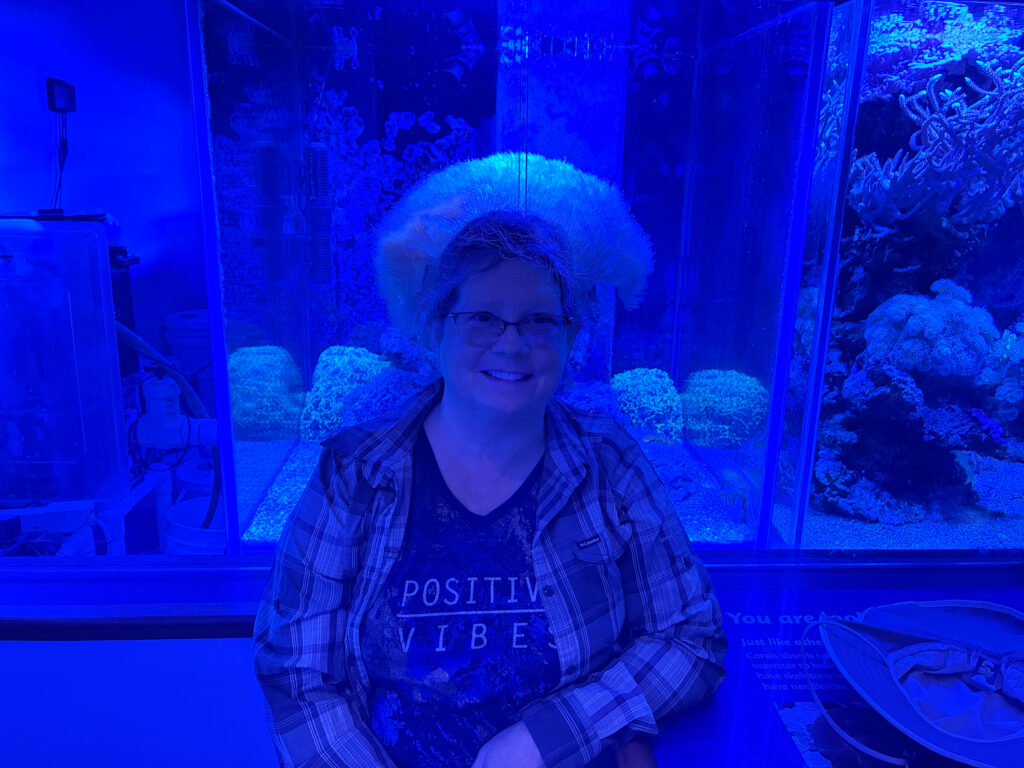
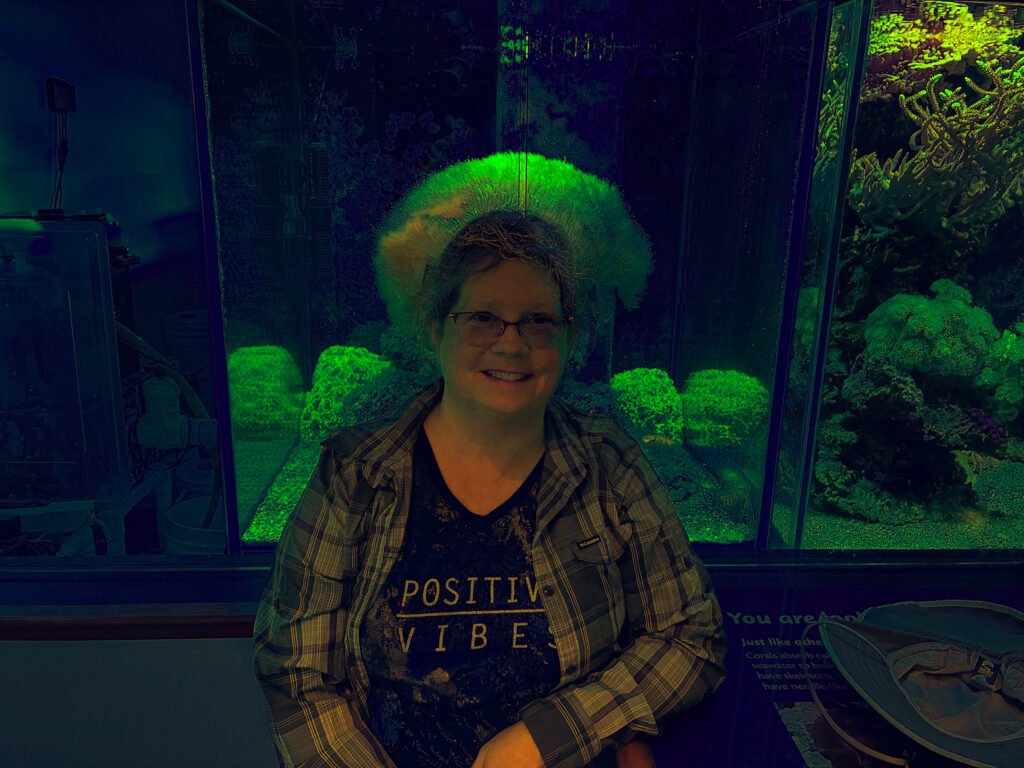
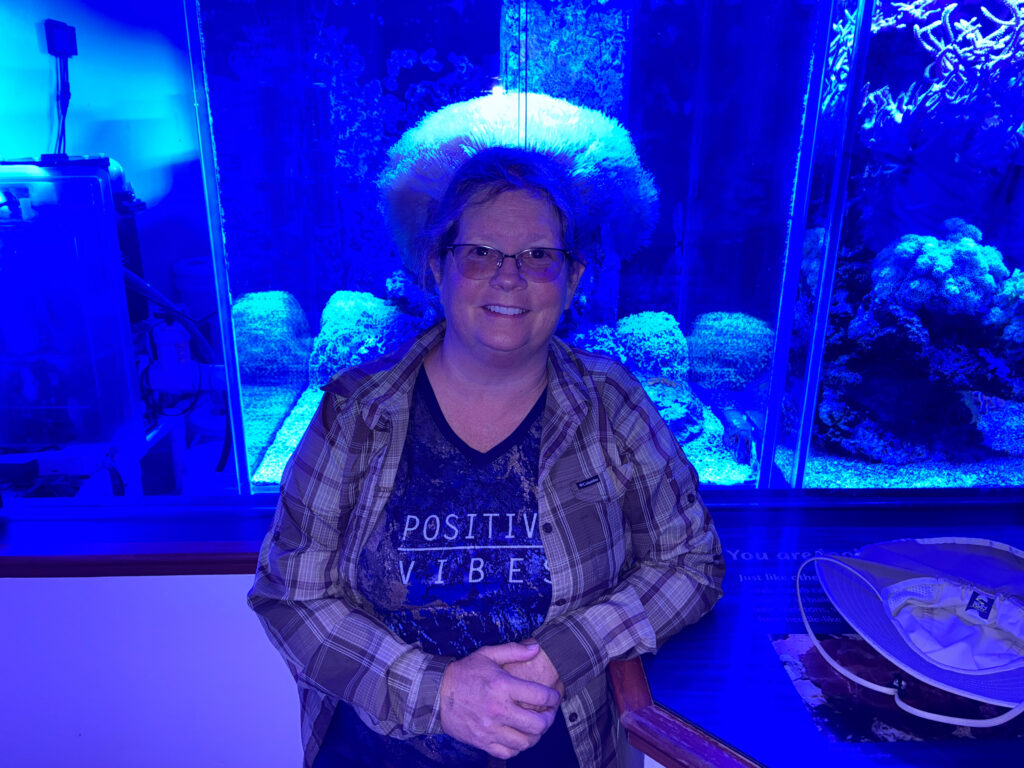
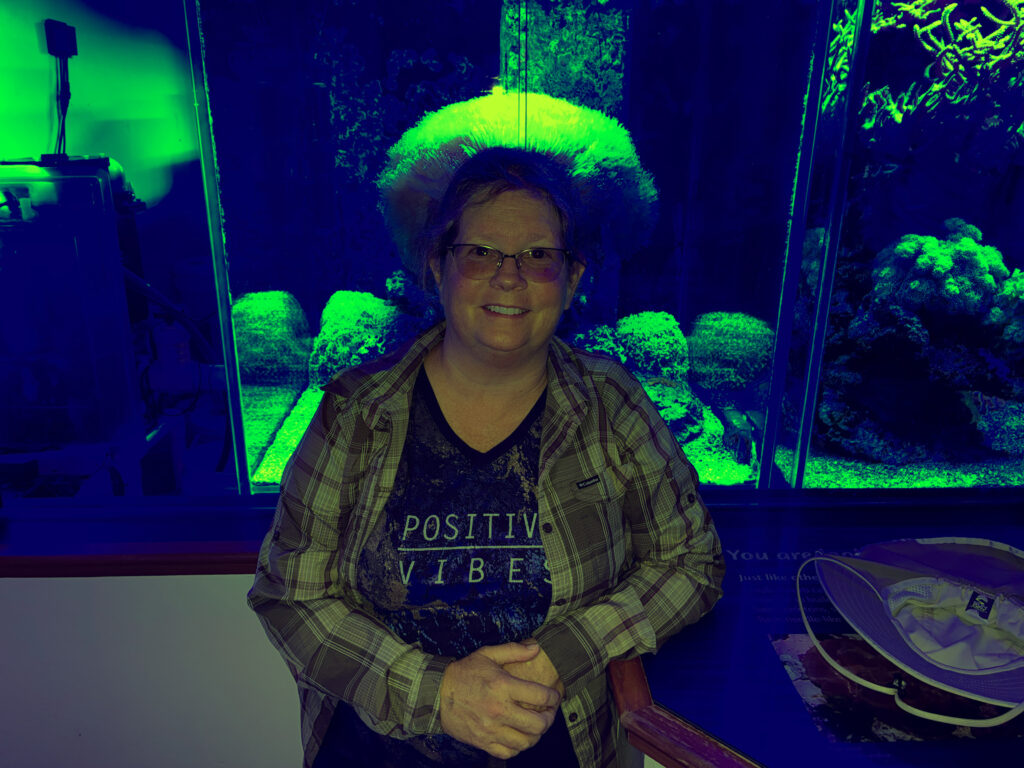
That was some weird looking coral at the end.
And, that’s pretty much all of the zoo folks!
We would not want to infringe any trademarks or copyrights, would we?