Goshen, IN, July 2026
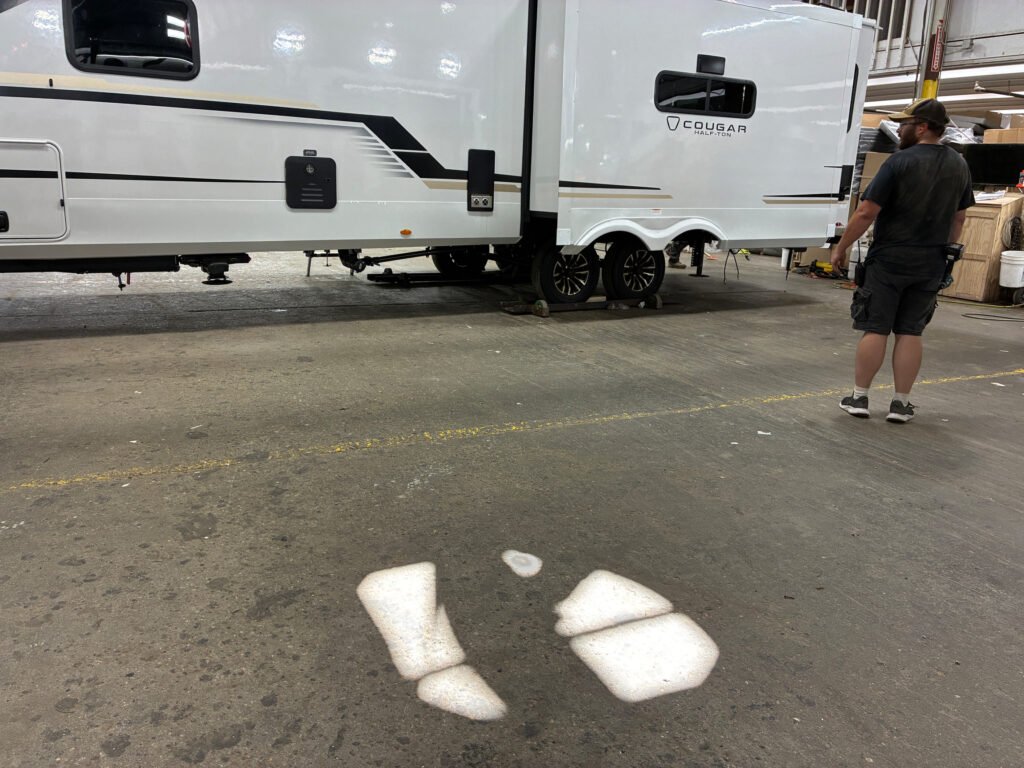
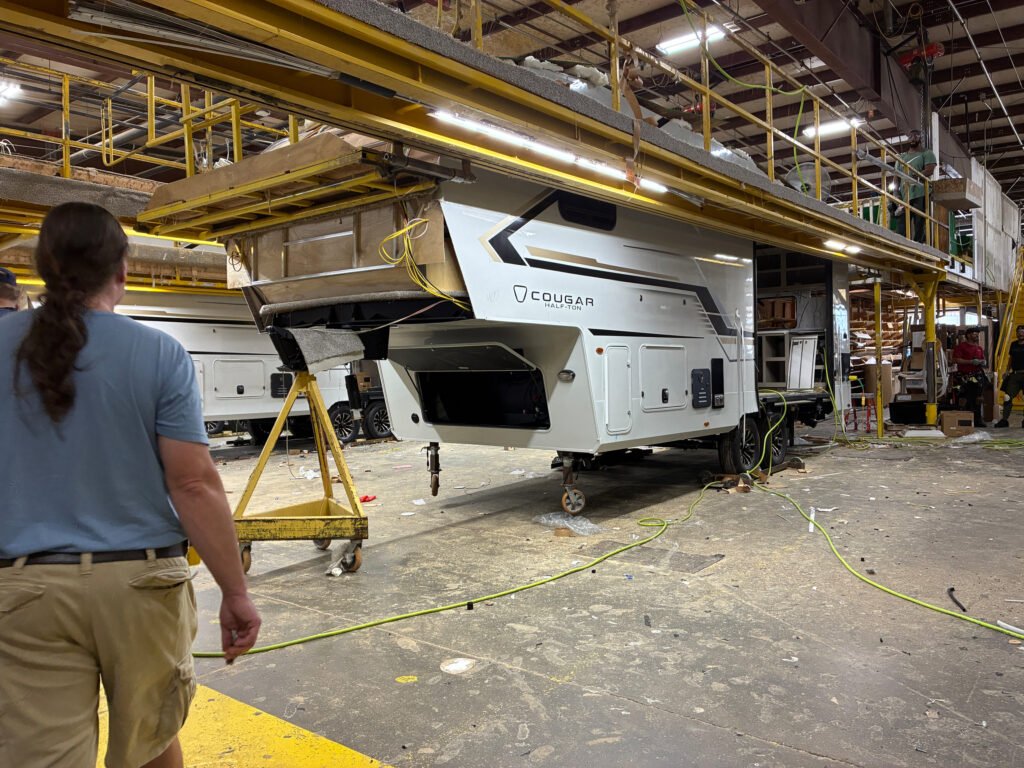
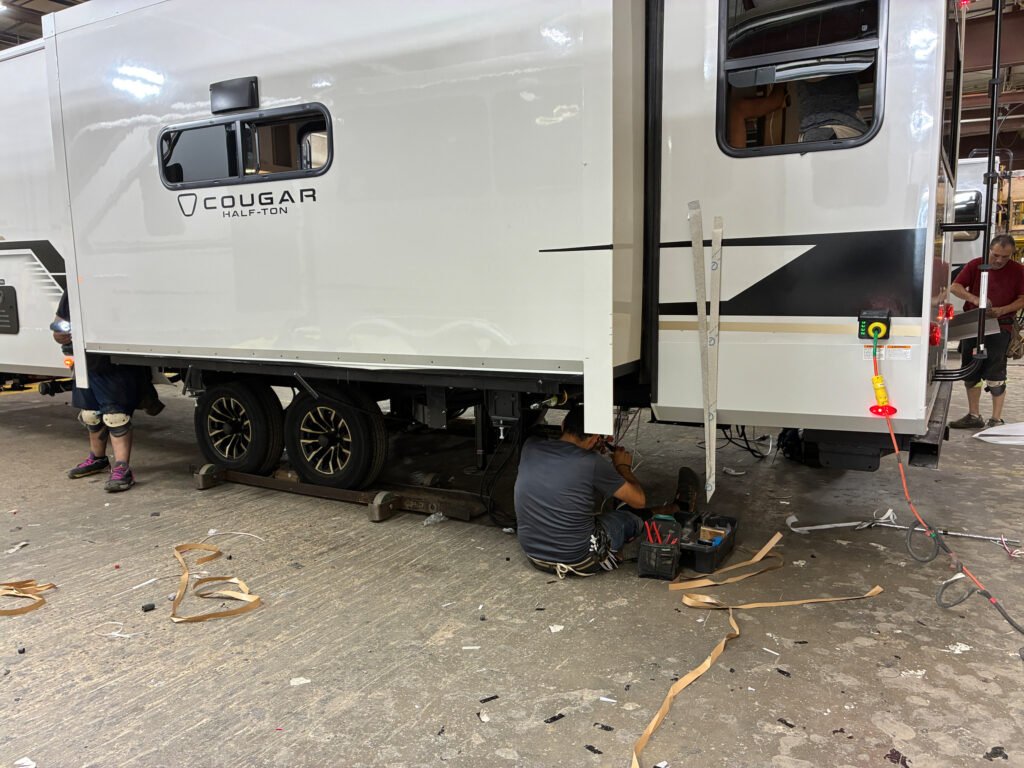
The day after the Brinkley tour, we drove up to Goshen again for a Keystone tour. We planned to tour the Montana High Country plant because that model had a cargo capacity that was feasible for our use. Sadly, they are revamping the Montana High Country product line, so they may or may not have a similar model to the 351BH. Other years that RV product lines were revamped, the companies had a bad habit of adding several feet of length to the models we liked. Since we cap our length at 40 feet, this made them unacceptable. If RVs are like cars, you never want to buy the first year of an updated model. Due to this, we ended up attending the tour of the Cougar plant.
When the guide asked if anyone on the tour had a Cougar, John quietly replied, “Yes, but she isn’t an RV.” Fortunately, no one really heard.
Keystone Cougar has more of a traditional RV manufacturing process. The one thing to they do have is a little more innovation, but it is not to the degree of Brinkley. Some of the things that Brinkley claimed as features were also used by Keystone, so it is not clear that any of the vendors know what the others are doing. It does seem like manufacturers are moving in the direction that Brinkley is headed to improve the products and quality.
Interestingly, we were not given eye protection or hearing protection, and the Keystone plant was still building RVs for the tour. This was good for seeing the build quality, but it might not have been great for safety.
General Information
- Keystone has a 40k sqft innovation lab for testing new ideas
- They have several patents, but the ones they mentioned were trivial.
- They are moving to a PDI+ process: Builders clear the RV, Quality Control clears the RV, PDI clears the RV as good. It then goes back for PDI+ where it has to clear additional checks. This was just added in the last 3 months.
- They build RVs in batches as low as 4 or 6 and up to 10 to 30 RVs of the same type.
- The full size (not the travel trailer and 1/2 ton 5th wheels) are built in plant 2 (not the plant we toured)
- Not as clean as the Brinkley plant, maybe they clean before tours.

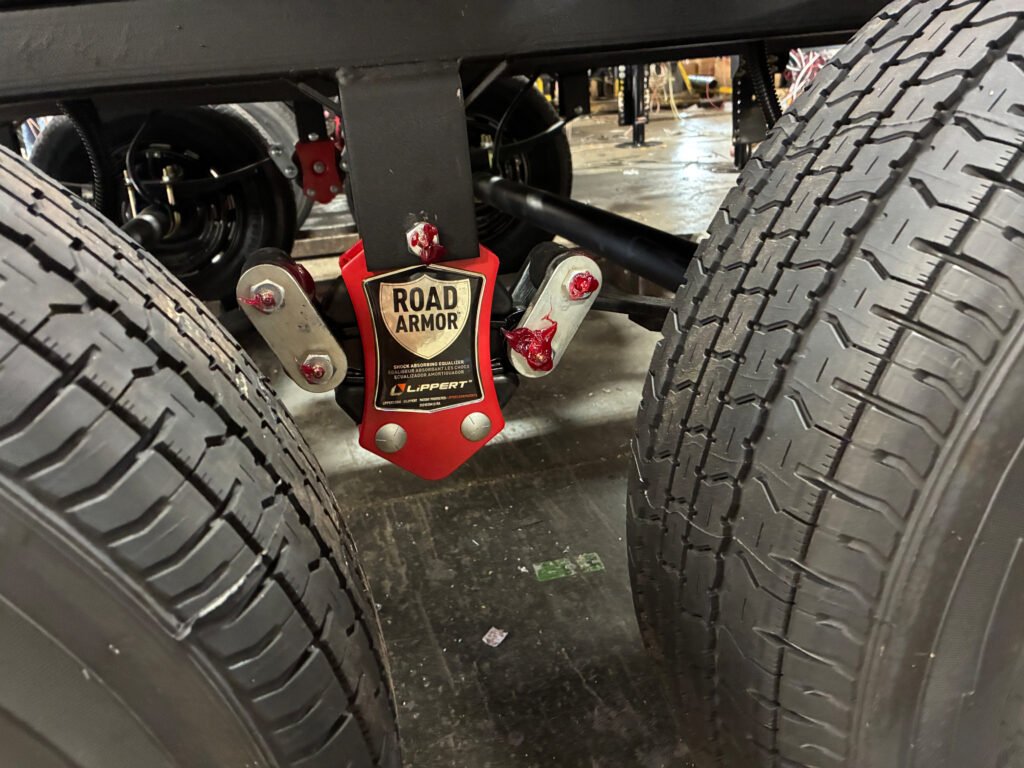
Frame / Suspension / Brakes / Tires
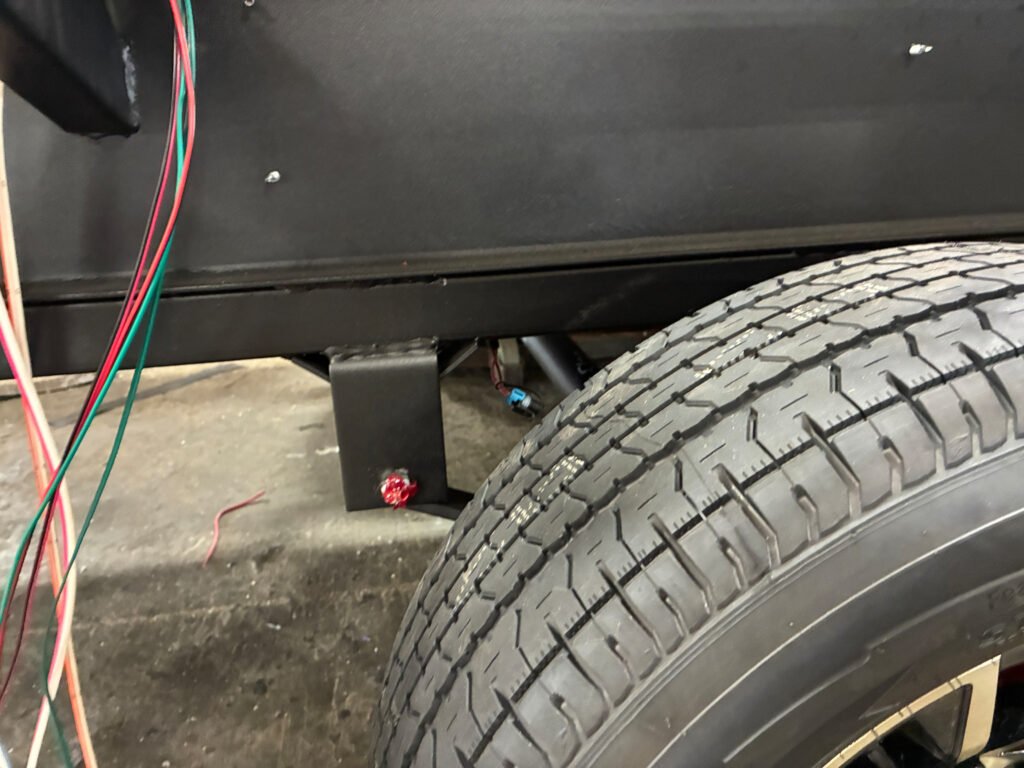
- Lippert builds the frames to Keystone specifications
- Everything in 2027 should have a 12″ frame instead of a 10″ frame
- Uses ABS brakes
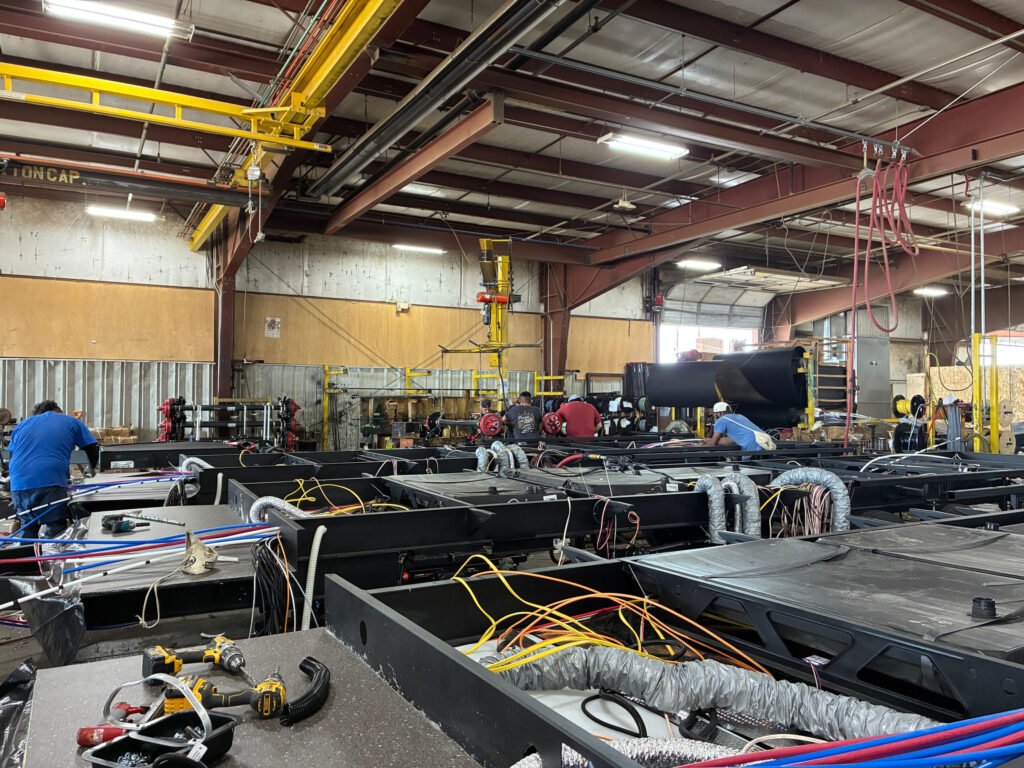
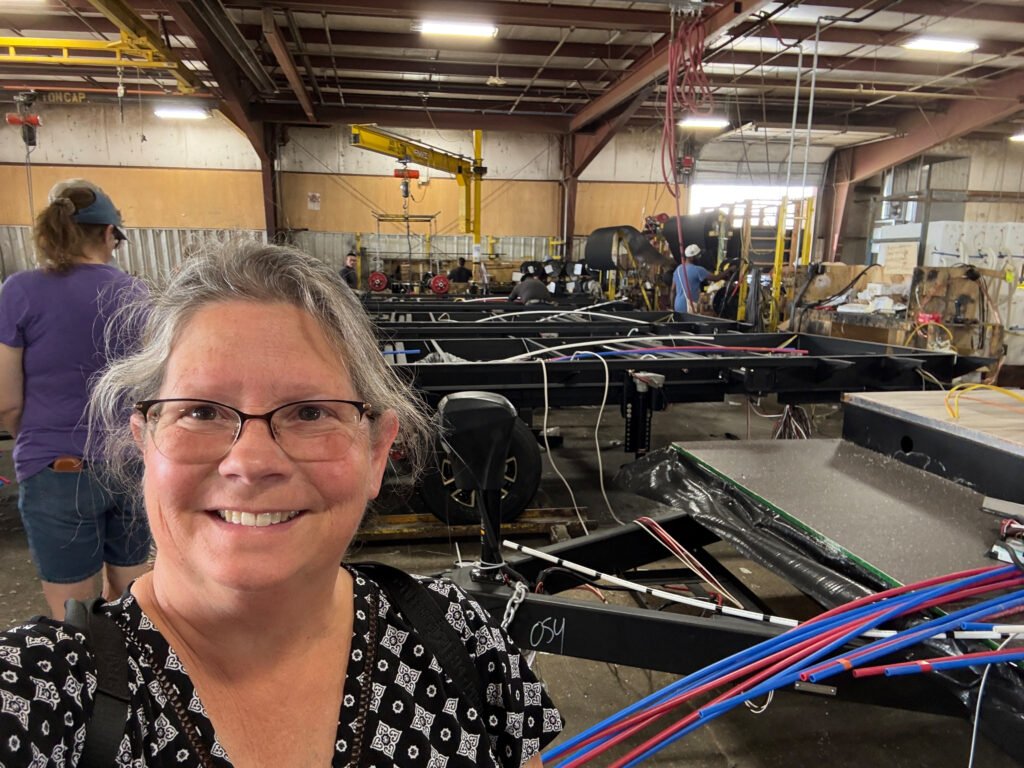
Interior
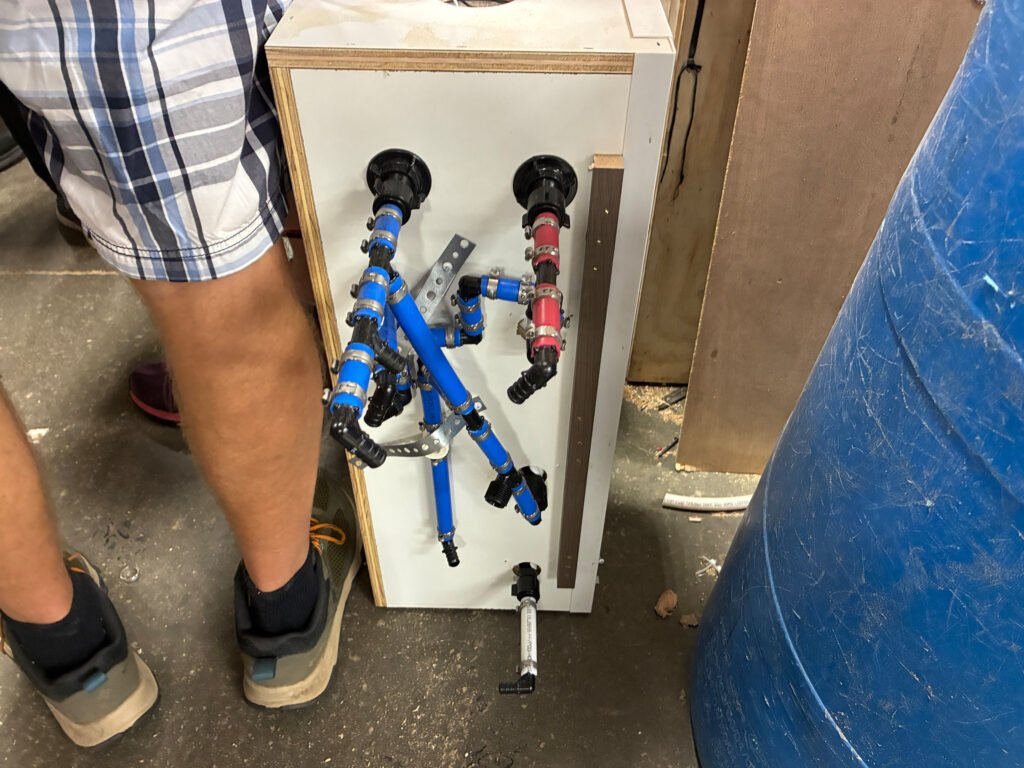
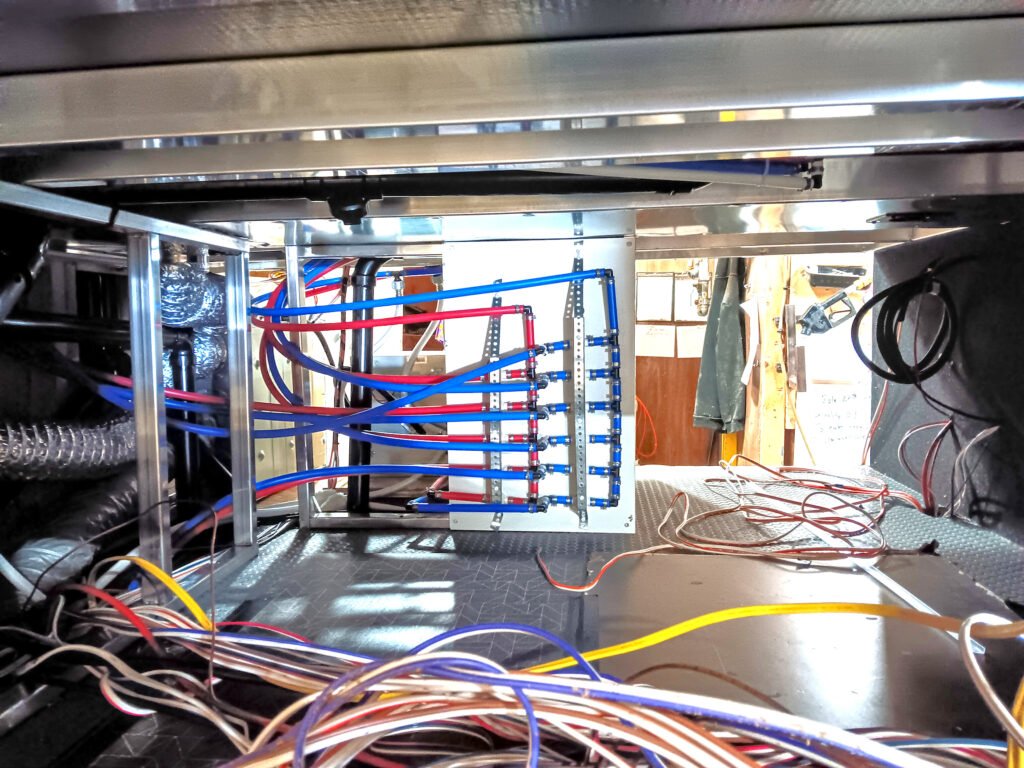
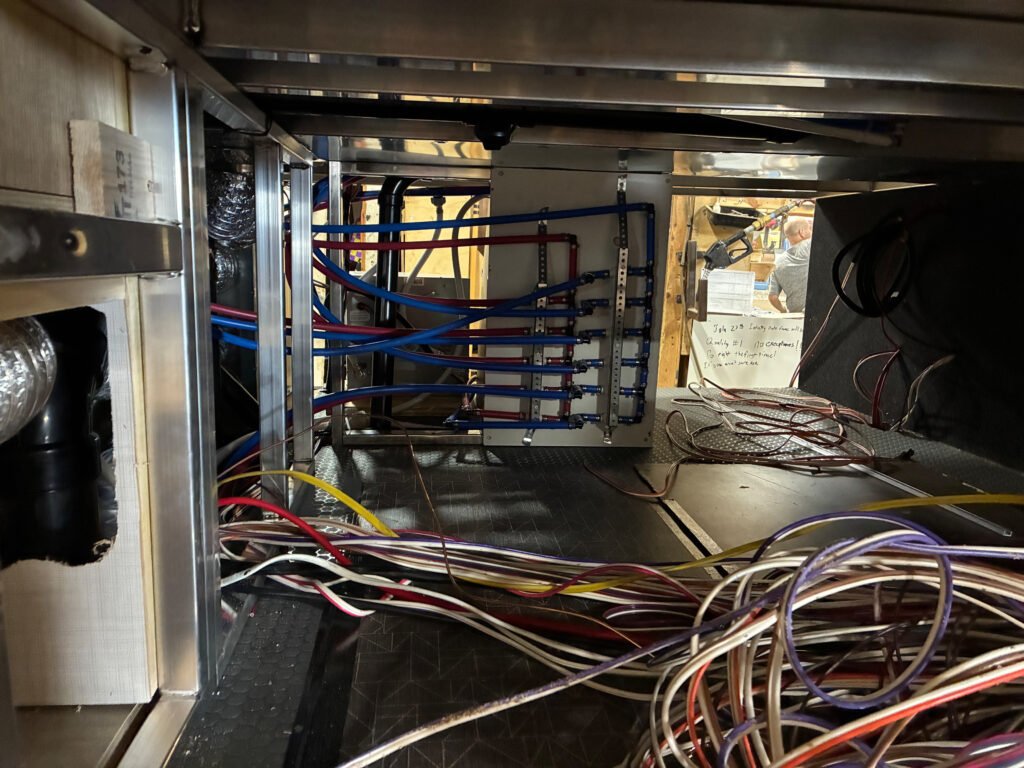
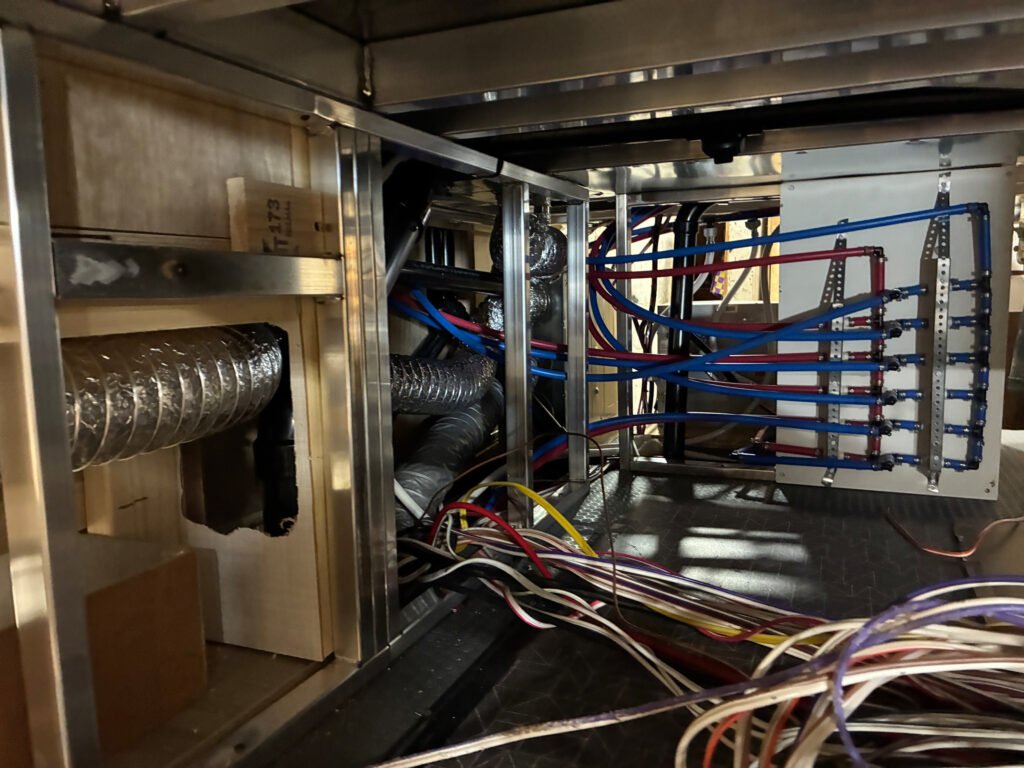
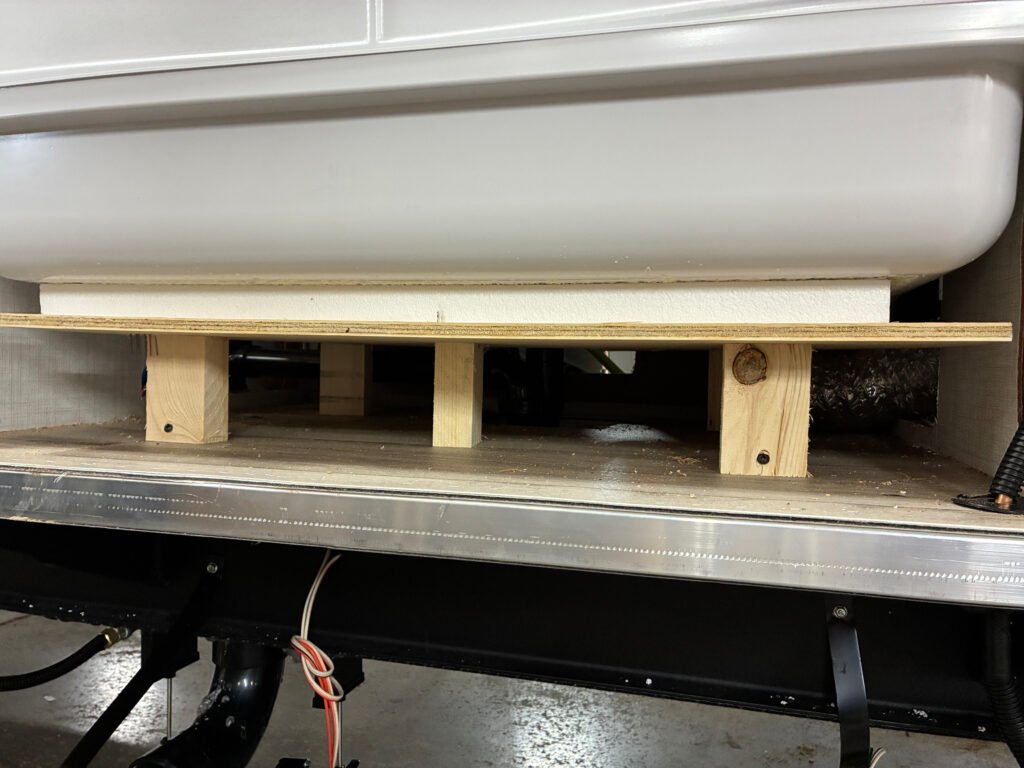
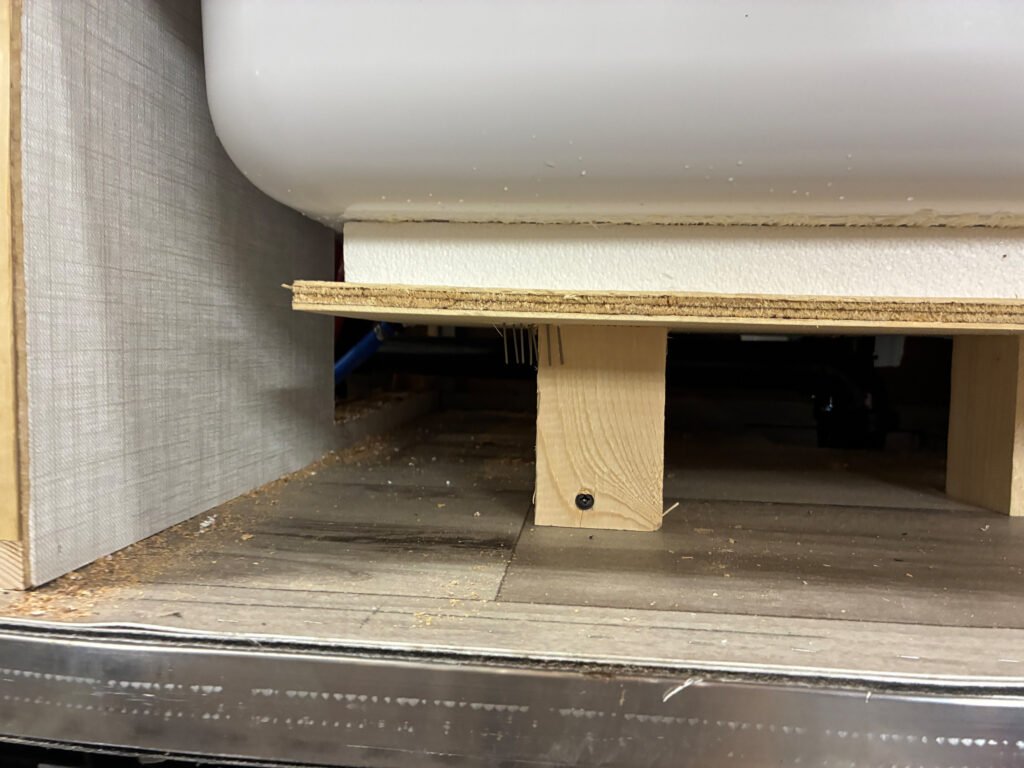
- Holding Tanks
- No central frame support for holding tanks. Switched from metal retaining band to nylon because metal might damage the tank. (Seems like excuse to make it more cheaply)
- Tanks travel through the line filled for testing the tanks and water lines
- Tanks are pressurized to 60 psi
- Keystone does not recommend filling fresh tank and traveling.
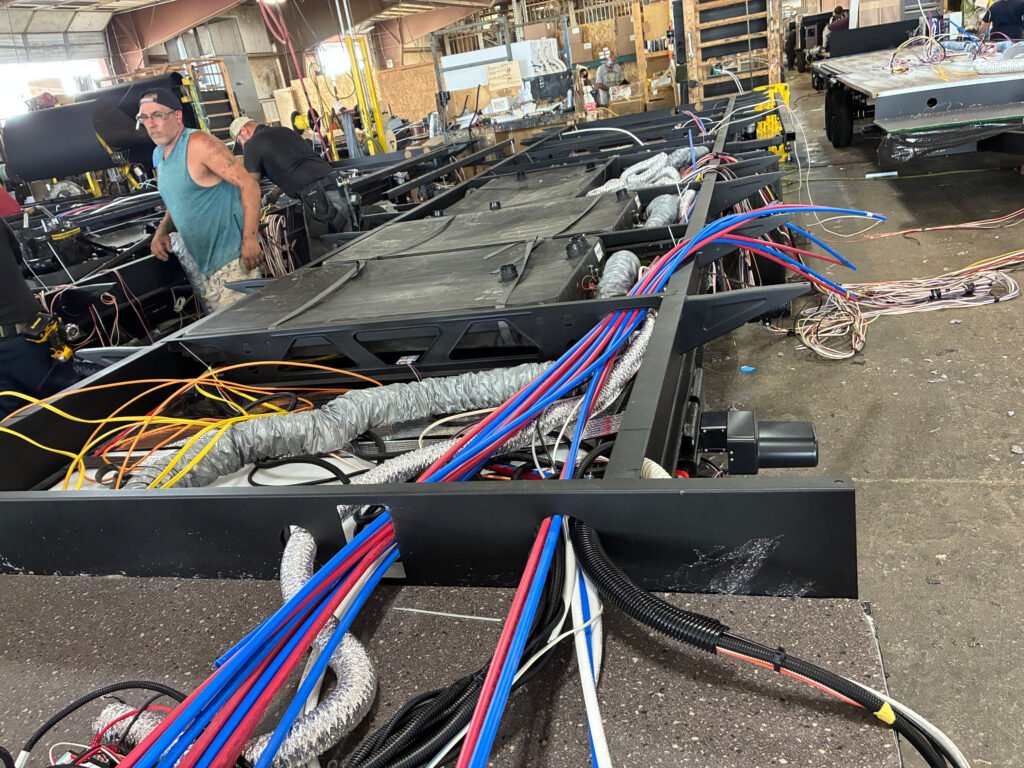
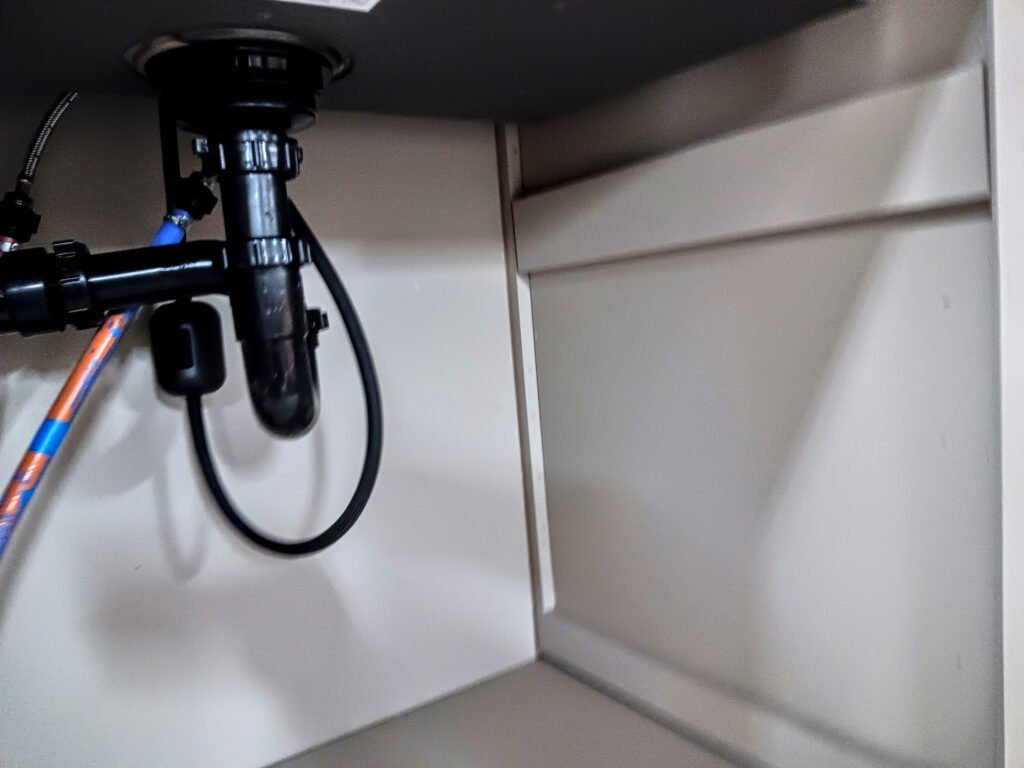
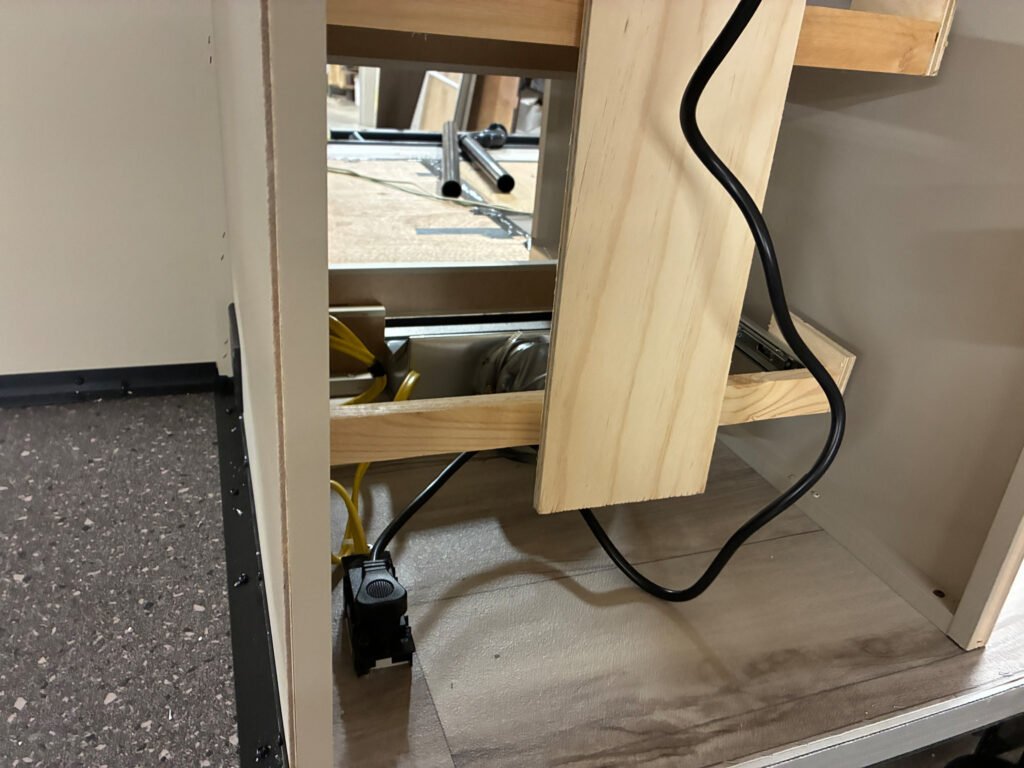
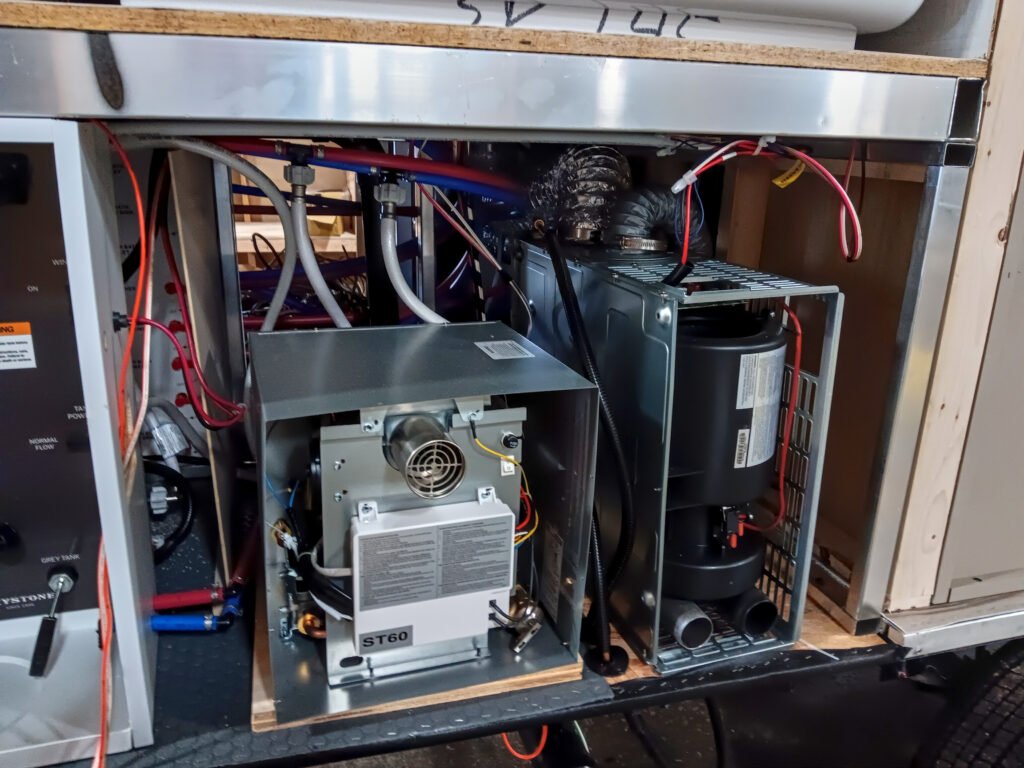
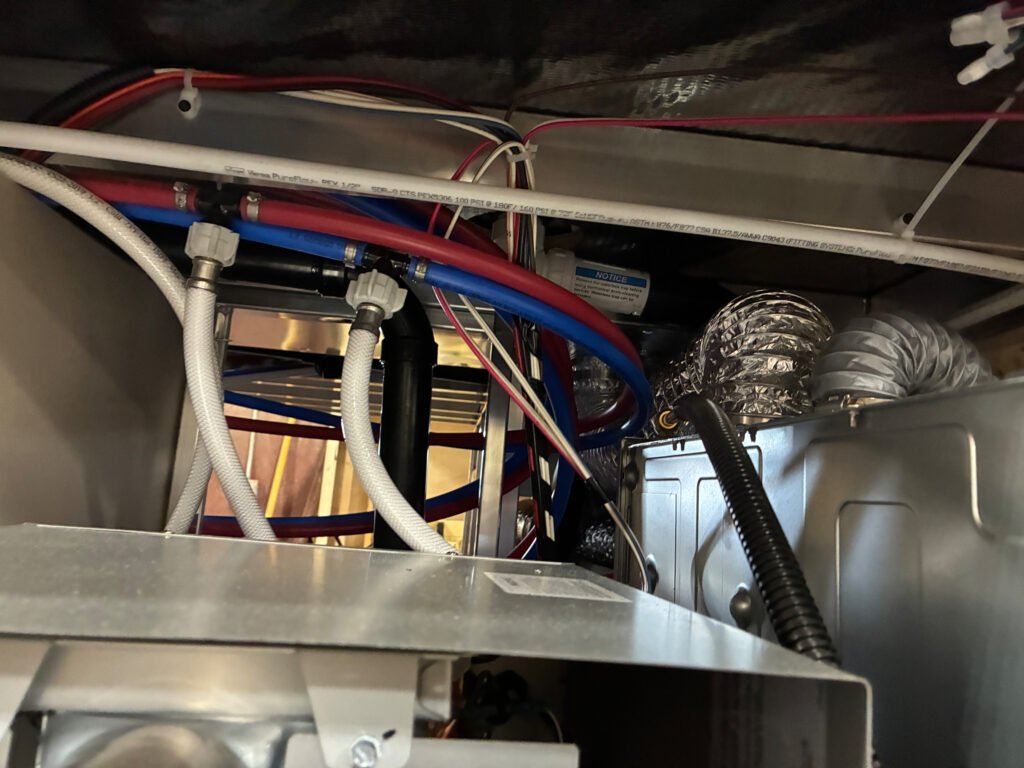
- Use color coded and numbered wiring, but not a wiring harness. All brands us the same color coding
- Ducting
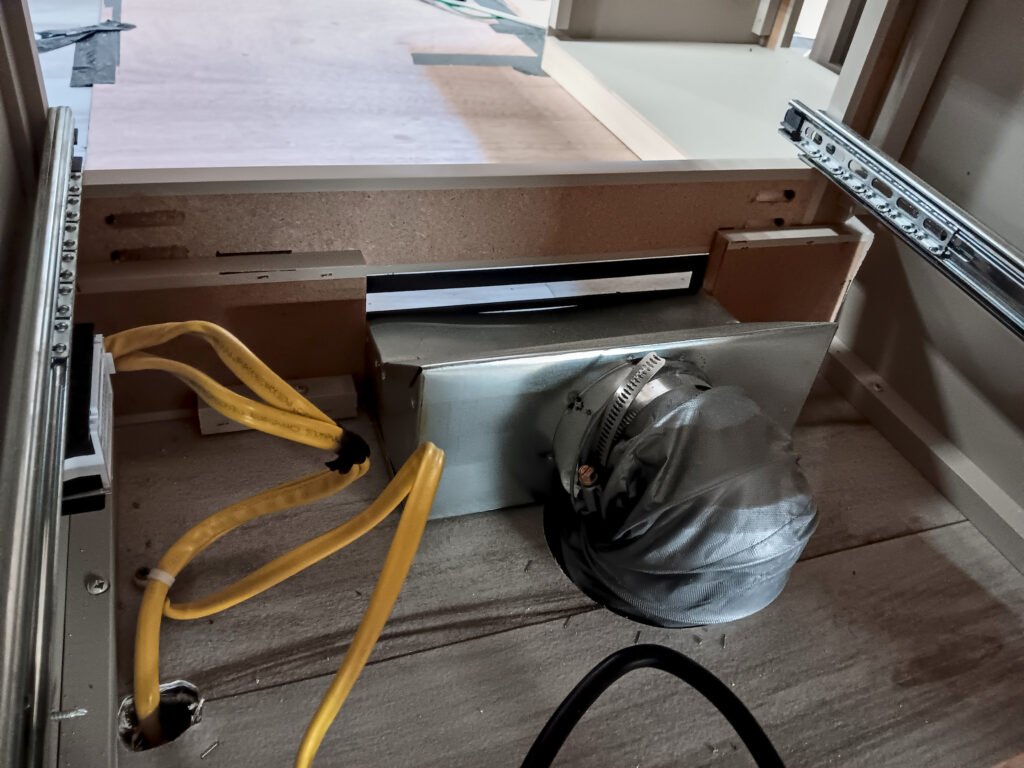
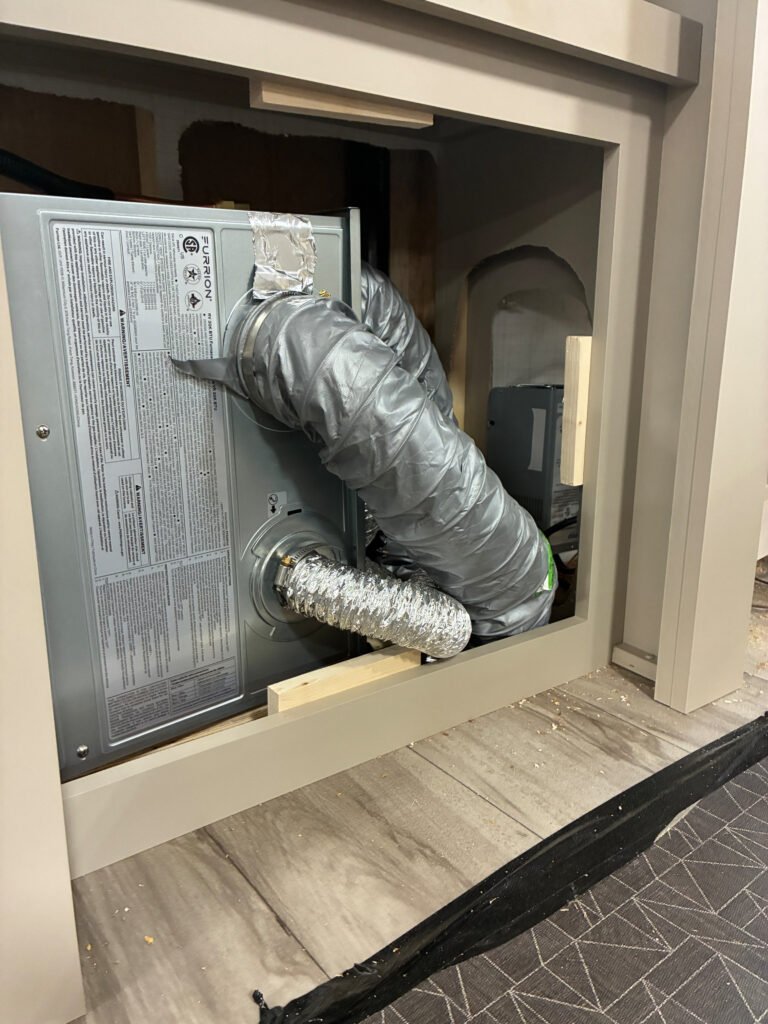
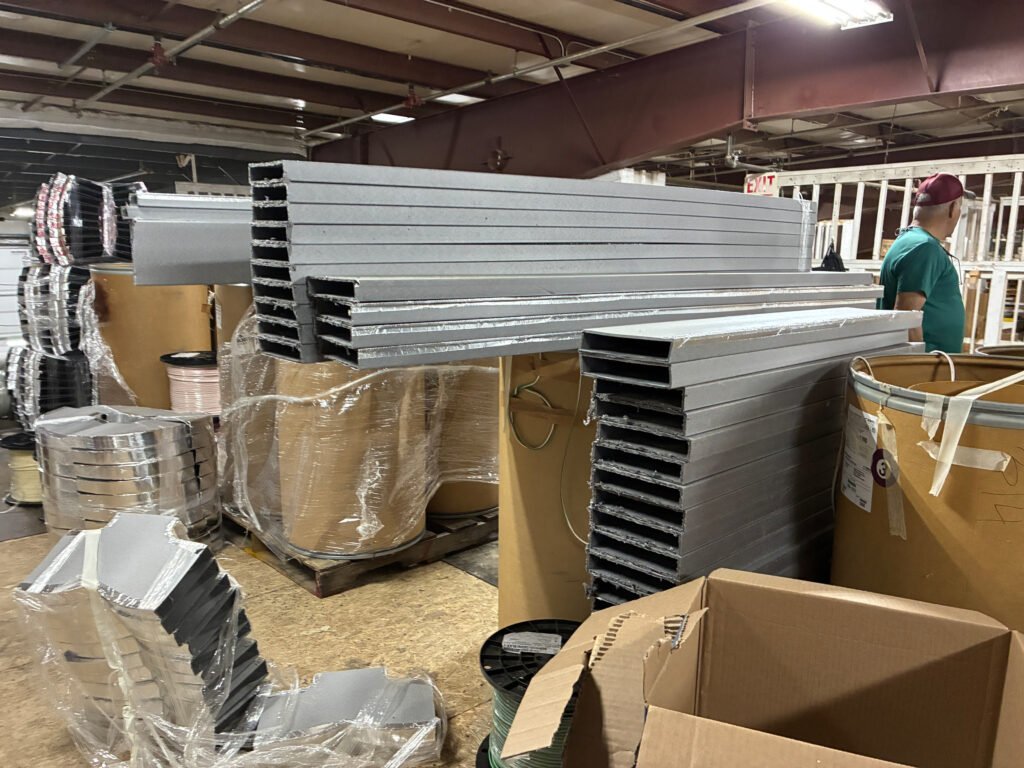
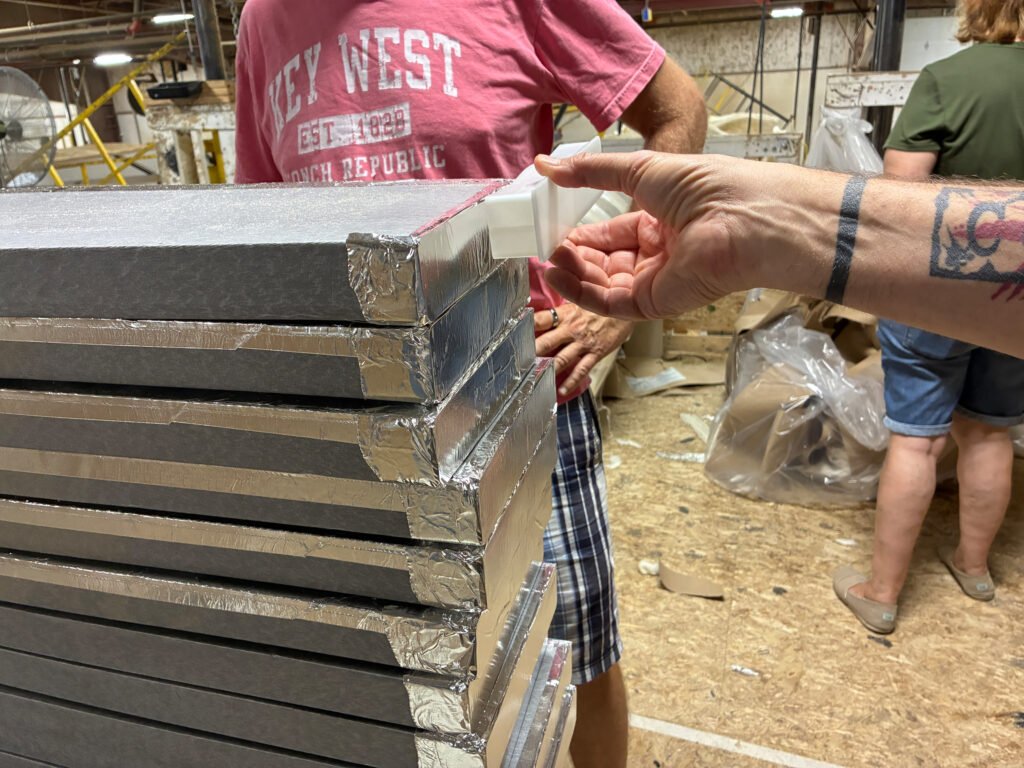
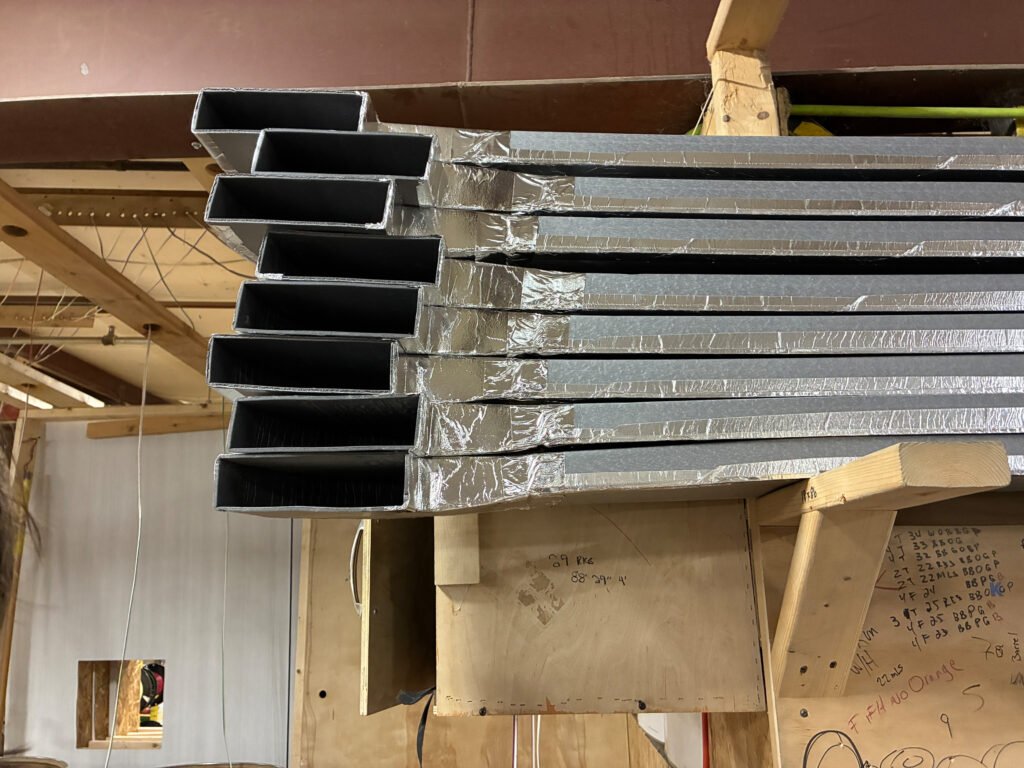
- Use “Blade A/C” where duct opening is 50% larger than duct.
- Moderate increase in airflow through ducts
- Use plastic bridges to join duct segments and terminate ducts.
- Use foil tape to secure sections and ends
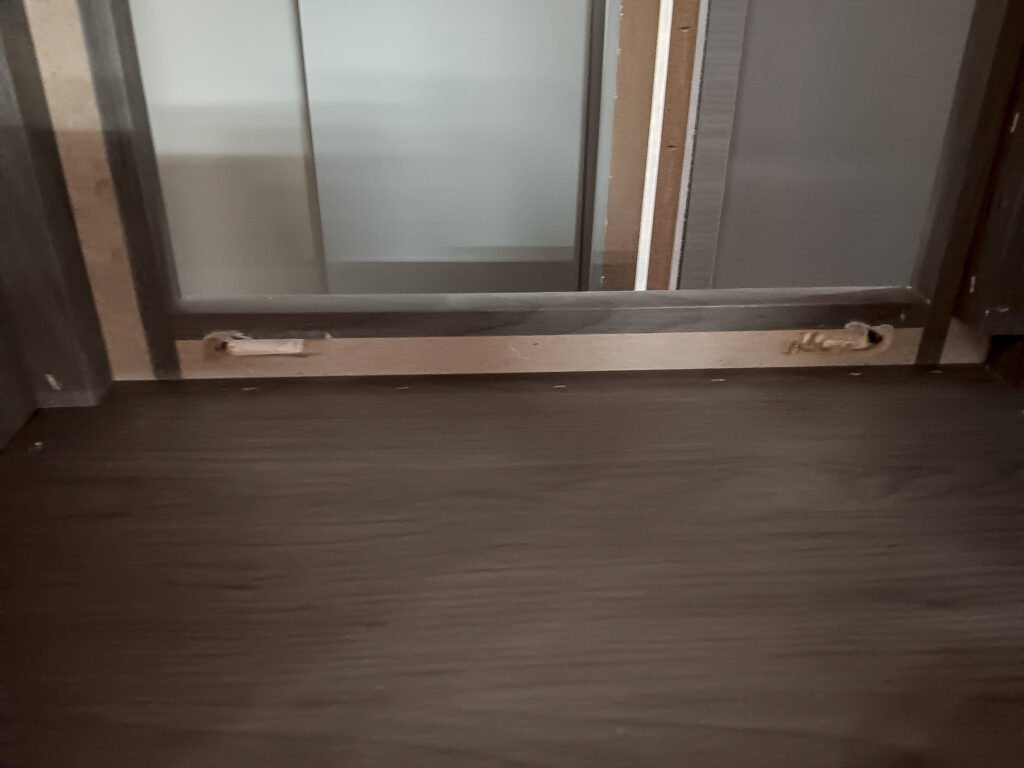
- Moved to Toe Kick vents on cabinet bases for heating. Floor vents collected dirt.
- Counters are LG (brand name would be Corian from dupont). Note LG is vulnerable to heat damage from pots / pans and scratches easily. Scratches can be buffed out.
Sidewalls
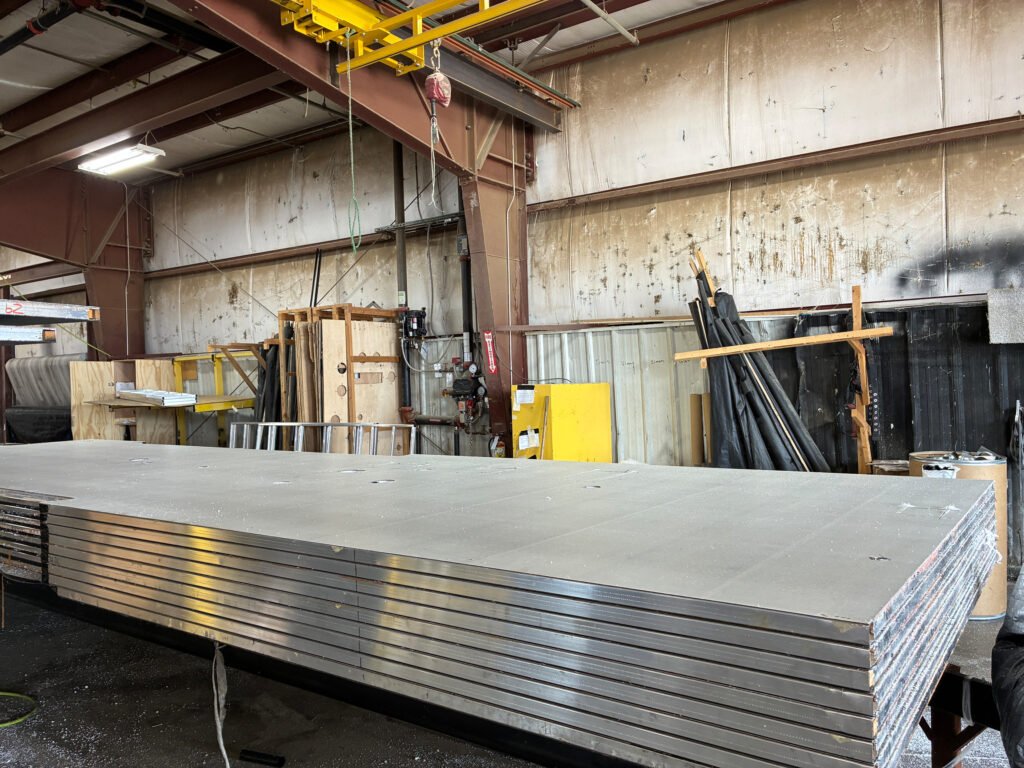
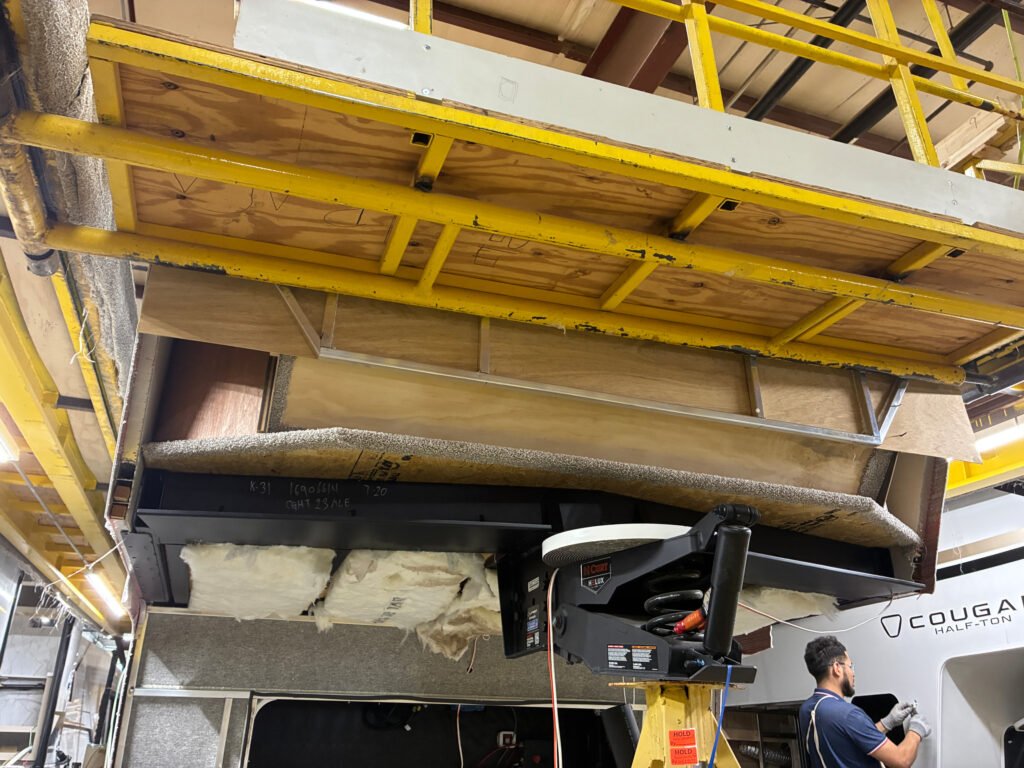
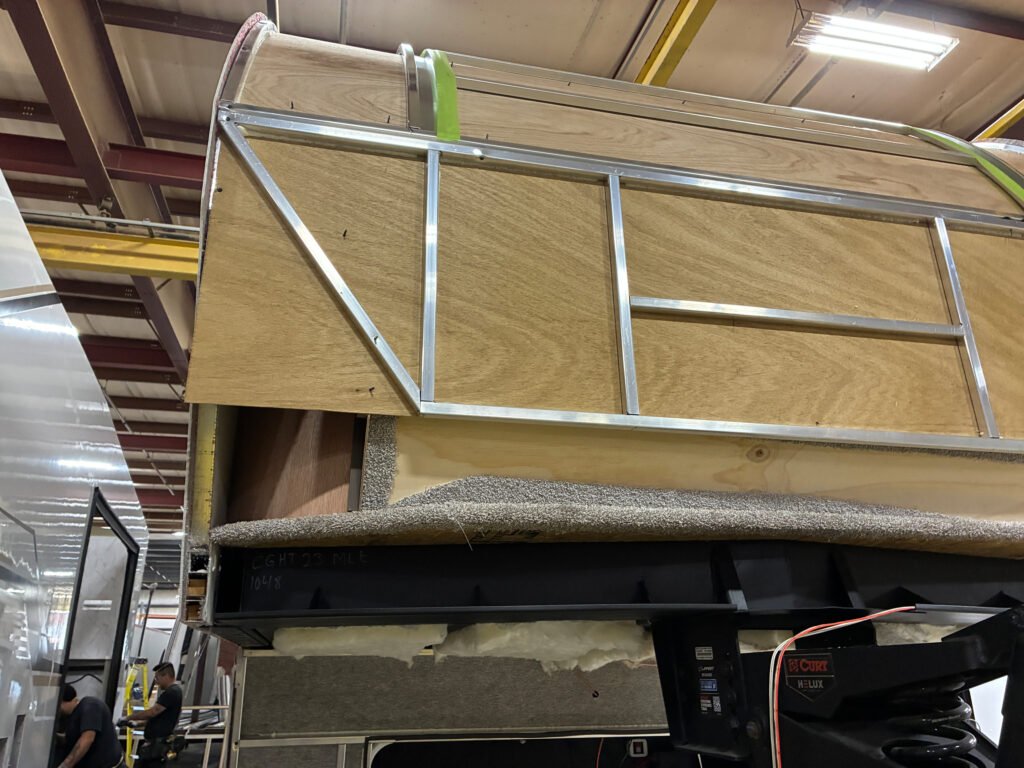
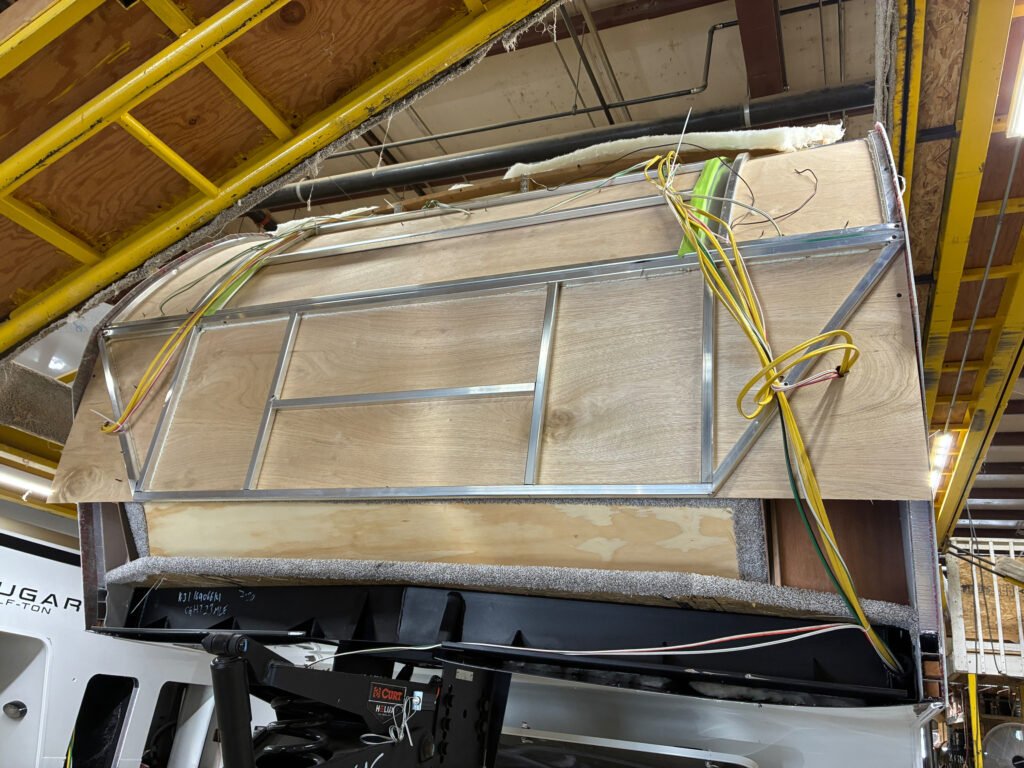
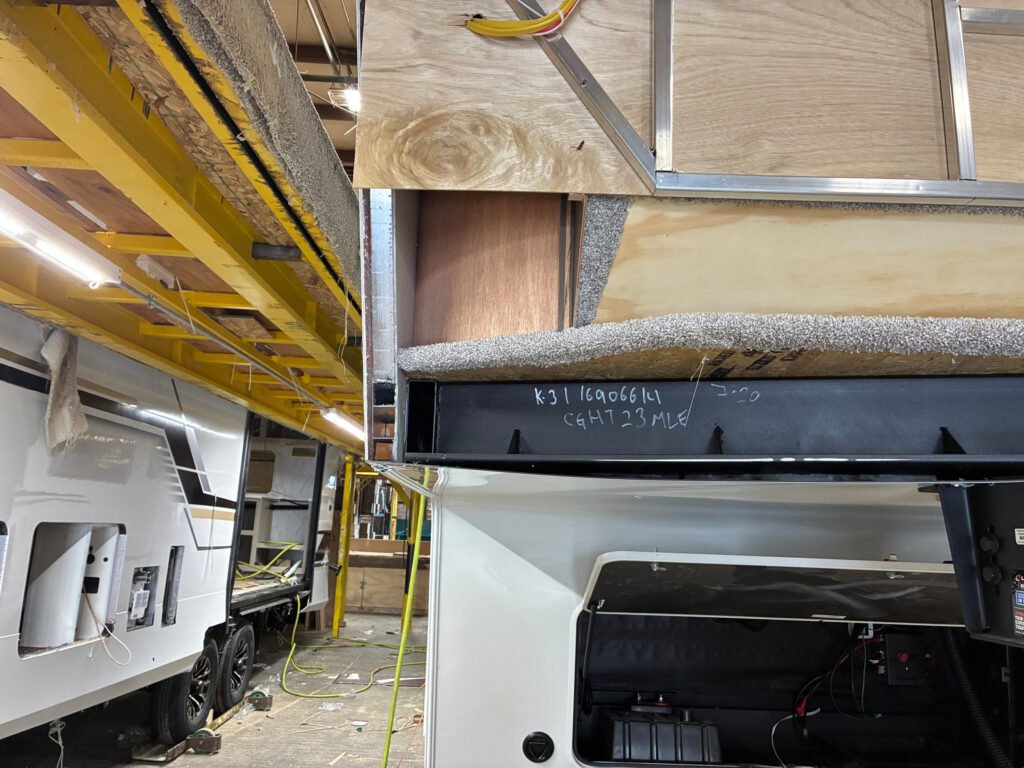
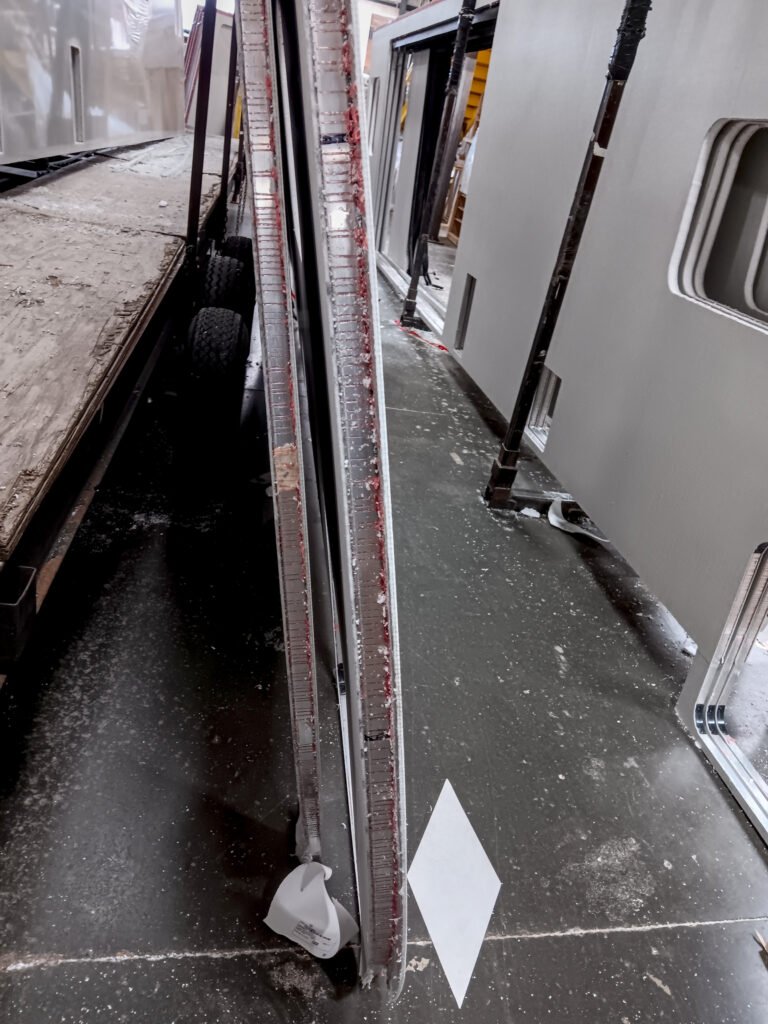
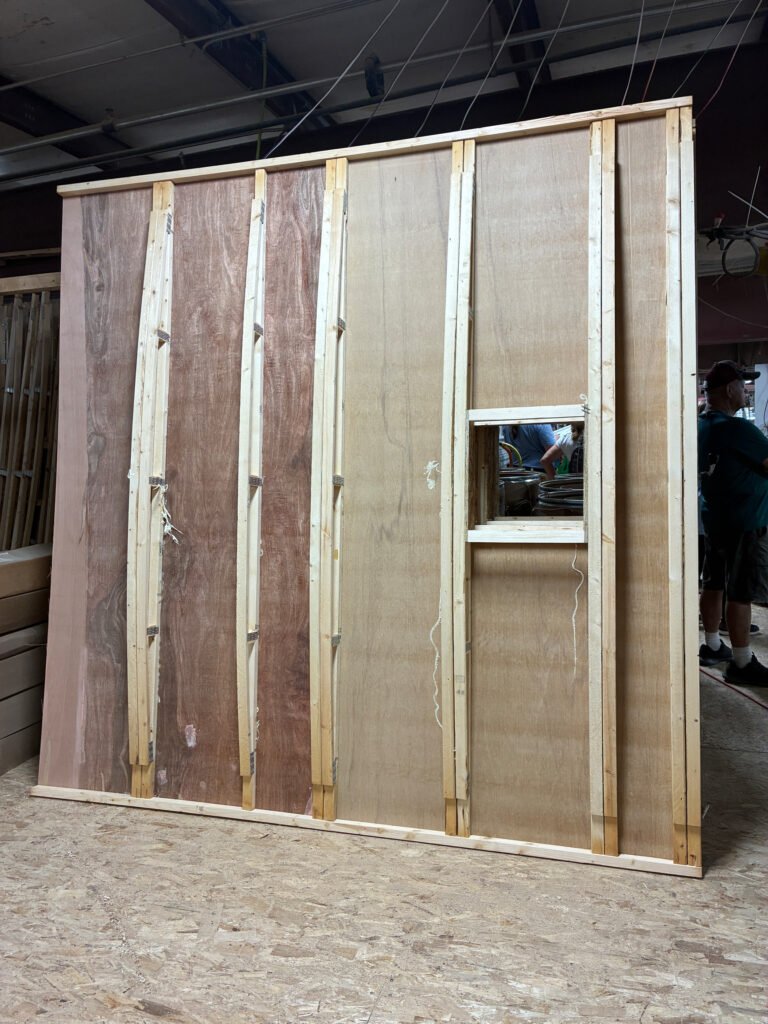
- 5th wheel side walls are 2″ thick, but travel trailers may only be 1.5″ thick
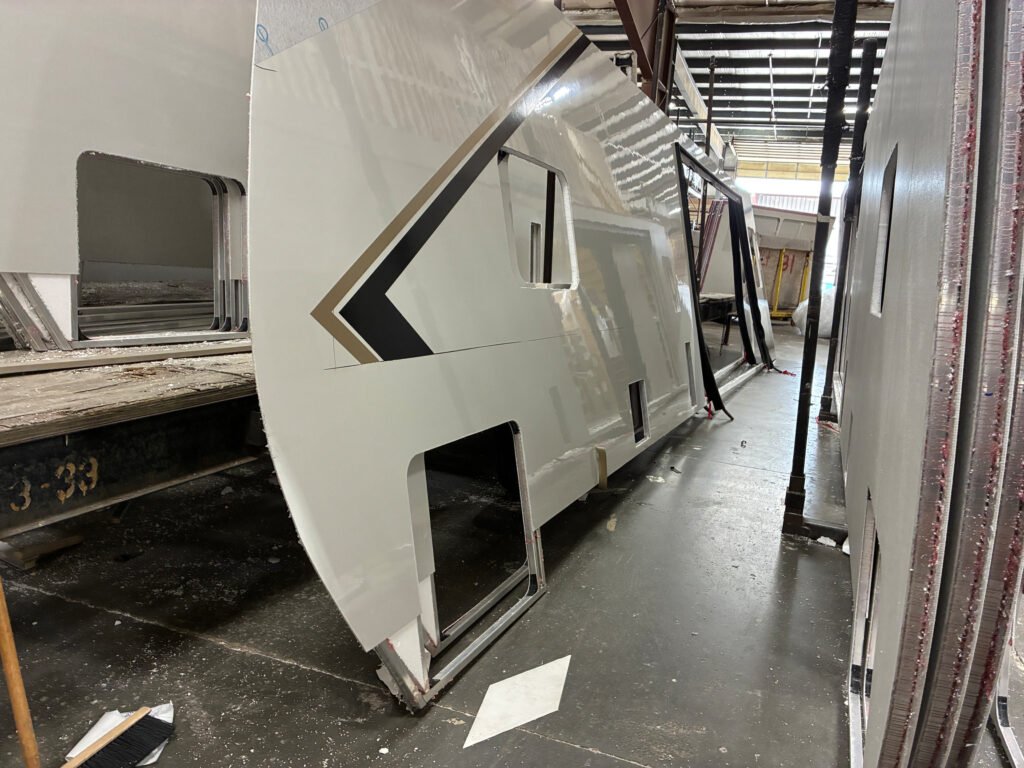
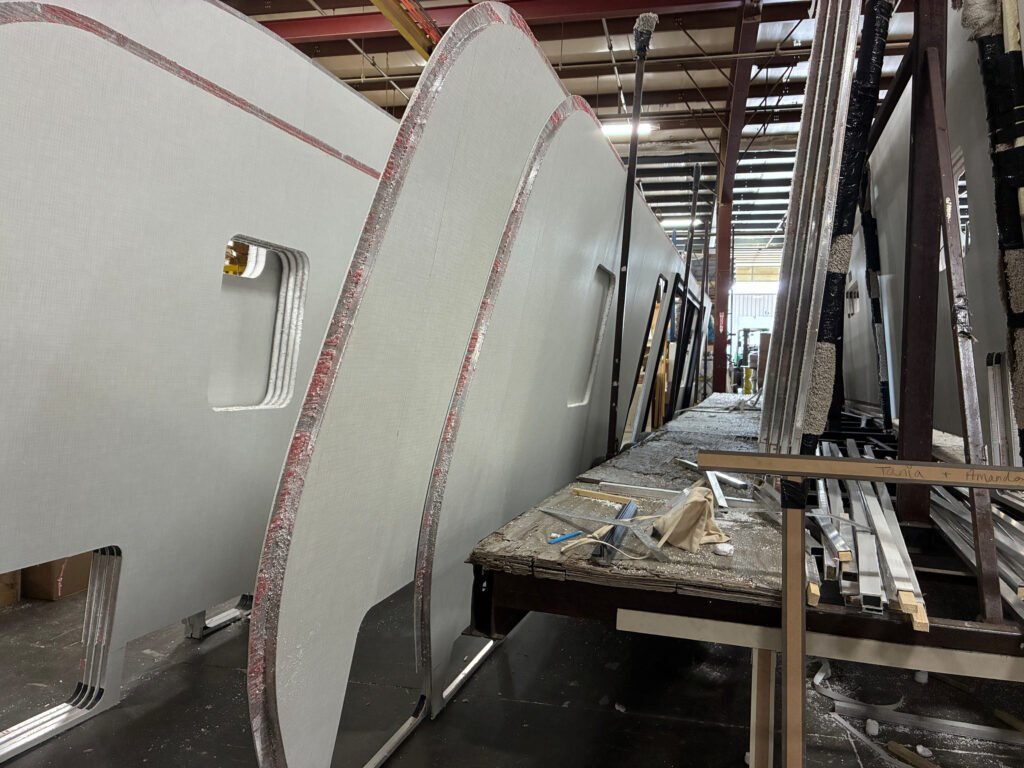
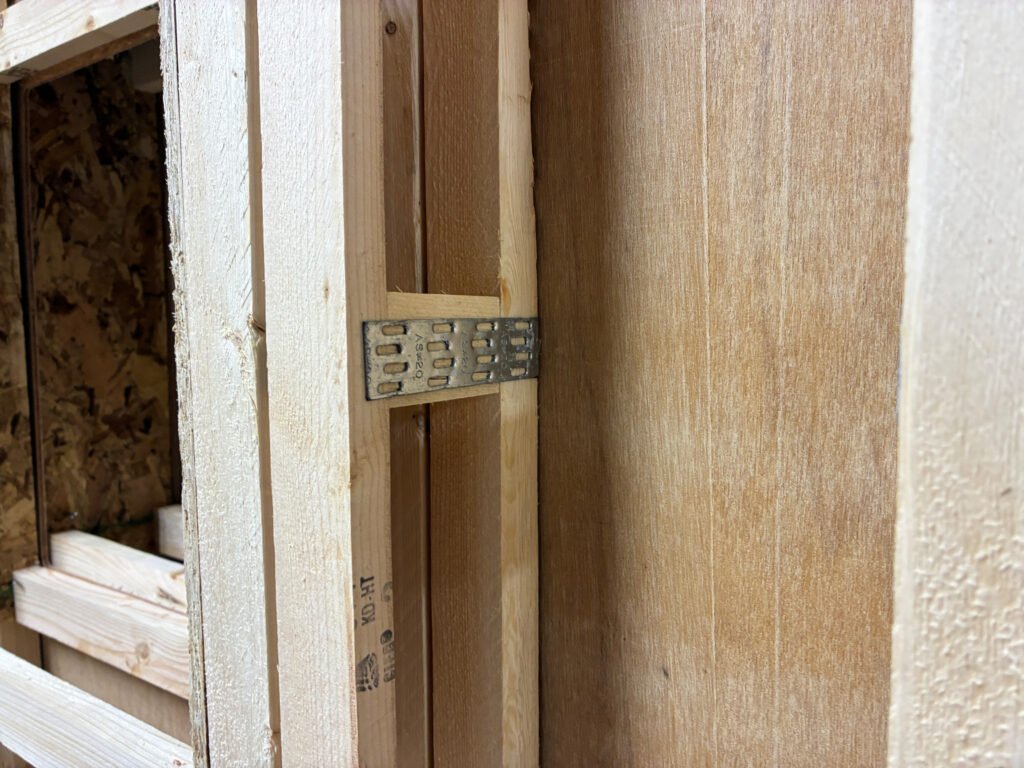
- Bigger cut outs get aluminum framing; smaller ones do not. Cutout size was not provided.
- This means that only windows above a certain size are framed.
- Their testing showed no structural improvement for framing small windows. (Seems like excuse to make it more cheaply)
- Side walls use “Hypercore”, which is a Keystone name for whatever they decide makes the best side wall instead of a vendor brand.
- Their side wall uses two layers of hypercore outside with high gloss fiberglass
- In their testing, their side wall out performed azdel for delamination, but they did not explain their testing.
- Slides
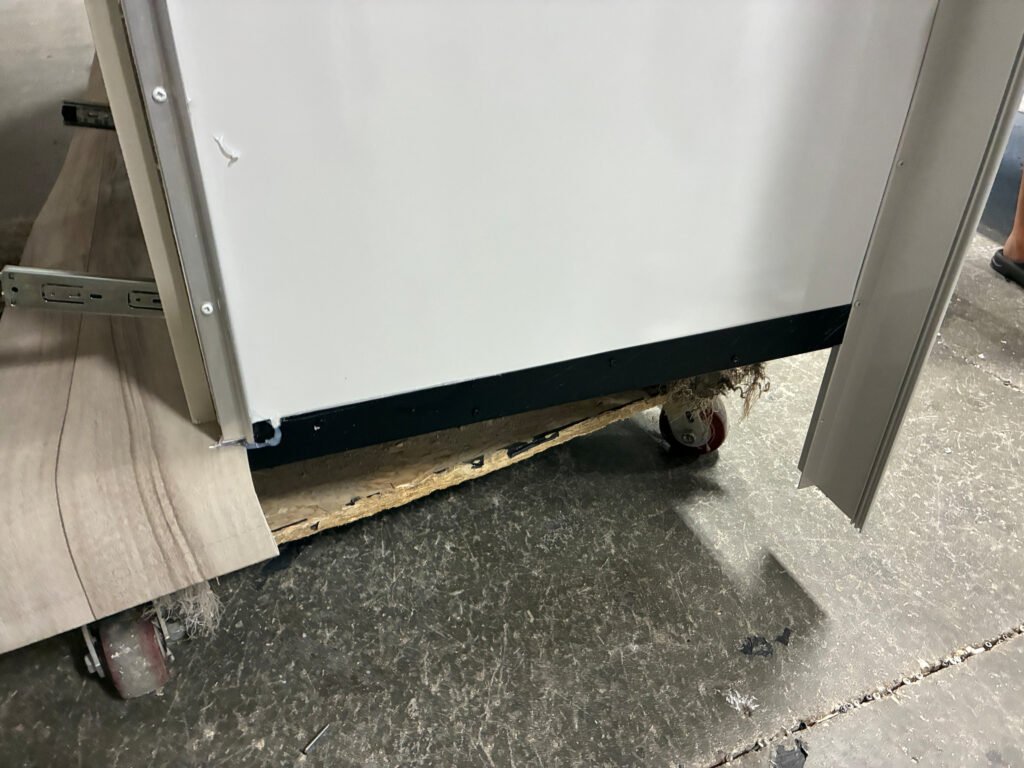
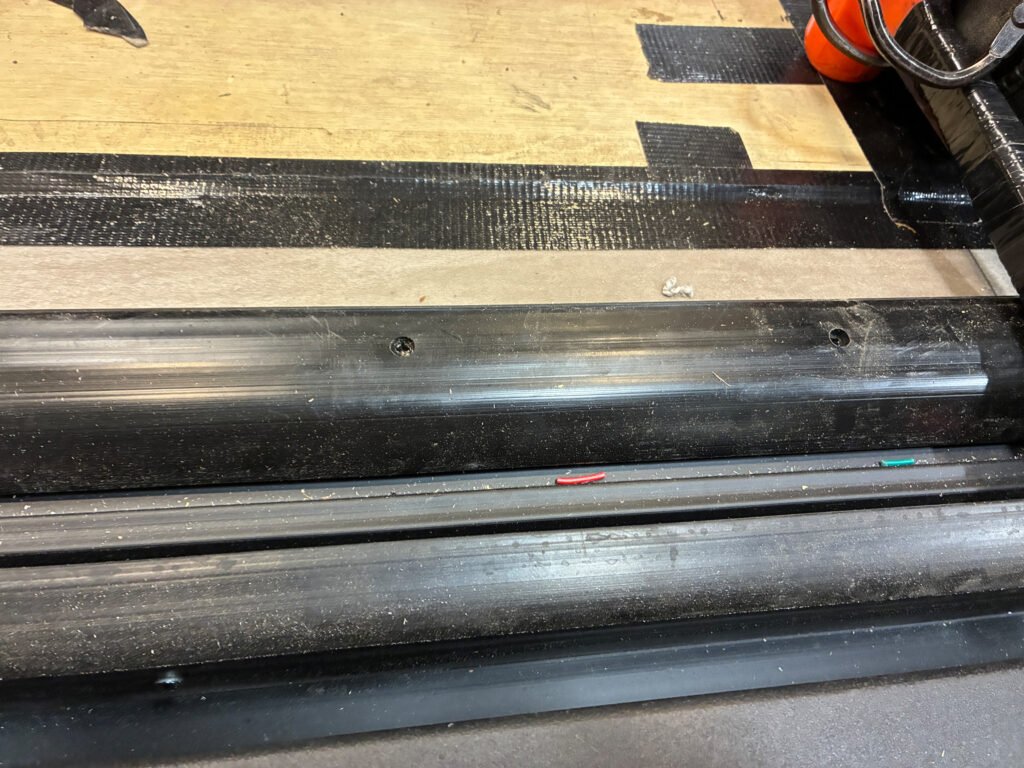
- Slide skid plate in RV is plastic similar to our current one
- Slides have metal slide skies built into lower corners.
- Slide walls (not side walls) are not laminated to because they are not load bearing and to allow better insulation with routing wiring. (Seems like excuse to make it more cheaply, but maybe exterior walls do not have wiring or plug-ins?)
- If laminated, any mistakes would have to discard the entire wall segment.
Roof
- Still using TPO membrane. TPO is weaker than PVC, but it is more reflective.(Seems like excuse to make it more cheaply. Our roof gets dirty fast enough that dirt seems the limiting factor for reflection.)
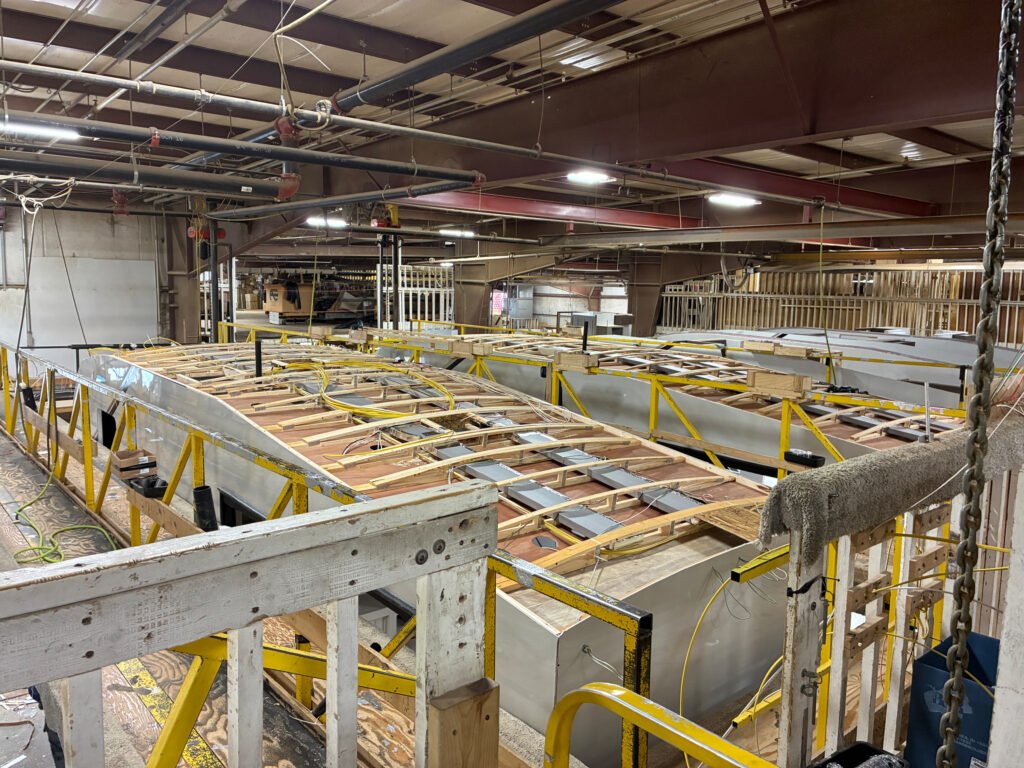
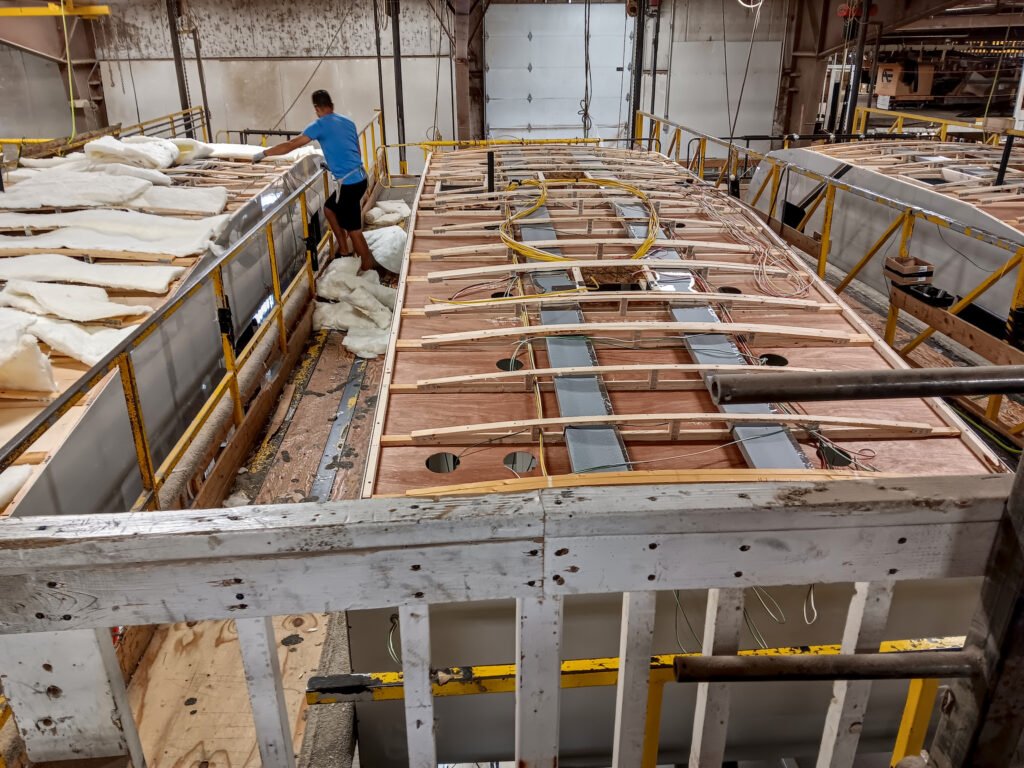
- Trusses are made in about 6 foot sections.
- Not clear if this be better as a flex point or less structurally sound.
- Roofing is put on in sections vs. one continuous piece.
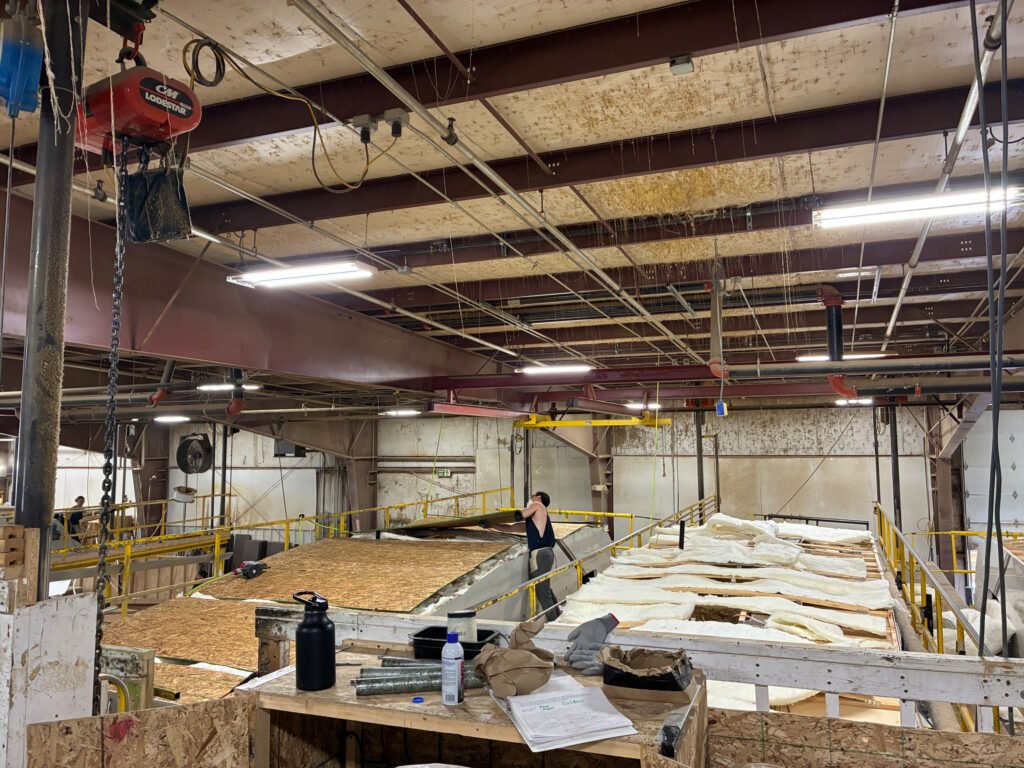
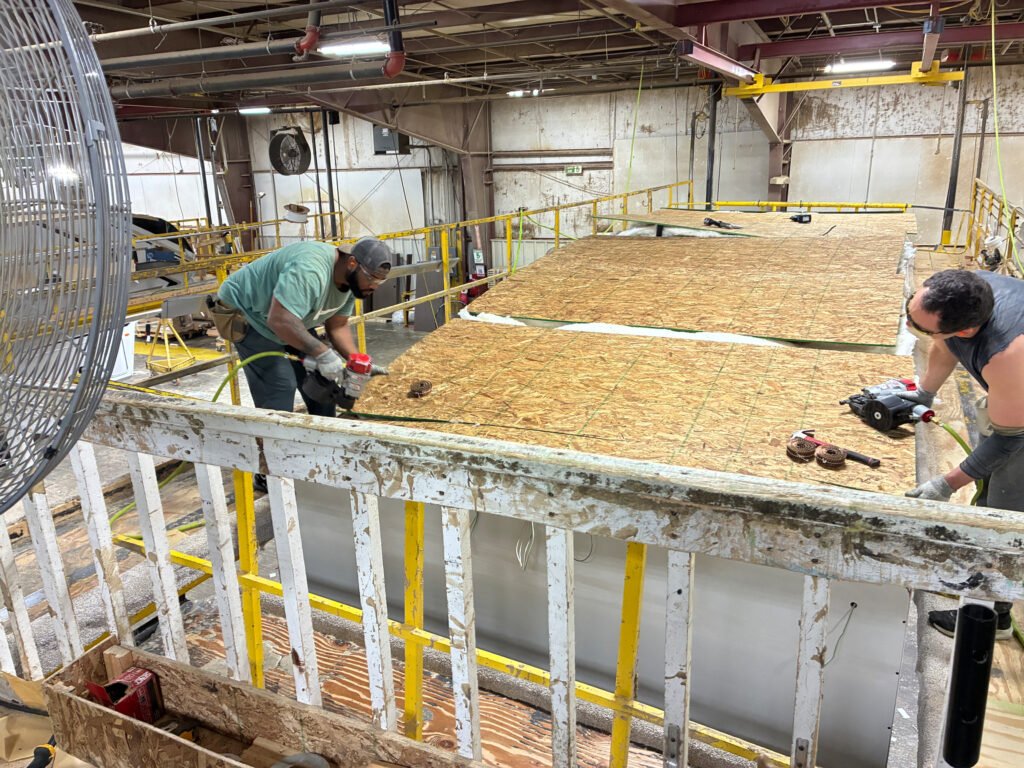
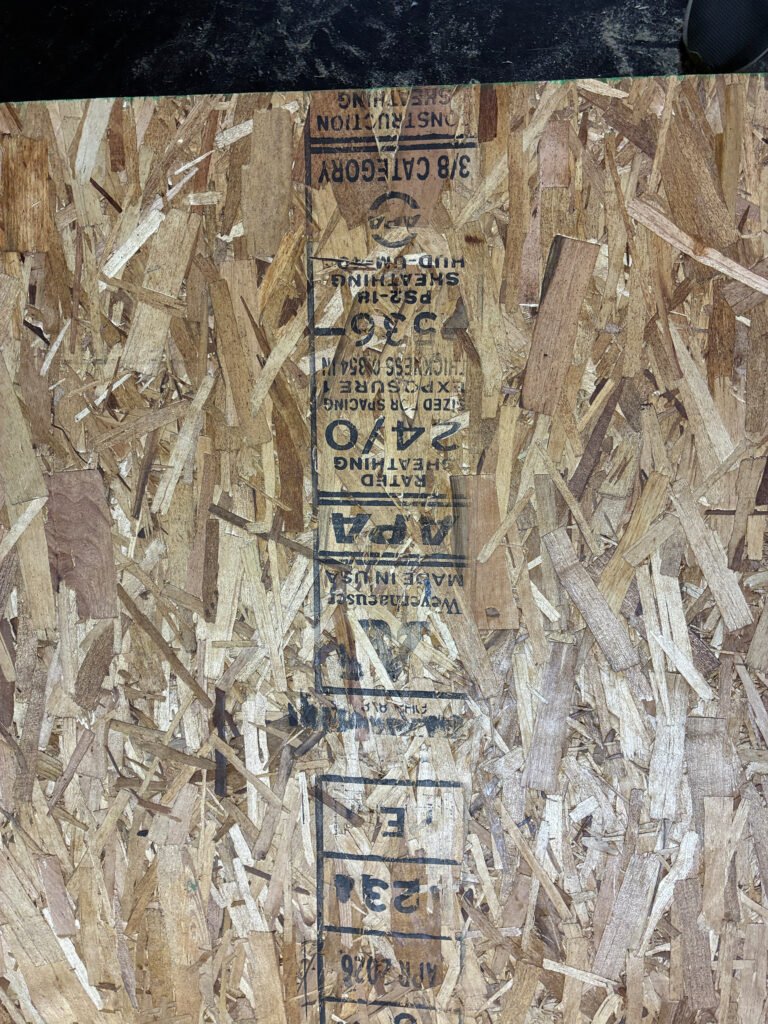
- Decking is 3/8″ marine grade OSB called Dyna-Span (24/0 rated decking 556 PS2-18) Specs indicate resins and 25 year warranty, but not marine grade.
- Decking is tossed on roof and wiggled in place. Sometimes this messes up the insulation, and it is not always righted.
- Same process for insulation of 1/2 ton, travel trailers and full size 5th wheels.
- Holes are cut while on the roof.
Final Assembly
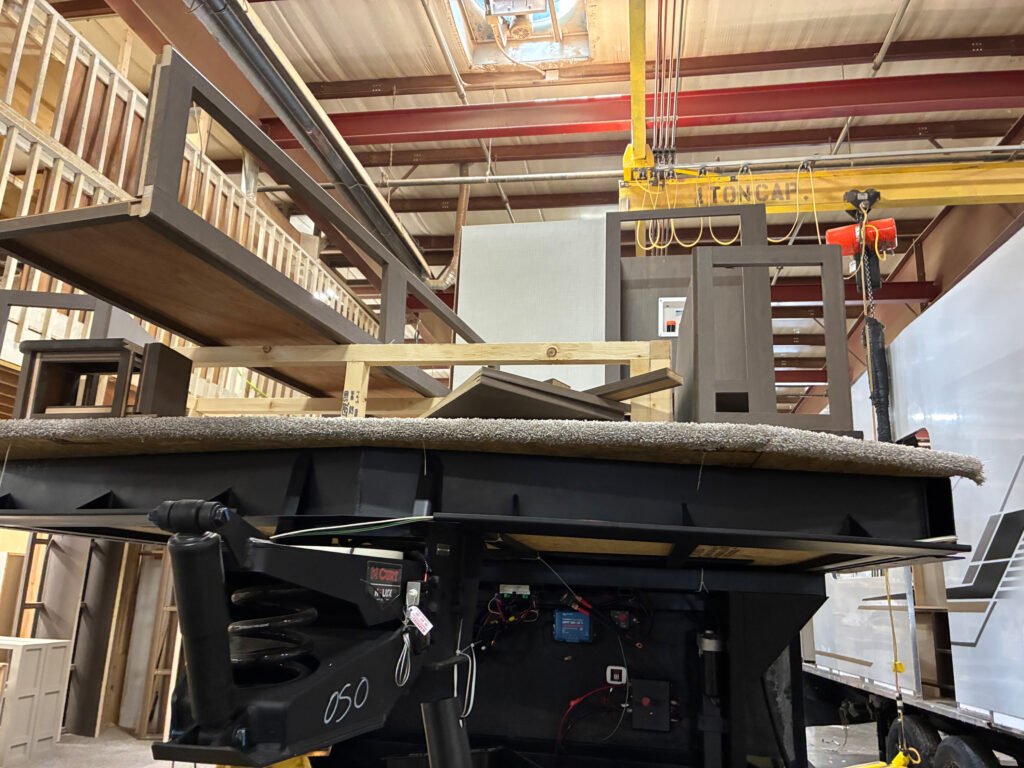
- Use a raised deck for loading furniture
- Added a PDI+ step to catch more issues, but how would they catch those nails in the wrong place with a sealed up trailer?