
Chantilly, VA, May 2026
The Stephen F. Udvar-Hazy Center is a part of the Smithsonian Institute National Air and Space Museum. (You can find more information here.) The facility has many attractions, including two hangars with over 200 aircraft and spacecraft, an IMAX theatre, gift shop, (only slightly over-priced) restaurant, flight simulators, viewing tower, and restoration bays. In the distant past, we took Kate’s mom and step-dad and her nephews to this museum on two different occasions.
The museum is overwhelming. Like other museums, it is broken into sections. Unlike other museums, you can see almost everything from everywhere, unless something is in the way. This will be posted in four parts – aviation hangar, space hangar, restoration bay, and selfies/panoramas. We will try to make a clickable map of selfies and panoramas for the last post, but it might not work as intended. The aviation hangar will be the largest post.

The first stop was the store because we thought it had the cancel stamps. The store had a lot of neat and very expensive stuff in it. It had this plaque that you could buy.
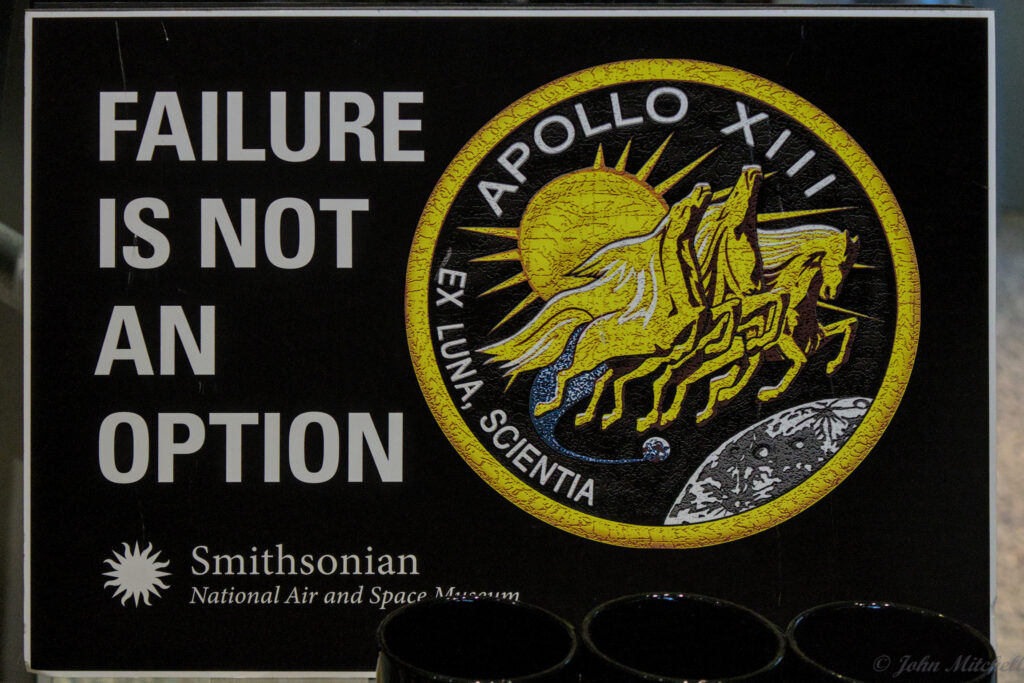
John spent years trying to get his management to understand that “Failure Is Always An Option, But It Is Not The Desired Option.” They neither understood the joke, nor appreciated it. This quote is attributed to the Apollo 13 mission, but no one actually said it.
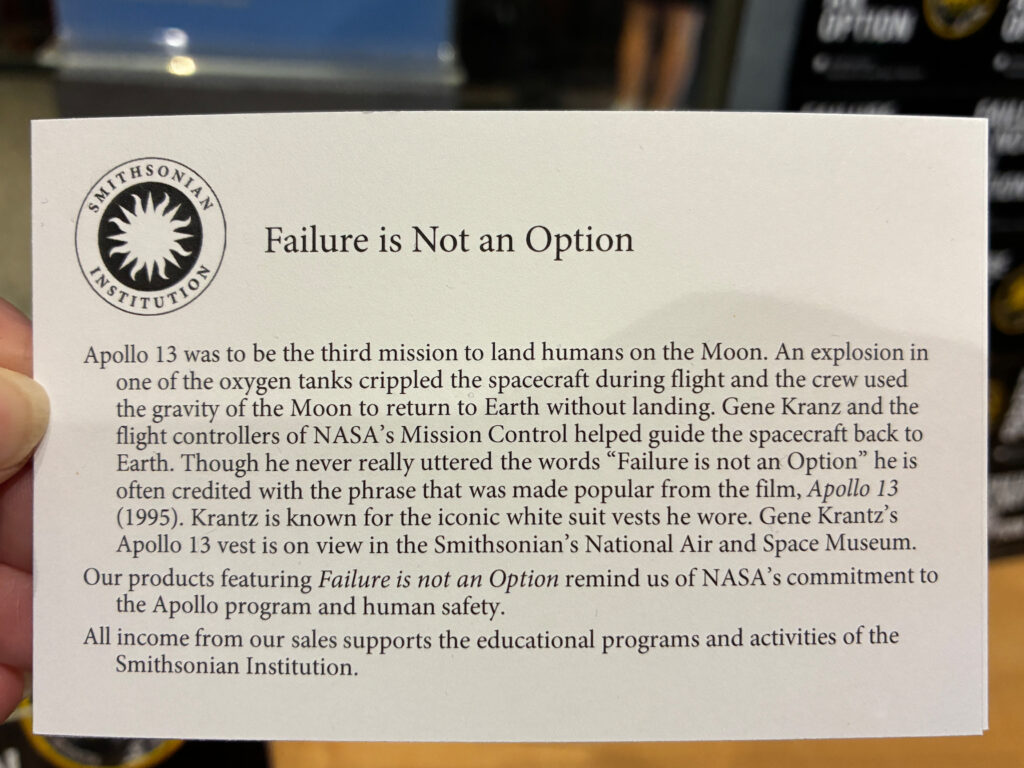
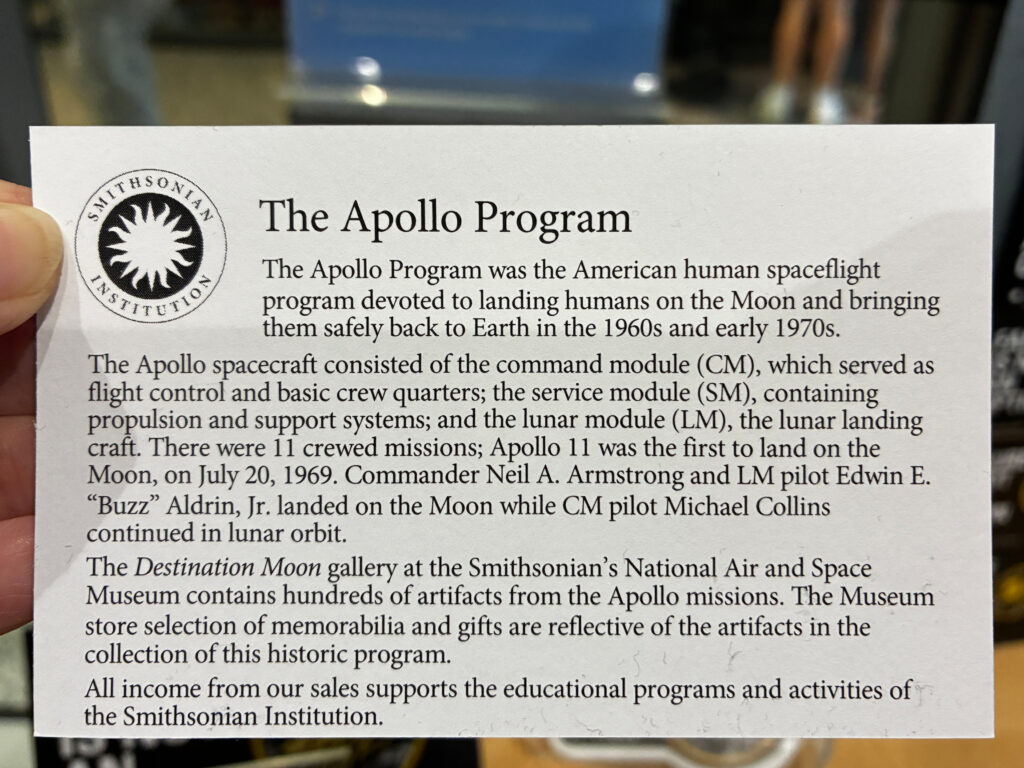
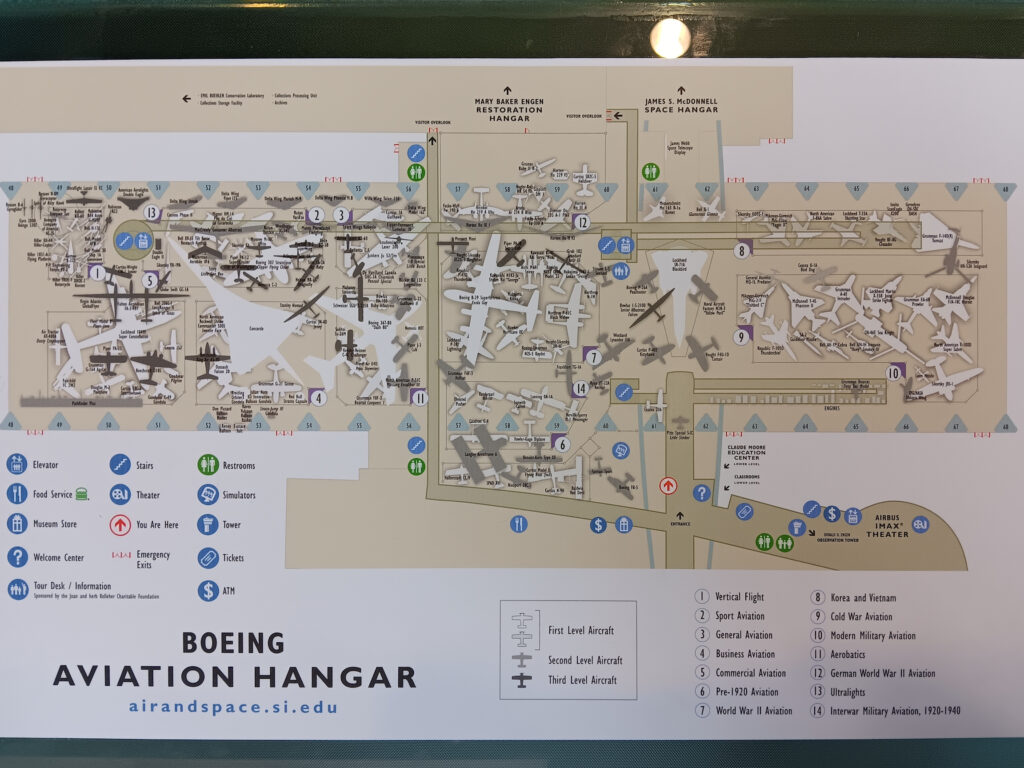
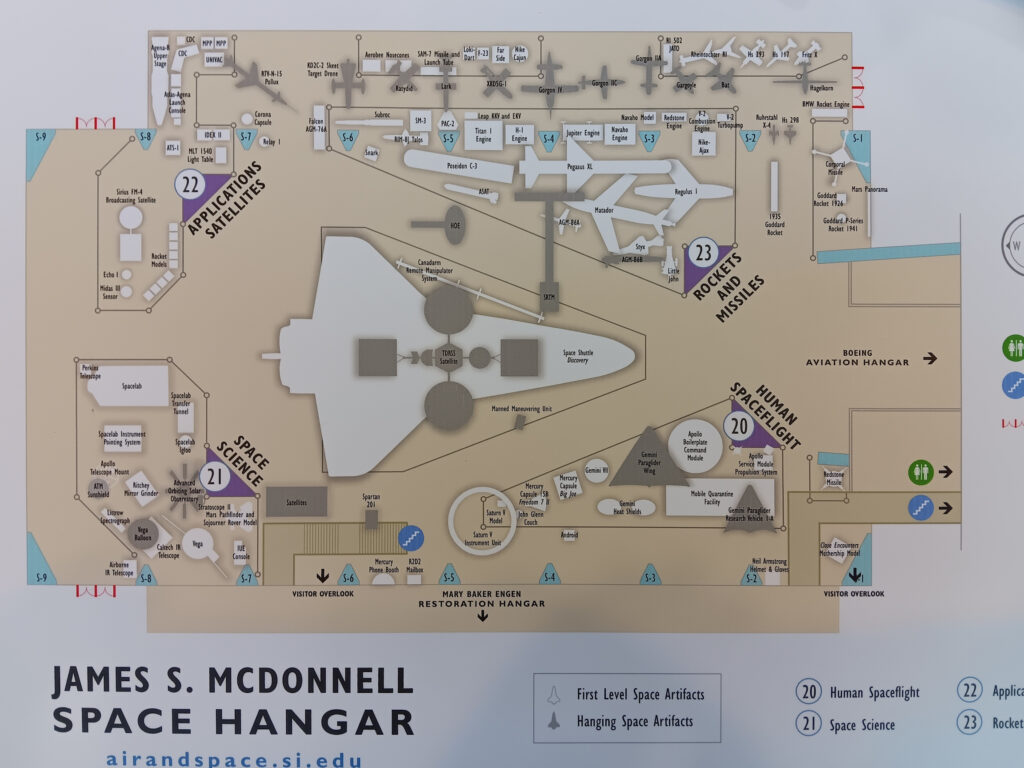
The cancel stamps were not in the store; they were at the visitor center. While Kate stamped her book, John took pictures of the museum maps and paid for parking. From left to right, these are the whole museum, aviation hangar, and space hangar maps. The maps provide most of the display piece names, but there are some discrepancies where pieces have been moved or rotated in and out.
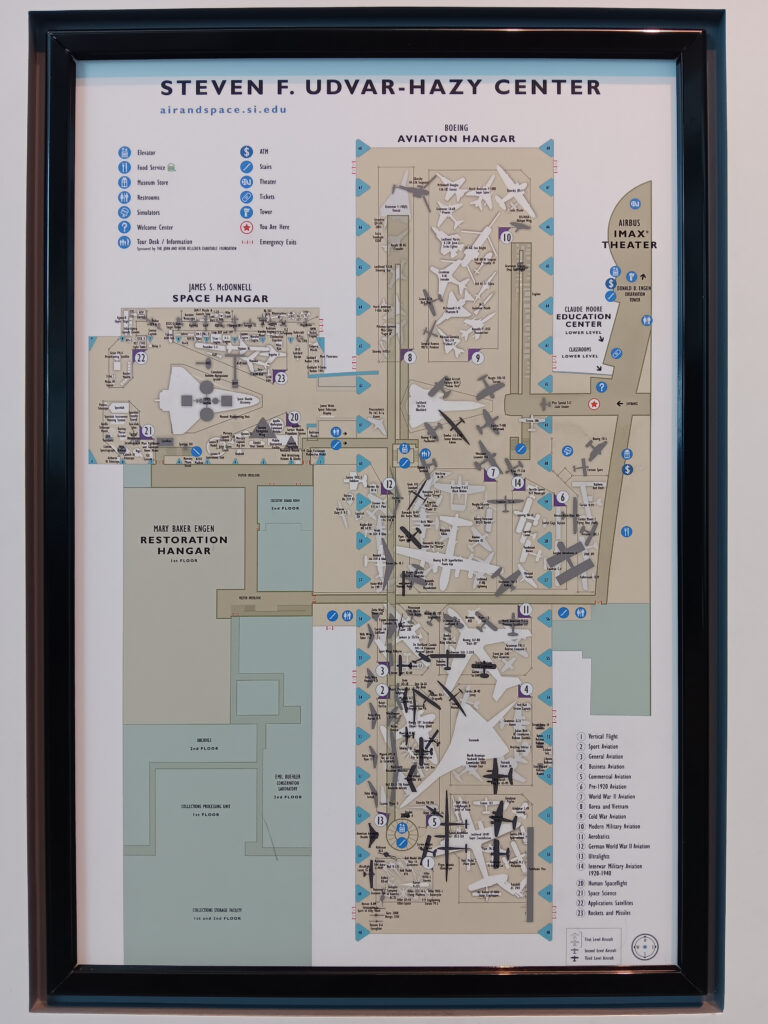
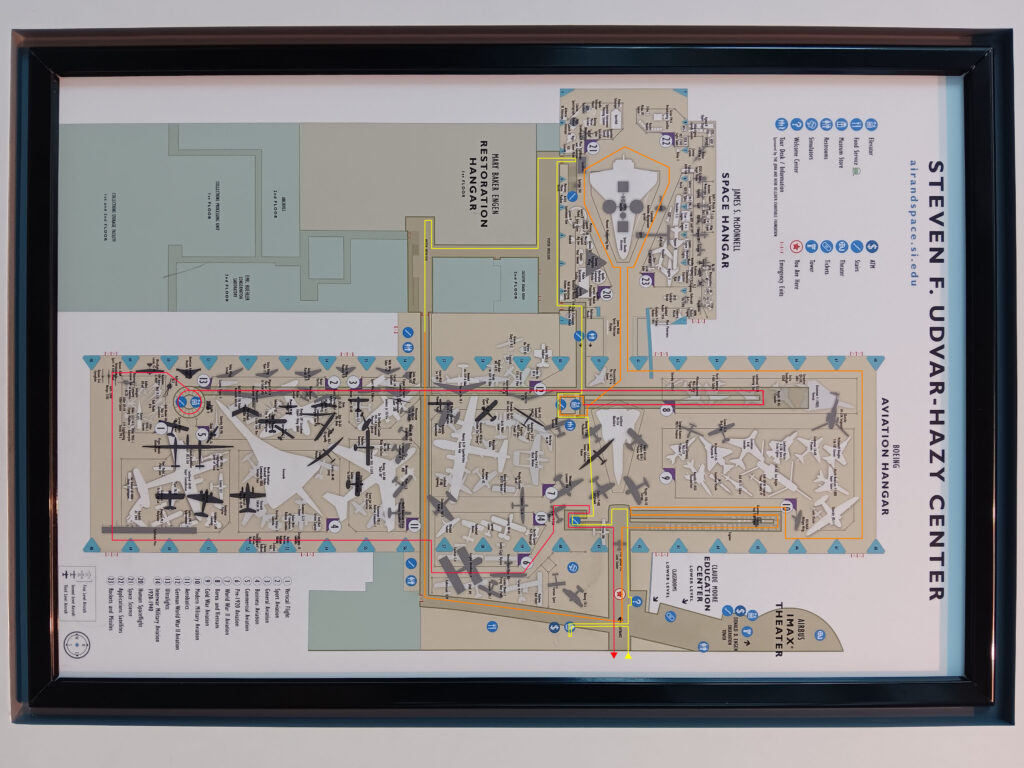
If you are trying to understand the path that we took, this map shows our approximate walking path through the museum. We entered and left from the bottom of the map. Starting at the yellow arrow, along the yellow, orange, and red lines, and ending on the red arrow.
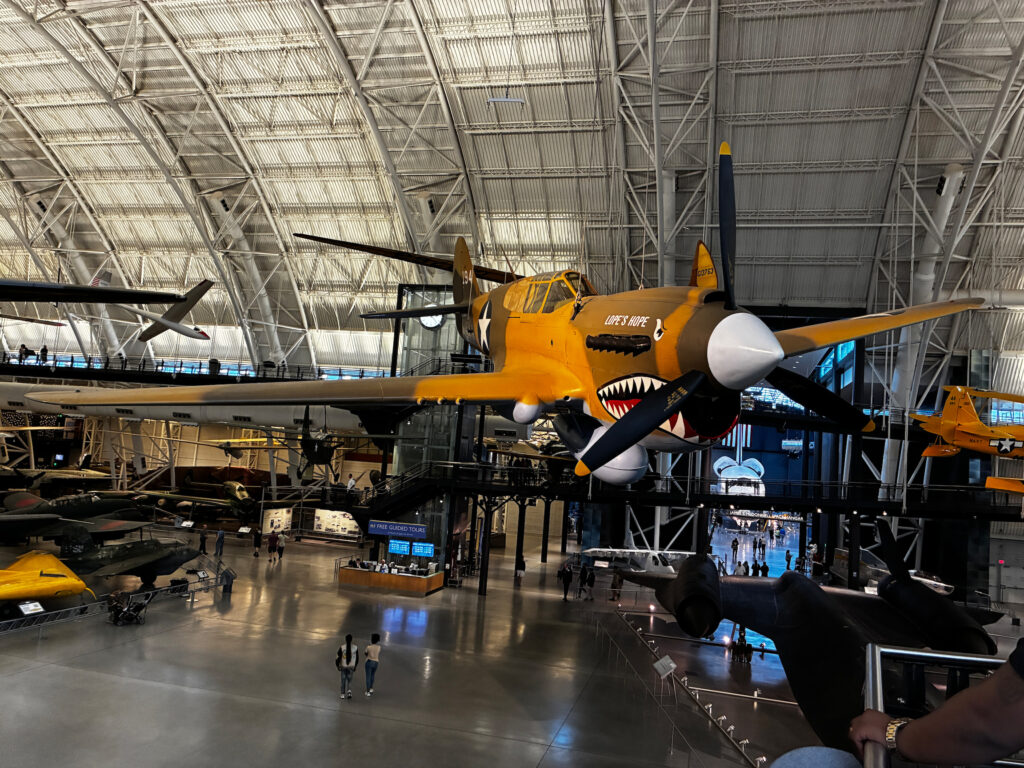
The pictures will be grouped by plane, but the views of the planes may be from different locations in the hangar. If you walk to the end of the entry viewing deck, you immediately have a view of one of the most iconic World War II fighters and the SR-71A Blackbird. The bright opening behind the SR-71A is the space hangar.
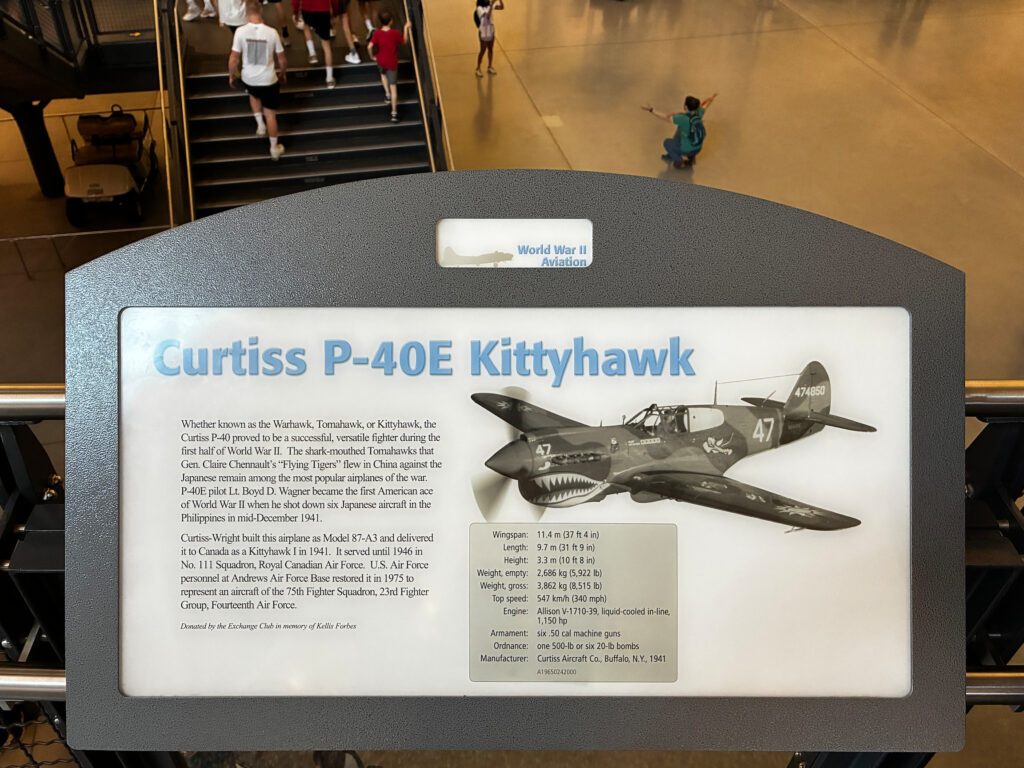
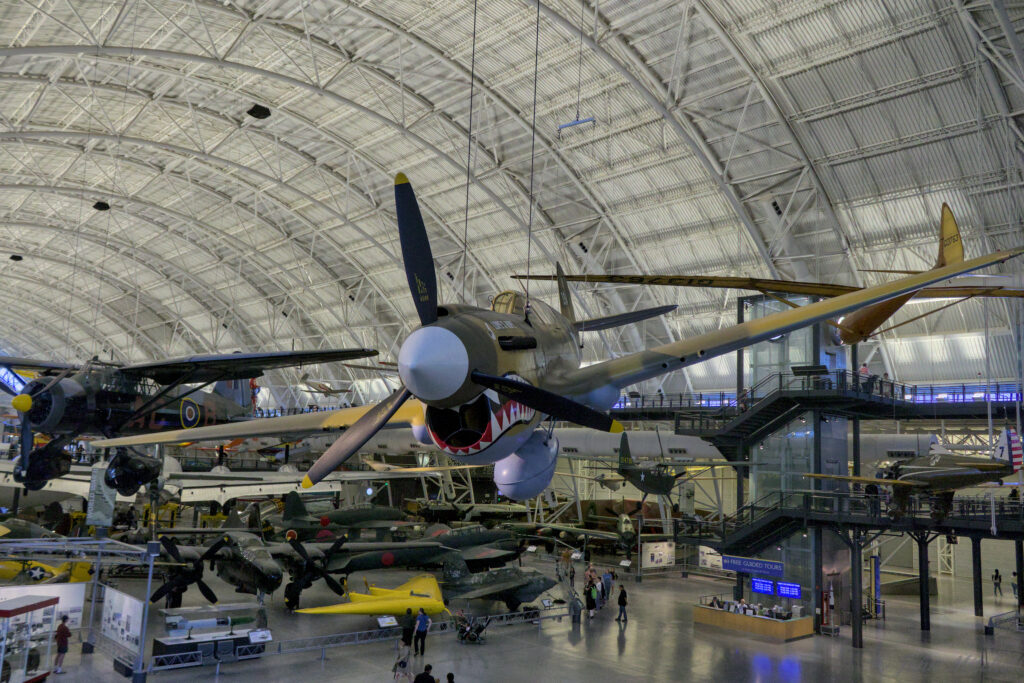
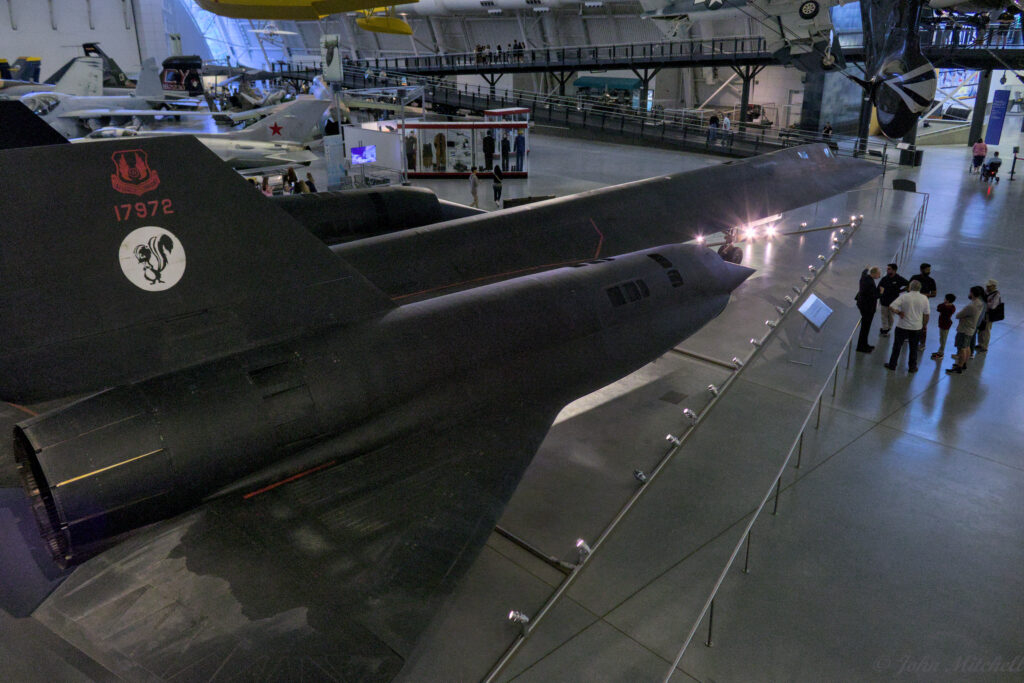
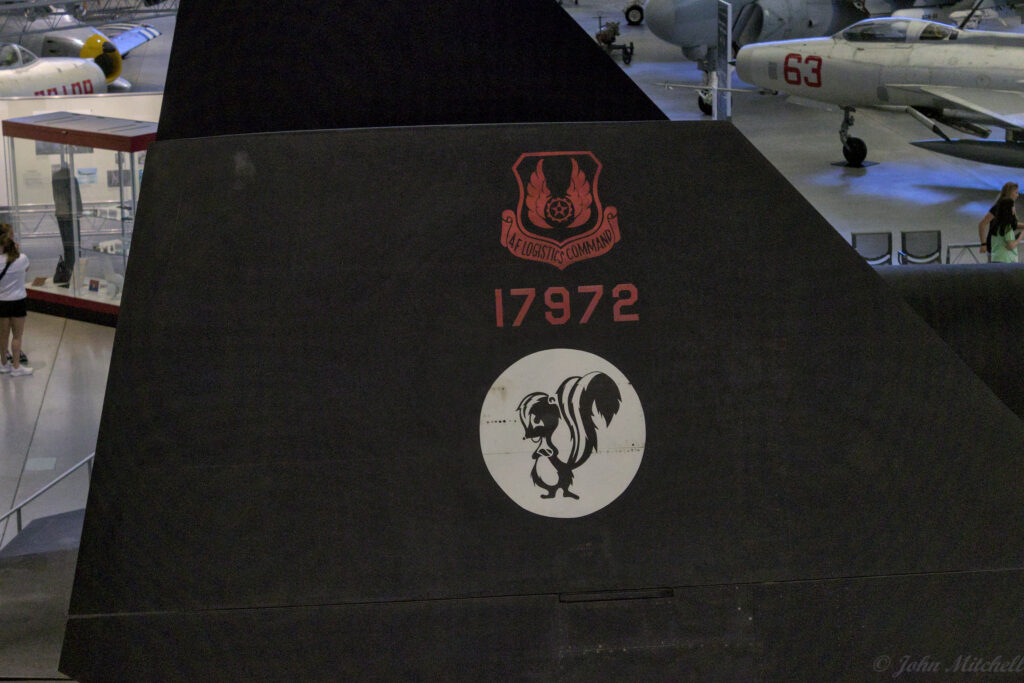
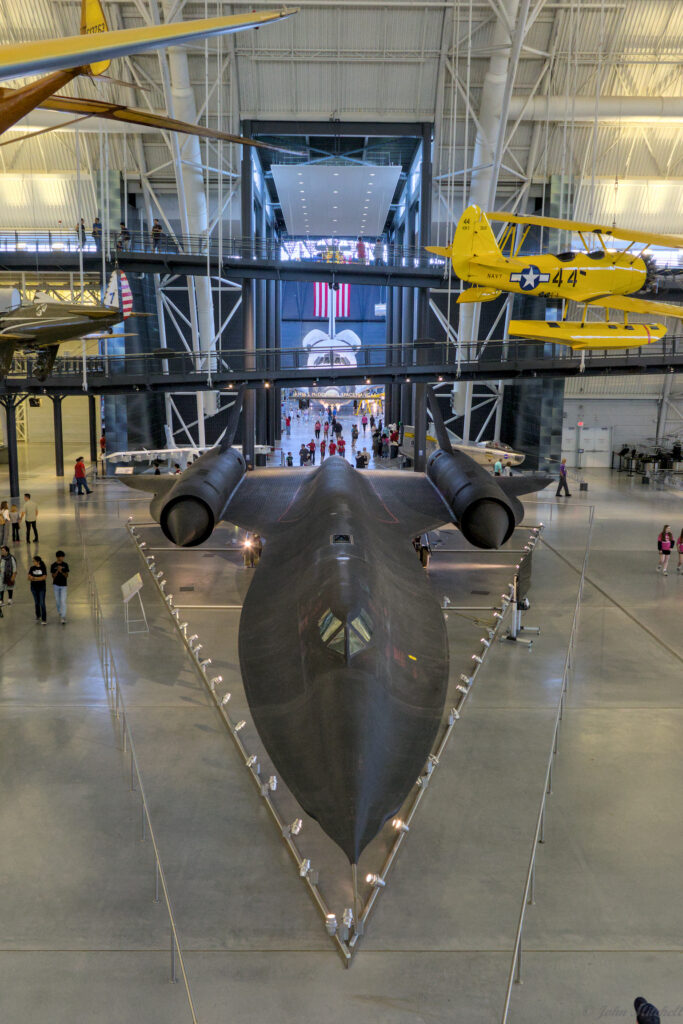
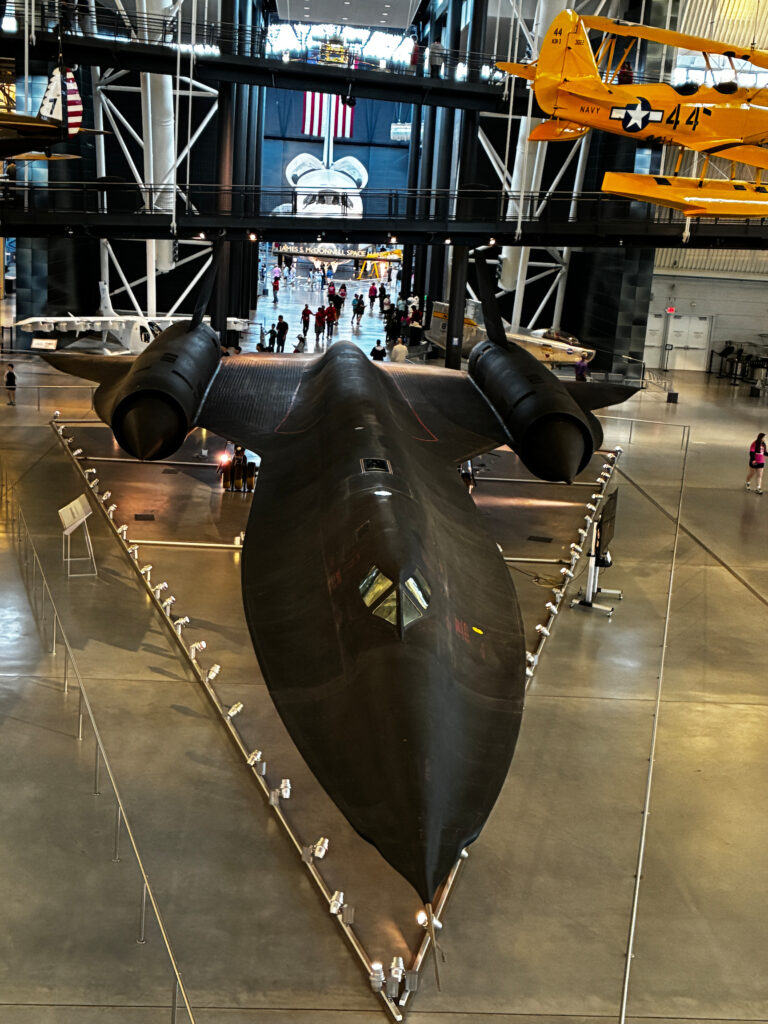
We headed down the steps at the entry viewing platform, and we walked towards the space hangar to get a selfie at the shuttle. On the way, we ran into some interesting planes that we had to stop for.
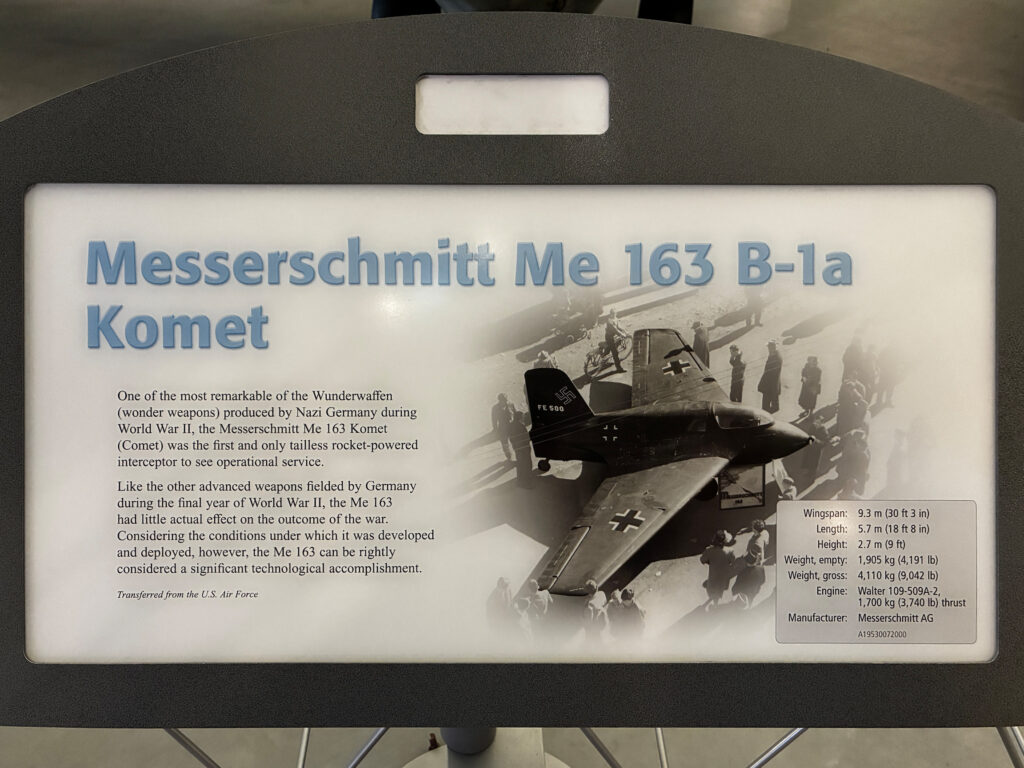

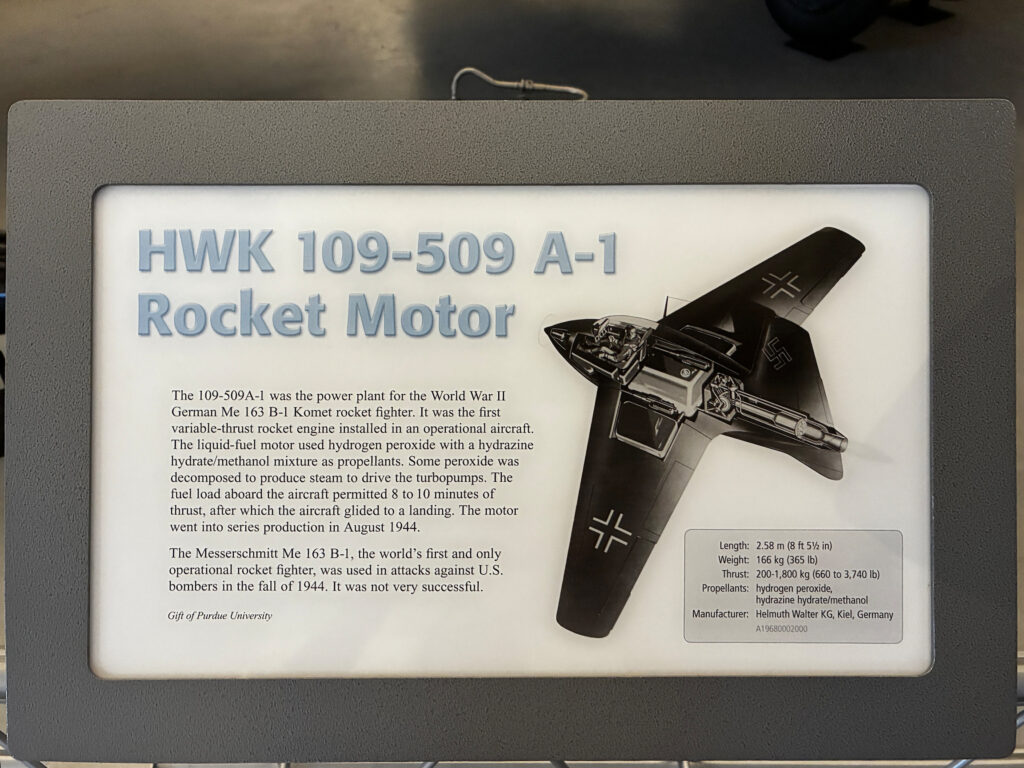
It is amusing that they had to specifically point out that the jet that could only fly for 8 to 10 seconds was not effective in the war. It seems kind of obvious.
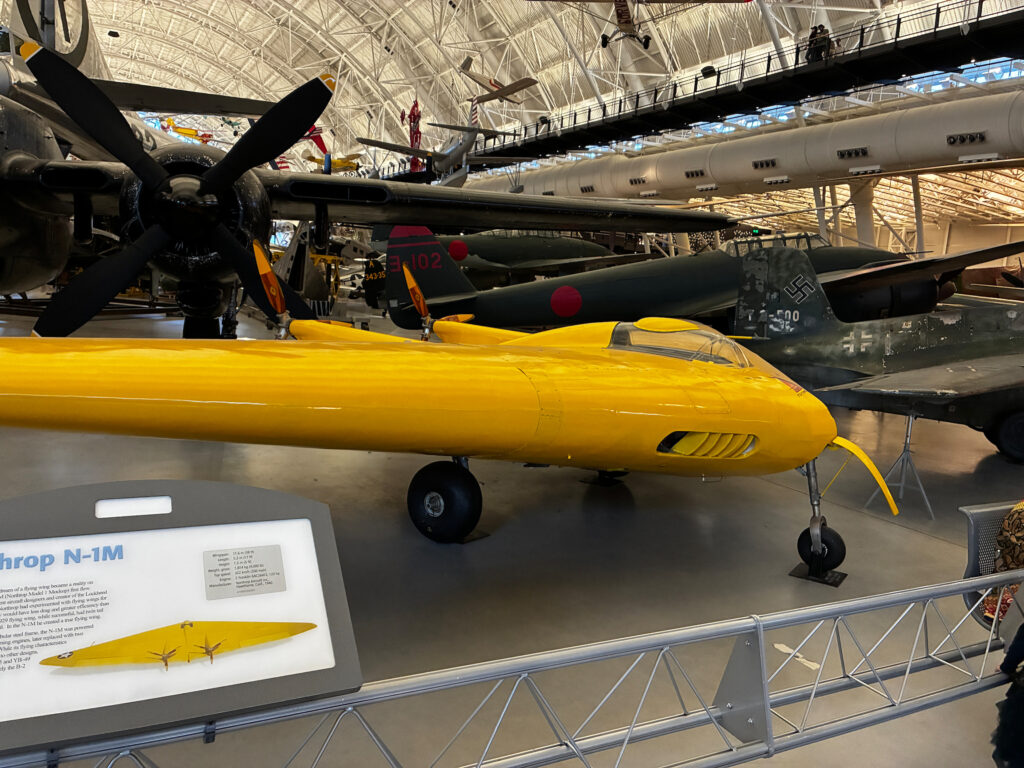
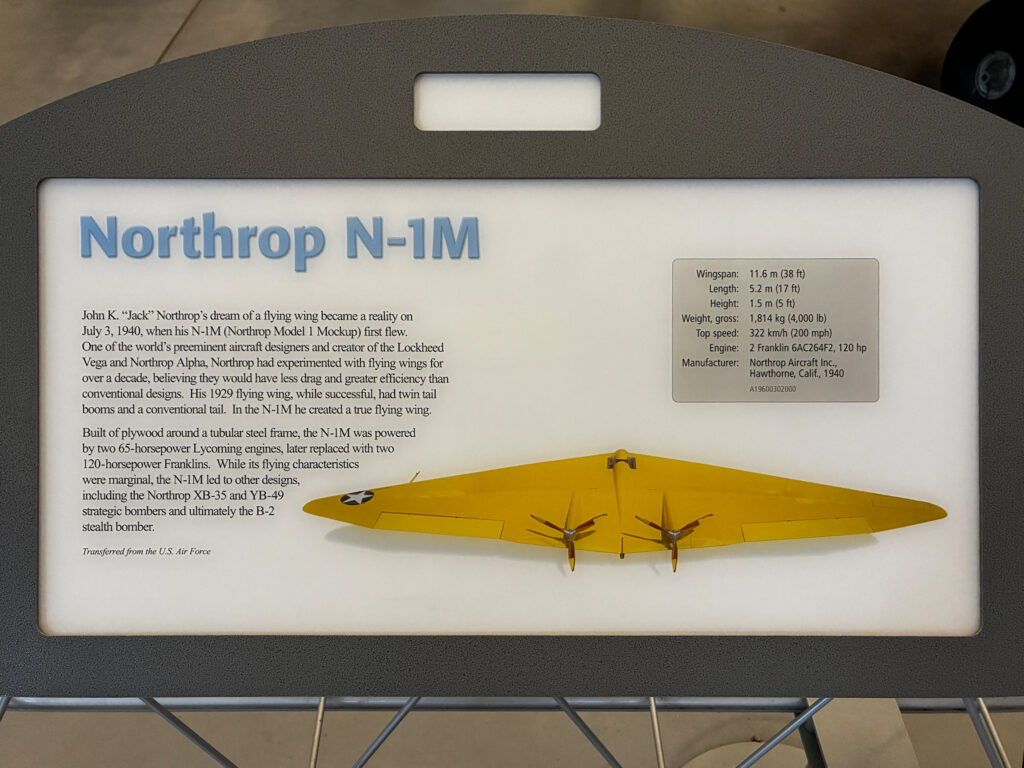
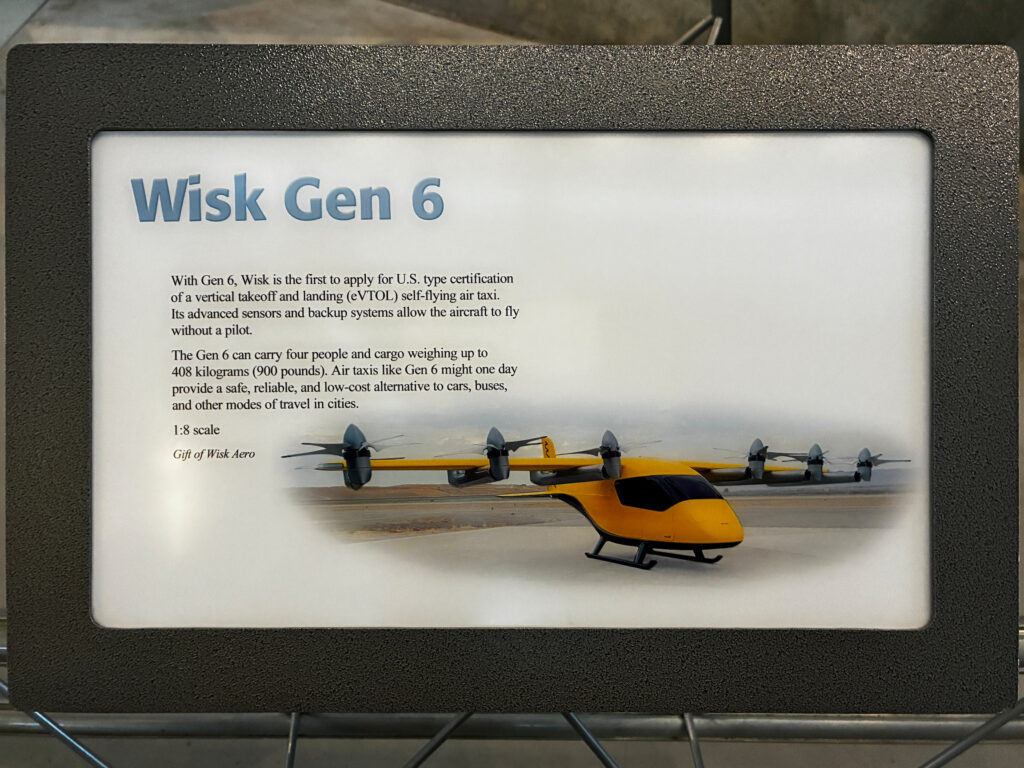
Someday, this next plane might arrive, when you call for an Uber.
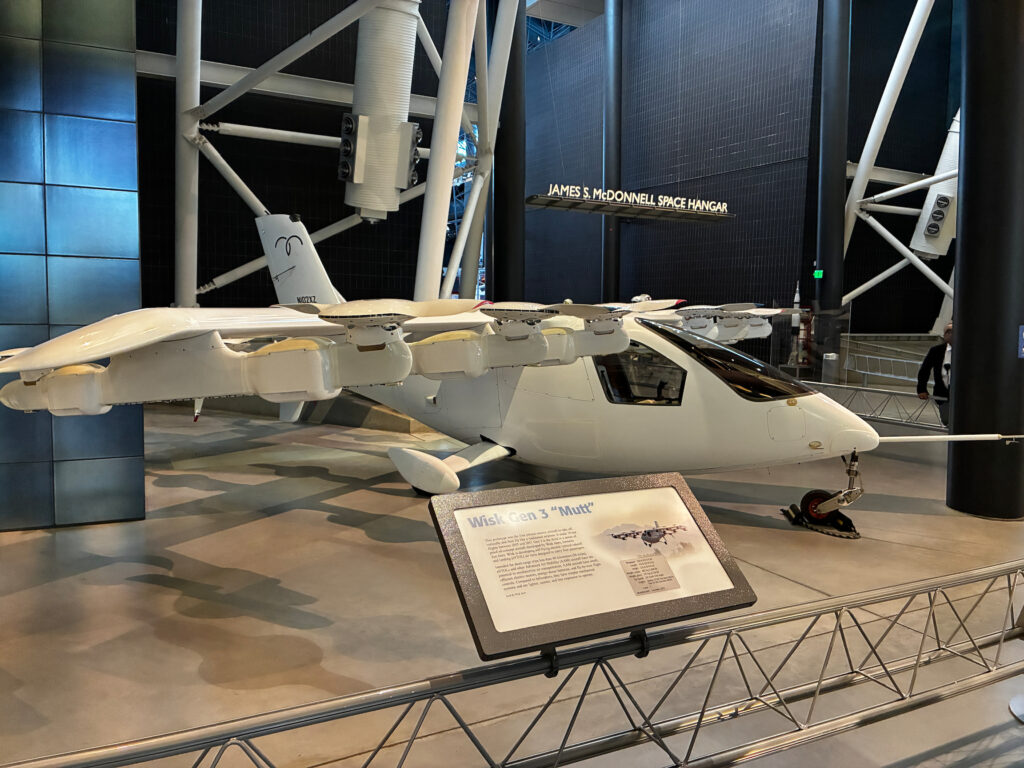
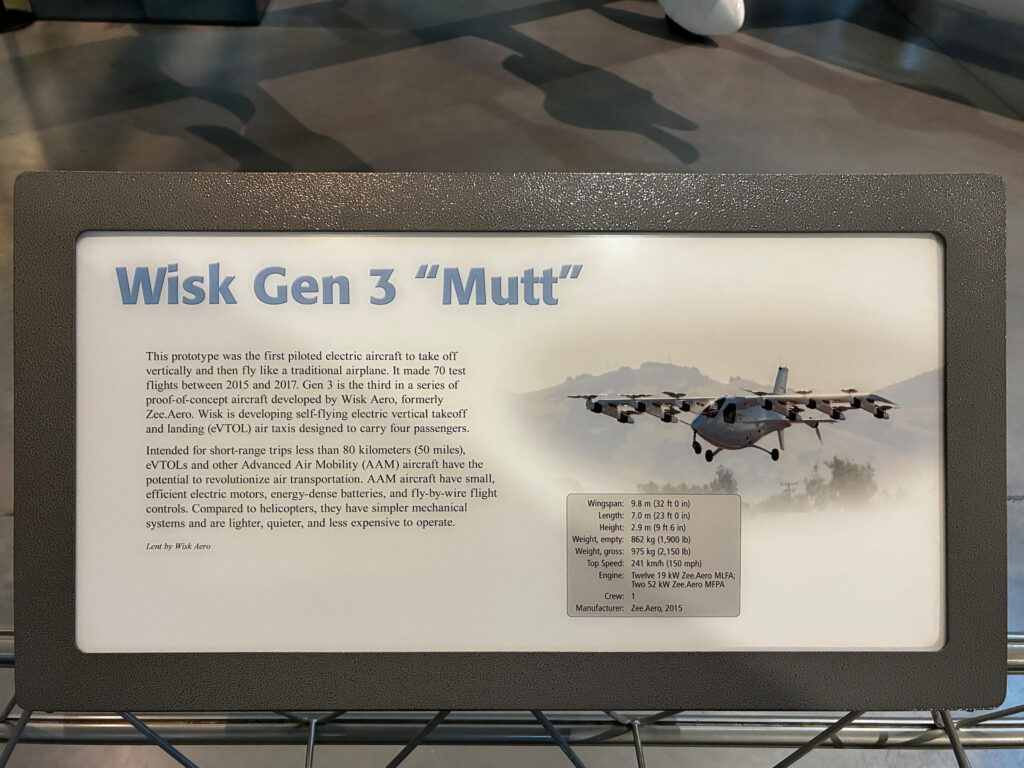
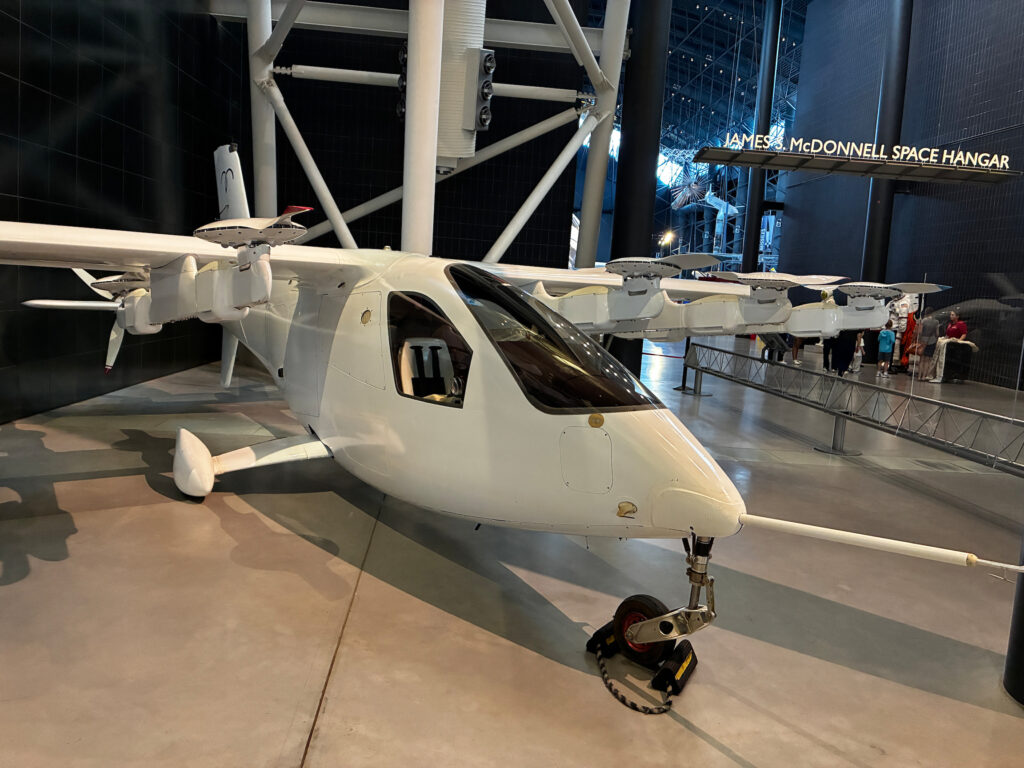
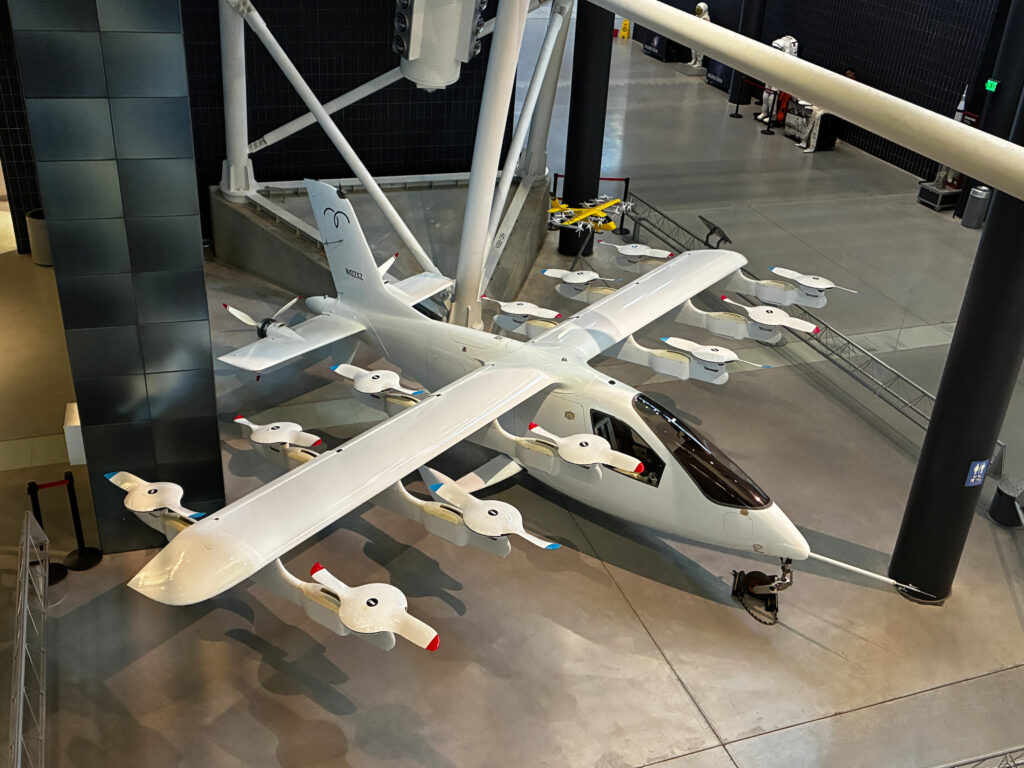
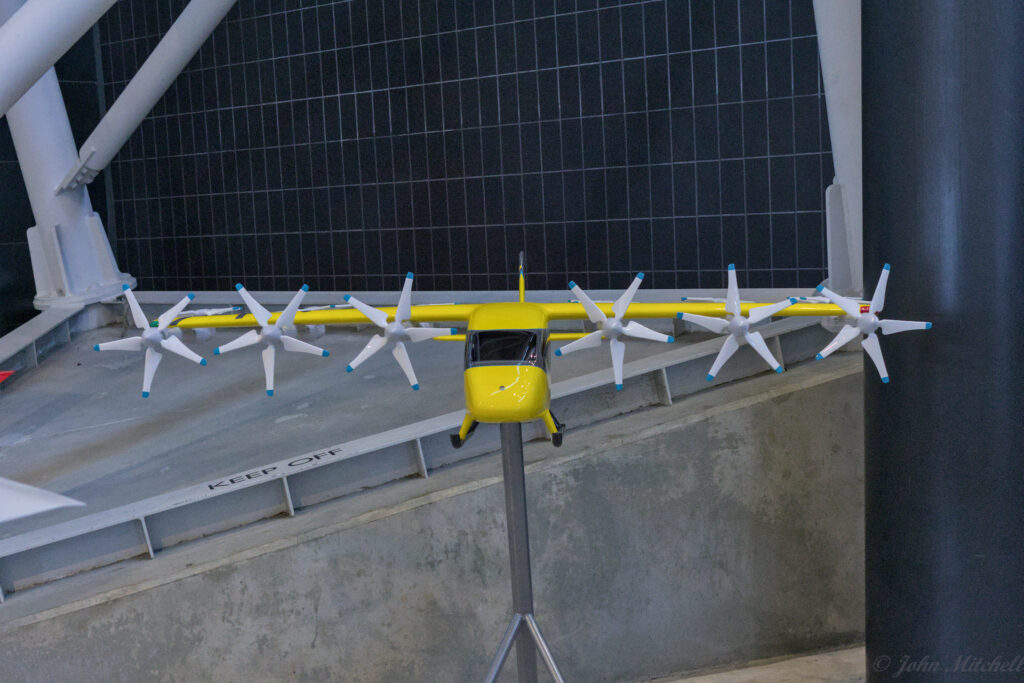
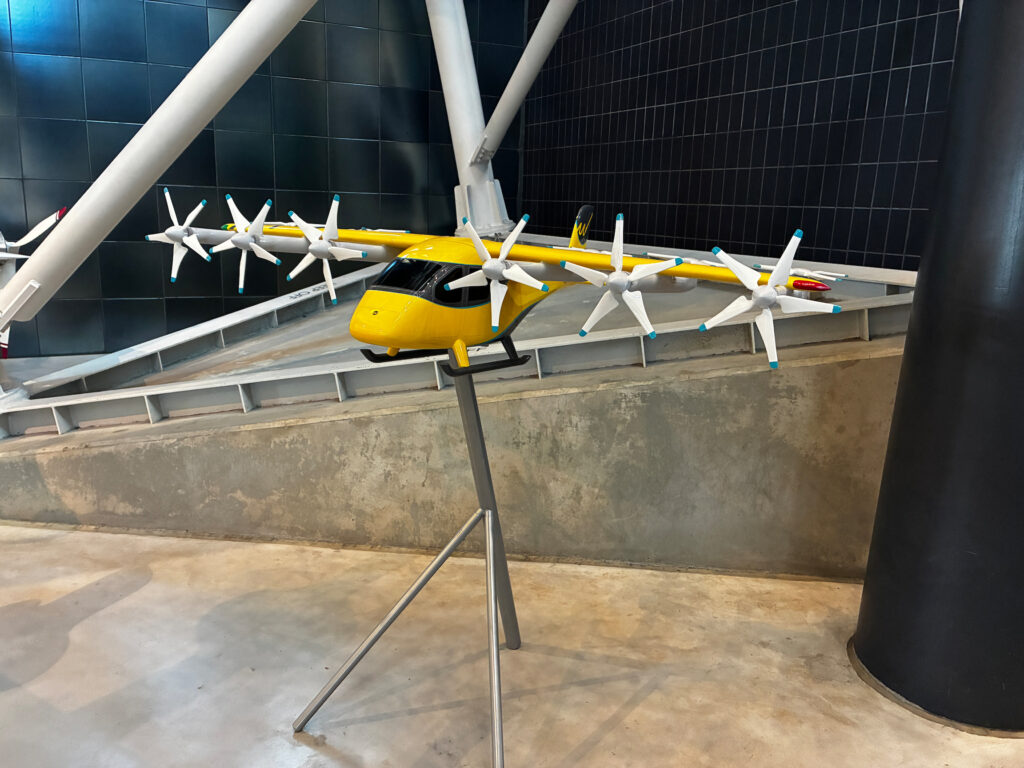
Actually, it is more likely to be this one, but it is only a one-eighth scale model. Maybe, you could Uber your pet around?
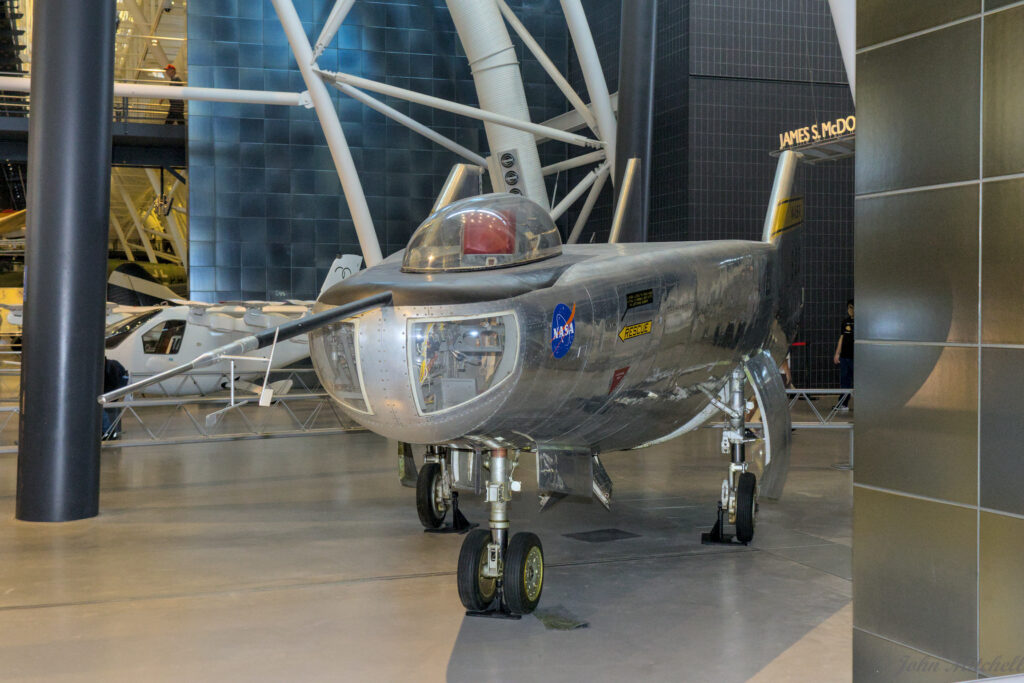
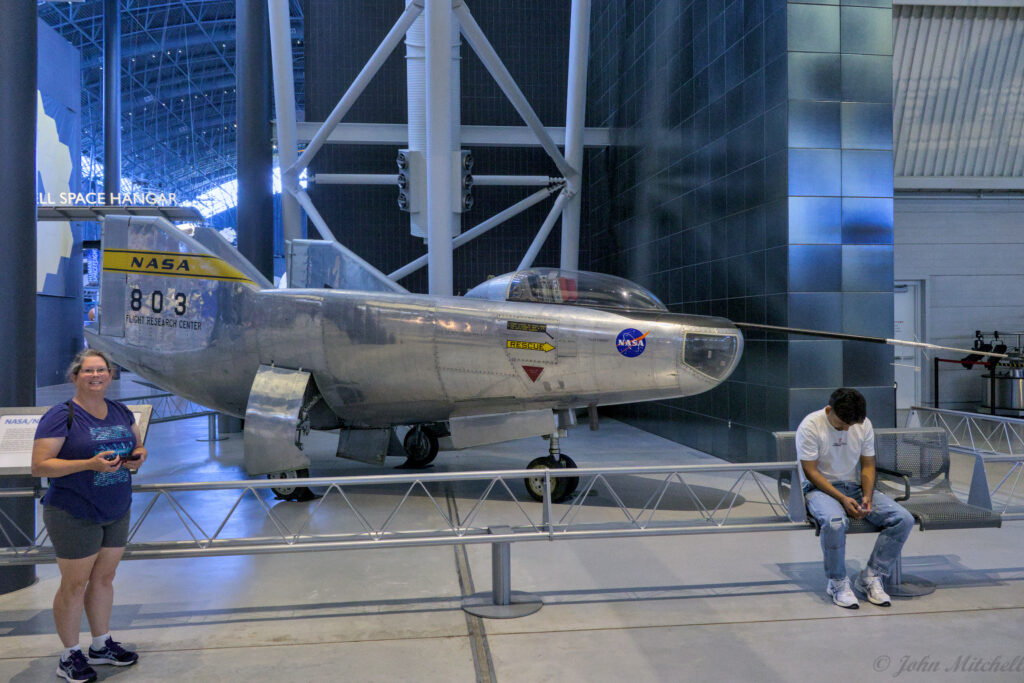
This next plane was across the entrance to the Space Hangar. It was an initial model of a body lift aircraft that evolved into the Shuttle. It looks like something that would be used to spear fish for whales.

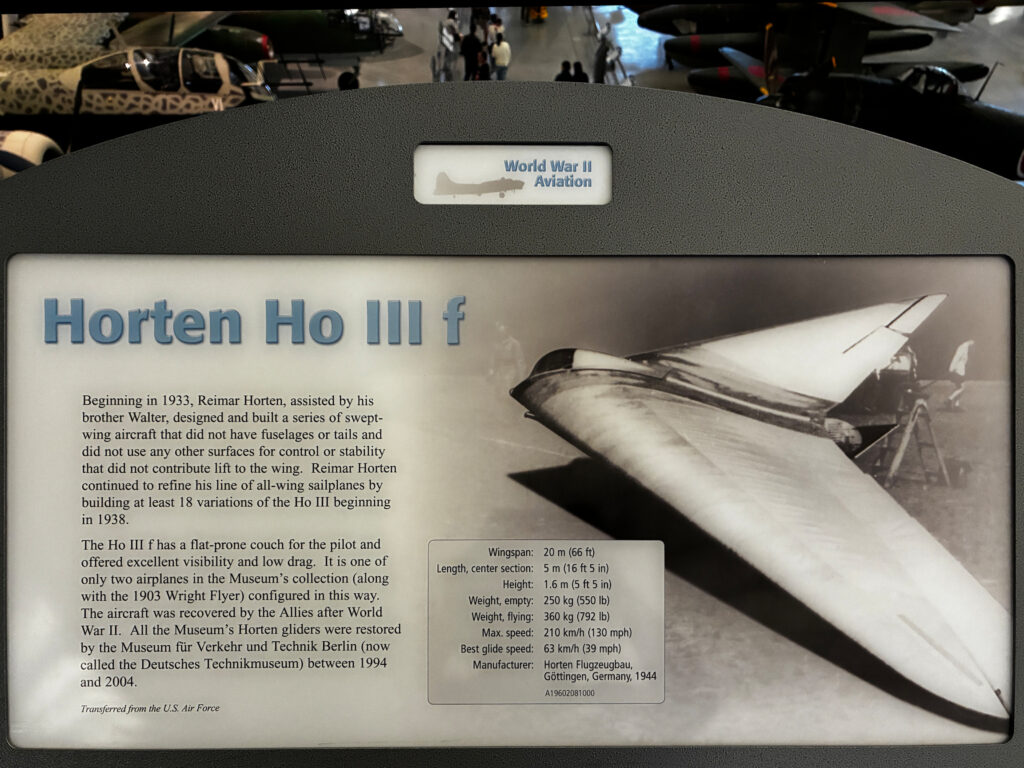
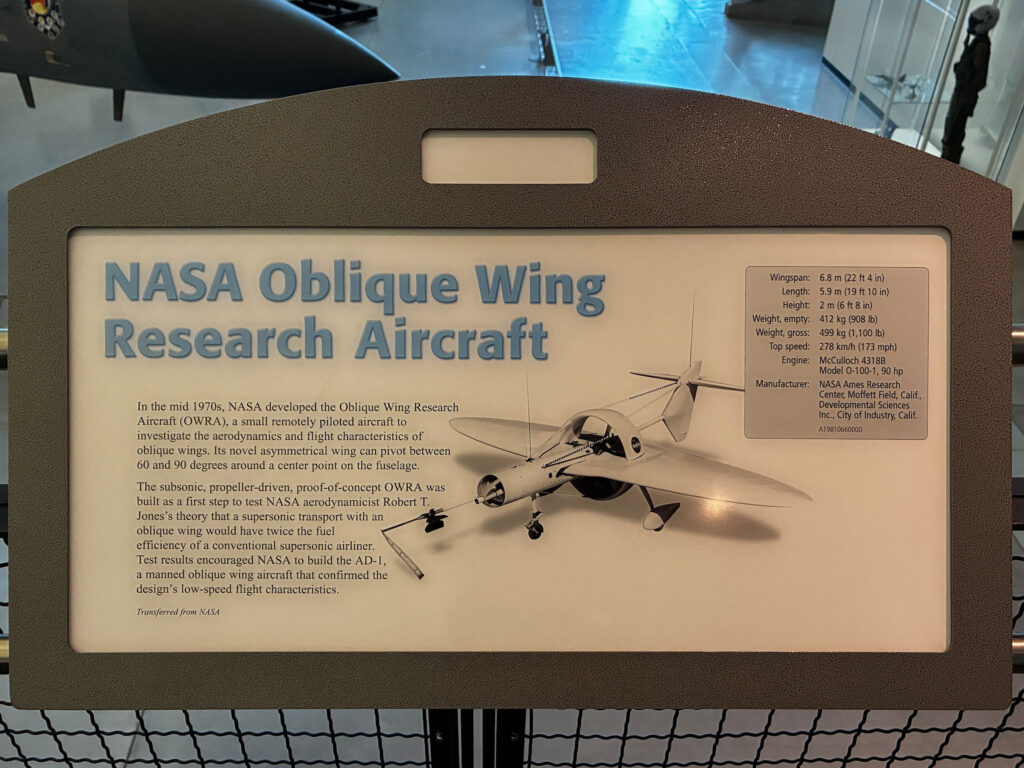
The stairs in front of the Space Hangar lead up to the balcony overlooking the Shuttle. On the way, there was an early flying wing prototype plane – the Horton Ho.
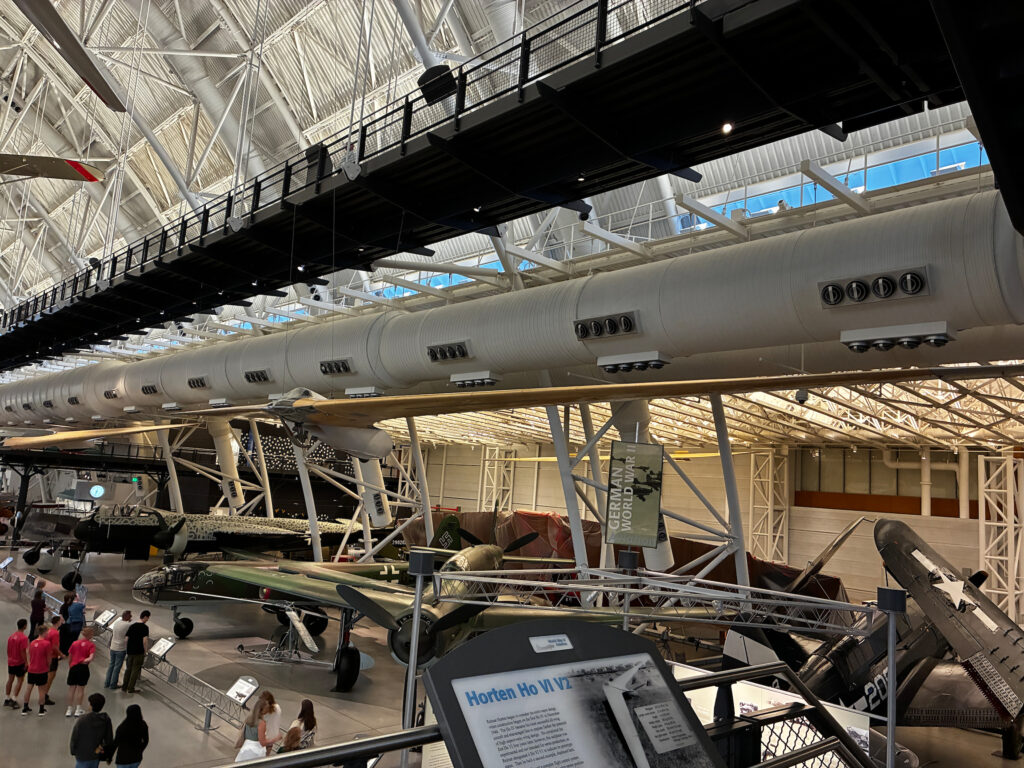
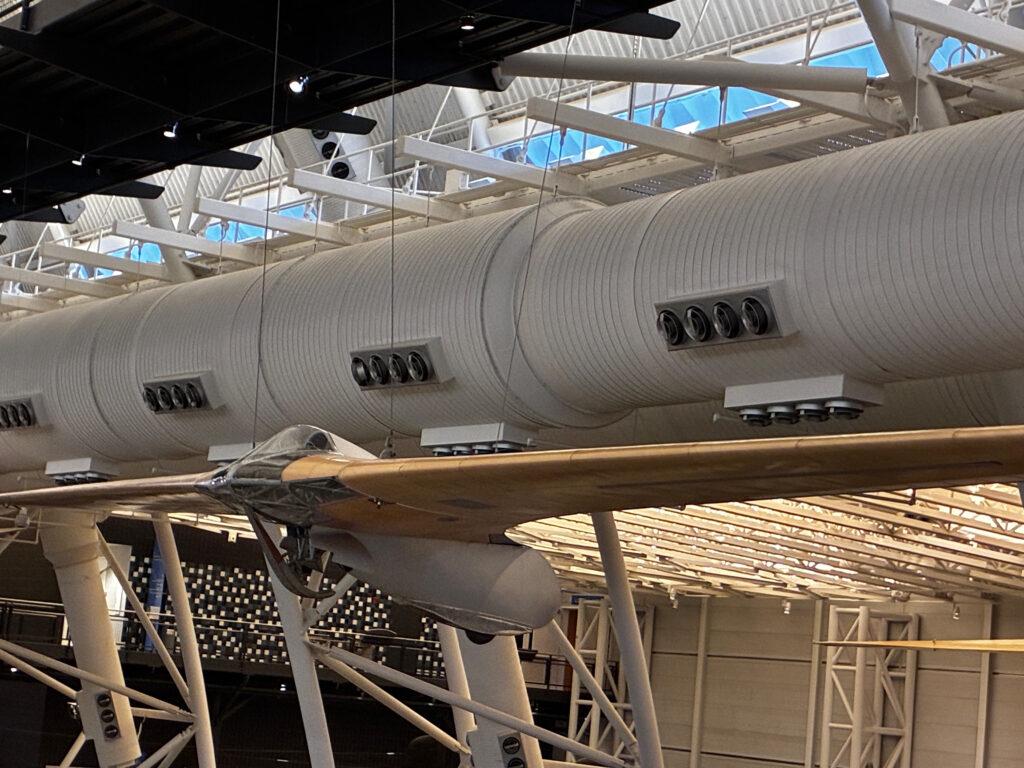
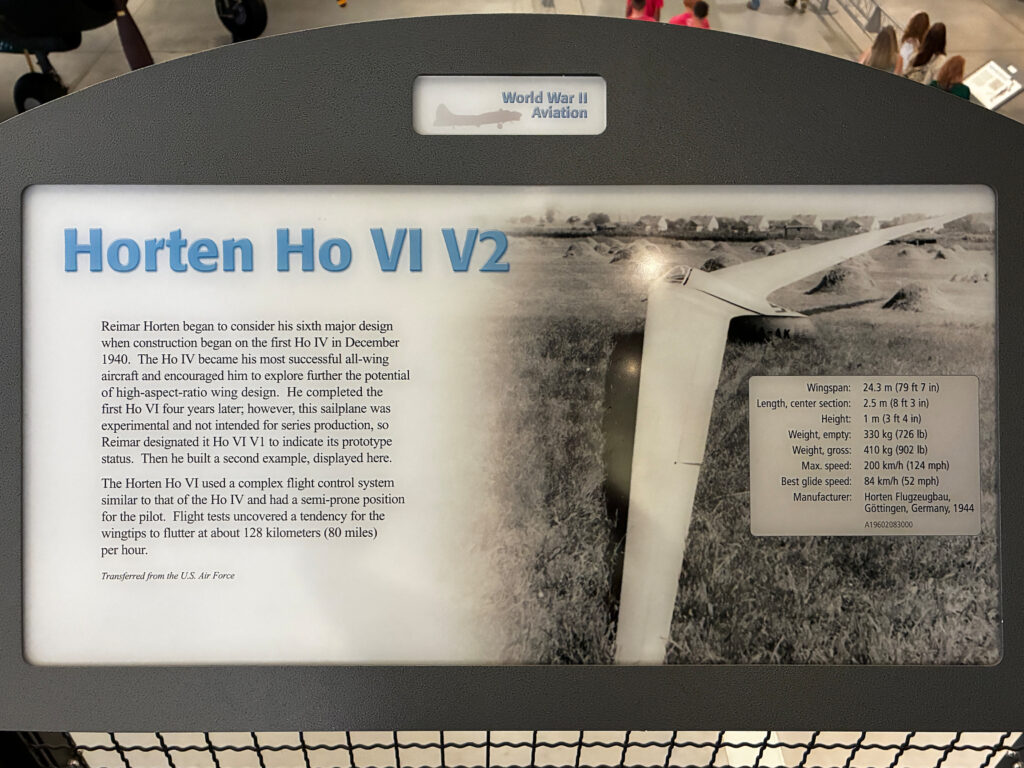
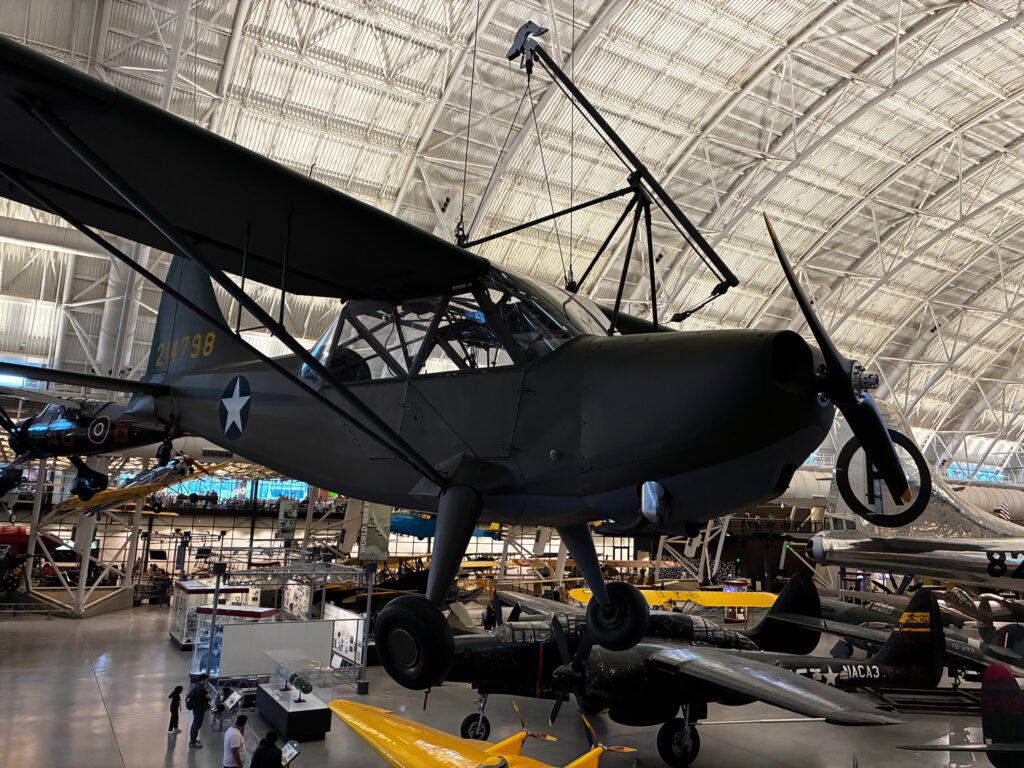
This location also offers a view across the left side of the hangar. Hanging beside the stairs is the Stinson L-5 Sentinel that looks like it was painted to be an early form of stealth propeller plane. The L-5 was a World War II liaison aircraft that was used for medical evacuation, supply runs, and reconnaissance. It was sometimes referred to the as the “Flying Jeep”. Behind the L-5 is another big attraction – the B-29 Bomber, Enola Gay.


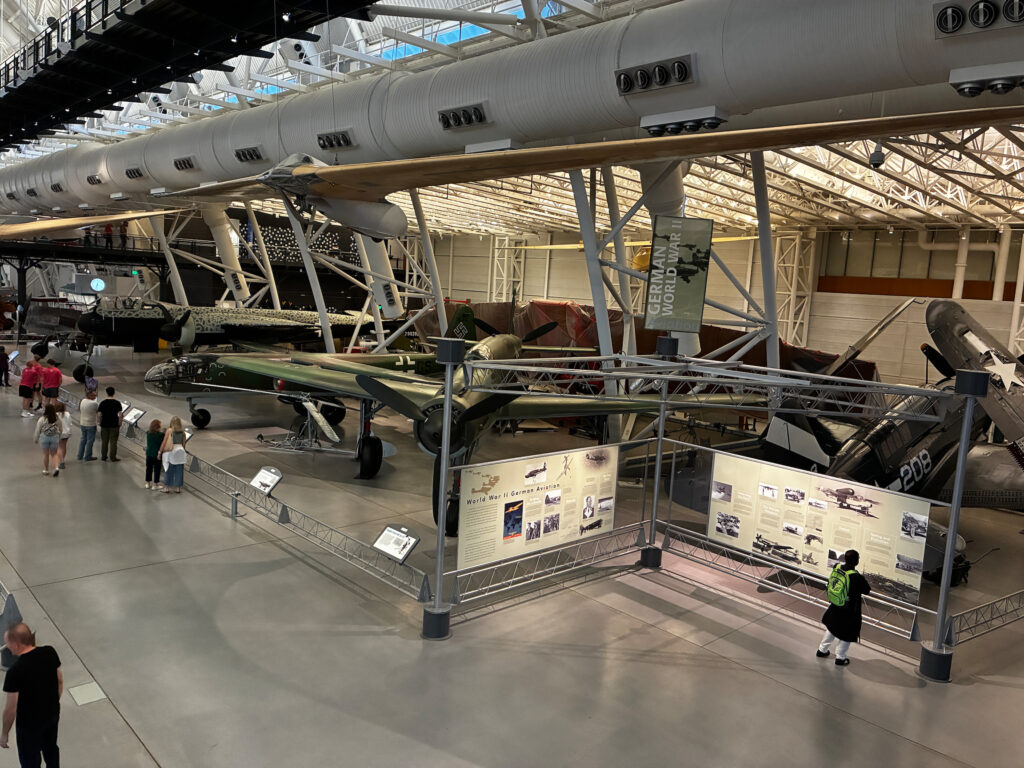
To the right side, there is a display of some German Planes from World War II. At the end of the row is a Curtiss SB2C-5 Helldiver; it was a carrier based dive bombing naval plane developed during World War II.
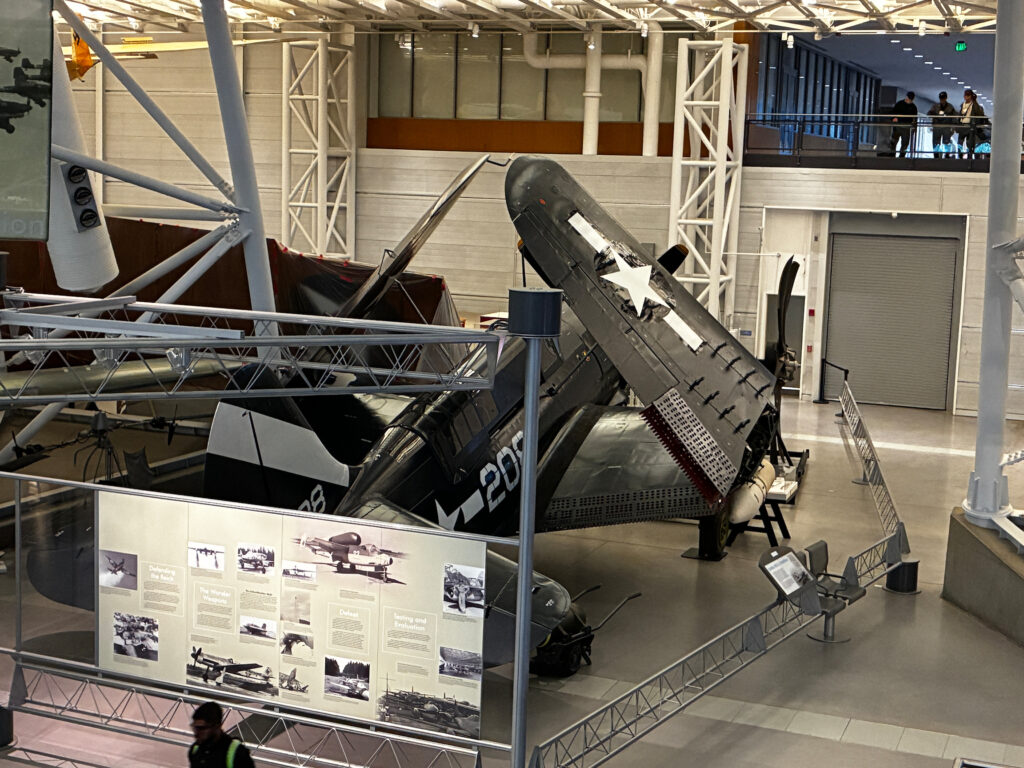
Next, we explored the Space Hanger and, even more interesting, the restoration bay overlooks. Leaving that area, you cross a bridge in the middle of the aviation hangar.
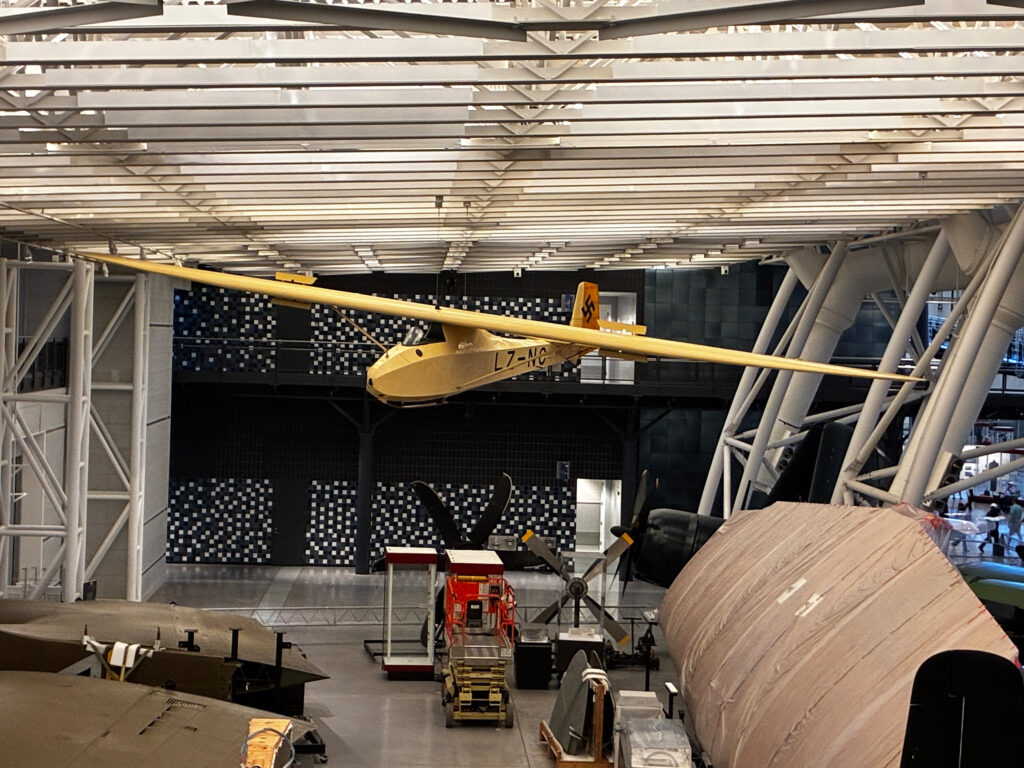
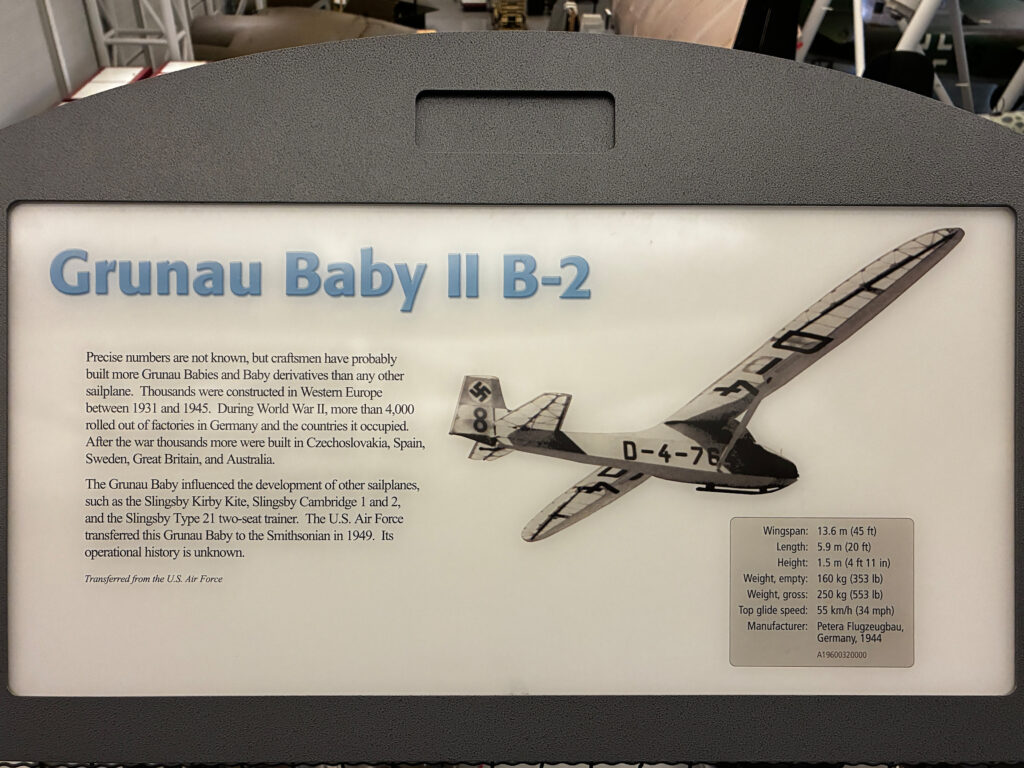
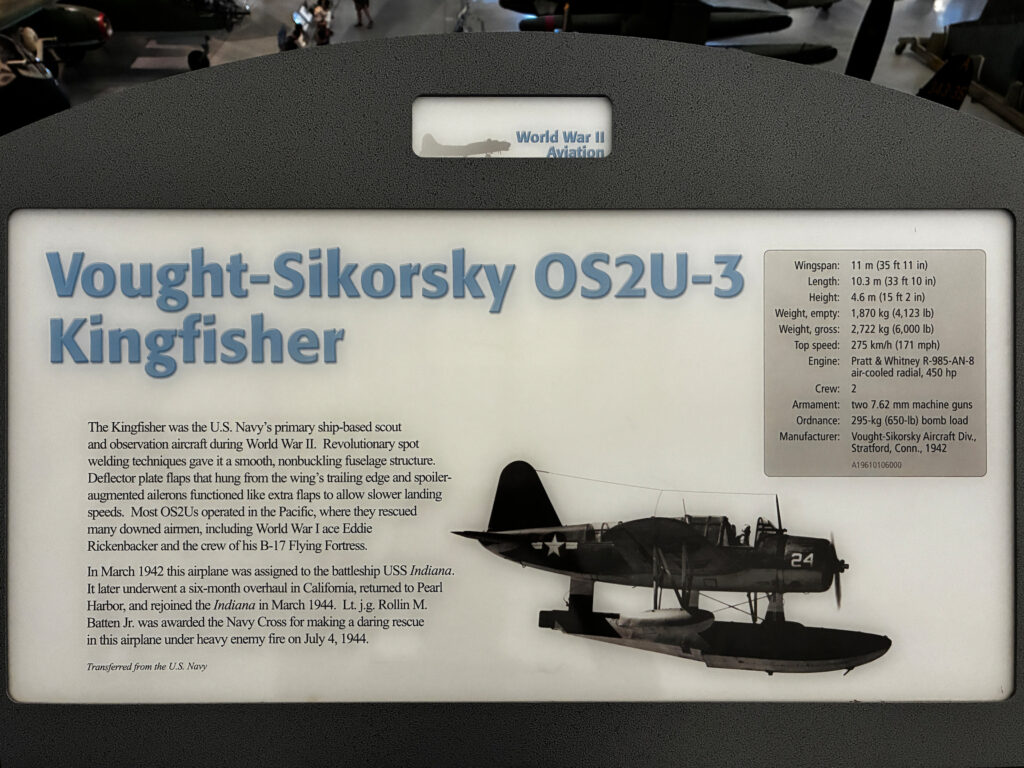
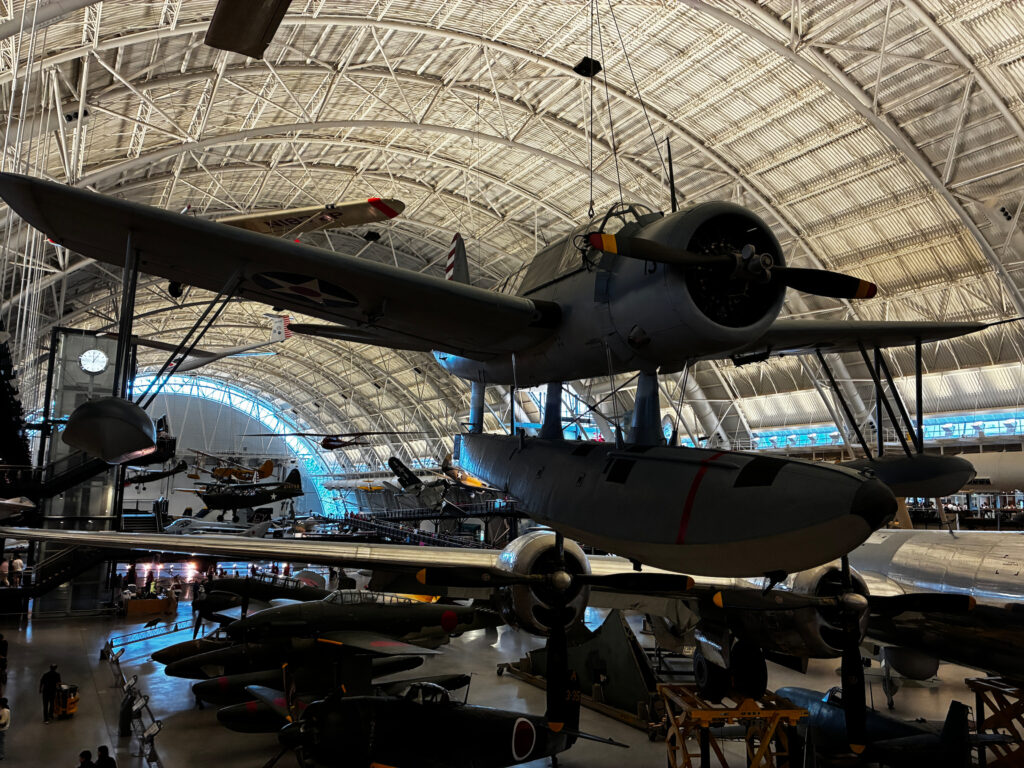
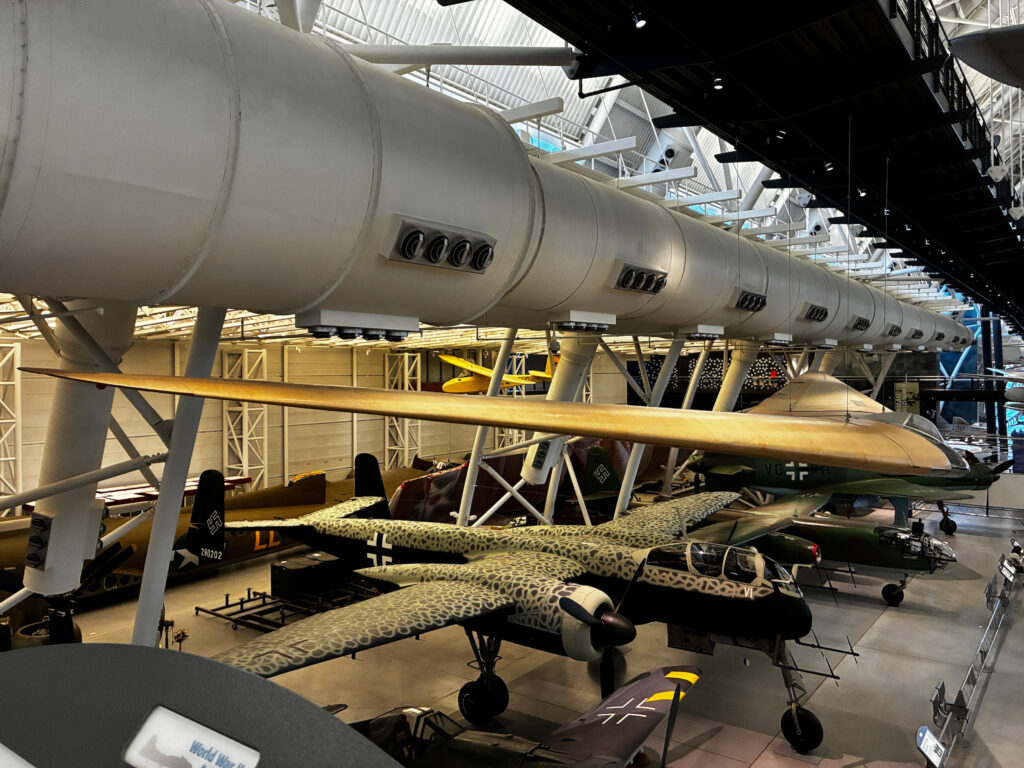
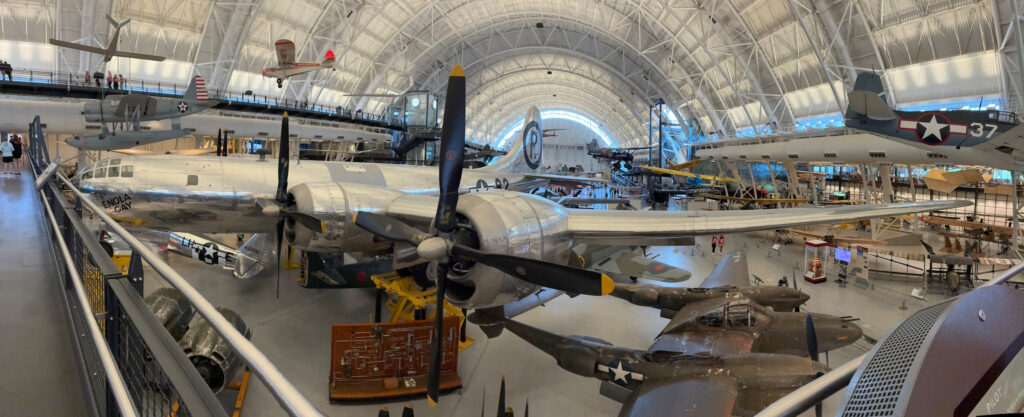
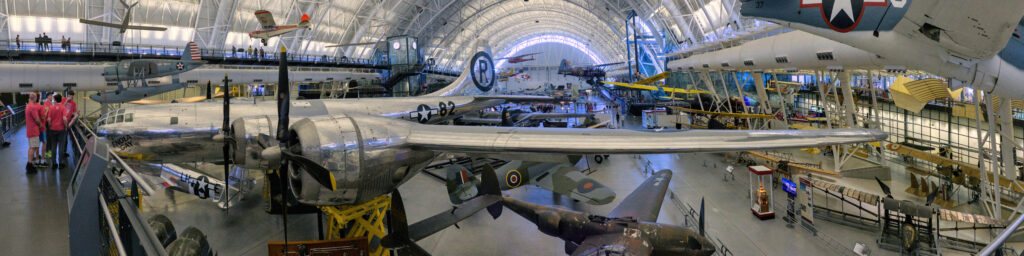
And the B-29 Bomber – the Enola Gay.
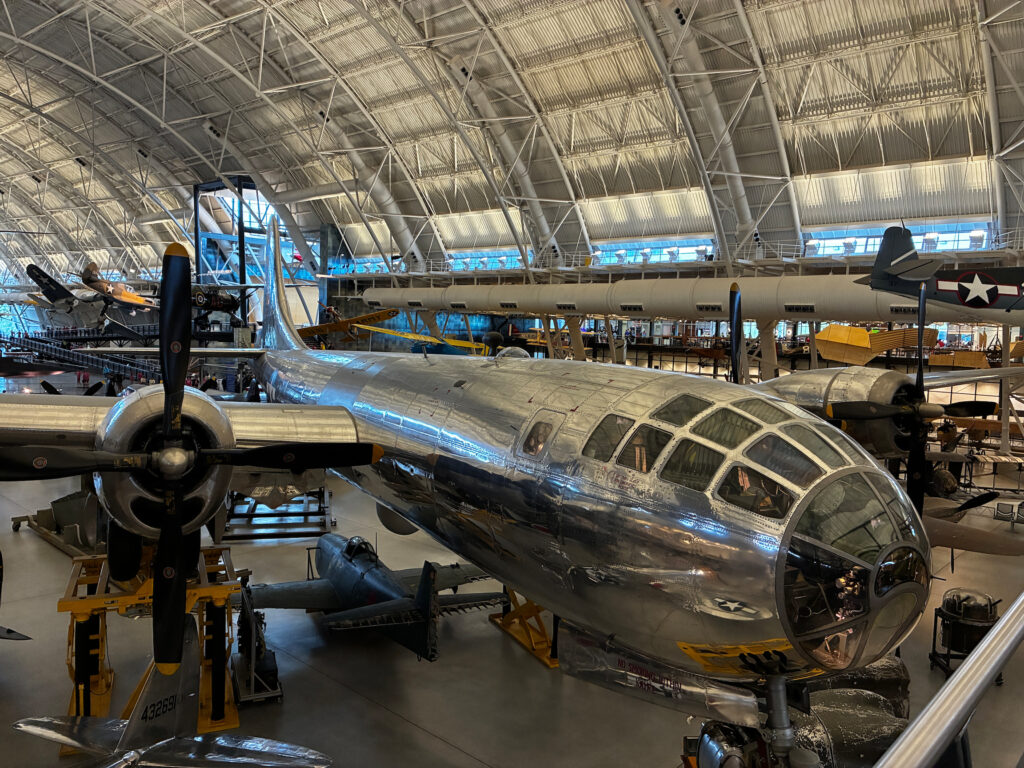
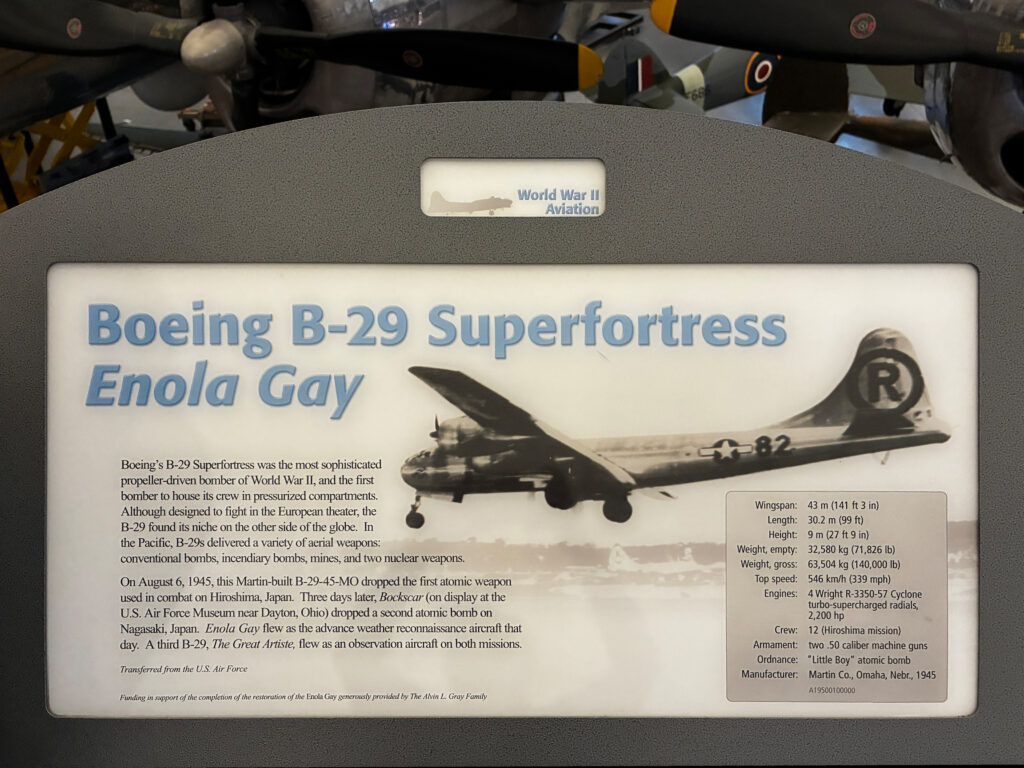
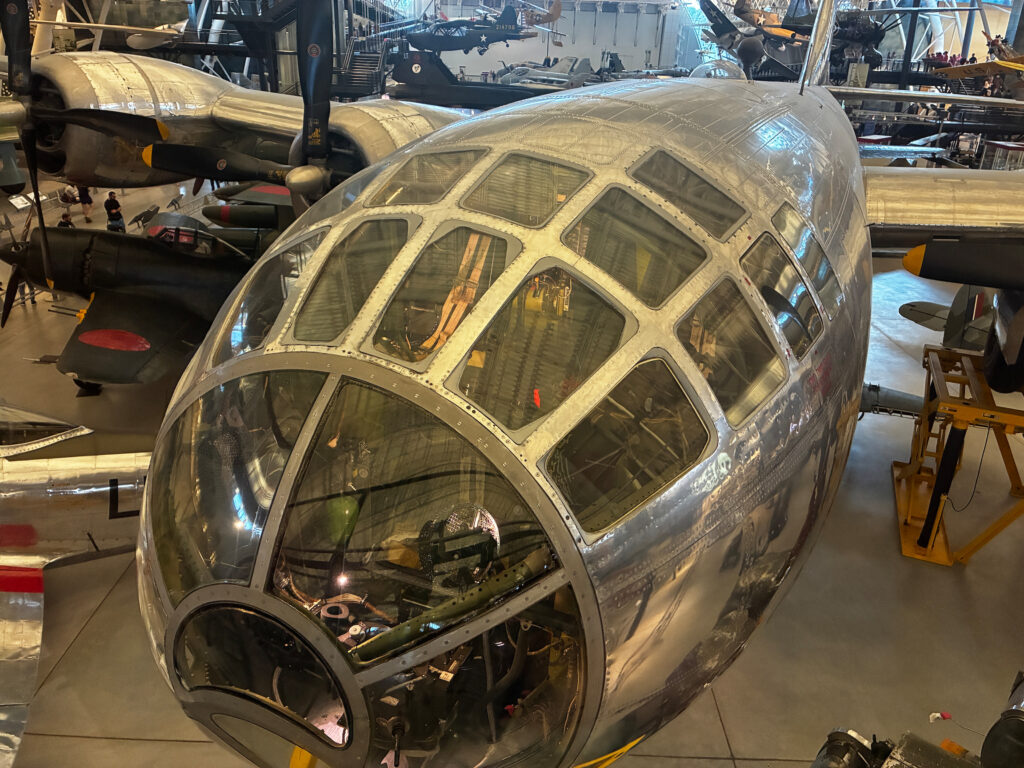
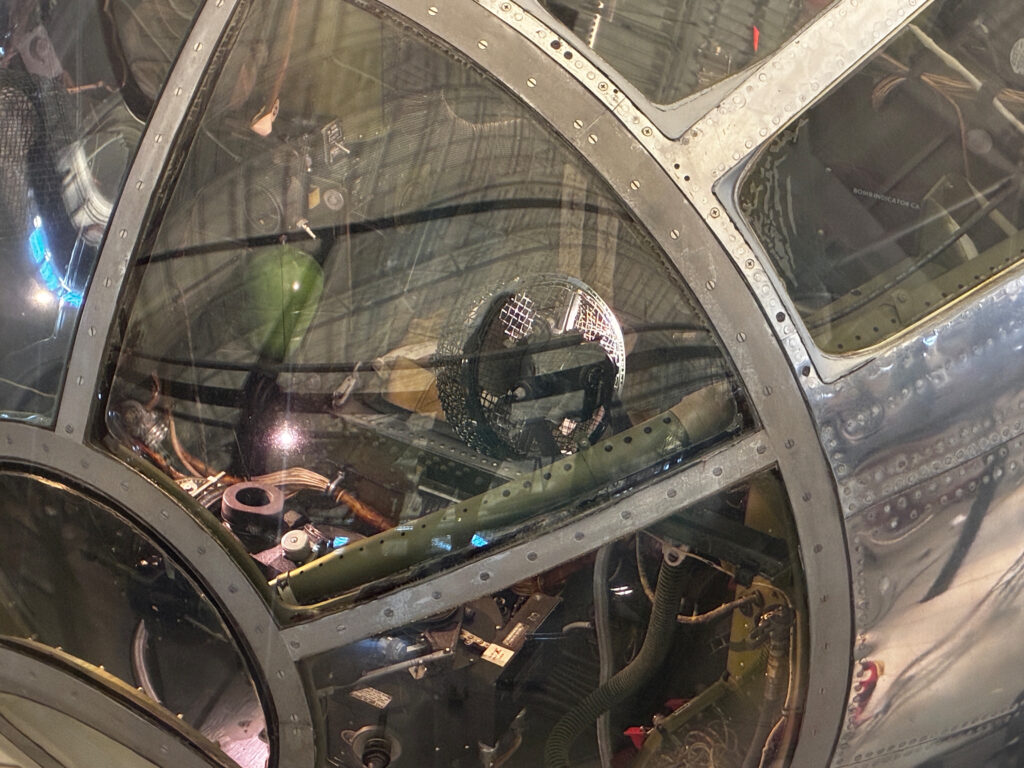
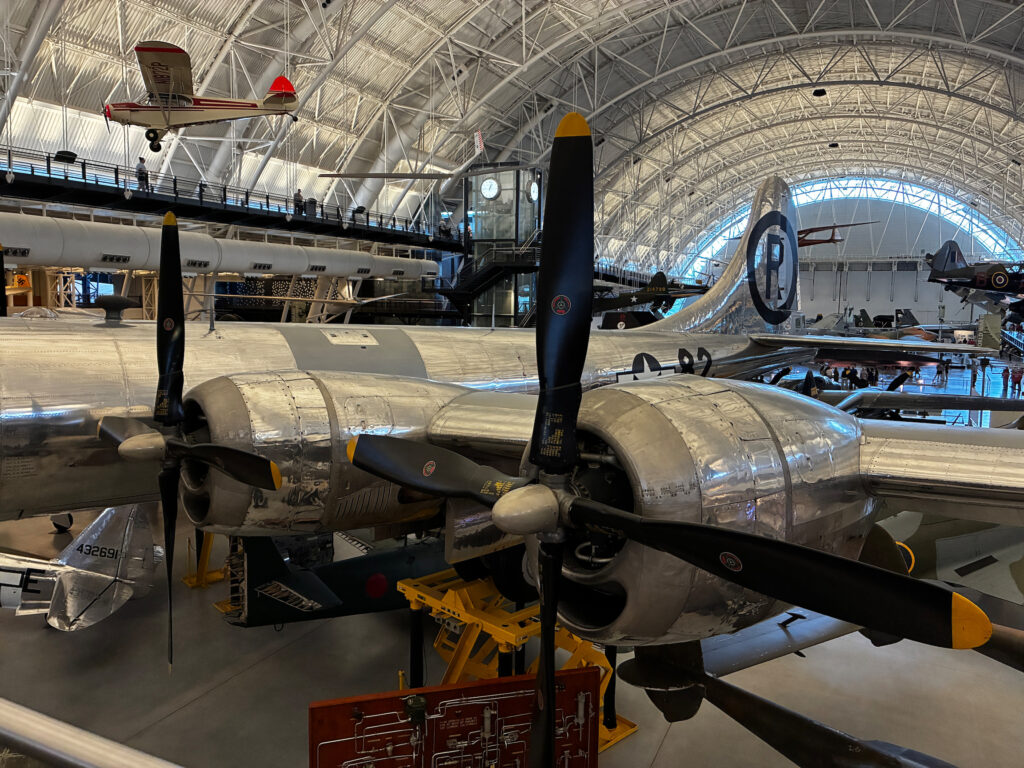
Here is an attempt to get a panorama of the B-29, but it distorts the plane a fair amount.
This is an attempt to correct for the panorama distortion, but it loses part of the hand rail.
After this, you might be surprised to learn that there were even more planes.
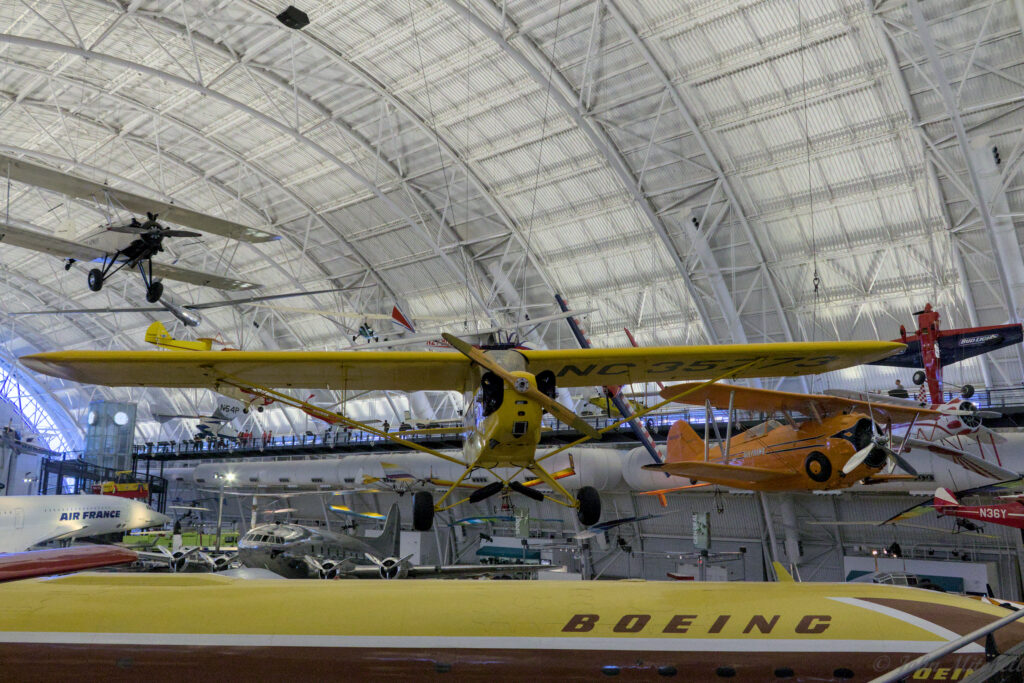
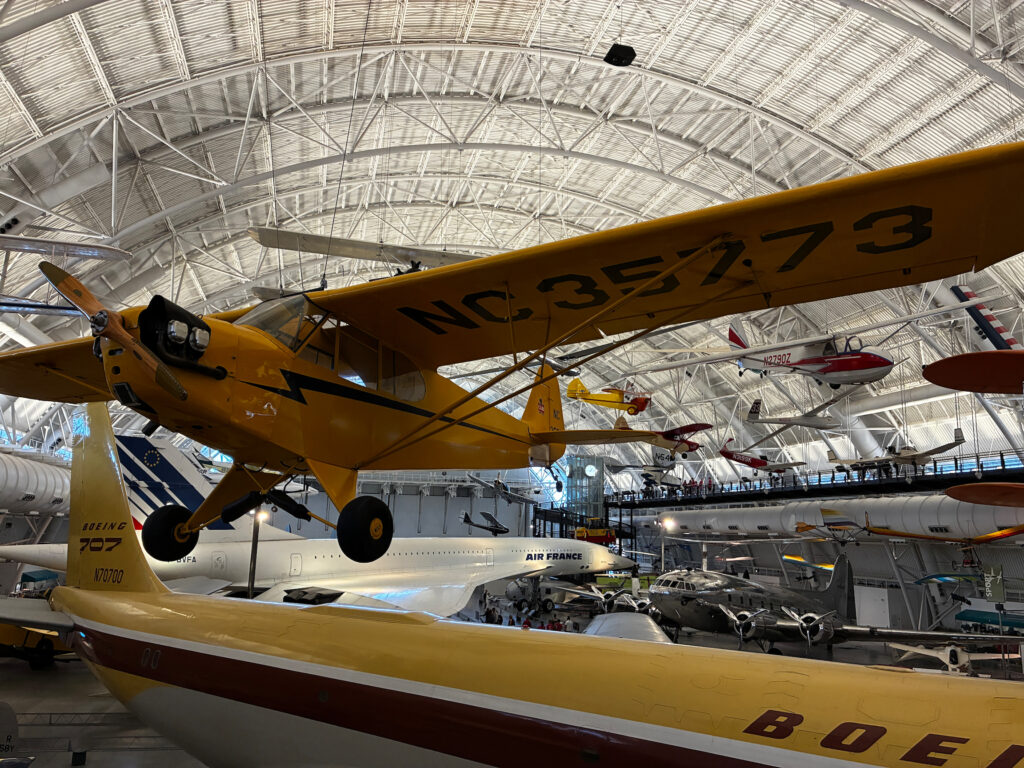
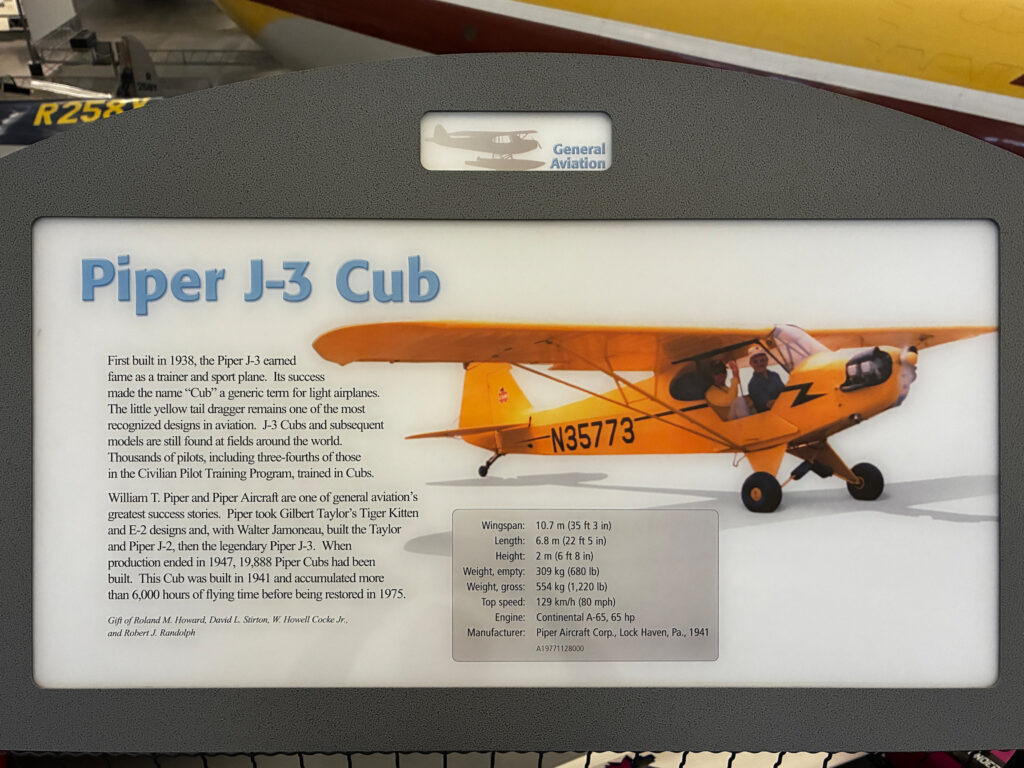
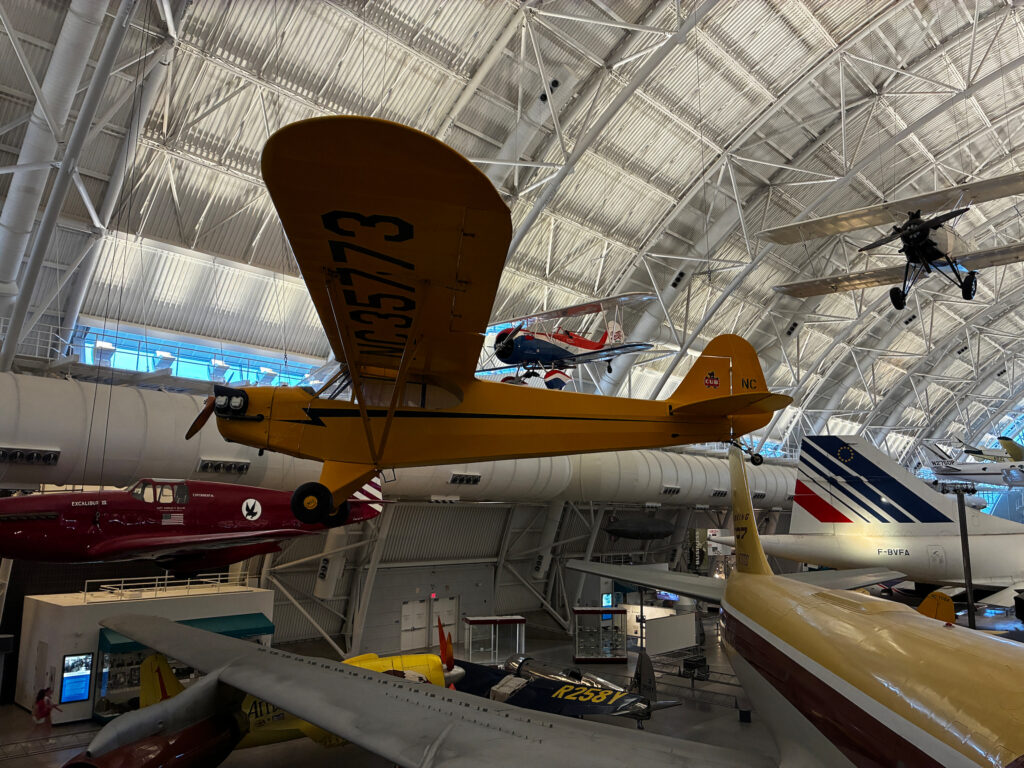
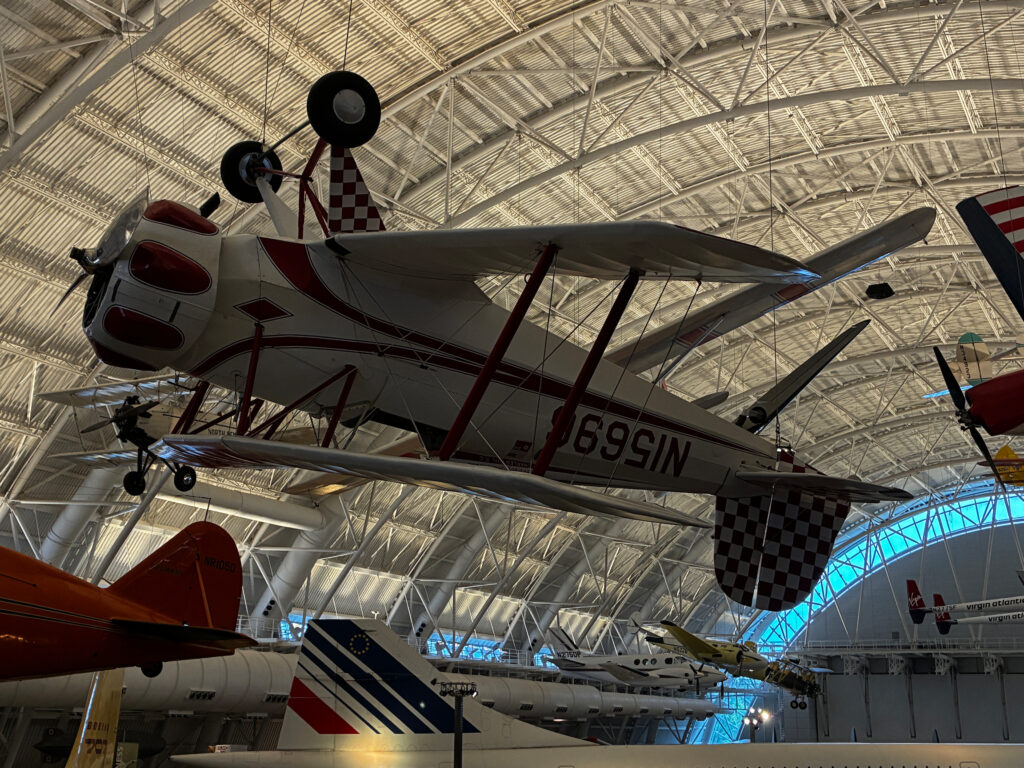
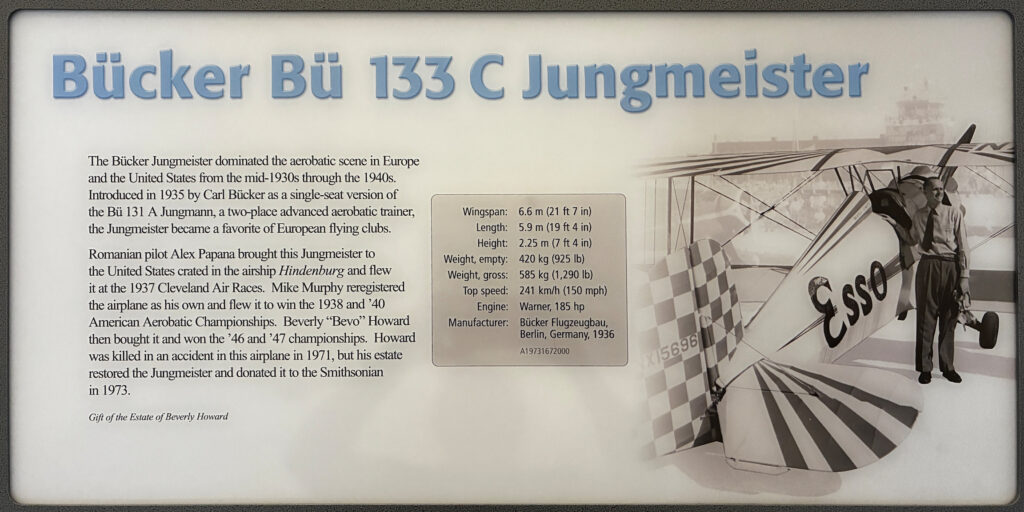
This is the Grumman G-22 Gulfhawk II, Nemesis NXT, and North American P-51C Mustang Excalibur III.
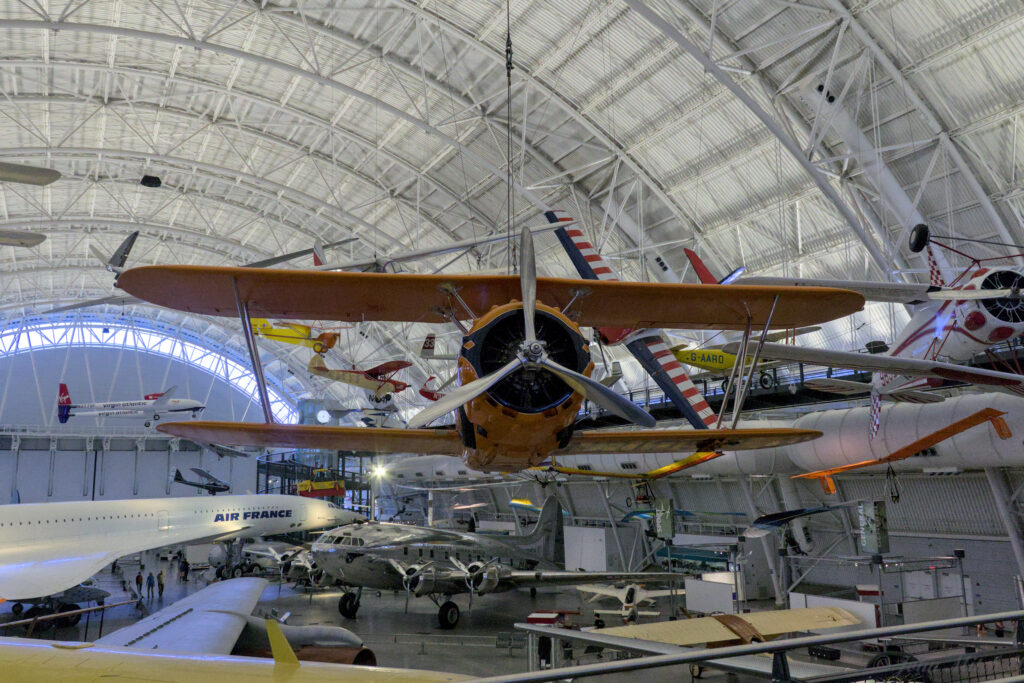
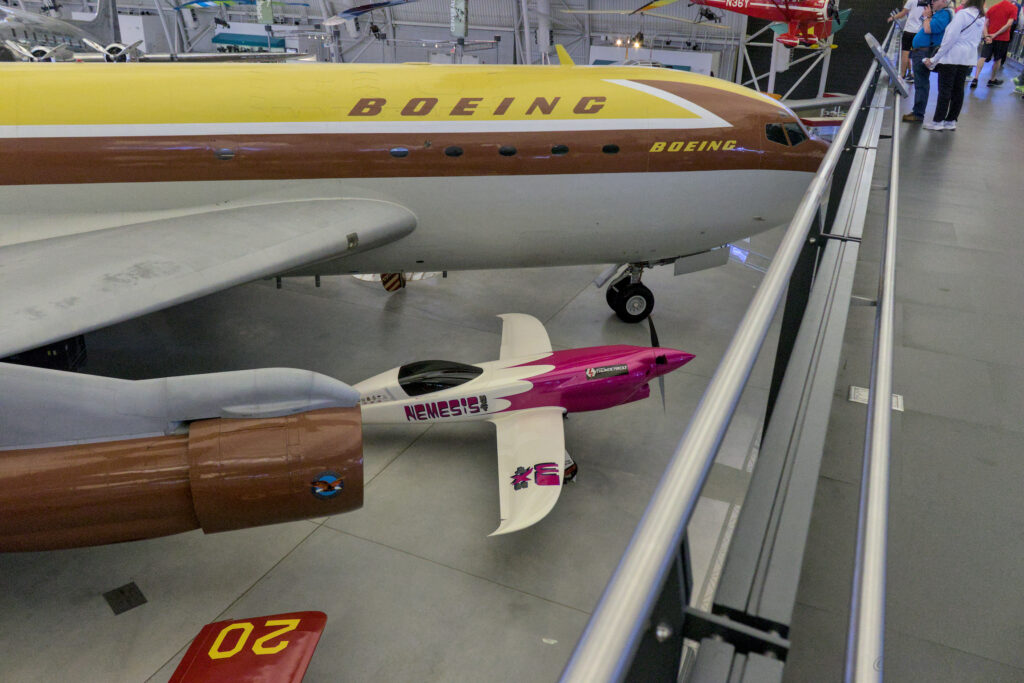
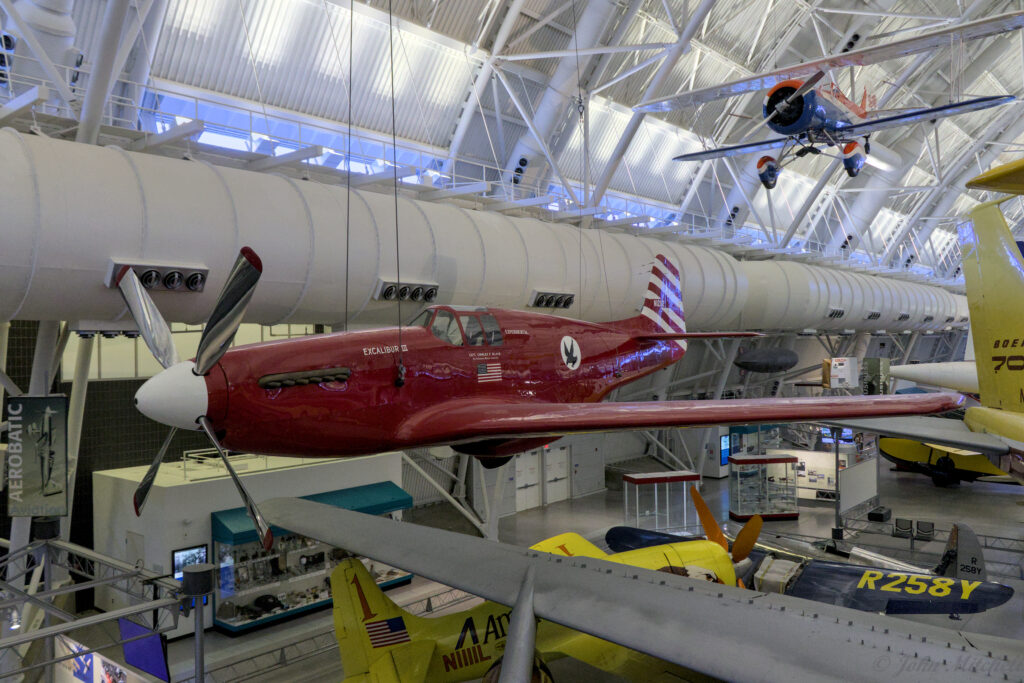
And the Boeing 307 Stratoliner Clipper Flying Cloud; you would think a government committee was used to name that plane. You can see the front of the Concord Jet on the left.

The bridge leaving the restoration area heads to the old planes, restaurant, store, and flight simulators.
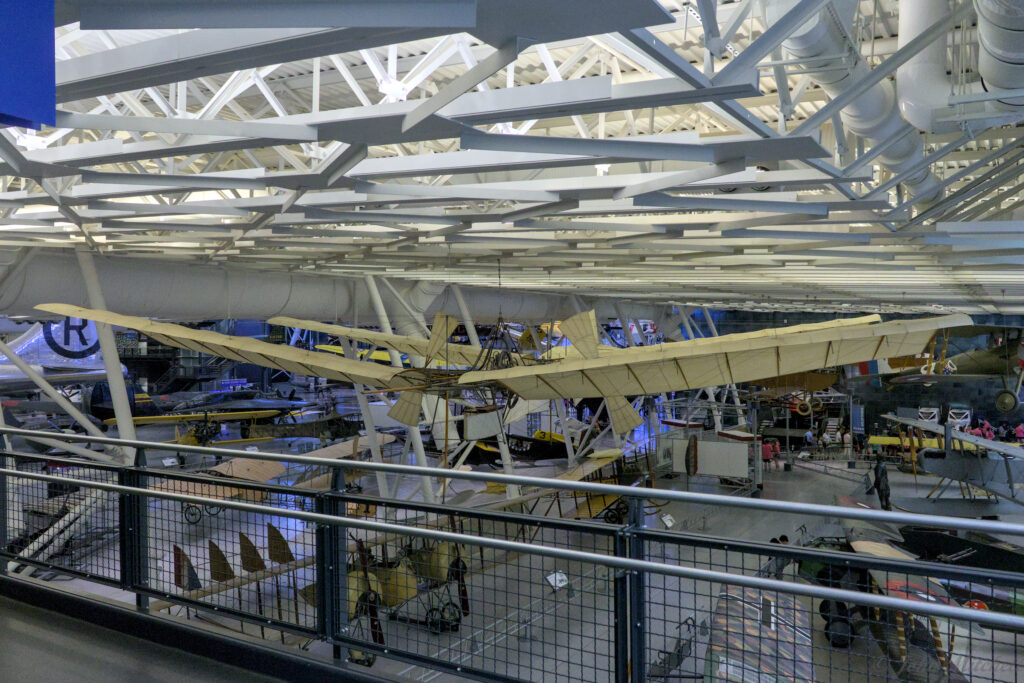
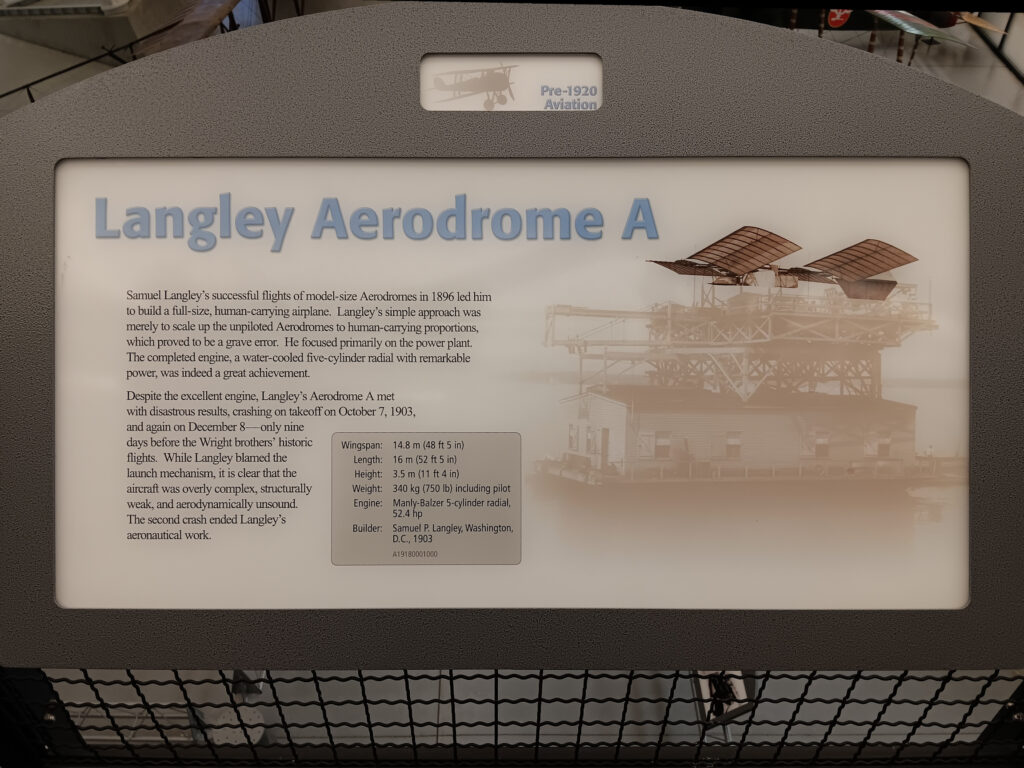
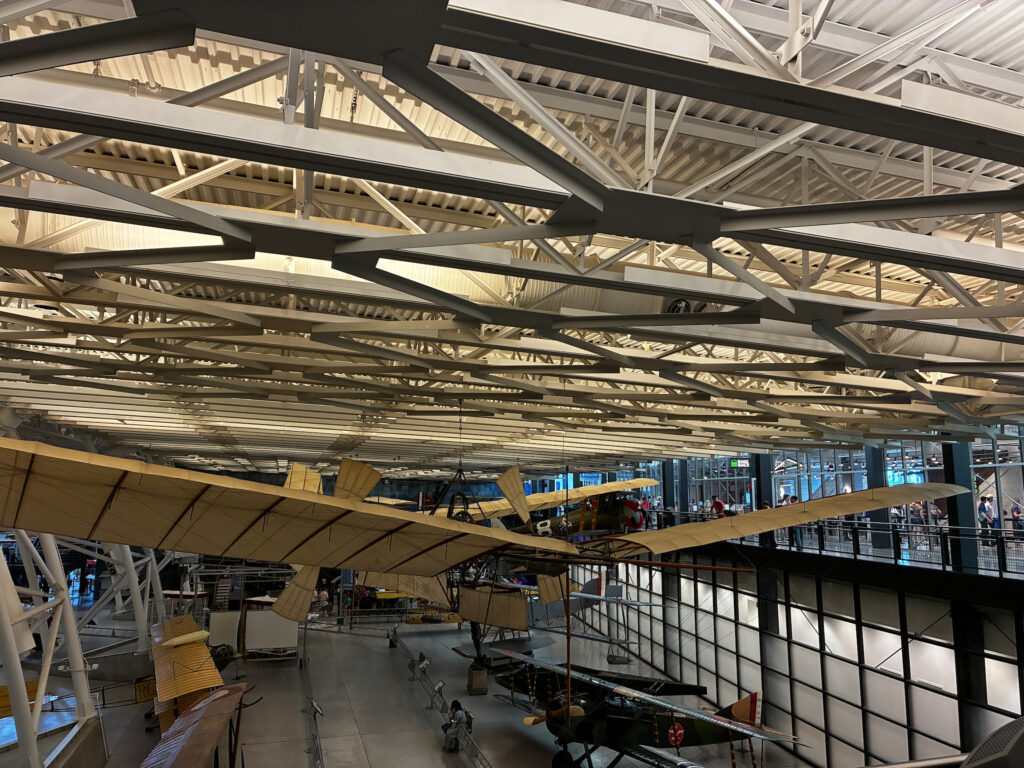
And the Farman Sport. (Mad props to the crazy people that thought flying in a wooden airplane was perfectly fine.)
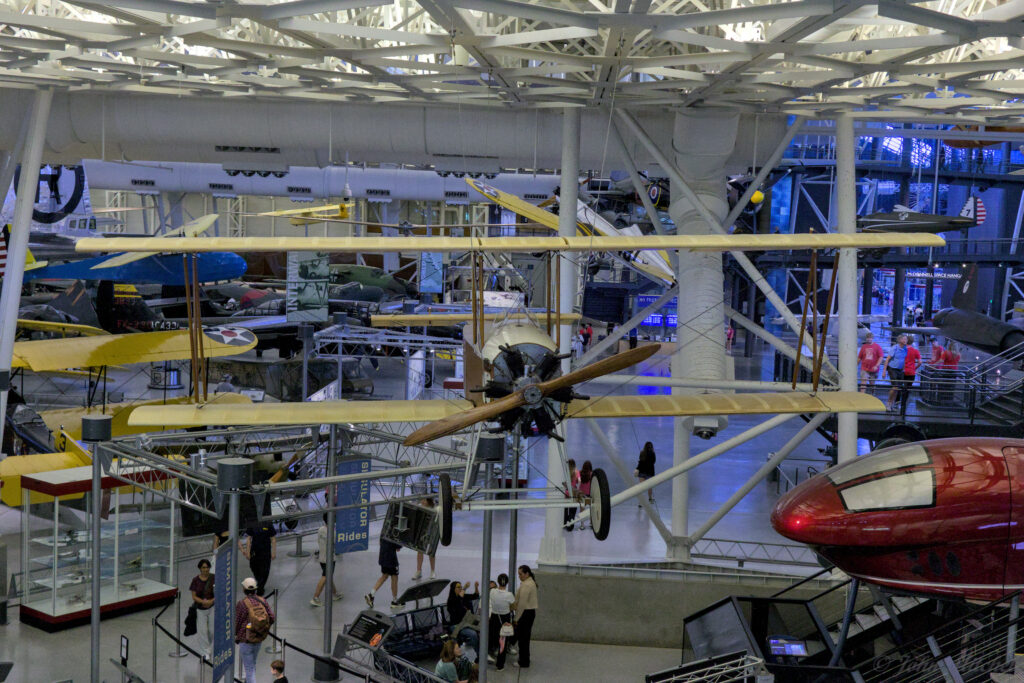
Does watching the flight simulators makes you a little motion sick?
Past the flight simulator is the visitor center, so we went down the ramp to the right on the entry viewing deck to see the modern military aircraft on the way to the highest deck.
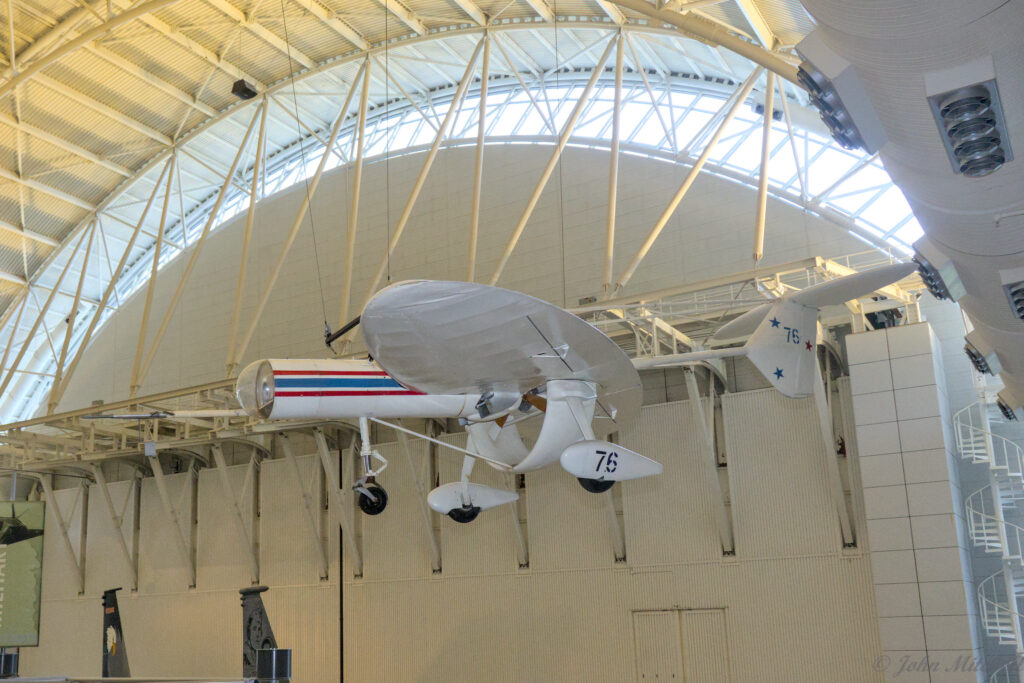
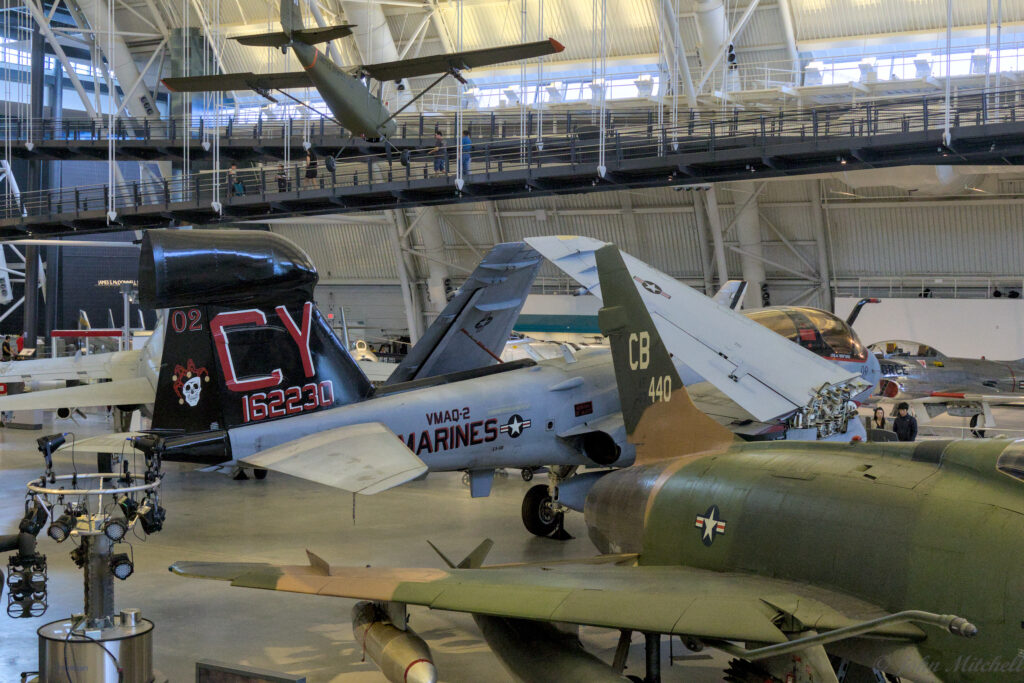
Not as prevalent as World War II, but some of the planes still have interesting logos, like jester skulls.
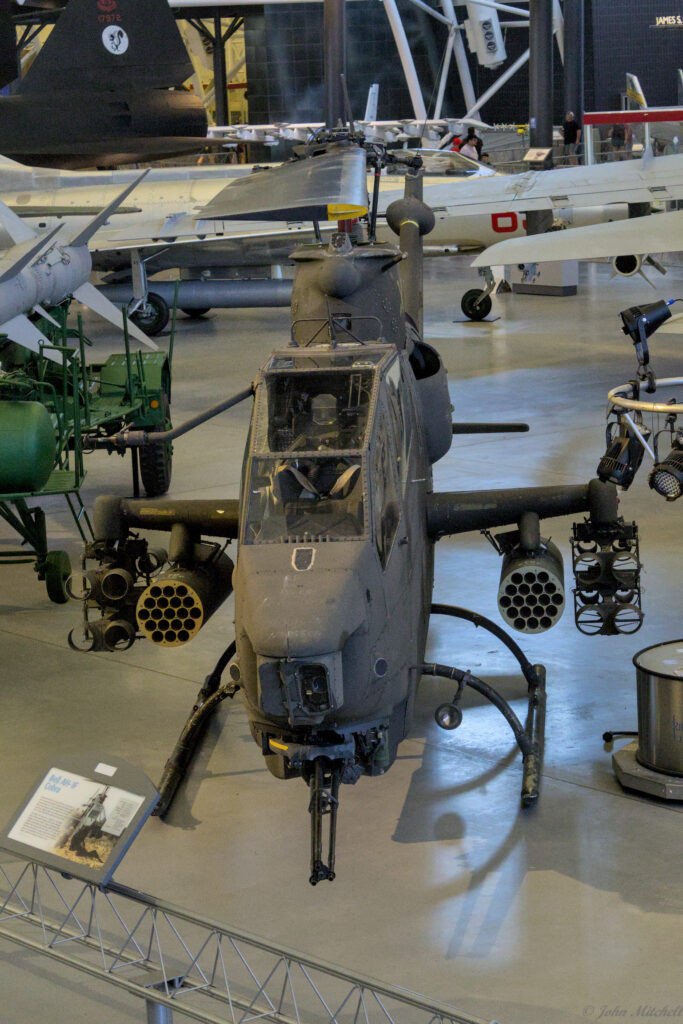
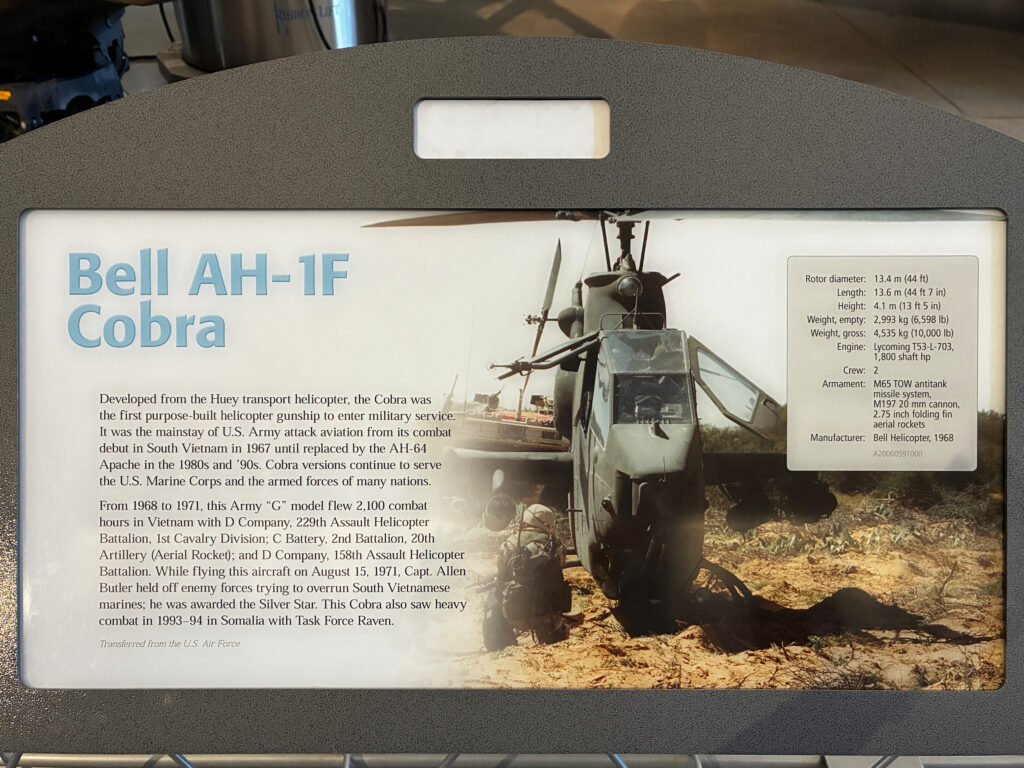
There is a smattering of well known military jets, helicopters, and other things.
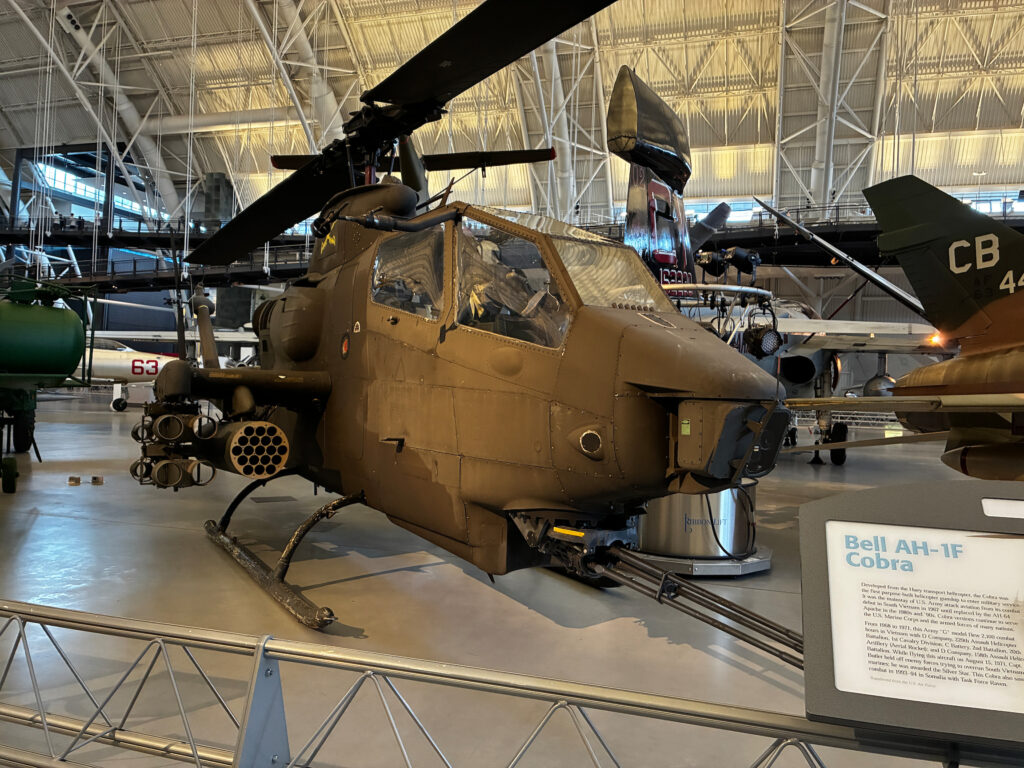
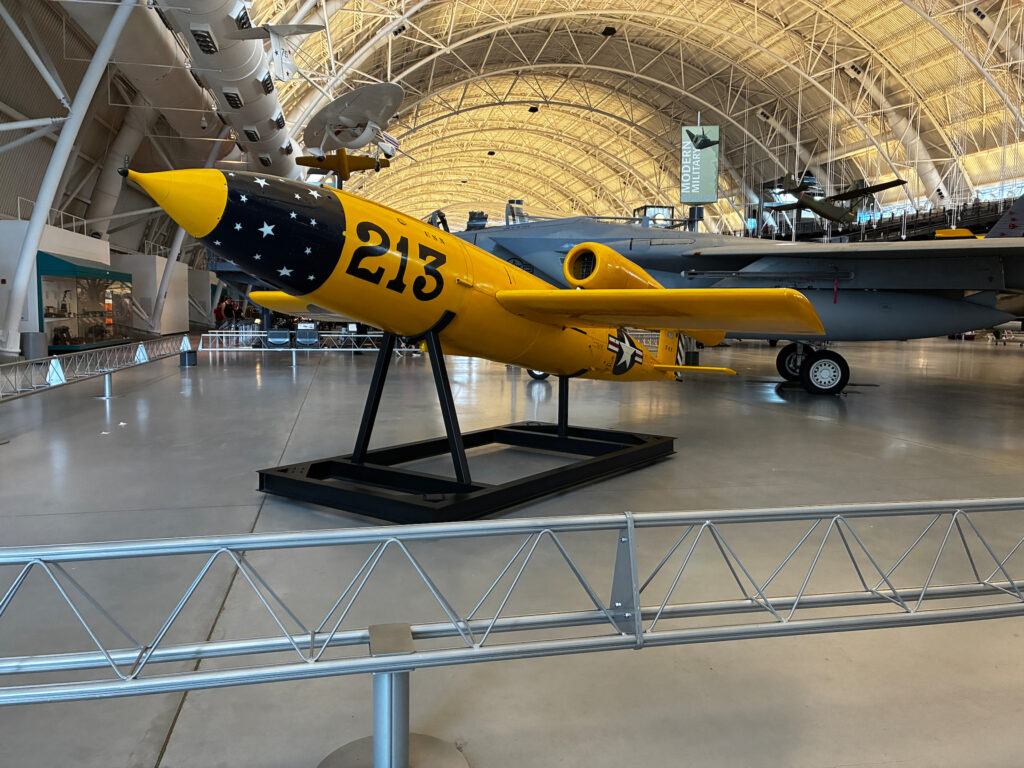
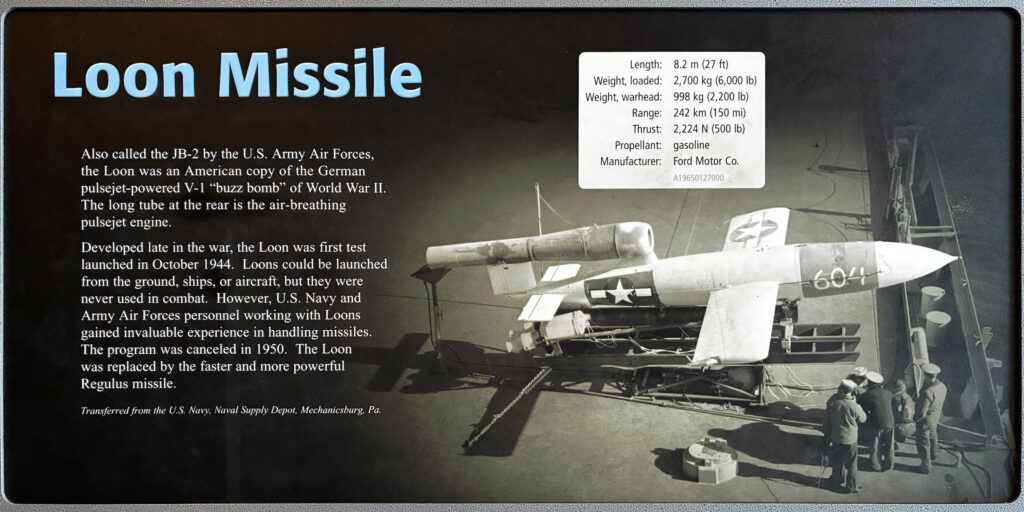
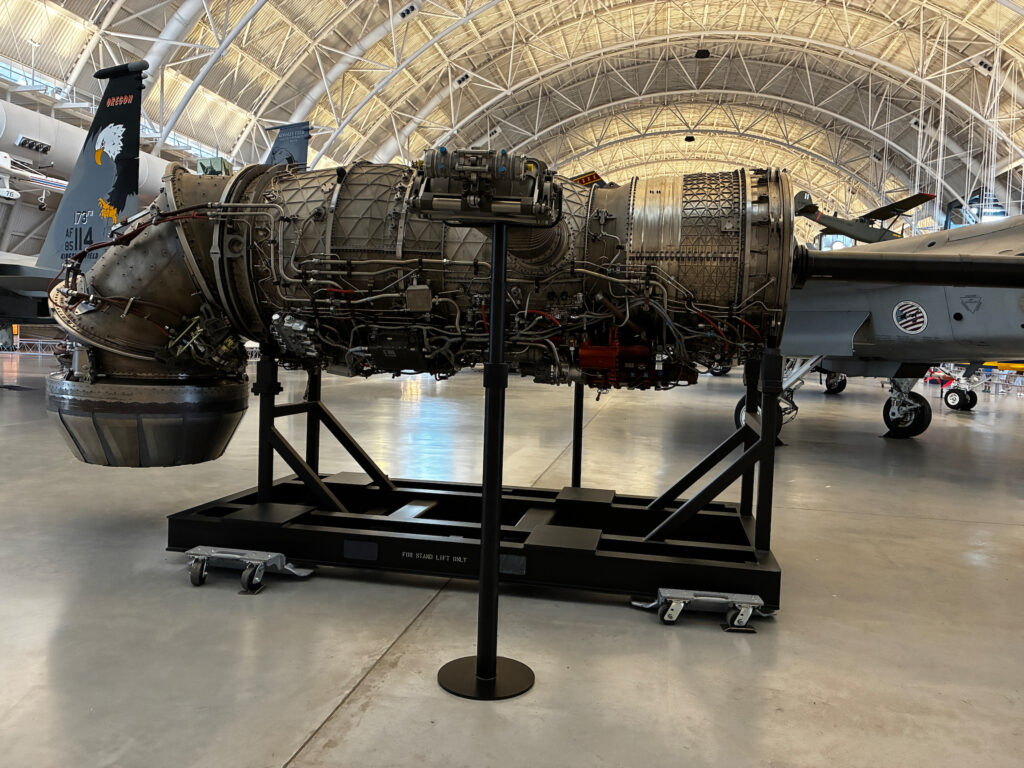

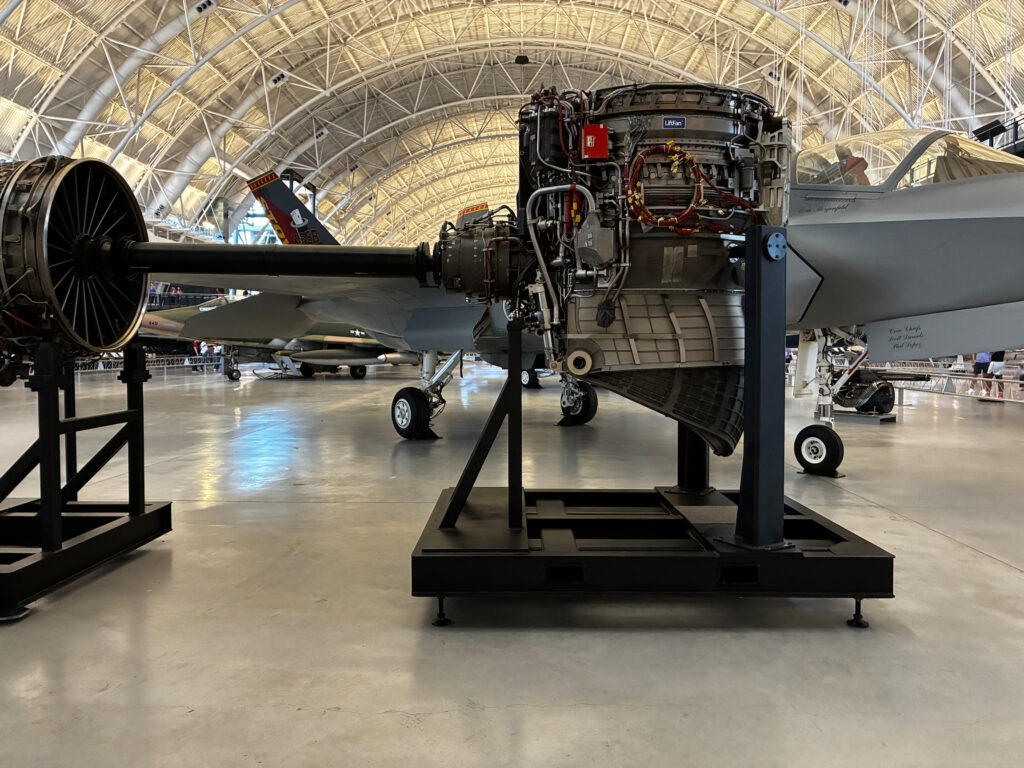
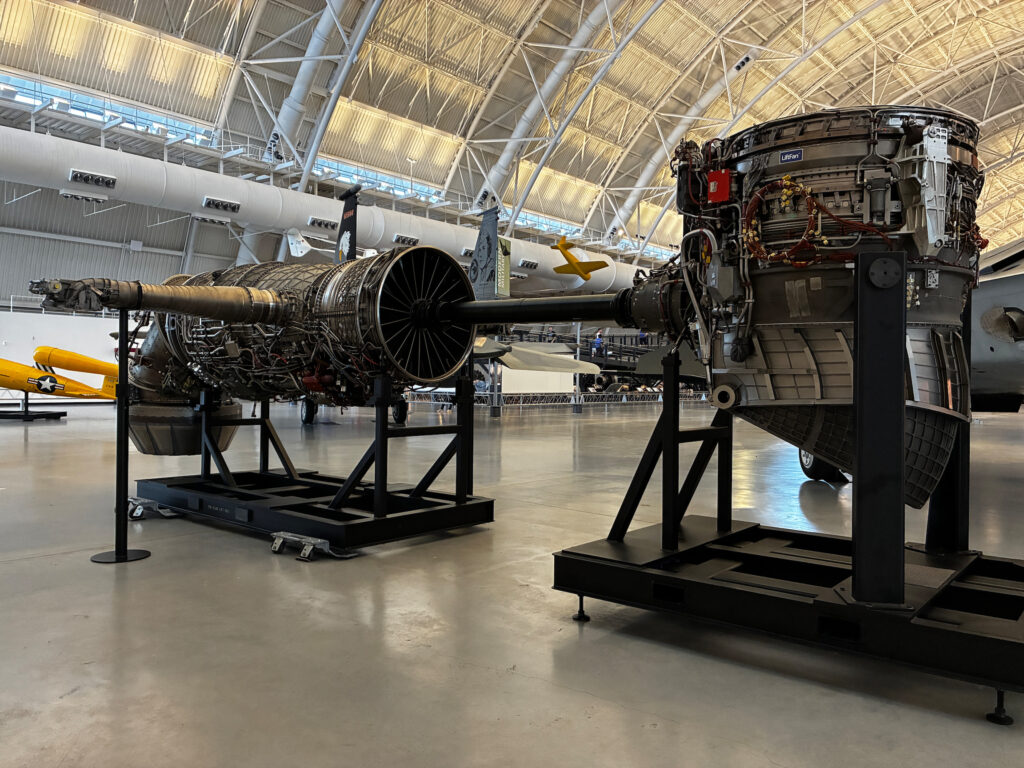
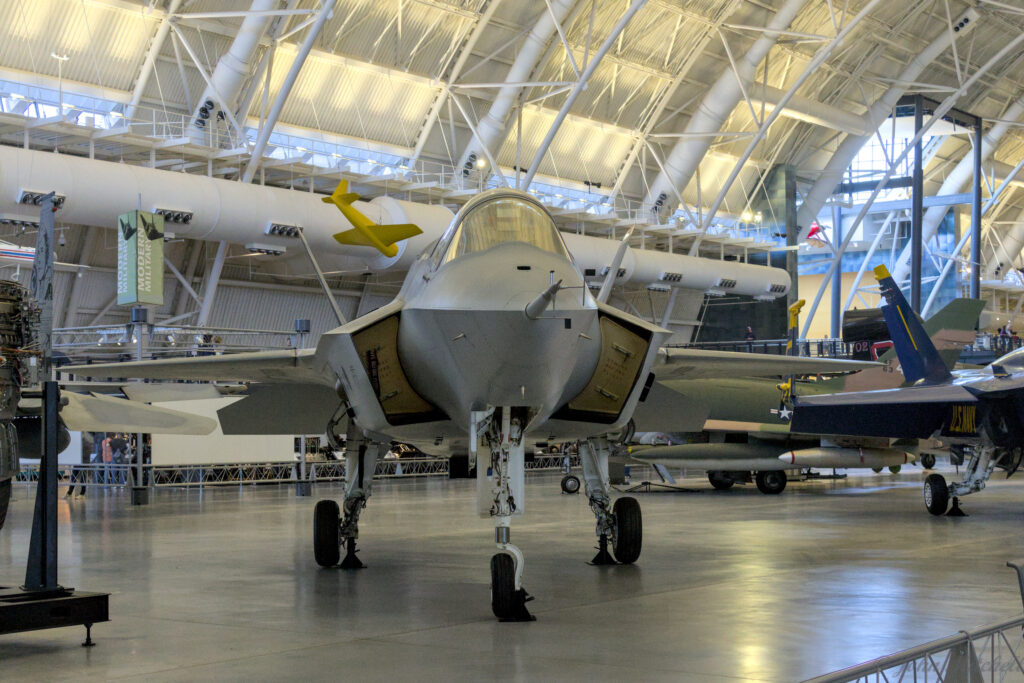
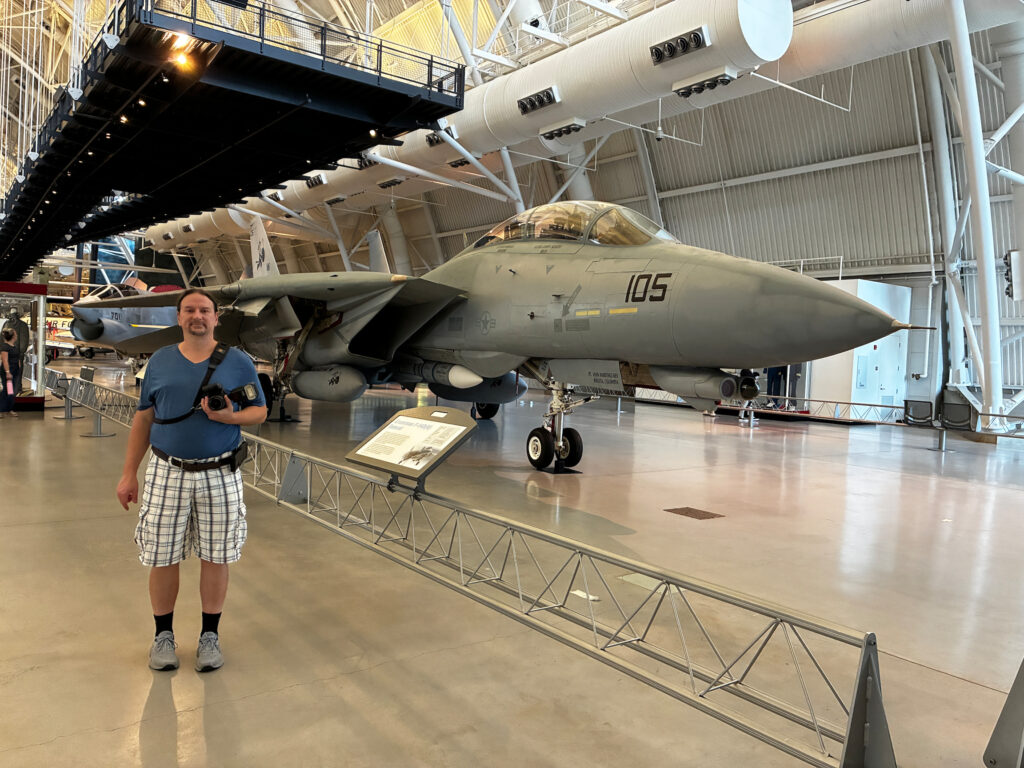
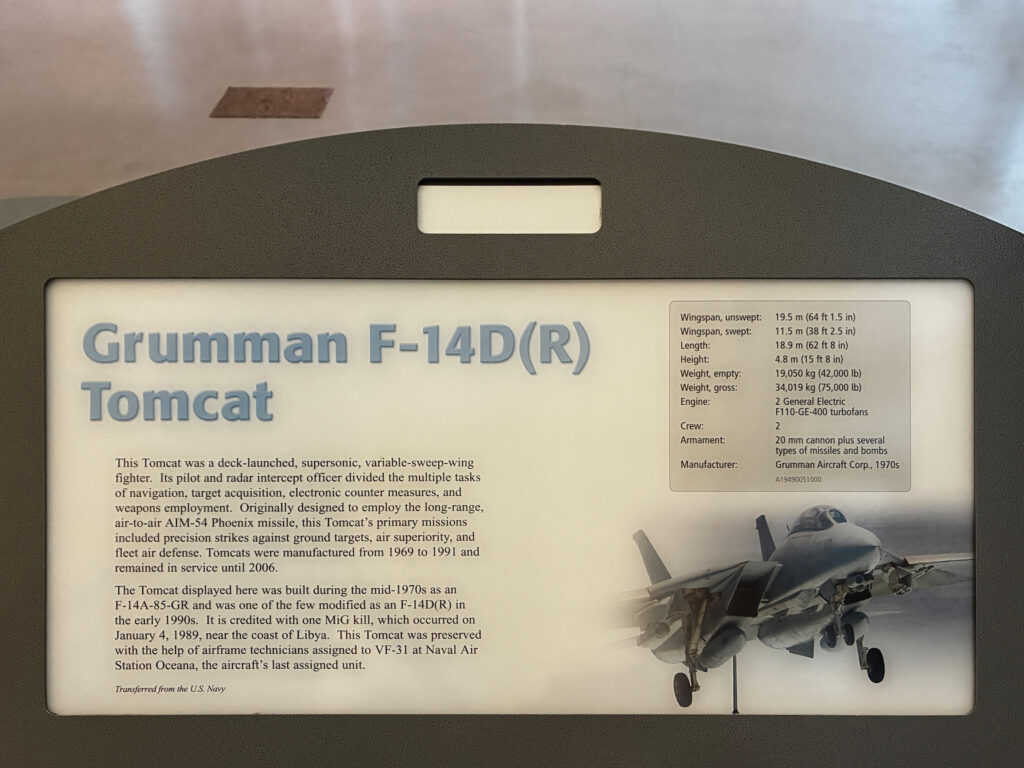
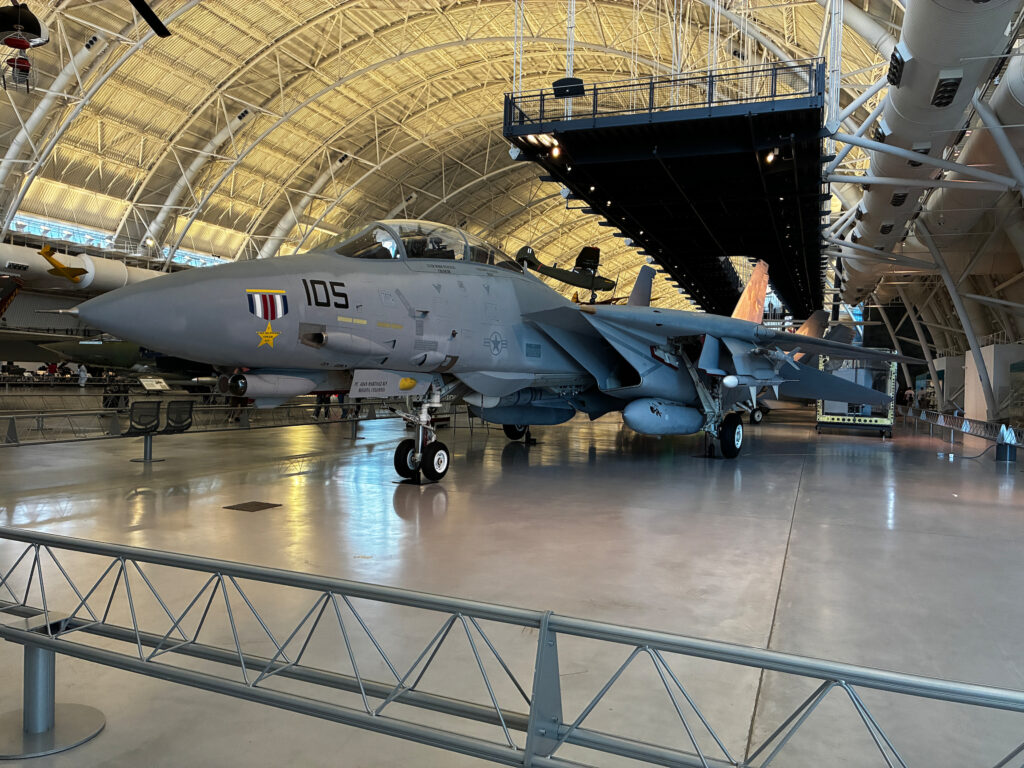
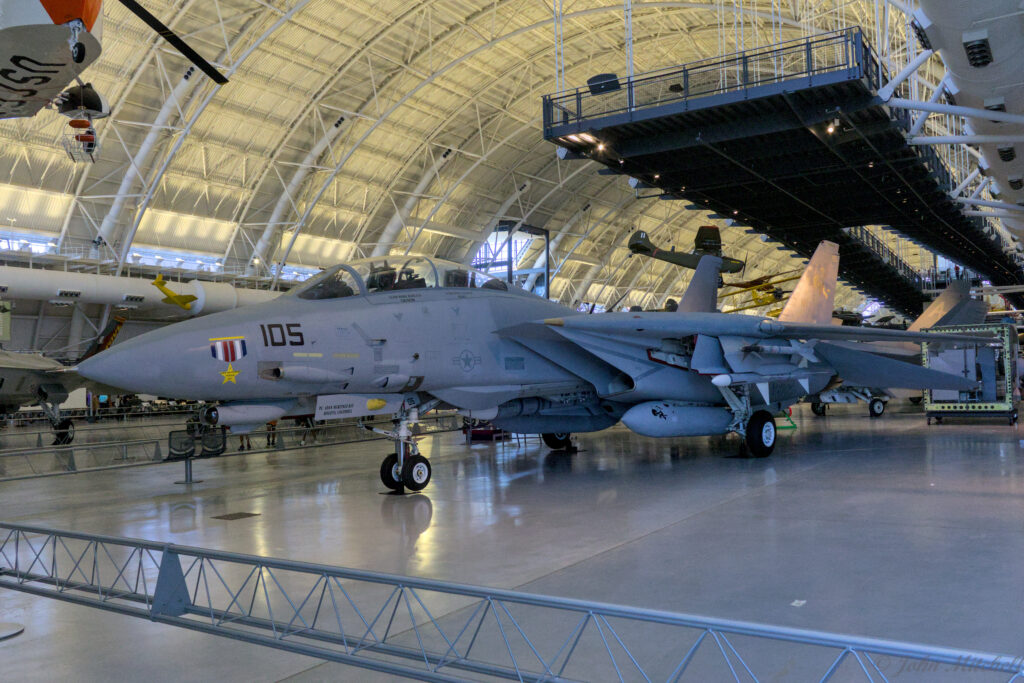

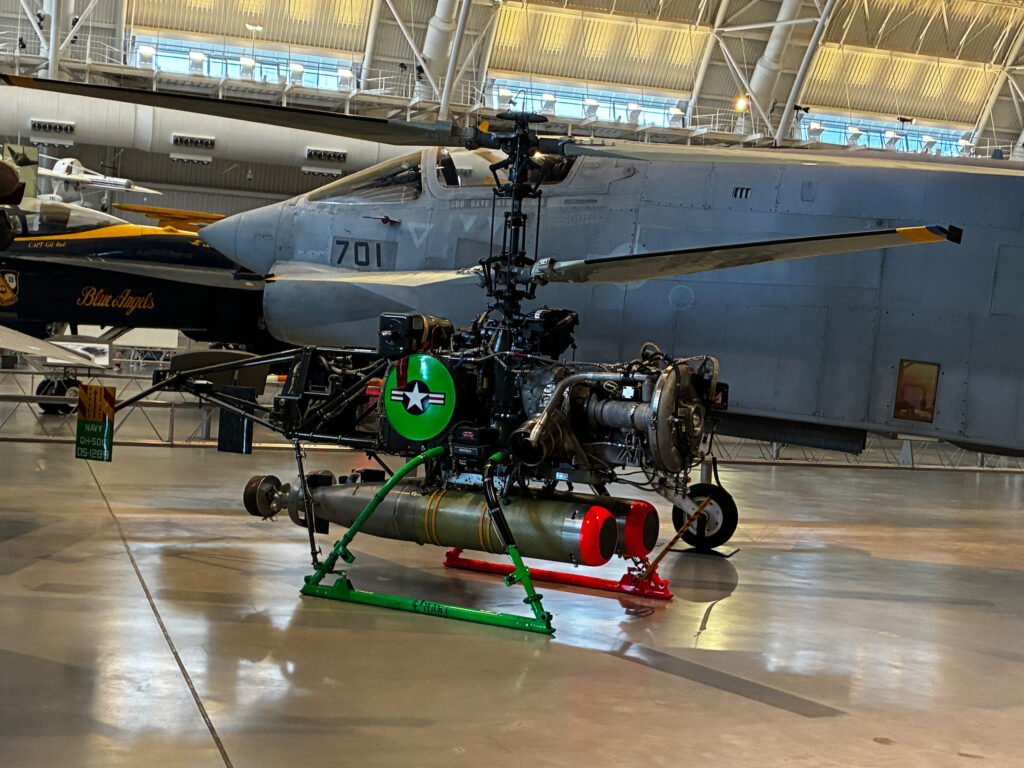
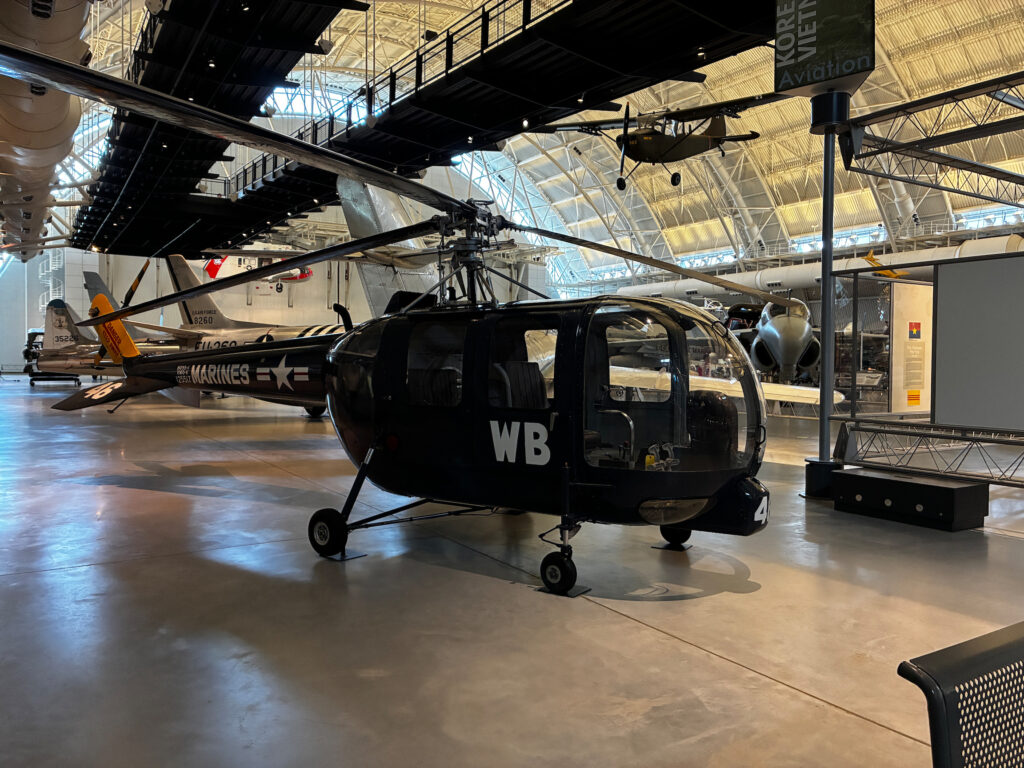
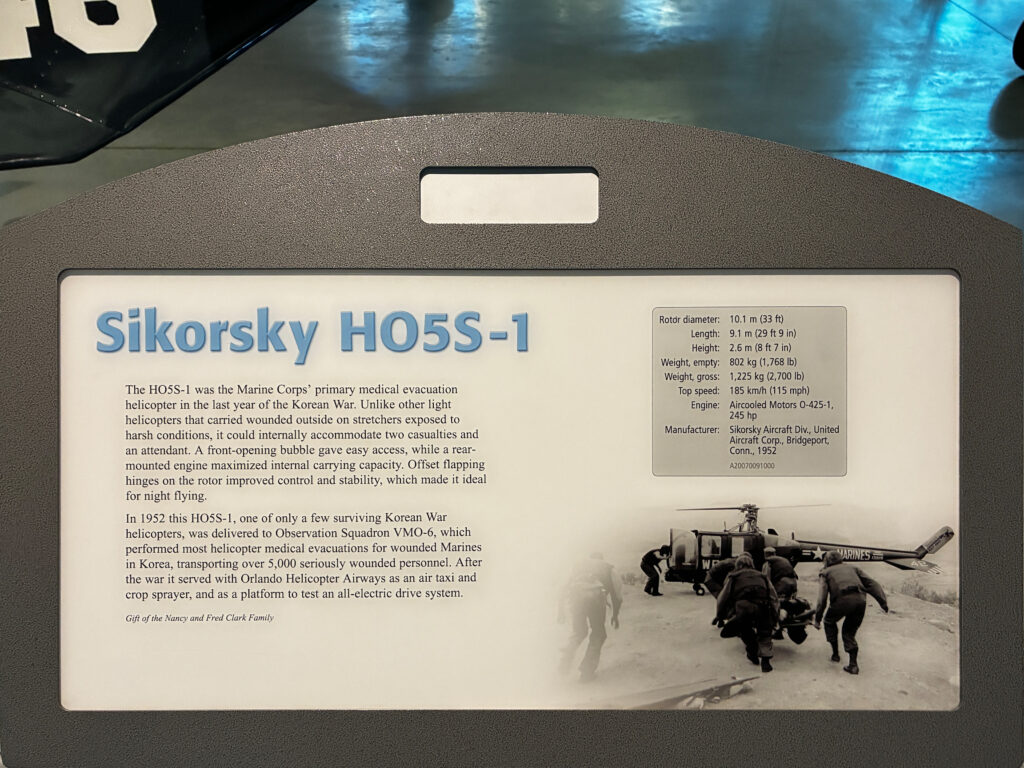
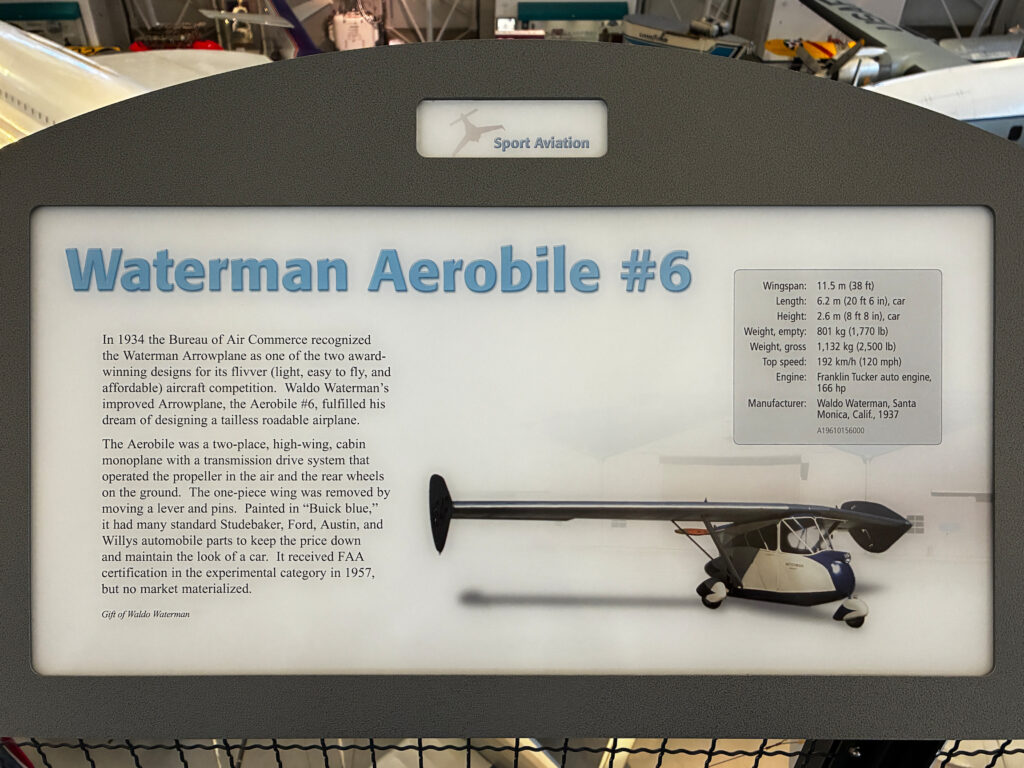
From here, we went back up the stairs in front of the Space Hangar and up the ramp to the highest walkway. There are some oddities up here, like the Aerobile. Those four pins holding the wings on top look really strong and secure….

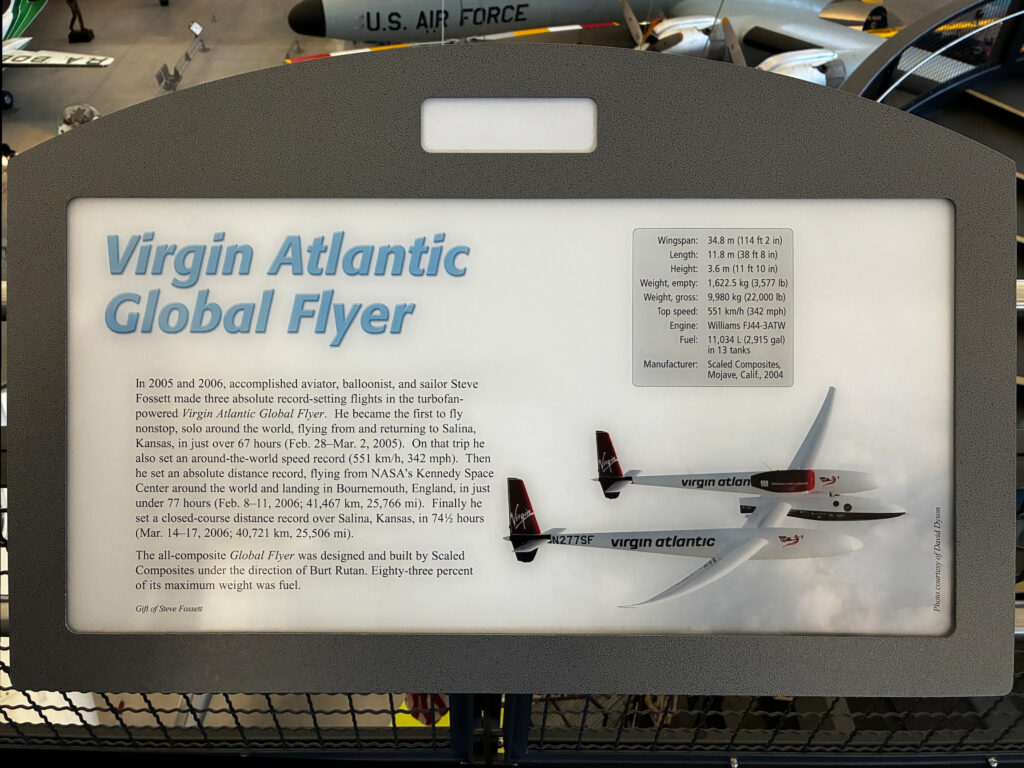
John is pretty sure that he remembers the news about this one.
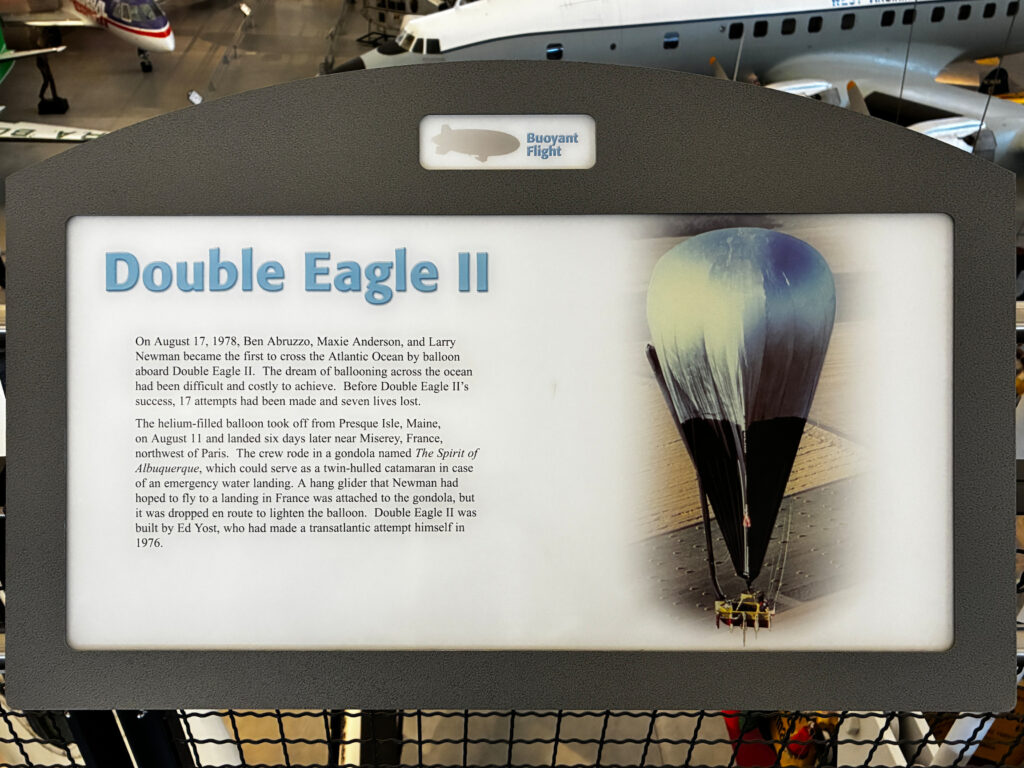
Kate was highly amused by the lawn chairs on the deck of the balloon gondola.
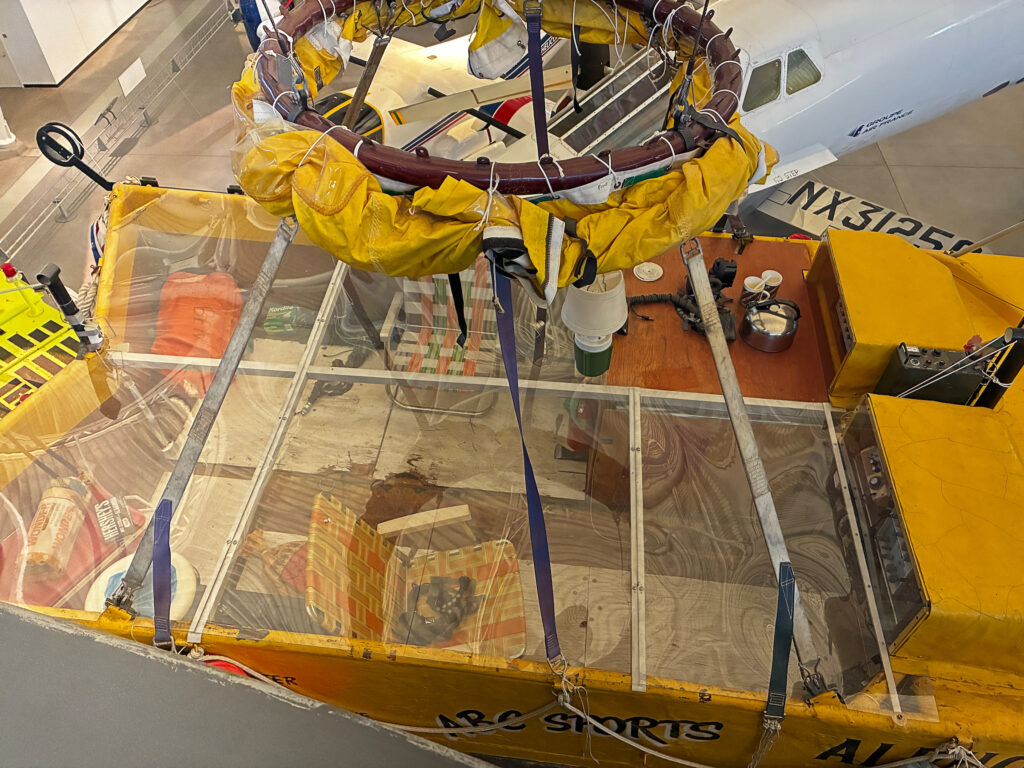
Not only do they have lawn chairs, they have a bag toilet.
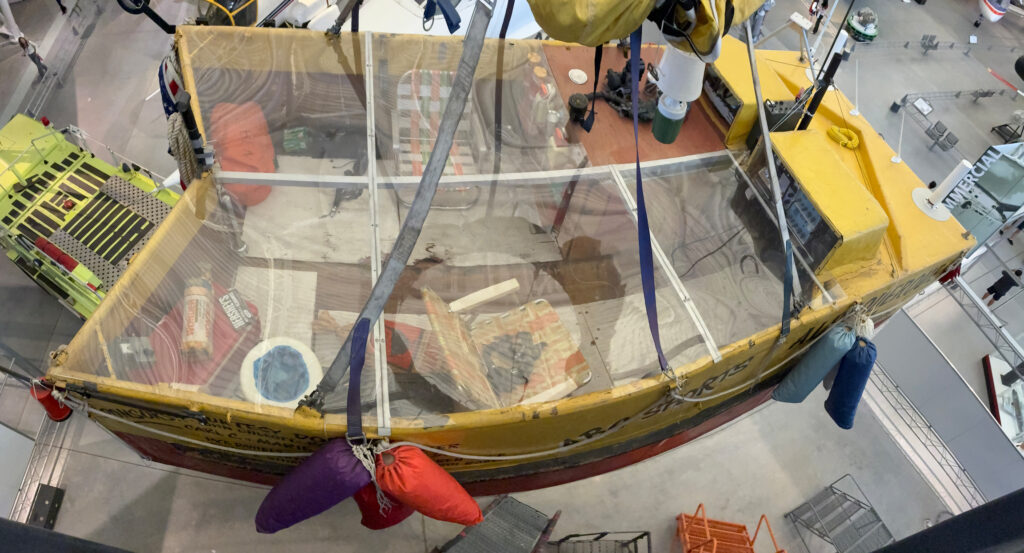
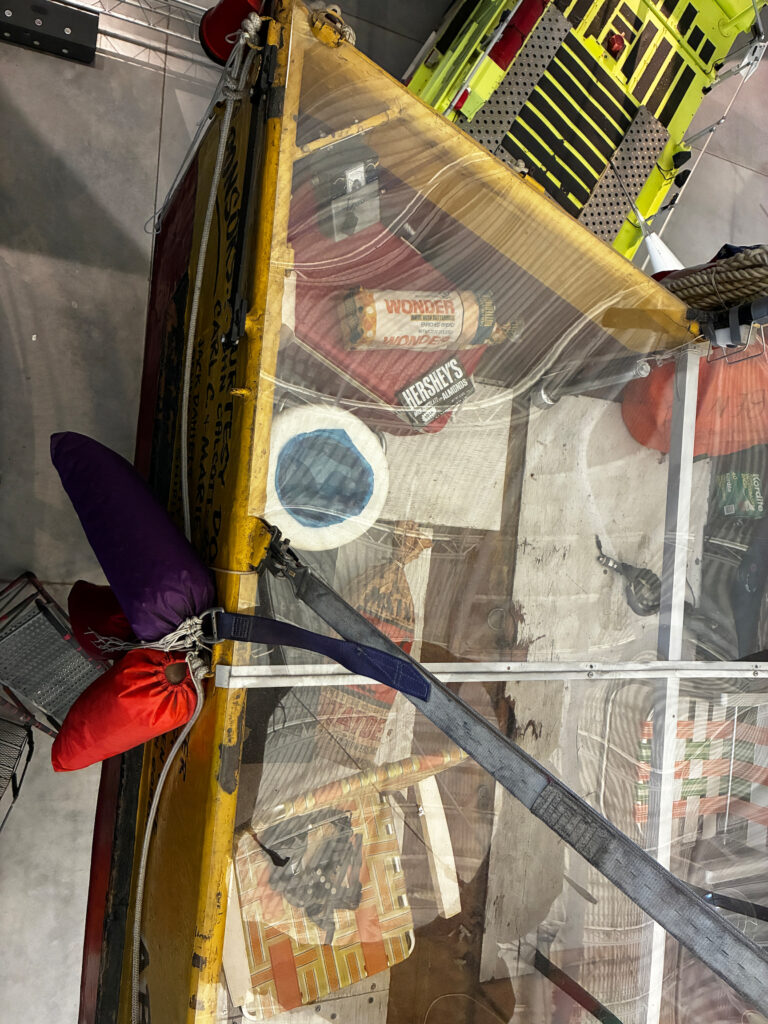
So, what do they do with the waste? Bag it up and toss it over the side? It was less than a 6 day journey, so they might have just carried it with them. The Double Eagle II was at the circular ramp going back down to the bottom floor. We proceeded to the ground floor and circled back to the entrance along the side and front walls.
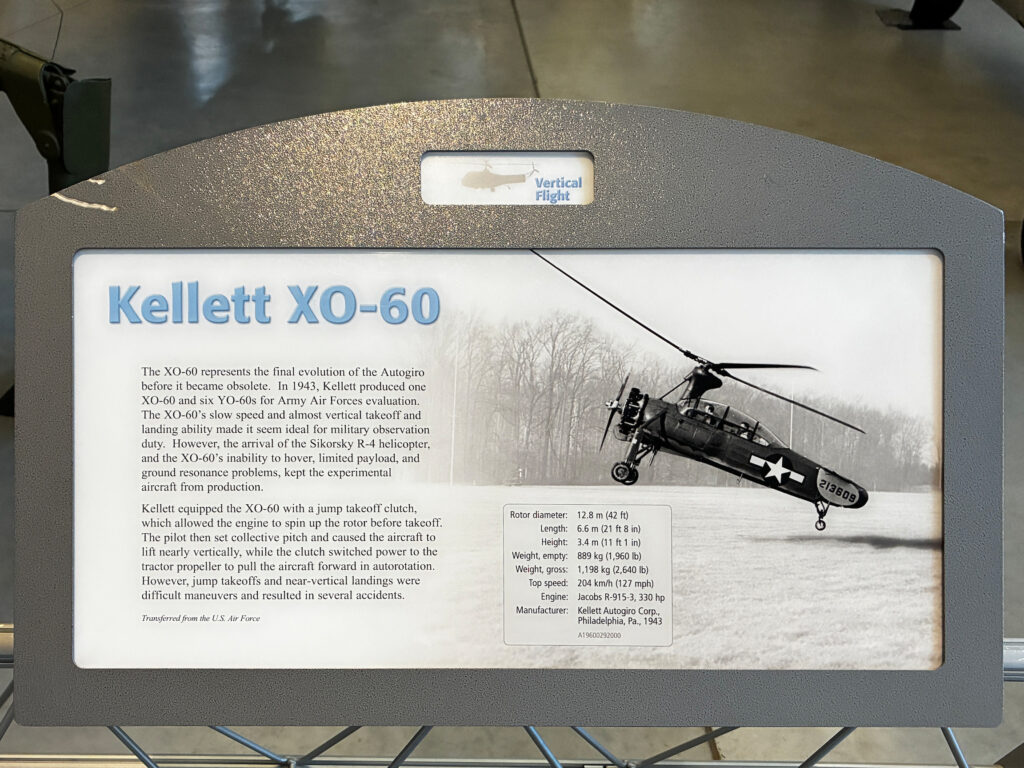
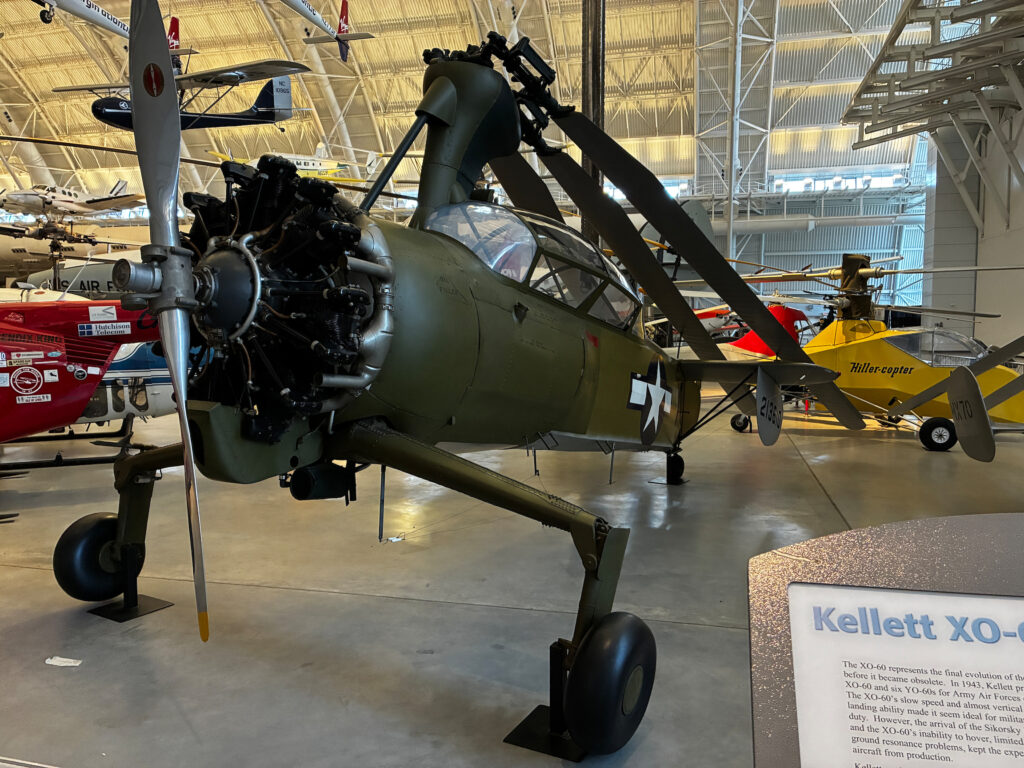
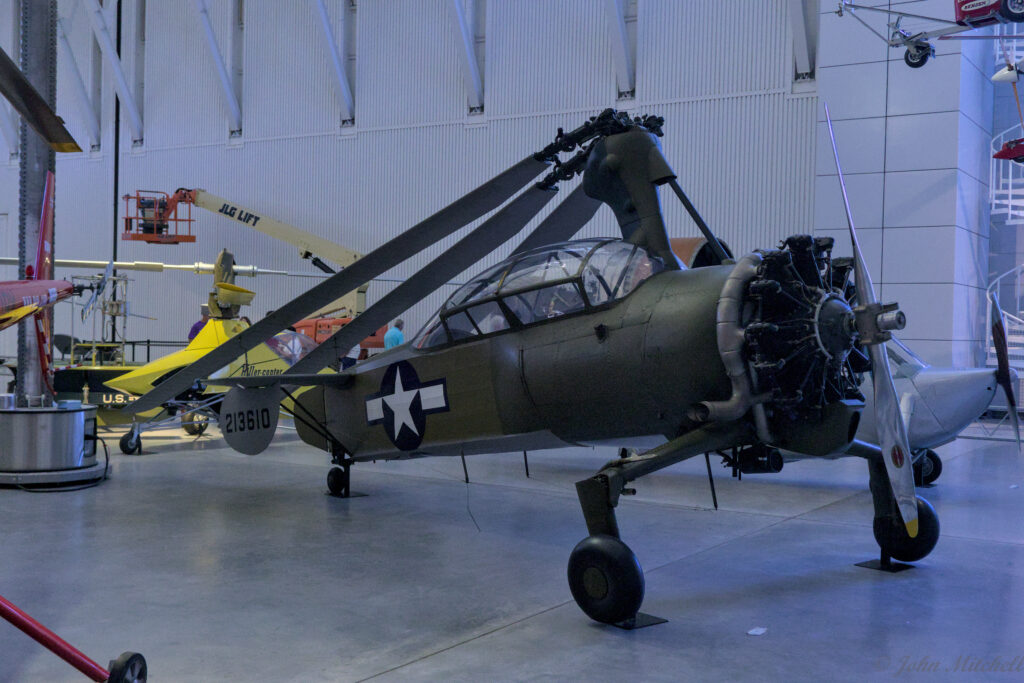
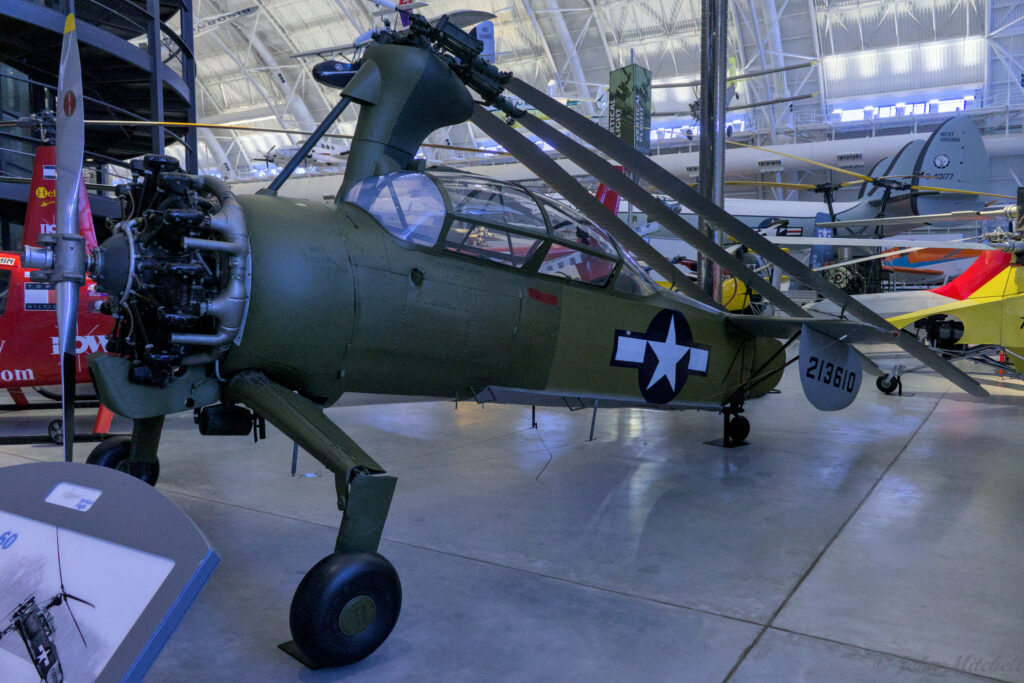
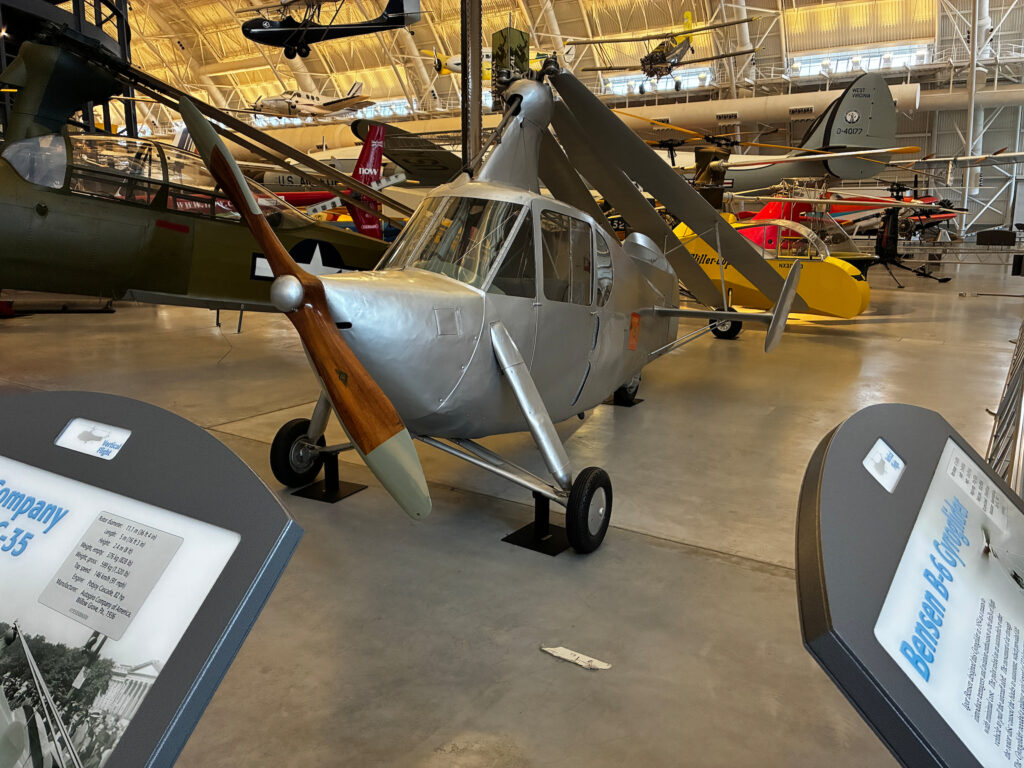
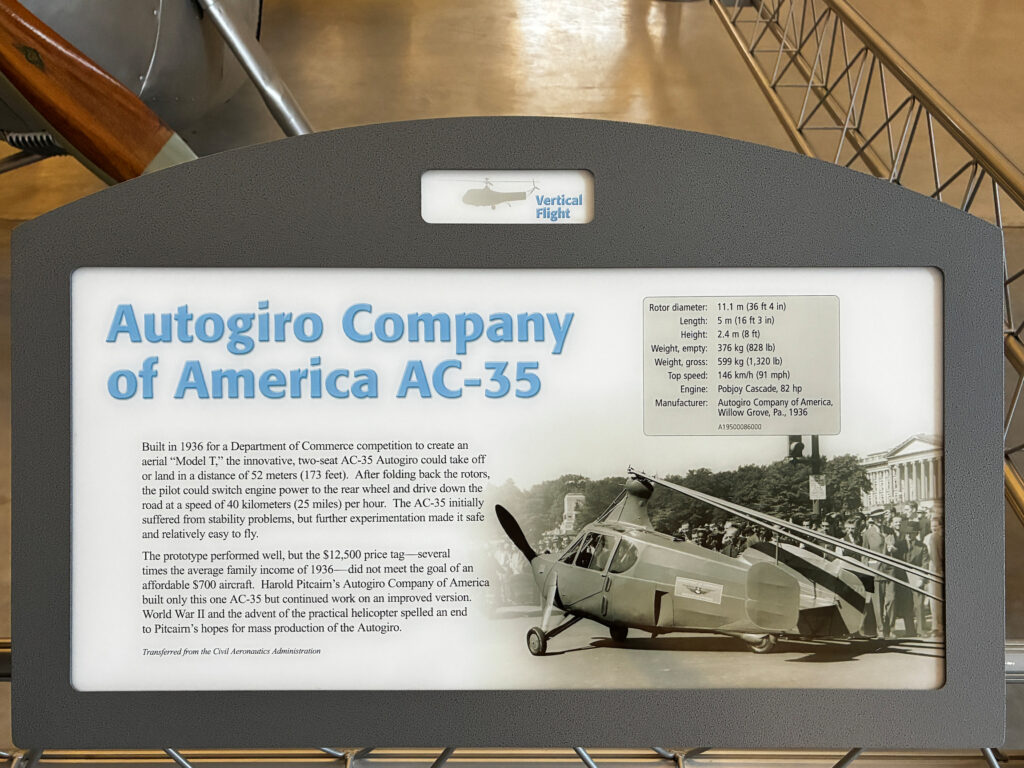
John is going to order one of these kits for Kate’s mom, so she can fly out and visit whenever she wants to.
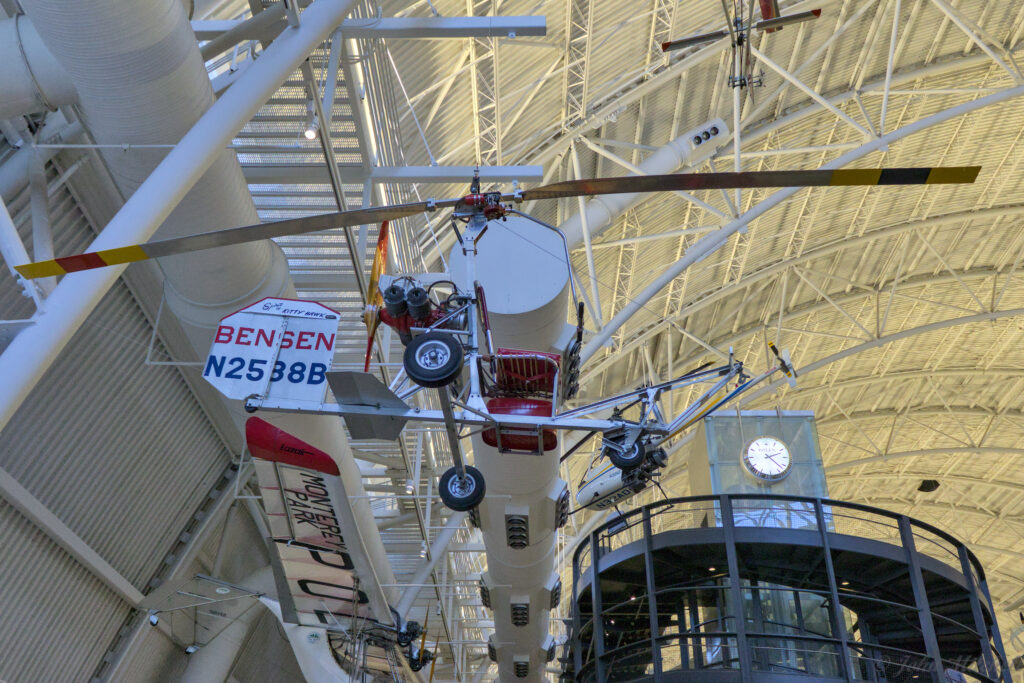
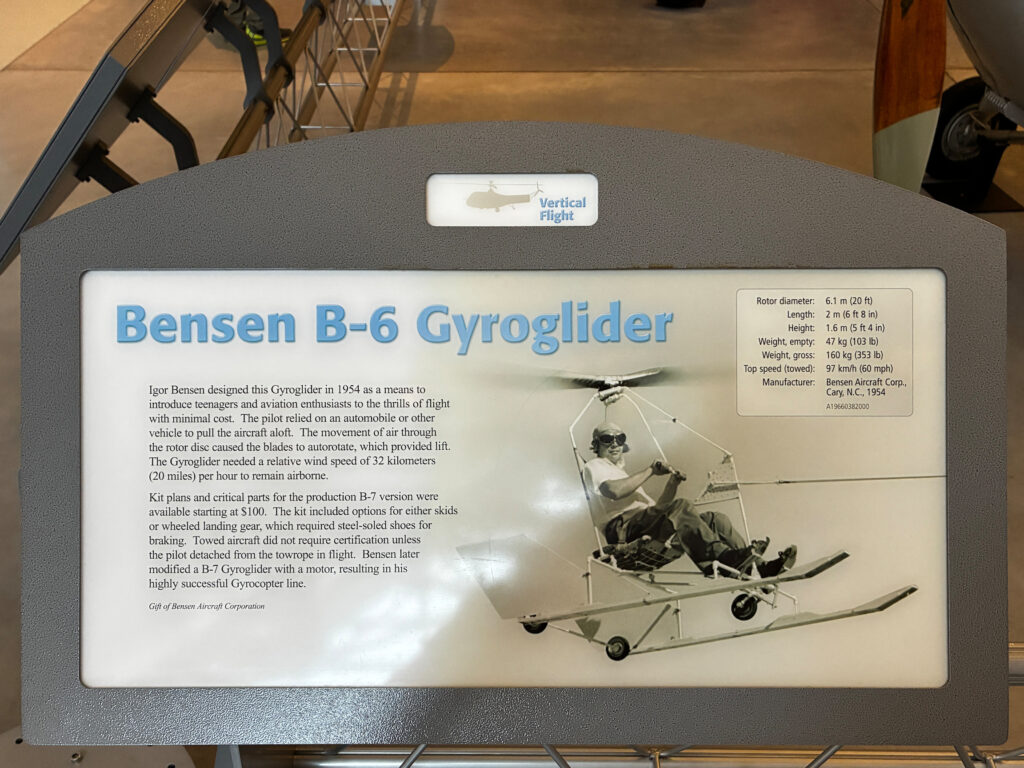
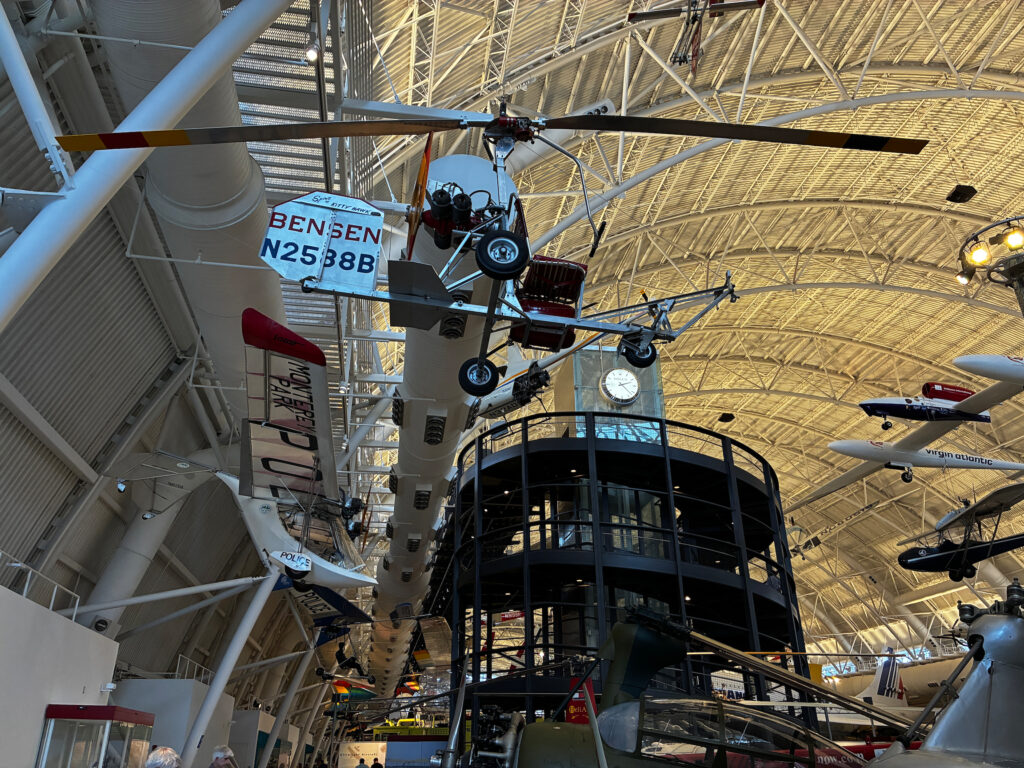
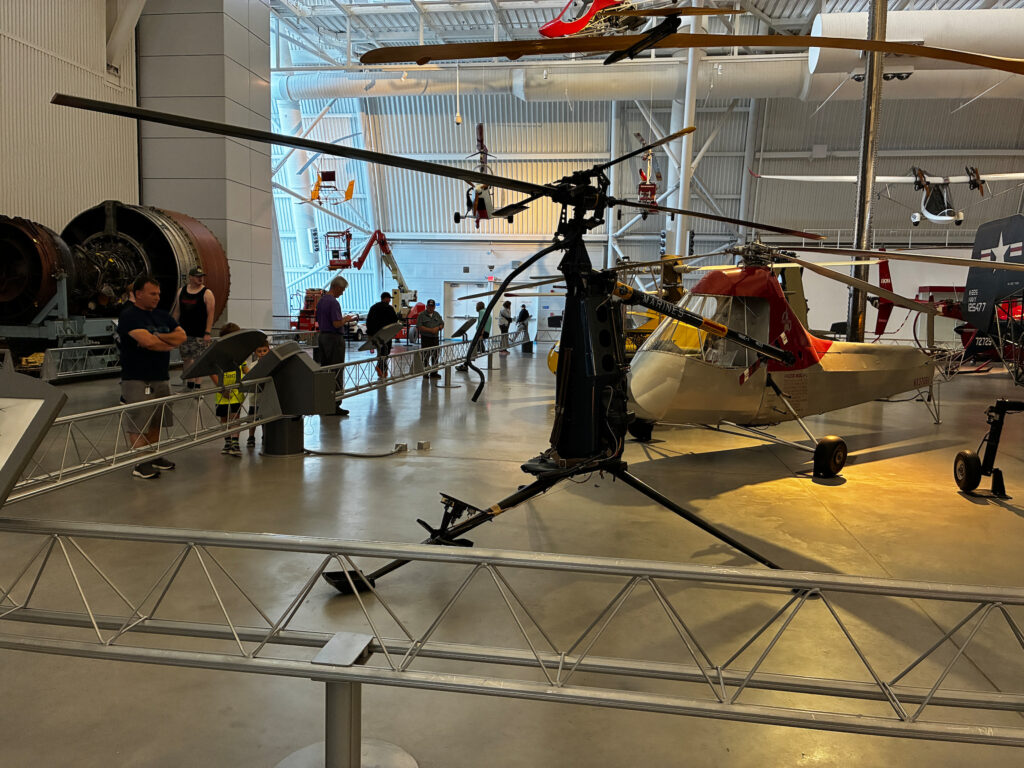
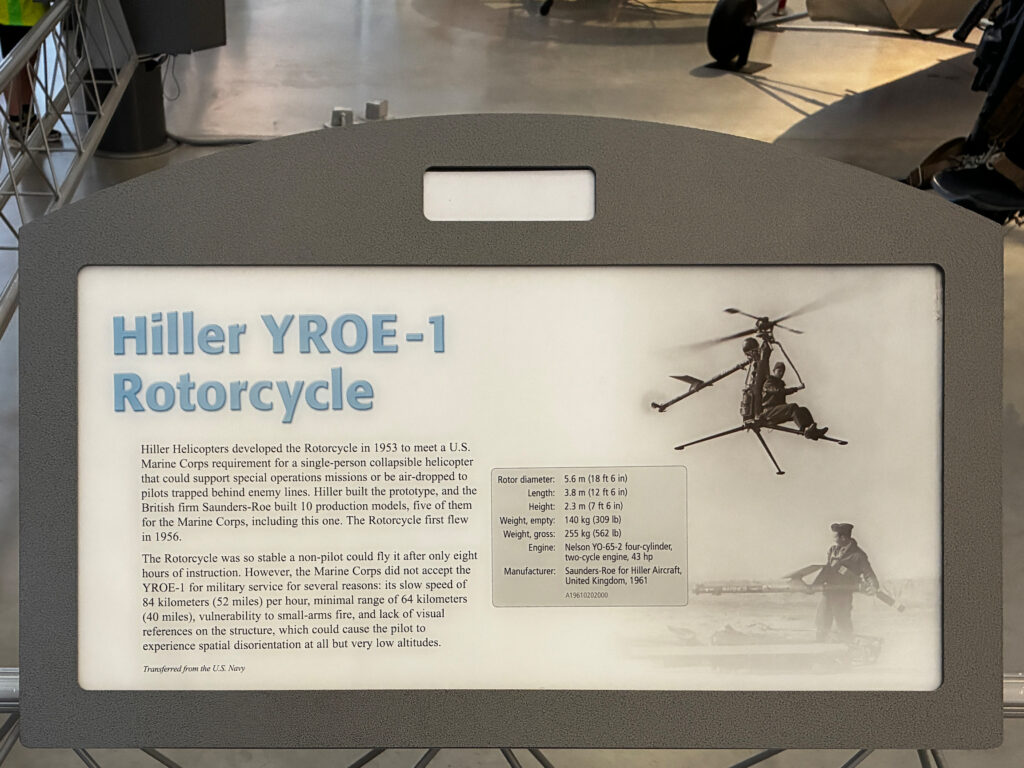
It makes you wonder. Did a soldier volunteer to try flying a giant inverted weed whacker or were they ordered to?
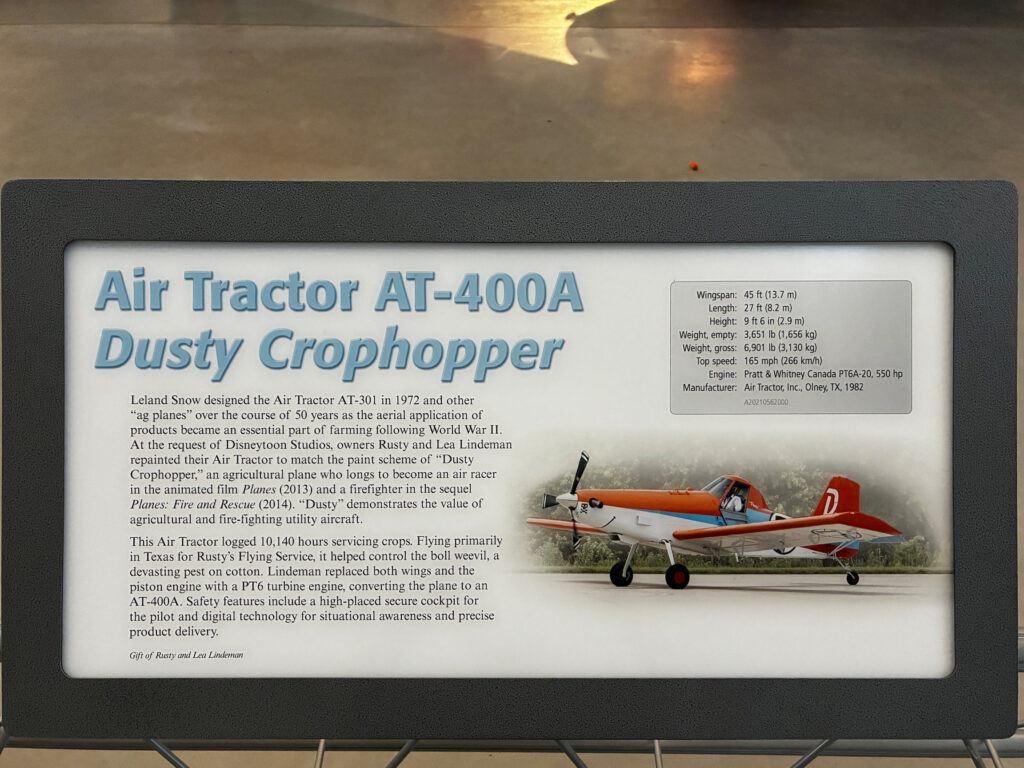
Disney clearly has too much money and free time.
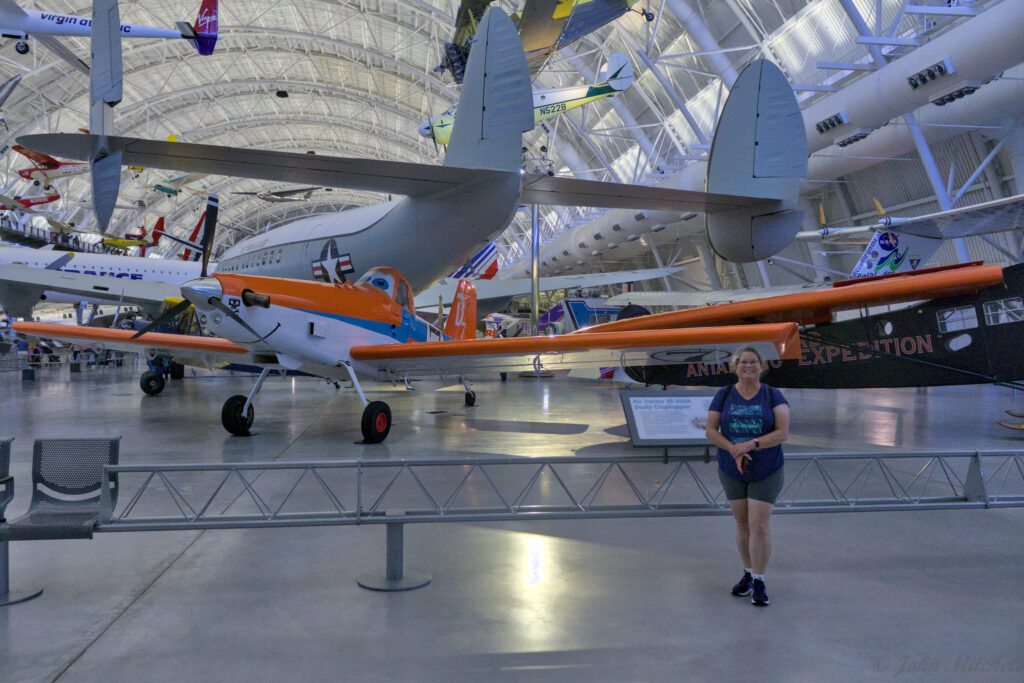
And remember, if it fits, it ships.
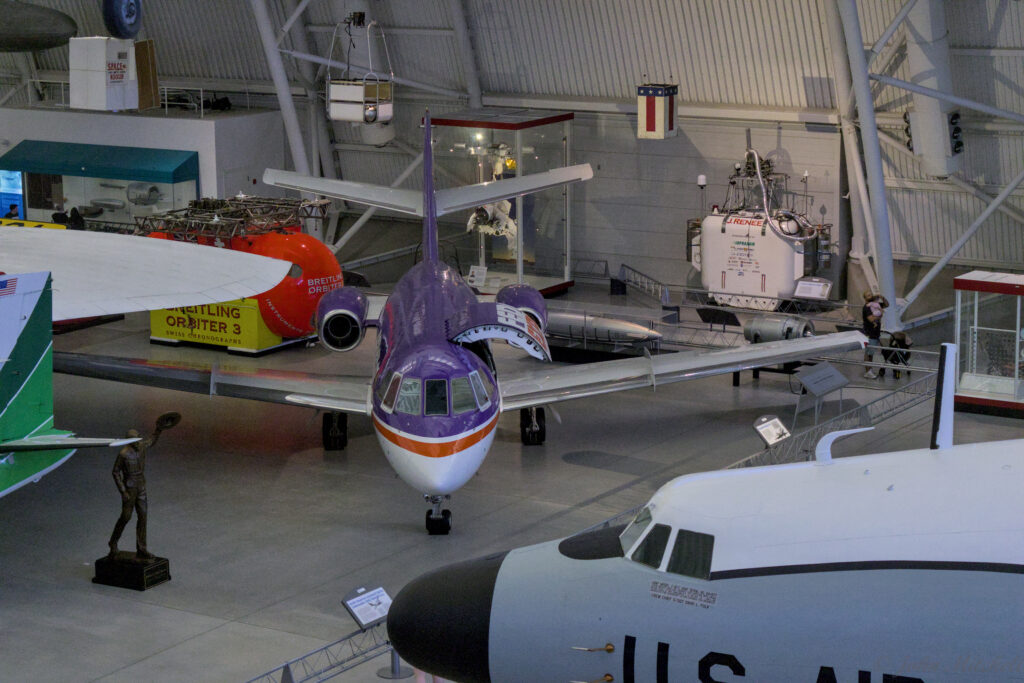

Wait, no, that is USPS. What is the fedex slogan? If it ships, we charge you?
We walked past the high altitude pressurized balloon gondolas and read the signs. At this point, we were near the stairs to the exit. We had been wandering for about 2.5 hours, and Kate’s Fitbit showed that she had walked about 10,000 steps. 10,000 steps for Kate is about four miles. That was enough for one day, so we headed out.
You could easily spend several days working your way through the place. It might also work to arrive early, tour for two hours, take a 2 hour nap, and tour for another two hours.