Smithsonian’s National Zoo, DC, June 2026
We have visited the National Zoo in a long time. We have visited the National Mall and other Smithsonian museums more recently than the zoo. From the map, the zoo does not look that big, but Kate’s Fitbit showed that we walked about 5.5 miles (13,000 steps) at the zoo.
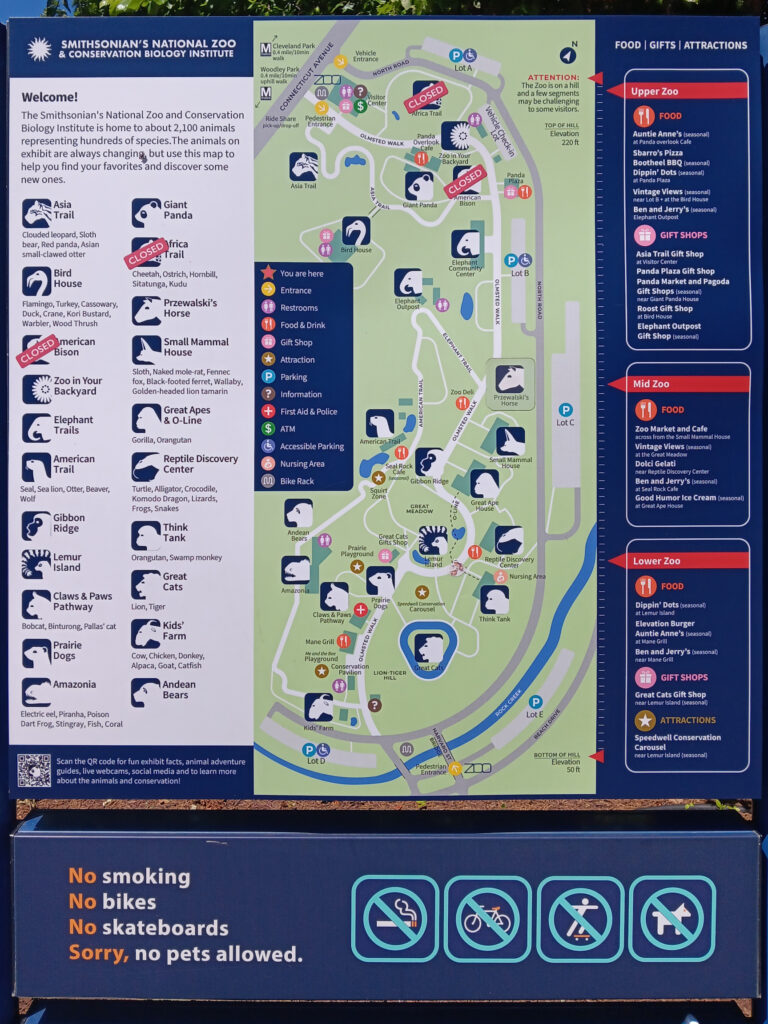
With only 163 acres, the National Zoo is not the largest zoo in the US. The North Carolina Zoo in Asheboro, NC has 500 acres of developed area and another 2,300 acres undeveloped. The Henry Doorly Zoo and Aquarium in Omaha, NE has 17,000 species. (15,000 of those might be minnows.) The Columbus Zoo in Powell, OH has 580 acres of developed space. The National Zoo gets a little leeway here because it is a joint zoo and aquarium. The National Aquarium in Baltimore is 64,500 square feet (about 1.25 acres) with more than 20,000 species housed within their exhibits. Even though the National Zoo is not the largest, it is still pretty spectacular; they pack in a lot of exhibits and education. They also regularly rotate and develop the exhibits.
We planned on driving, so we bought tickets the night before to make sure we had parking. (The zoo is free. The parking is not.) We arrived a little after 10 am, so we ended up in the middle area, Lot C. Lot A or Lot D would have been better because they were at either end. We ended up hitting a bathroom on the Lot D (lower) end, so that we would walk up hill when fresh and down hill when tired.
There are about 300 pictures for the zoo, so it will be split into four to six posts following our basic route through the zoo. The current plan for posts is:
- The Great Cats, Paws & Claws, and Prairie Dogs.
- Gibbon Ridge, the Think Tank, and the Great Ape House.
- The Reptile House.
- The Panda House and Bird House.
- The Elephant Trail, The American Trail, and Amazonia
The Africa walk with the Serengeti animals and the American Bison were closed. (We saw plenty of Bison in Yellowstone.) Due to lack of time, we skipped the Small Mammal House and Elephant Community Center.
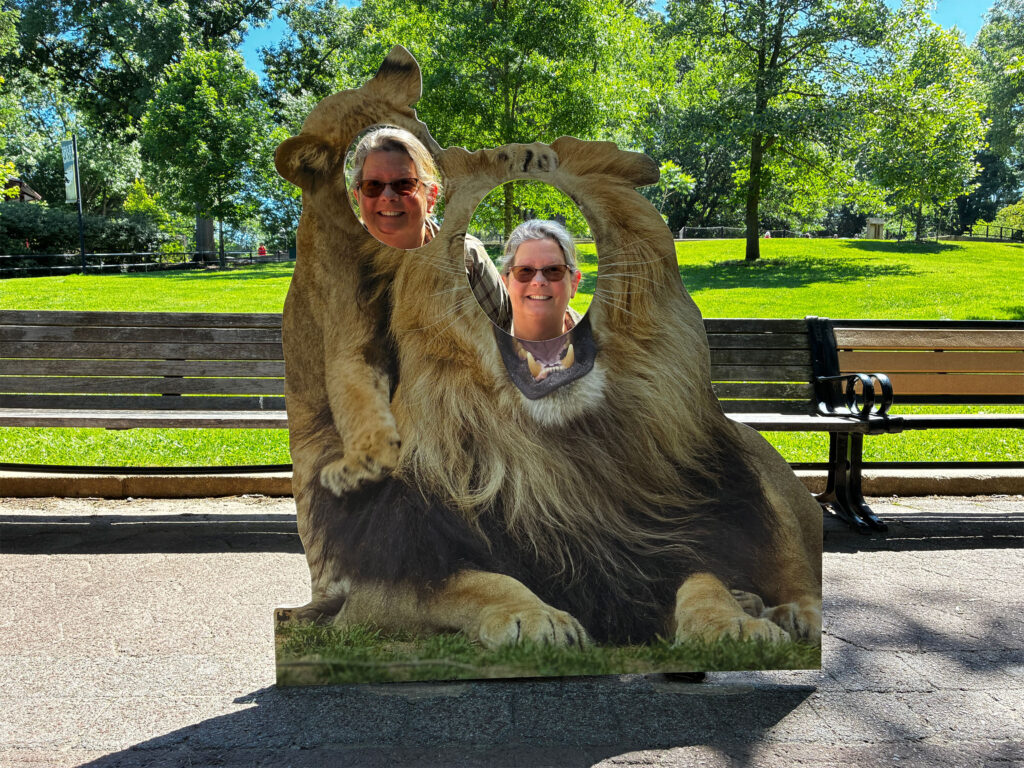
Someone made the mistake of saying they can Photoshop multiple faces into a standee. After having to do this to more than five different standees, that person is greatly regretting admitting to this skill.
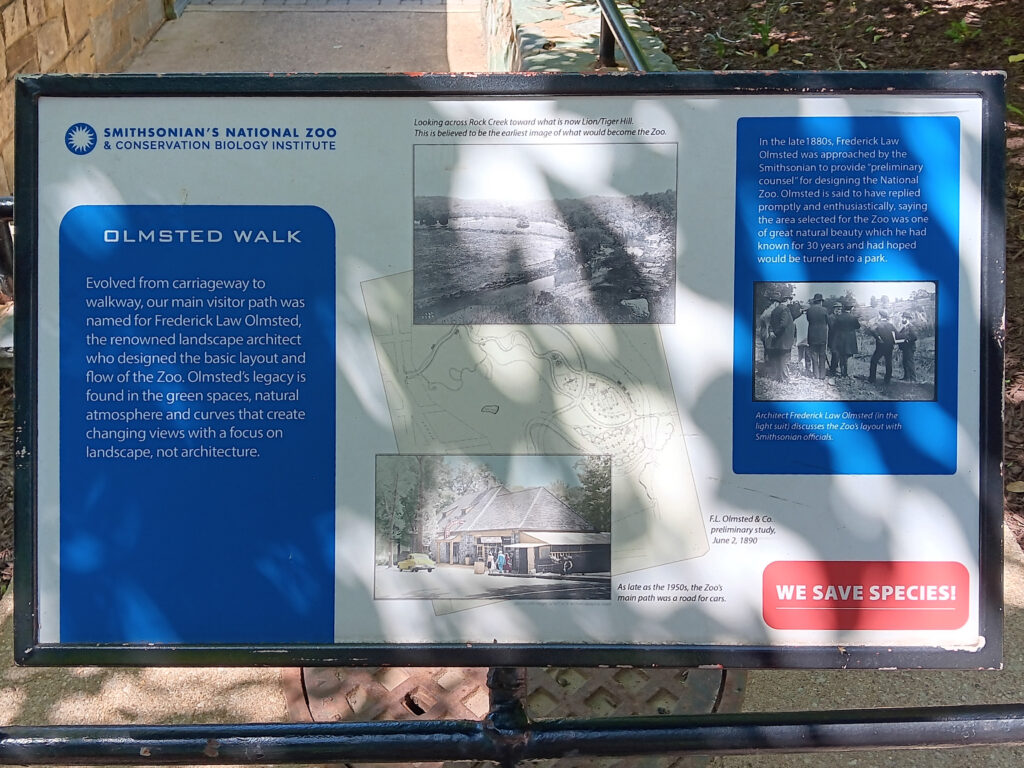
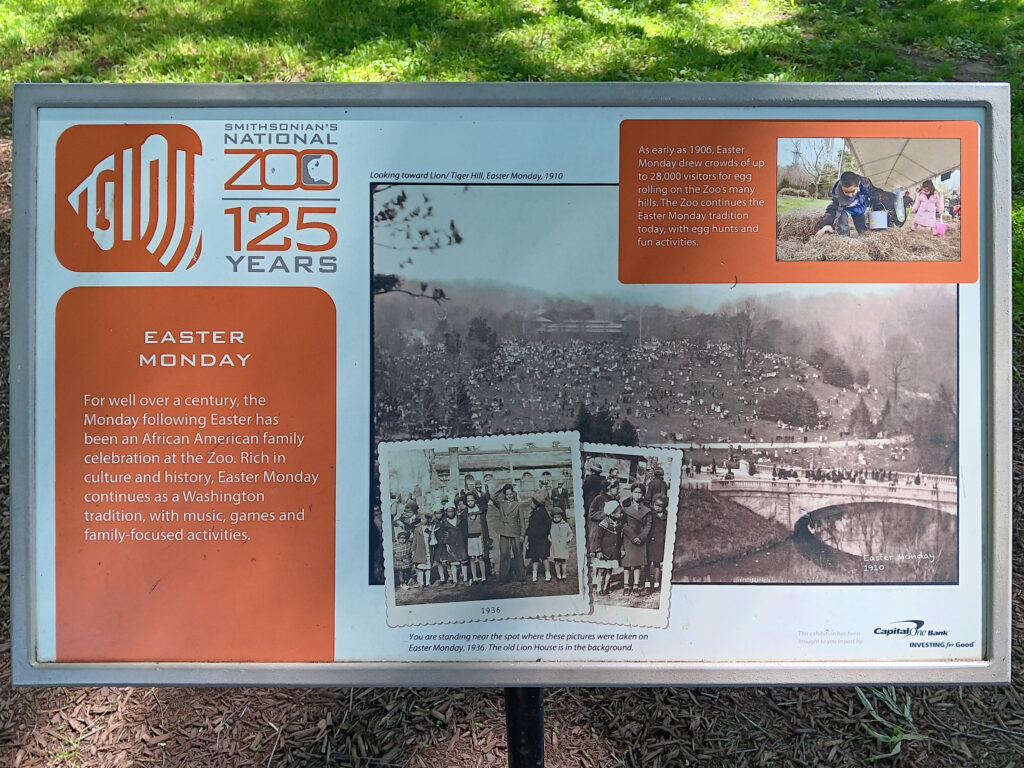
Olmsted walk is the wide path that has most of the main attractions along it.
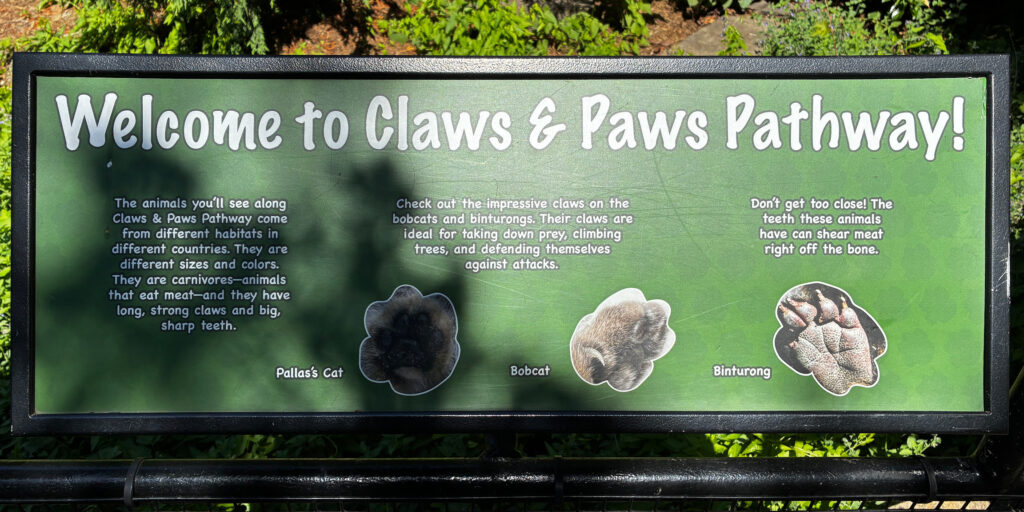
The first stop was the Claws & Paws Pathway with its eclectic mix of animals.
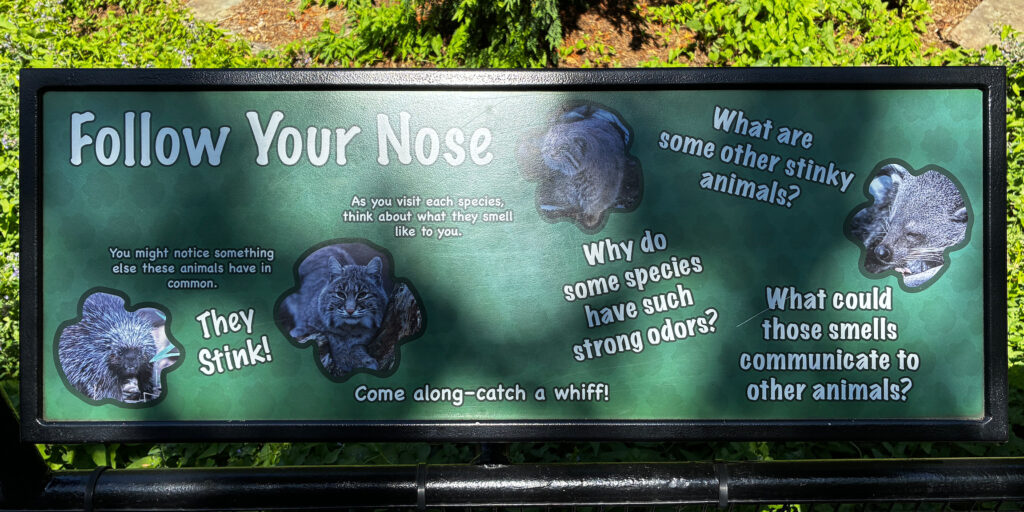
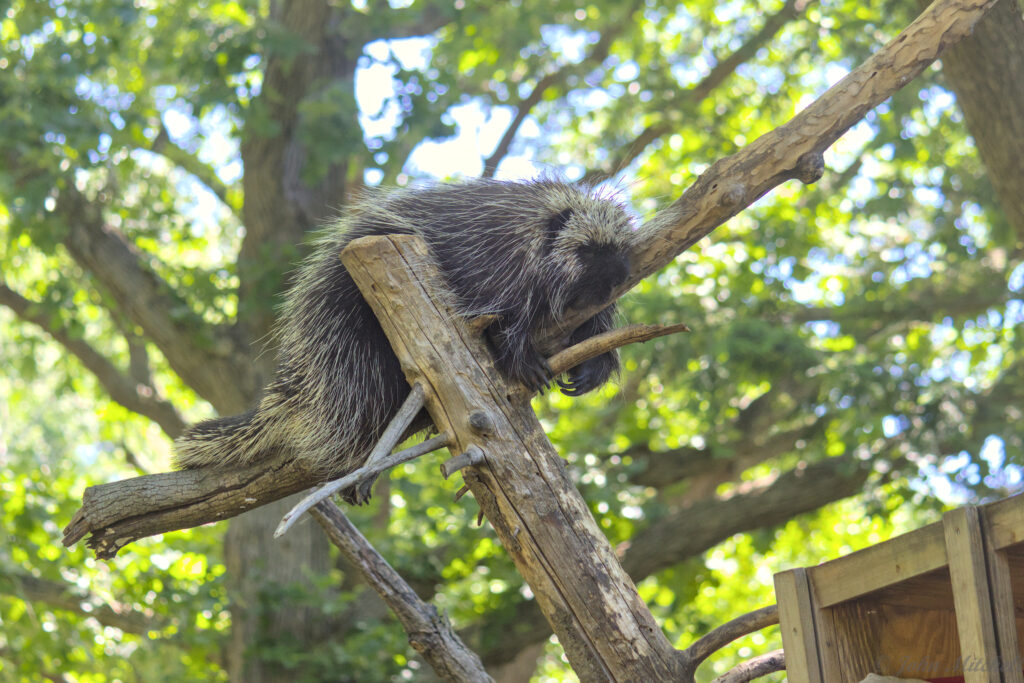
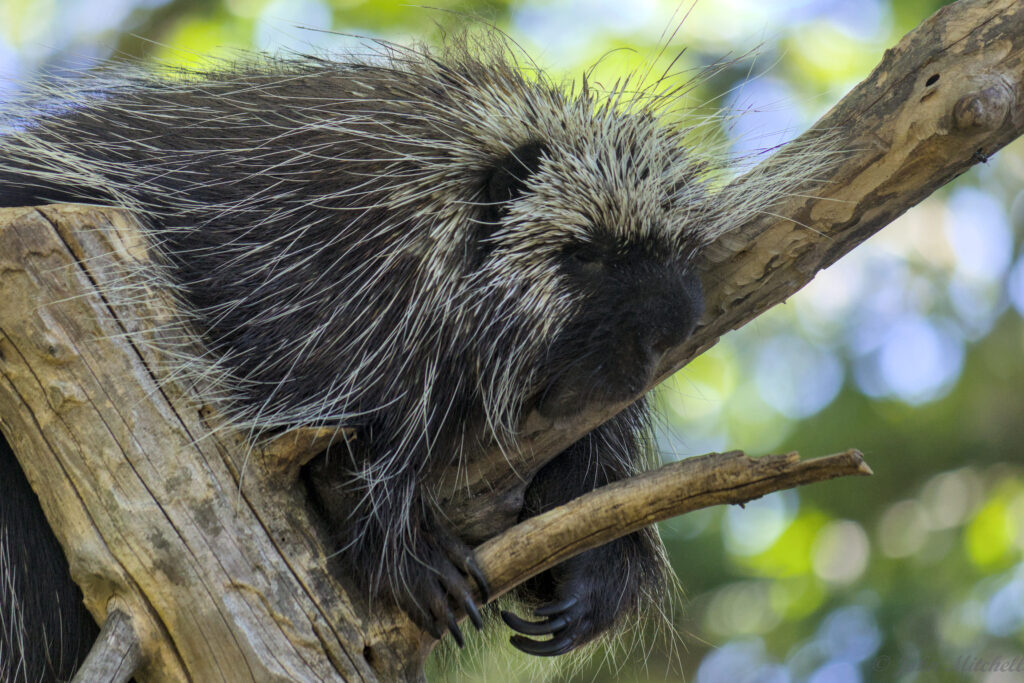
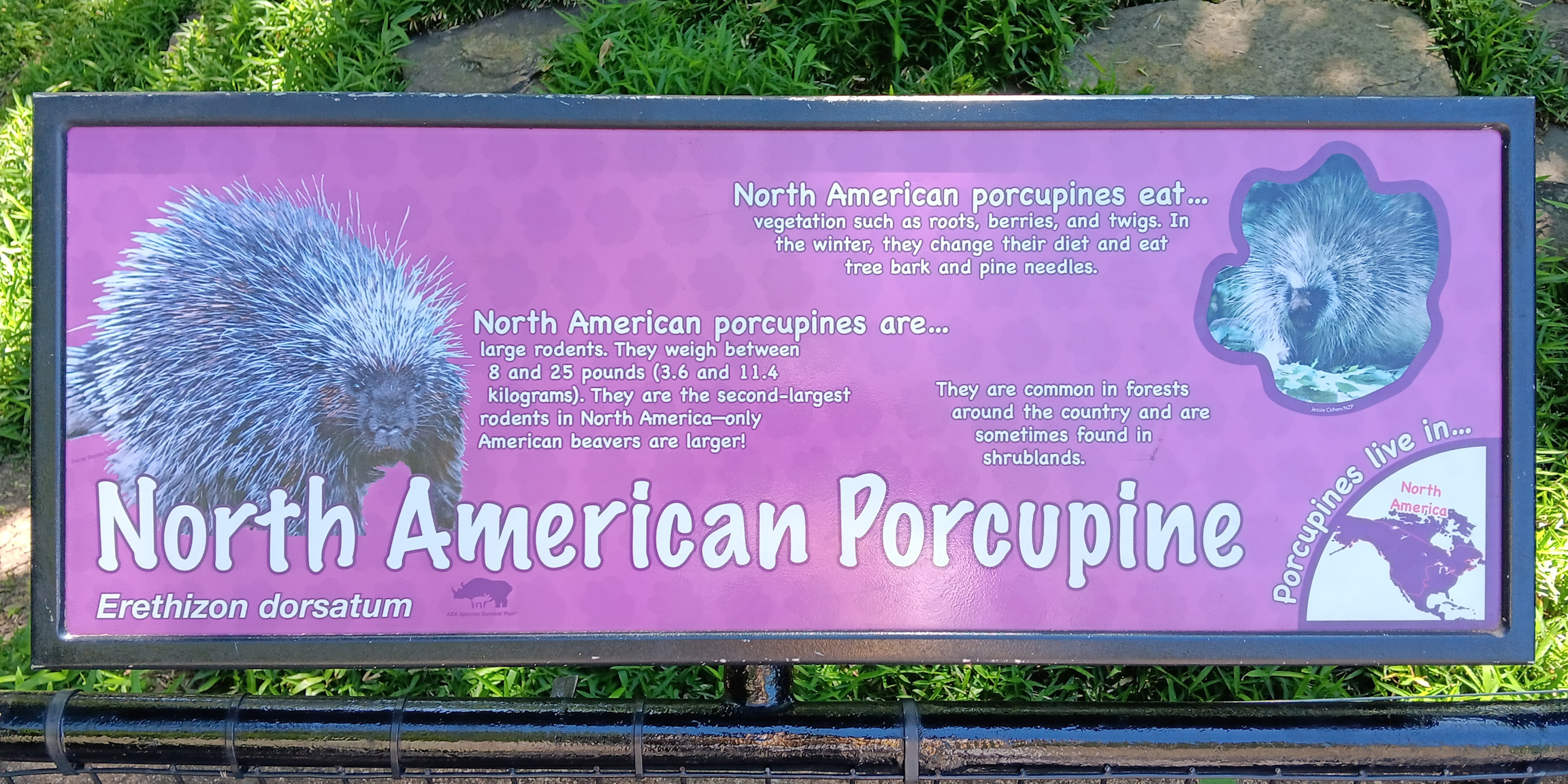
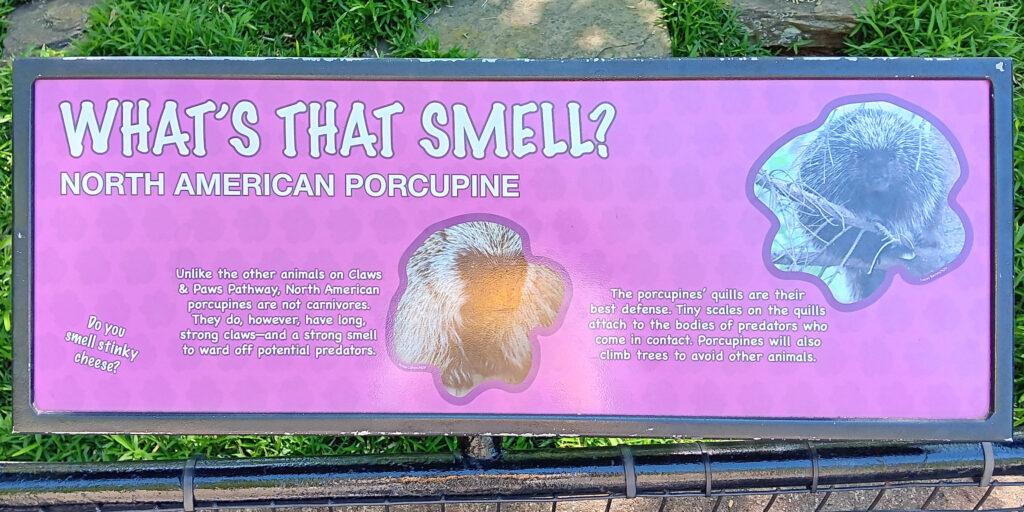
This path has a Porcupine pen. We are pretty sure the one in the tree is a teenager. All he did was loaf around and look disgruntled.
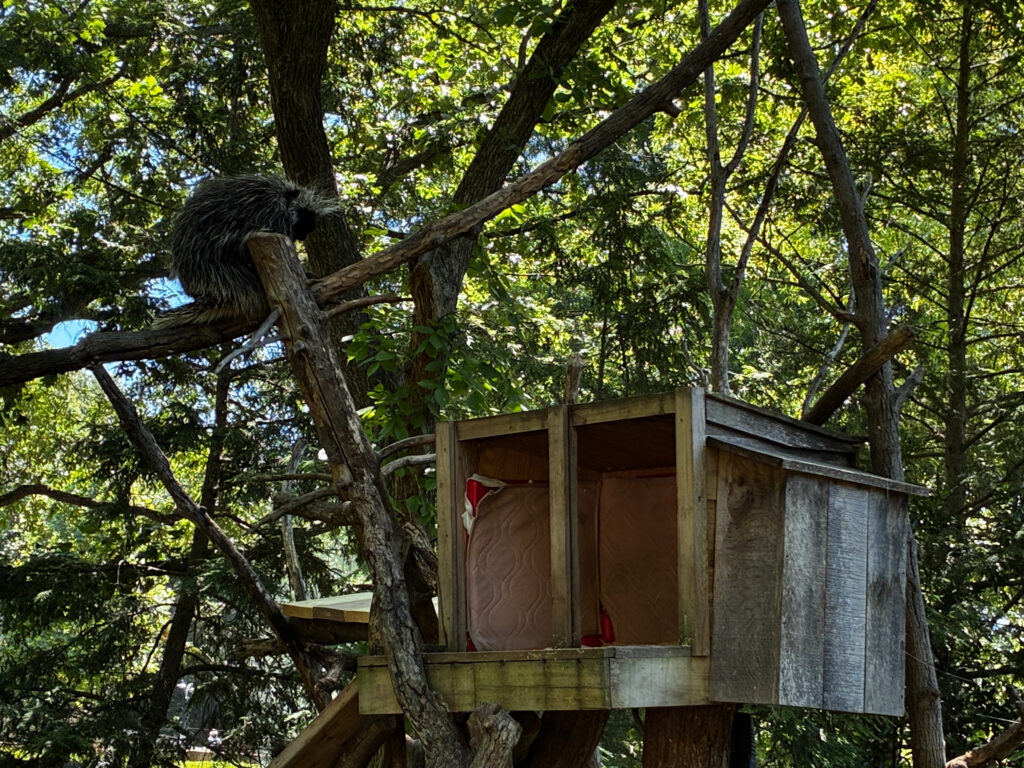
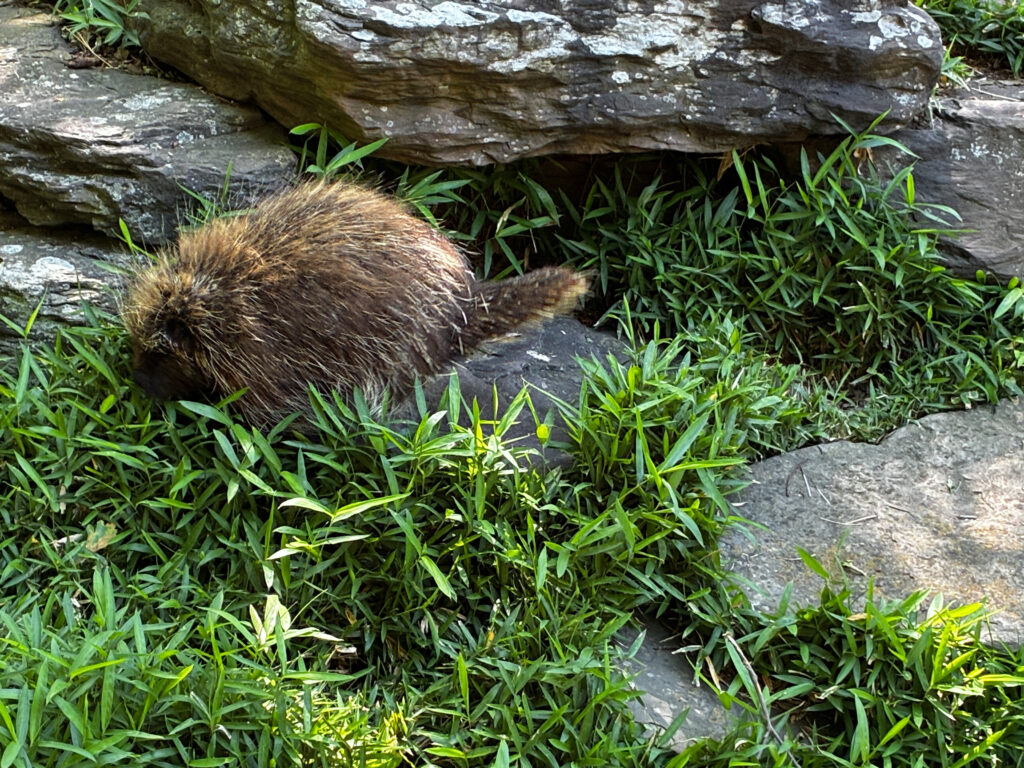
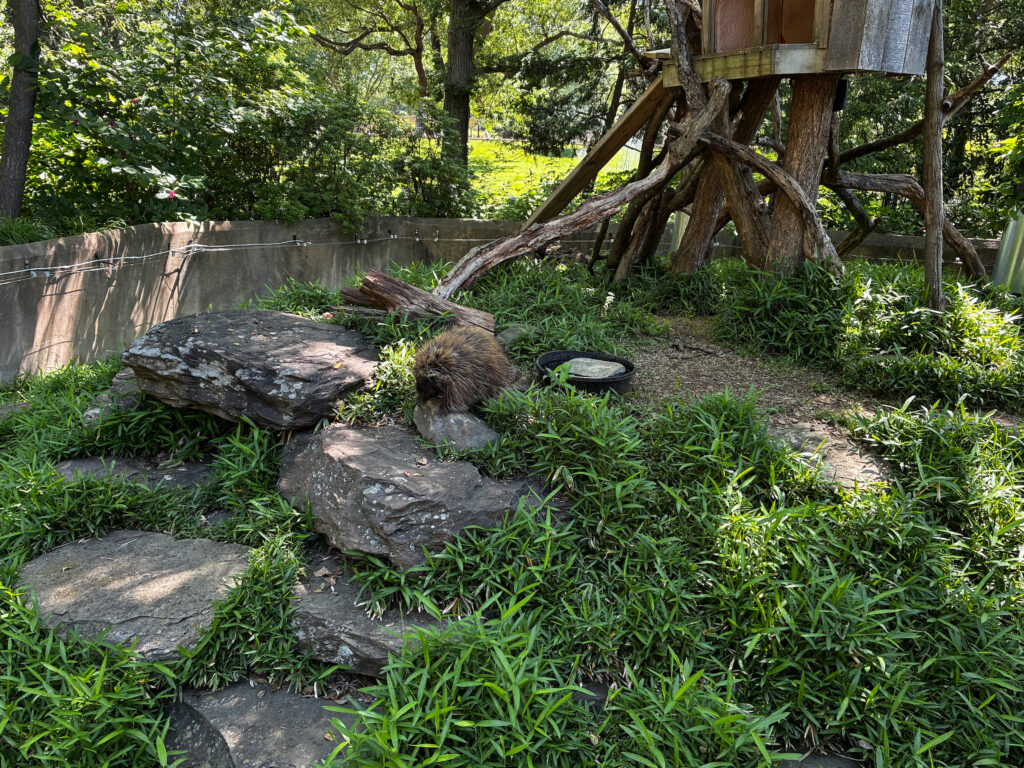
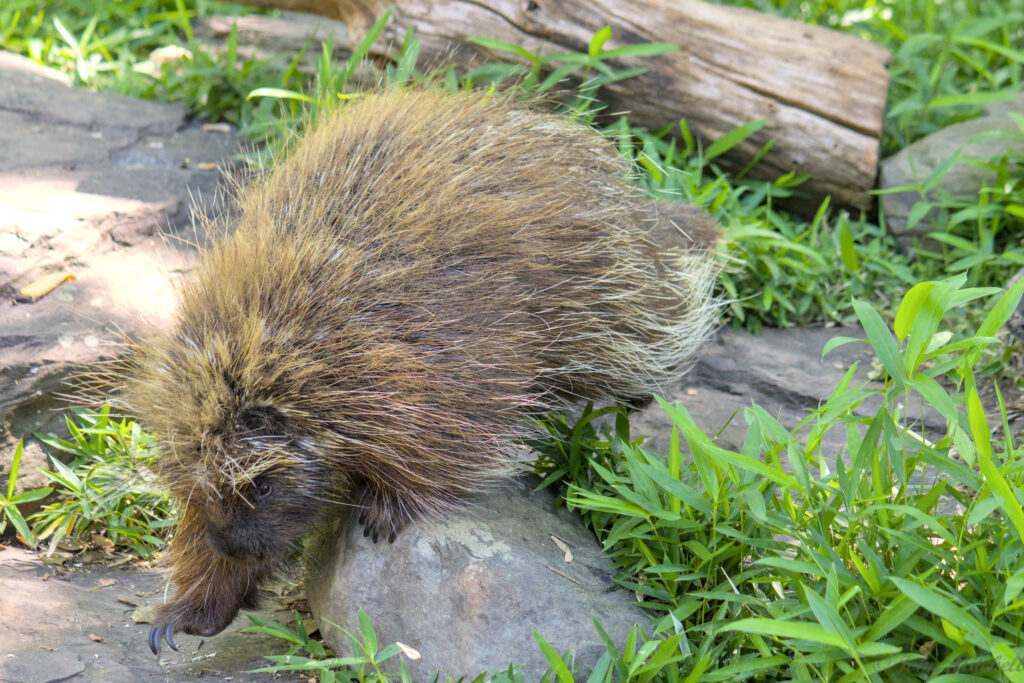
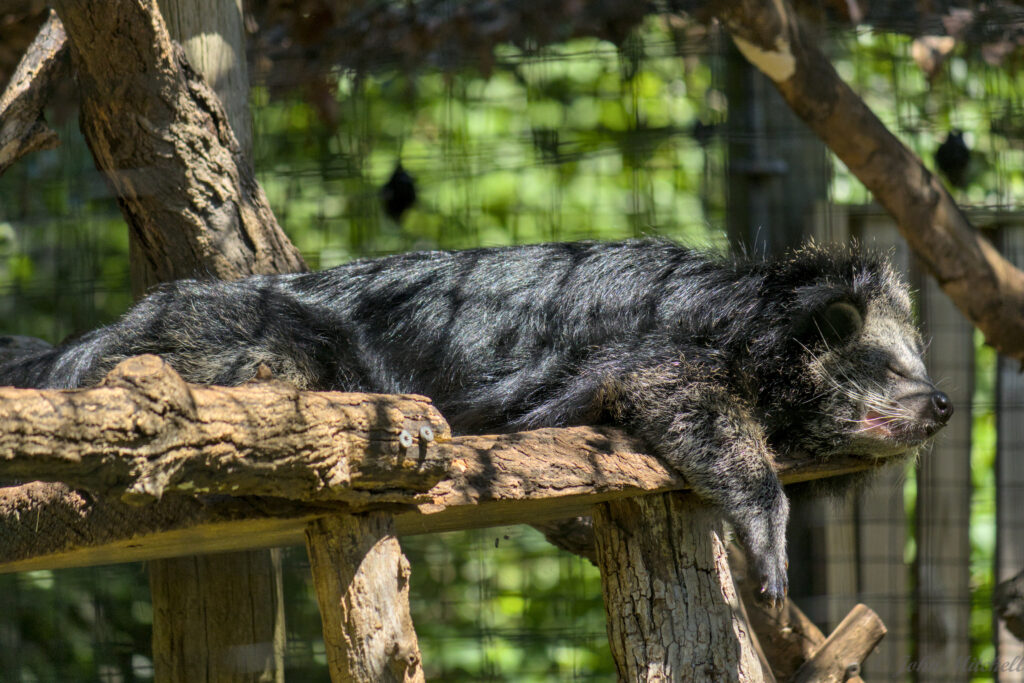
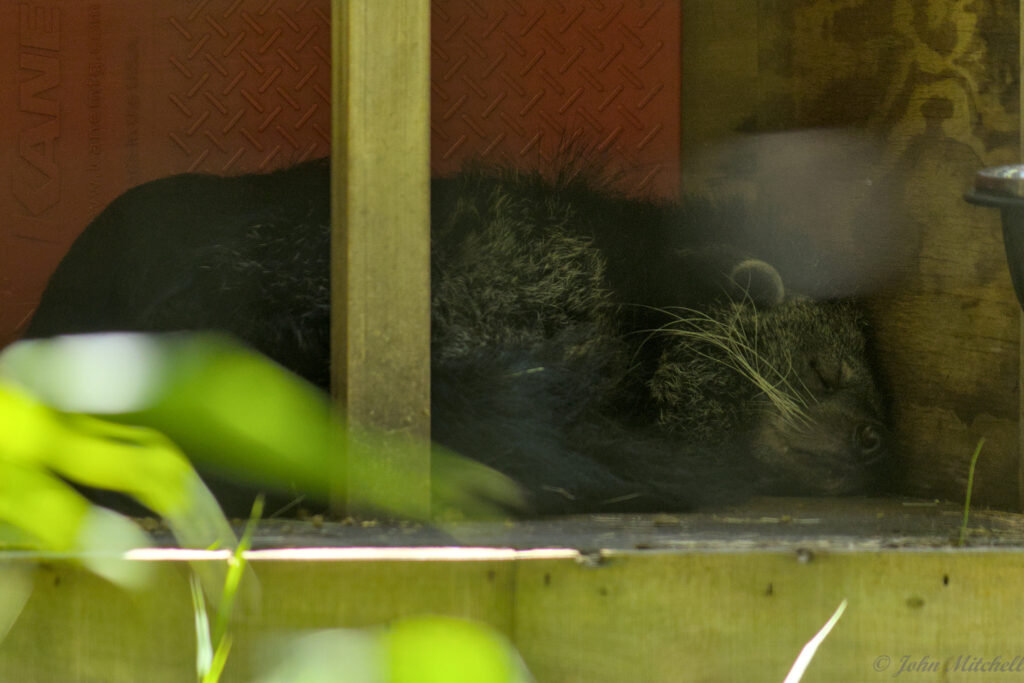
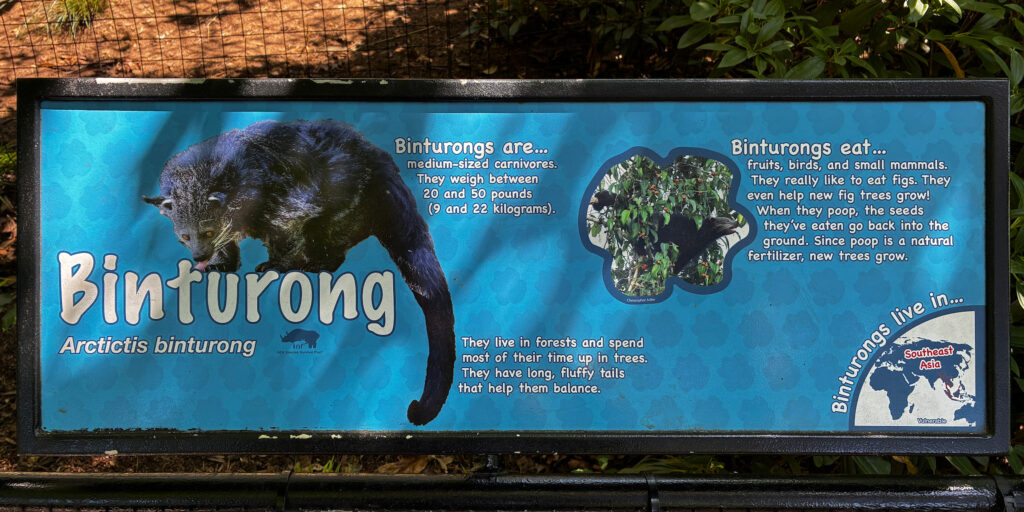
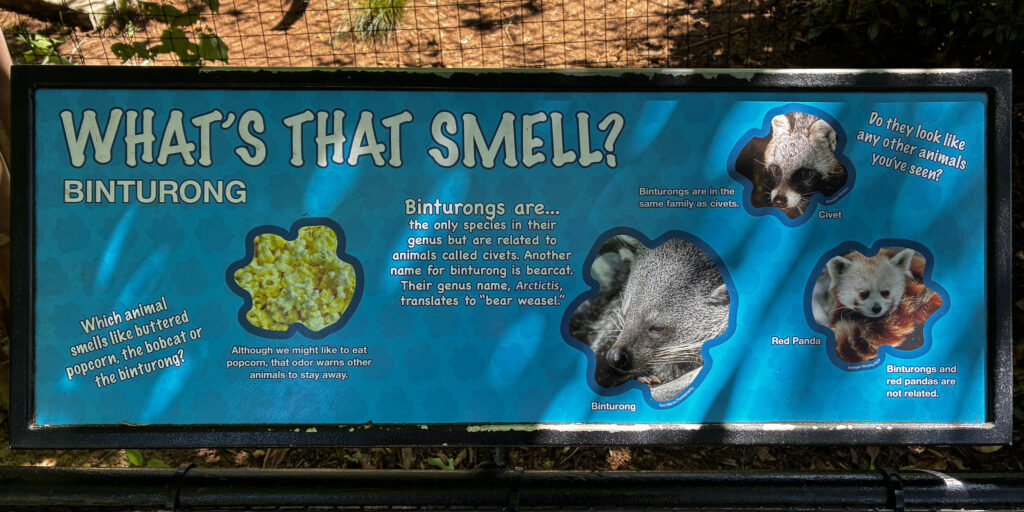
A Binturong pen. This one washes his belly as much as MacKie.
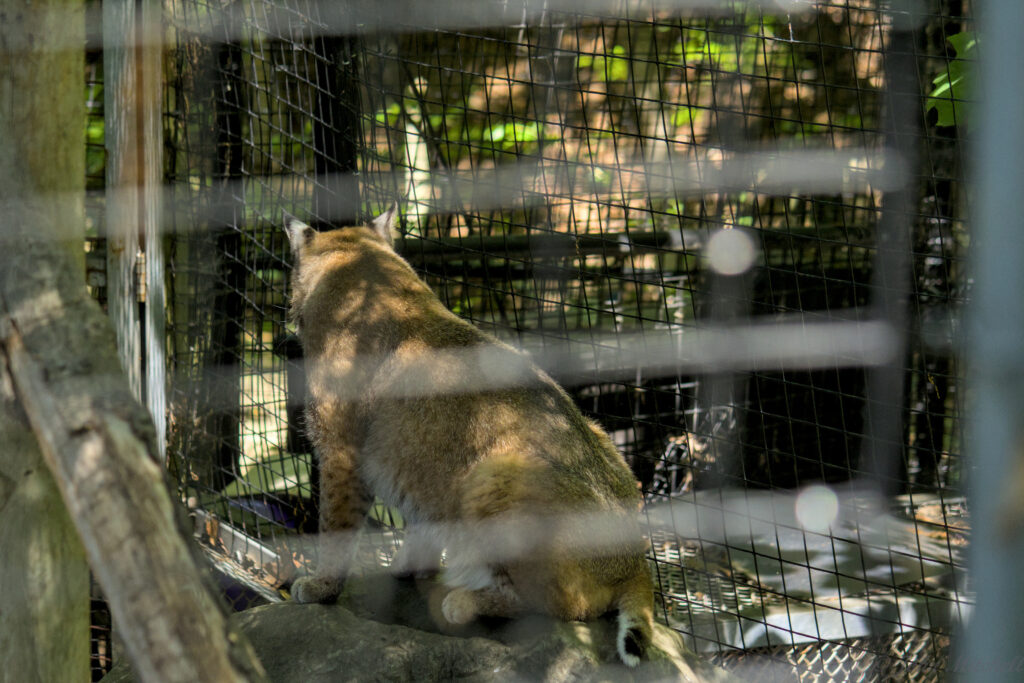
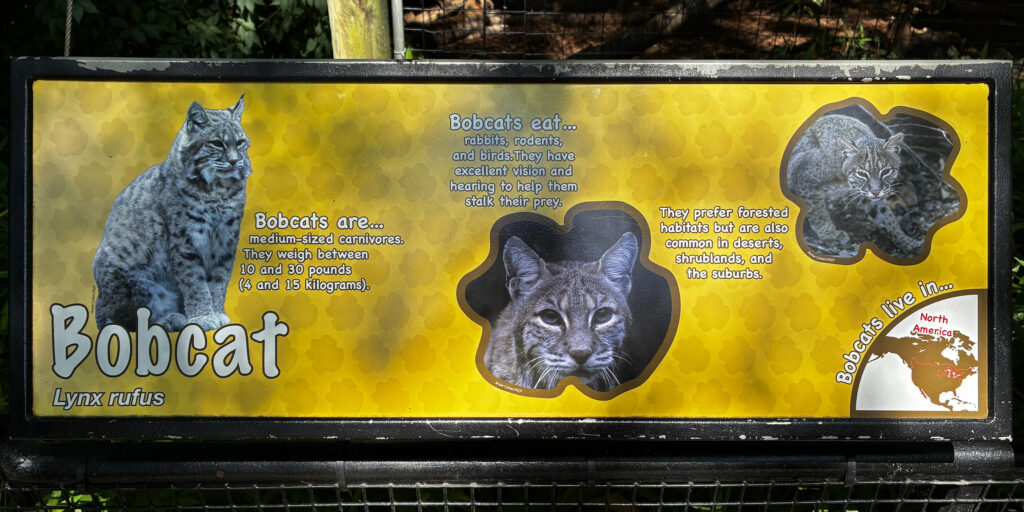
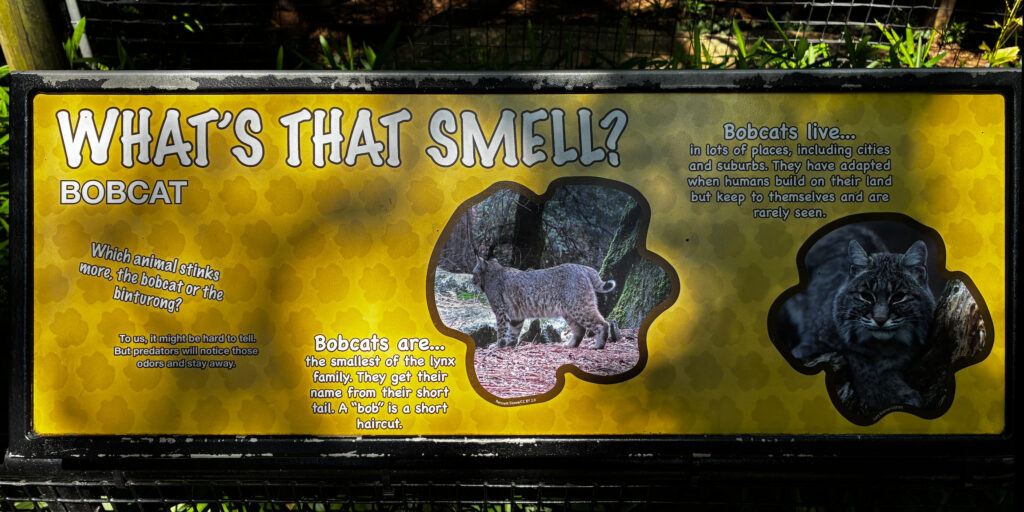
A bobcat pen. The one on the left was very focused out that side of the pen. We are not sure if they wanted back into the enclosure, could hear food preparation, or there was a bird over there.
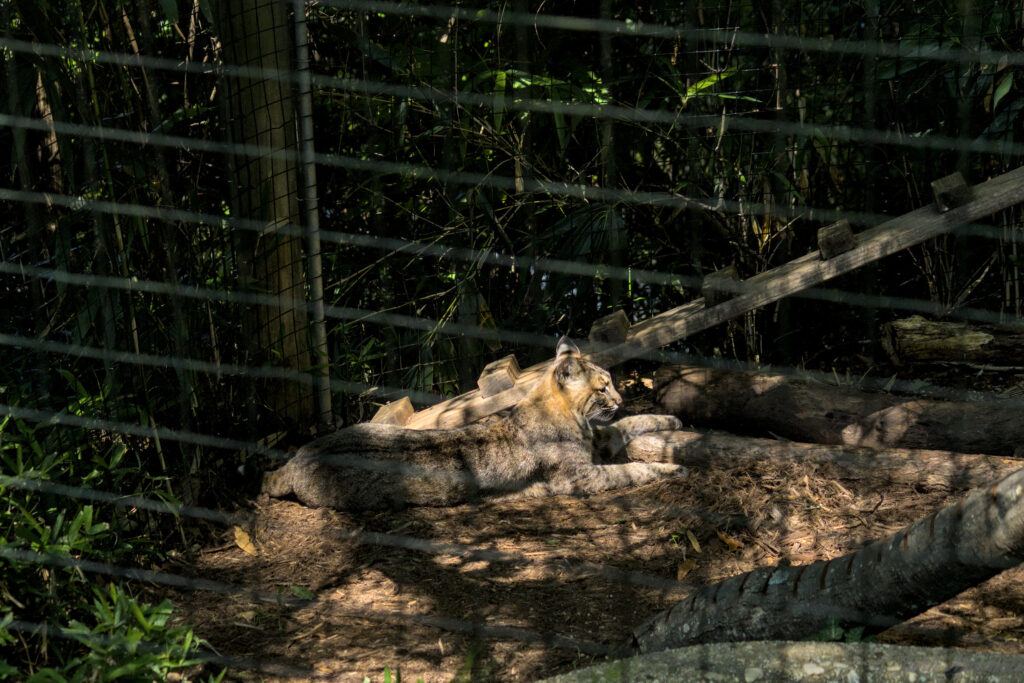
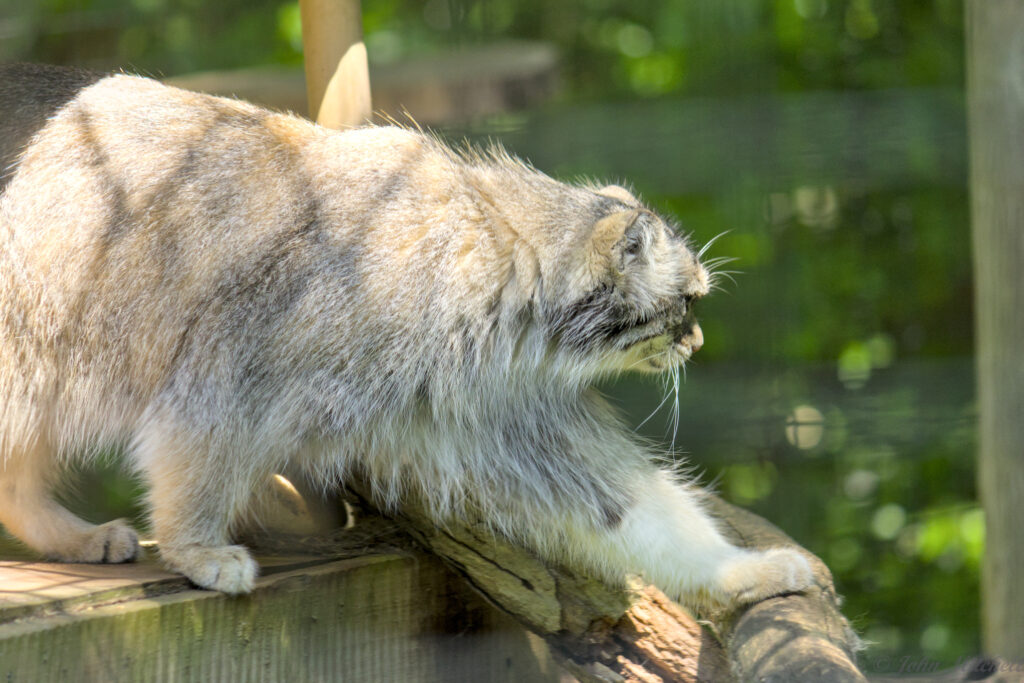
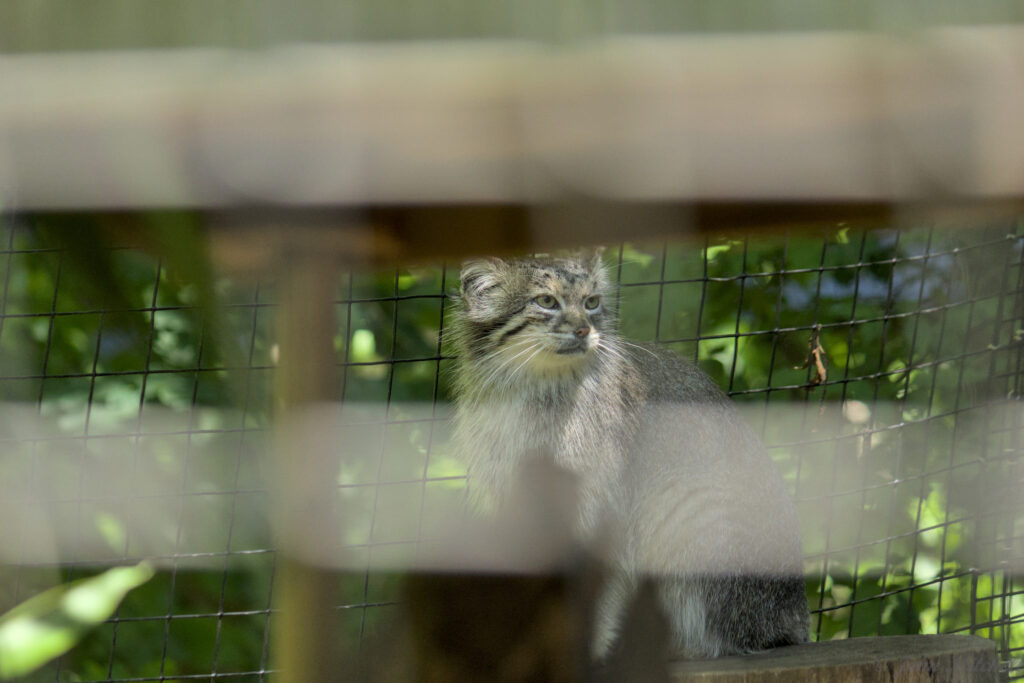
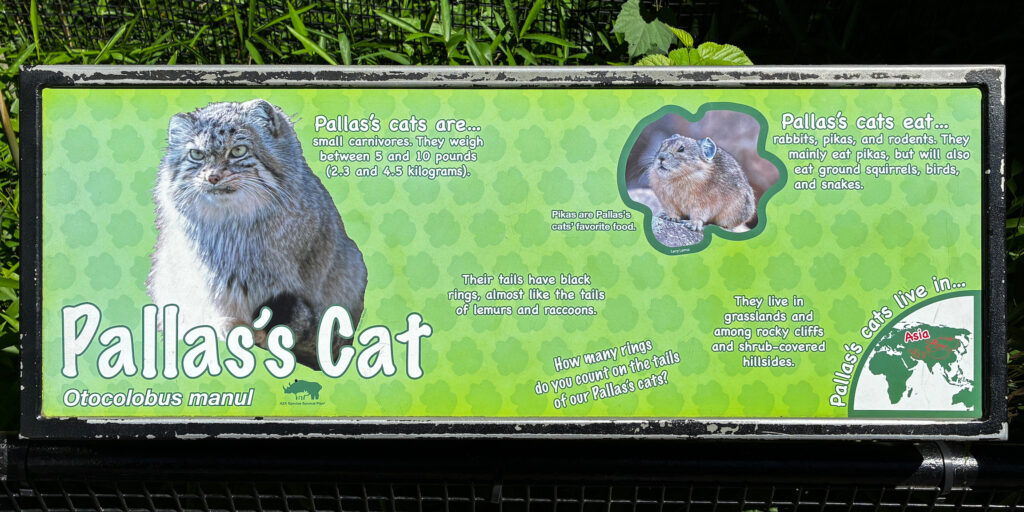
A Pallas Cat pen. Many of the animals were lazing in the heat, but these two were active and pacing. It might have been close to feeding time.
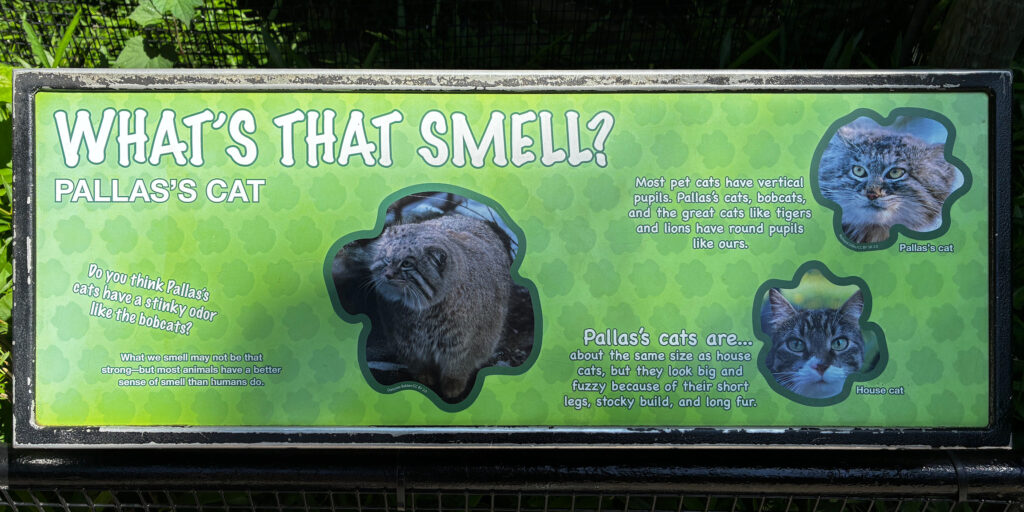
Interestingly, they did not appear to smell all that strongly. Maybe that is why it is the Claws & Paws Pathway instead of the You Stink Pathway.
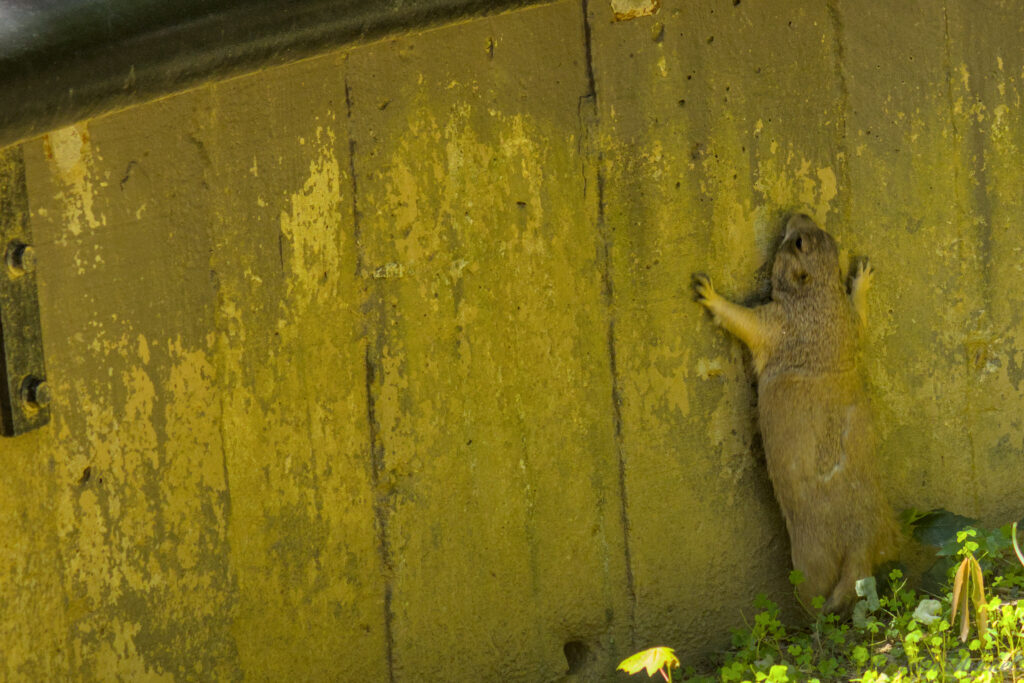
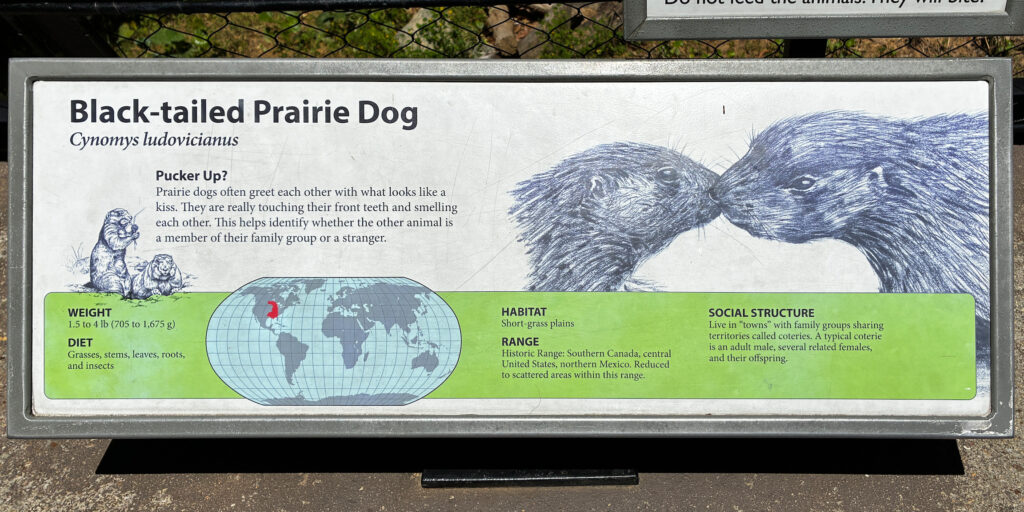
At the entrance to the Paws & Claws Path, they have a Prairie Dog pen. Kate thinks Prairie Dogs are cute.

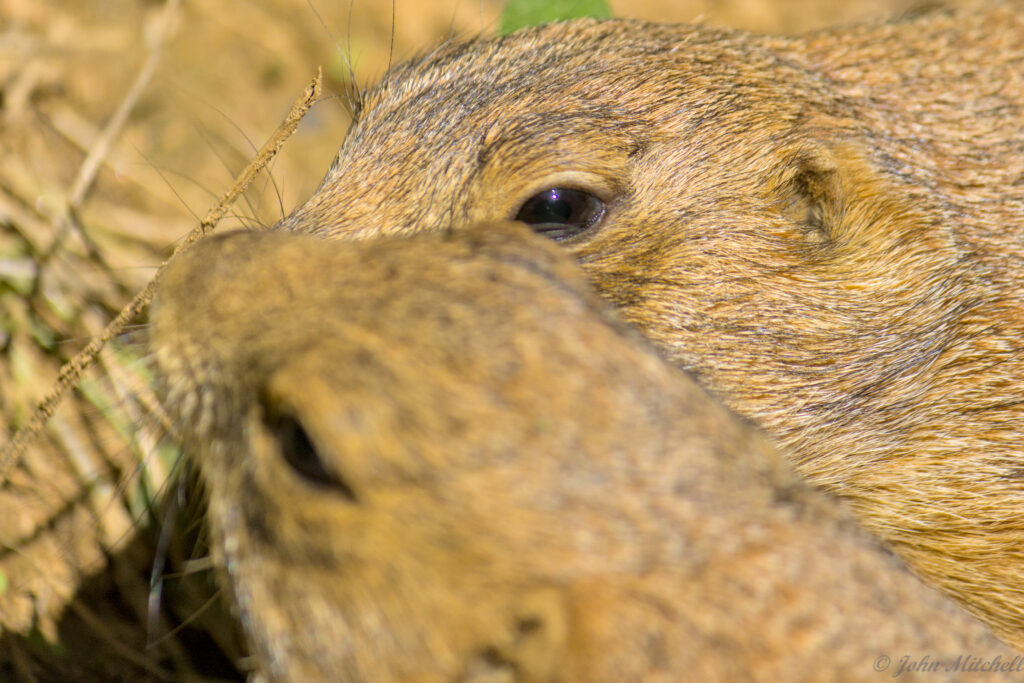
One of them ran over and kept jumping at the wall, like he wanted to climb out. John tried to get a picture of him in mid-air, but he looks more like he is being arrested by the police.
The hill with the great cats is across from the Claws & Paws Pathway. There are three pens for the great cats with one pen being slightly larger than the other two.
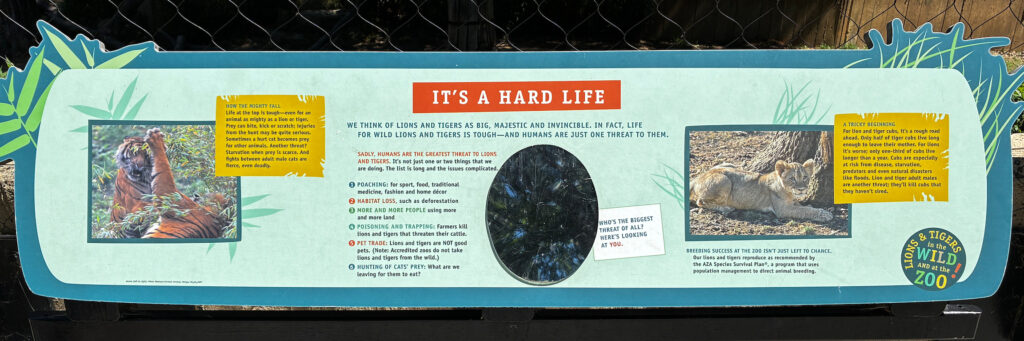
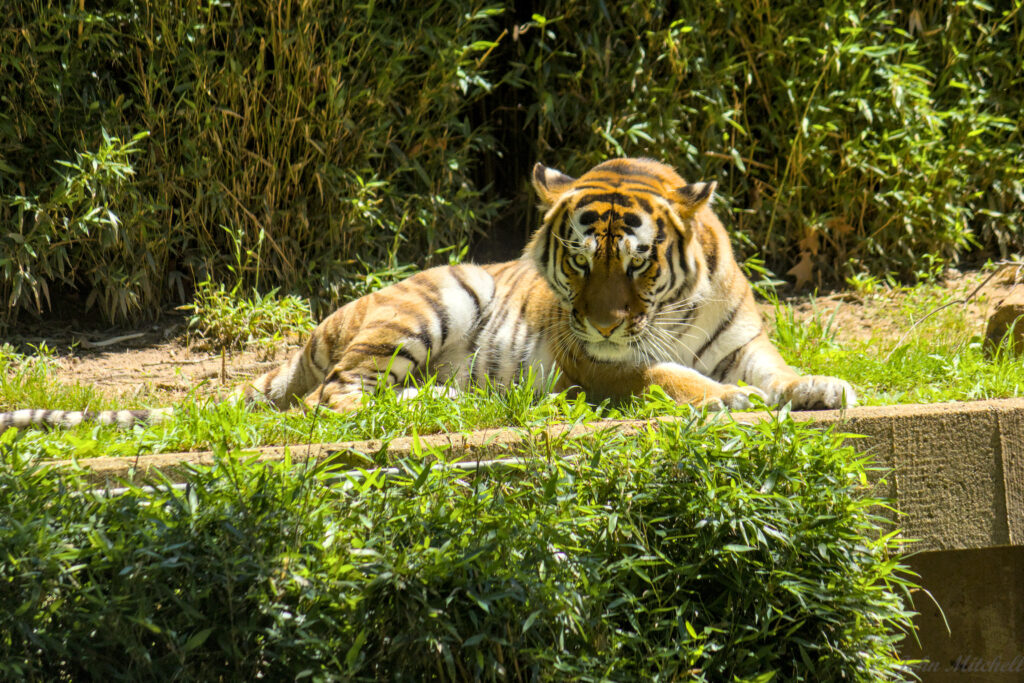
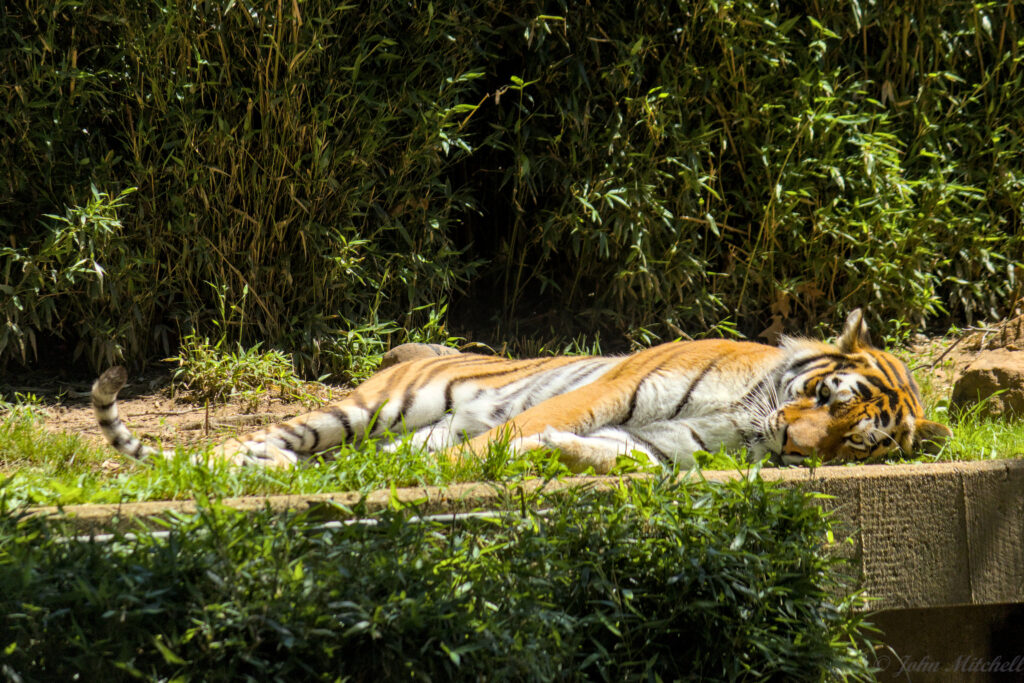
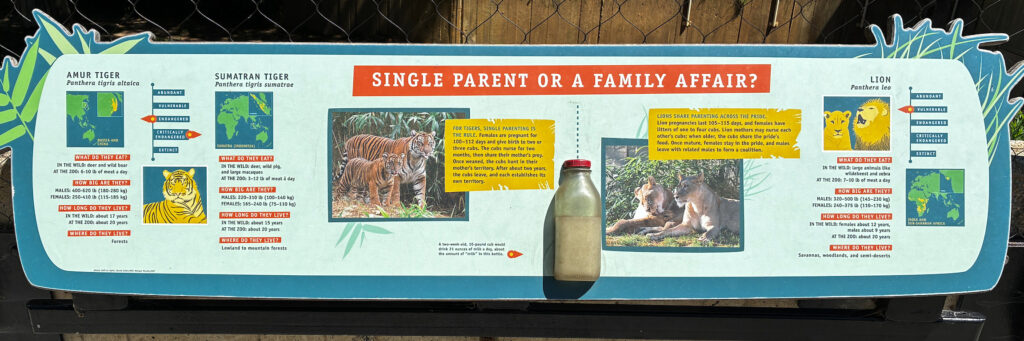
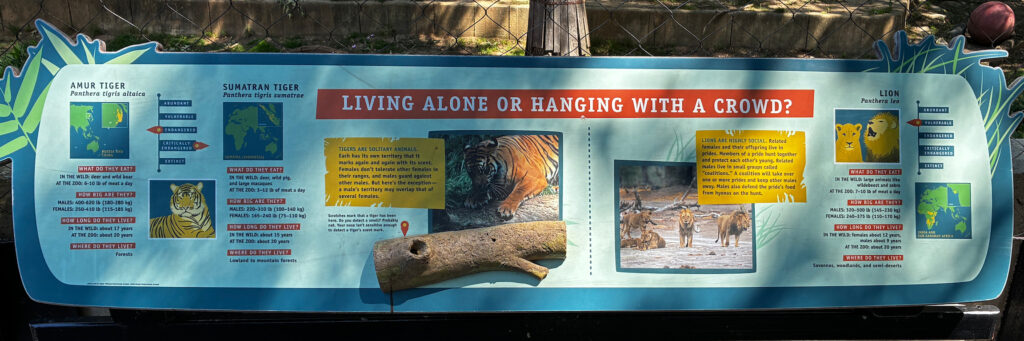
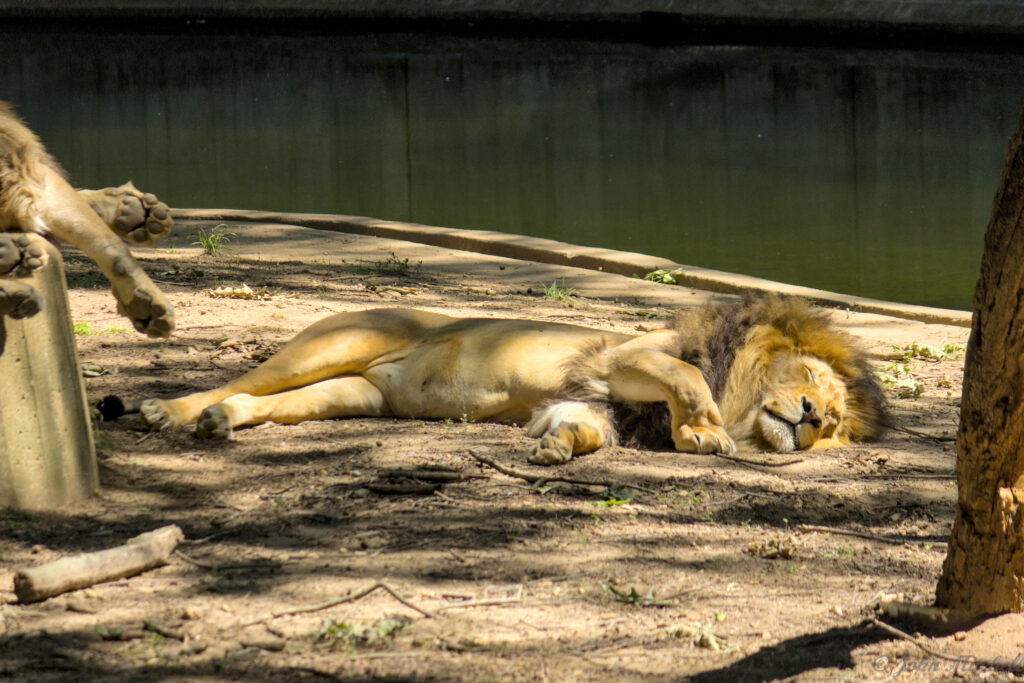
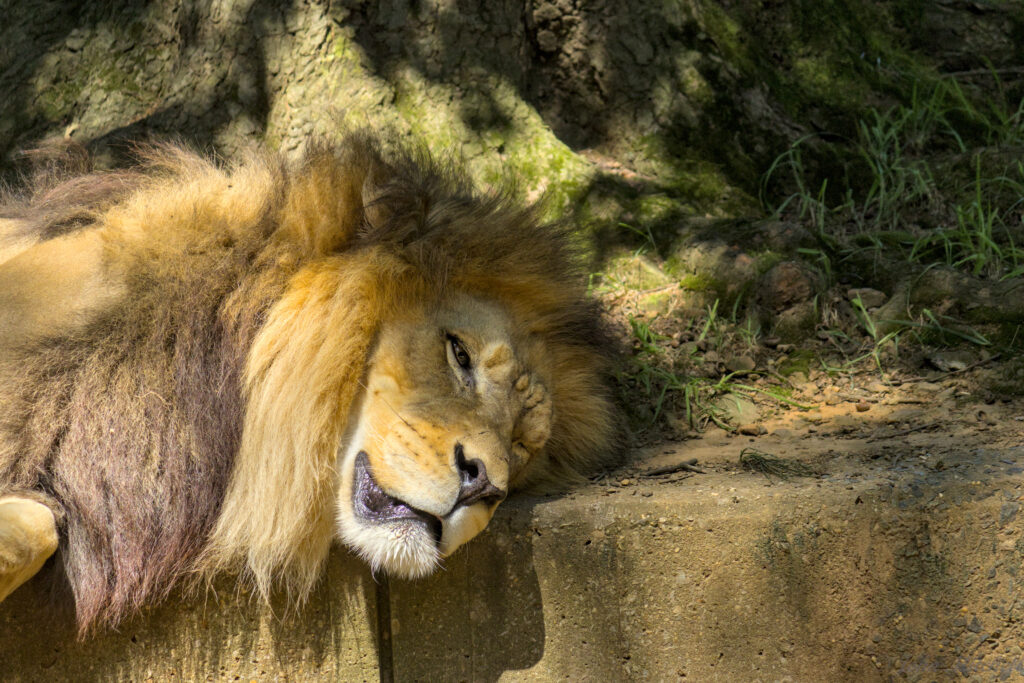
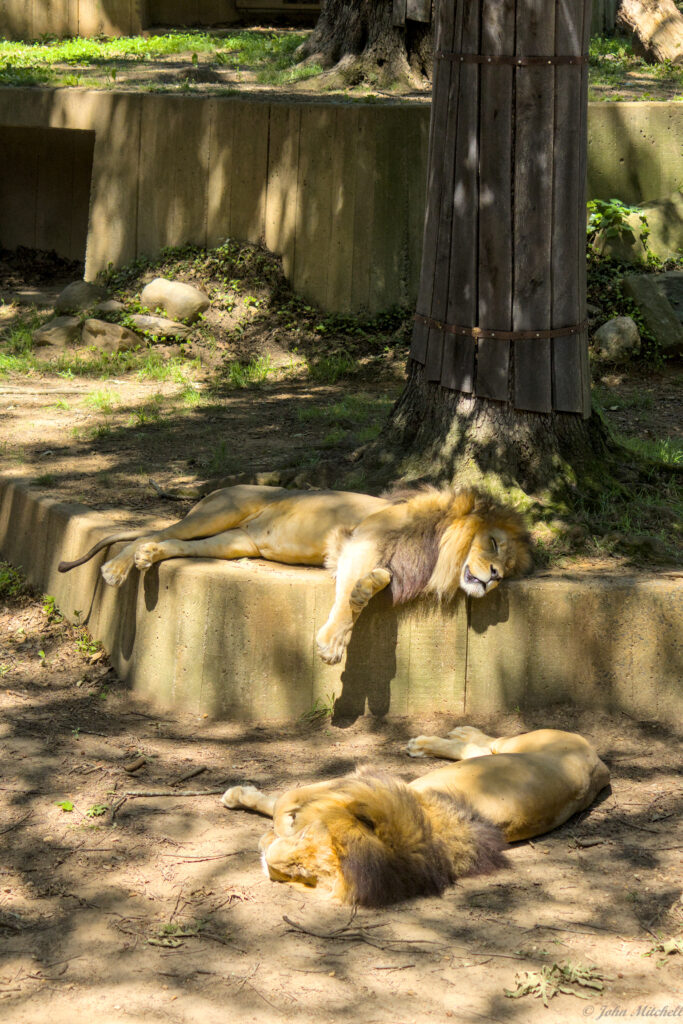
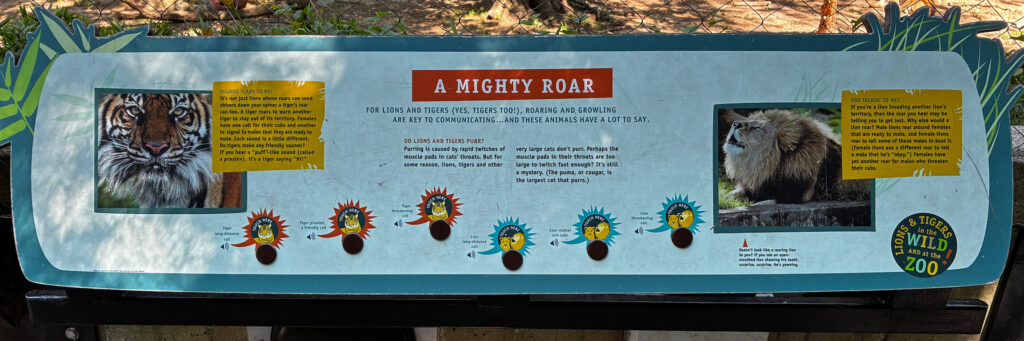
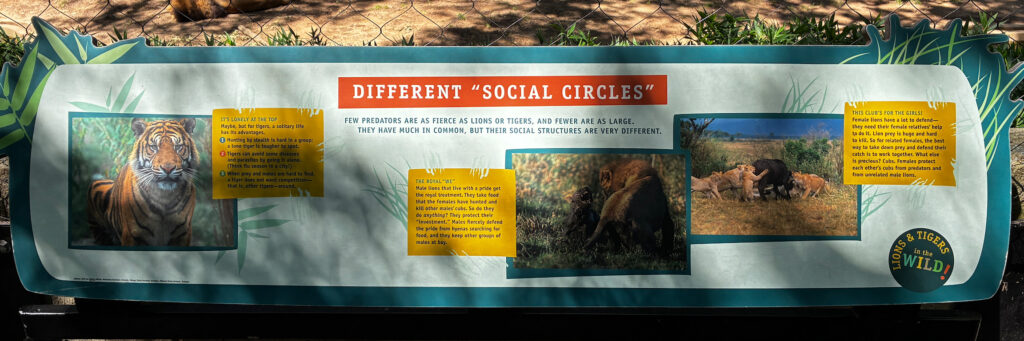
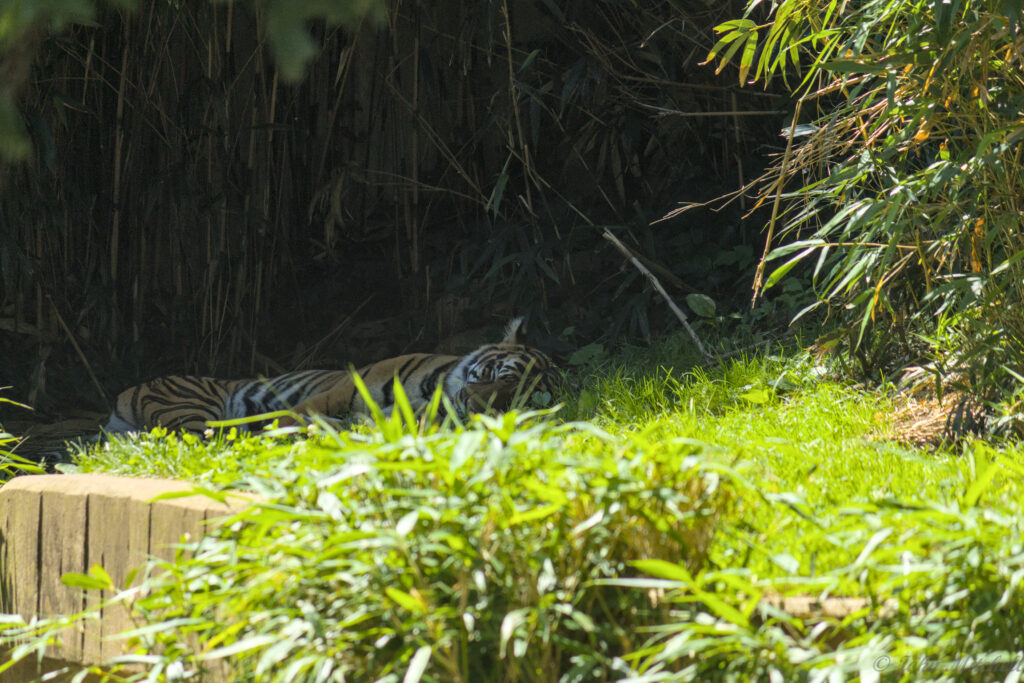
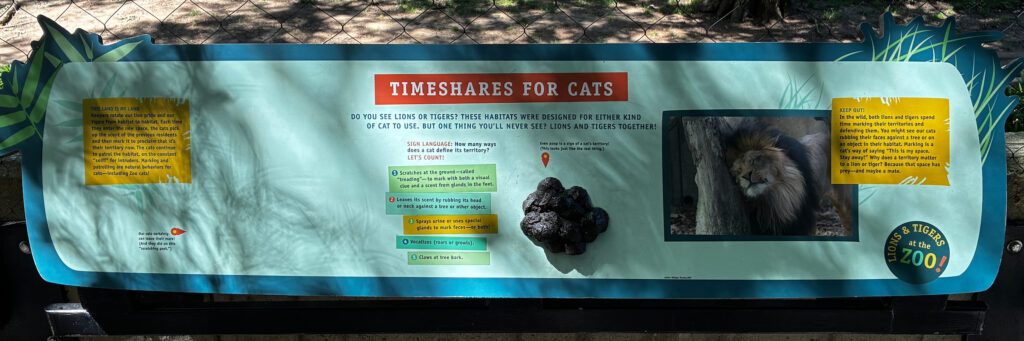
The great cat pens can support lions or tigers, but this year, it was two for tigers and one for lions.
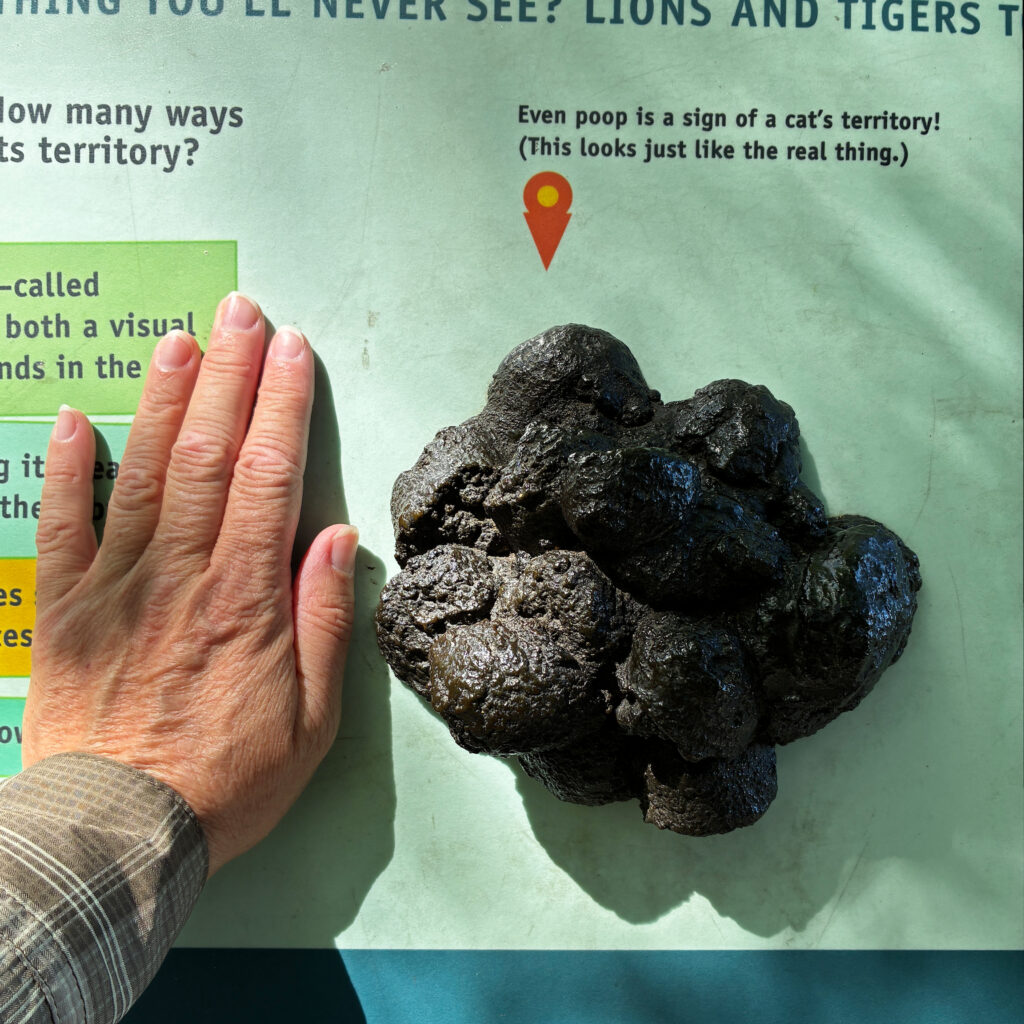

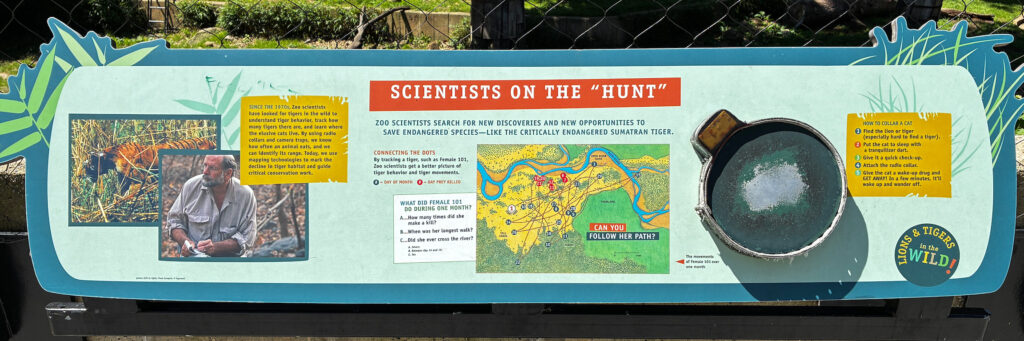
Behind the Think Tank, they had the Lynx and the Bat-eared Fox. When we arrived, a handler was placing things in the outdoor pen. The Lynx were avidly watching from the interior pens.
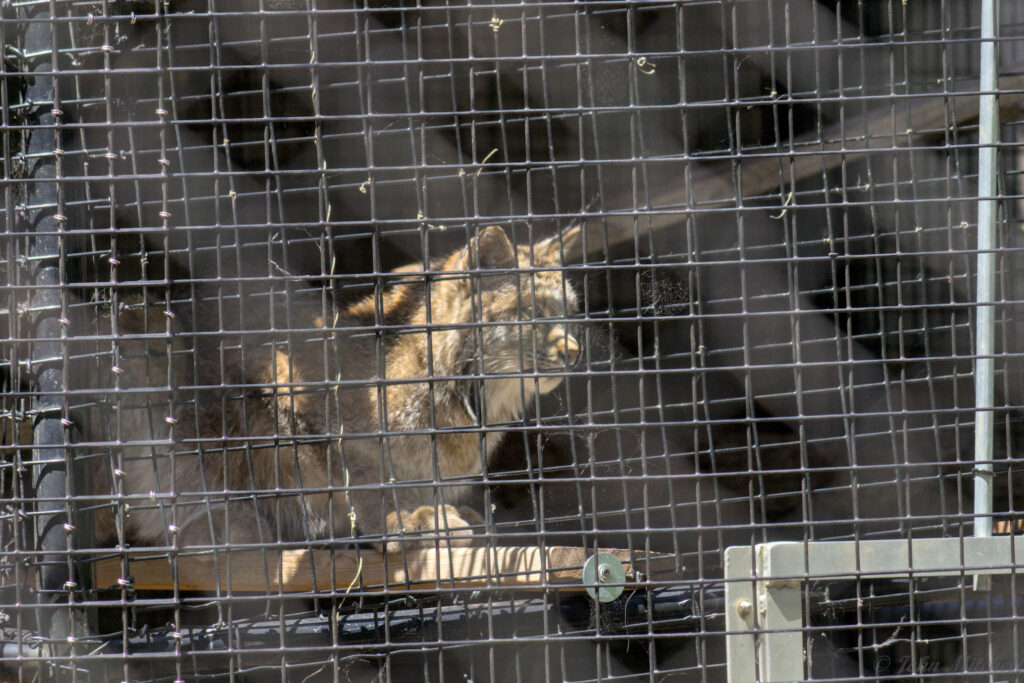
It turns out that the handler was providing the Lynx with an enrichment exercise by hiding food (dead mice?) around the enclosure. When the Lynx were released, they started searching around the pen for the mice.
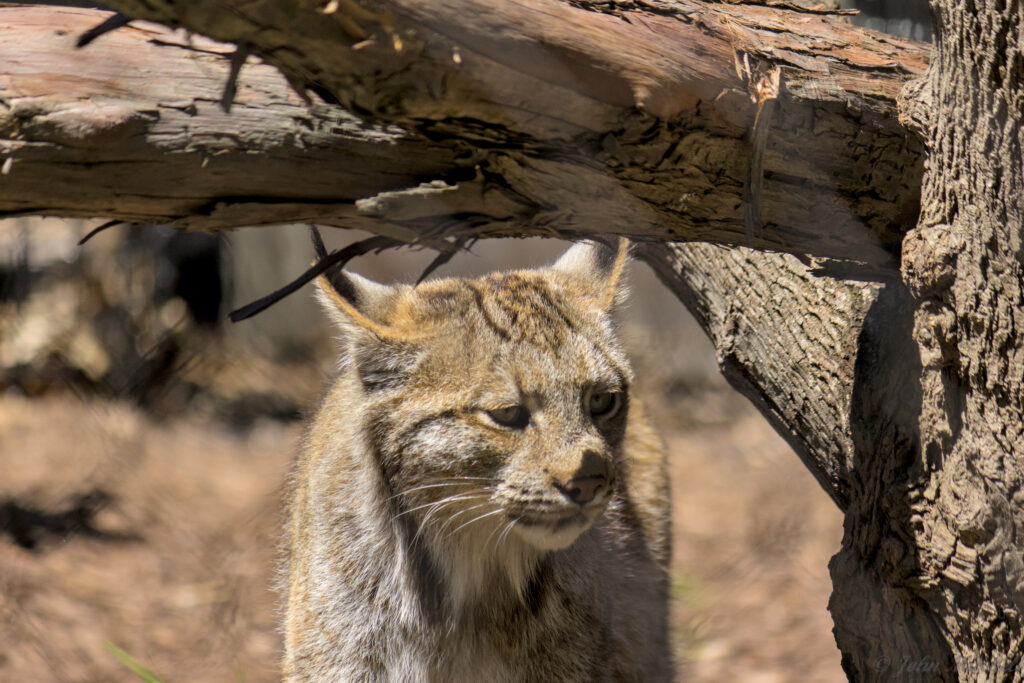
Some of the mice were in obvious places.
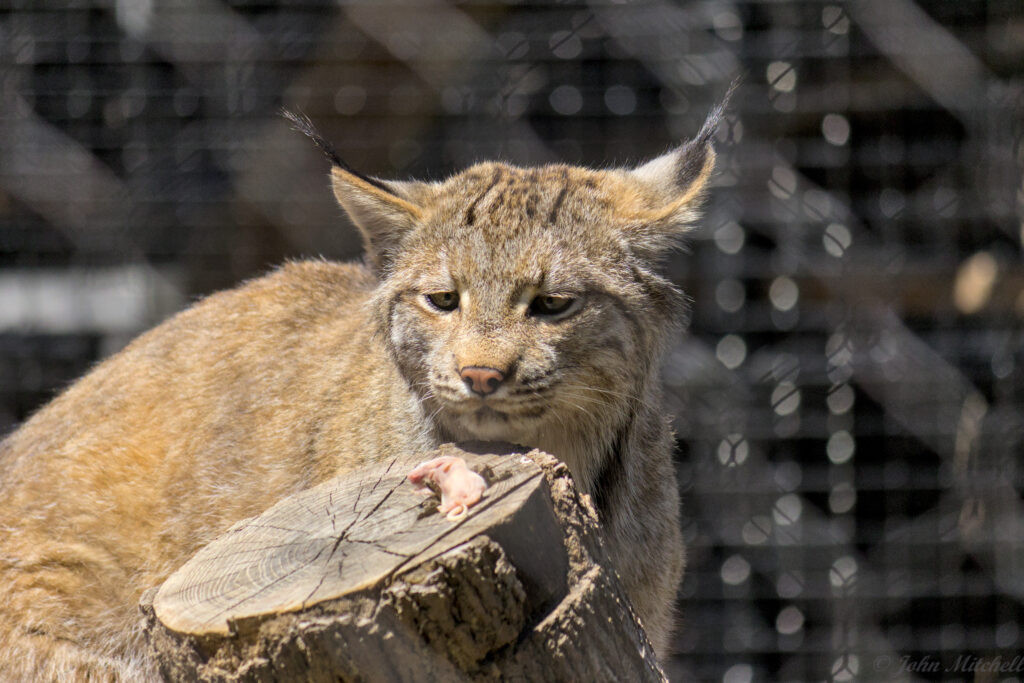
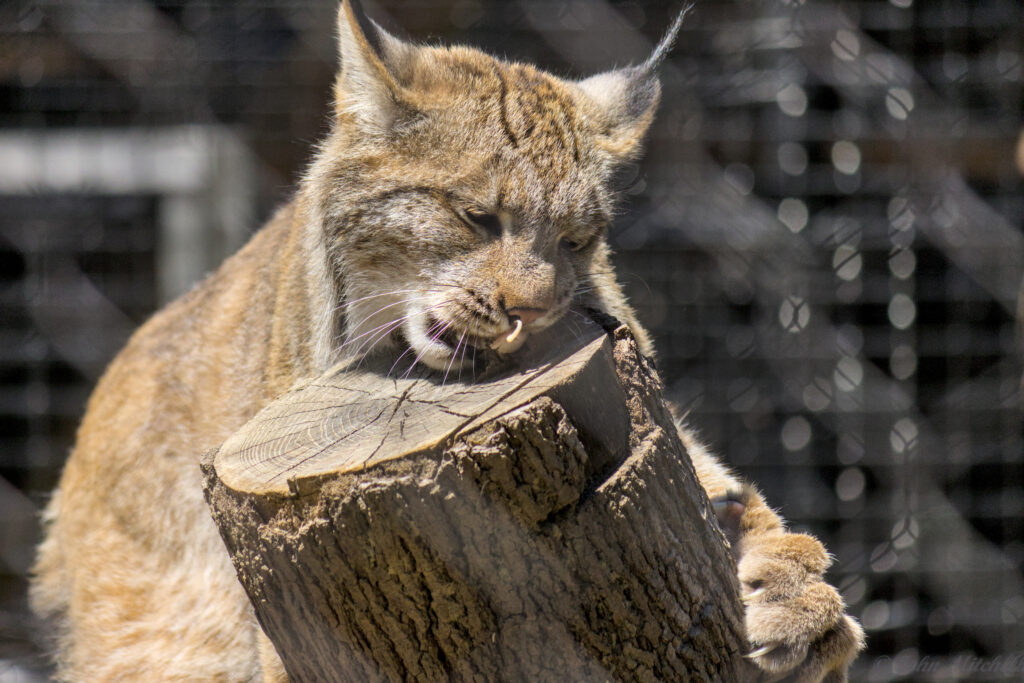
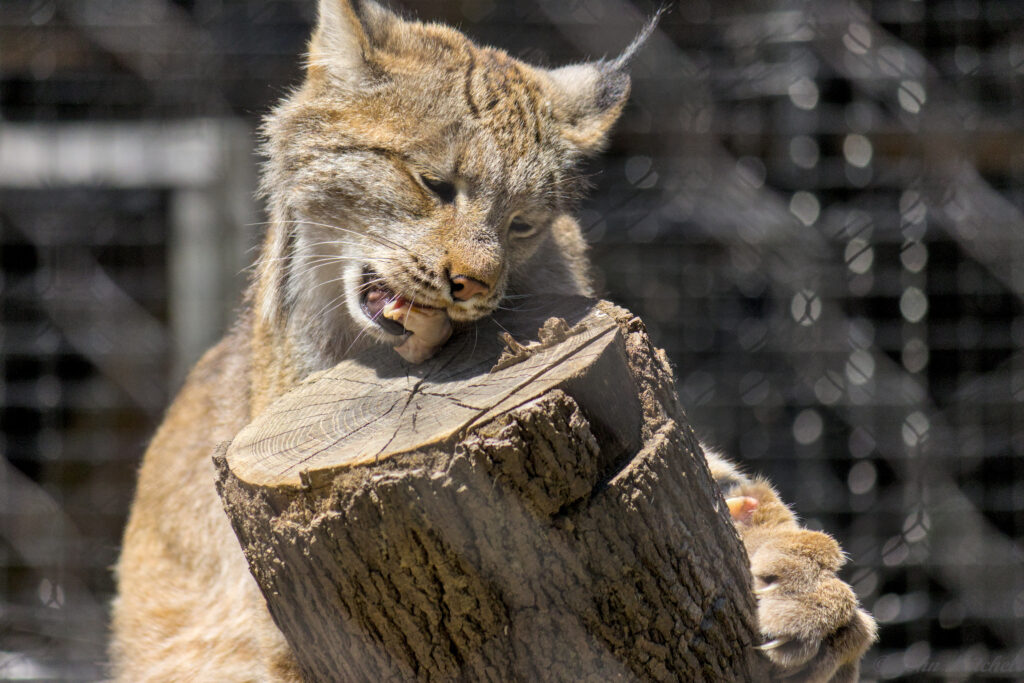
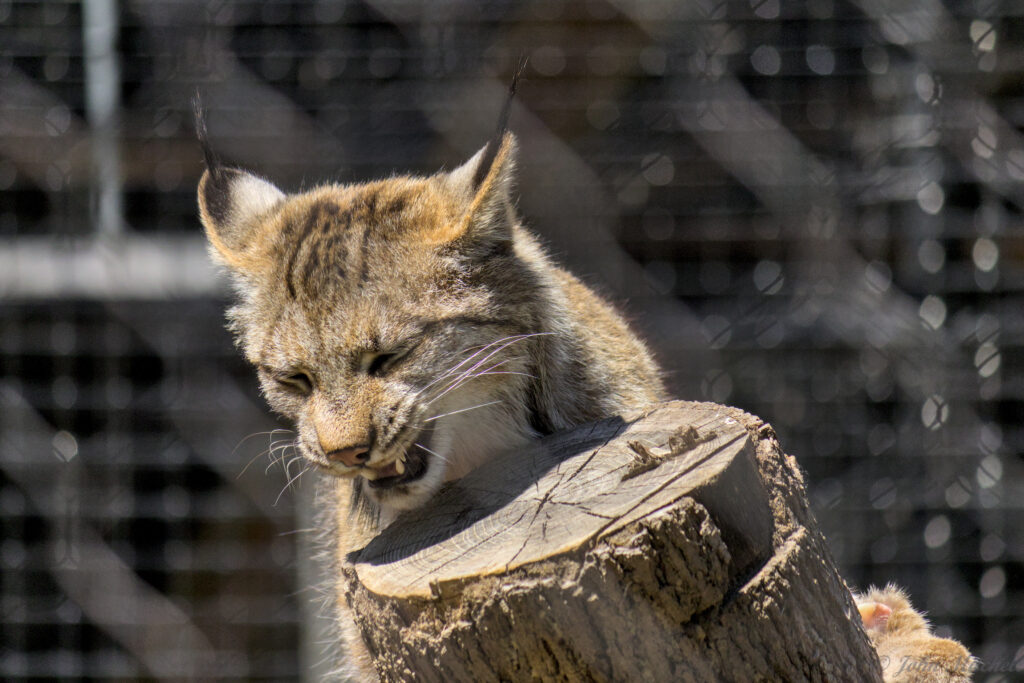
Others required snooping around to find in the grass and bushes.
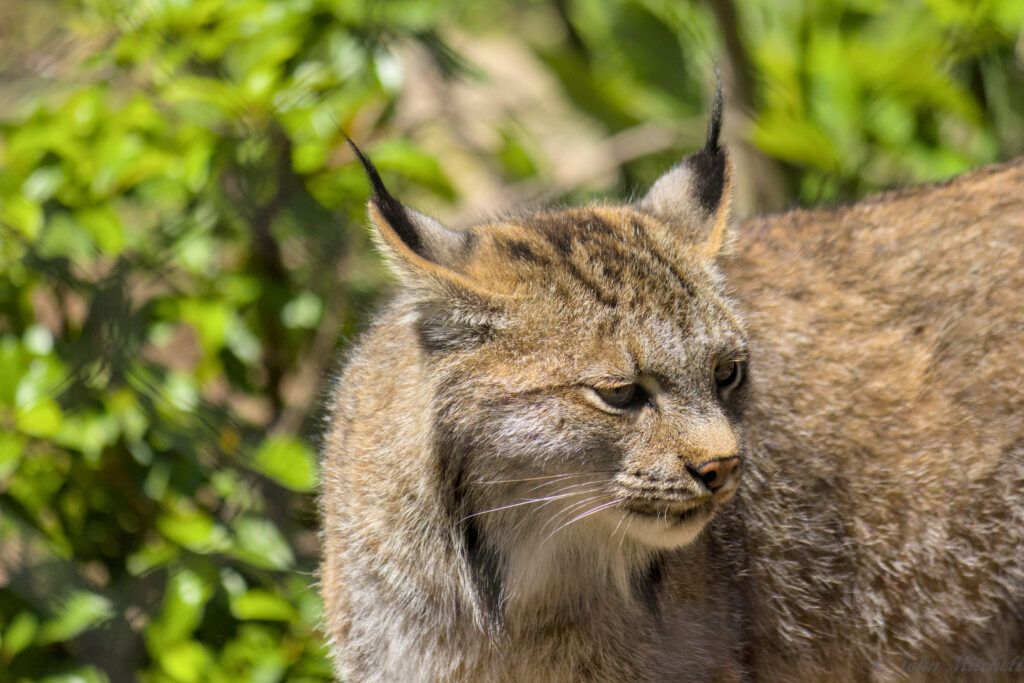
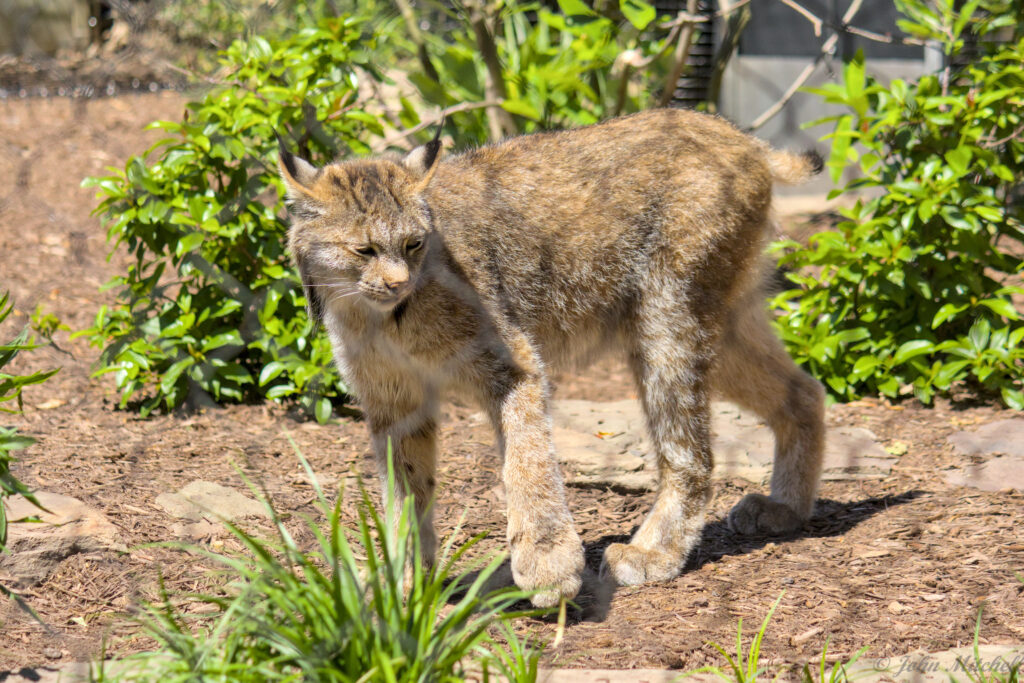
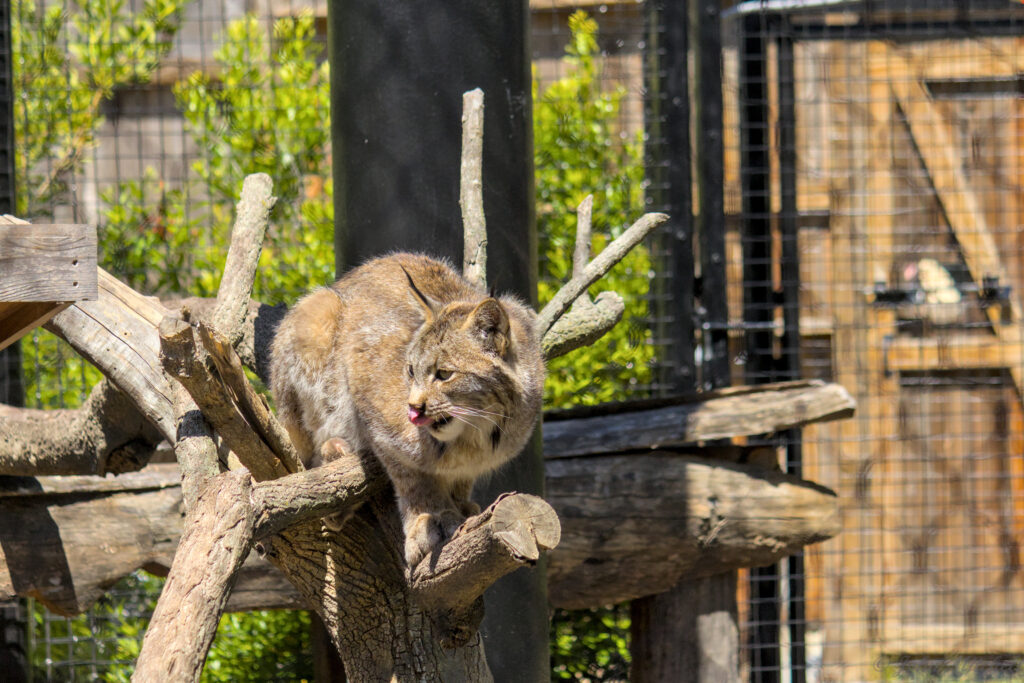
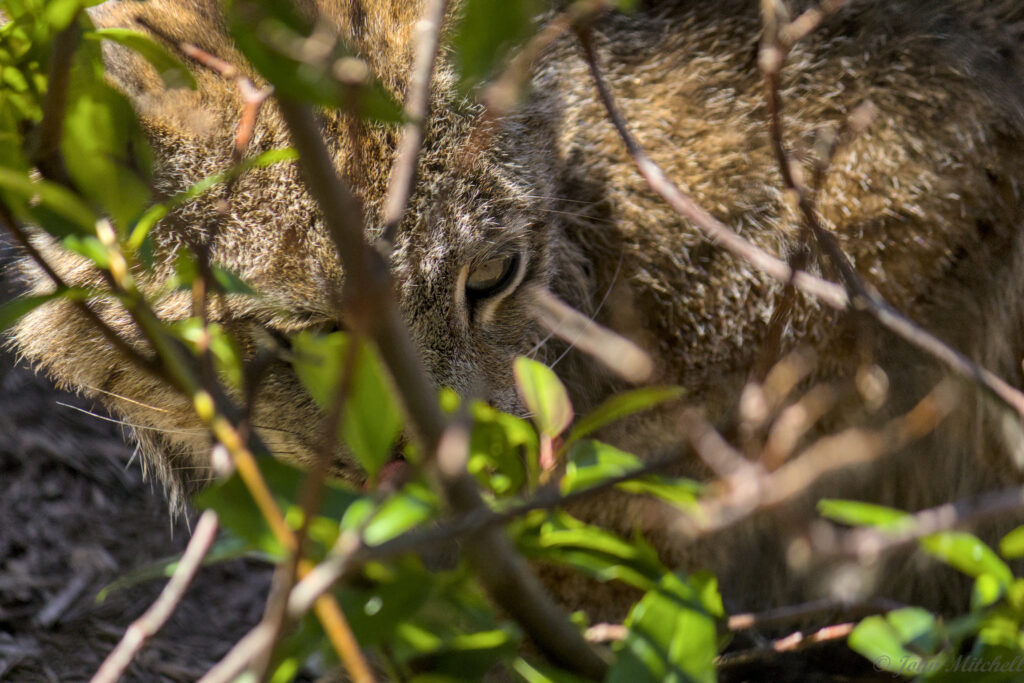
But whatever the case, THEIR EAR TUFTS ARE SO CUTE!
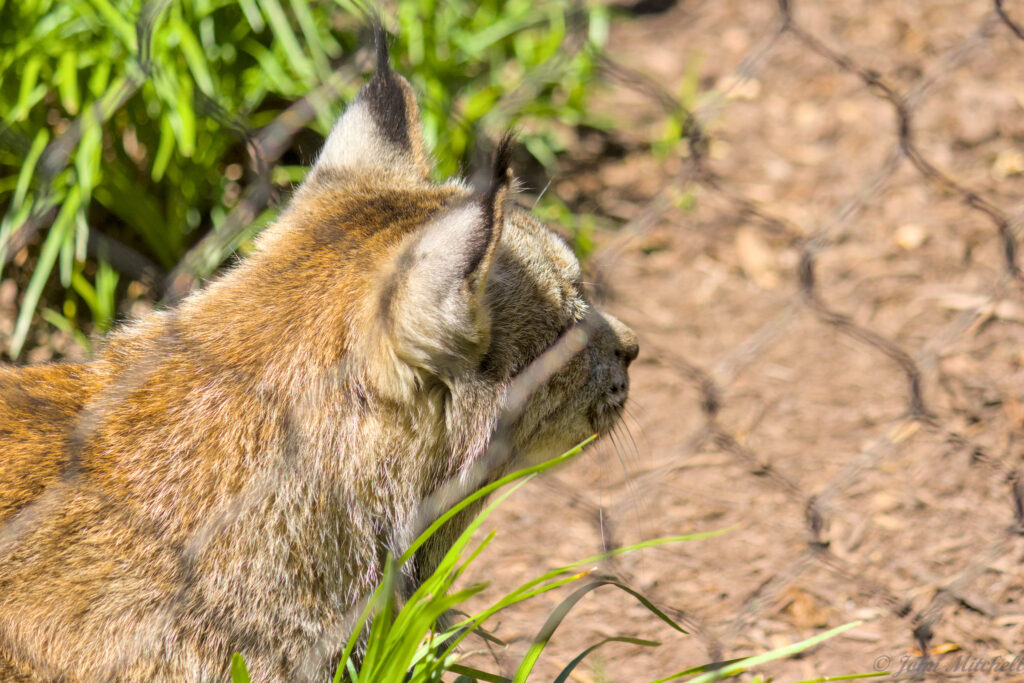
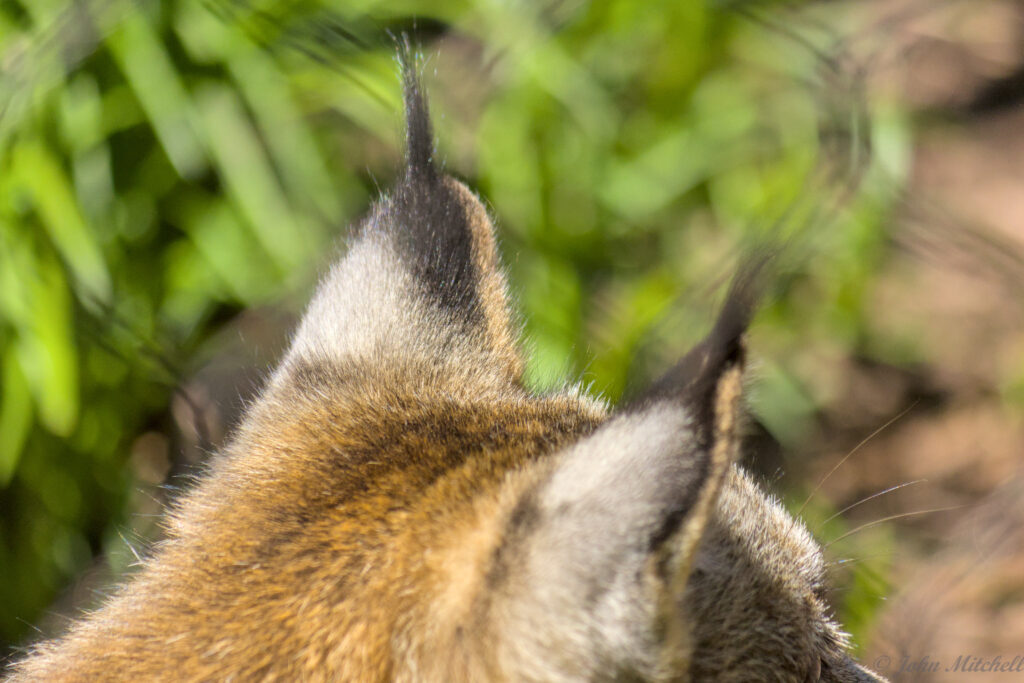
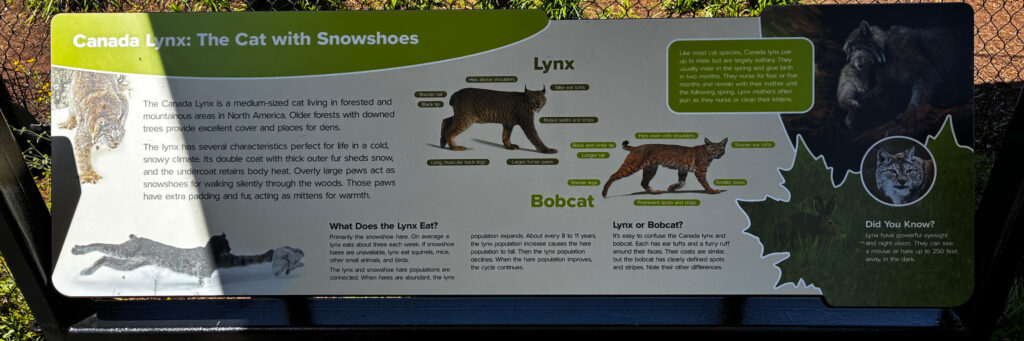
If we introduced the Canada Lynx in the US, do you think they might solve our Canada Goose problem?
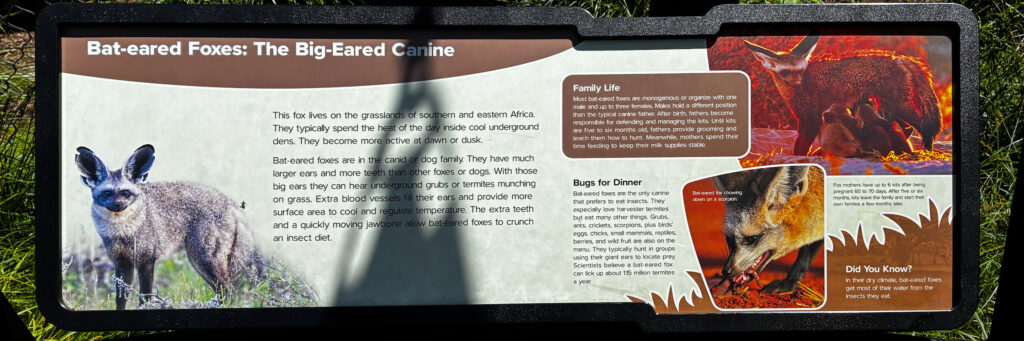
The Bat-eared Fox would have been neat to see, but we could not find it in the pen anywhere. There were four empty sleeping boxes. It could have been in the tall grass in the back or inside.
To be continued …