Youngstown, OH, June 2026
Kate looked up things to do in the area, and she found two places that looked interesting. One of them was Youngstown Steel Heritage Museum, and the other was the Lanternman’s Mill in Mill Creek Metro Parks. Both of these are in Youngstown, which is 45 minutes southeast of West Branch State Park.
Looking at Google Maps and Google Street View, you could not be faulted for thinking it was a train junk yard.
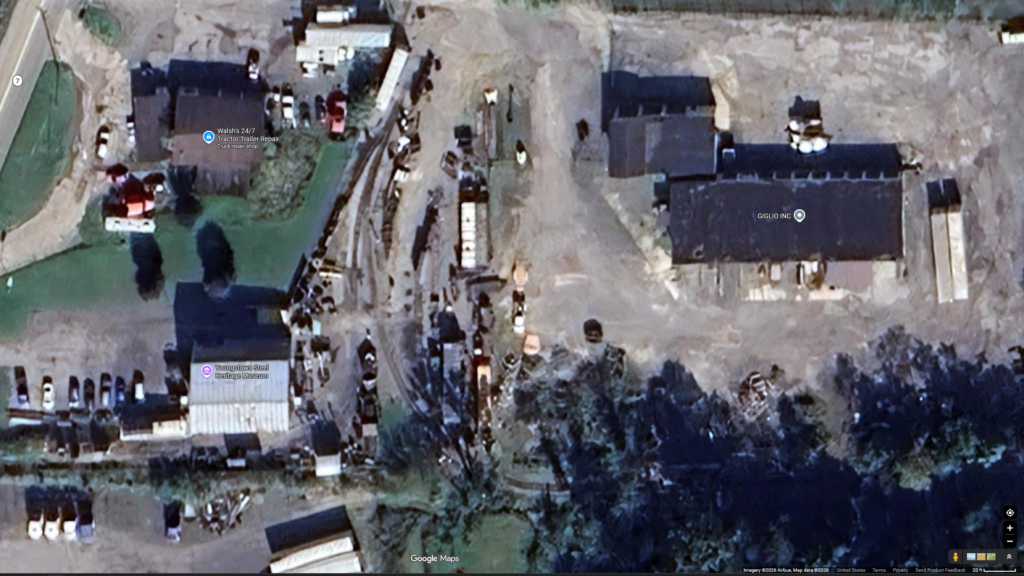
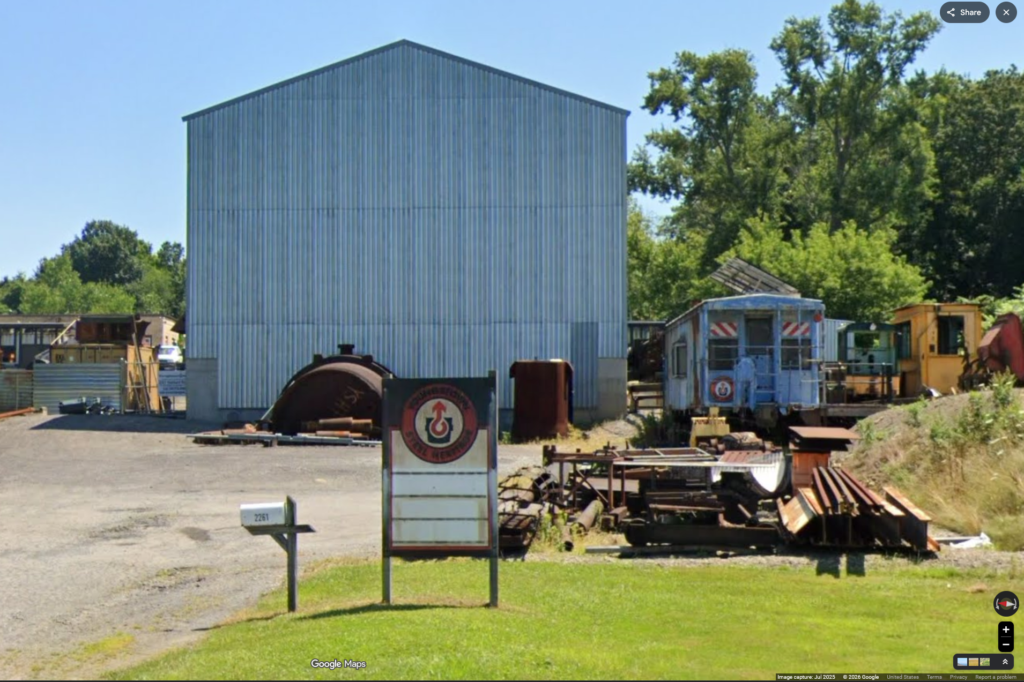
The most interesting thing about the Steel Heritage Museum is that you can pay $358 to be a steam train engineer for a day. While this is expensive, it might be worth doing once in your life. The museum opened in May, so, sadly, the first opportunity was scheduled the day after we left the area. We might try to do it the next time we pass through the area. From the sound of it, you get the whole experience – rain or shine. You clean the fire box, you make a fire, you shovel coal, and you drive the train. You can read more about the museum here. There are links to the steam engineer event off the main page.
Wait, we have to do all the work! Why would we have to pay them?
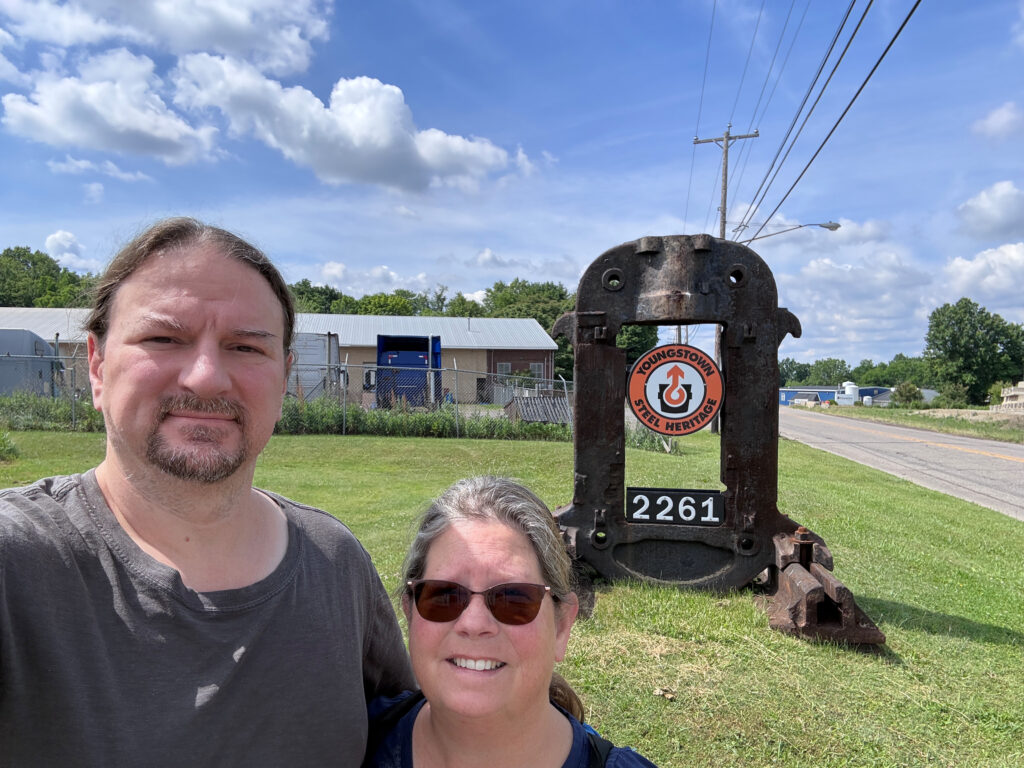
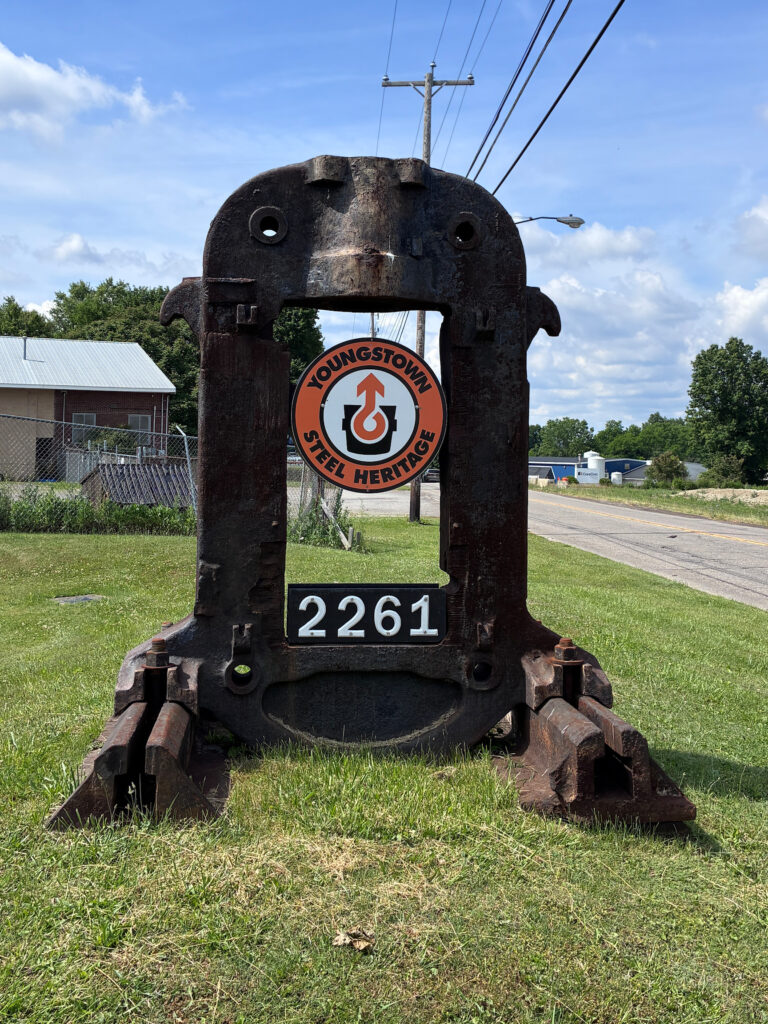
It turns out that it is a bit of a train junkyard, but they are trying to rehabilitate the trains. Most of the trains in usable-ish condition appear to be narrow gauge, which is about have the width of modern train tracks. They almost look like toy train tracks or something you would see kids riding in the mall.
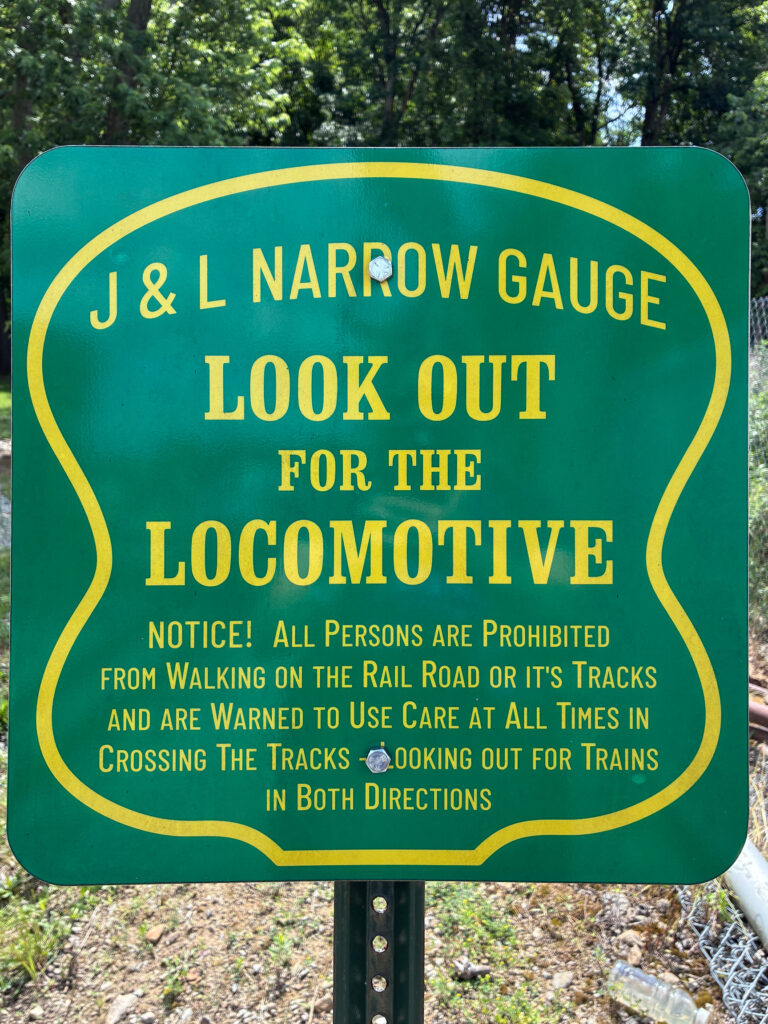
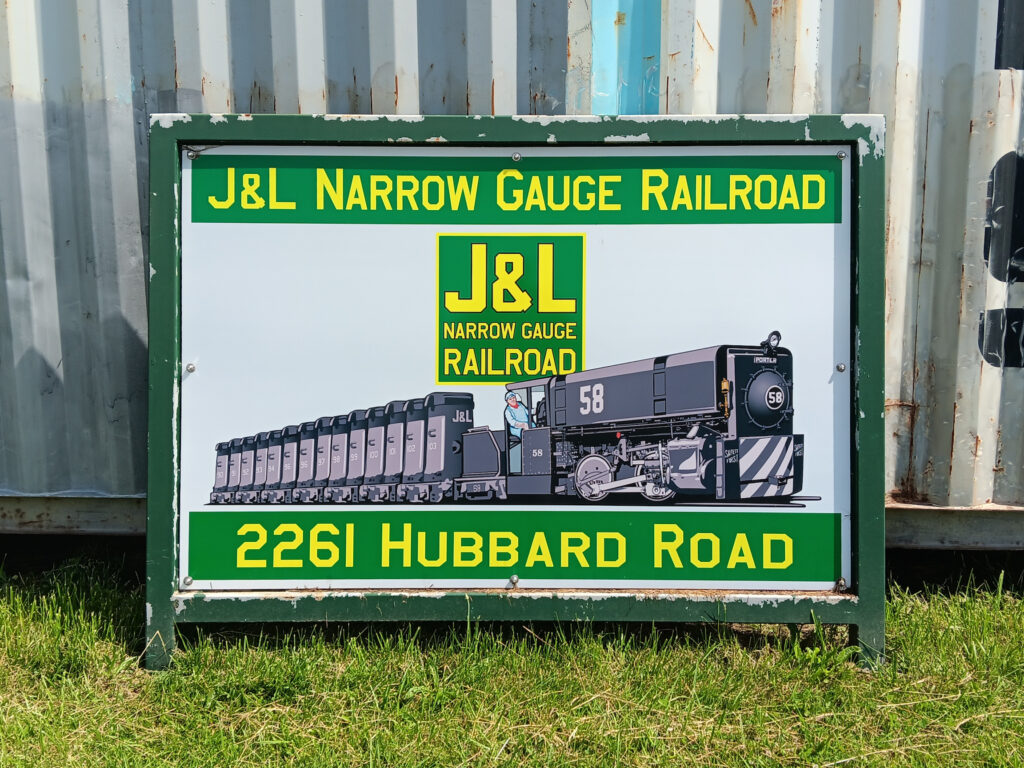
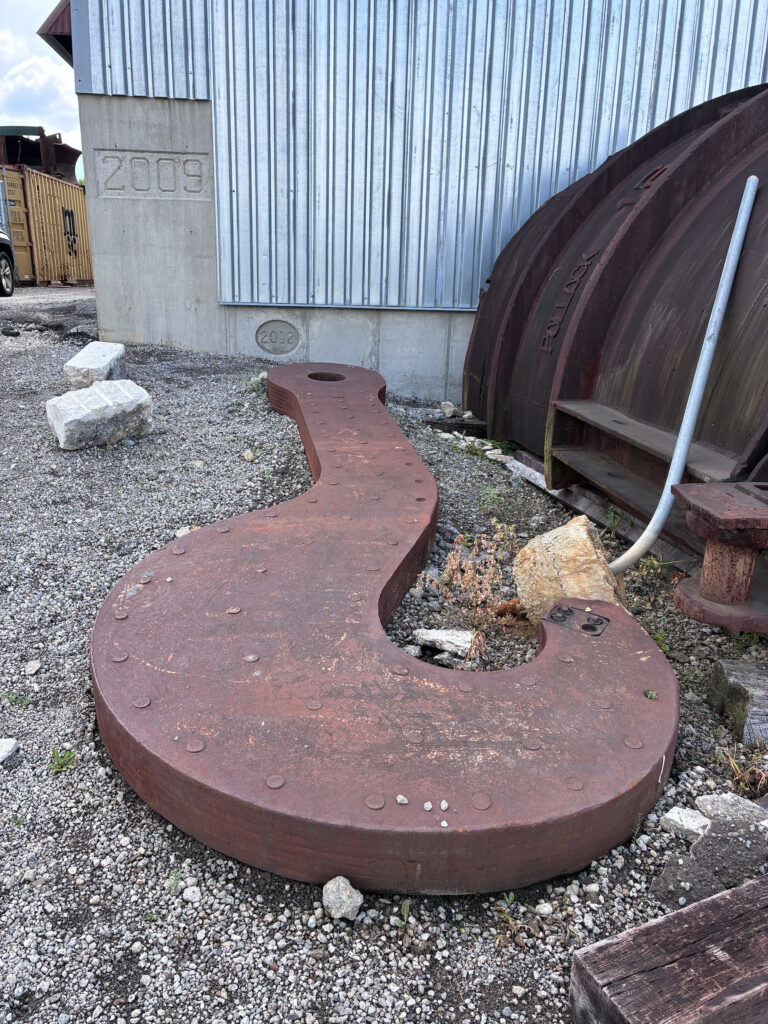
After the entry sign and narrow gauge signs, you are met by a large unassuming corrugated tin building. You can see the scale of some of the parts out front by comparing them to the doorway.
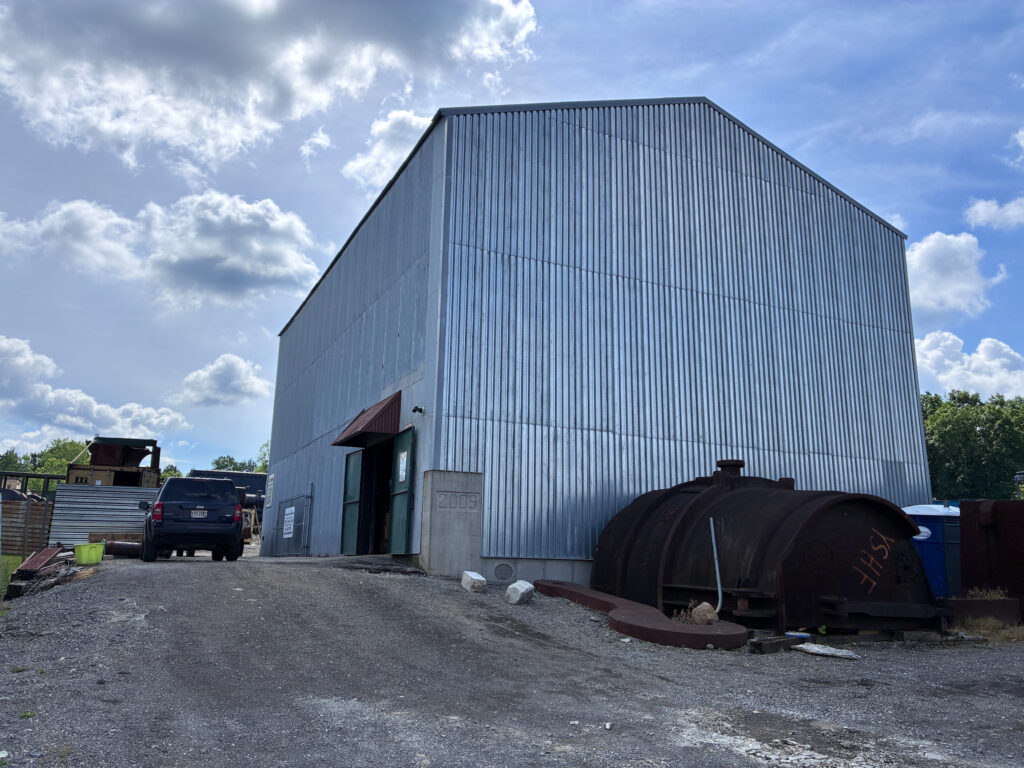
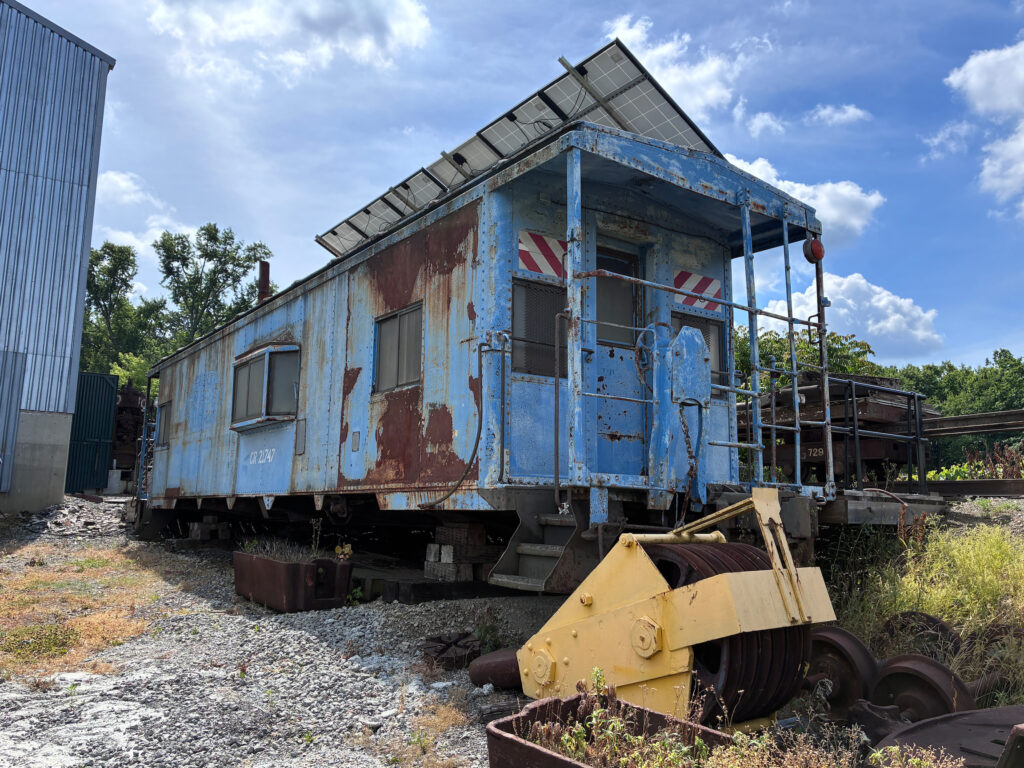
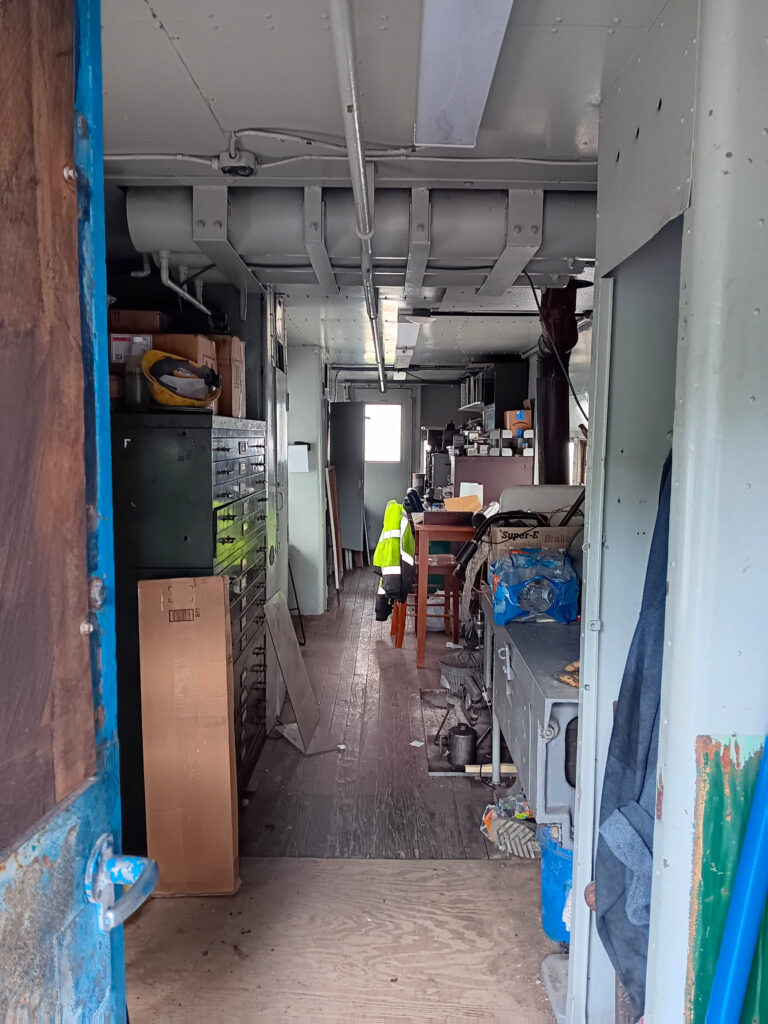
At the front right corner, there is a derelict blue train car that looks like it might be full-sized. It is hard to tell because it has no wheels. We are pretty sure that the solar panels do not come as a standard feature. When you look inside, it appears to have converted to a workshop.
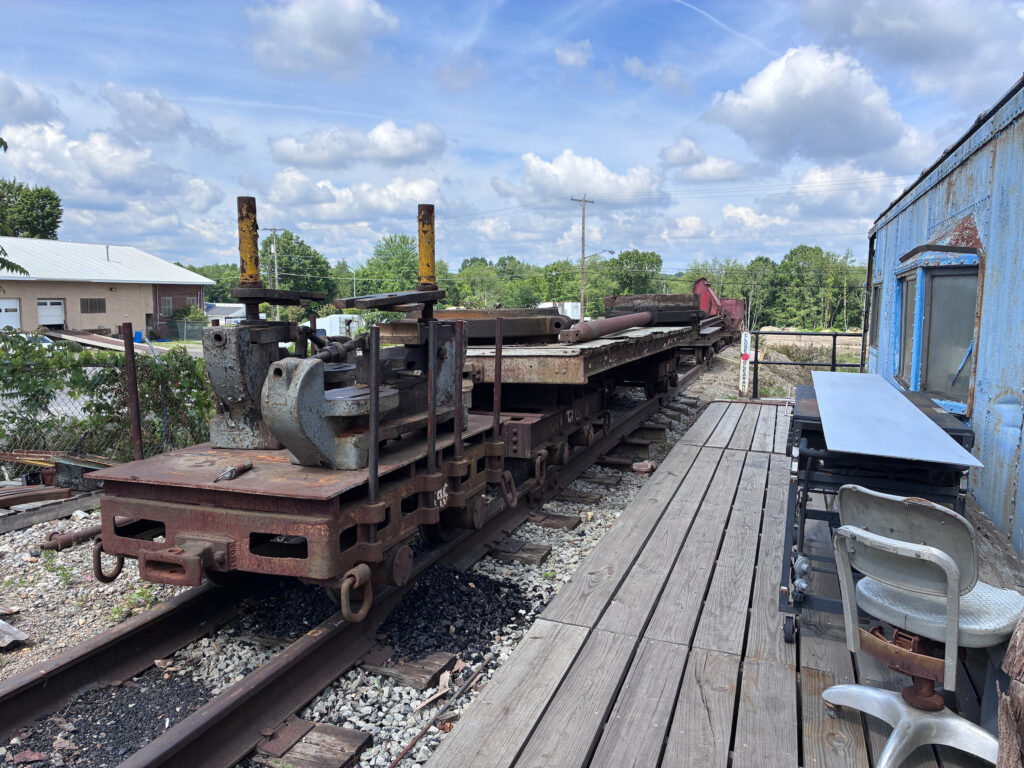
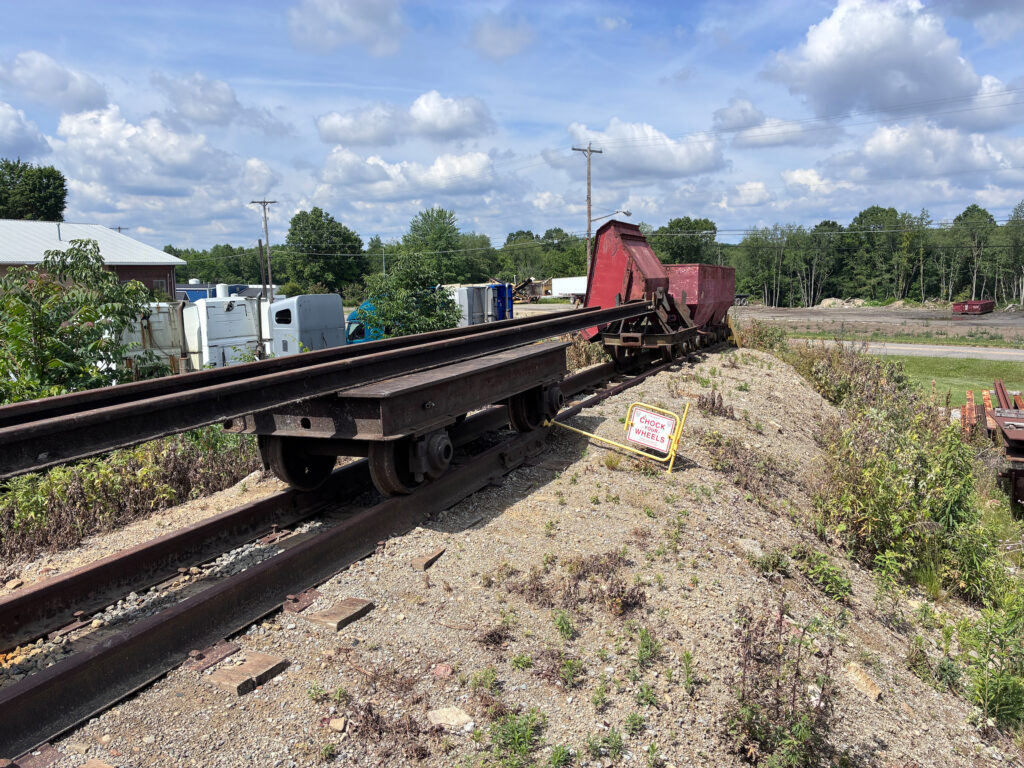
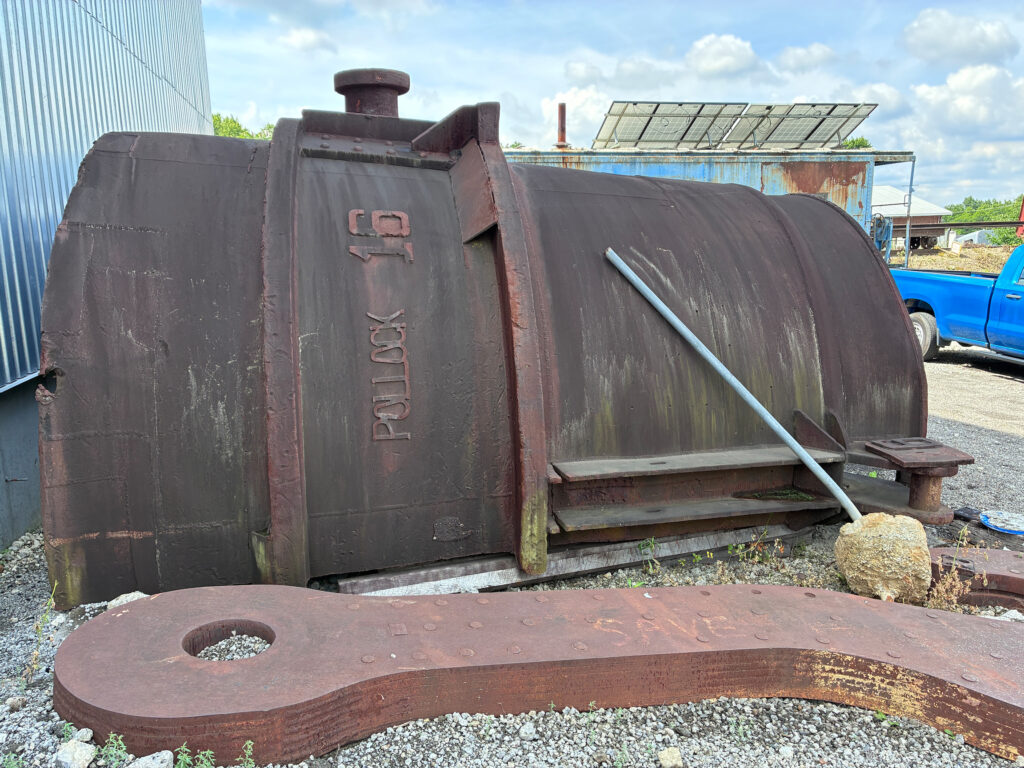
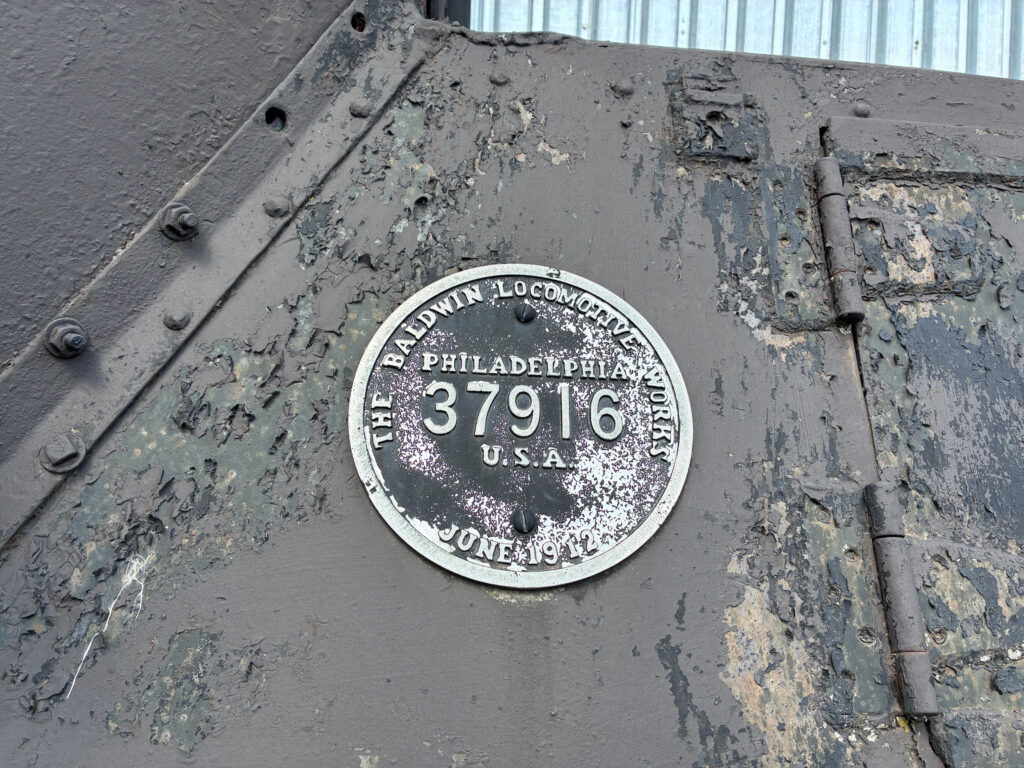
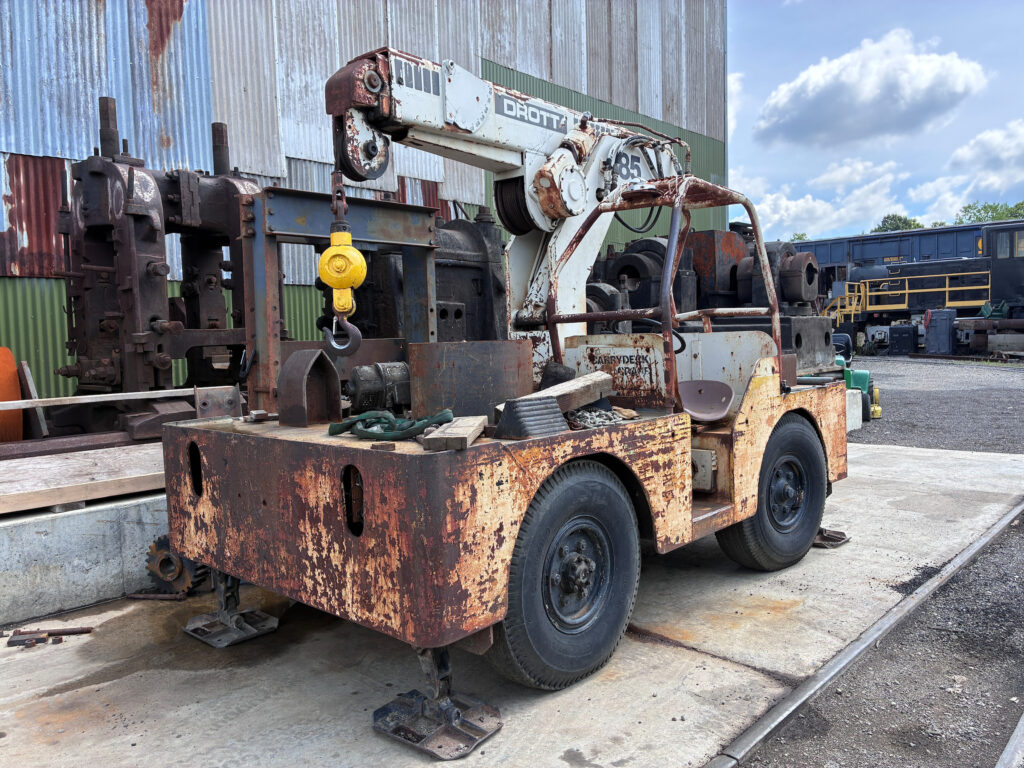
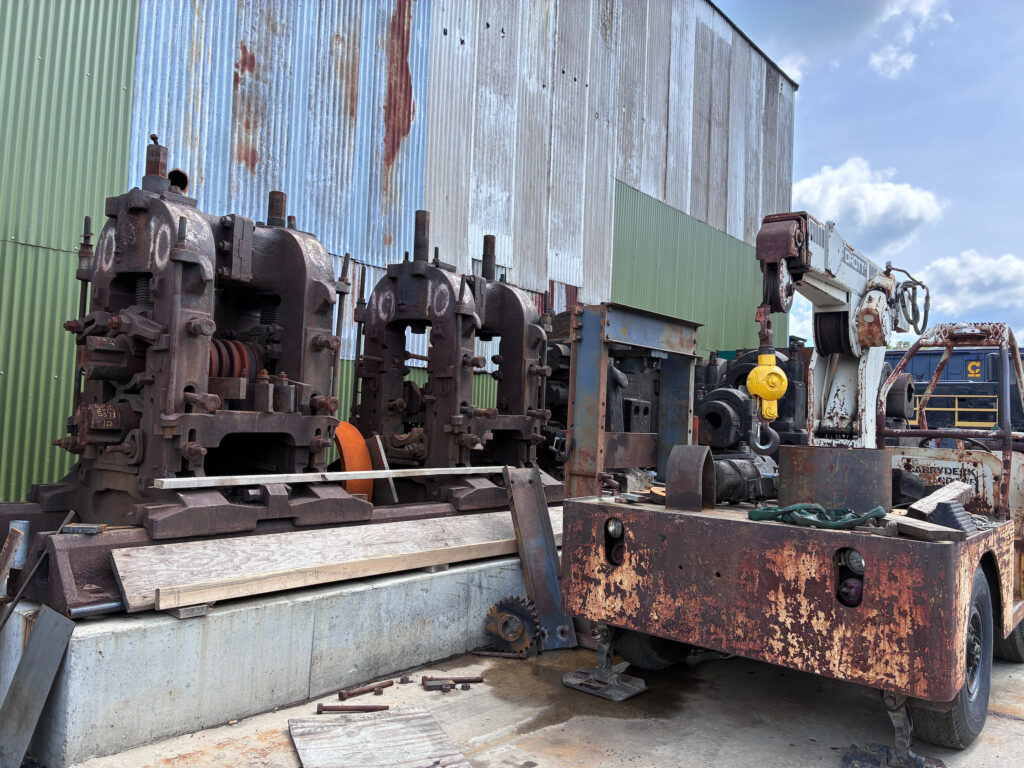
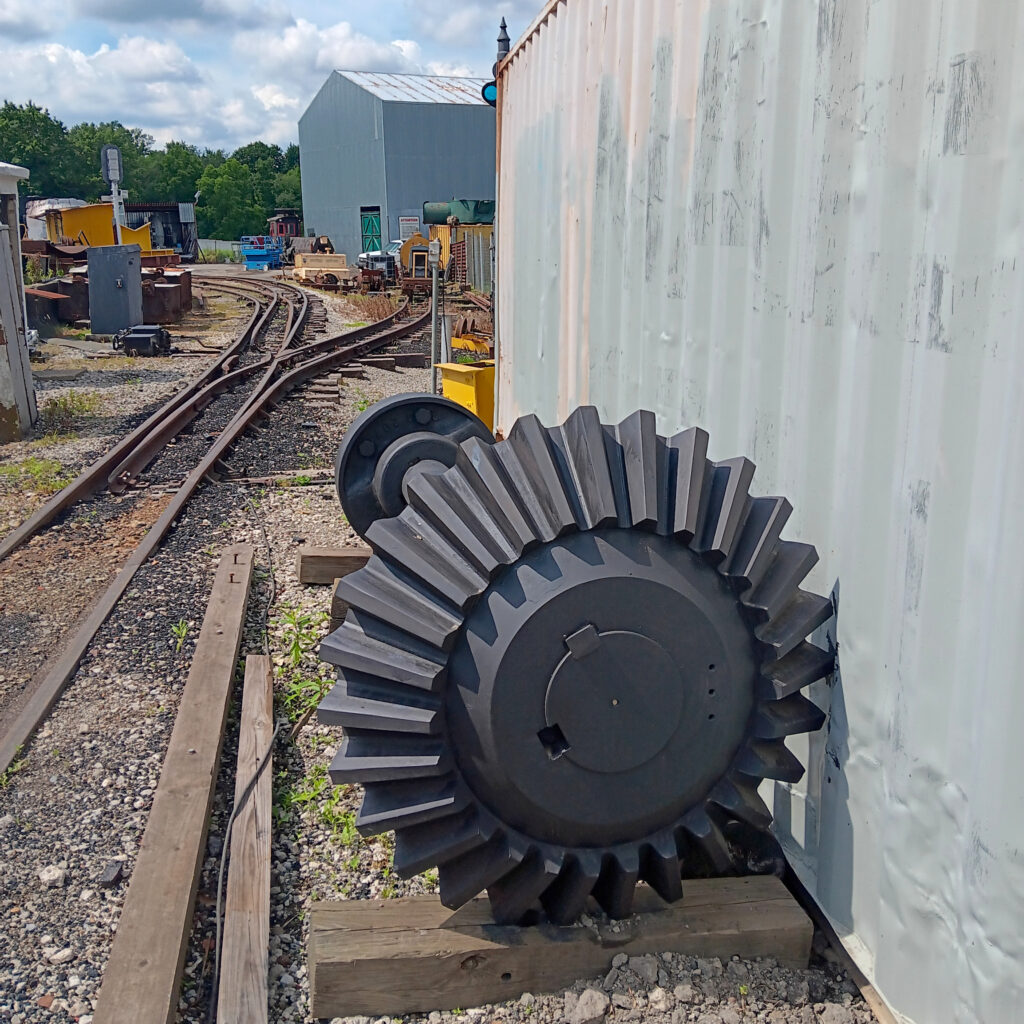
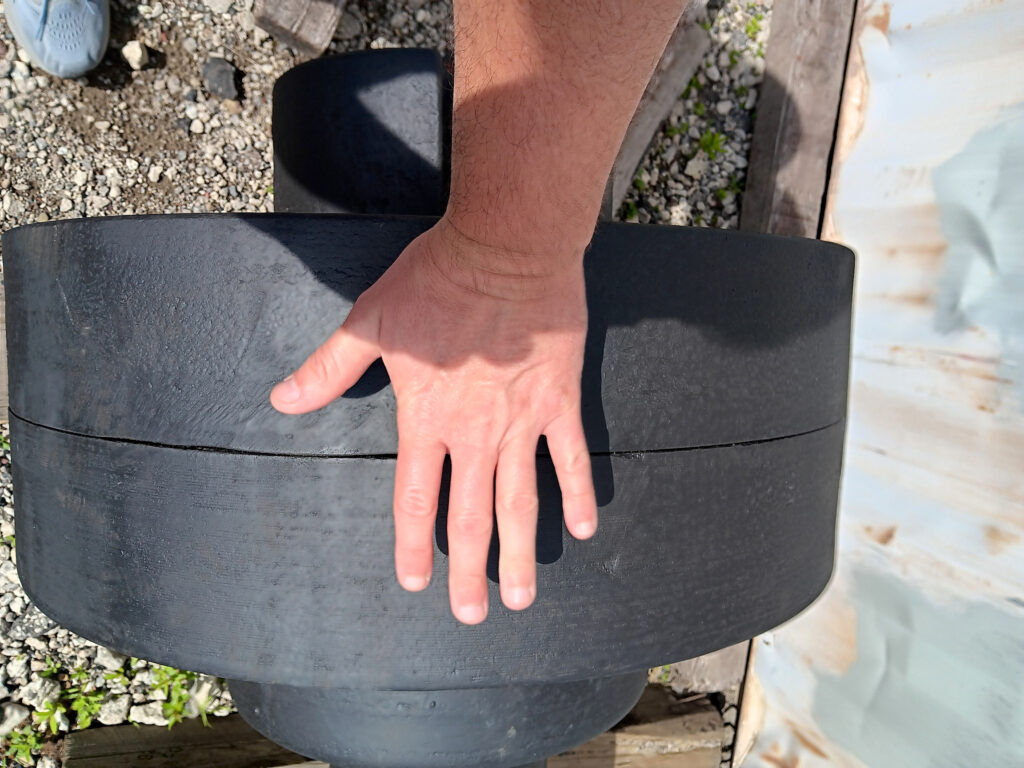
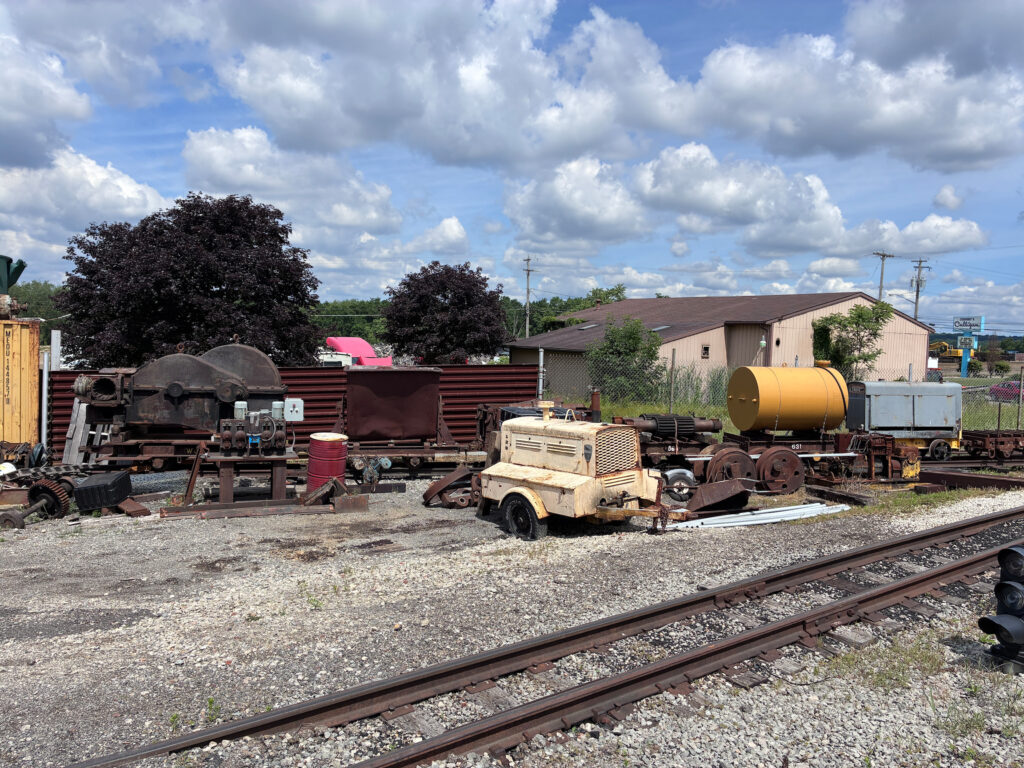
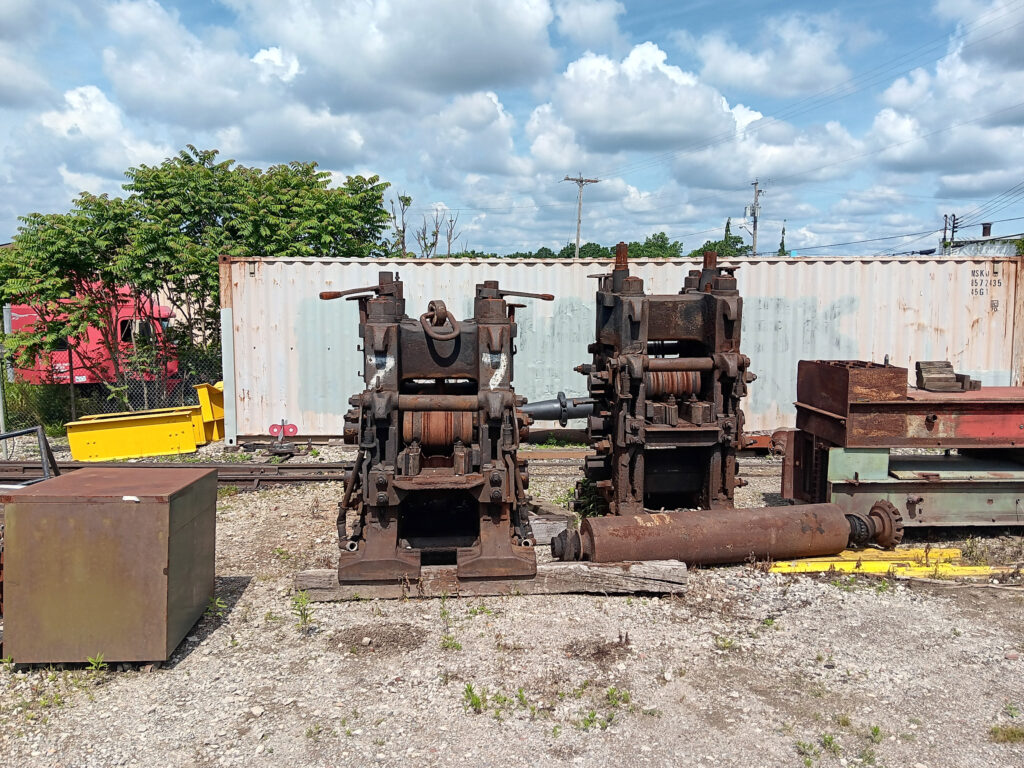
The other sides of the building have train parts, heavy machinery, tools, and unknowable metal objects.
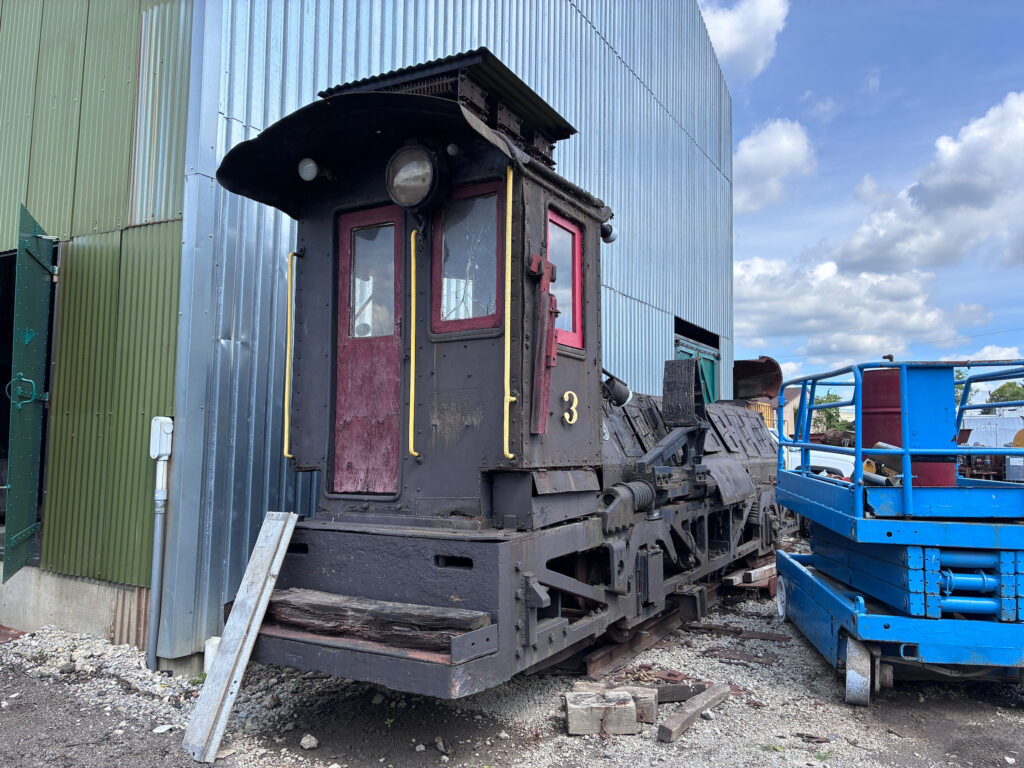
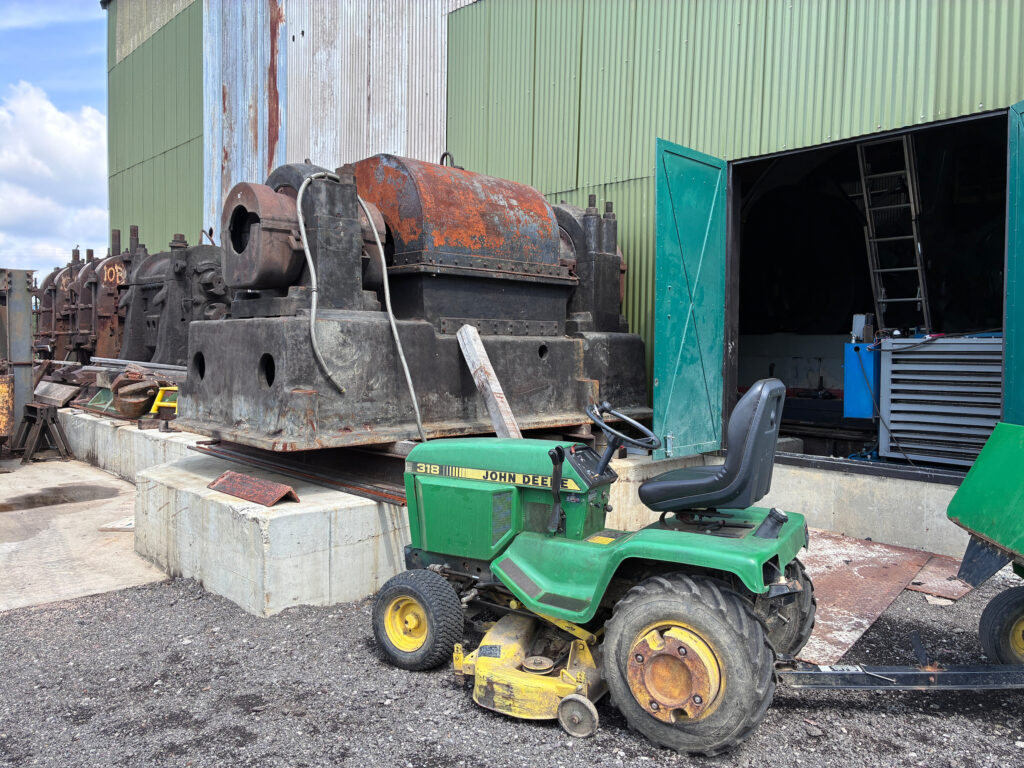
Look! A John Deere miniature yard train!
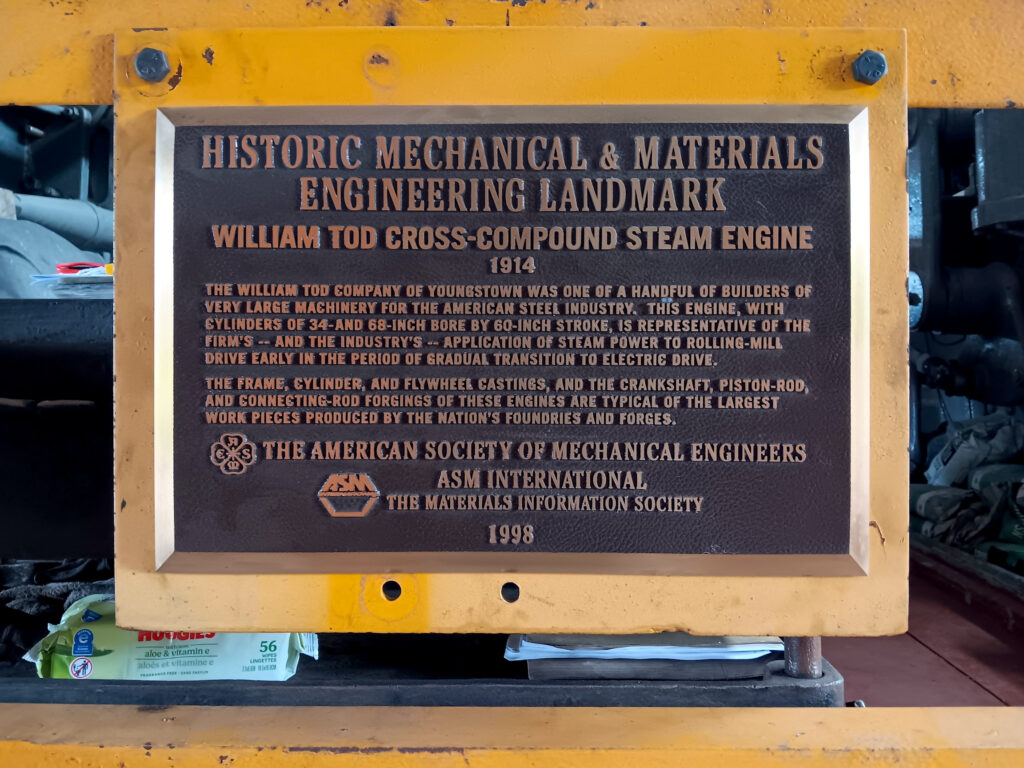
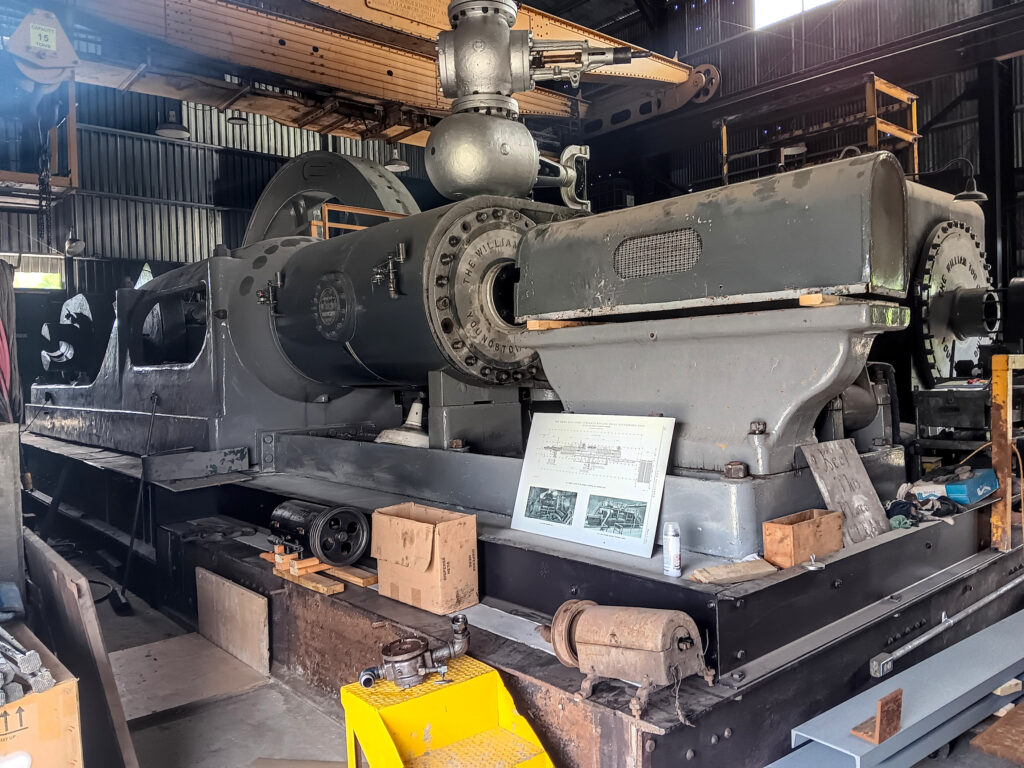
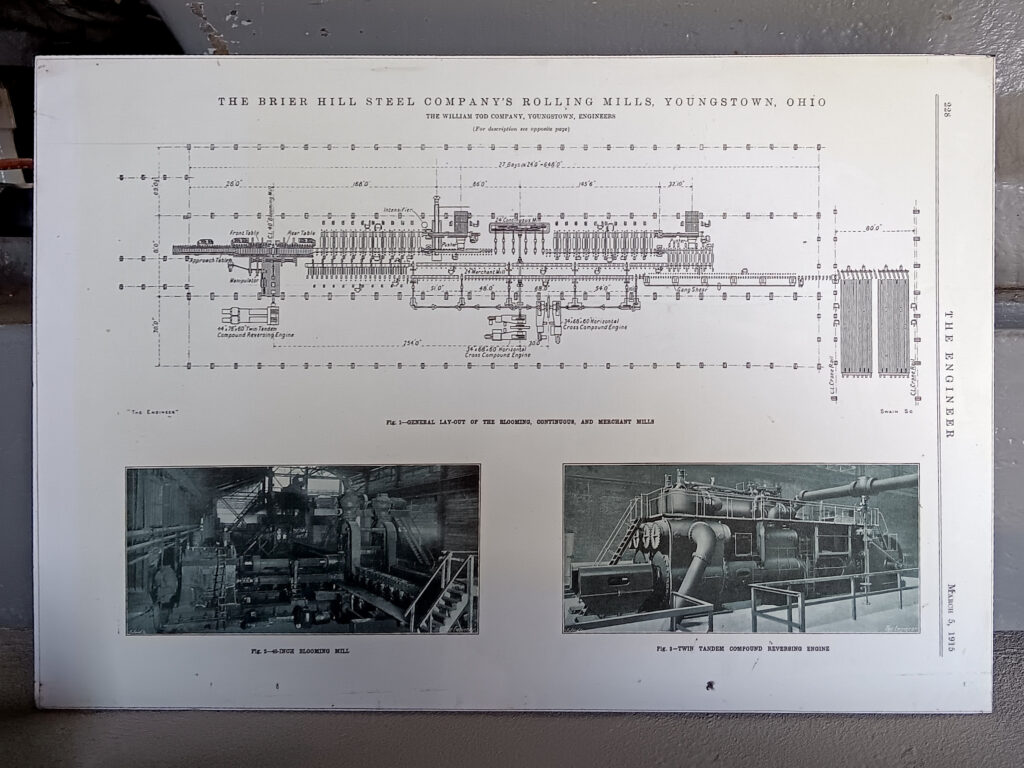
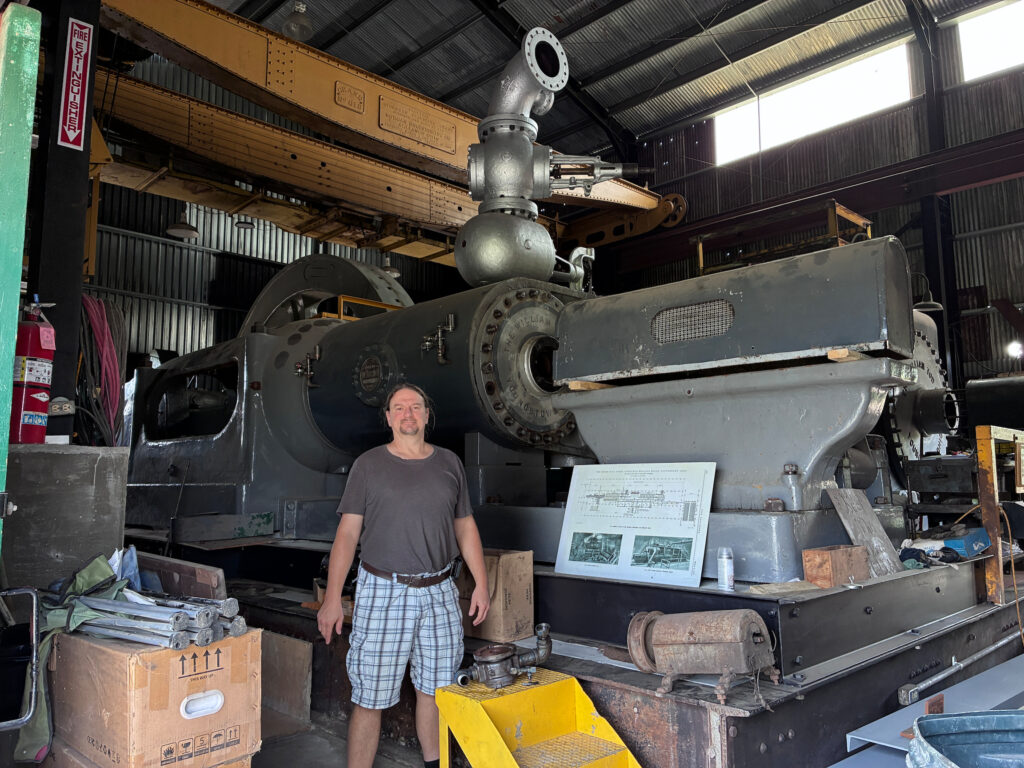
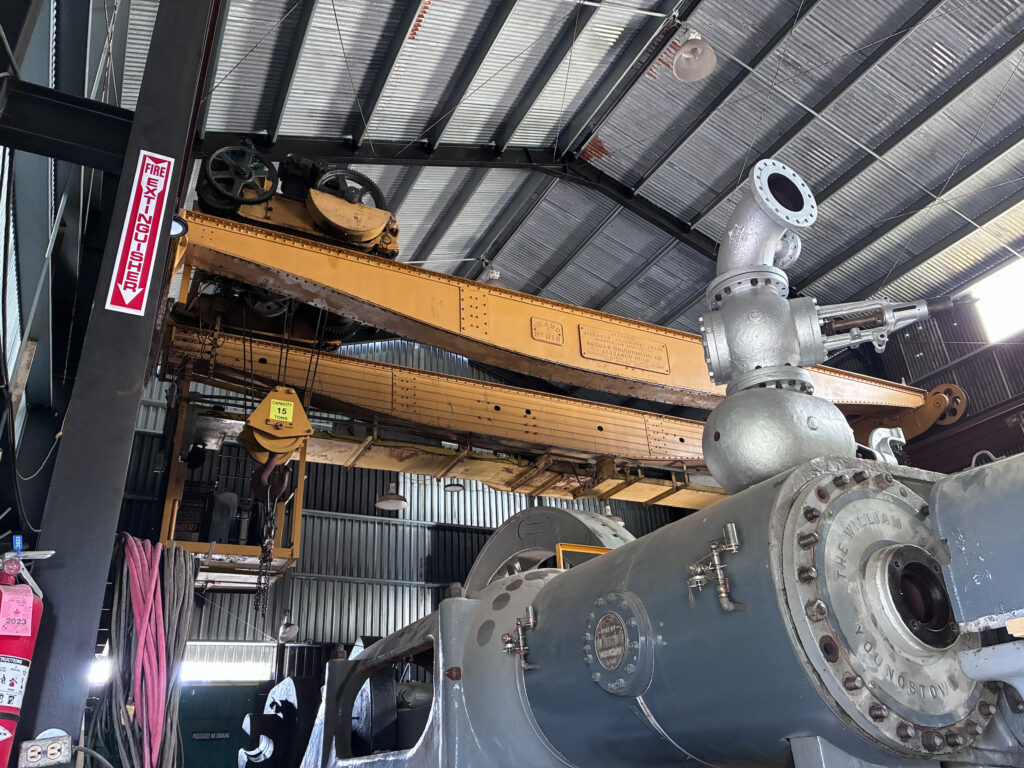
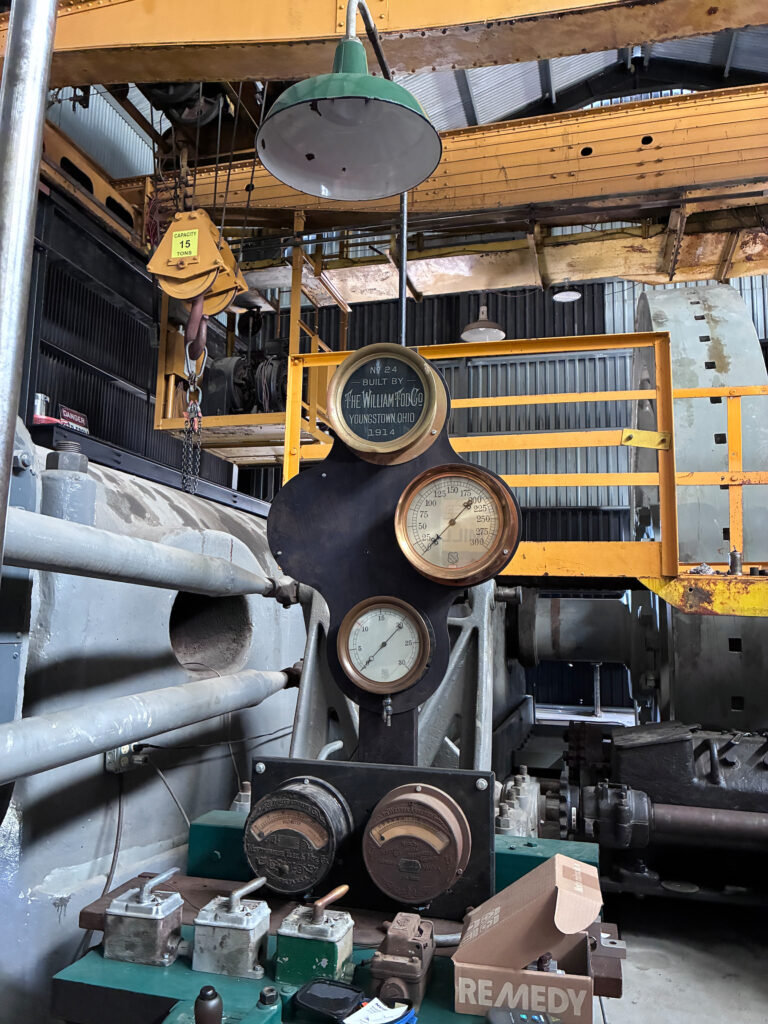
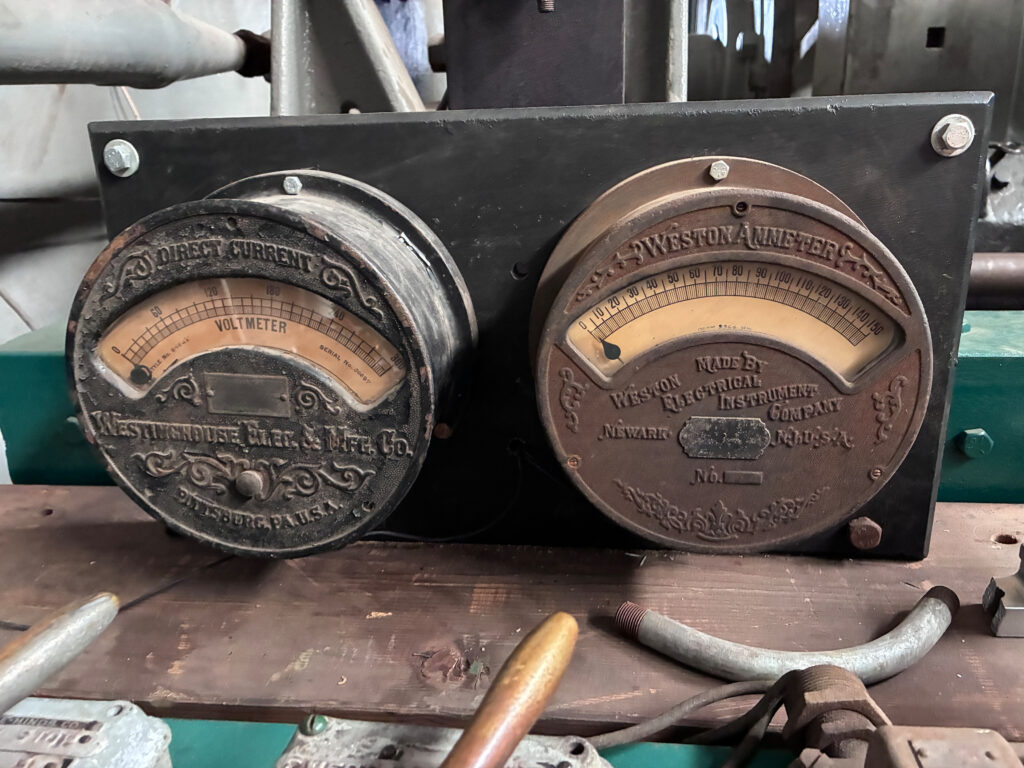
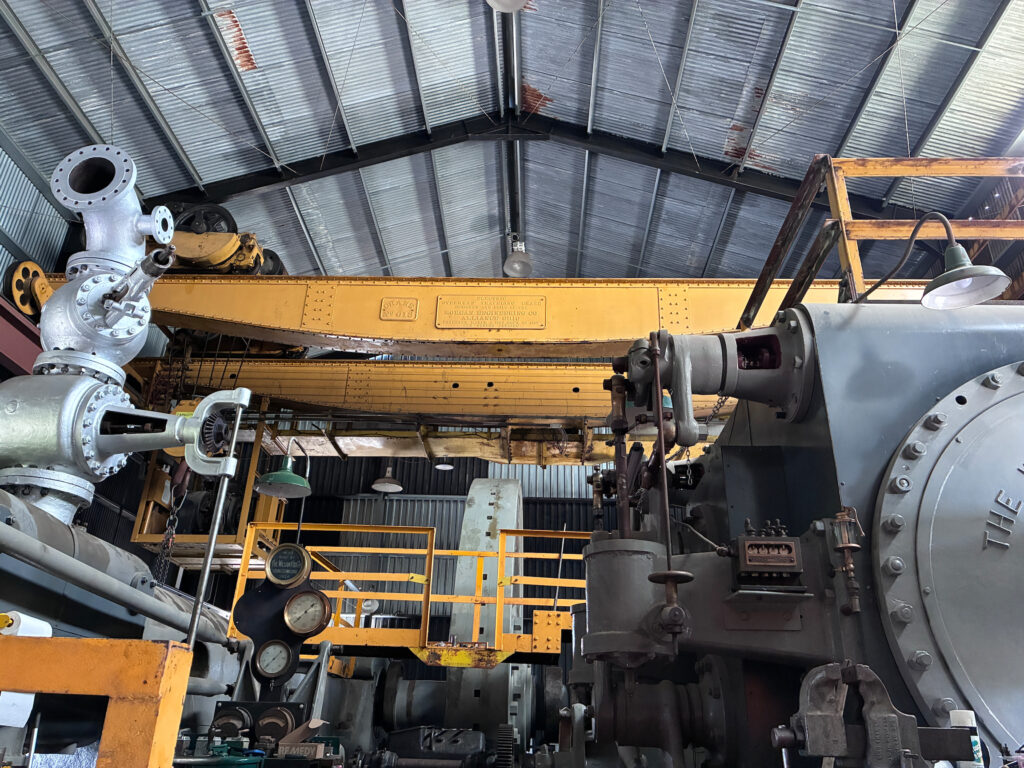
Inside the building were two giant steam engines. These were typical of the steam engines used in the steel industry. And, plenty of tools, parts, and signs.
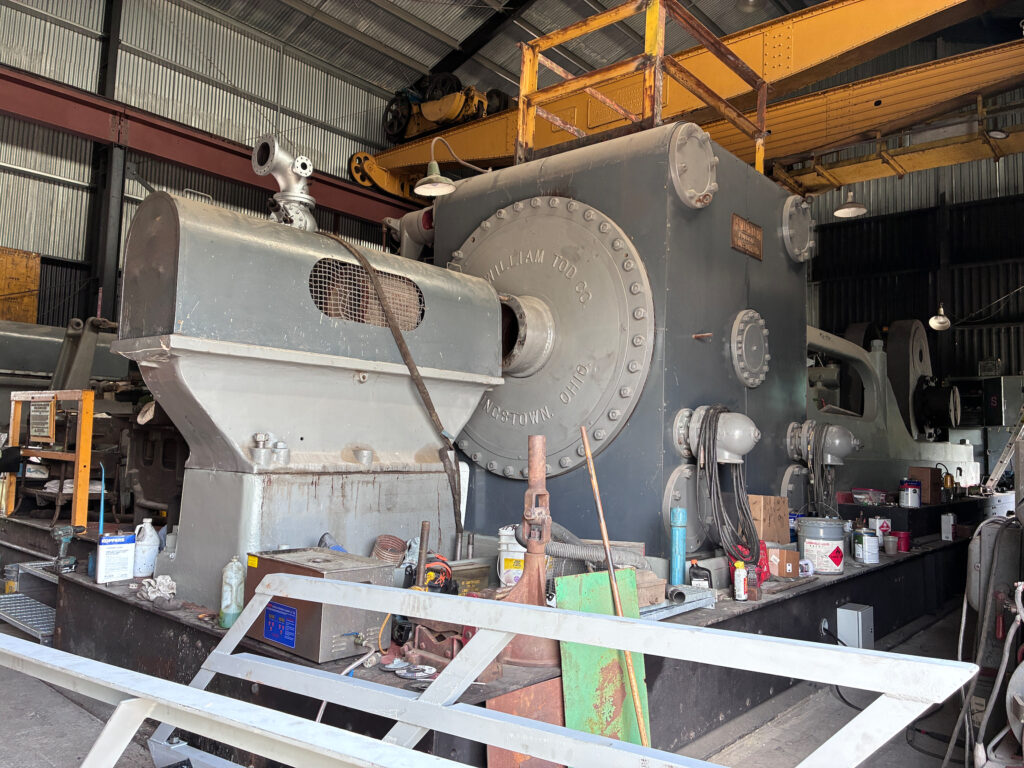
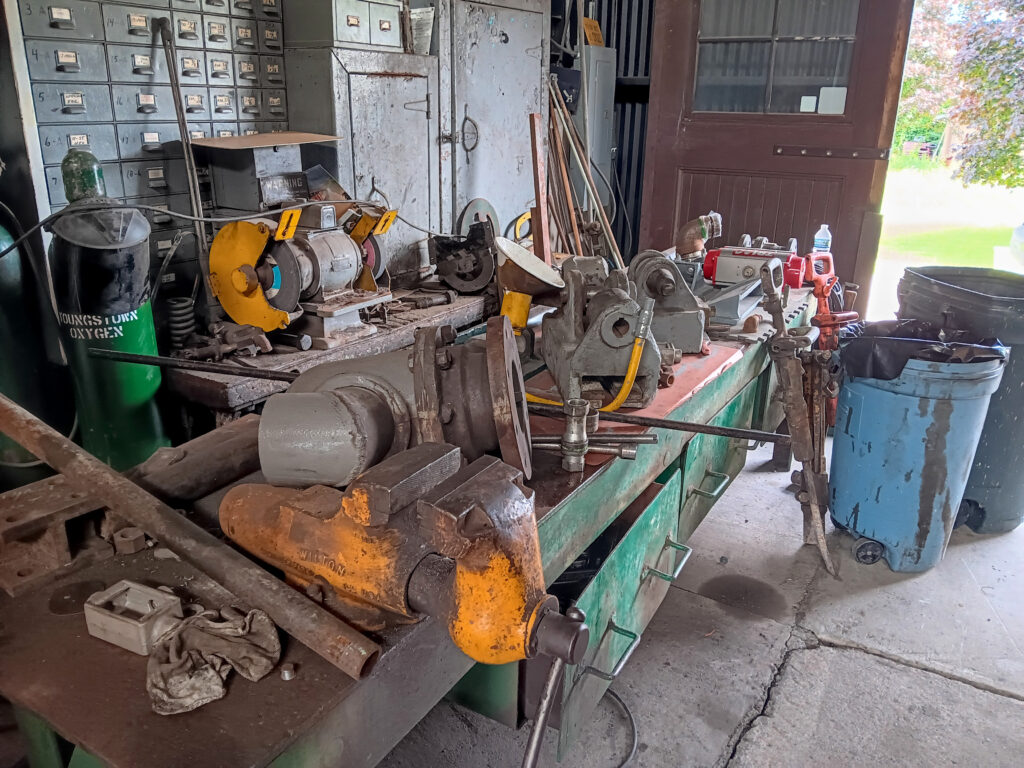
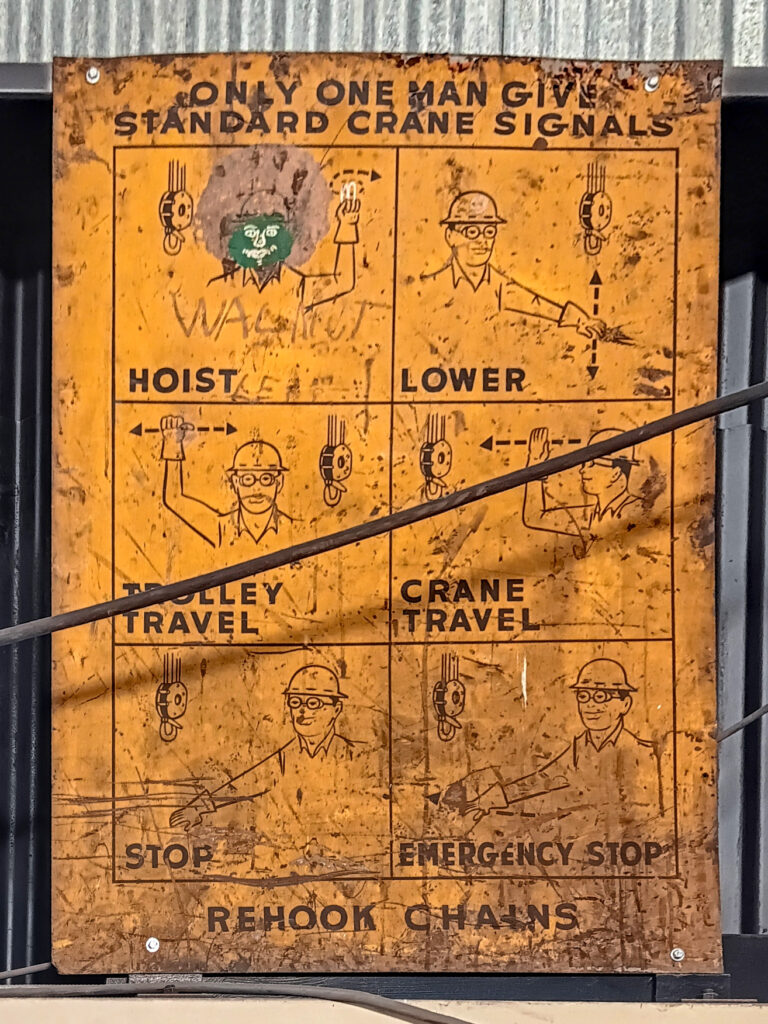
The yard out back had trains, train cars, train parts, rails, and almost anything you can image train related. Here is a narrow gauge passenger car, similar to a trolley. This might be the car they use for train rides.
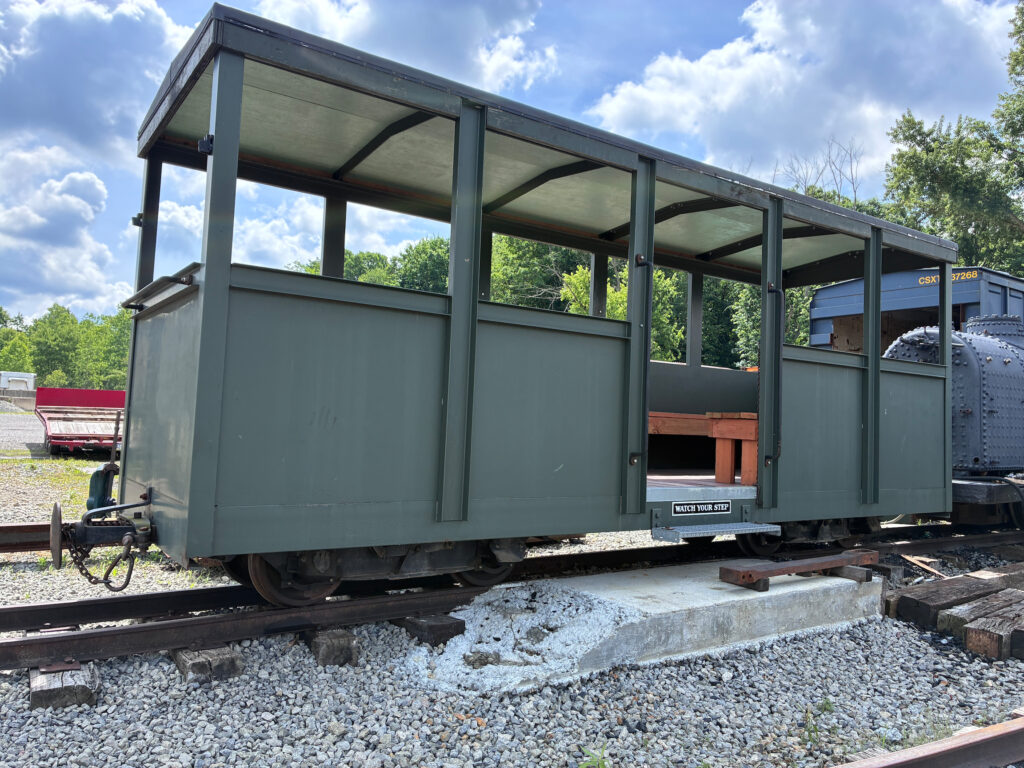
This one is clearly still going through rehabilitation.
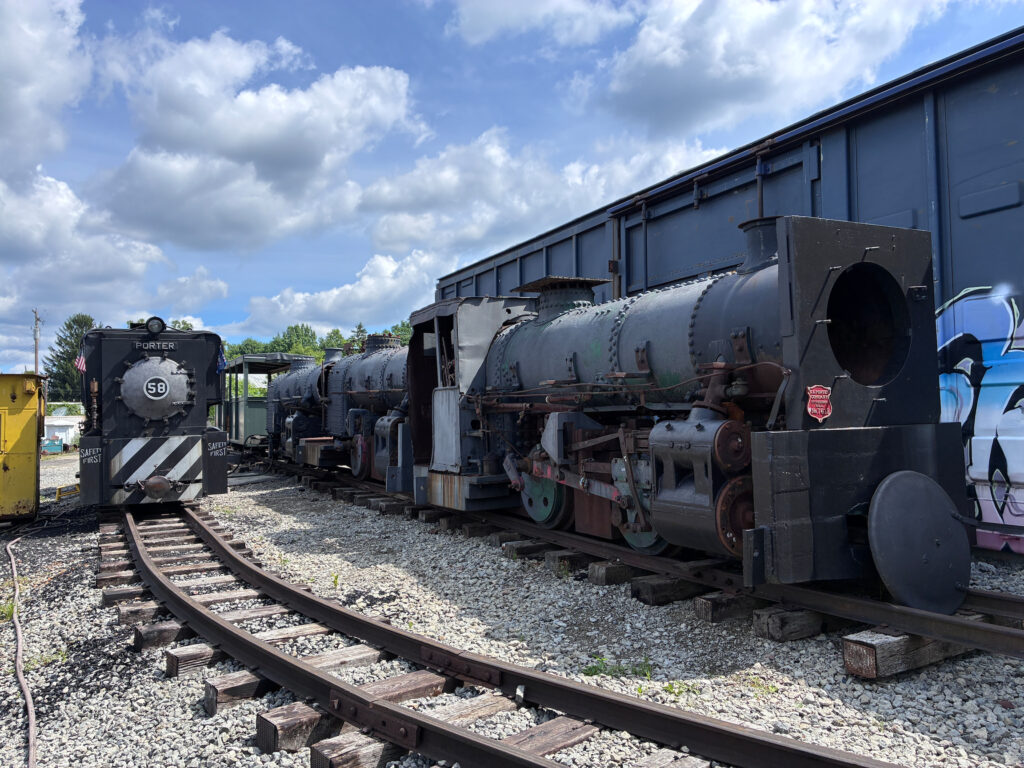
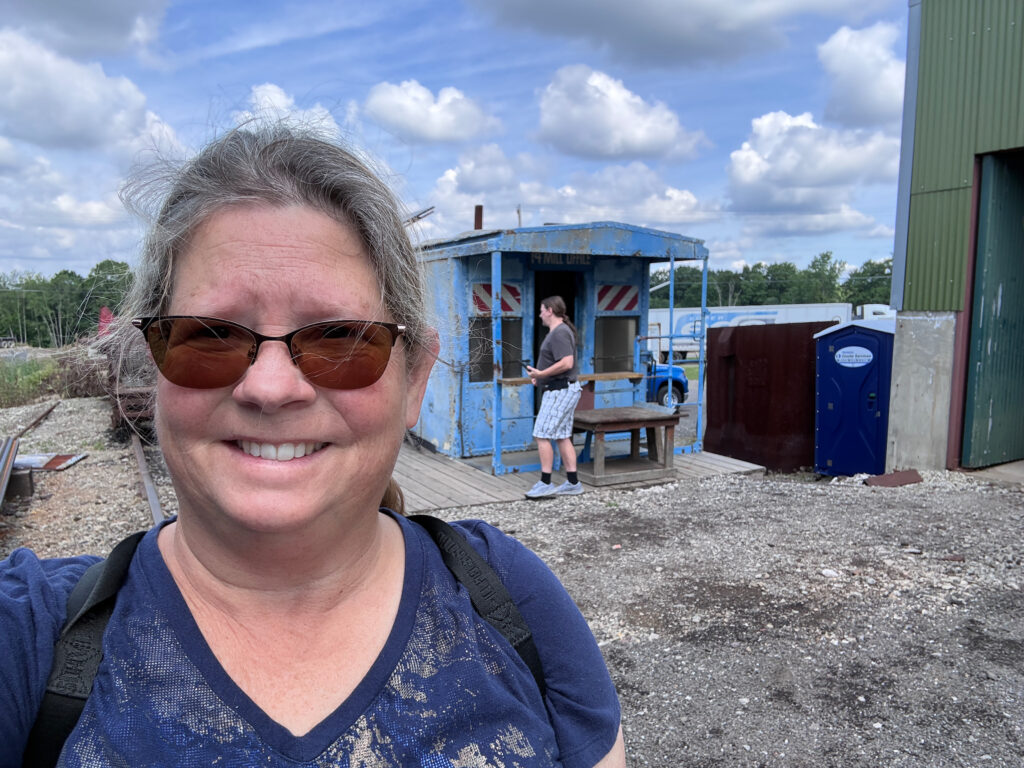
This might be one of the cabooses that the museum has on site.
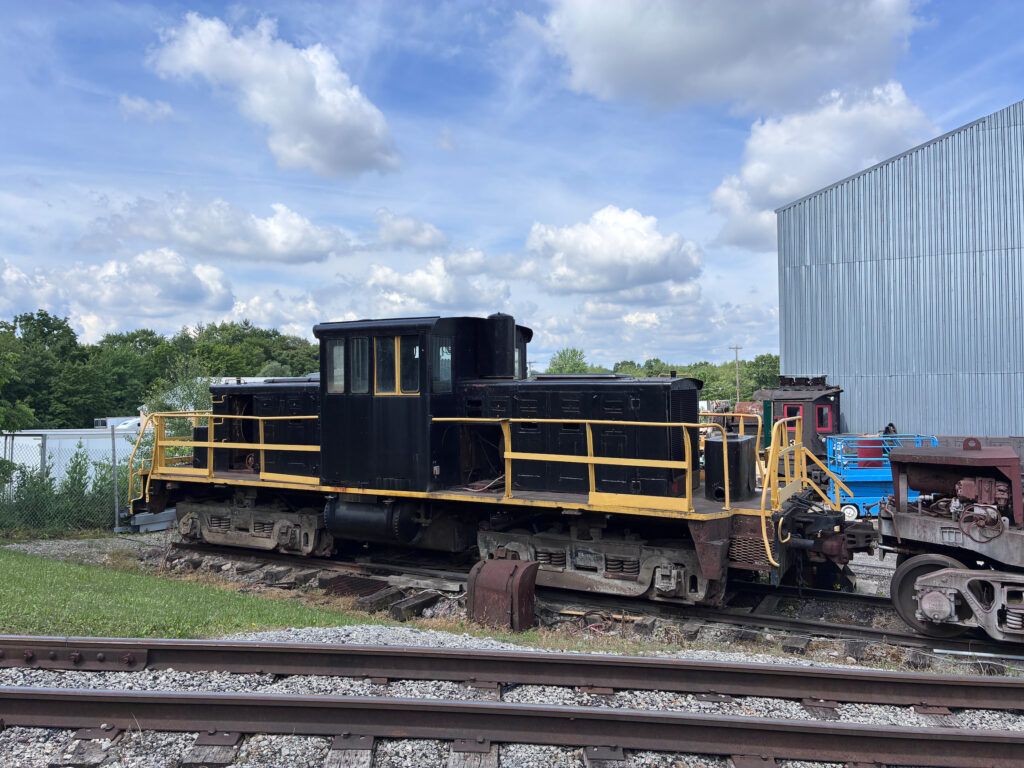
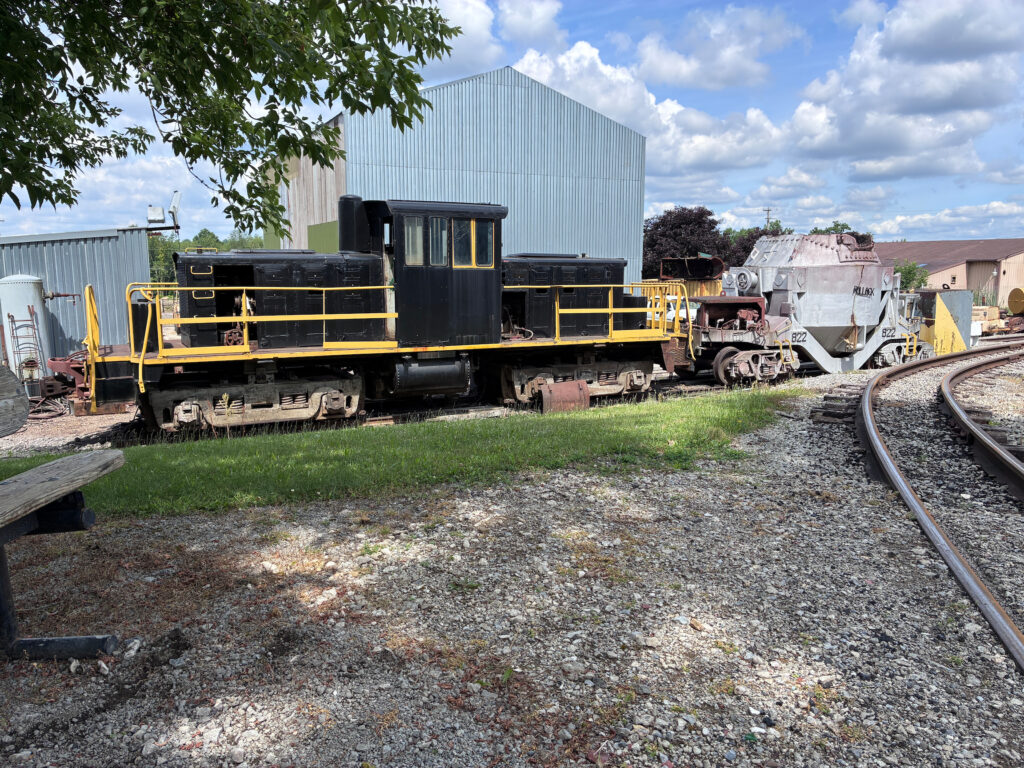
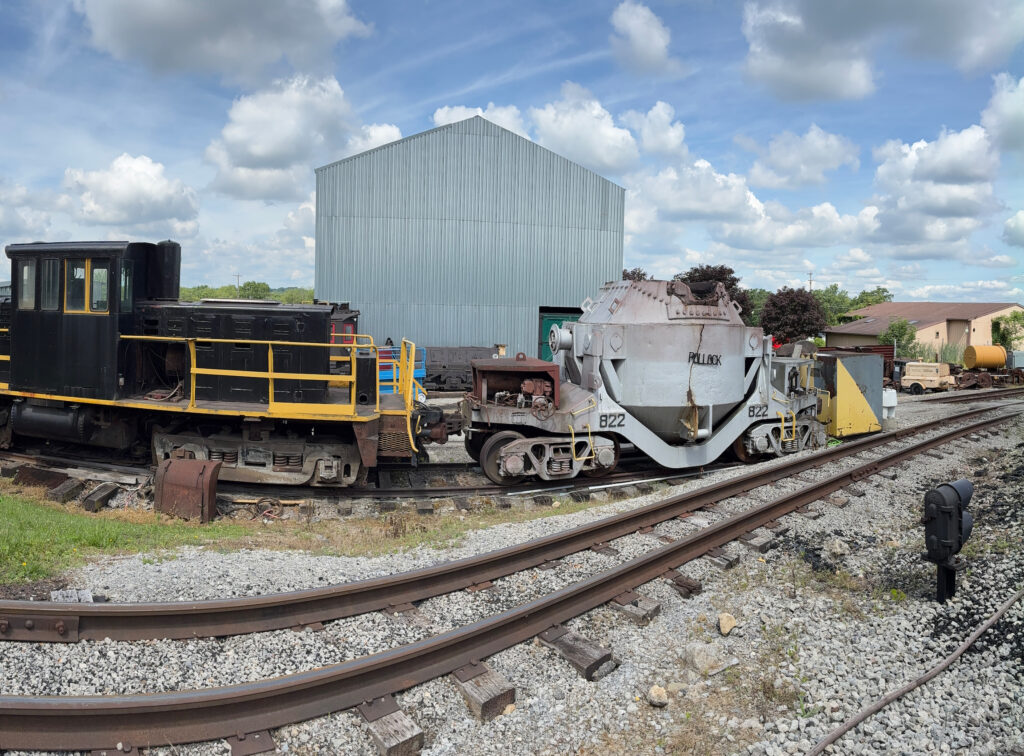
This is the caboose and either a hot metal ladle car or ingot car.
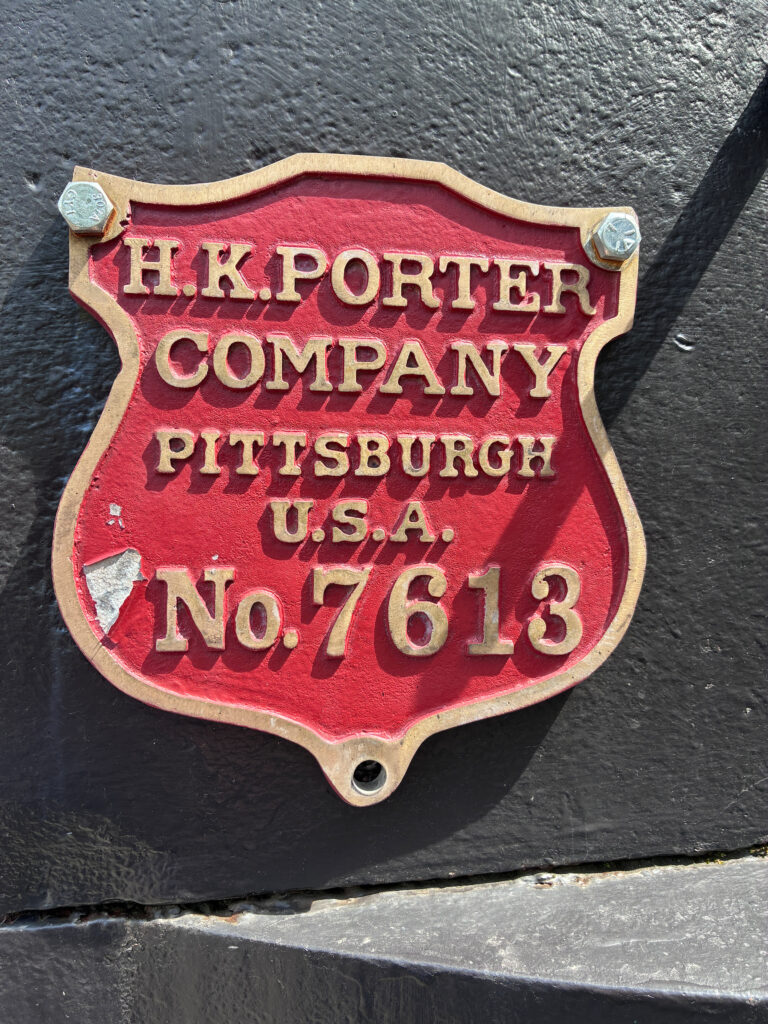
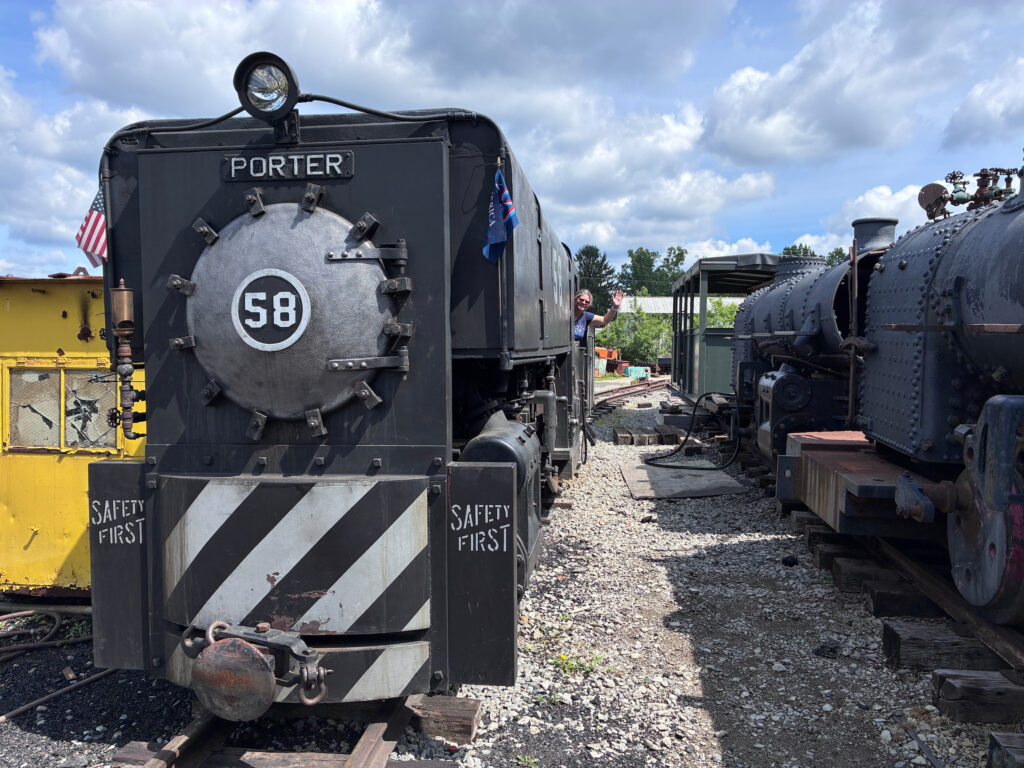
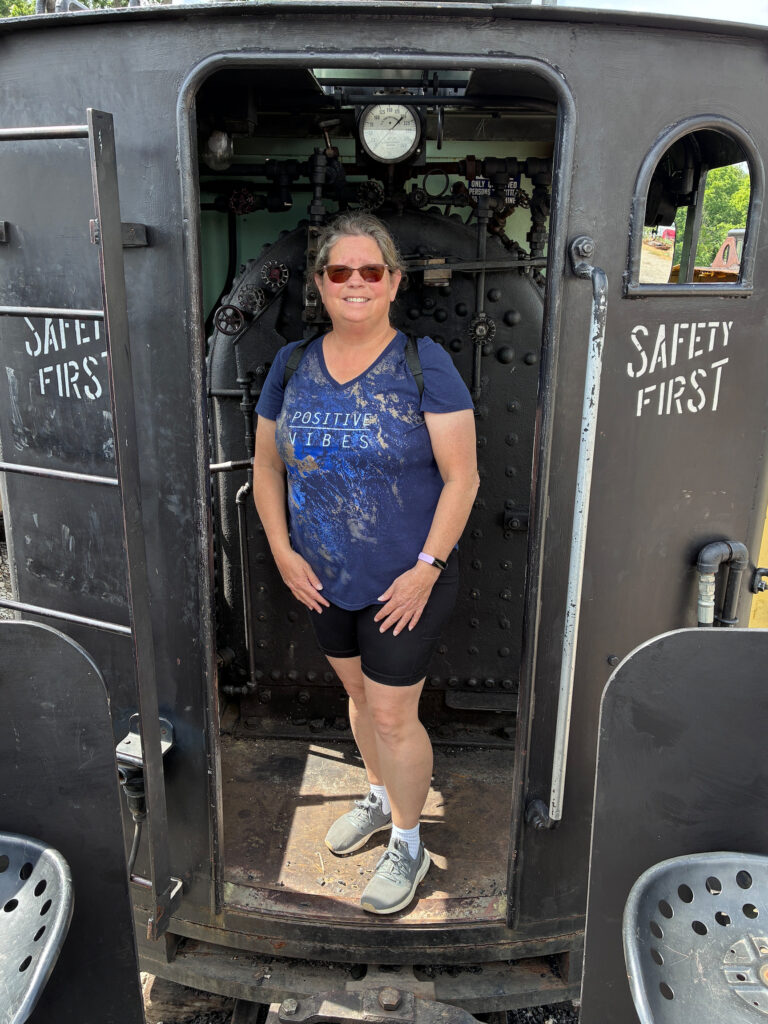
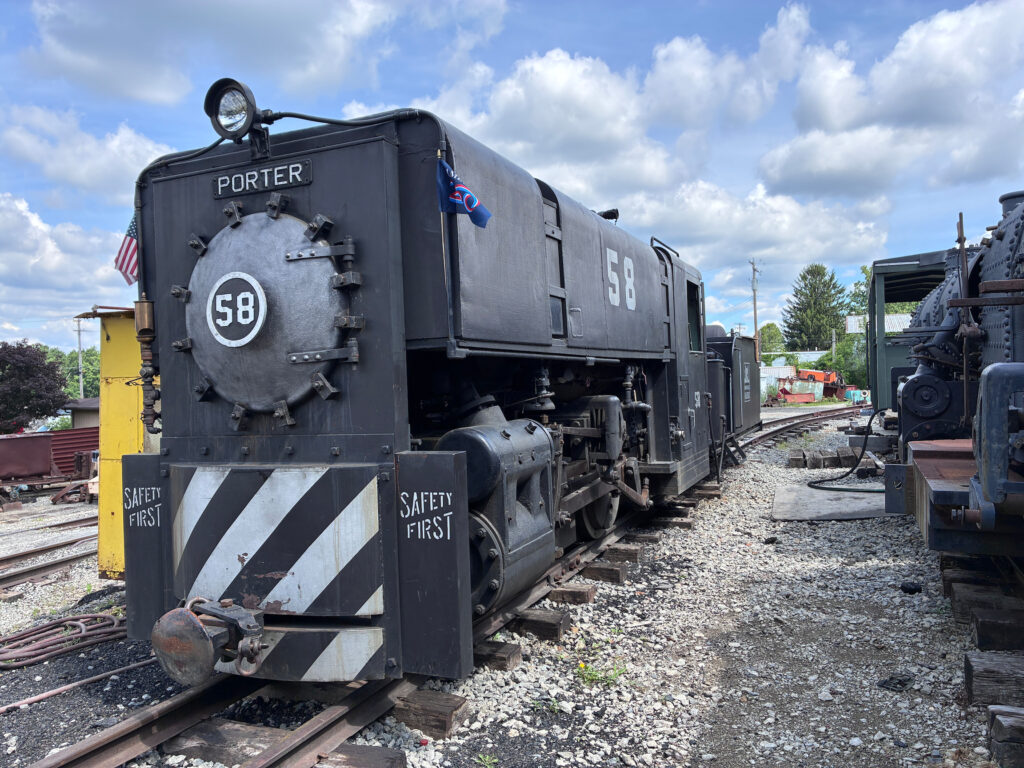
This appears to be the Jones & Laughlin Steel Corporation No 58 built by the H.K. Porter Company in 1937. The website indicates that this is the train used for the steam engineer class. Kate tried to be a train conductor without and coal, fire, or steam. Except for the complete lack of train movement, she looked impressive hanging out the side window.
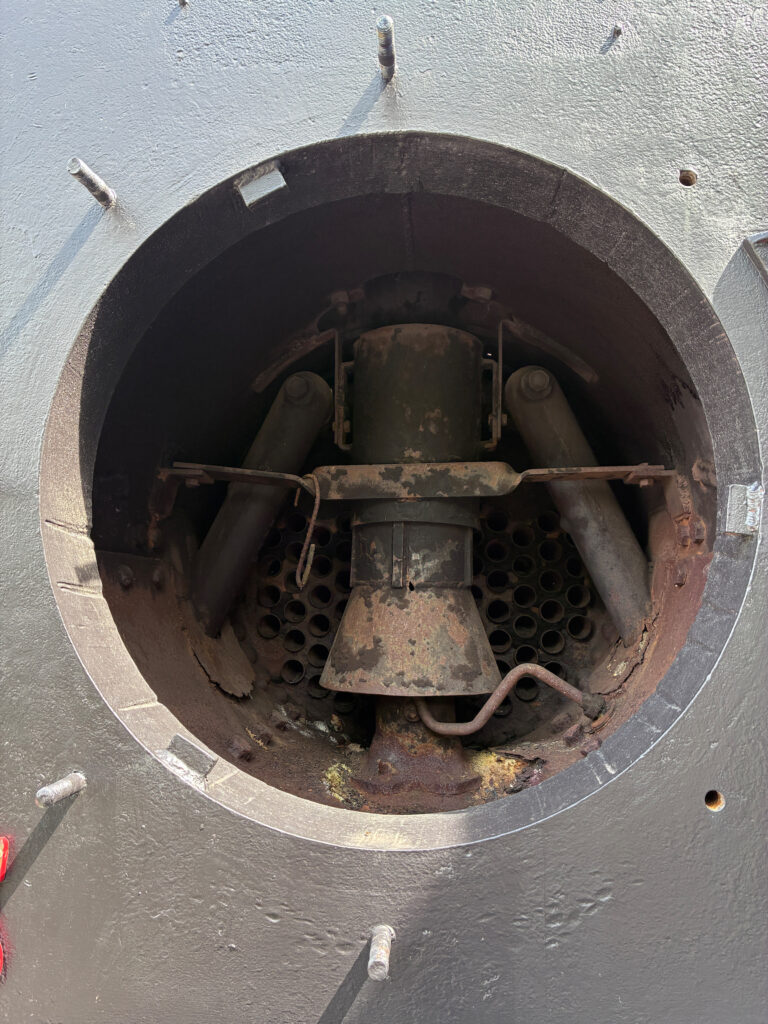
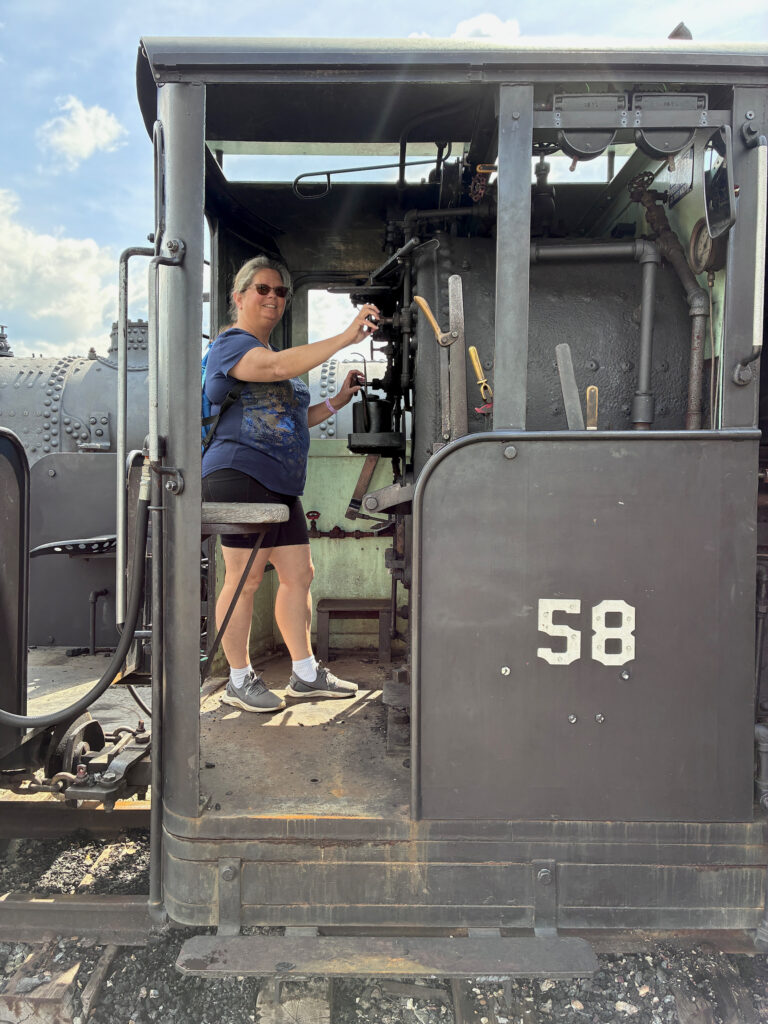
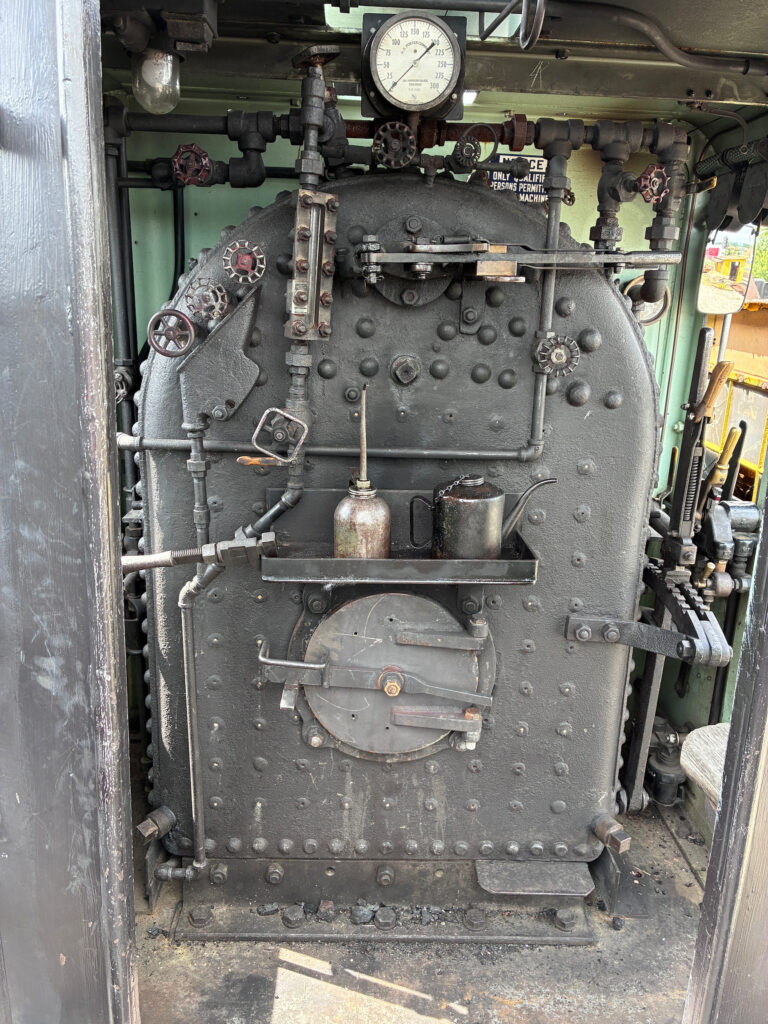
We know next to nothing about trains, so we believe most parts of a train start with “thingy-used-for-” and end with a description of the purpose. There is probably a proper name for these as well. On that note, this is the “thiny-used-for-controlling-the-train”. (We are doing the work taking pictures and writing the article. If you do not like “thingy”, you can get off your lazy butt, Google it yourself, and post a comment.) The car would be the engine, but the part Kate is standing in functions as a conductor booth for controlling the engine. In the right most picture, you can see the round door for the coal fire.
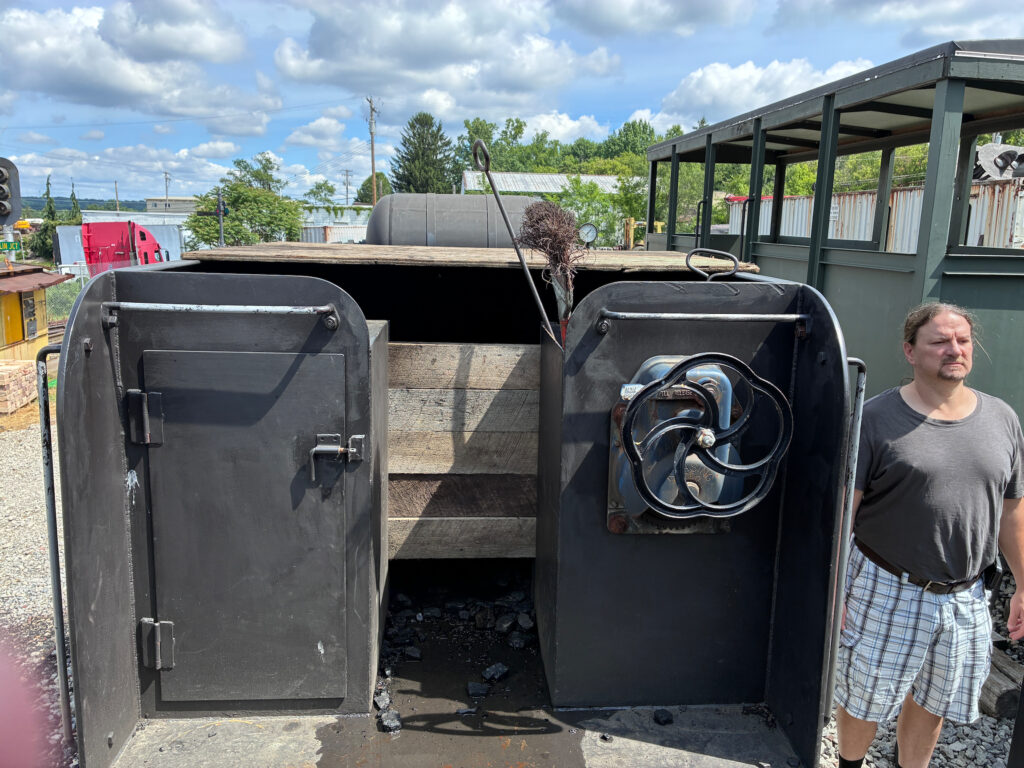
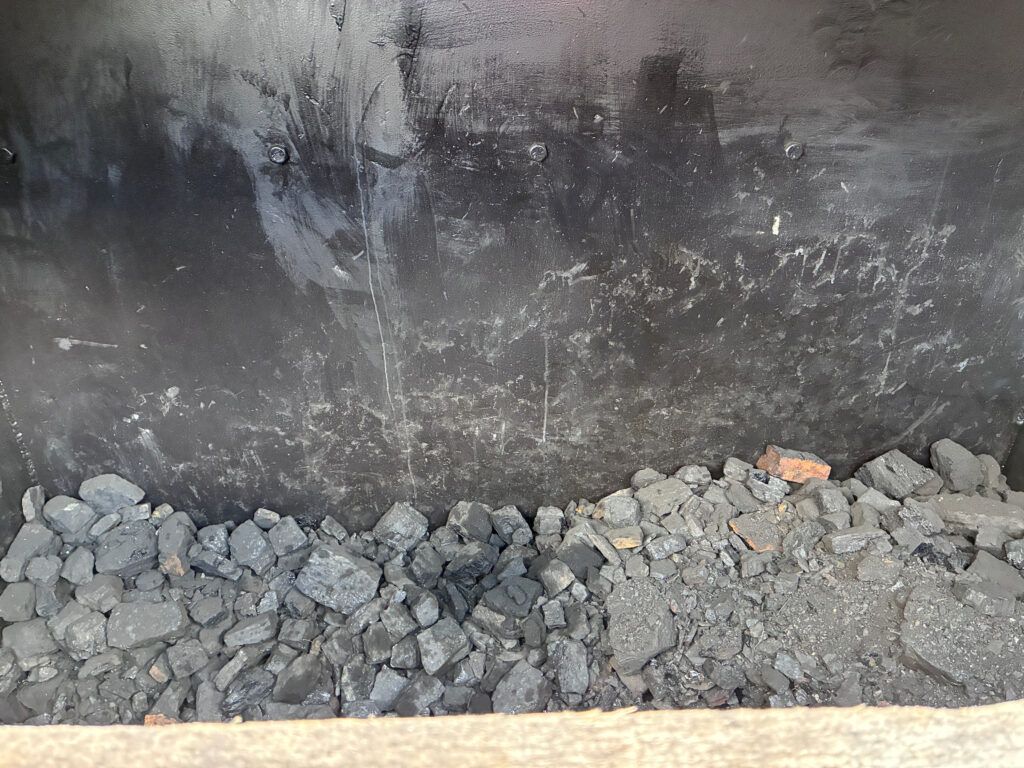
In the opposite direction, you have the coal bin at the back of the engine. It is hard to tell length, but engine 58 is not very big. It is only about 20 feet long. The coal bin is only a little taller than John. The height to the top of the smoke stack is only about twice his height. It does weigh a whopping 93,000 pounds; that is almost as much as Cleo weighs.
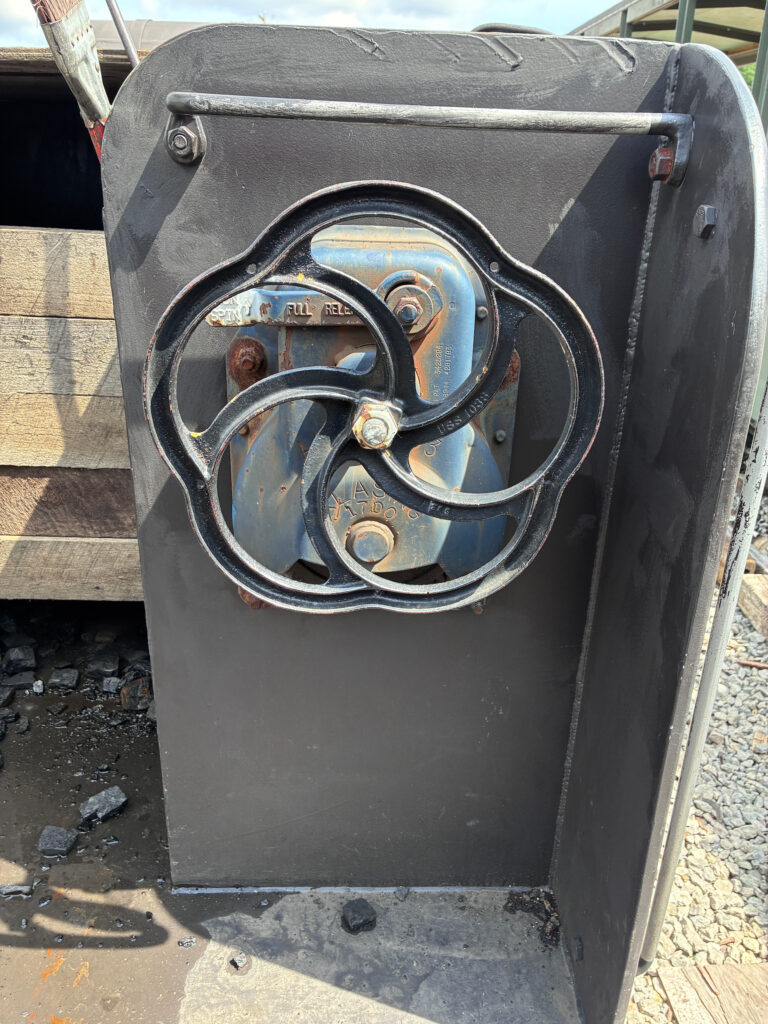
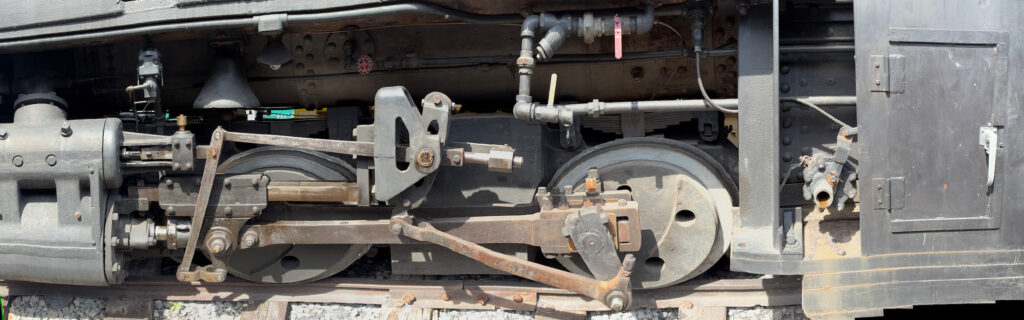
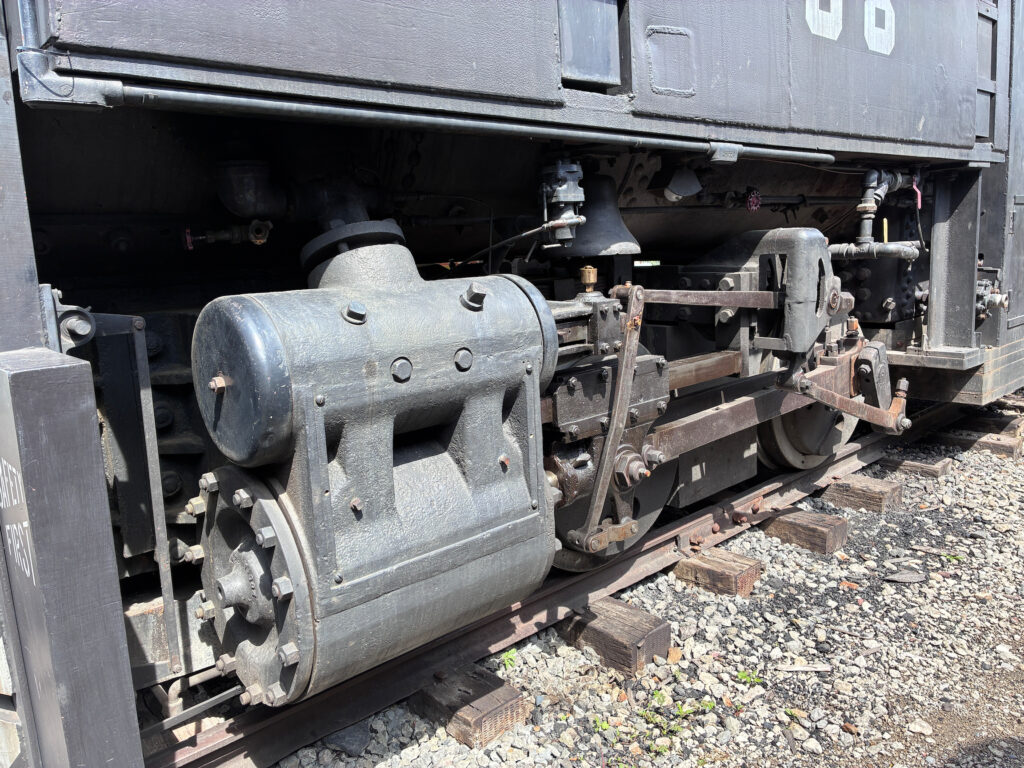
And, the side of the engine.
There were narrow gauge tracks running around the back lot with a few switches of various design. Some appeared to be manual and others electric. Bethlehem on the handle of the manual switch might be referring Bethlehem Steel from Baltimore, Maryland. Sadly, it is most known for the mismanaging the employee pensions and leaving the pension fund severely underfunded. The federal government ended up taking over, but they lost their life insurance and healthcare. Some received lower payments due to caps set by the federal government’s Pension Benefit Guaranty Corporation. About 90,000 people were impacted by this.
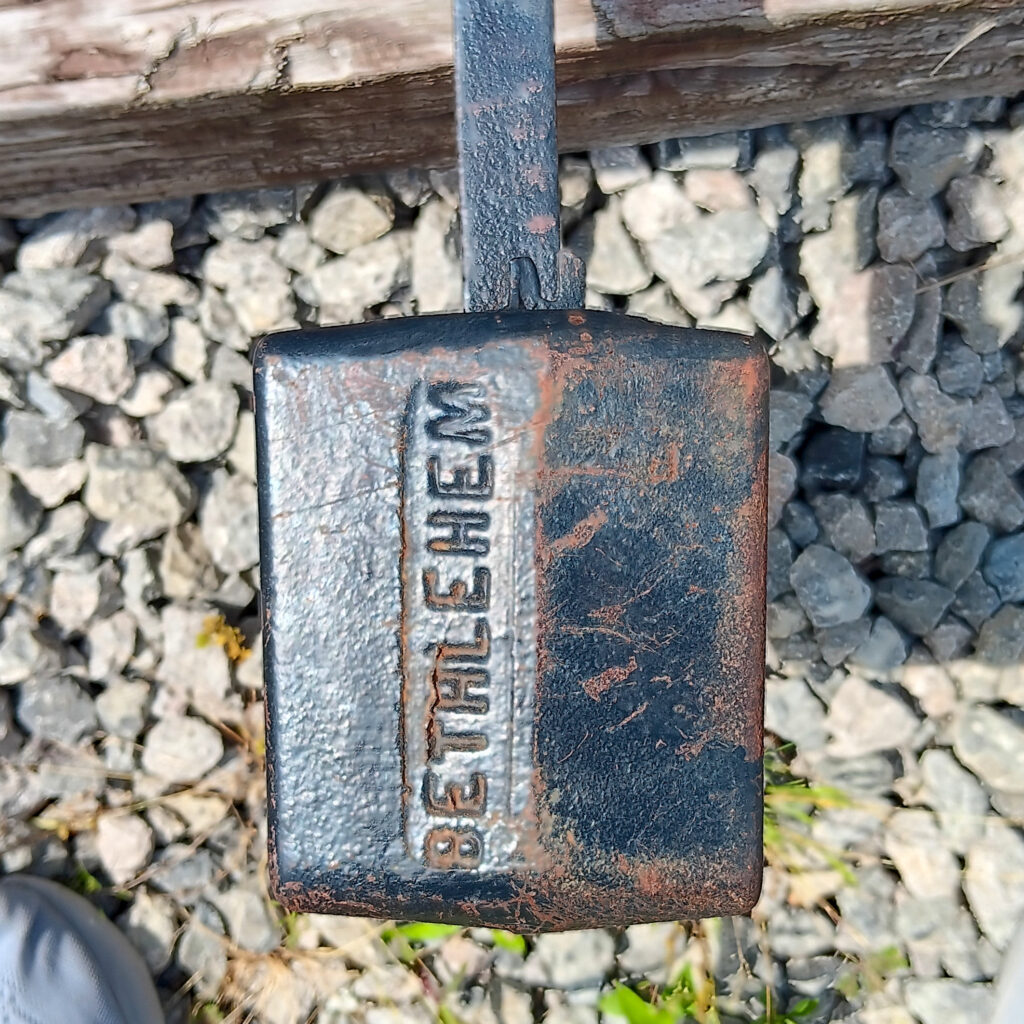
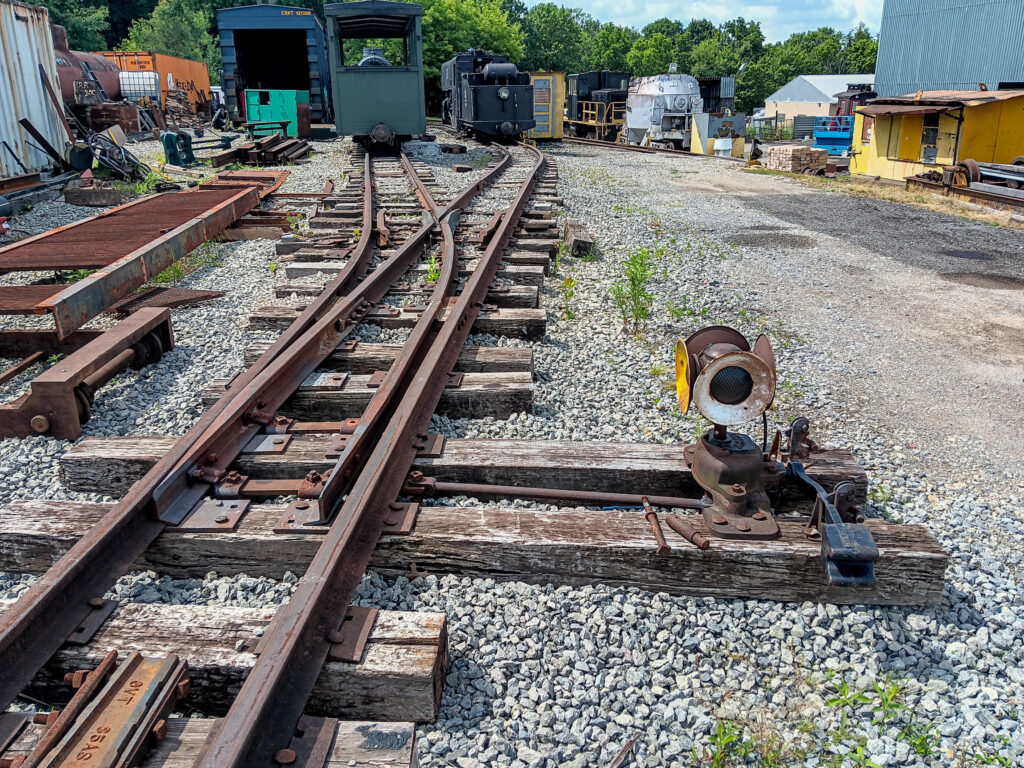
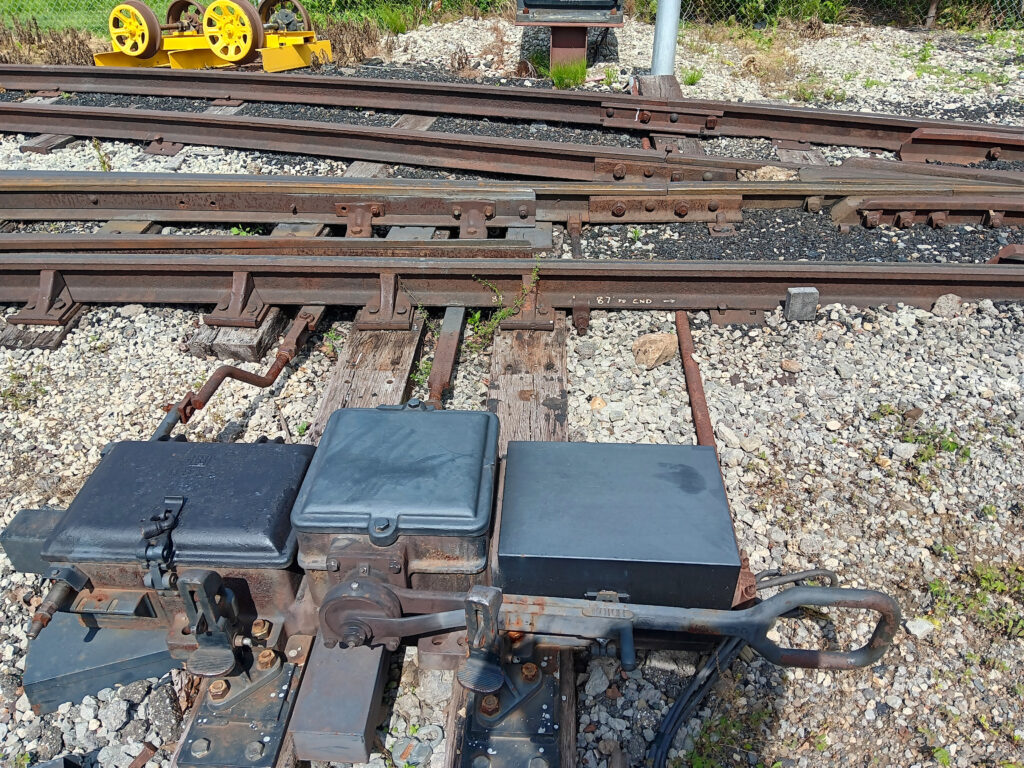
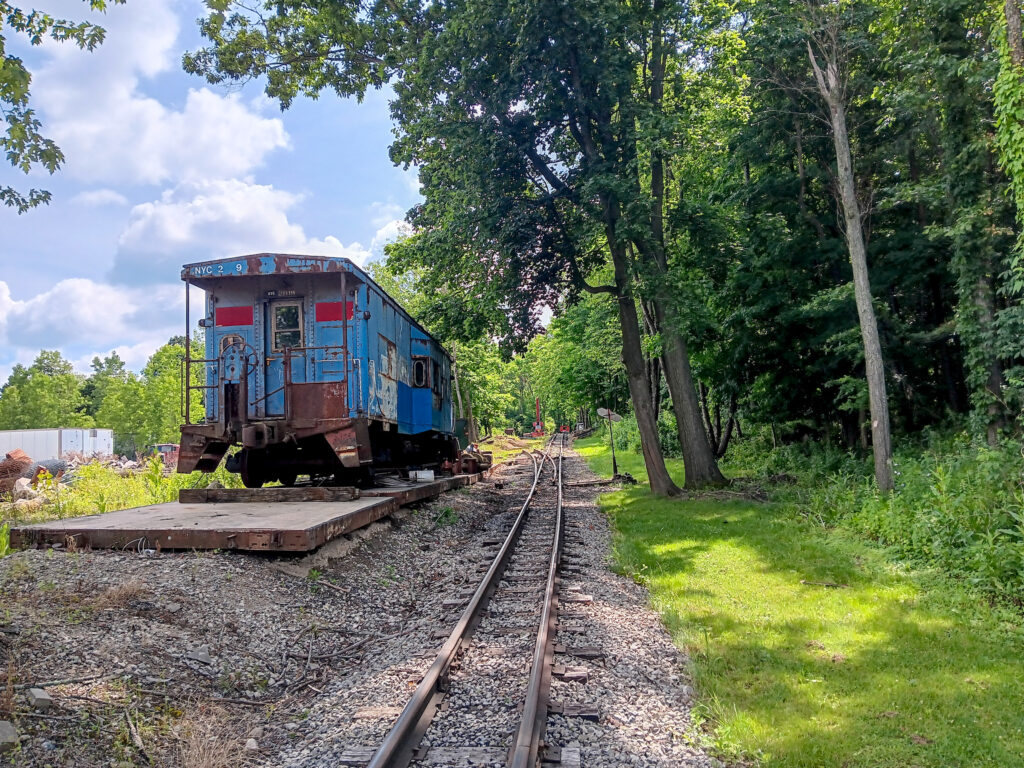
The tracks have several switches and tracks along the front, and it goes around the side. If it does not already, it will probably be a loop at some point. Here you can see more of the tracks, the large parts, and another blue train car in the back.
Next, we headed to Mill Creek Metro Park to visit the working Lanterman’s Mill.