
Summit Lake State Park, IN, July 2026
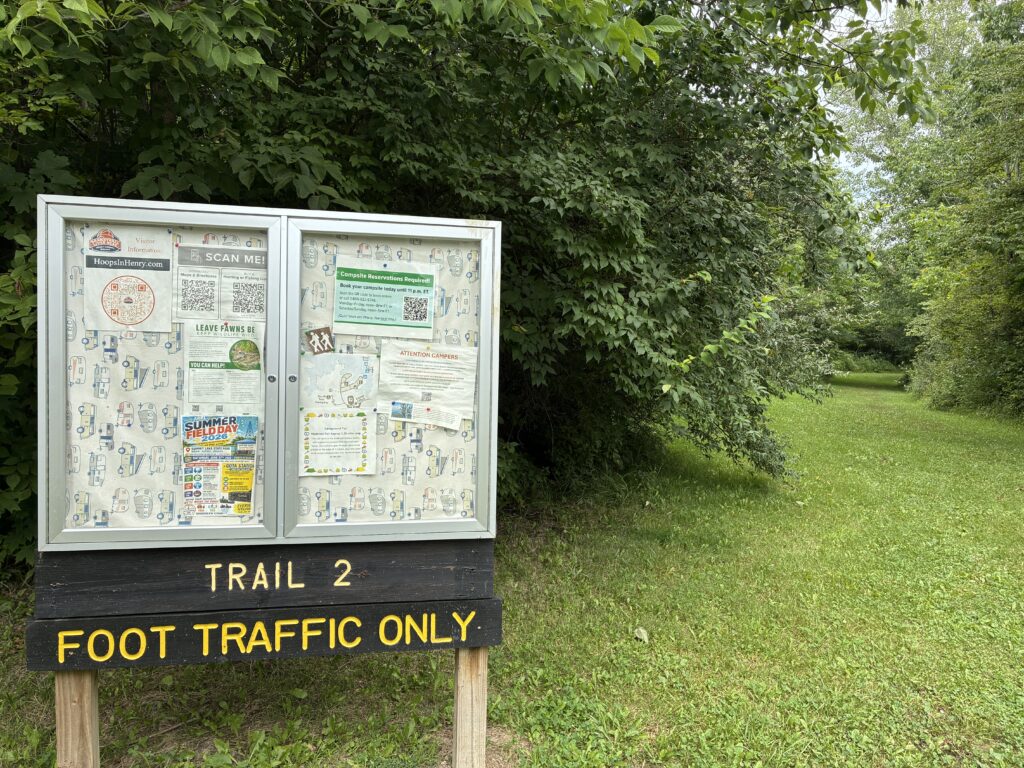
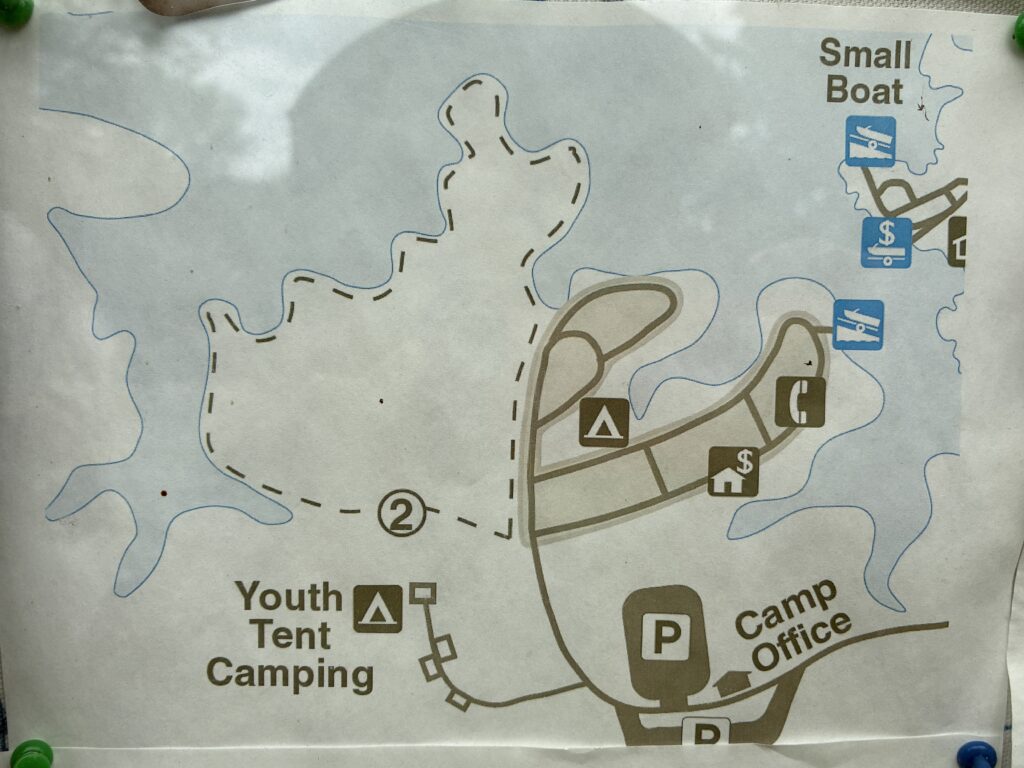
That title does sound like a lot like a Taco Bell commercial, but the walk certainly was not that wild. Summit Lake State Park has five hiking trails, but two are connected. We had hiked and biked the roads some, but we had not hiked the trails. It was probably too hot the last time we were here. We decided to hike trail #2, Campground Trail, which starts in one camp loop and ends in the other camp loop. The trail is moderately forested for the entire length with the trees thinning a little at the other camp loop.
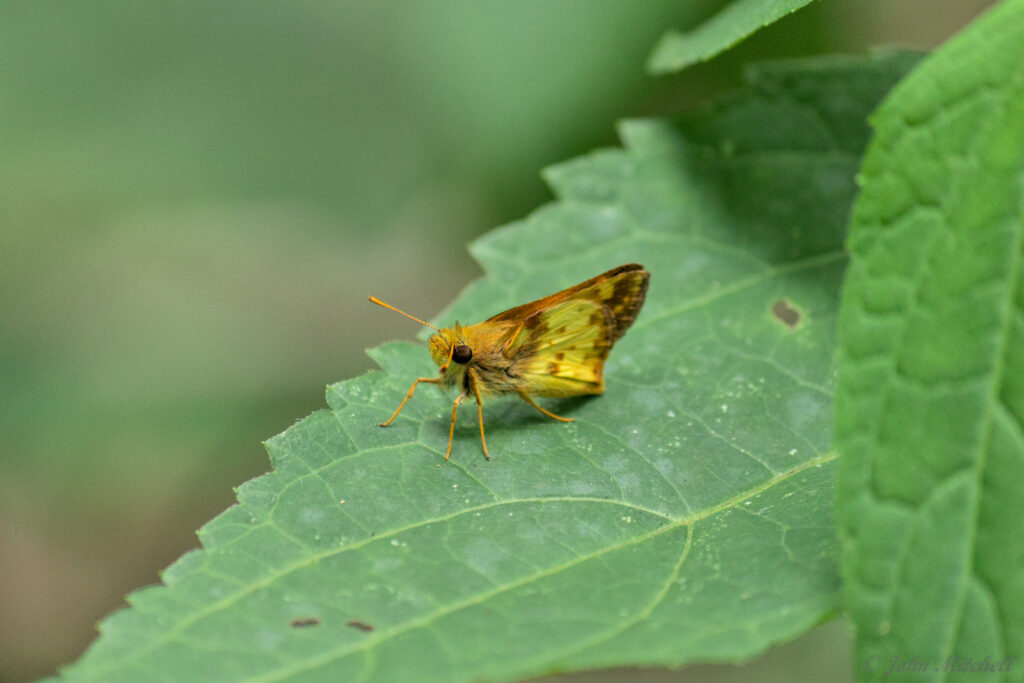
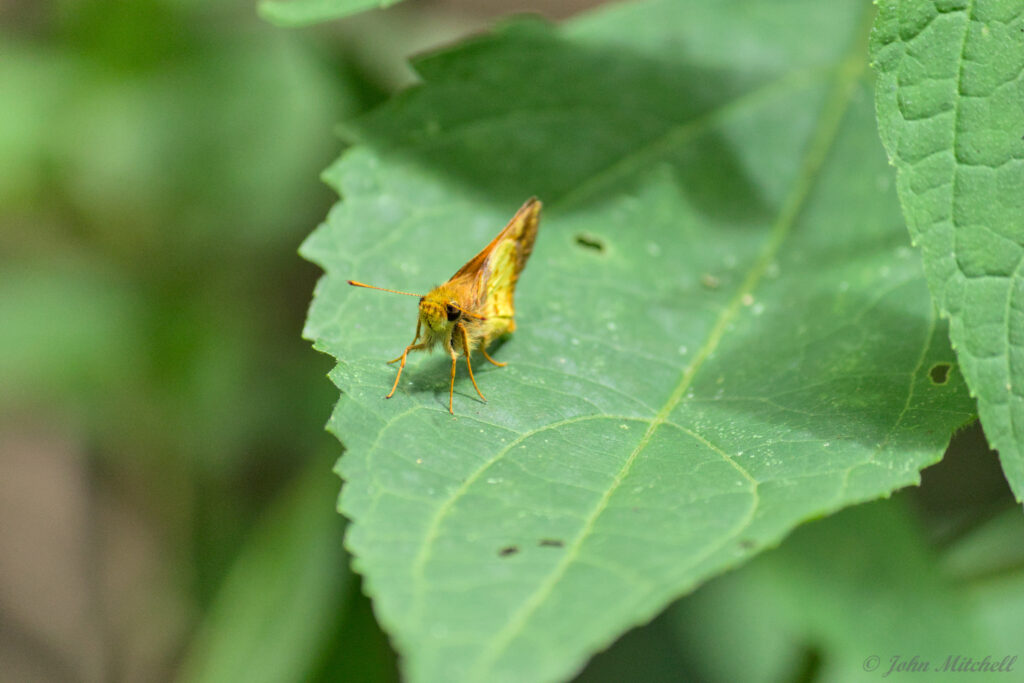
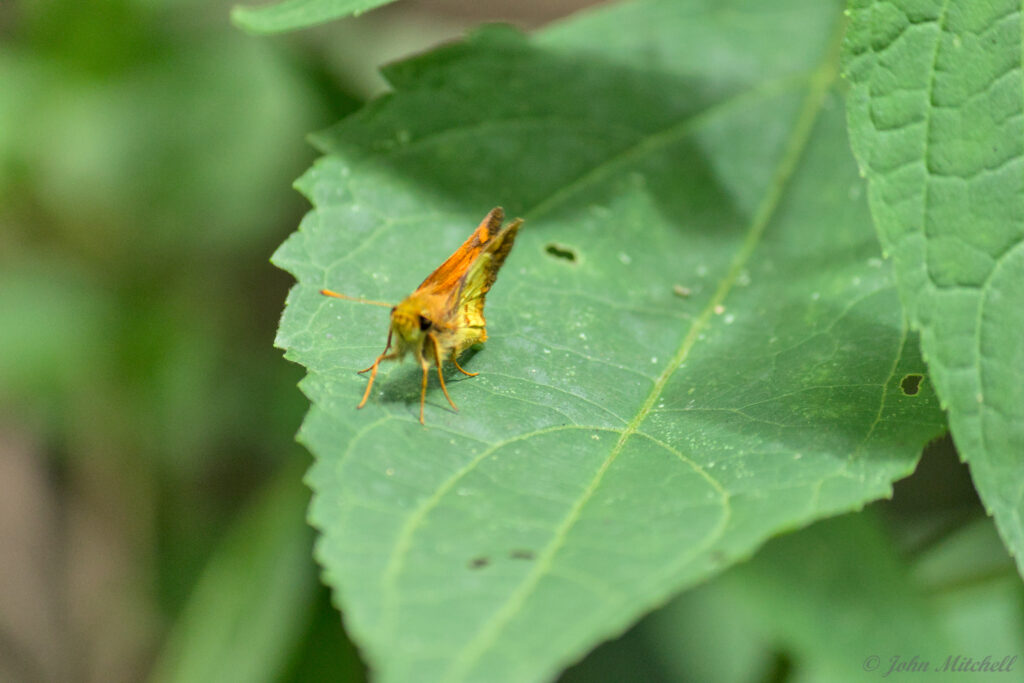
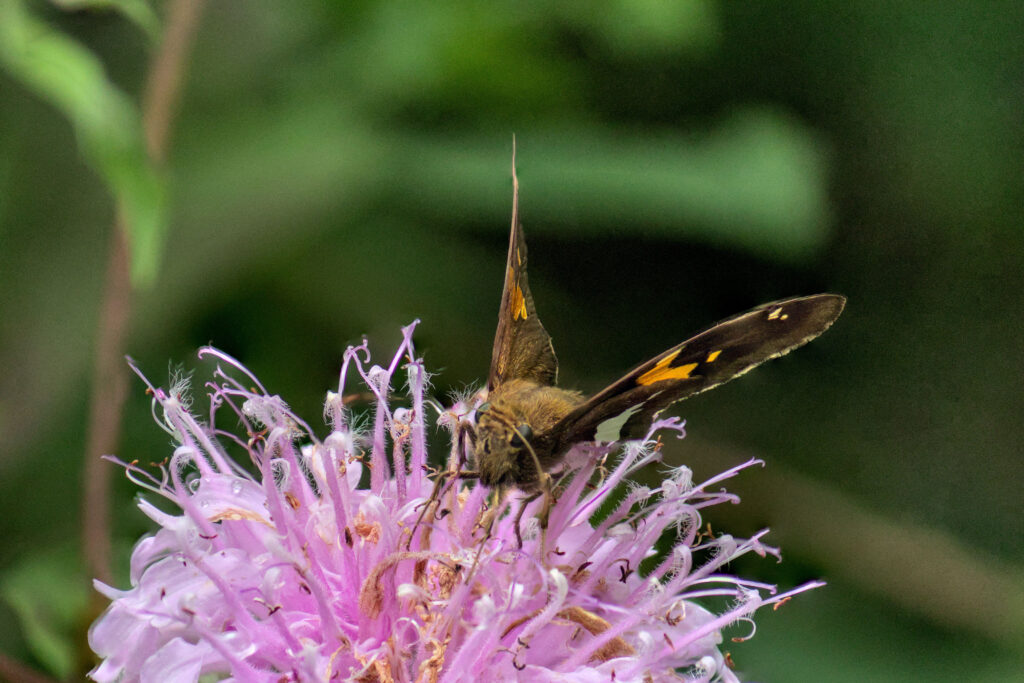
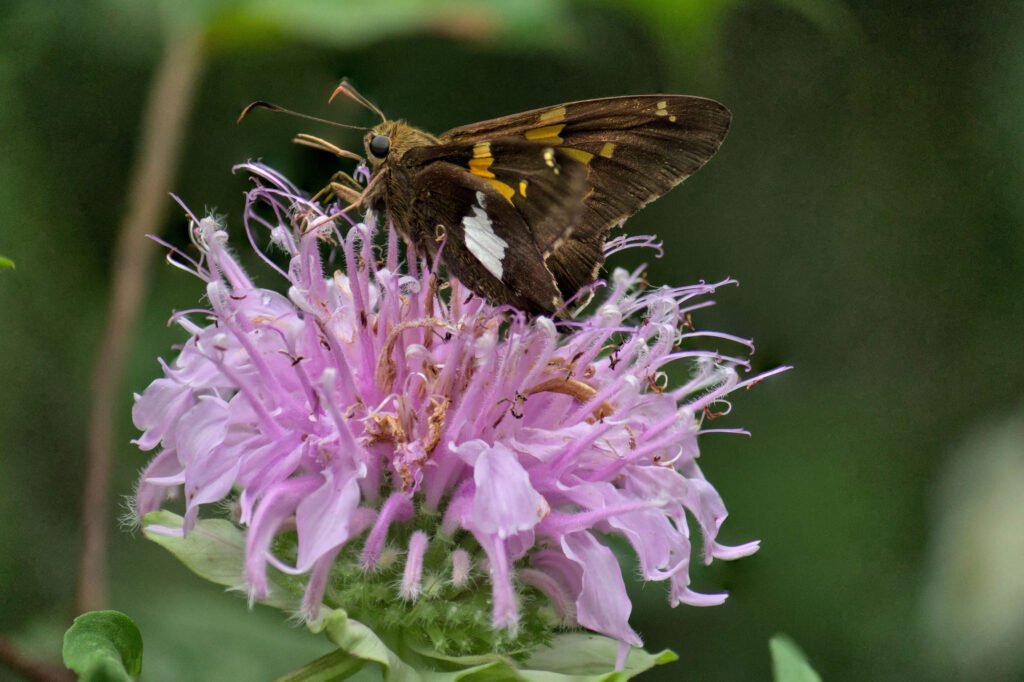
The first thing that you notice is the abundance of Skipper Butterflies. This is probably a male Zabulon Skipper (Lon Zabulon). In the smaller pictures, one photo is focused on the front, and the other photo is focused on the rear of the insect.
This was the first Silver-spotted Skipper (Epargyreus Clarus) that we saw. It is claimed to be the most recognized Skipper in North America.
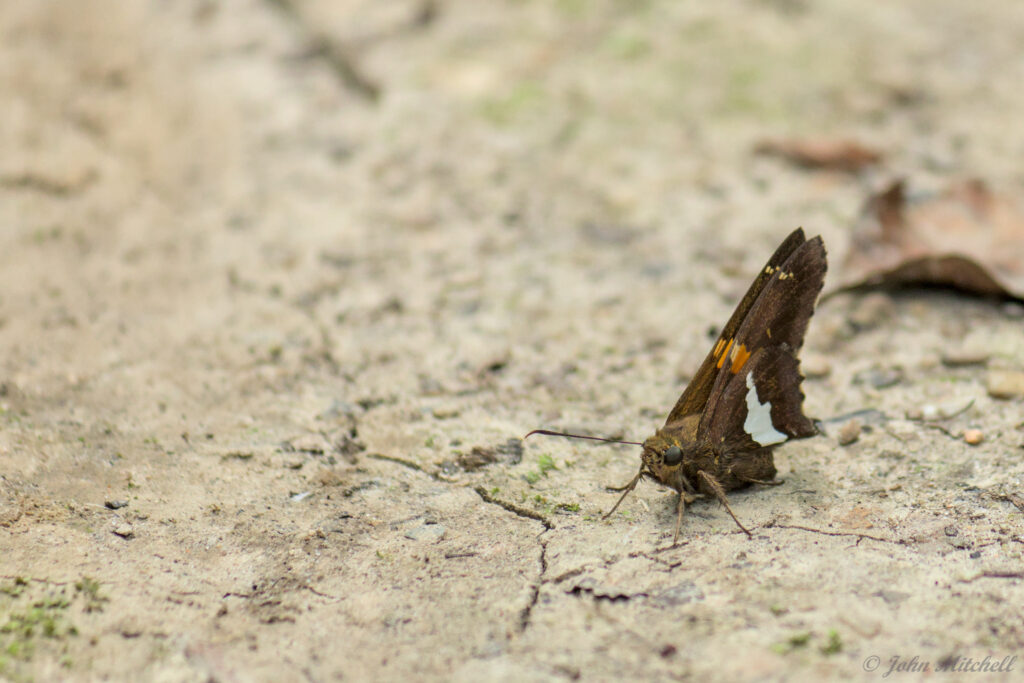
This one was hard to find, but it turned out to be an obvious one. This is a female Zabulon Skipper.
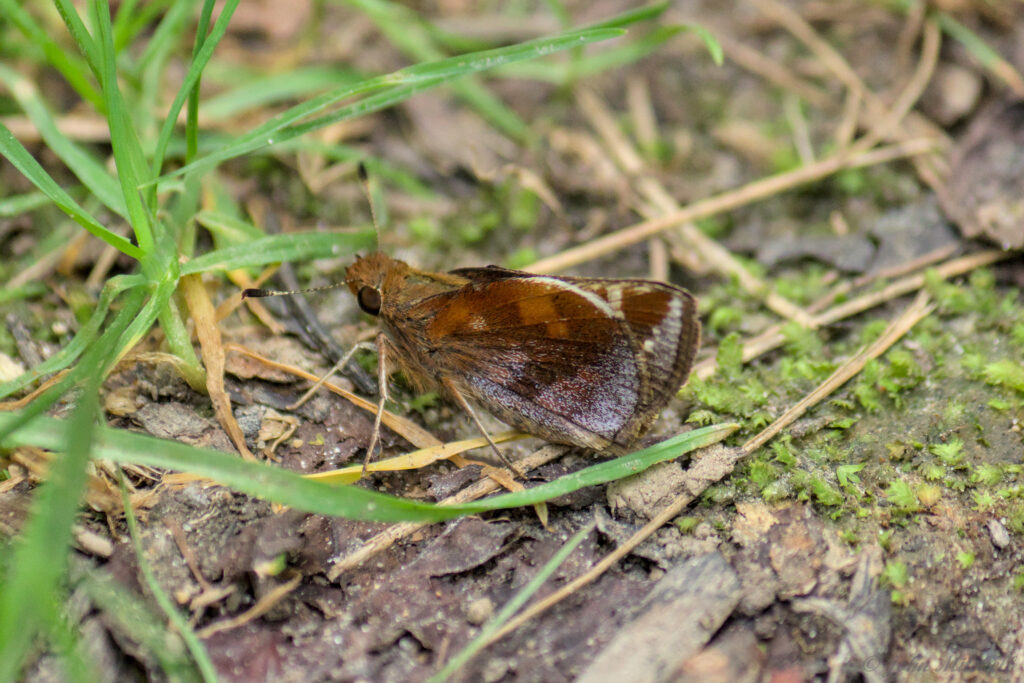
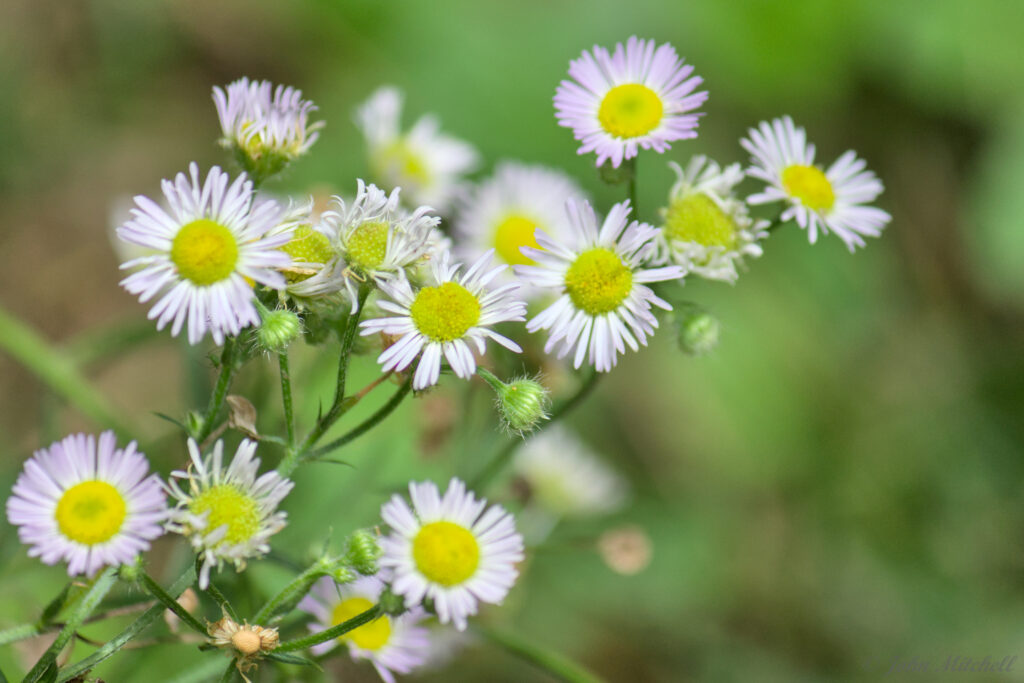
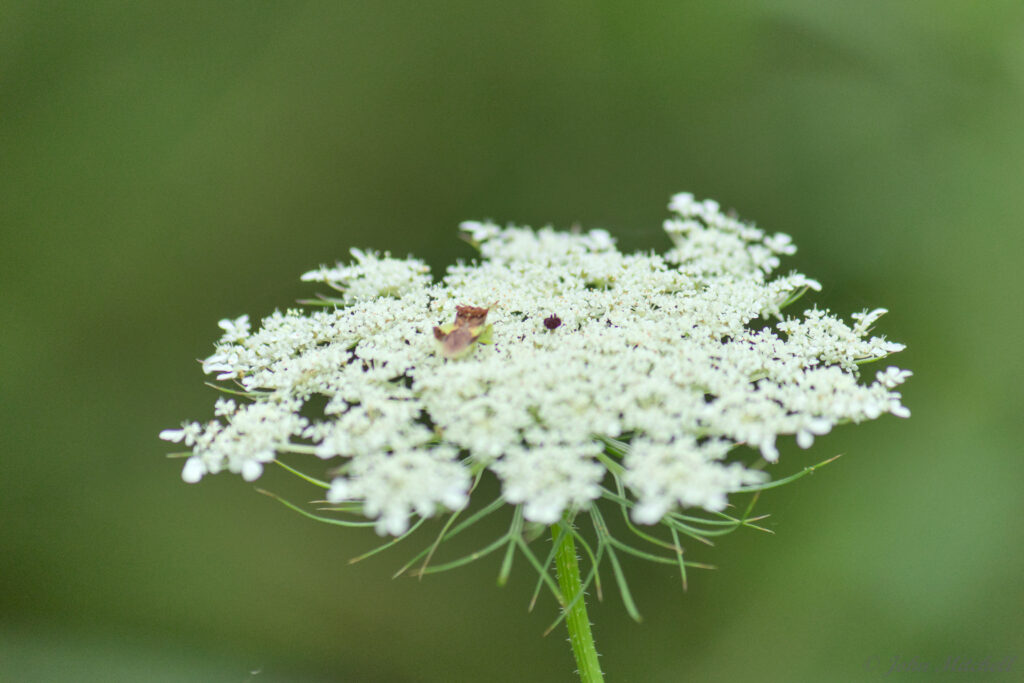
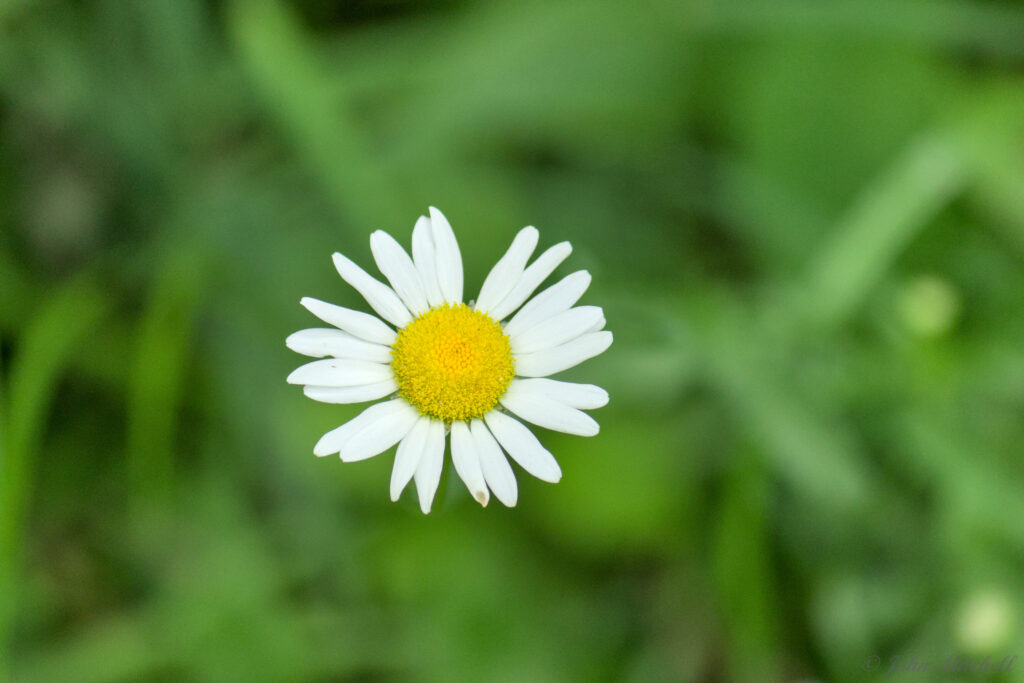
Like other areas of the park, there is also an incredible variety of flowers along the trail. The left flower is probably False Aster (Boltonia Asteroides). It used in traditional herbal remedies as a laxative and diuretic. It can also be used to treat headaches, fevers, and respiratory issues. Based on the flower petal size, it is less likely to be Daisy Fleabane (Erigeron Annuus). This is also a traditional herbal remedy used as an anti-inflammatory, antioxidant, diuretic, and astringent. nThe right flower is Queen Anne’s Lace (Daucus Carota) is also known as Wild Carrot. The sap contains a chemical that can cause rashes from sunlight.
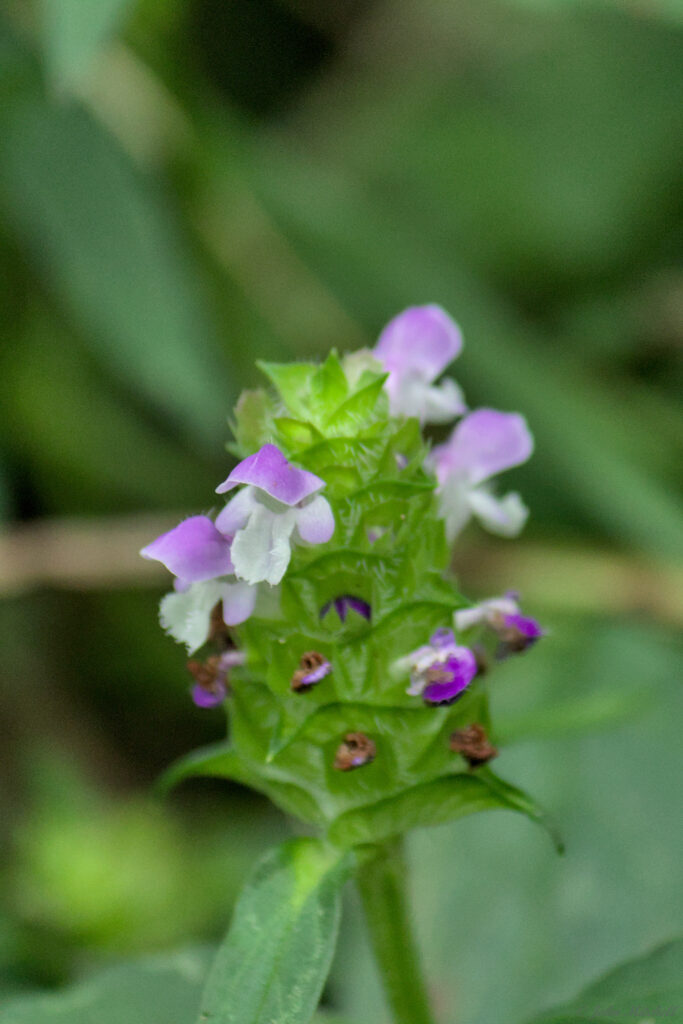
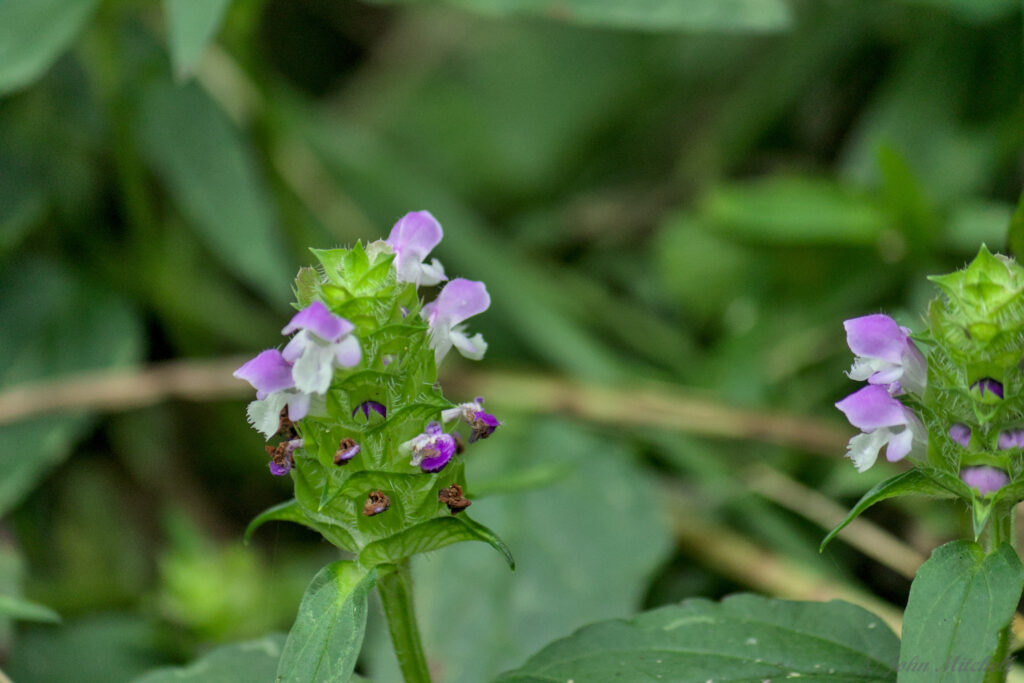
This one is a mystery. After much searching, it seems that it is probably a Dead Nettle (Lamium) of some sort. Whether it is a Purple Dragon Dead Nettle, Spotted Dead Nettle, or another kind is debatable.
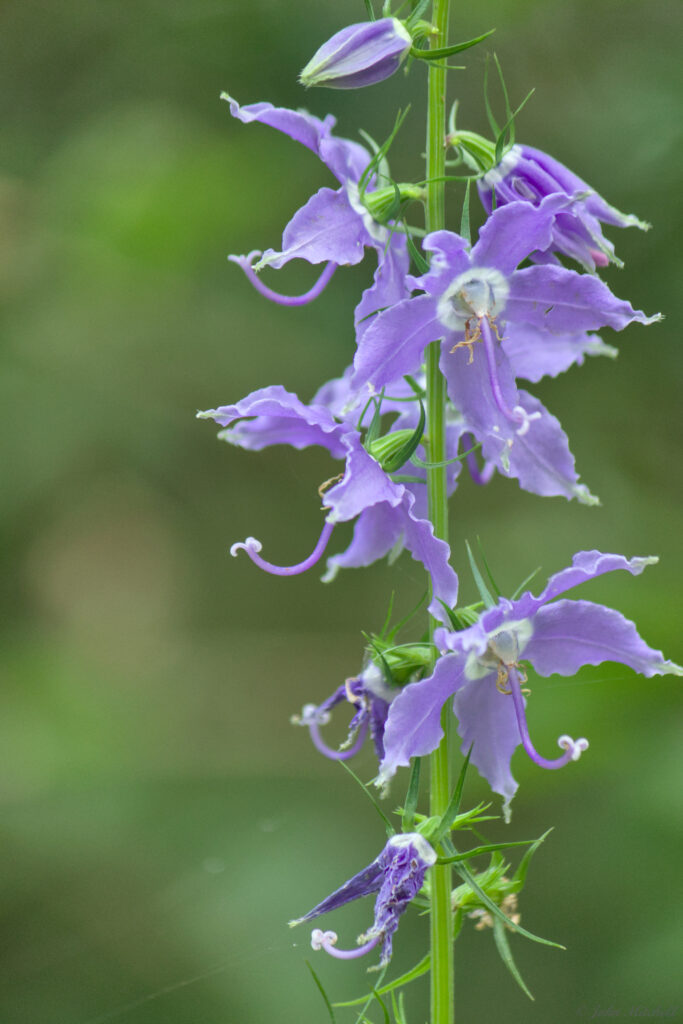
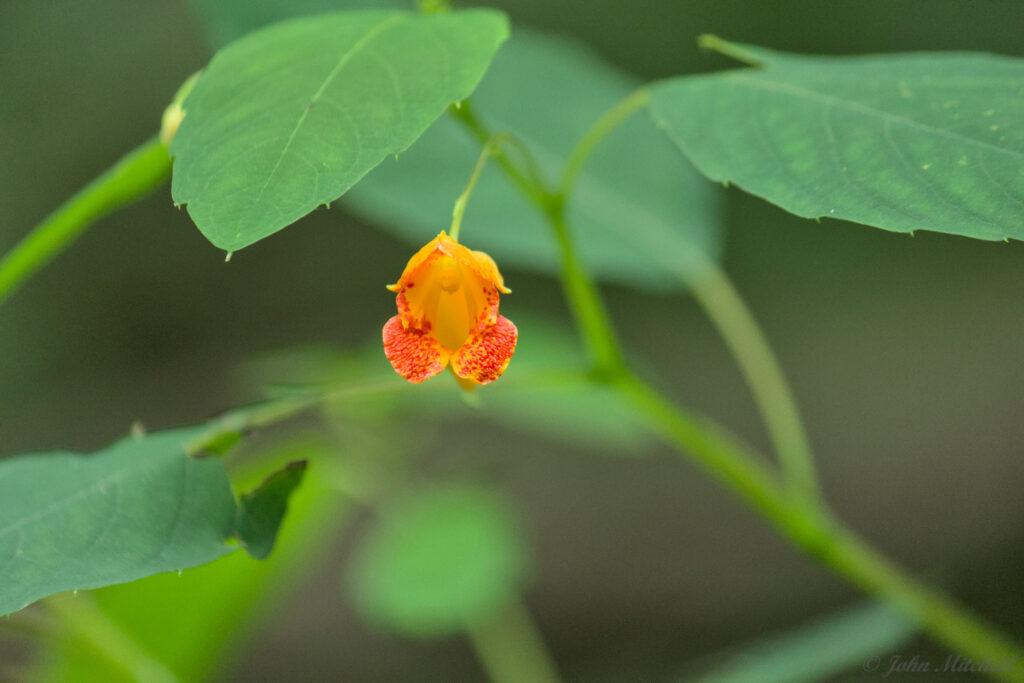
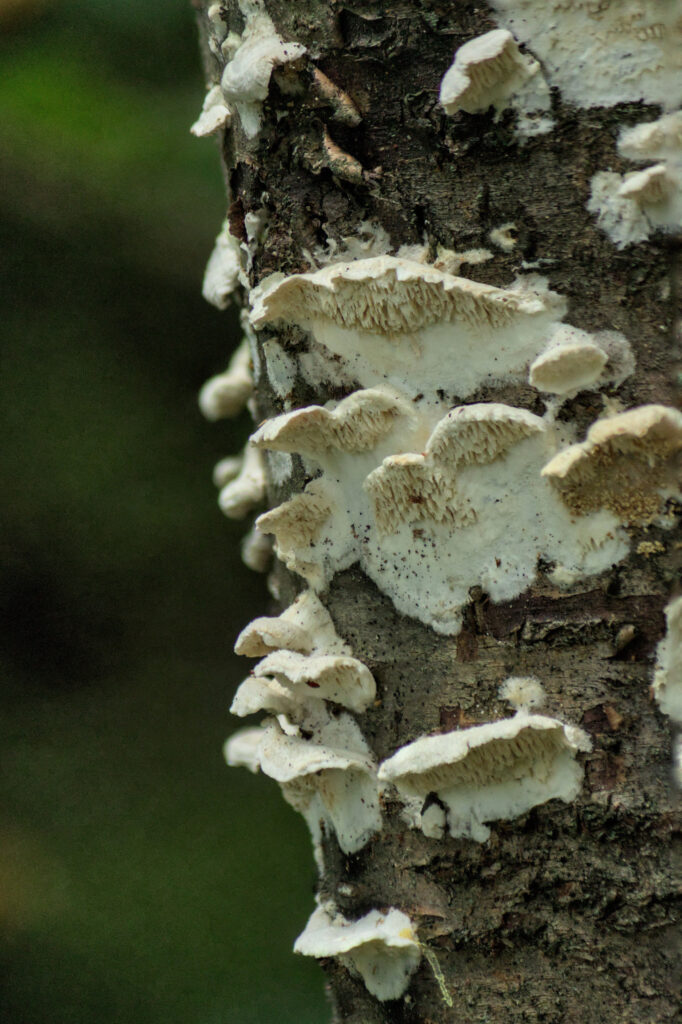
The one on the left is Tall Bellflower (Campanula Americana), which is a well behaved native plant. It looks similar to the Creeping Bellflower, which is an aggessive and invasive plant. Tall Bellflower leaves are brewed into a tea to treat coughs with traditional medicine. The one in the middle is Orange Jewelweed (Impatiens Capensis). This is used to treat skin irritations, such as poison ivy, stinging nettle, and insect bites. It has anti-inflammatory, anti-histamine, and anti-microbial properties. The picture on the right is a focus stacked image of a dead tree covered in shelf fungus. The depth of field was just too small without focus stacking. (Why is he always invited to the party? Because he is a fungi.)
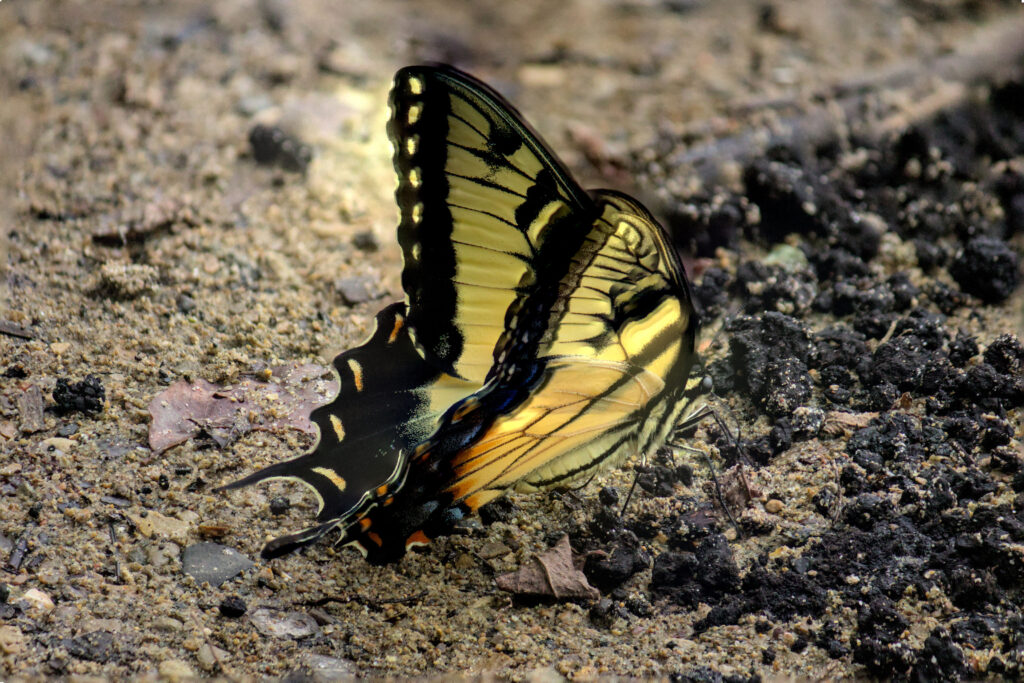
After this, we ran into the first major opening to the water. It was a short side path leading to a beach. A large yellow butterfly was on the ground feeding on something. It appears to be a male (less blue) Eastern Tiger Swallowtail Butterfly (Papilio Glaucus). It was skittish, but we did manage to get reasonably close.
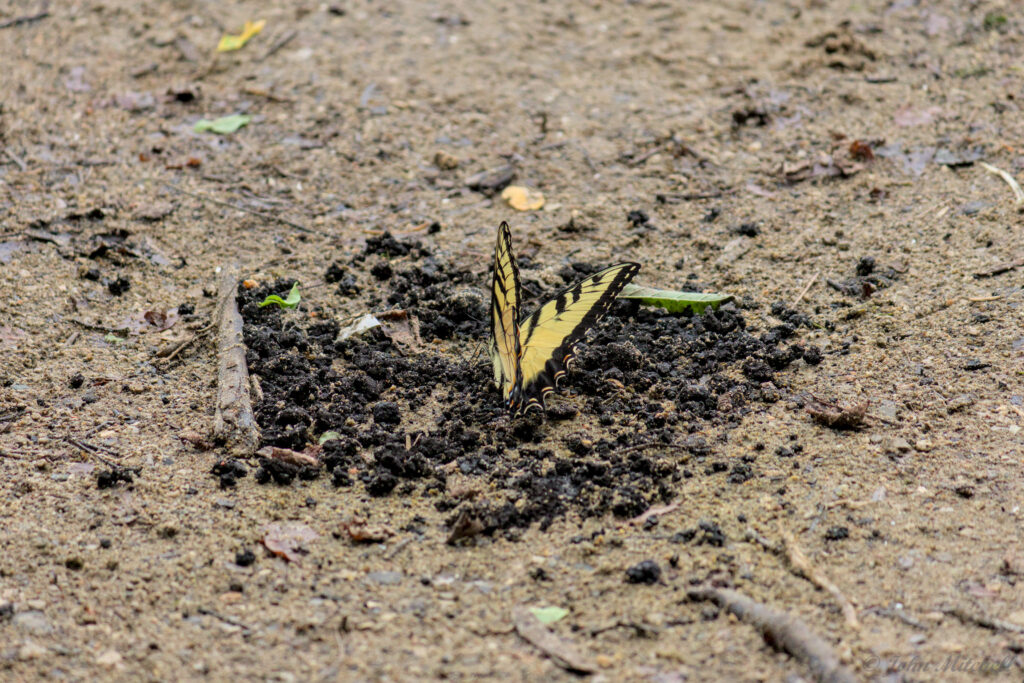
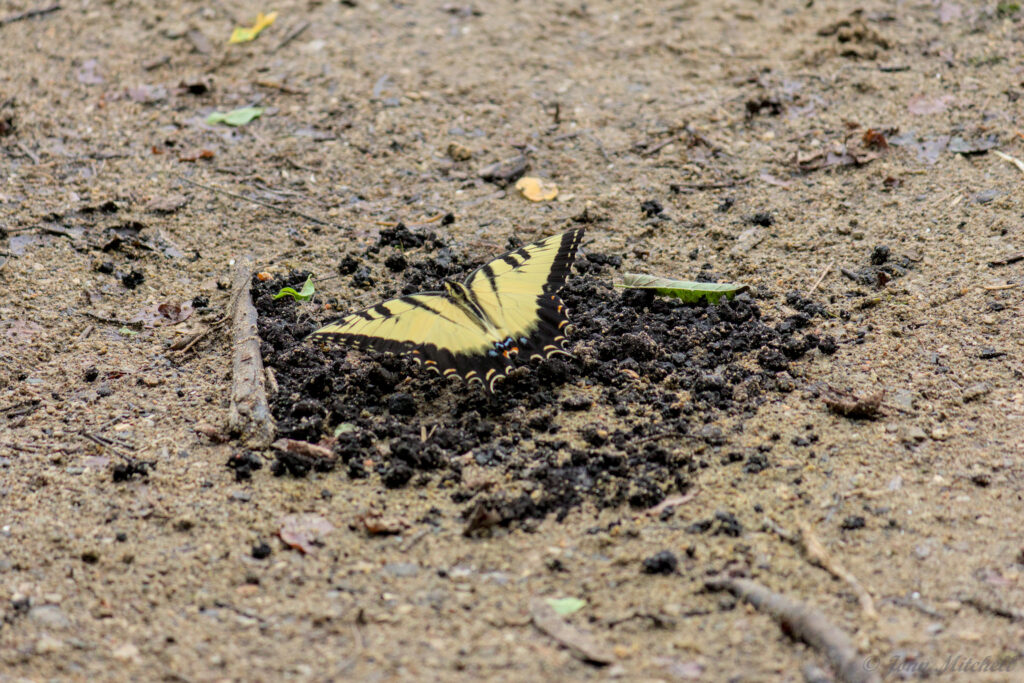
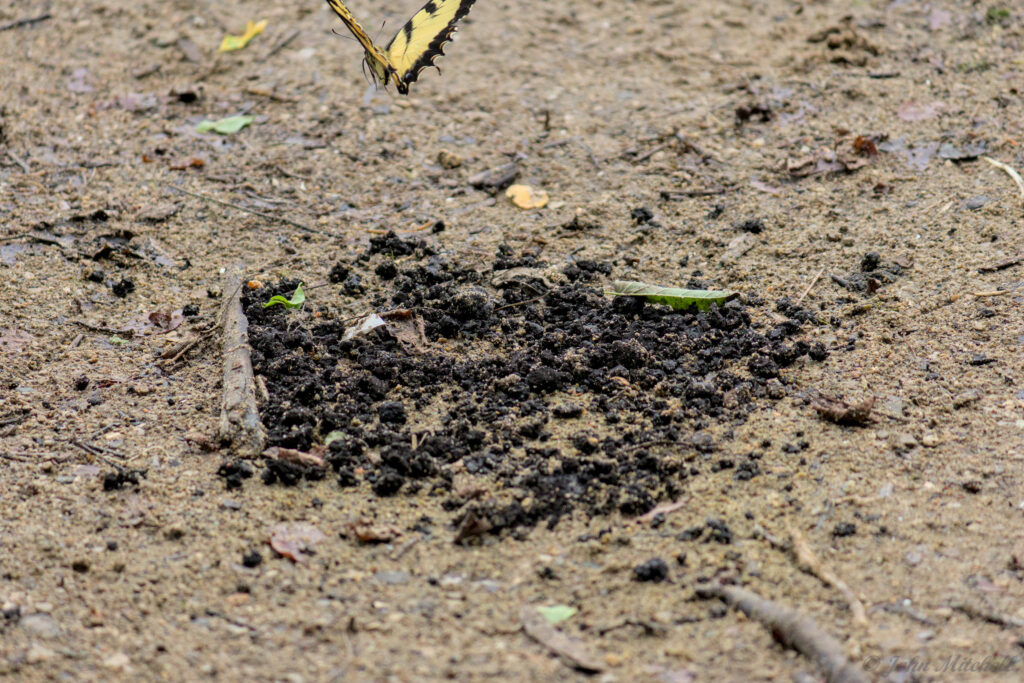
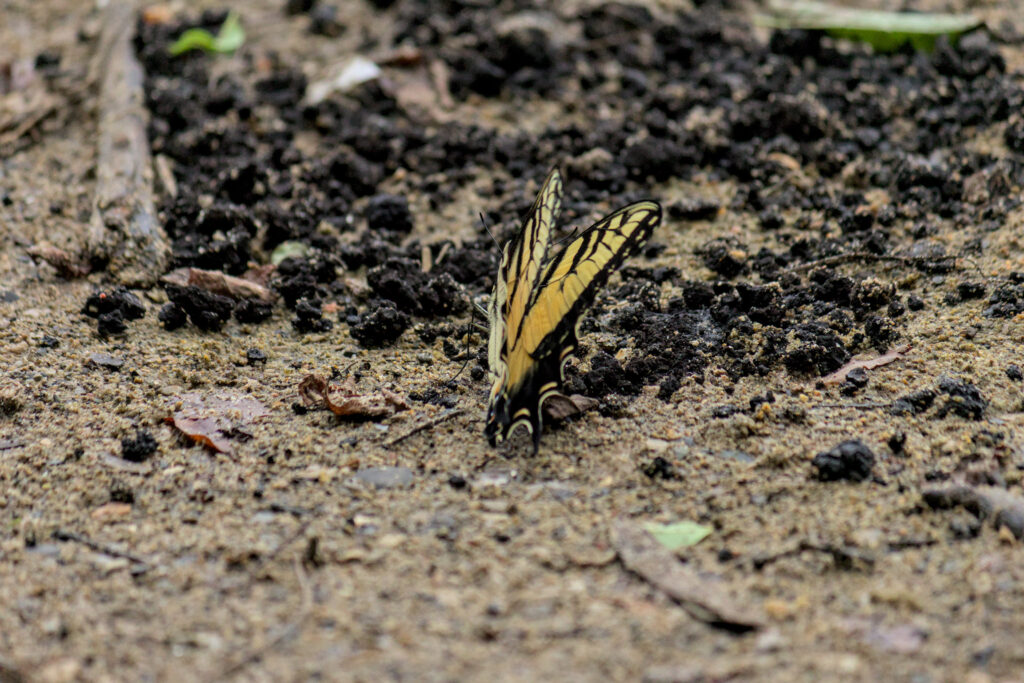
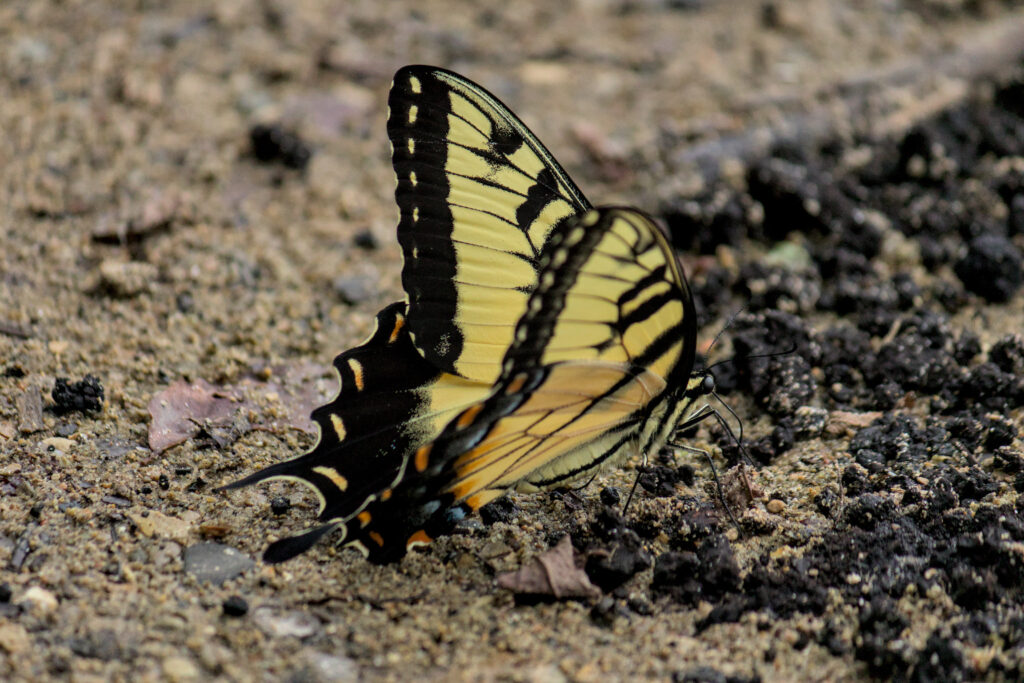
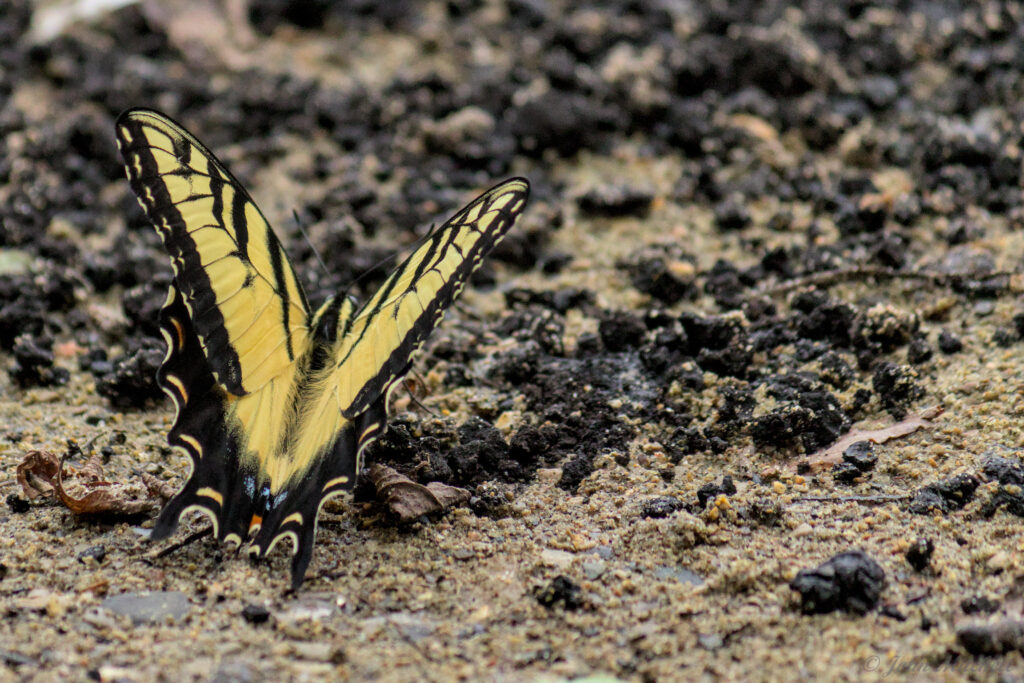
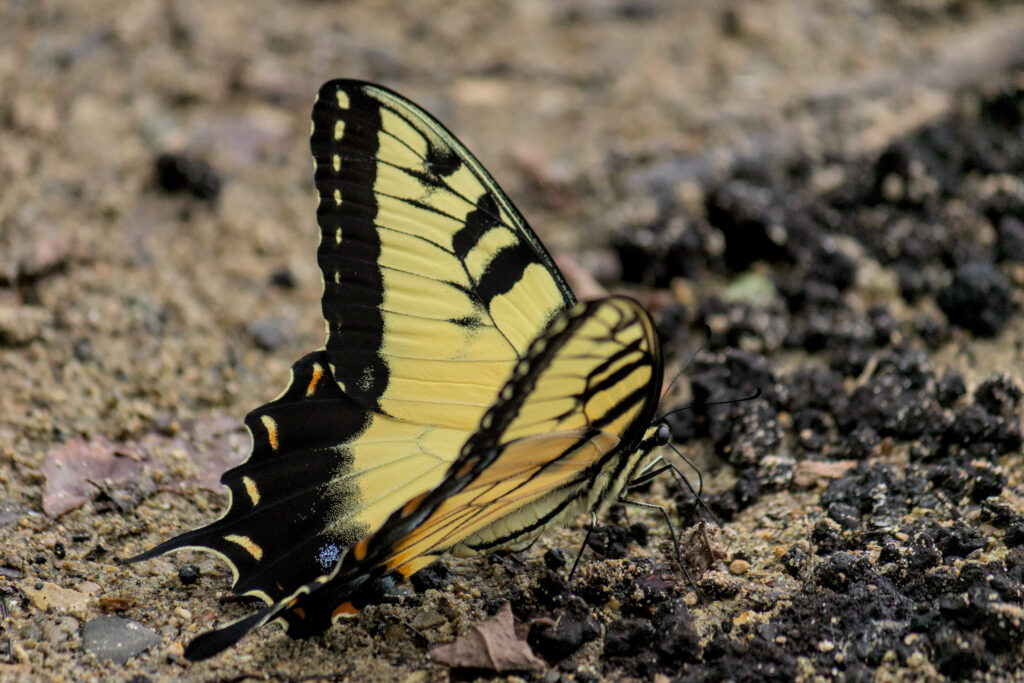
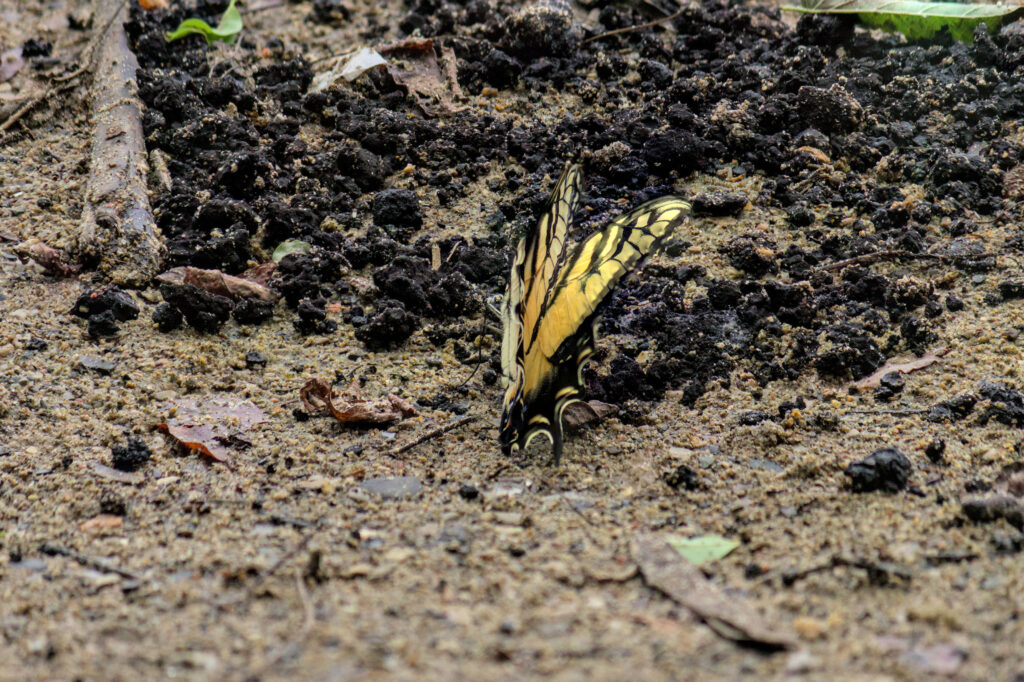
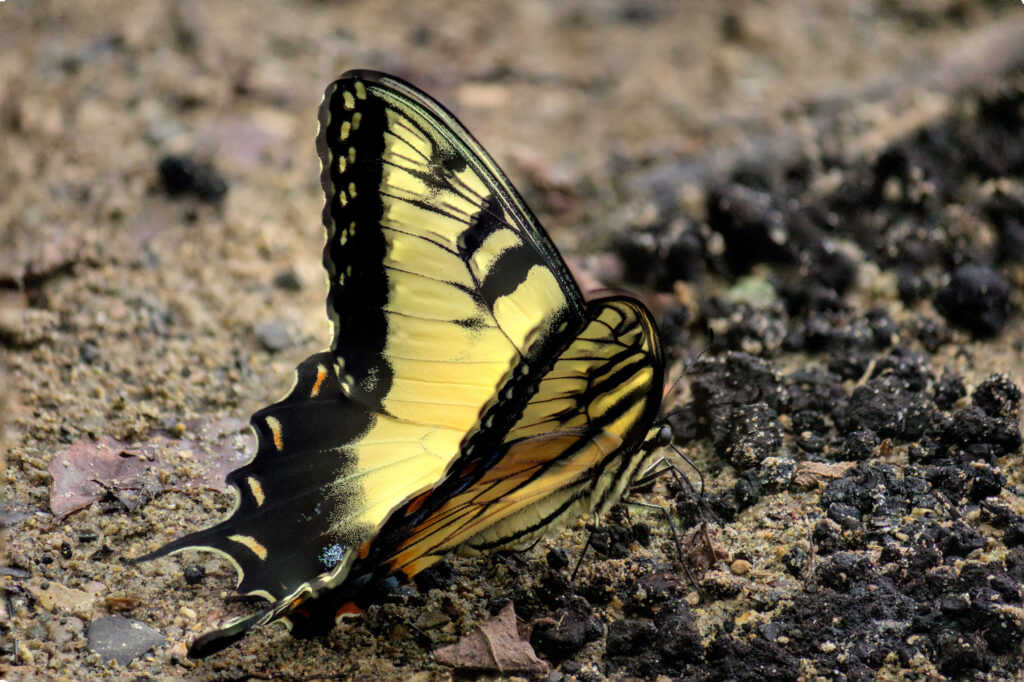
It was pretty windy on the little beach. You could see the butterfly blowing left and right clinging to the ground. (Someone did not skip leg day at the gym.) Being so close, only a thing slice of the butterfly is in focus, so John tried to do focus stacking. The pictures only took about 0.2 seconds, but the wind was moving the butterfly faster. This is what happens when the subject moves. (Hint: look at the wings.)
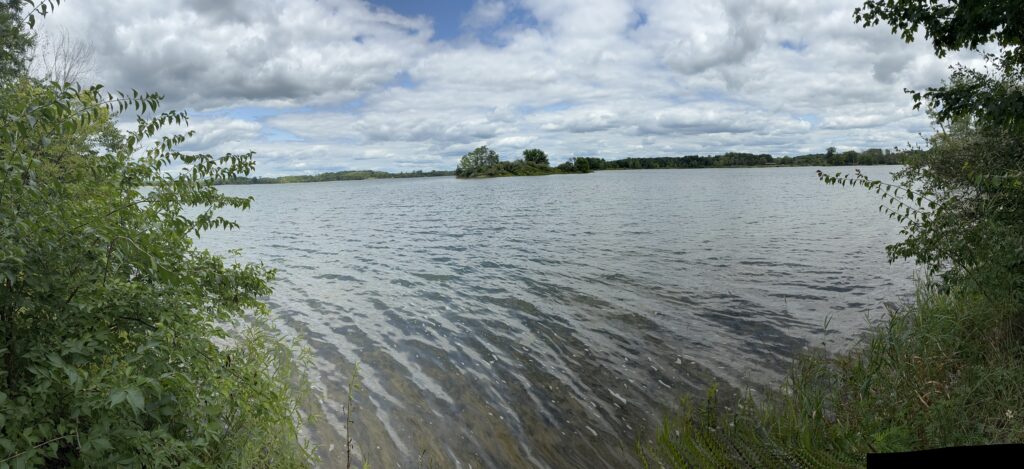
A little further down the trail, it bent back towards the water, and we had a short distance of shoreline hiking. The view across the water was great.

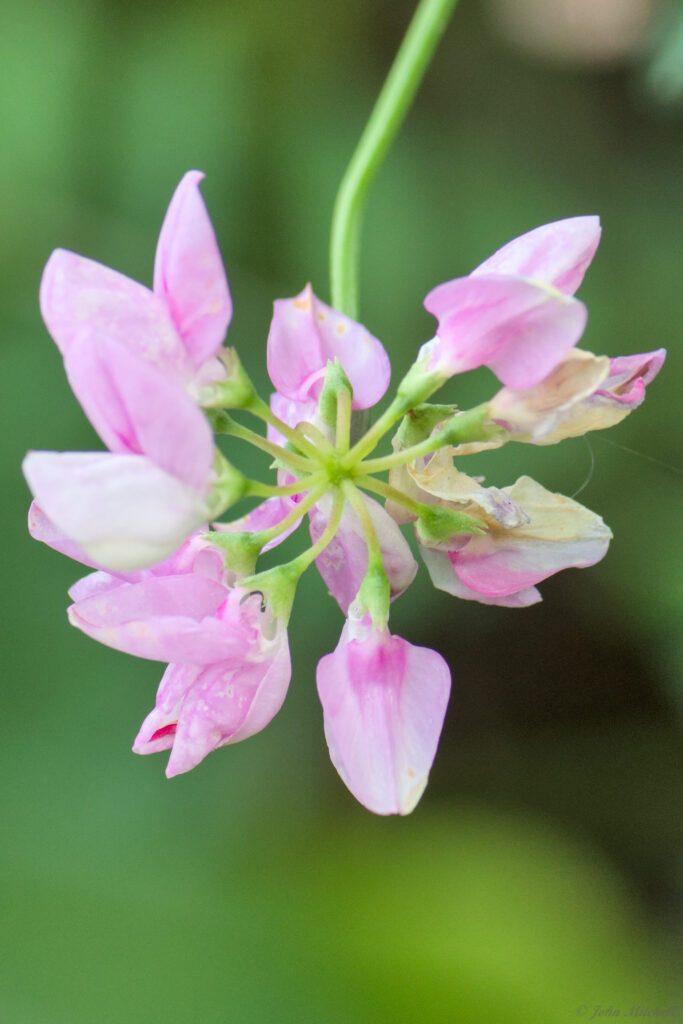
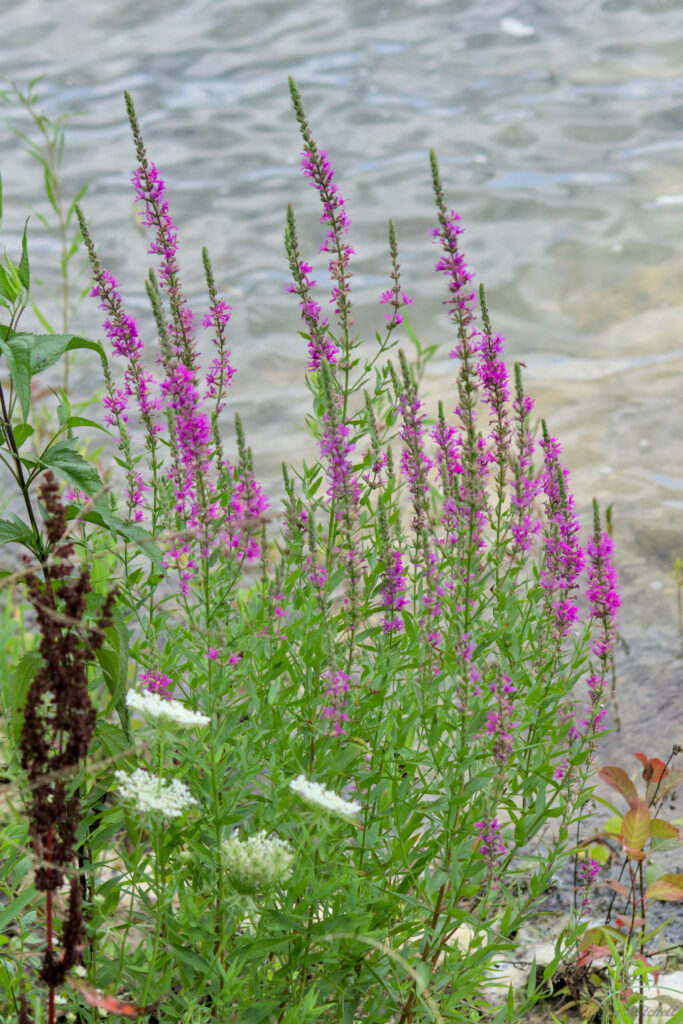
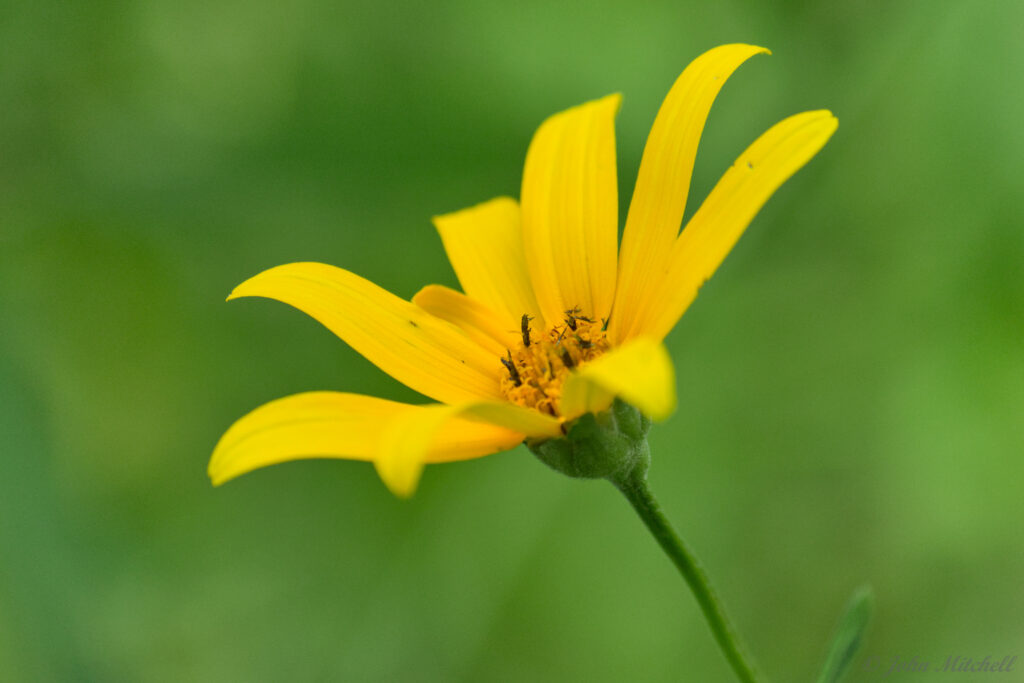
And, more flowers along the trail and shoreline. The one on the left is Crownvetch, an aggressive and invasive species that crowds out native plants. As part of the legume family, it works with bacteria to pull nitrogen from the air and enrich the soil. The flower on the right is Purple Loosestrife (Lythrum Salicaria), which is another invasive weed. Its medicinal uses include anti-diarrhea, stop bleeding, and reduce gut inflammation. It is also a natural dye. There are a lot of species similar to the lower picture. Without more detail, it is hard to be certain, but it might be a Ten-petal Sunflower (Helianthus Decapetalus). Oddly, this flower has eight to twelve petals, so it is really an Average-of-ten-petals Sunflower. It might also be a Rosinweed or a Tickseed plant.
Shortly past the water views, we mixed the two – Skippers and Flowers. A Silver-spotted Skipper was feeding on the Wild Bergamot. We probably took more pictures of this than we needed to. A lot more.
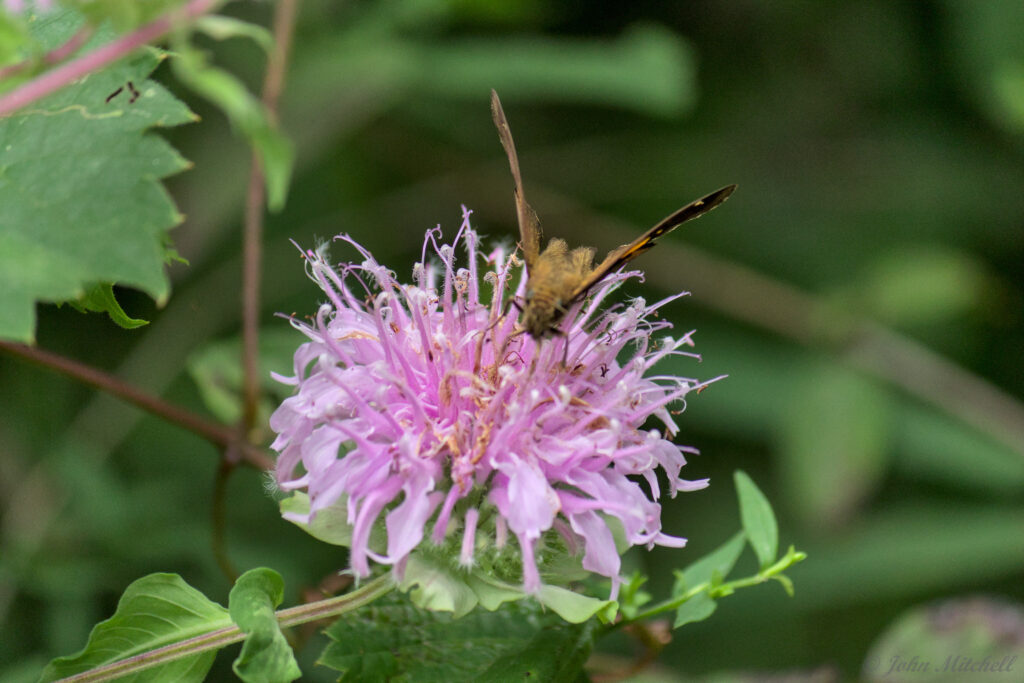
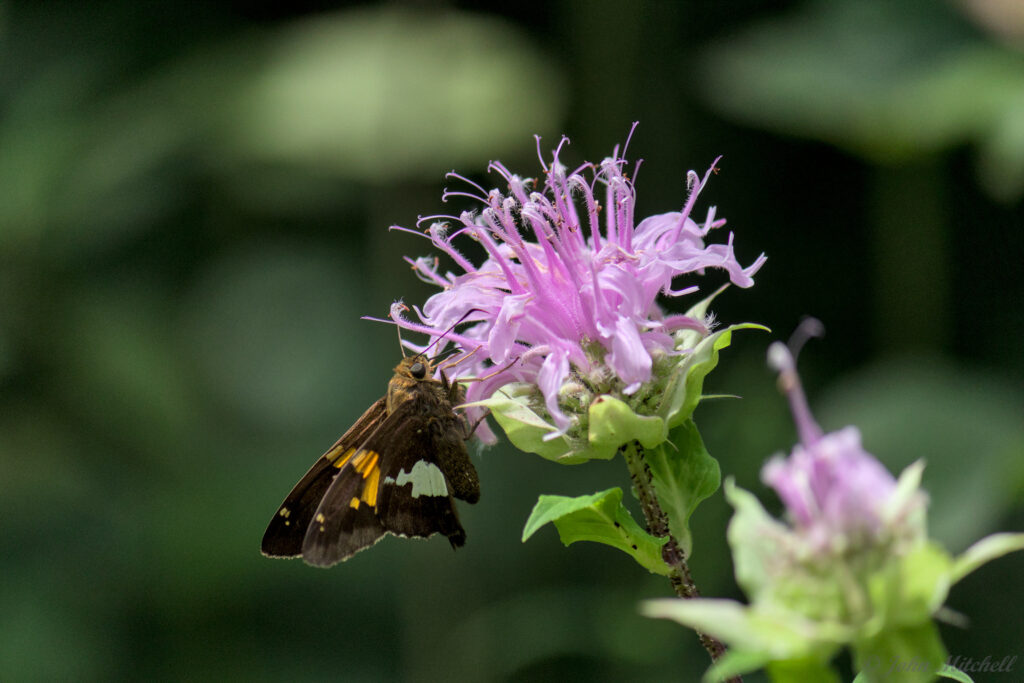
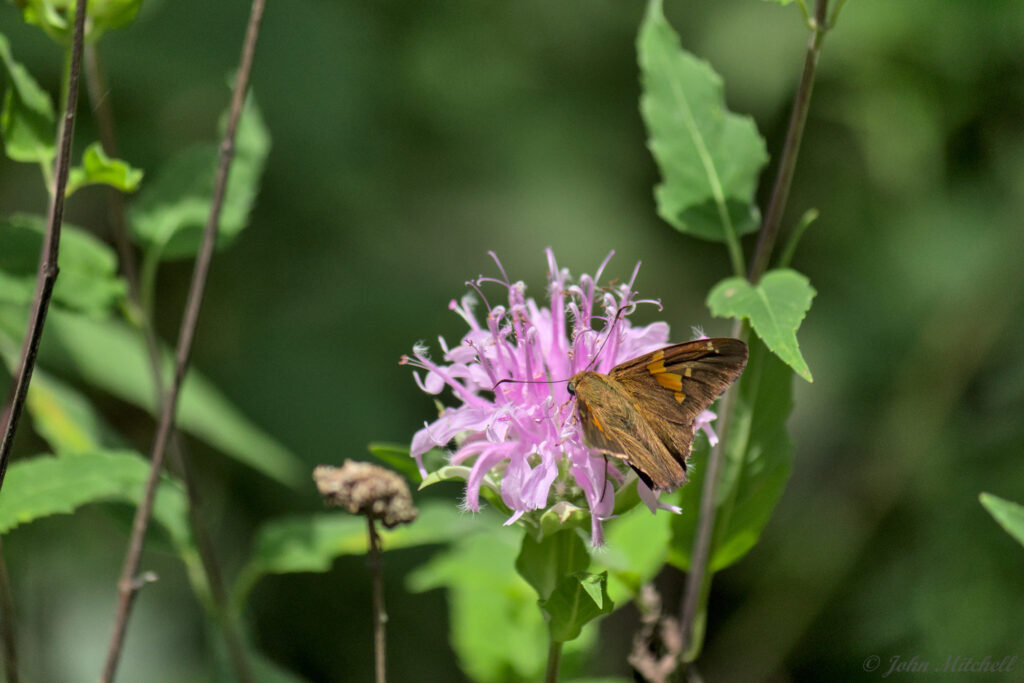
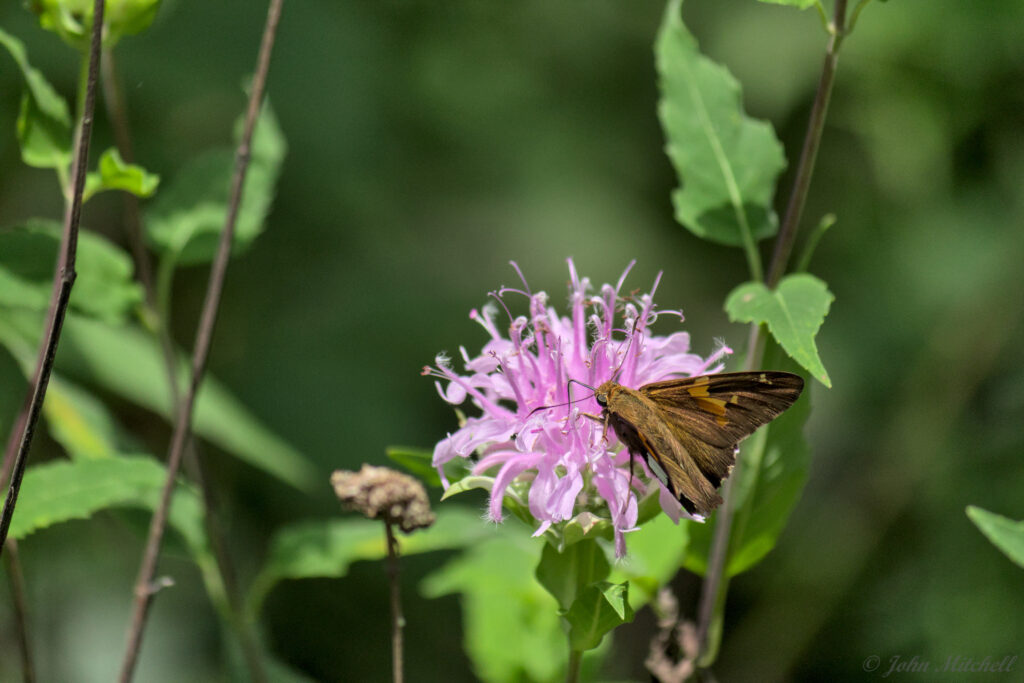
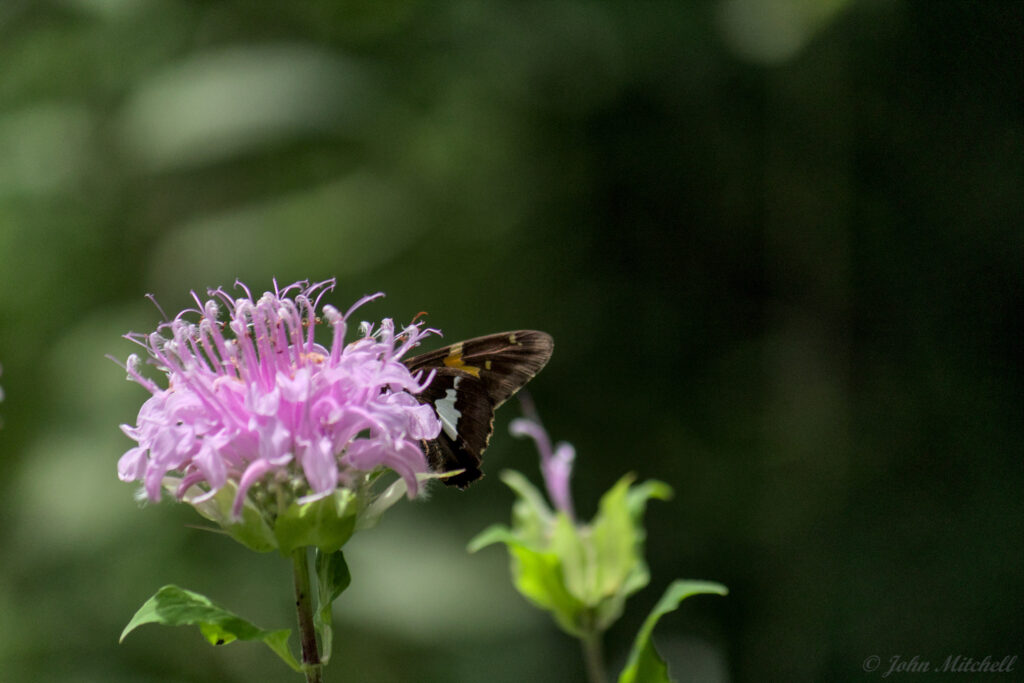
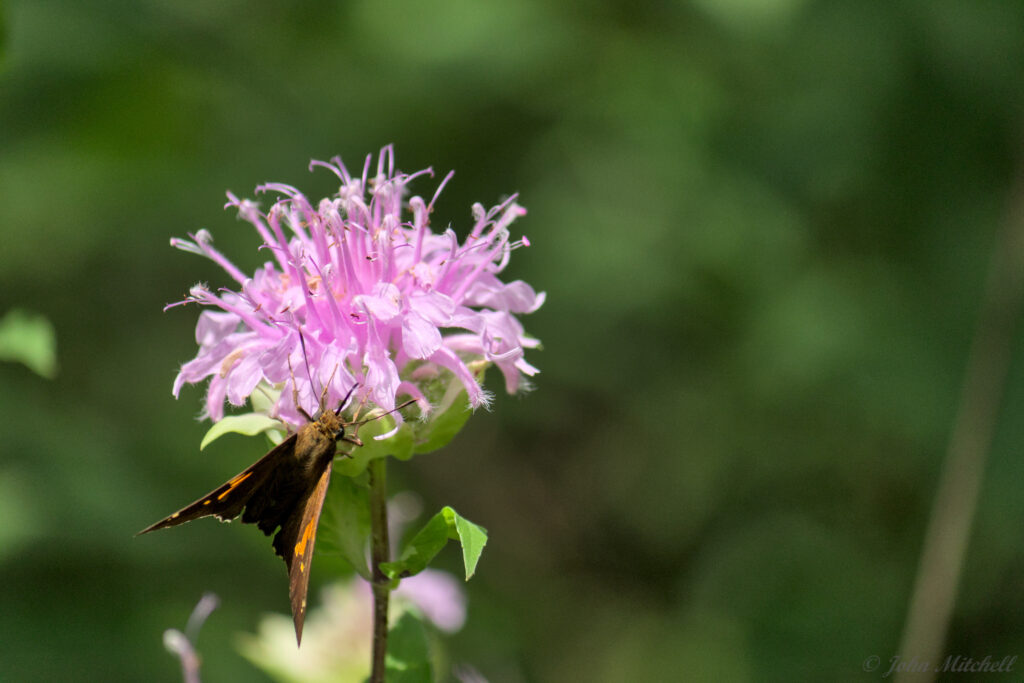
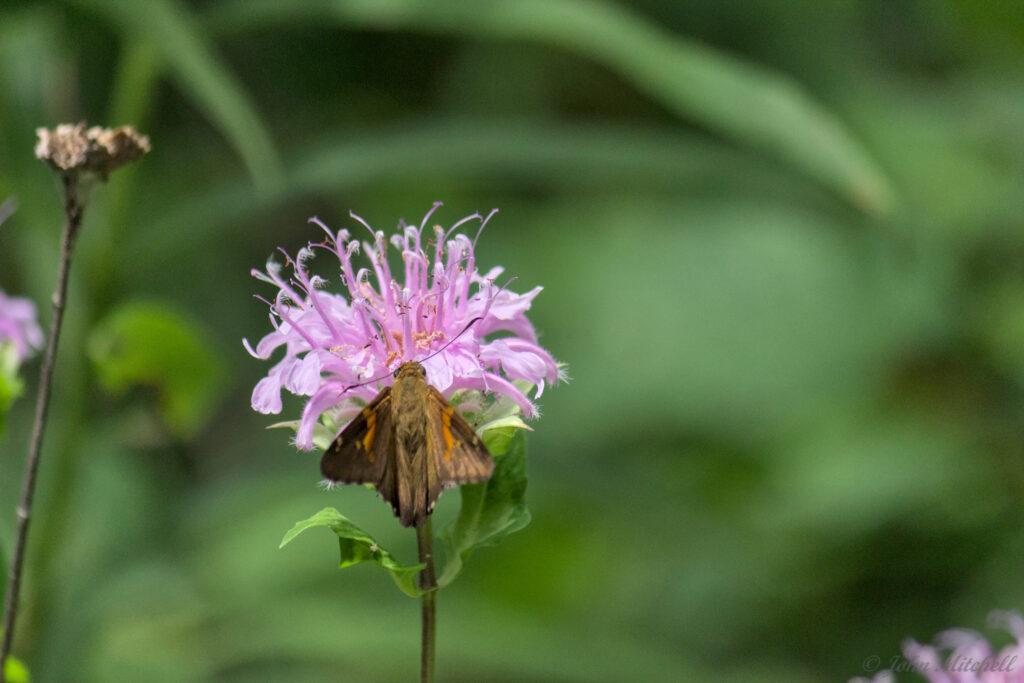
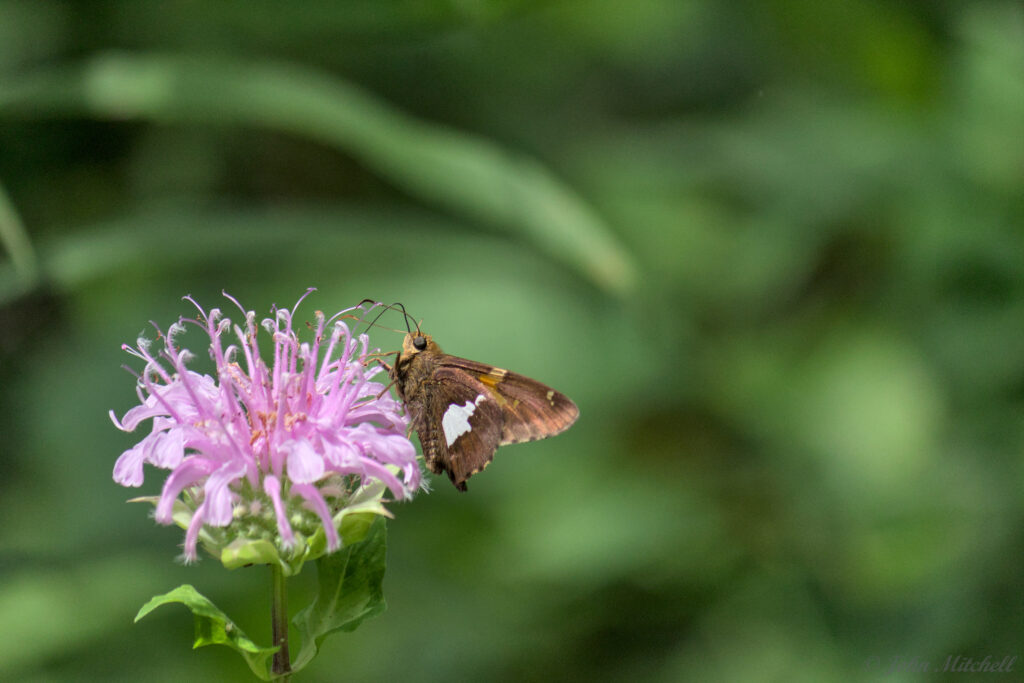
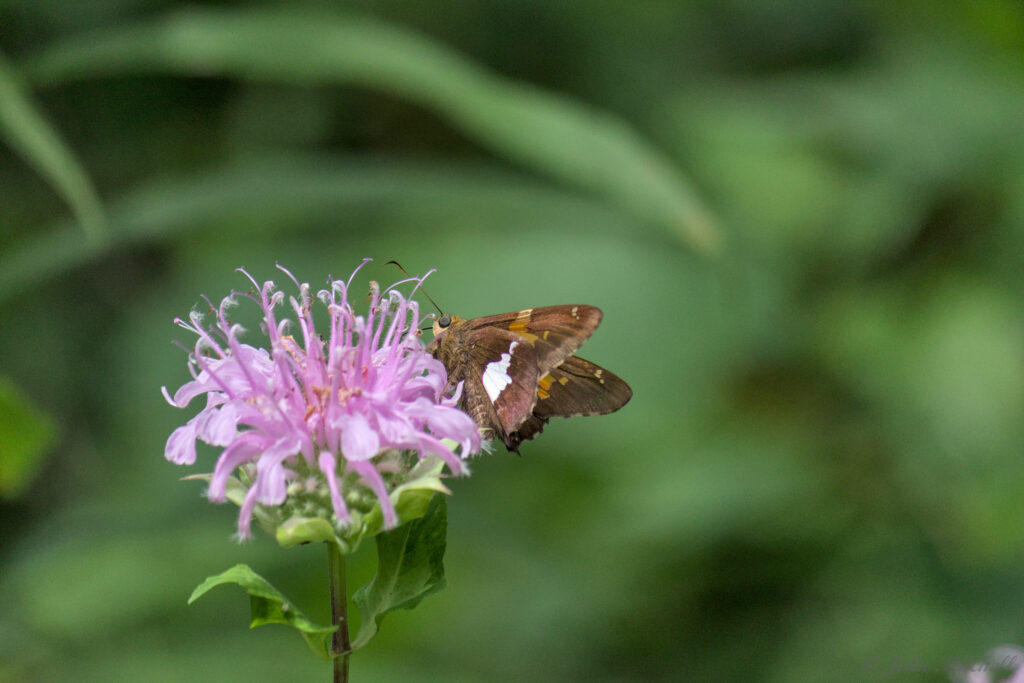
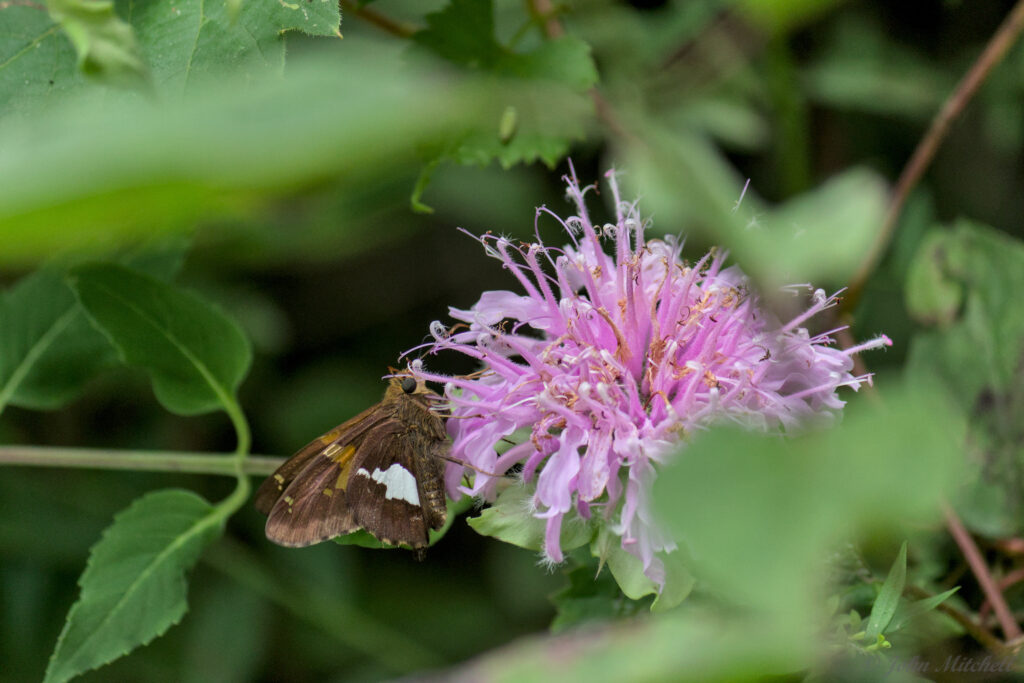
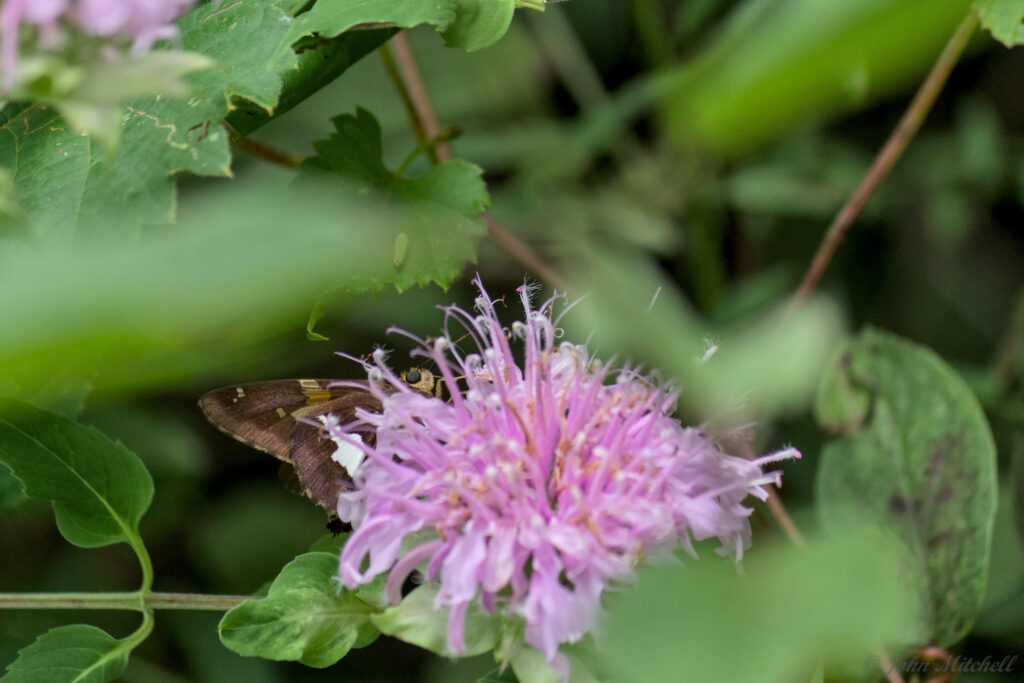
John tried more of the focus stacking with this subject, and it worked better because the wind died down. These two were taken back to back, and they turned out perfectly fine and almost identical. There is no obvious ghosting, and the moth has the proper number of body parts.
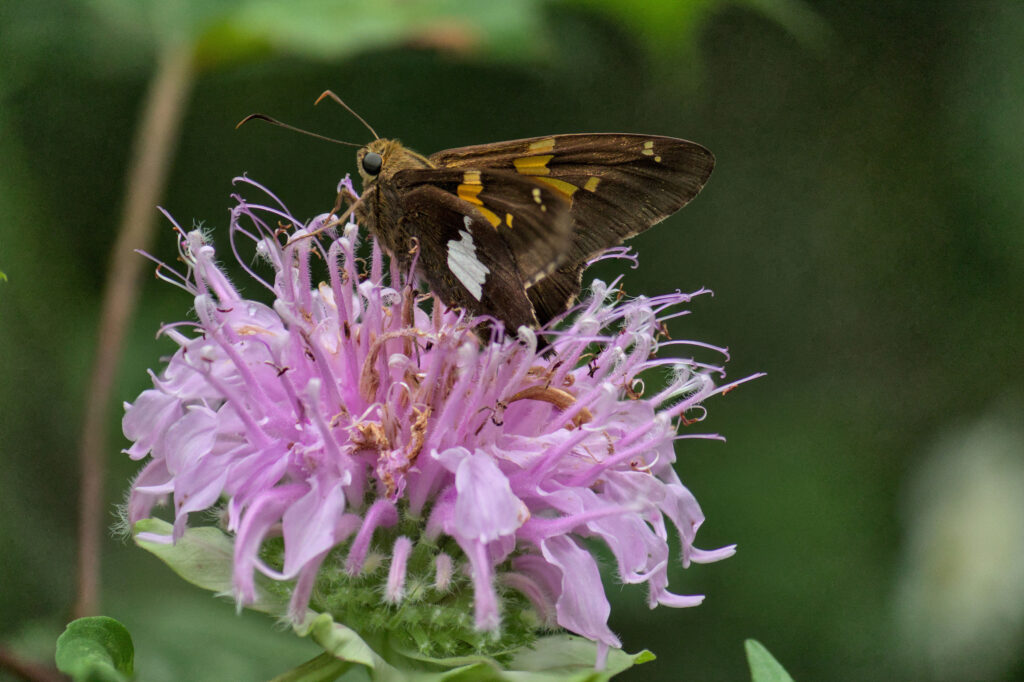
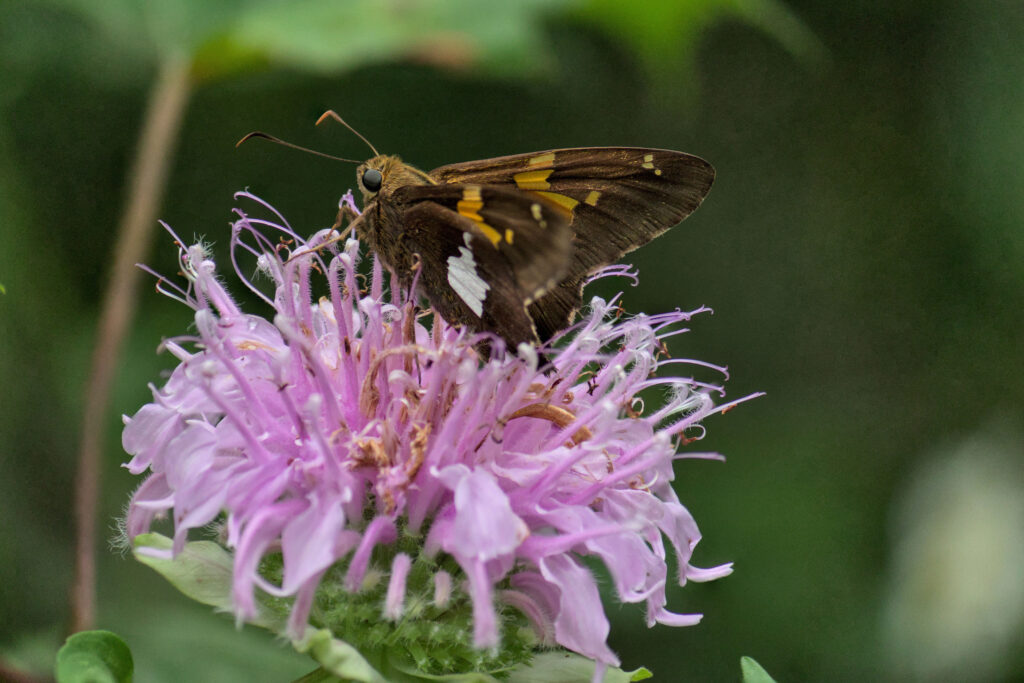
For the most part, the butterfly would land, feed, and then move on. In the left image, it looks largely fine, except the left antenna is not connected. In the right image, the butterfly was dancing the Can-can during the focus stack, so he has too many legs and antenna.
About the last thing we saw on the trail were a few more of the False Aster plants.
The Campground Trail is a relatively easy hike. There are a few roots and ruts, but it is largely flat and wide. It periodically approaches the bank of the lake, but most of the hike does not have good lake views. With the trail only being 1.25 miles long, we walked down the road towards the nearer of the two boat ramps. Along the road in the park is a patch of wild flowers about 50 feet deep, so much of the park is a huge pollinator garden. There were not a lot of butterflies, but there were plenty of Bumblebees and Flowers.
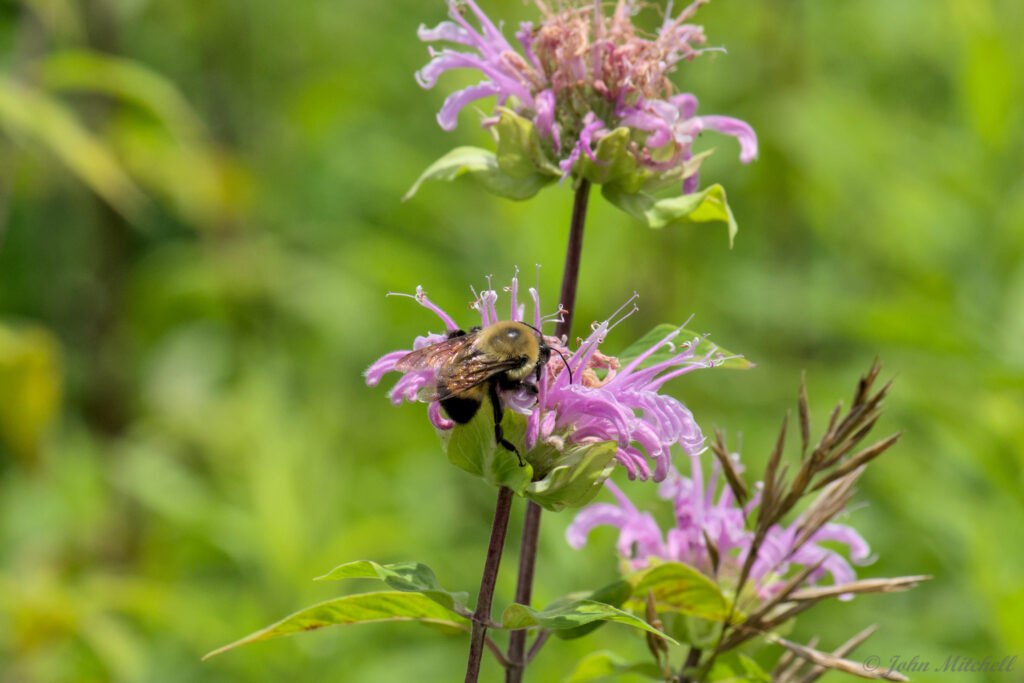
The fields were full of Wild Bergamot with Bumblebees. Probably due to the heat wave, many of the field flowers were past their prime.
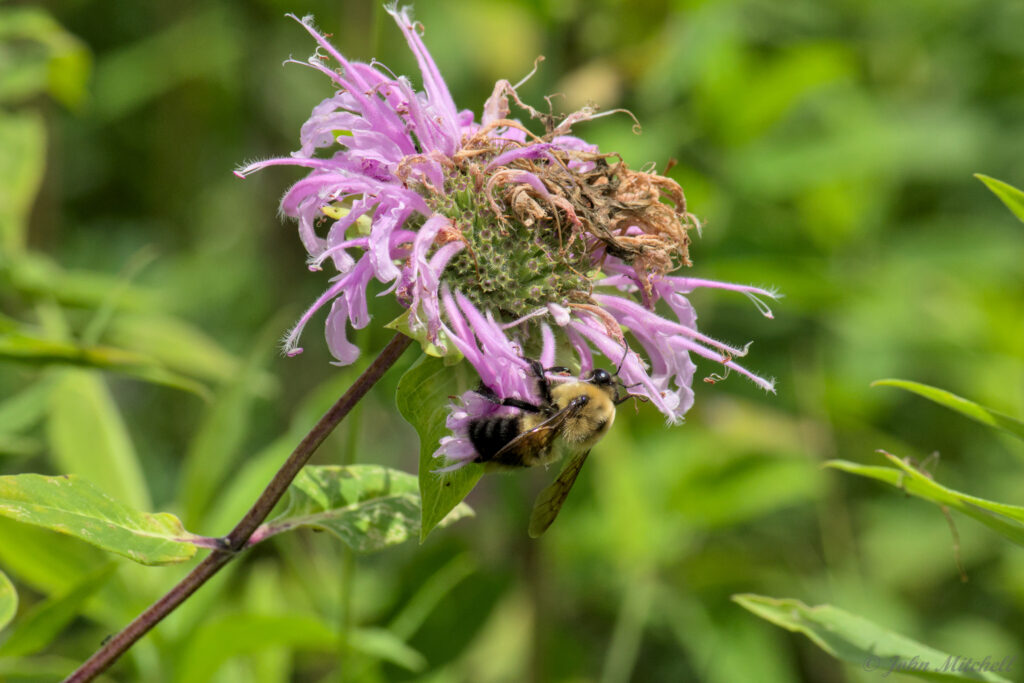
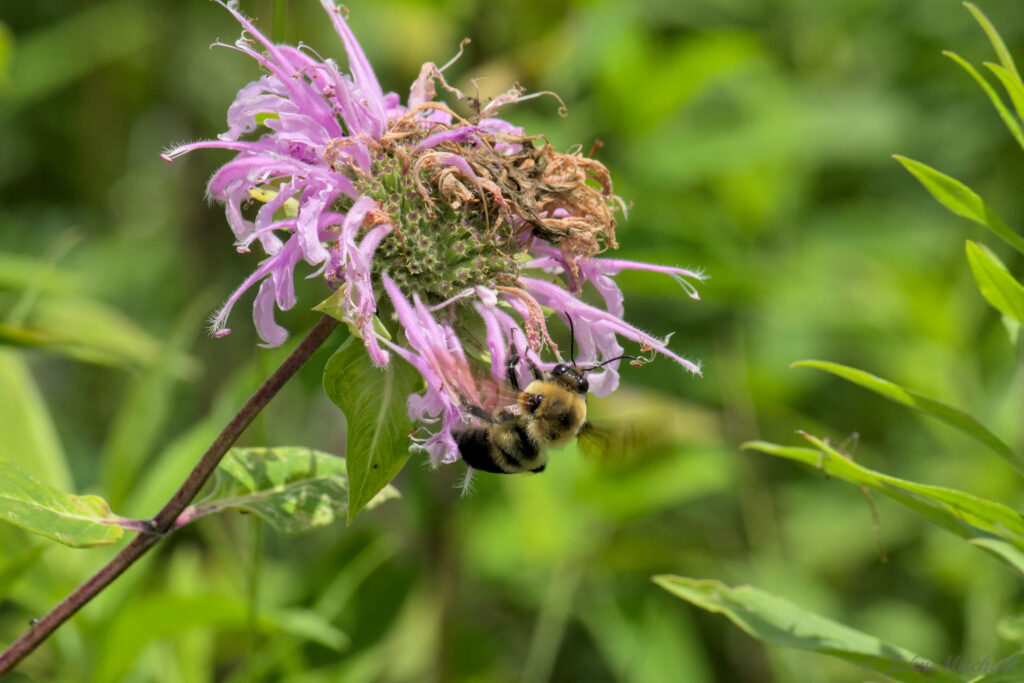
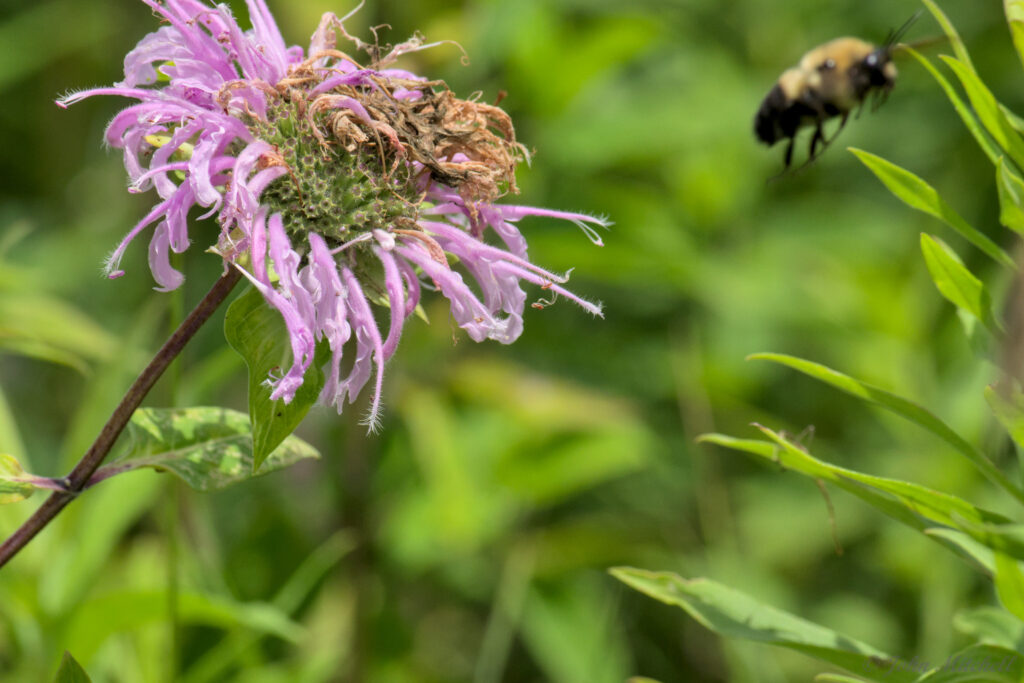
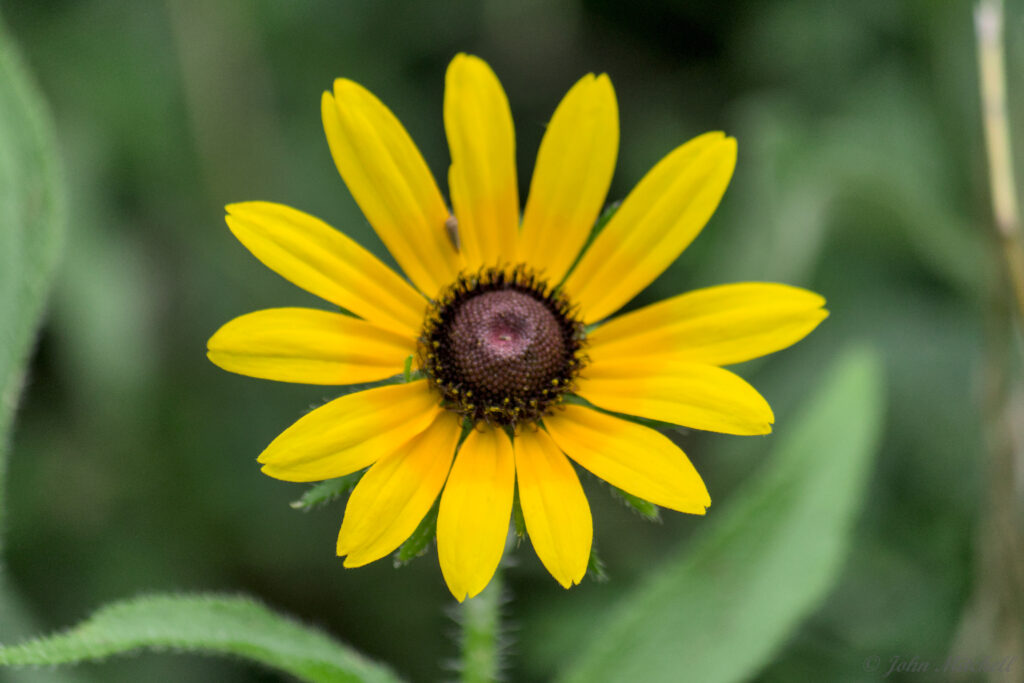
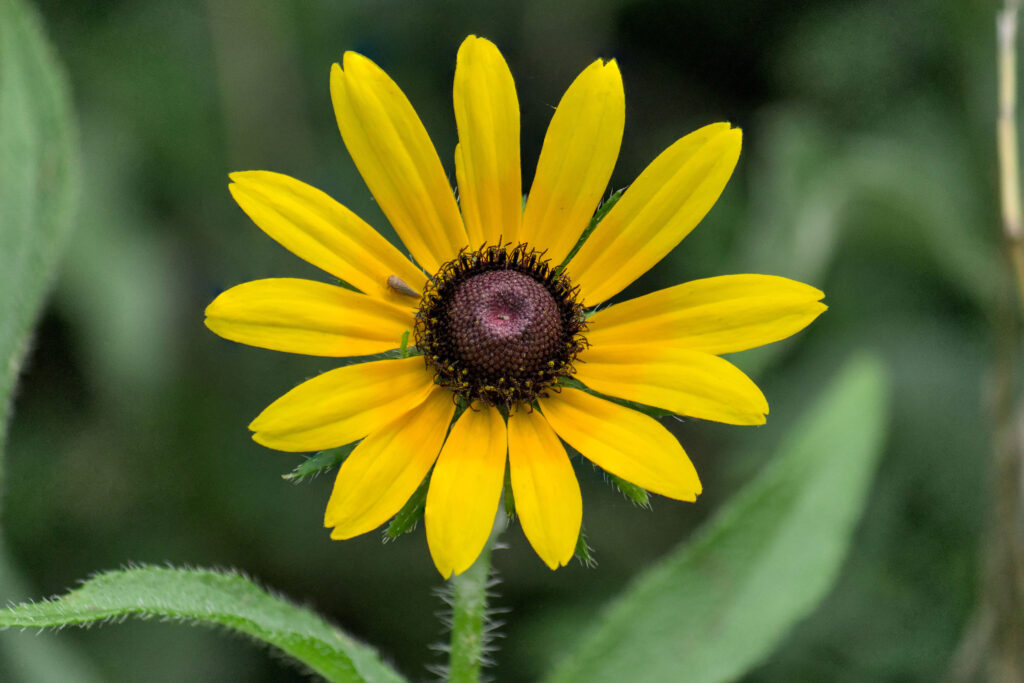
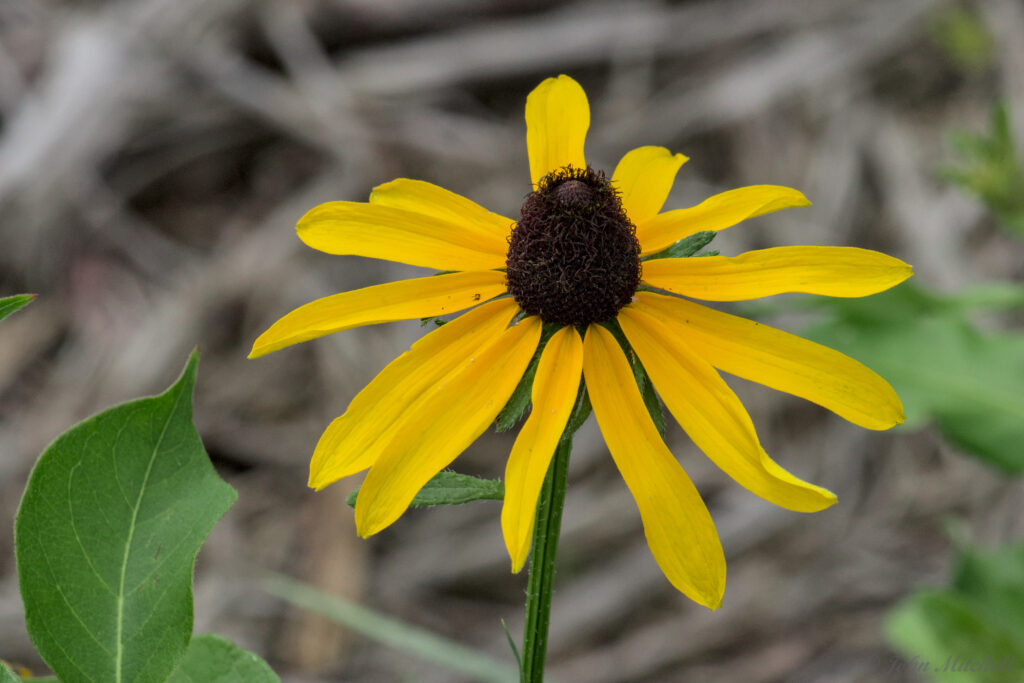
There were plenty of Black-eyed Susan (Rudbeckia Hirta); flowers similar to this are called Yellow Coneflower, in Indiana. Some species have orange or red closer to the center, instead of a darker yellow. Traditional medicine uses them for immune support, topical washes, and earaches. The seeds are toxic, and since they are in the daisy family, some people are allergic to them. The left image is a photo, and the right image is focus stacked.
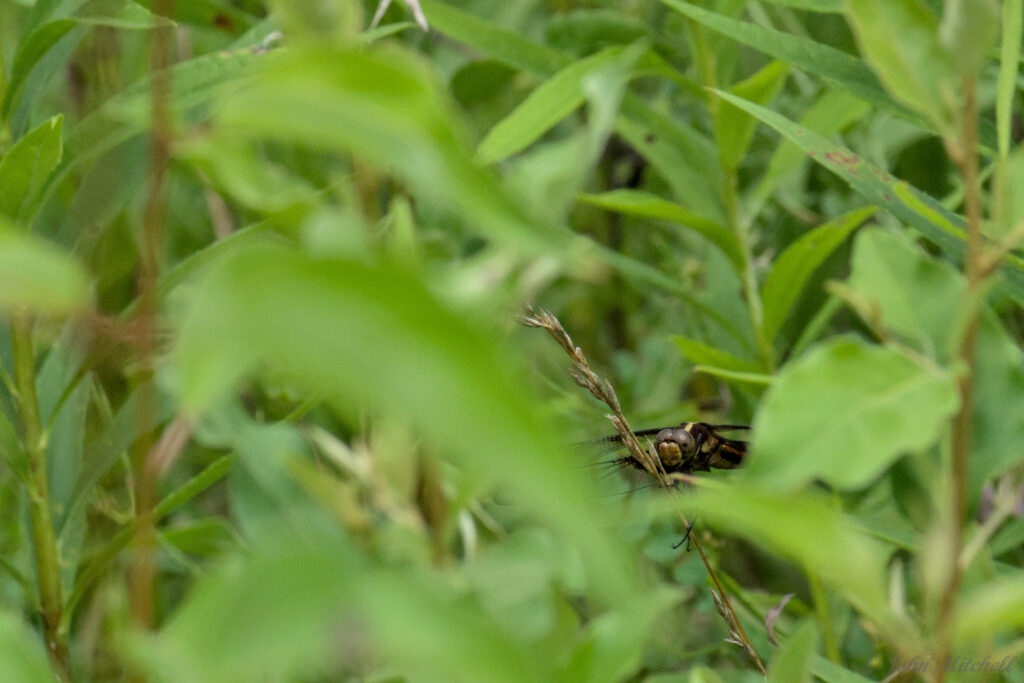
Kate saw this one, but we just managed a partial picture in the grass. This looks like a Twelve Spotted Skimmer Dragonfly.
This one might be Smooth (or Prairie) Ironweed (Vernonia Fasciculata). It provides a late summer burst of magenta to the landscape. The leaves are bitter, so they deter deer and rabbits. It attracts butterflies, bees, and long-tongues insects. It is a larval host to the American Painted Lady Butterfly.
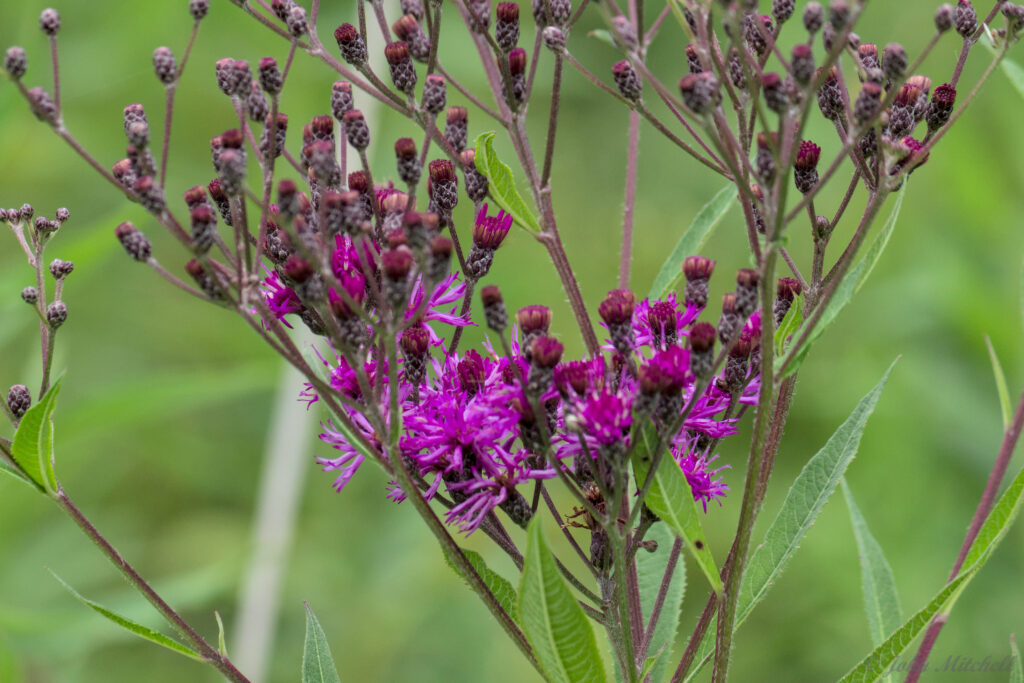
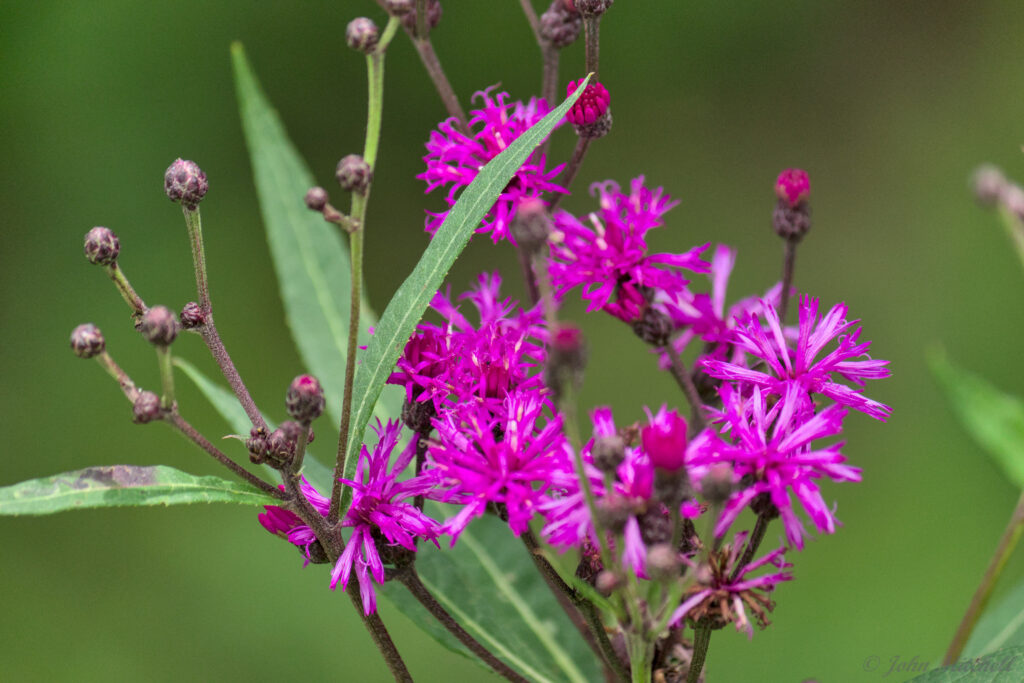
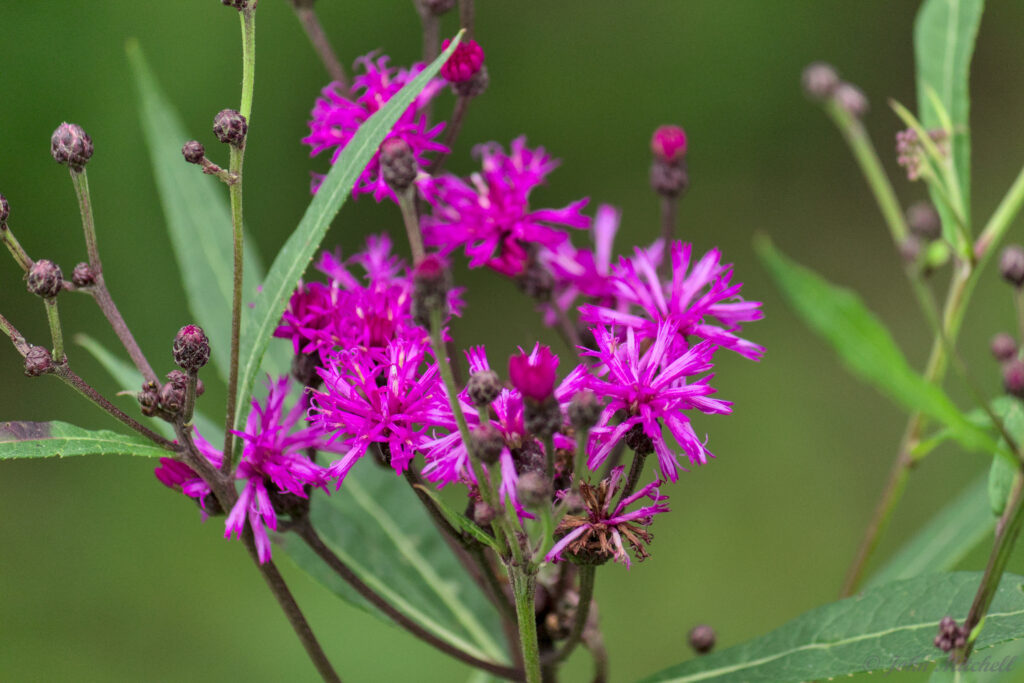
This might be an actual Yellow Coneflower with dropping yellow petals or a Black-eyed Susan that is past its prime.
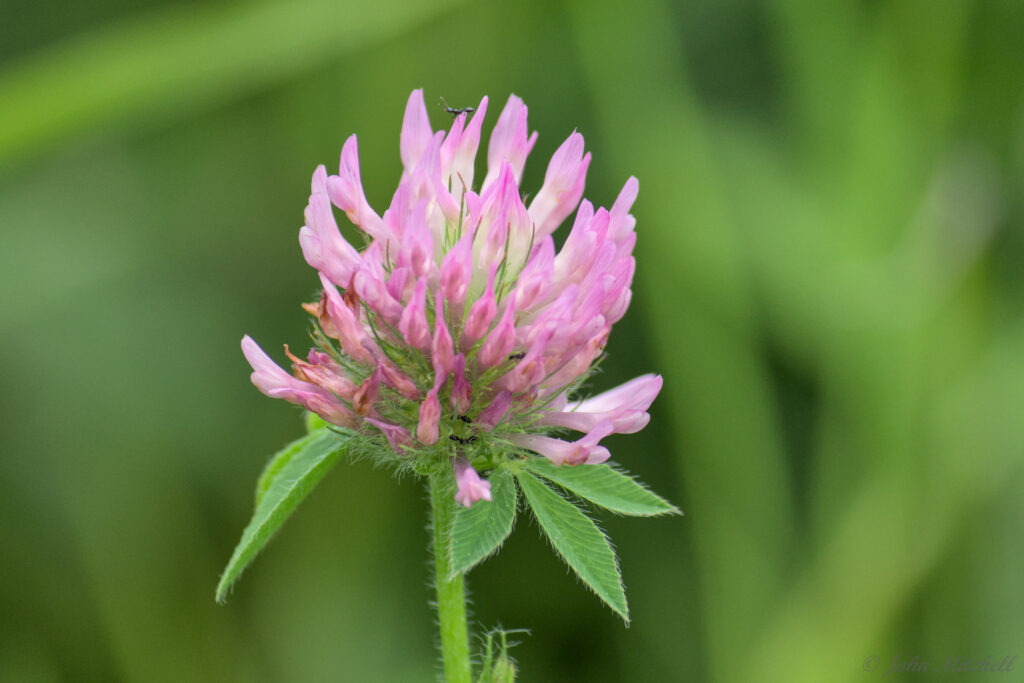
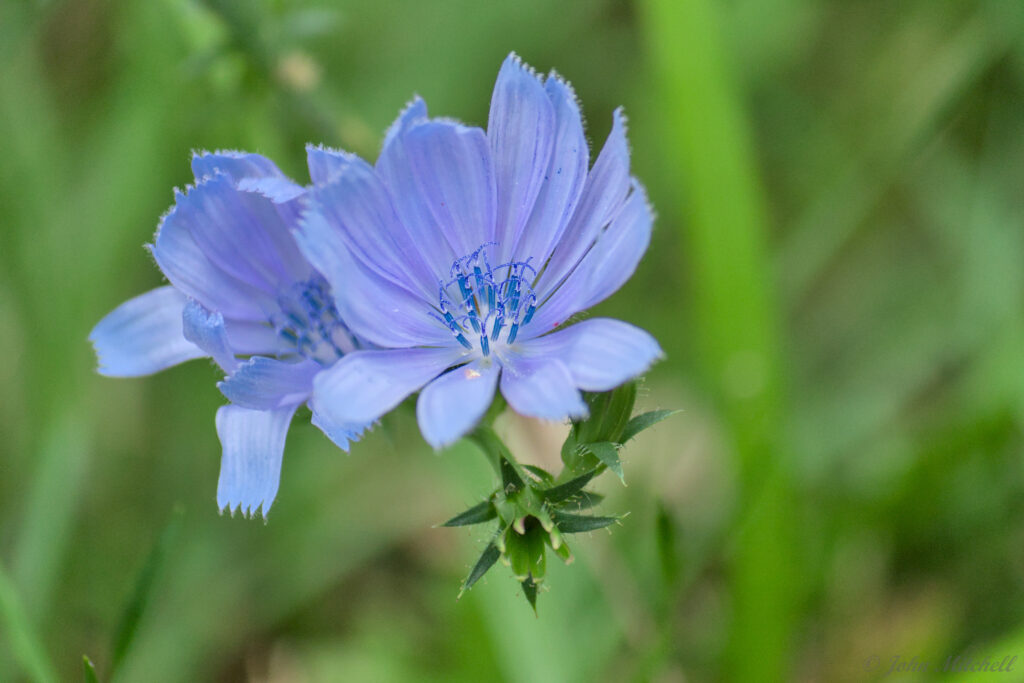
This flower on the left is Wild Red Clover (Trifolium Pretense). The flowers have a mild slightly sweet taste, so foragers sprinkle petals on salads, mix them into pancake batters, or make herbals teas from them. It has a high mineral content and anti-inflammatory properties. It is also a legume that fixes nitrogen in the soil. It originated in Europe and Asia, but it is now integrated into the US ecosystem. The flower on the right is (Wild) Common Chicory. It is commonly found in Indiana, but it is a species introduced from Europe and Asia. Each petal tip ends in exactly five serrations, but it can have 10 to 20 petals. By roasting and grinding the roots, you can make a caffeine free coffee substitute. The root also acts as a pre-biotic to promote gut health.
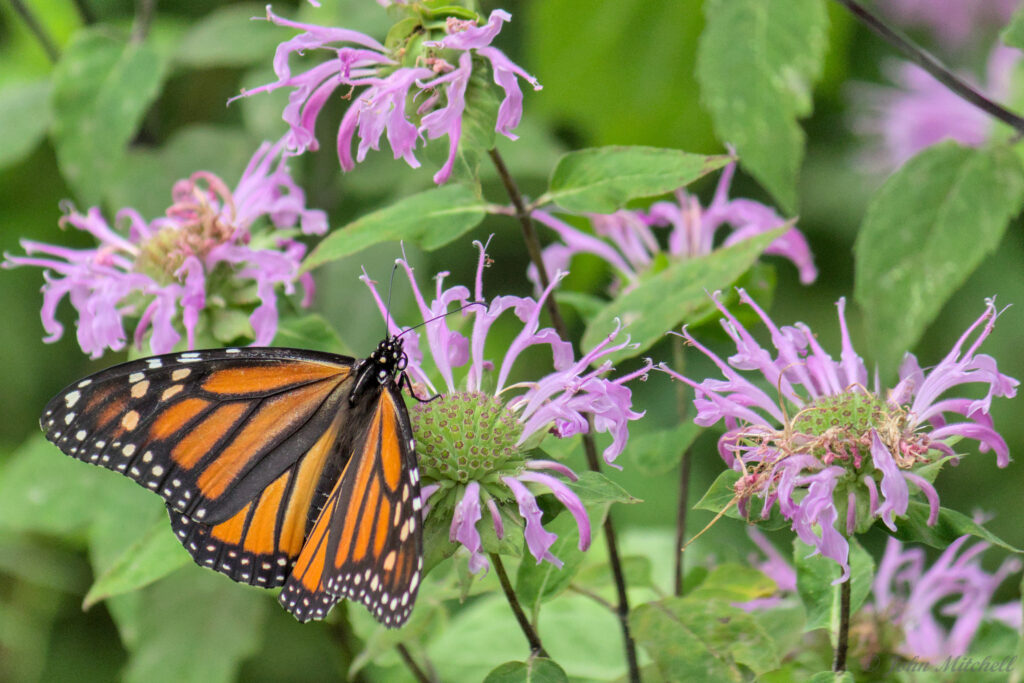
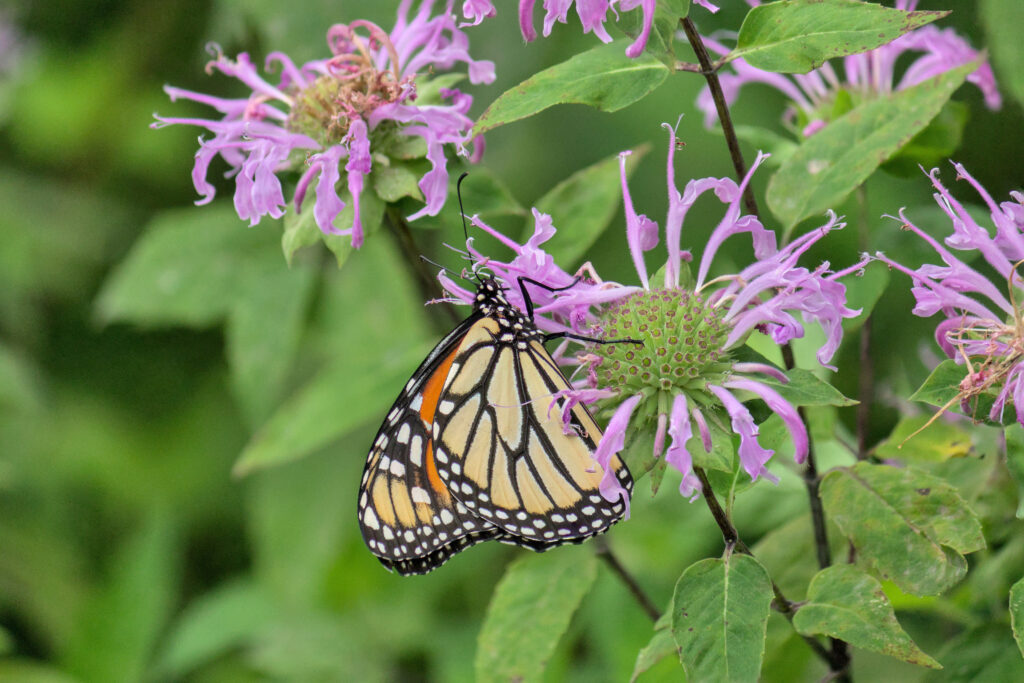
And more Wild Bergamot with a Monarch Butterfly. The image on the right is focus stacked.
When we got back home, Kate told John to look at the neat black bug on the entry table. It initially looked like a moth, but closer inspection revealed something from your nightmares.
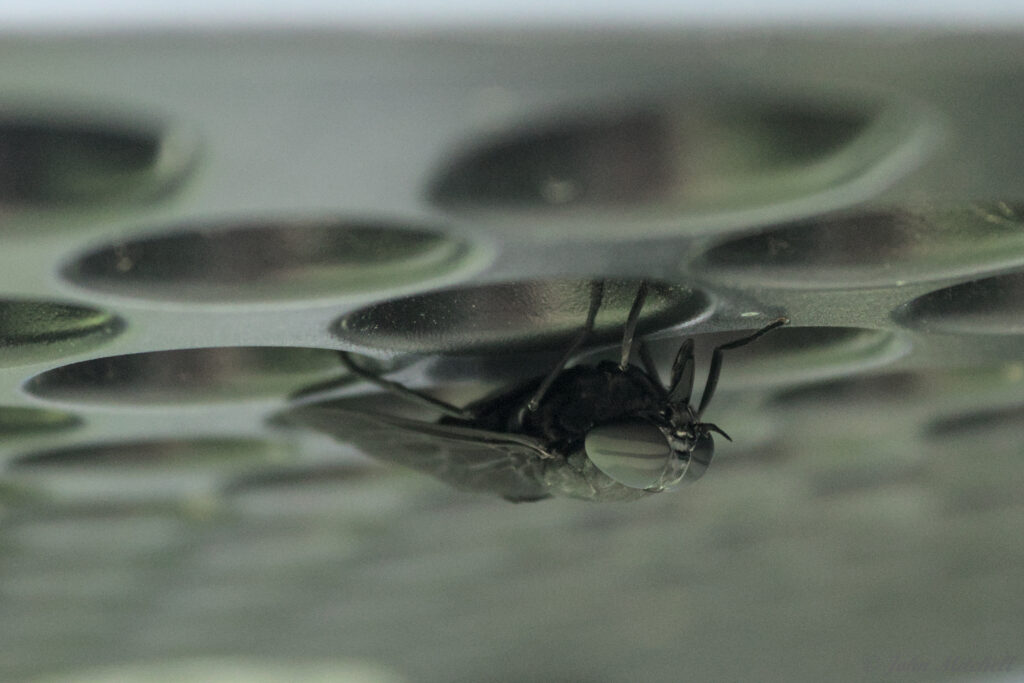
It was a one inch long Black Horse Fly. Like humans, only the females are dangerous; the males are completely harmless and drink nectar. (Yes, that is sarcasm.) You can tell whether it is male or female by whether the eyes touch or not. Oh, and the giant mouth scissors.
In case you were wondering, females have eyes that do not touch. That thing sticking up 3/16th of an inch? Yeah, mouth scissors, and they are probably not safety scissors.