
Comlara Park, IL, August 2026
Kate finally found something that her iPhone could not take a decent picture of. It was the small white flower in the previous post. The R7 did an okay job, but it was just using the 55-250 mm lens, which is not the right choice. Despite being 85+ degrees and very humid, we went back today to try to get better macro pictures of the tiny white flowers.
Macro photography requires the ability to get at least a 1:1 magnification of the subject. What this means is that the size of the subject projected on the camera sensor is 100% of actual size of the subject. Our best guess was that the flower was about 2 mm across. A 2 mm flower will be 2 mm projected on the sensor. The sensor on the R7 is 22.3 mm x 14.7 mm with a resolution of 6984 x 4660 pixels. You can use math to determine that the flower should be about 13.6% of the image height or about 635 pixels.
This is what the plant looks like from a distance.
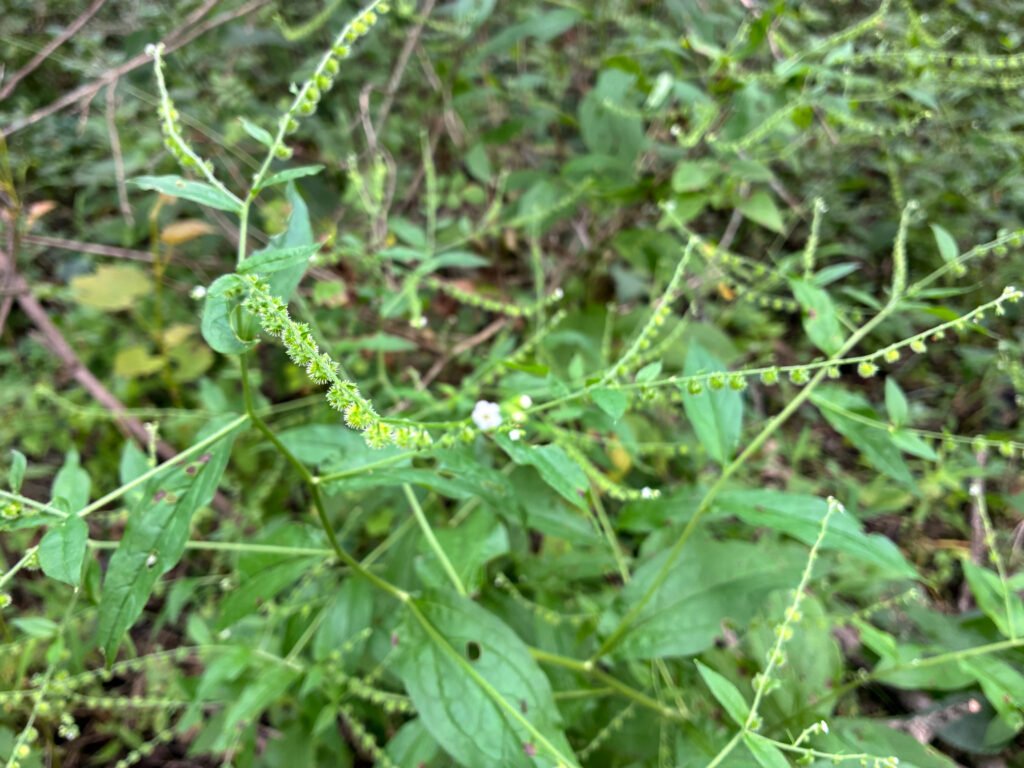
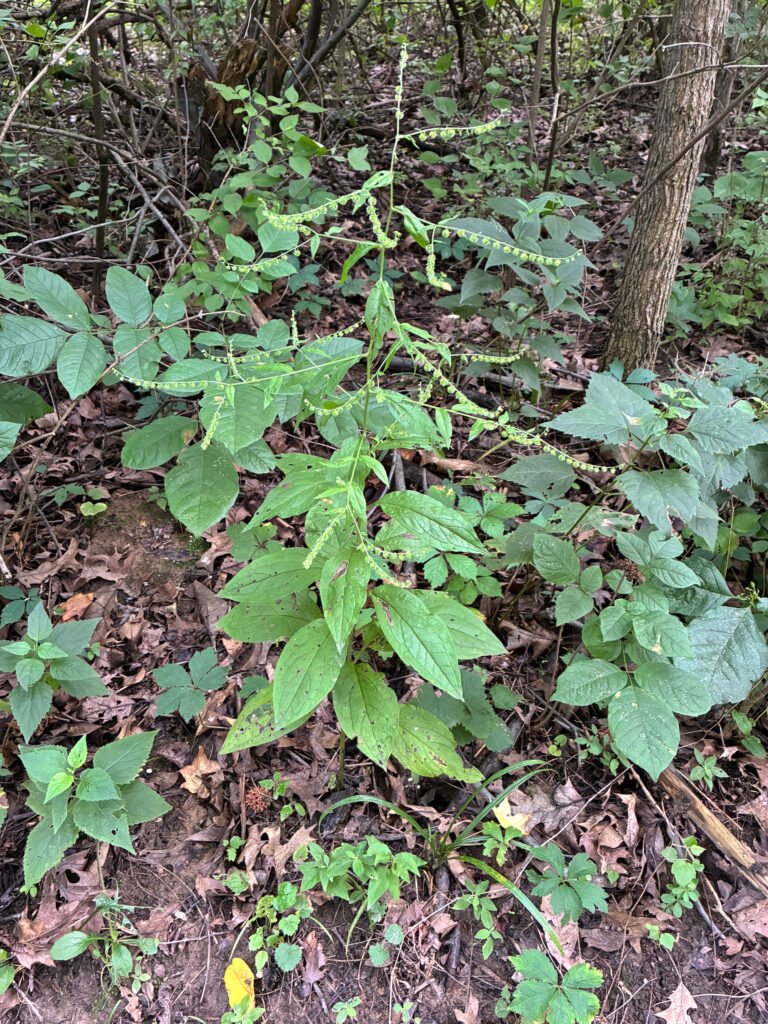
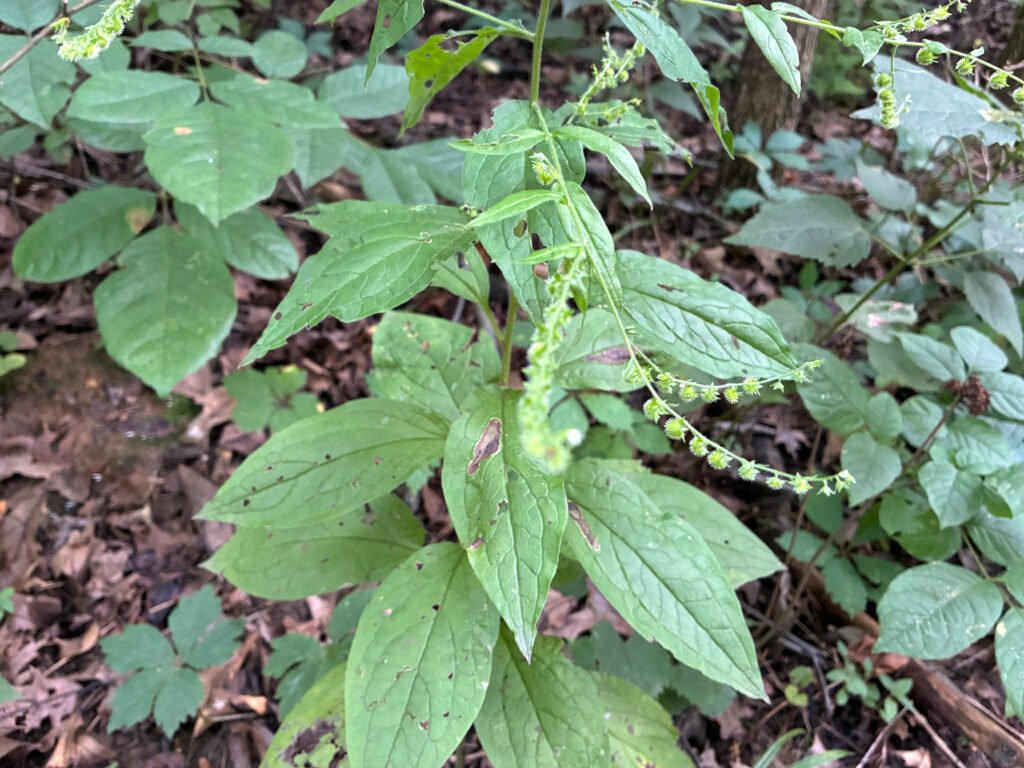
It took a bit to find it, but the plant appears to be Virginia Stickseed (Hackelia Virginiana). It very similar to Nodding Stickseed (Hackelia Delexa). Both have a quad-nutlet with prickles, but the Virginia variant has the velcro-like prickles all over the nutlet. The Virginia variant also has broader leaves and softer hairs.
Here are the focus stacked macro images of the tiny flower and seed from the first hike. If you look closely at the seed, it has tiny star shaped hooks on the prongs.
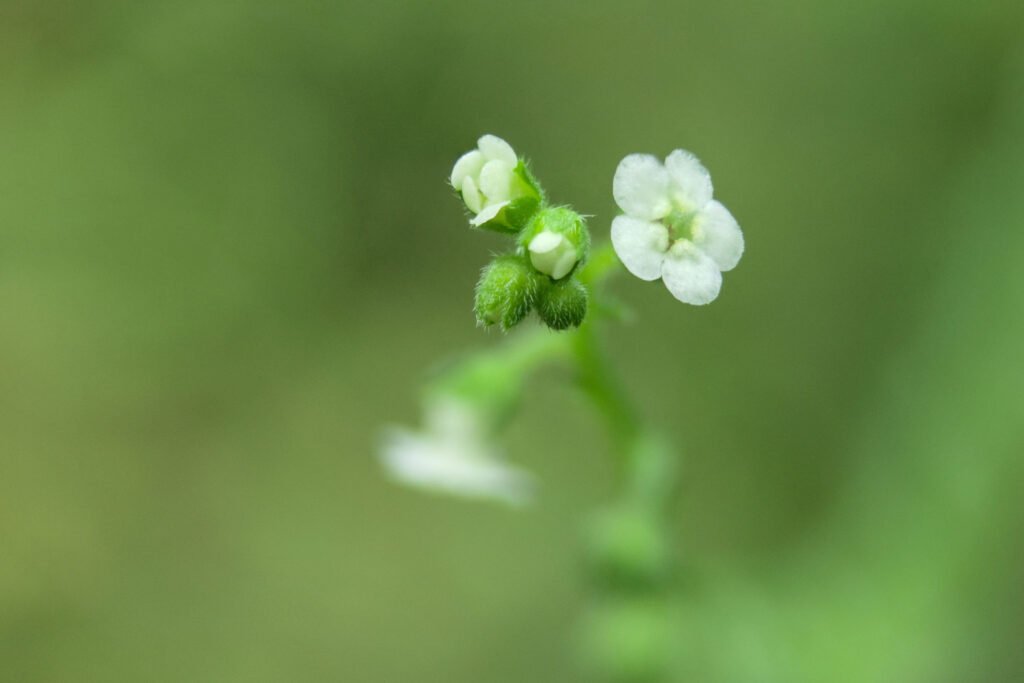
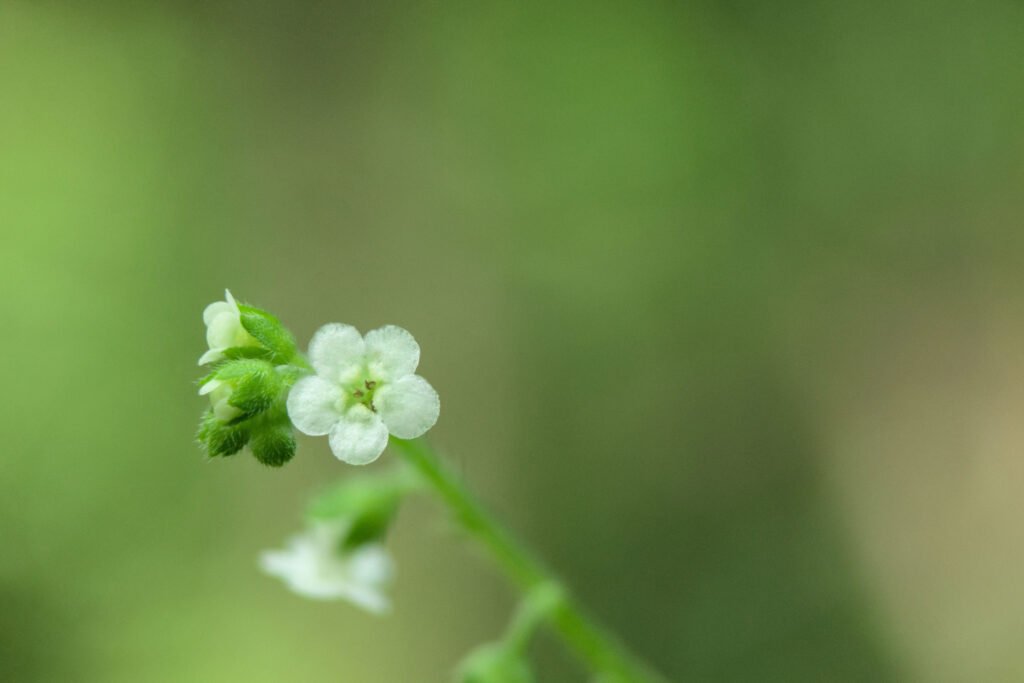
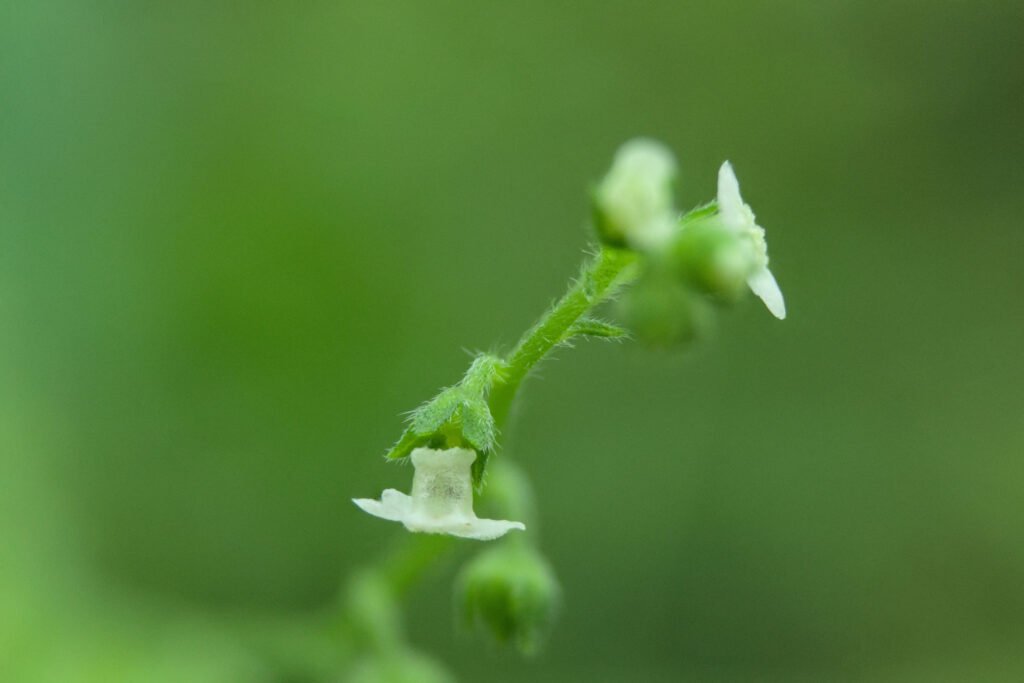
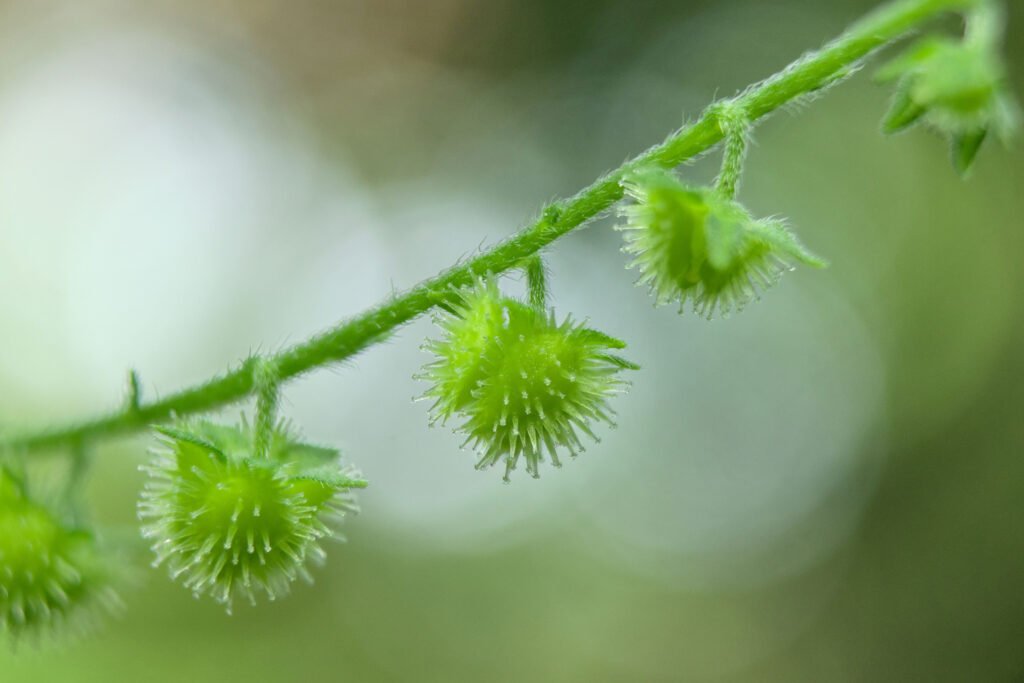
The information we found claims the flower is around 3 mm. This should be about 950 pixels tall. The original image had the flower in the range of 950 to 1,025 pixels. This means that the flower was either slightly larger than 3mm and/or the magnification was slightly more than 1:1. There are no published magnification curves for this Canon Kit lens, but estimates suggest that at around 40 mm focal length, the lens plus extenders should be 1:1. The photos were taken at 41mm.
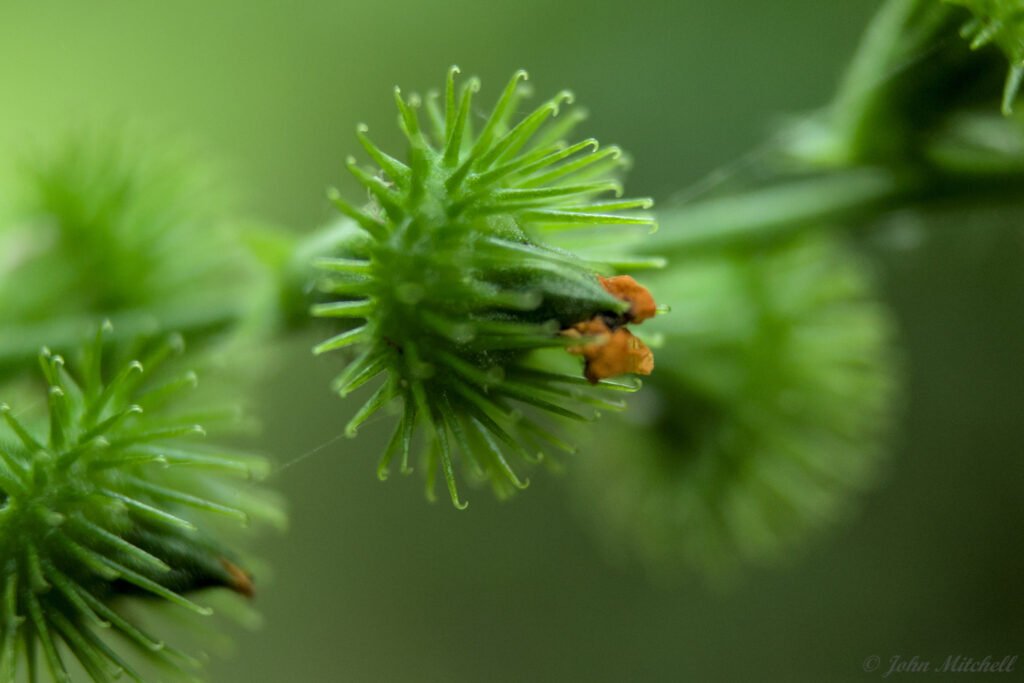
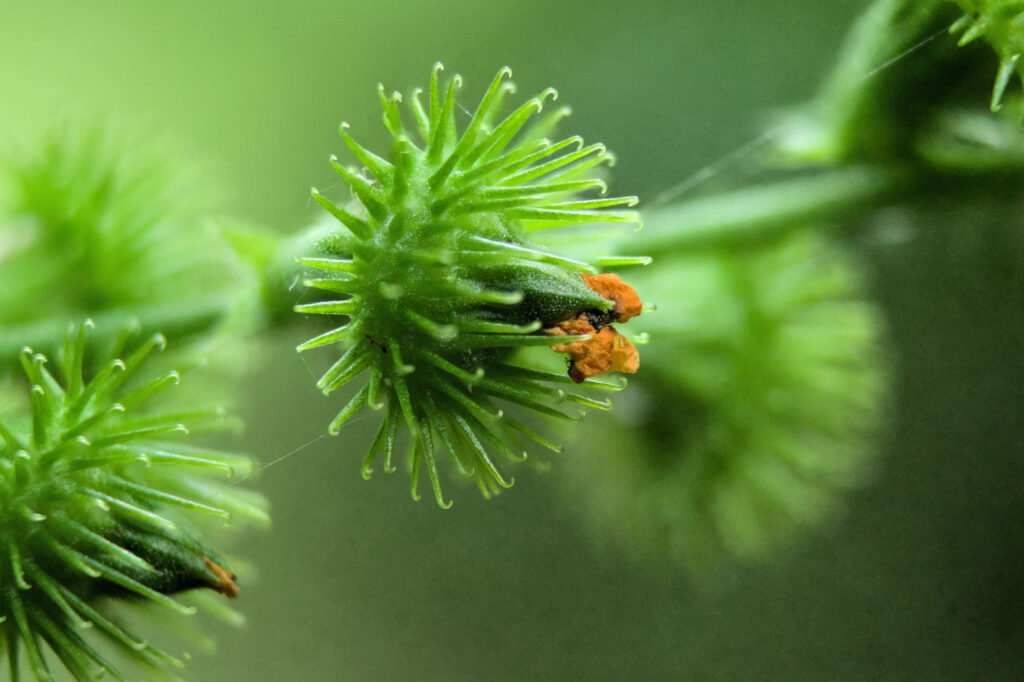
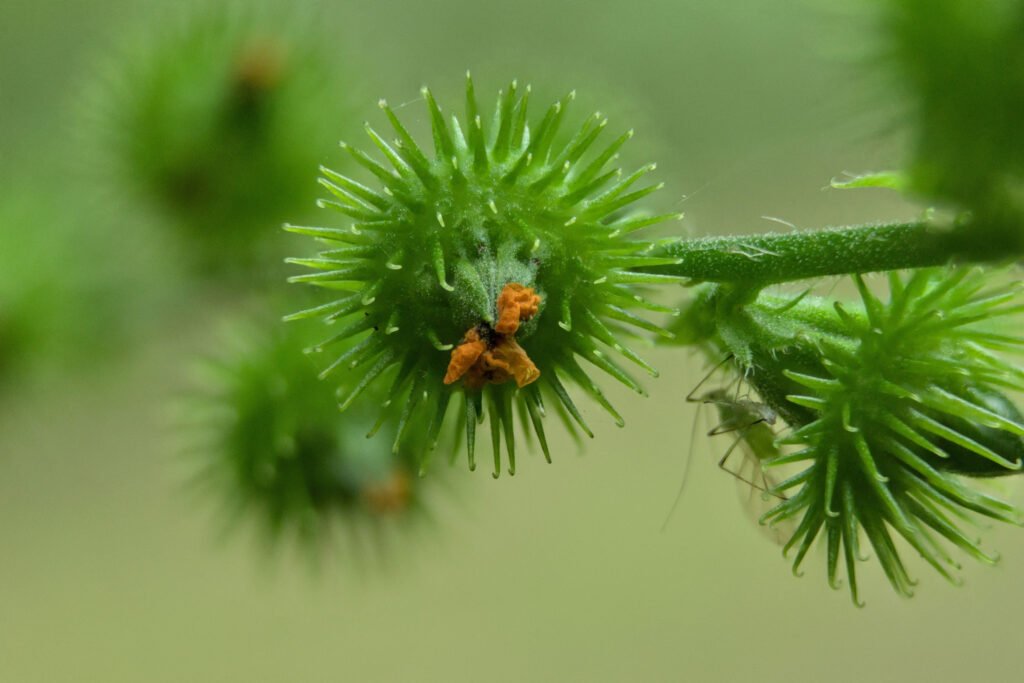
In searching for that flower, Kate found another plant. This one had no flowers, but a little orange stub on the burr. The burr was slightly larger and it was more of a stalk instead of bush with branches. The leaves also had serrations.
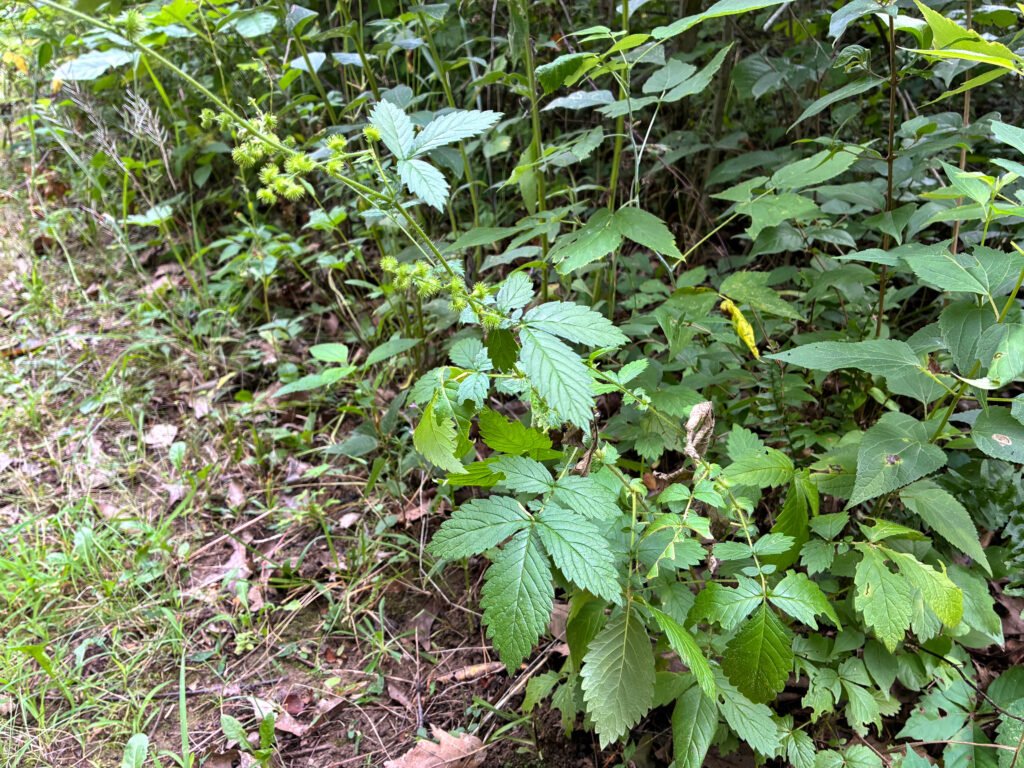
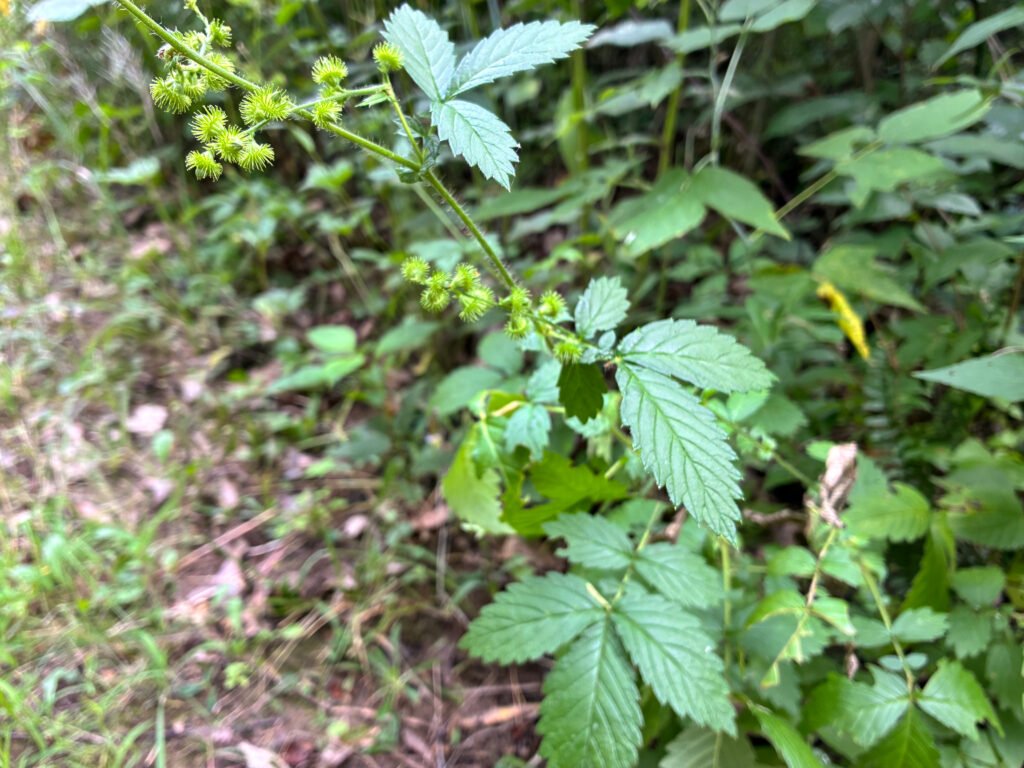
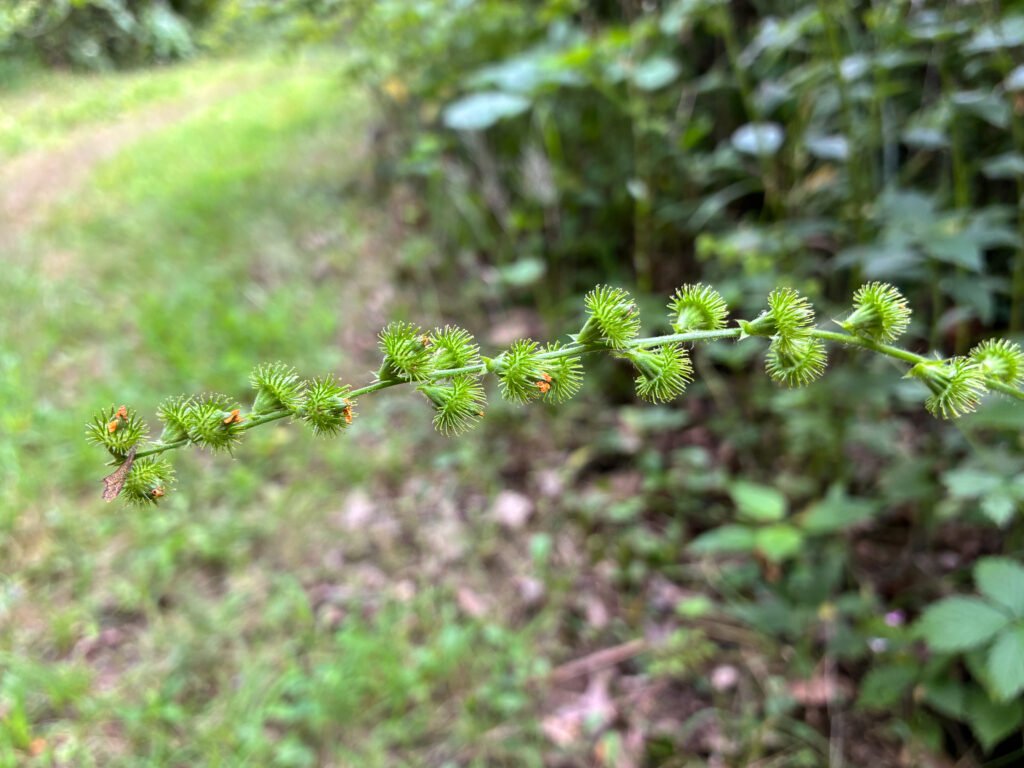
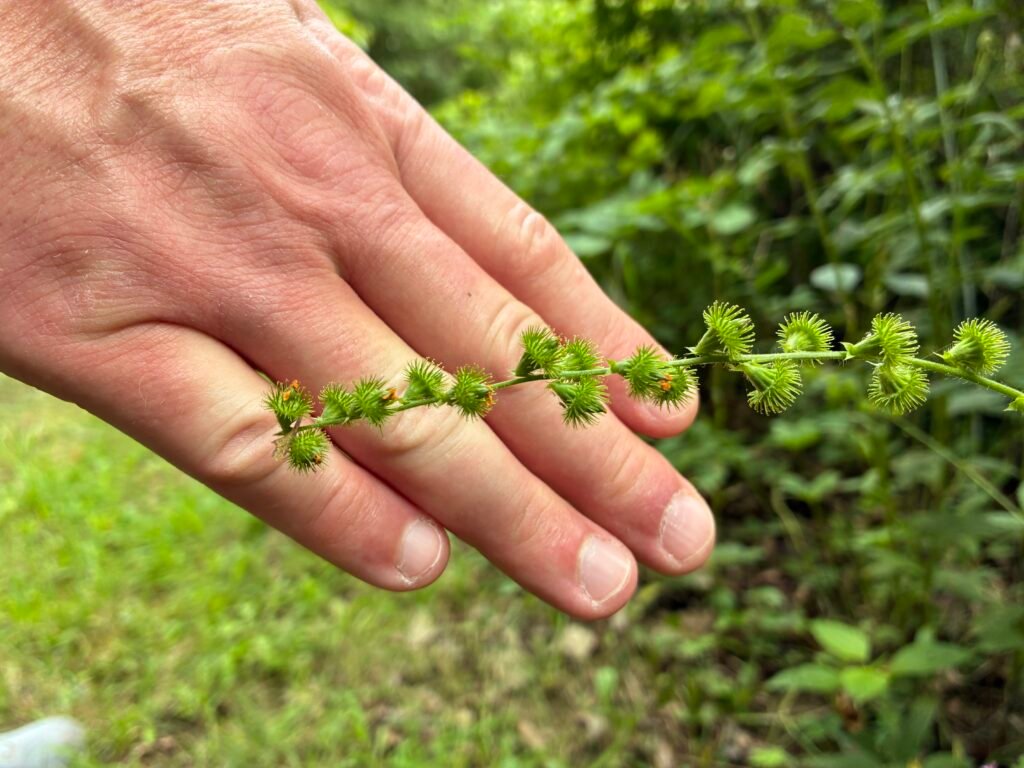
This one was just as hard to find because the flowers are actually yellow. The burrs are attached to a seed pod, and the orange is the withered flower stump. This one is called Downy Agrimony (Agrimonia Pubescens). The first photo is a normal macro photo, and the two below it are focus stacked macro images. The automatic focus stacking is seldom perfect, but more of the image is in focus in a single image. If you look at the hooks on these, they are more like the single Velcro hook.
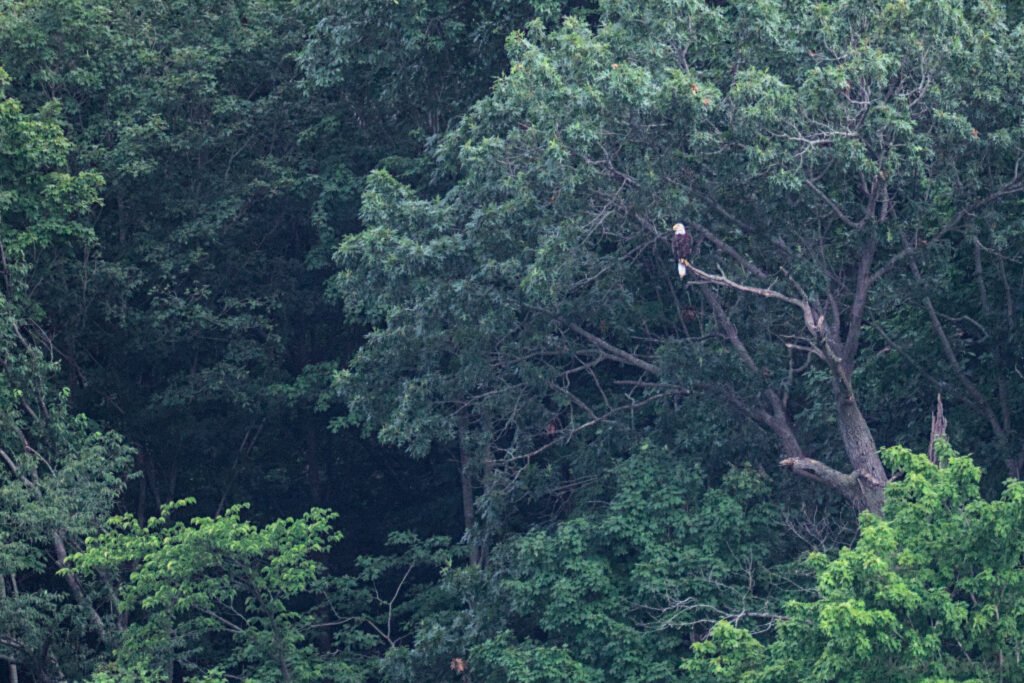
After photographing the flowers and burrs, we decided to go back to the Spillway. At the trailhead, there is a view to the opposite shore about a third of a mile away. With scope, Kate spotted a Bald Eagle. The woman at the desk said they had a mated pair that had babies last year. It was too far away for a good picture, but we took some anyway.
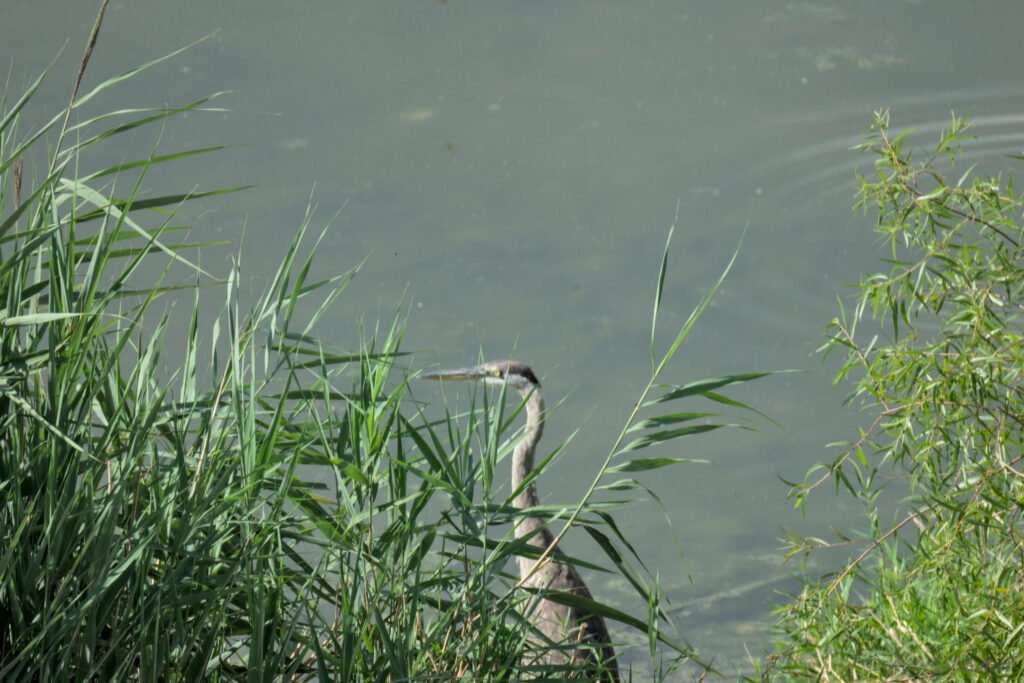
From here, we continued to the spillway, which had the usually suspects. Regular Great Blue Herons.
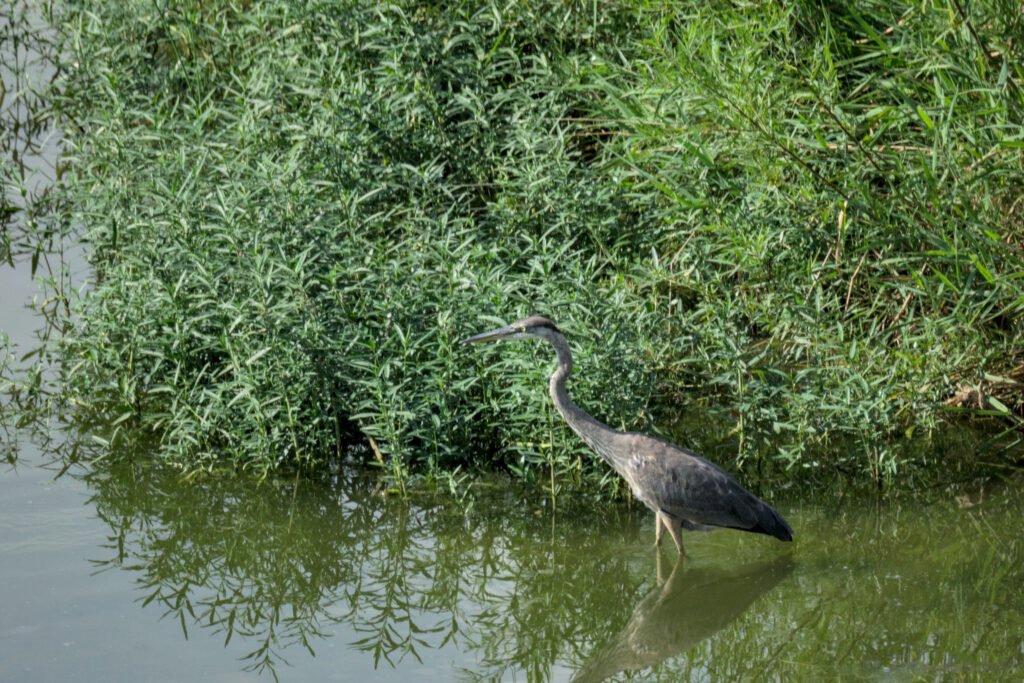
Lots of Great Blue Herons with a guilty conscience fleeing the Po-Po.
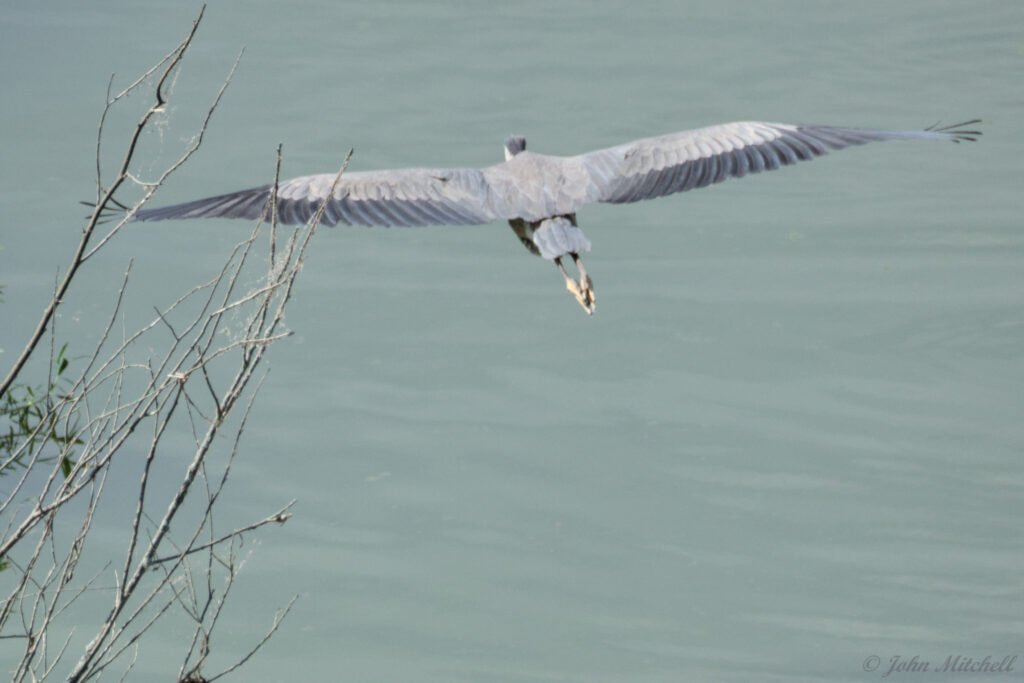
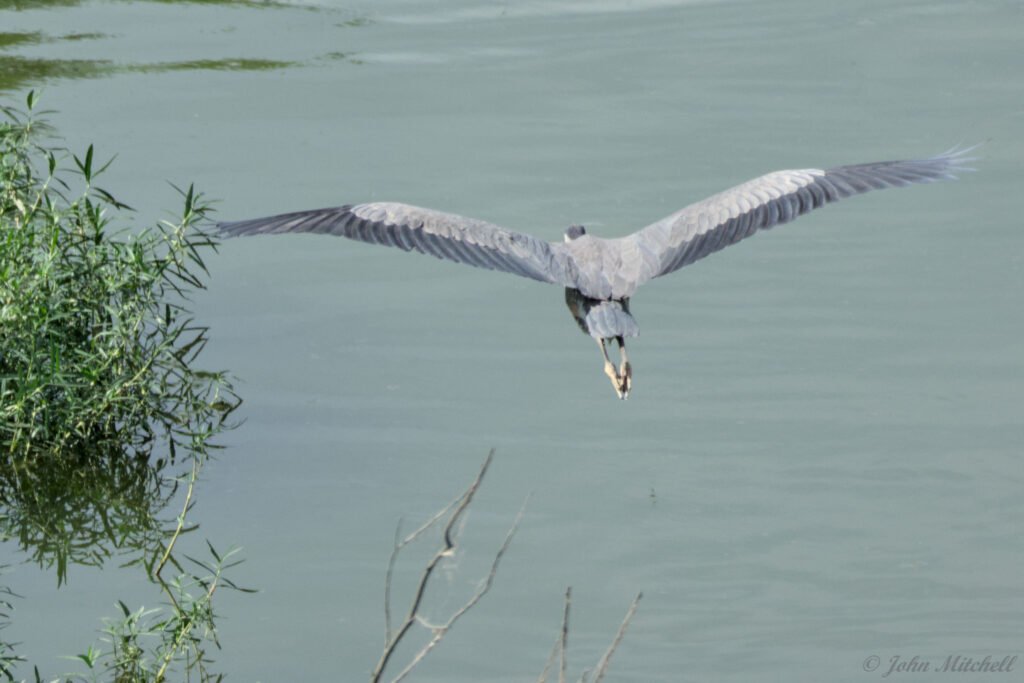
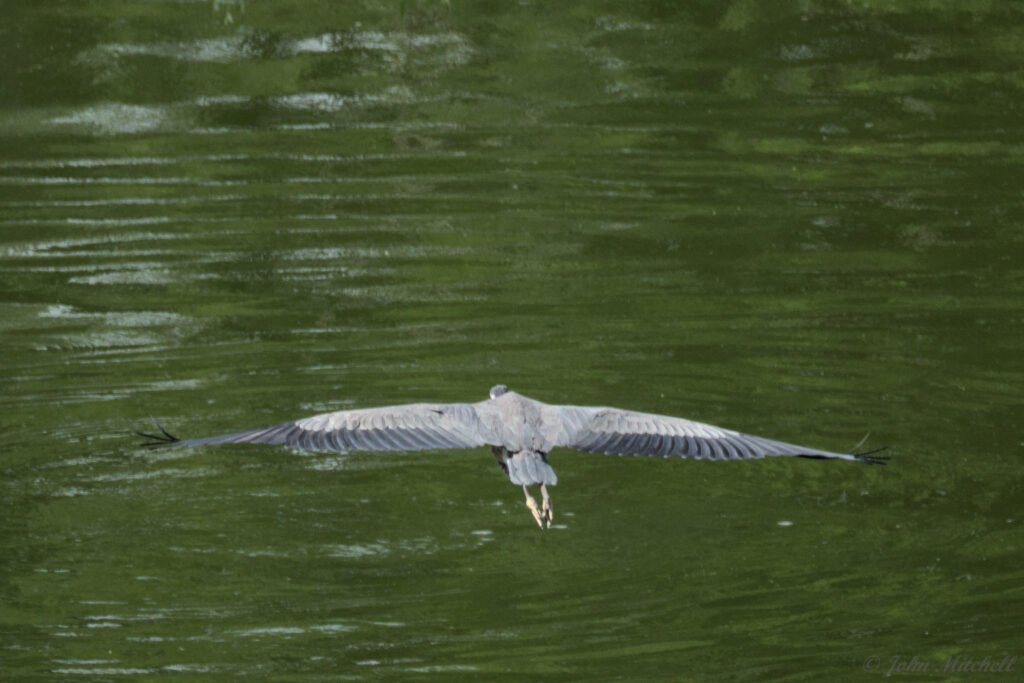
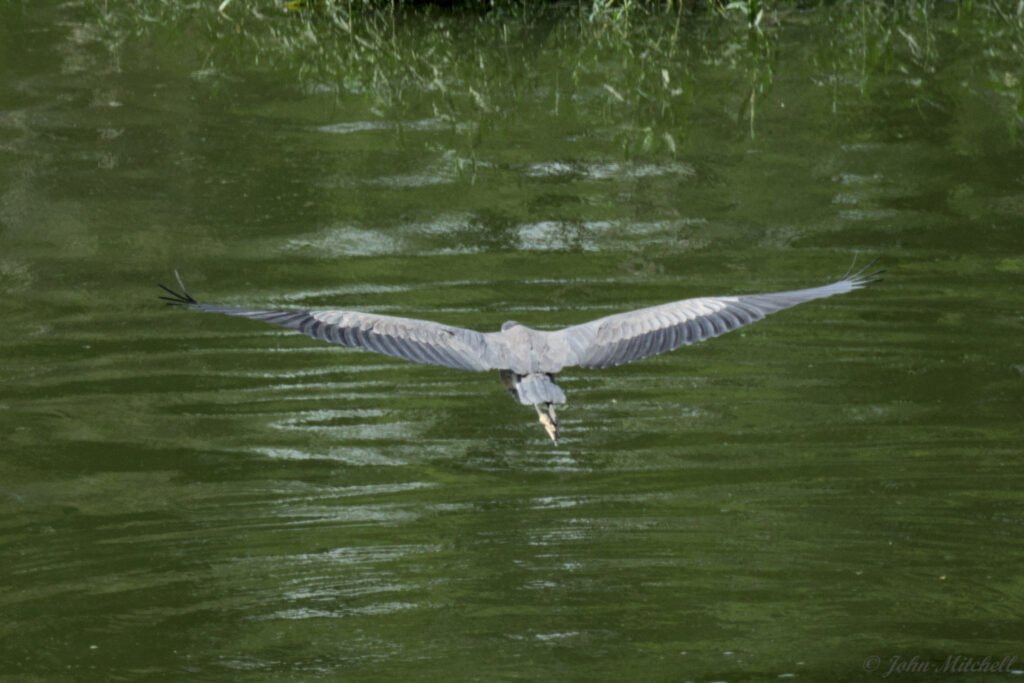
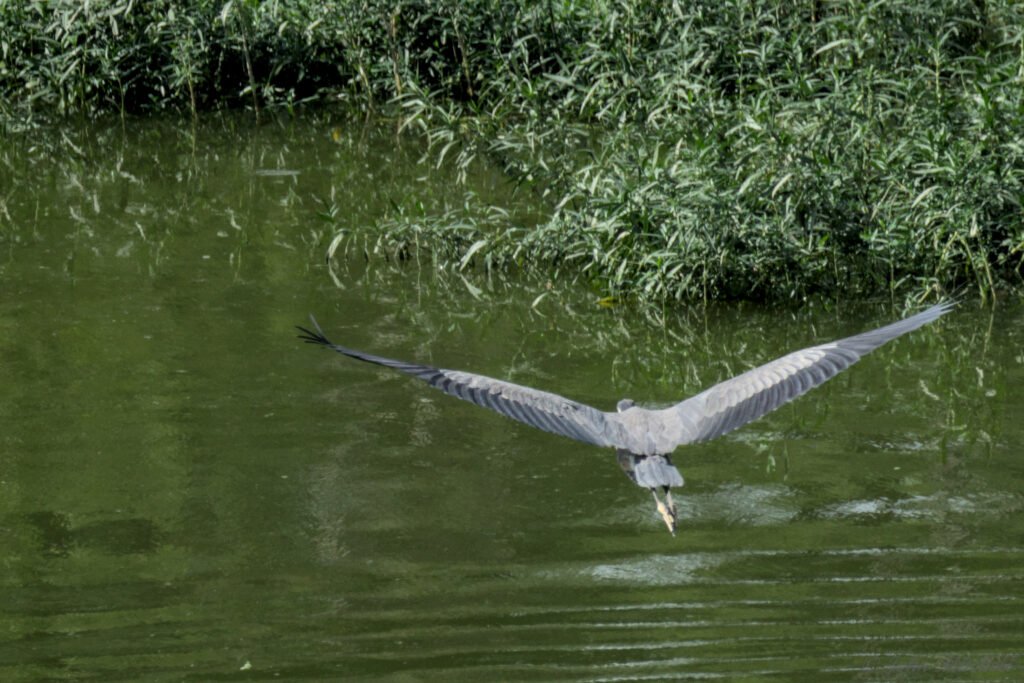
And vultures flying in to watch the excitement.
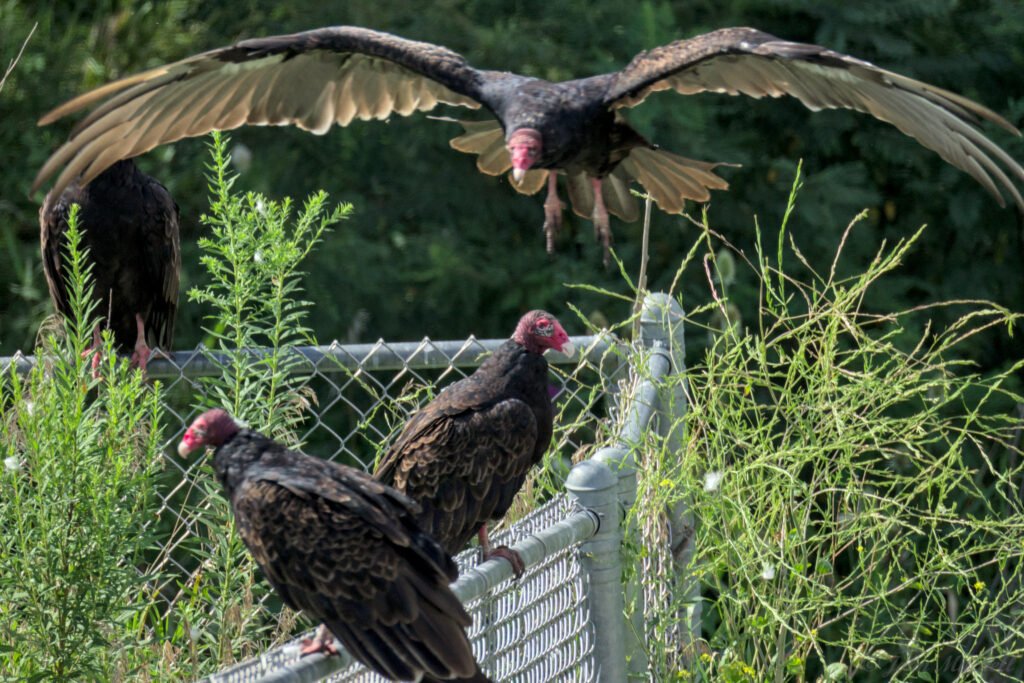
Or … practice their circus act?
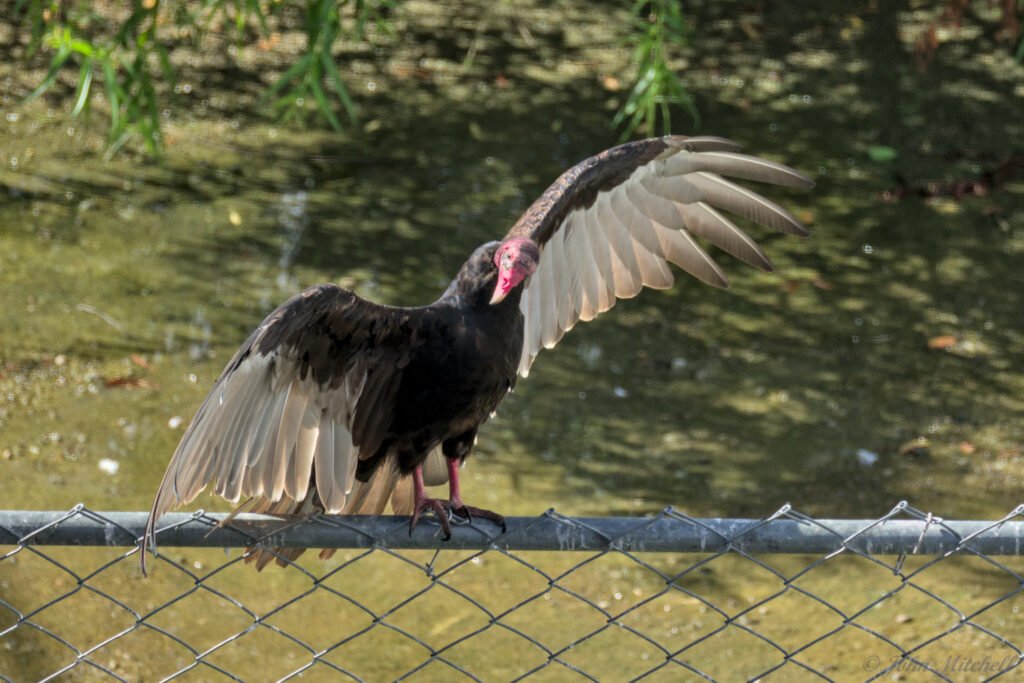
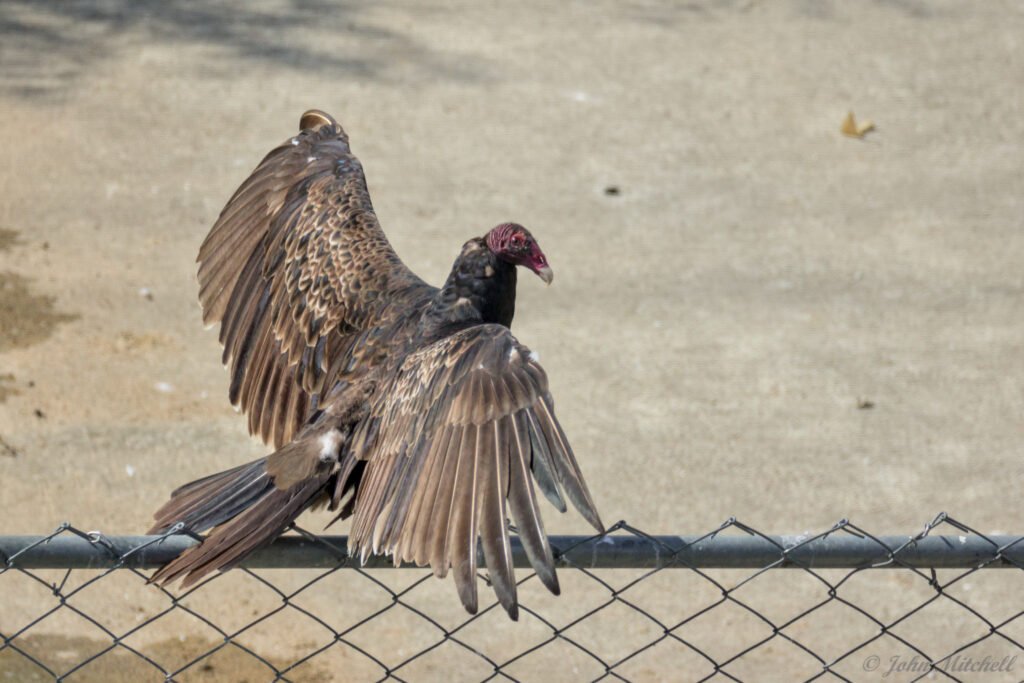
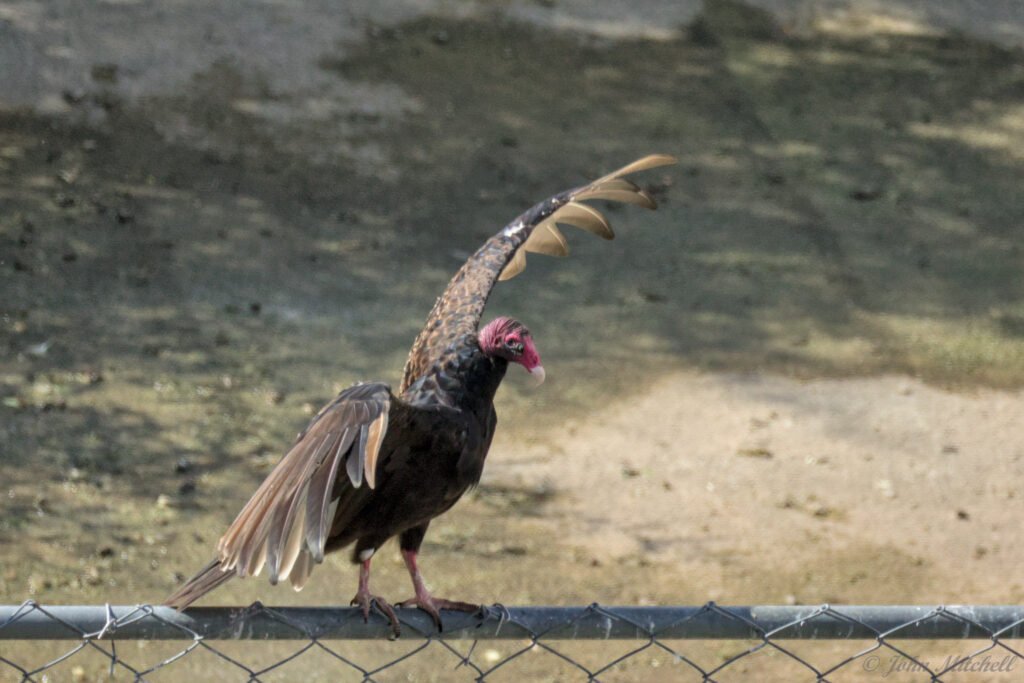
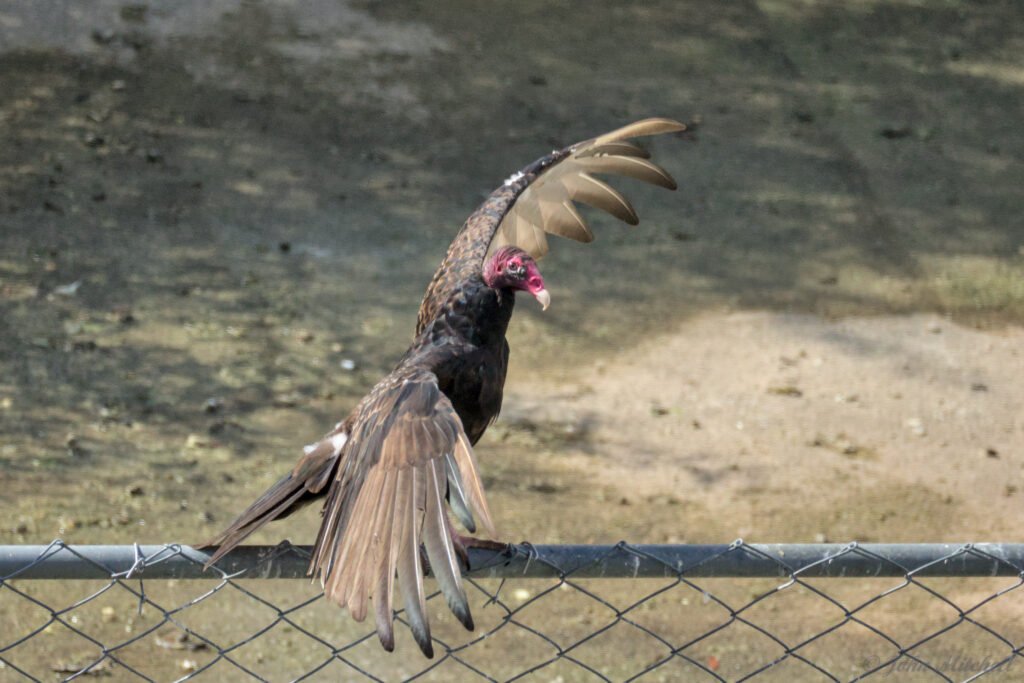
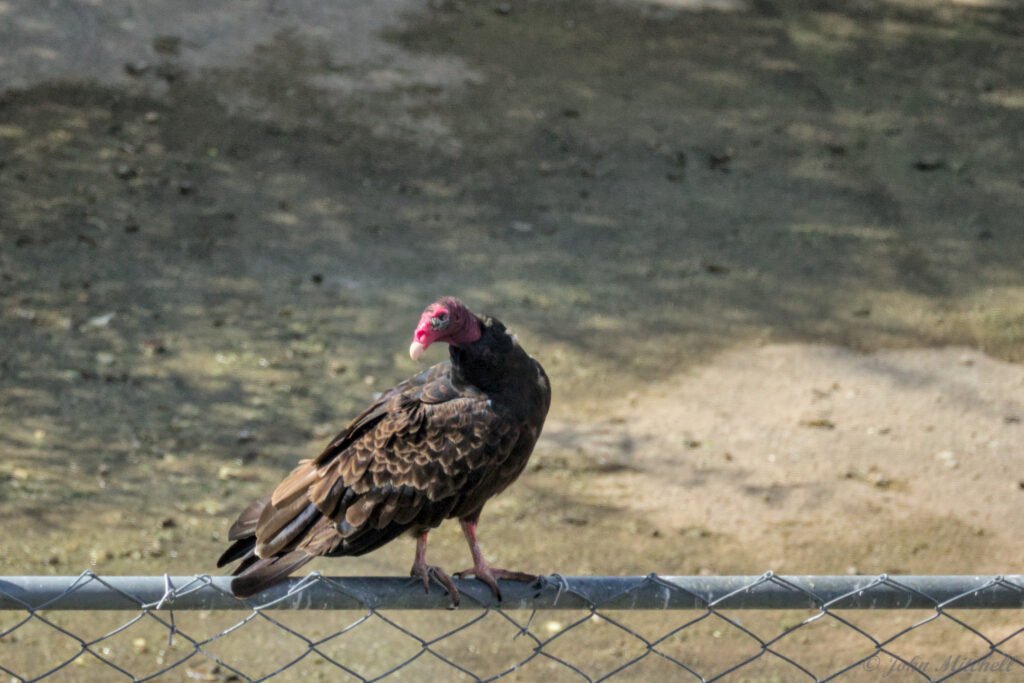
It seems a bit disingenuous to perform the tightrope walk, when you can fly.
And the backflow pool friends, gulping fish, turtle at a cleaning station, and a new one – alligator gar. They are not good eats.
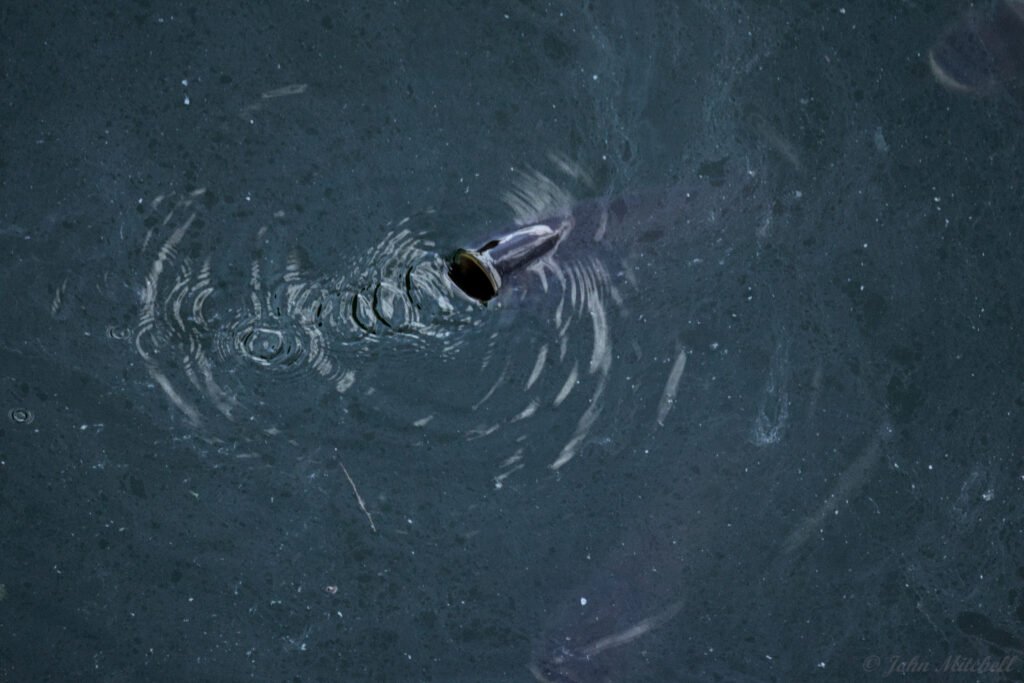
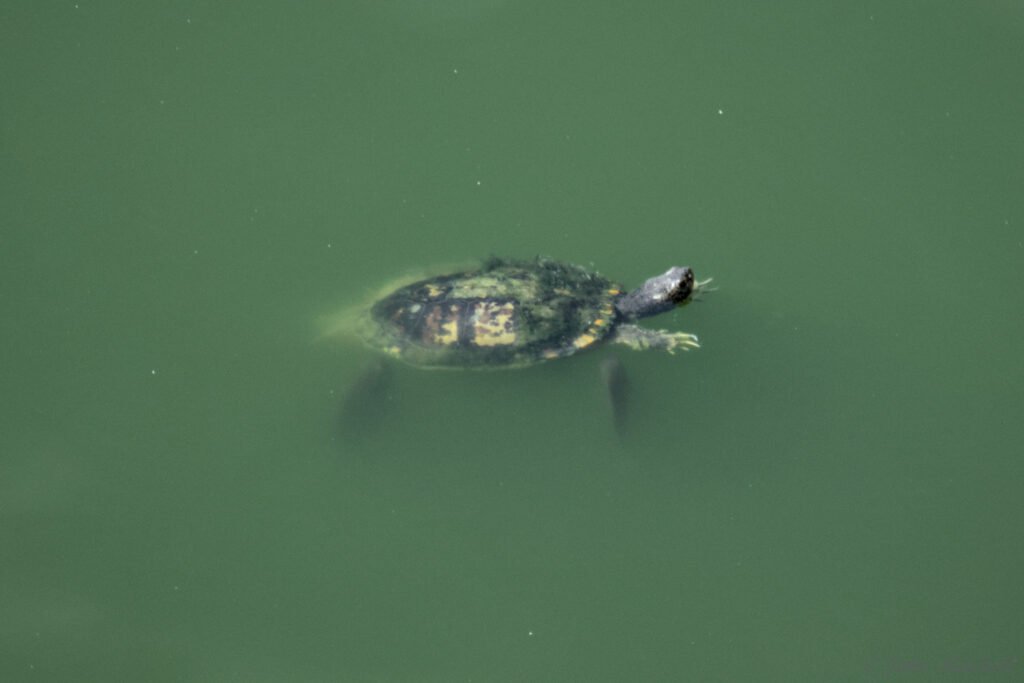
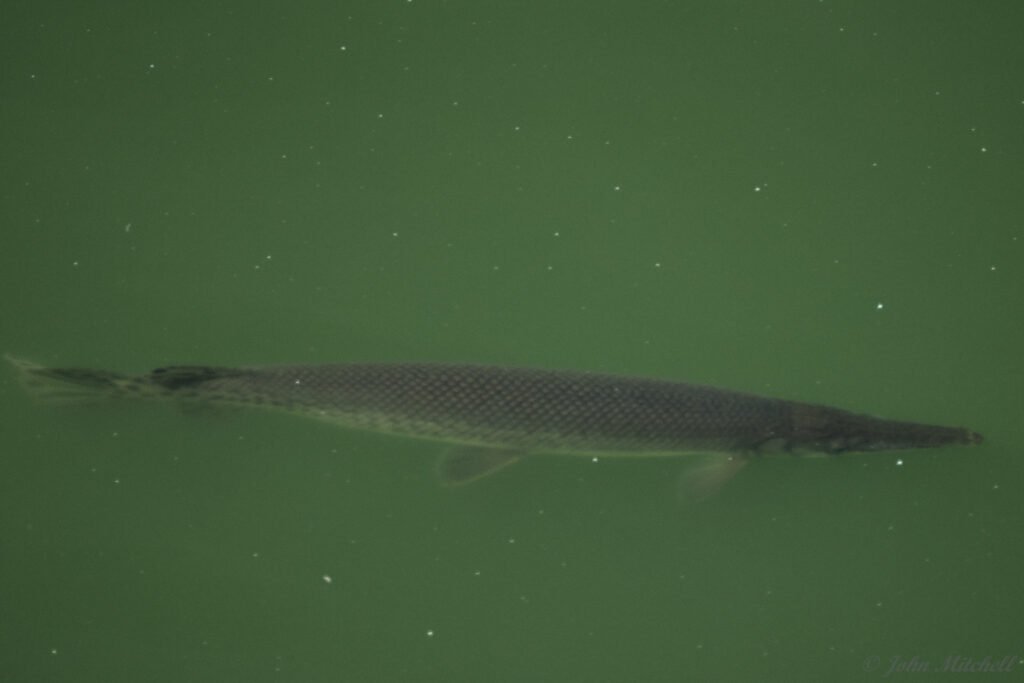
Actually, it turns out they are fine to eat, but hard to prepare. Their eggs are toxic.
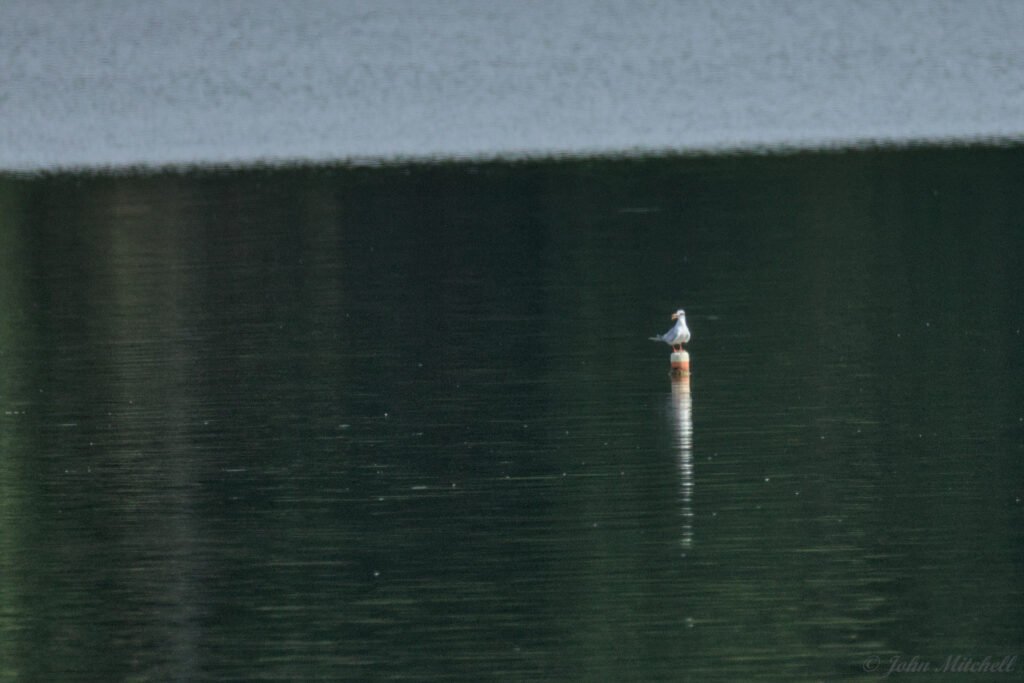
There is a season. Tern, tern, tern…
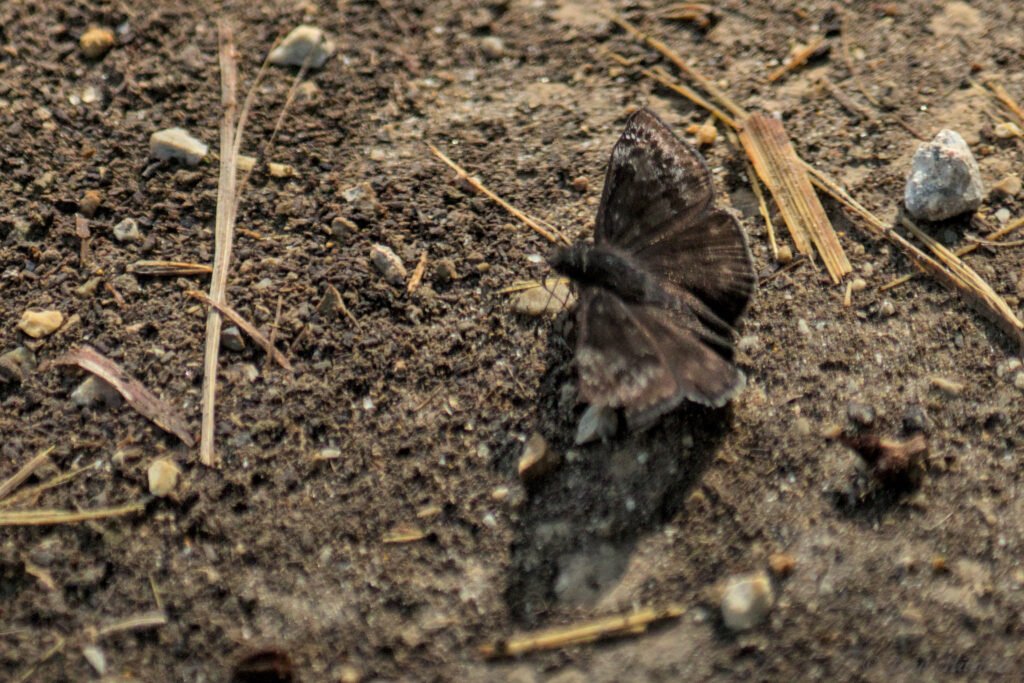
We saw this butterfly back at the car, but we did not get a good picture. It appears to be a Duskywing, which is a type of Skipper. It might be a Wild Indigo Duskywing (Erynnis Baptisiae).
After this, we headed home in desperate need of air conditioning.