
Lake Thunderbird State Park, OK, November 2026
The Brinkley Model Z 3515 is better sealed than most RVs. As a result, it has more issues with moisture build up, and this can lead to mold. Due to this, the company made some changes to the original design. They added air conditioners with a “Dry” mode to remove humidity, fans under the bed, and environmental vents.
The environmental vents are essentially holes in the floor of the RV that allow air to be drawn in from the outside with the windows closed. Along with bringing in fresh air, this helps clear out humidity when cooking.
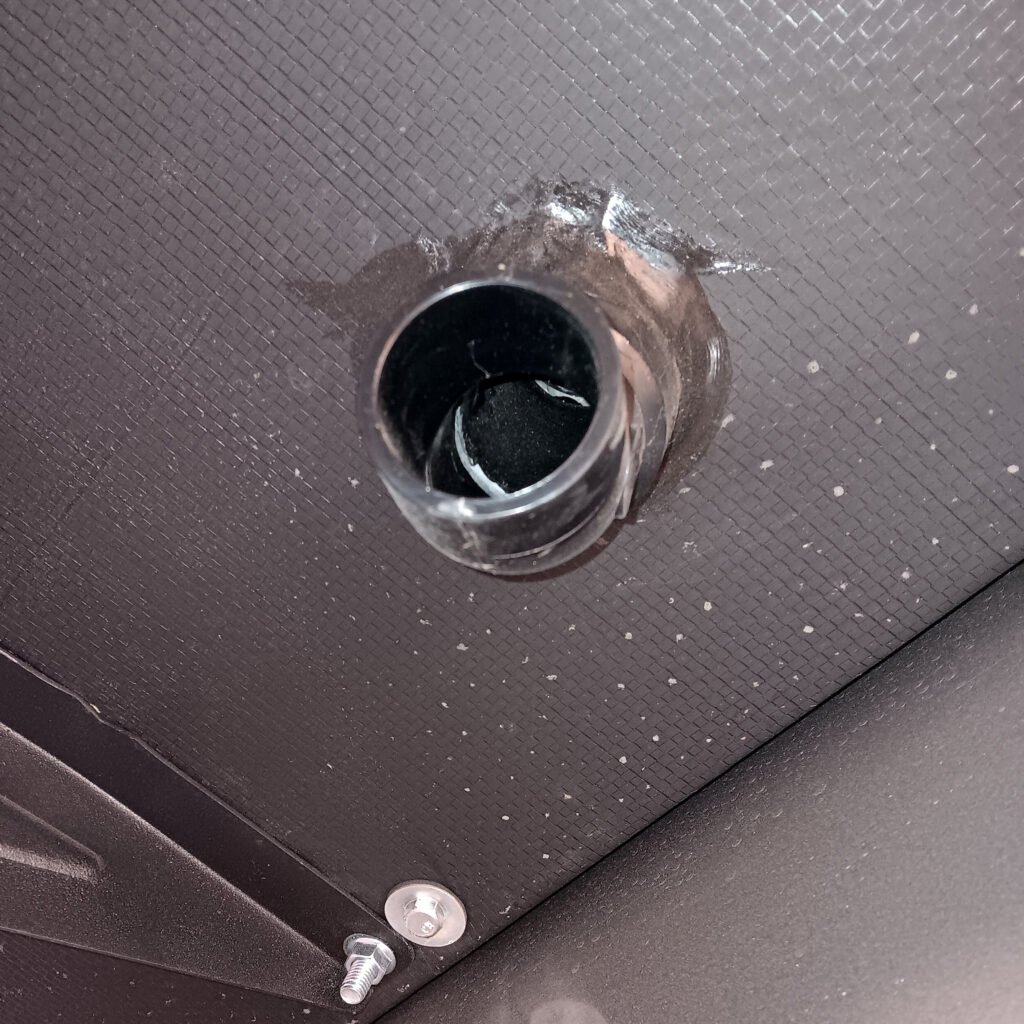
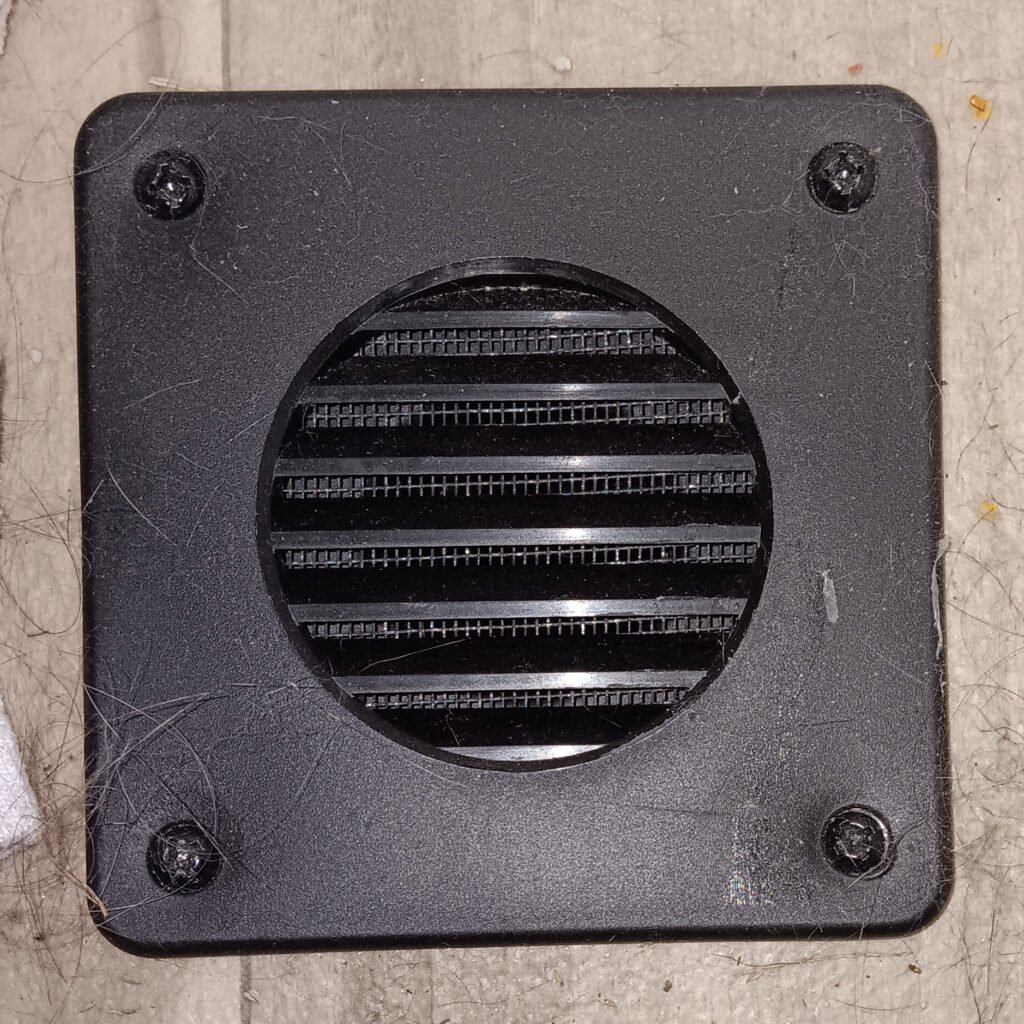
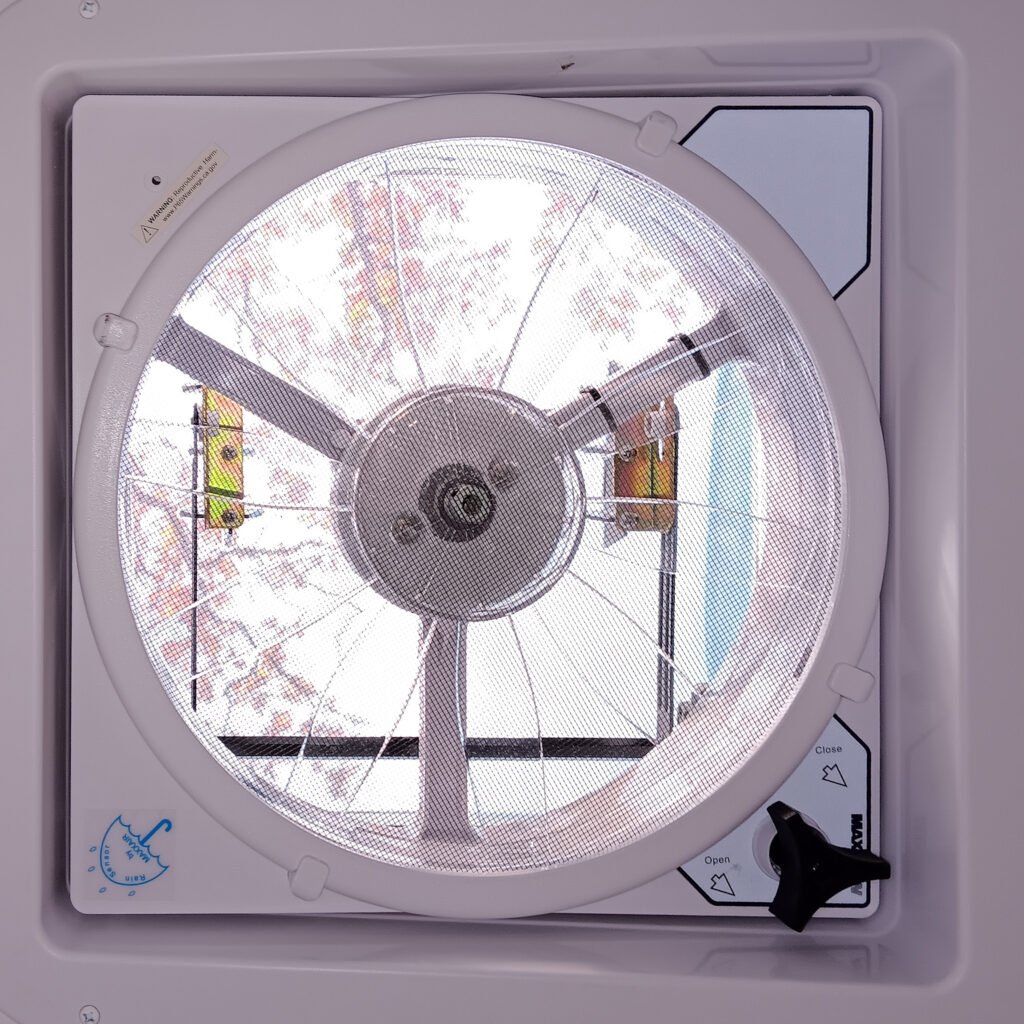
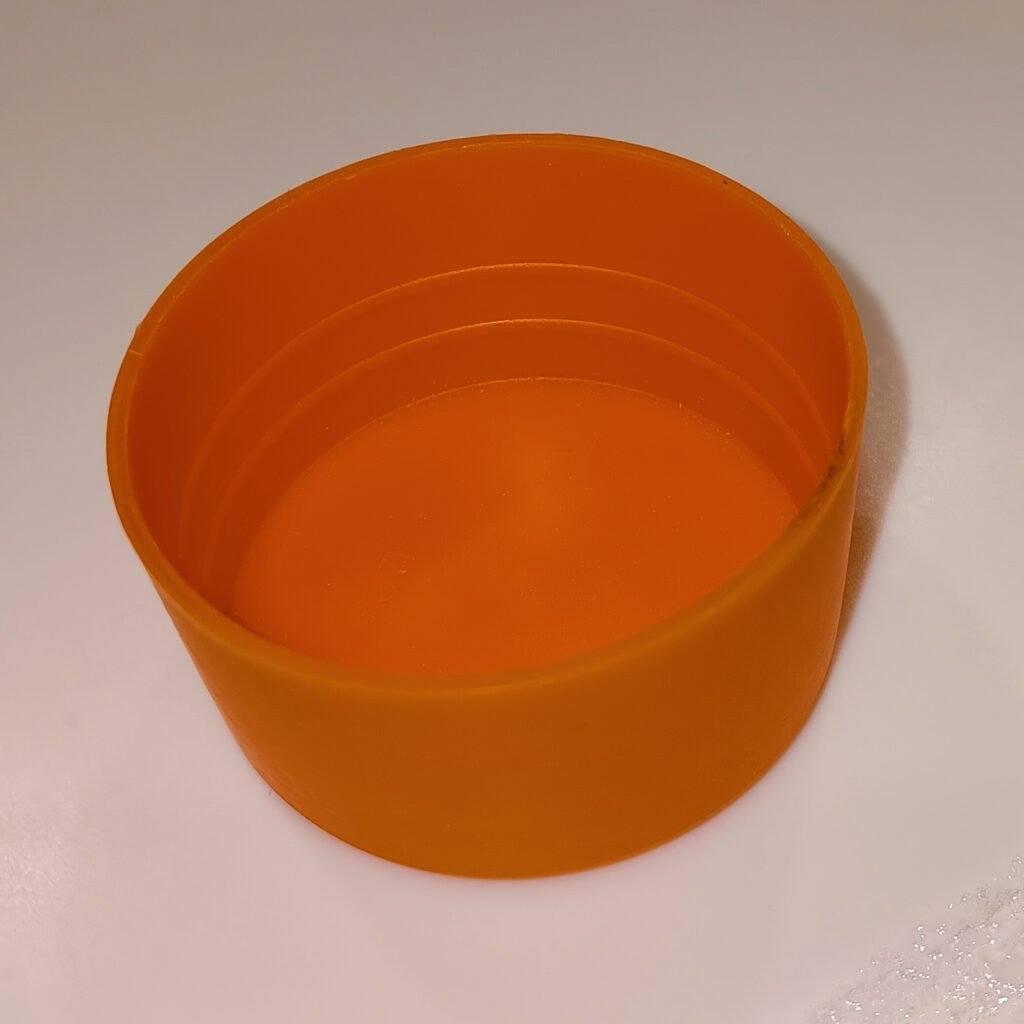
The vents are made with short stubs of 1 ” black DWV PVC piping with a 45 degree bend at the end. They have a screen in the floor vent and an orange cap for cold or dusty conditions. The MaxxAir fan is much better at pulling air through the RV than the normal tiny fans that come in RVs. (Kate was really happy to see the vent had screen to prevent dirt from getting into the ducting. As it turns out, that one just opens outside, so it might have been better, for dirt, to just be open.)
After doing some reading, Kate saw that other Brinkley owners suggest putting a screen on the outside of the cent because bugs can crawl into the pipe to hide, even if they cannot get into the RV. Kate was also concerned that mice might be able to chew through the thin screen.
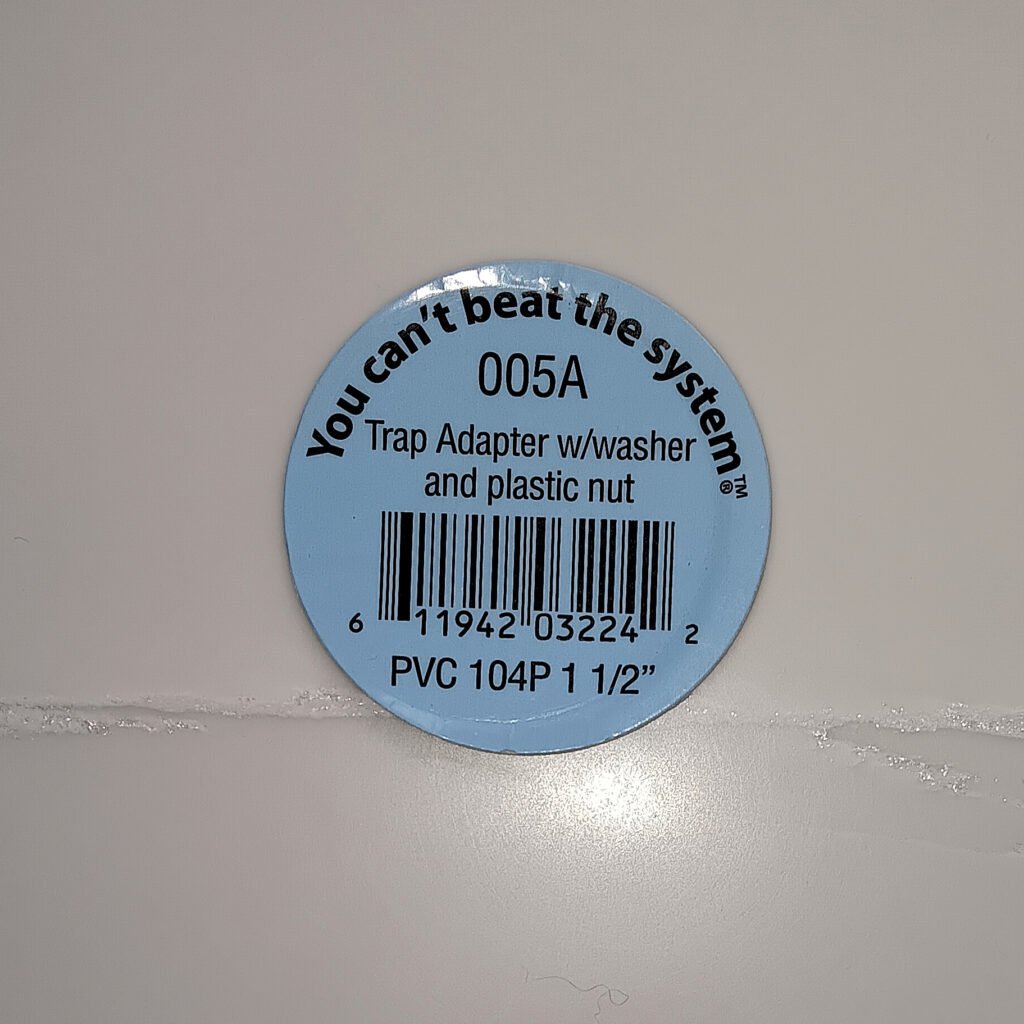
The Brinkley owners forum has a post with various different options, but we went to Home Depot and Lowe’s to look for easy options. The internet showed caps similar to the orange one, but they had a place to punch out a large hole in the middle. Sadly, there were none of these at either place. The options available were a thick PVC end cap, an thin inset plastic test plug, and a trap adapter with a screw on cap. The trap adapter was more expensive at about $3.50, but it had several advantages. First, no glue would be required. Second, a threaded end cap could be screwed on to seal it. We already carry some screen and hardware clothe, so we did not need to buy any of that.
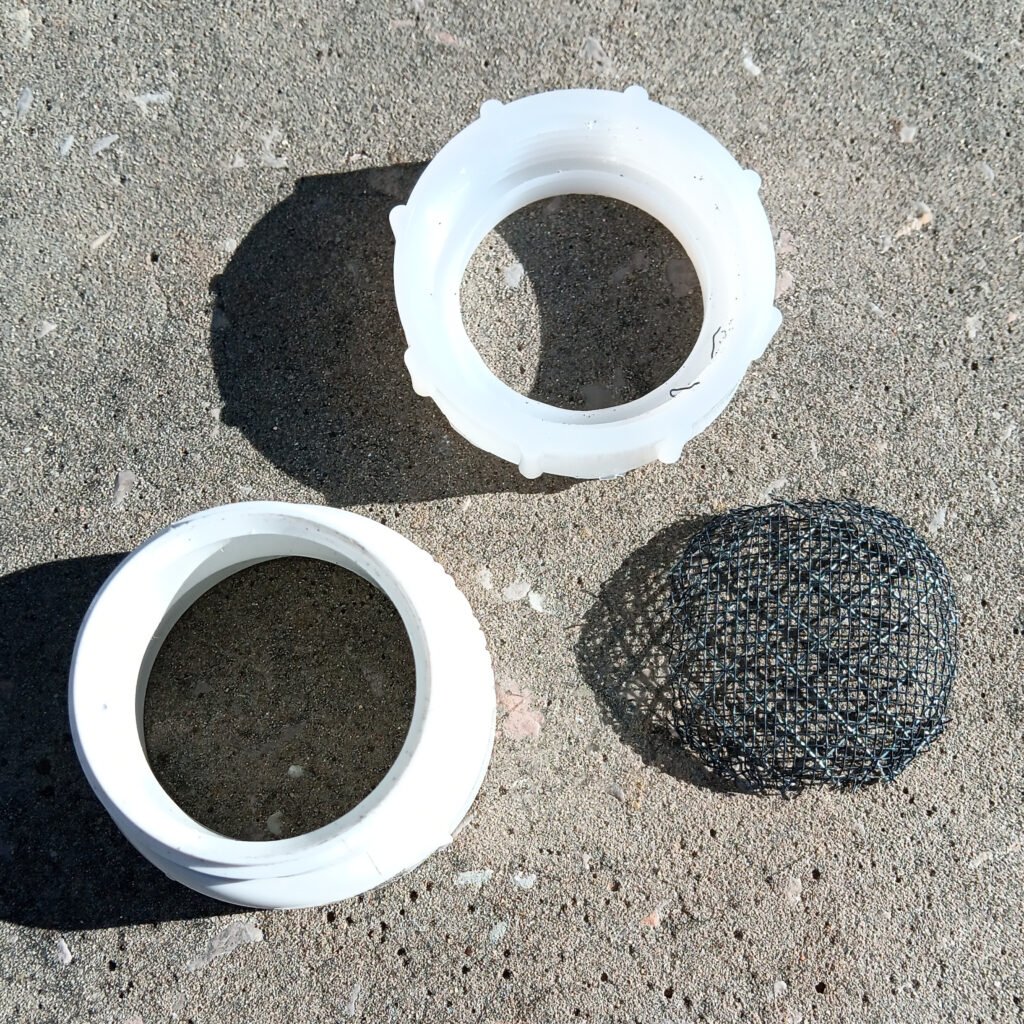
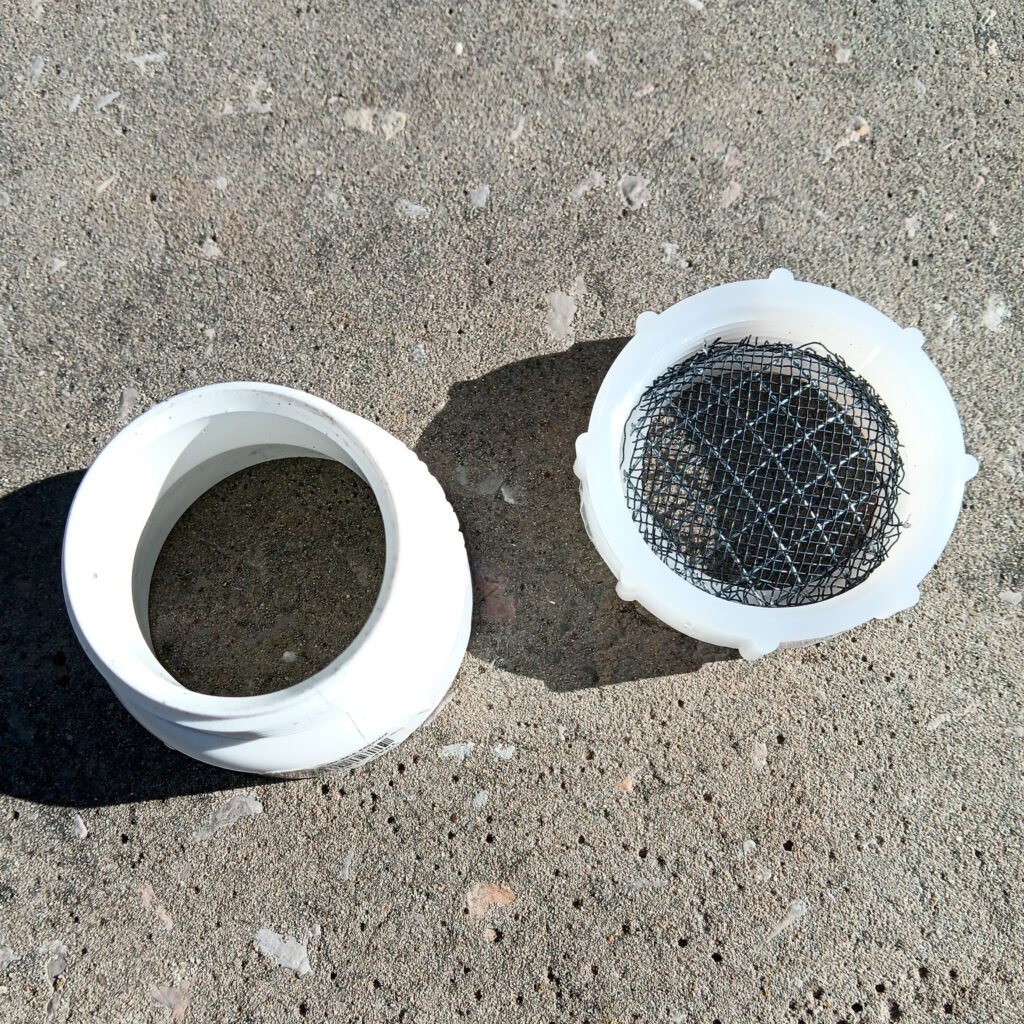
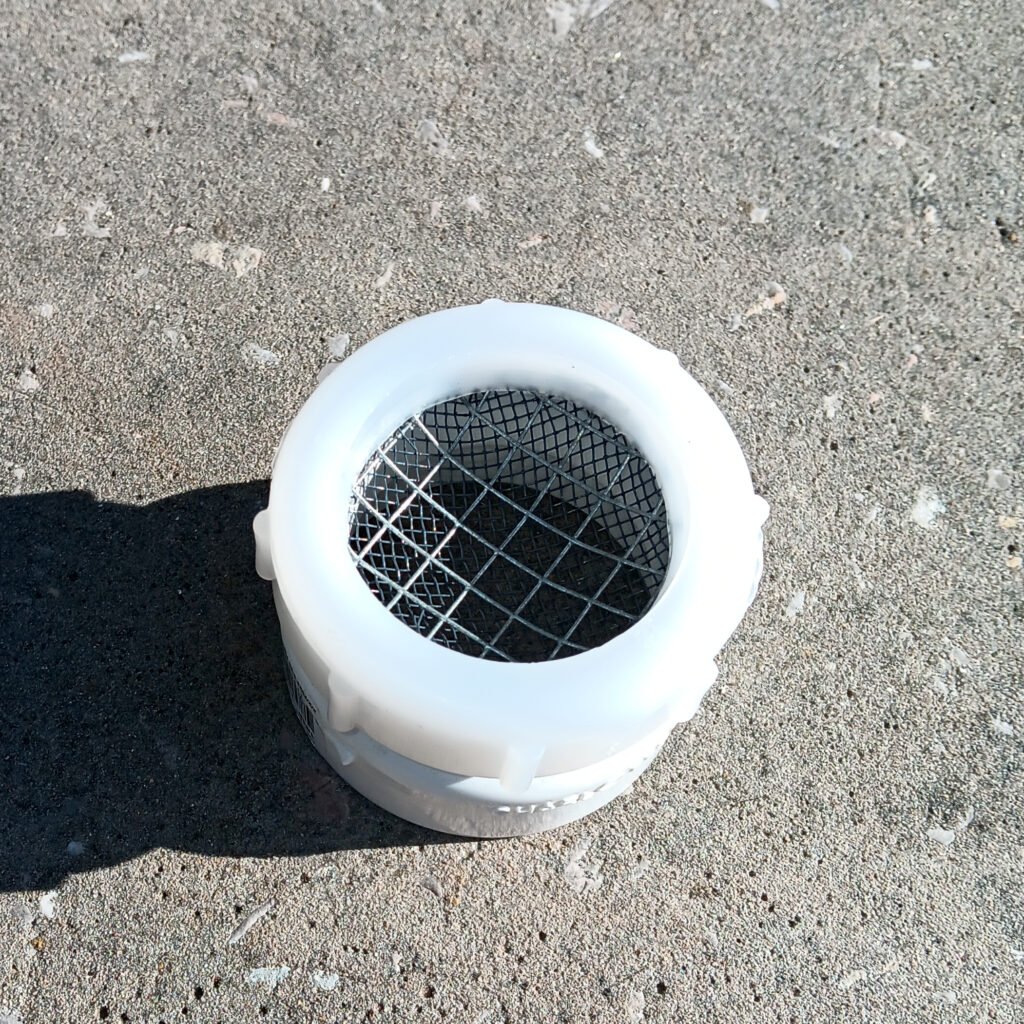
The screen is made the same way that we make the furnace vent cover to keep out insects. The other layer is ” hardware cloth, which is used for rodent and pest prevention. The inner layer is normal screen door/window screen to keep out small insects.
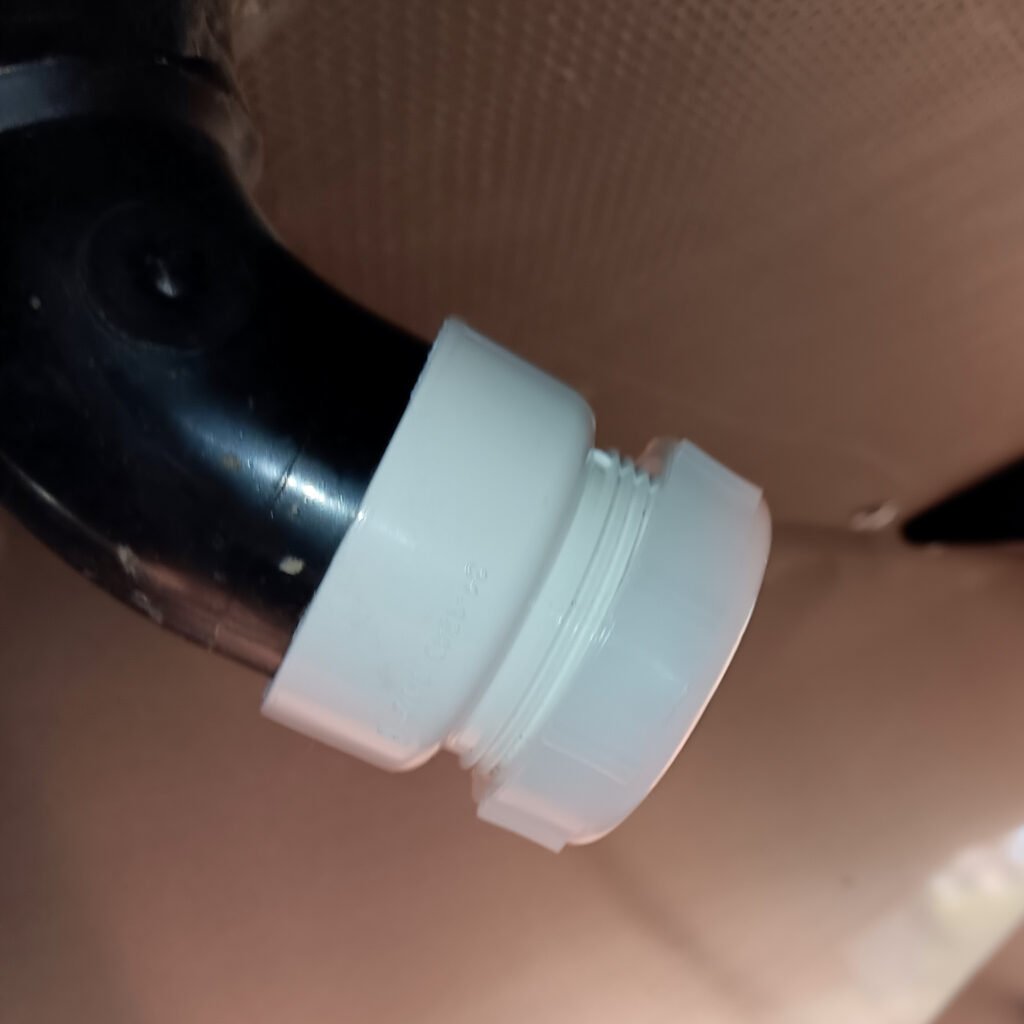
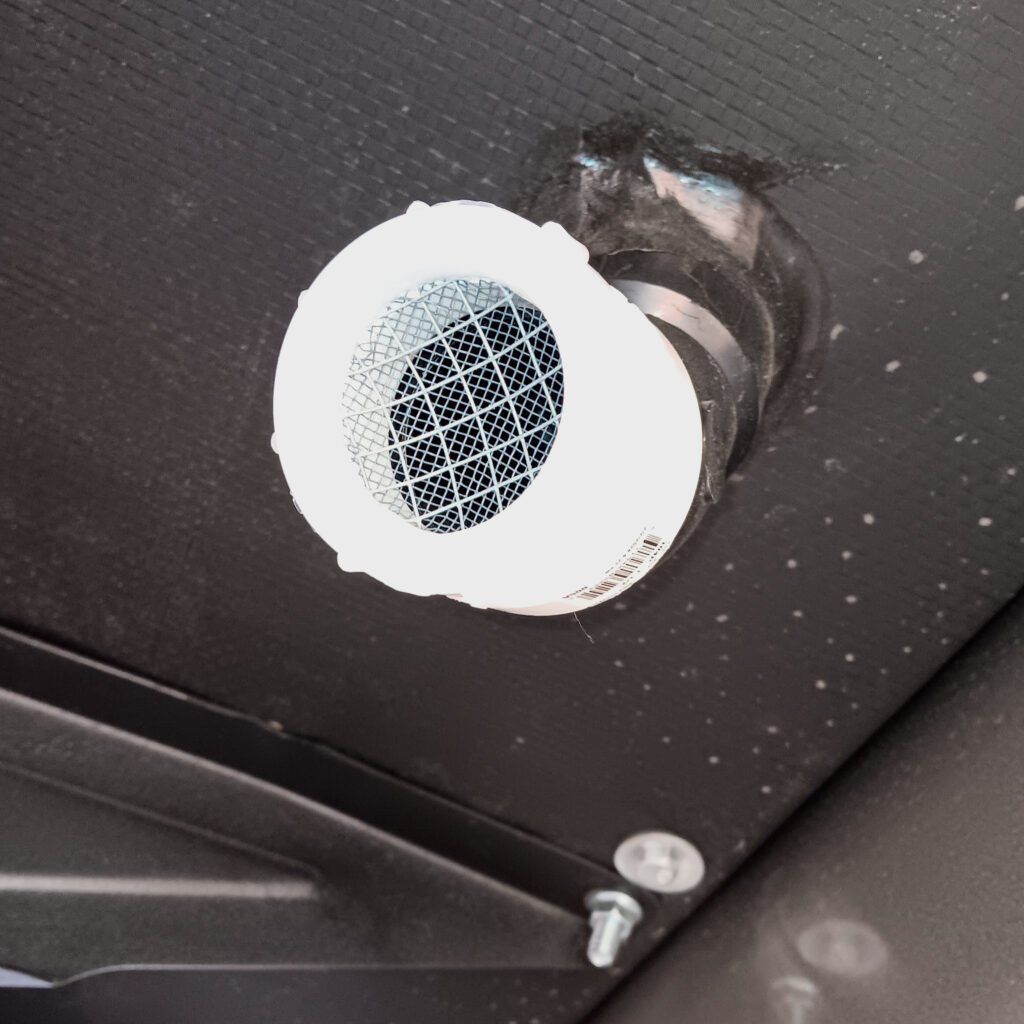
We are debating gluing or screwing the base on to prevent it from falling off while driving. Drilling through the white plastic and putting a retaining dent in the black plastic seems like the best option because it can be removed. We will also need a mechanism to retain the caps, but we have not decided on what to do there. In the long run, we might see about getting a stub and caps 3D printed with locking bayonet connectors.